Newt vs Salamander: What Is the Difference?
All newts are salamanders, but not all salamanders are newts. Salamanders are the order Caudata. Newts are a subgroup, Pleurodelinae, inside the family Salamandridae. Newts tend to have rougher skin, and many have an aquatic adult stage. Salamanders in general tend to have smoother, moister skin. No single trait cleanly separates the two, so the differences below are tendencies, not strict rules.
People use the words newt and salamander as if they mean two different animals. They do not. A newt is a kind of salamander.
This guide explains the family tree, the usual differences in skin, life cycle and toxins, and a few exceptions that break the rules.
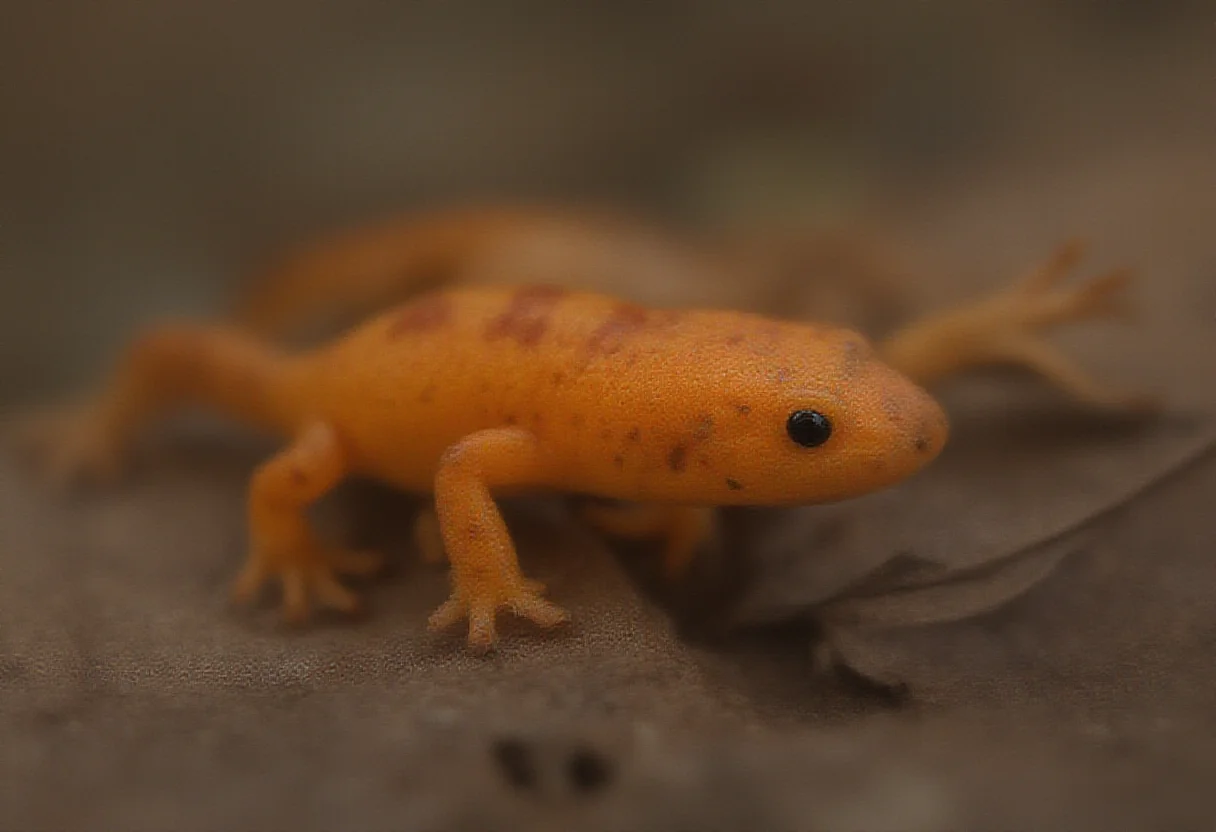
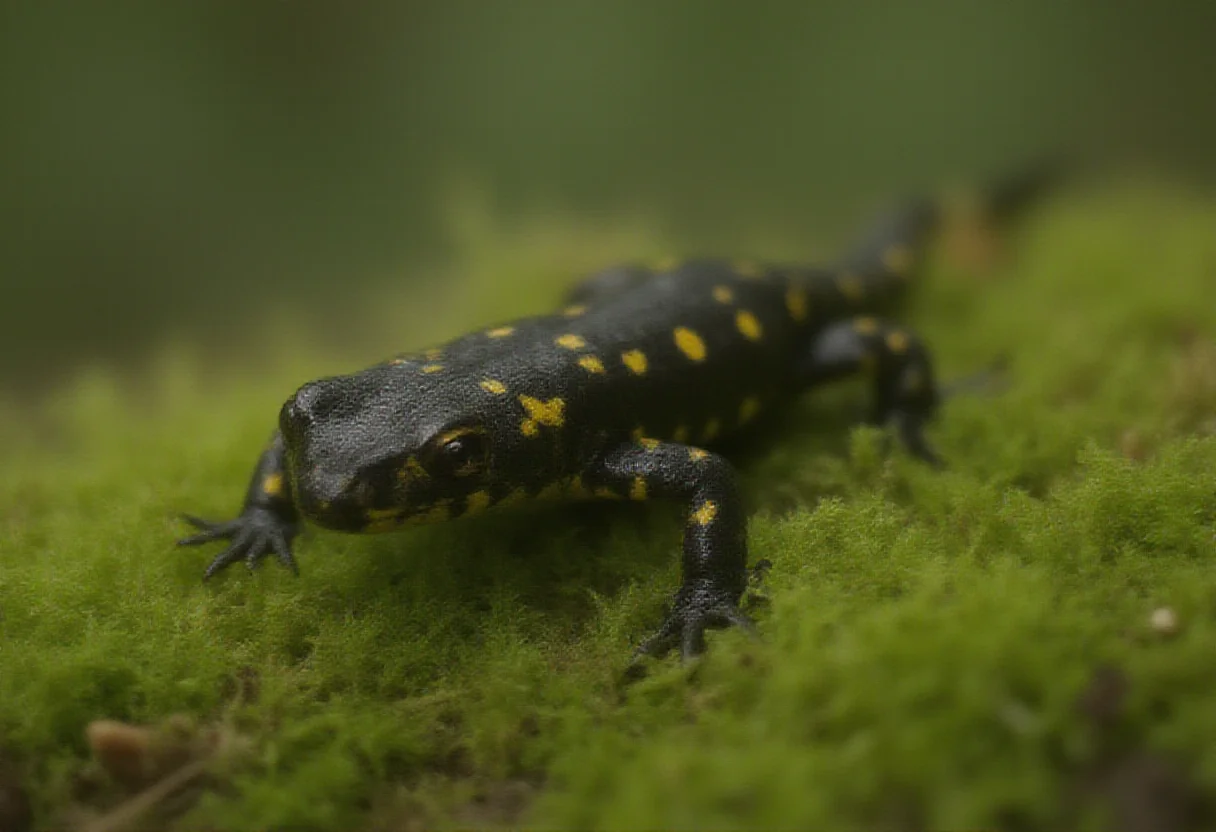
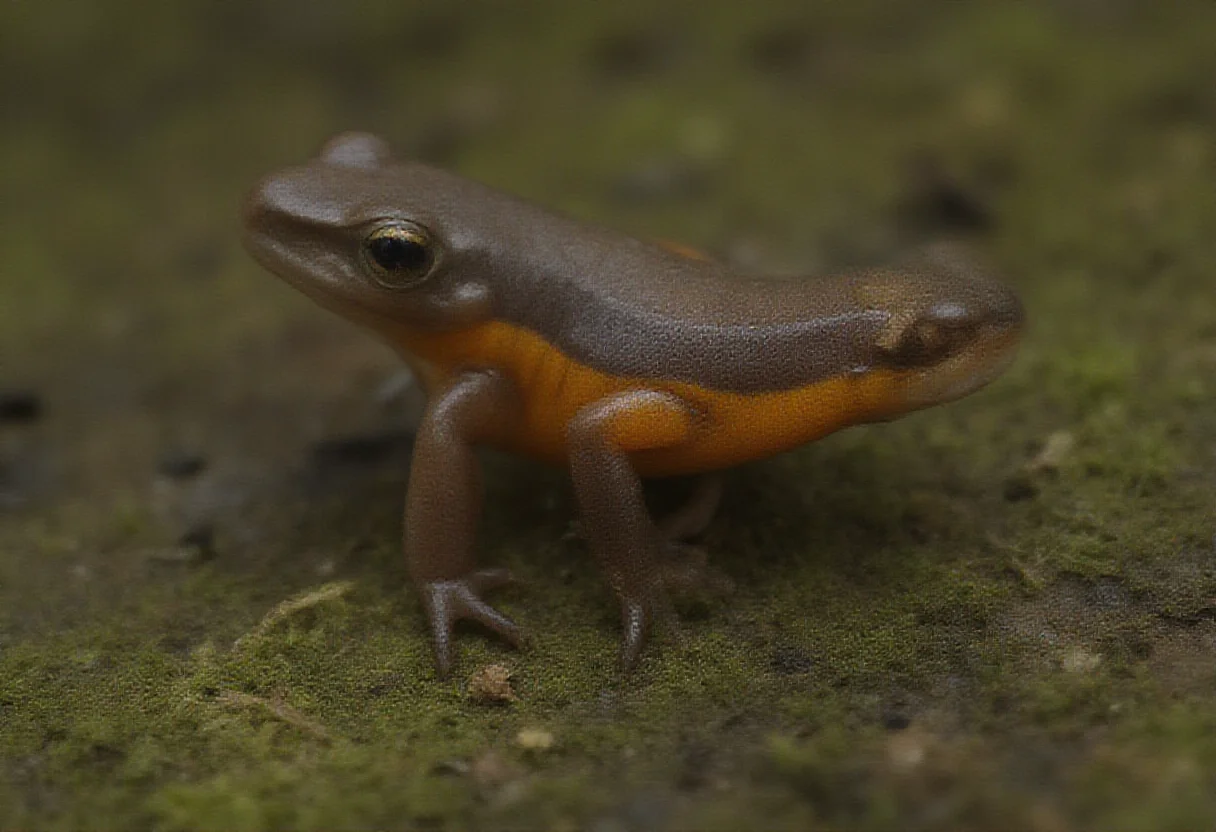
How this was made: prepared with AI assistance and checked against the sources listed at the end. Images are AI-generated illustrations, not photographs of real animals or products.
Key Takeaways
- Newts are salamanders. They are a subgroup within the family Salamandridae.
- Many newts have rough, bumpy skin. Many other salamanders have smooth, moist skin.
- Some newts have three life stages: aquatic larva, land-dwelling eft and aquatic adult.
- Newts are among the most toxic salamanders, but toxicity varies by species.
- There are exceptions on both sides, so use the traits as a guide, not a test.
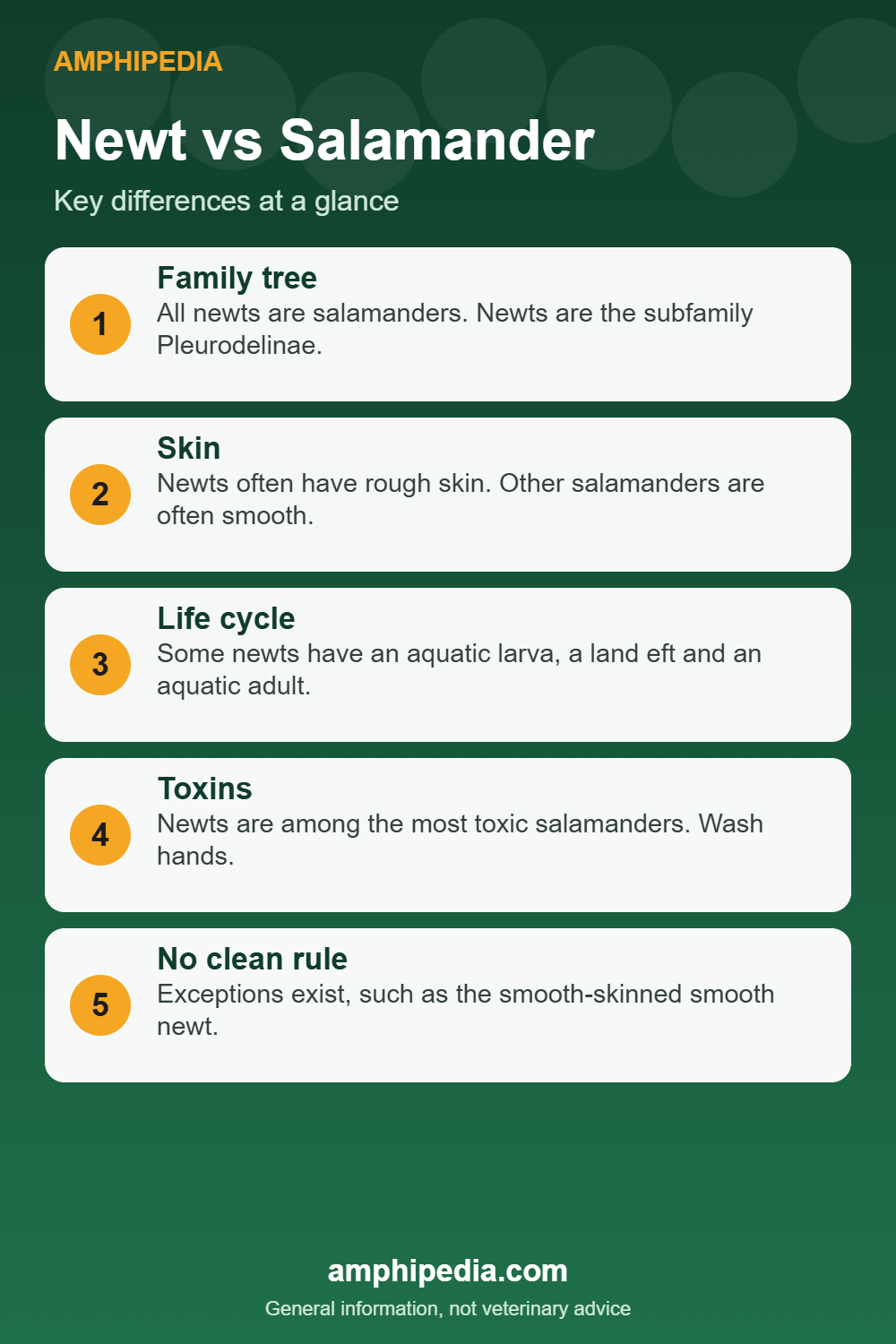
Pin this infographicShare on Facebook
How the groups are related
Salamanders belong to the order Caudata, meaning tailed. Biologist Karen Kiemnec-Tyburczy told Live Science the order has 10 families.
Newts are a subfamily, Pleurodelinae, within the family Salamandridae. One Purdue biologist put it simply: all newts are salamanders, but not all salamanders are newts.
Live Science also notes that newt was historically an informal name for warty salamanders. That is why no single trait defines it.
Key differences at a glance
The table lists the usual tendencies. Treat each row as a rule of thumb.
| Trait | Newts | Other salamanders |
|---|---|---|
| Skin | Often rough or warty | Often smooth and moist |
| Life cycle | Some have an aquatic larva, land eft and aquatic adult | Typically start in water and move to land |
| Toxins | Many skin poison glands | Varies by species |
| Family | Salamandridae (subfamily Pleurodelinae) | Ten families in the order |
Skin: rough versus smooth
Many newts have bumpy skin. Purdue biologist Nick Burgmeier told Live Science that newts tend to have rougher skin than other salamanders.
The smooth newt (Lissotriton vulgaris) is an exception. It has smooth skin despite its group.
The eastern newt has slightly moist, rough skin, according to the Smithsonian National Zoo.
Life cycle: the eft stage
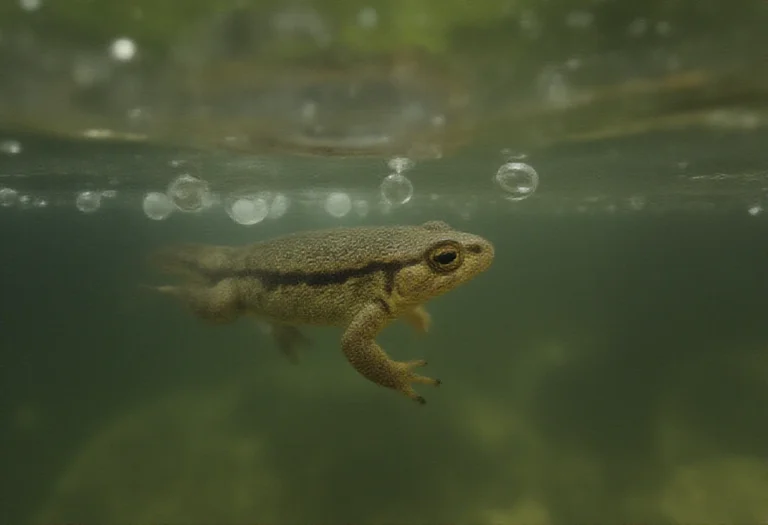
Live Science says salamanders in general are biphasic, starting in water and moving to land. Some newts are triphasic. They have an aquatic larva, a land-dwelling juvenile called an eft and an aquatic adult.
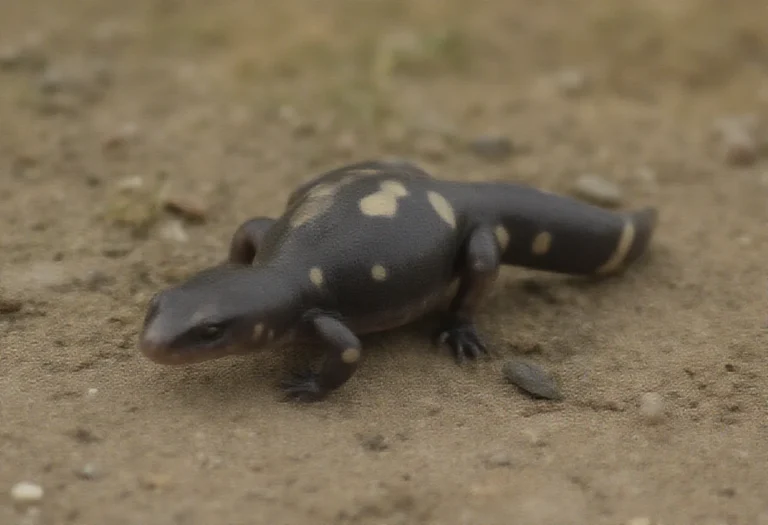
The eastern newt is the classic case. Its eft is bright orange-red and lives on land, among leaf litter. The Smithsonian National Zoo says the aquatic larval stage lasts about two to five months, and that efts usually become aquatic adults after two to three years. Live Science likewise says efts can live on land for about two to three years.
The Smithsonian adds that some populations stay in the eft stage permanently and enter water only to breed. Live Science says some coastal populations skip the eft stage entirely. Many European and Asian newts are also biphasic.
Toxins and defense
Live Science describes newts as the most toxic salamanders. The Smithsonian National Zoo says the eastern newt is slightly toxic.
The rough-skinned newt (Taricha granulosa) is the well-known strong case. The Oregon Encyclopedia says its eggs and skin contain tetrodotoxin and that it releases a milky white substance when disturbed.
The same encyclopedia says that after handling a newt, people should keep their hands away from their mouths.
Exceptions worth knowing
Most salamander species are not newts. AmphibiaWeb says lungless salamanders in the family Plethodontidae account for more than two-thirds of salamander species. They have 523 species and breathe through their skin.
Many newts spend their adult life in water, but not all do. Use habitat as a hint, not as proof.
Why the names are so confusing
Live Science quotes Karen Kiemnec-Tyburczy of Cal Poly Humboldt, who says newt was historically an informal name for warty, bumpy salamanders. Those animals are not each other’s closest relatives. As taxonomy was clarified in the 20th century, scientists grouped them as newts, so the group today is diverse.
She also stresses that newts are a small subset of all the diversity within salamanders. That is why a trait list can help but never settles the question. The article says no single trait reliably separates newts from other salamanders.
Case study: the eastern newt
The Smithsonian’s National Zoo gives a clear picture of a newt with all three life stages. The eastern newt (Notophthalmus viridescens) is 2.5 to 5 inches (7 to 12.5 cm) long and lives in the eastern United States, from Canada south to Florida and west through the Great Lakes to Texas.
- Larva: aquatic, with feathery external gills, for about 2 to 5 months.
- Eft: terrestrial and bright orange-red, living among leaf litter. It usually becomes an aquatic adult after 2 to 3 years.
- Adult: aquatic, but able to survive on land.
The zoo says the newt is carnivorous at every stage and eats invertebrates, including mosquitoes, and that its skin is slightly toxic. The red spots signal this. Lifespan is given as 12 to 15 years.
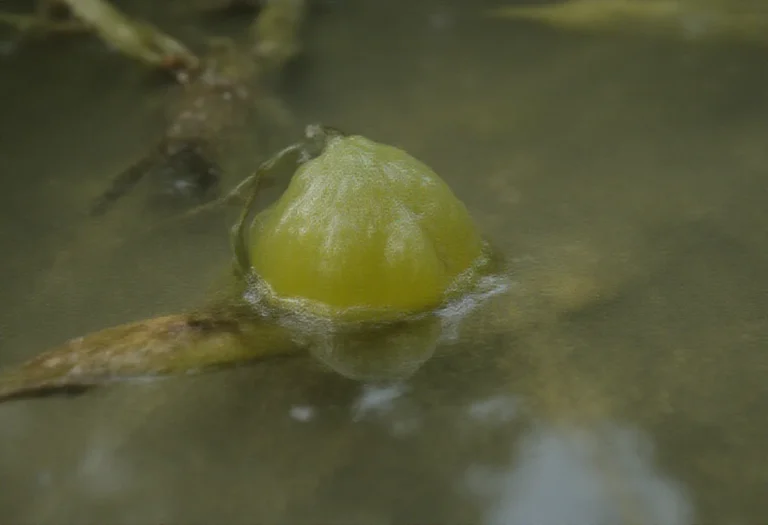
Breeding runs from late winter to early spring. Males court females with tail movements and pheromones and leave a sperm packet that the female picks up. She lays 200 to 400 jelly-covered eggs one at a time on underwater plants over several weeks, and there is no parental care.
Case study: the rough-skinned newt
The Oregon Encyclopedia describes a very different newt. The rough-skinned newt (Taricha granulosa) reaches about 22 cm (8 inches) and lives on the Pacific coast from southeastern Alaska to the Bay Area of central California. In Oregon it occurs from sea level to about 1,900 m (6,250 feet) in the Cascades.
Adults forage day and night in nearby forests and grasslands and eat small invertebrates such as spiders, worms and insects. They breed in ponds. In winter, breeding males develop smoother skin, larger tails and nuptial pads on their toes that help them grasp females. So even the “rough” newt changes its skin with the season.
Its eggs and the skin of larvae and adults contain tetrodotoxin. When disturbed, a newt releases a milky white substance from glands, and it may arch its back with head and tail curved up to show a bright orange underside. Garter snakes eat these newts and have evolved a biochemical defense against the toxin. Live Science says the newts host bacteria that produce tetrodotoxin.
Salamanders that are not newts
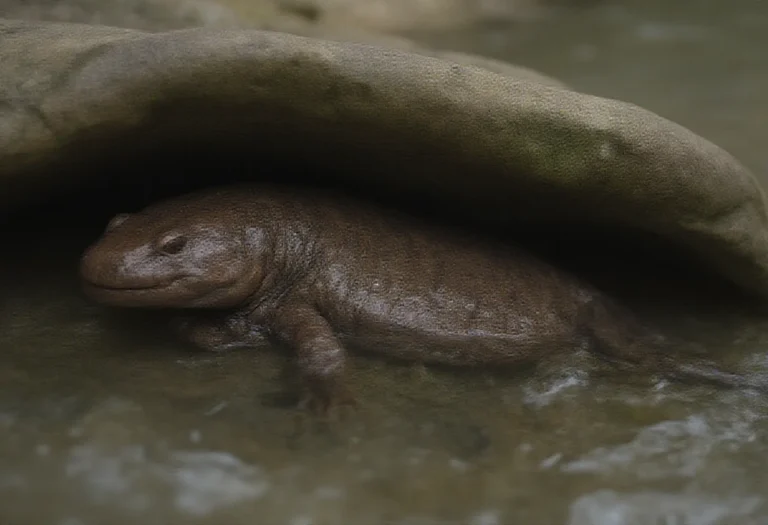
Live Science says salamanders range from about 2.5 cm (1 inch) to 1.8 m (6 feet) long. The eastern hellbender is North America’s largest salamander, and the article notes that its health can indicate water quality.
AmphibiaWeb describes Plethodontidae as the largest salamander family, with 523 species in 28 genera. All members lack lungs. Most live in the New World, from southern Canada through South America, and the family is thought to have originated in the Appalachian Mountains. It has stream, tree, ground, burrowing and cave dwellers. Most species fertilize internally and develop directly, without a free-swimming larva.
Live Science also notes that axolotls never develop past the larval stage, another sign of how varied the order is.
A practical way to tell them apart in the field
- Start with where you are. The eastern newt is an eastern species, and the rough-skinned newt lives on the Pacific coast.
- Look at the life stage. A bright orange-red animal on a damp forest floor in the East is likely an eft.
- Check the skin, but only as a hint. Many newts are rough, but the smooth newt is not.
- Check the habitat. Many adult newts live in ponds, but not all.
- Use a regional field guide or your state wildlife agency to confirm the species before you rely on any trait.
Common mistakes when sorting newts and salamanders
- Treating “newt” and “salamander” as opposites. Every newt is a salamander.
- Expecting every newt to have three life stages. Live Science says many European and Asian newts are biphasic, and some coastal eastern newts skip the eft stage.
- Calling every orange salamander an eft. The eft is a stage of certain newts, so check the species first.
- Trusting rough skin as proof. The smooth newt is a newt with smooth skin, and breeding rough-skinned newt males develop smoother skin in winter.
- Assuming all newts are equally toxic. The Smithsonian calls the eastern newt slightly toxic, while the rough-skinned newt carries tetrodotoxin.
Use these cases as a reminder that group names describe tendencies, and that the species in front of you is what matters.
Handling wild newts safely
The Oregon Encyclopedia advises avoiding hand-to-mouth contact after handling a newt. Live Science quotes Nick Burgmeier of Purdue, who warns that putting a rough-skinned newt in your mouth would be catastrophic, and says tetrodotoxin can be fatal if ingested.
The simplest rule is to watch rather than handle. If you do touch a newt or its water, wash your hands with soap and running water before you eat or touch your face.
Frequently Asked Questions
Is a newt a salamander?
Yes. Newts are a subgroup of salamanders in the family Salamandridae.
Are all salamanders newts?
No. Most salamanders are not newts. Plethodontid salamanders alone account for more than two-thirds of species.
Do newts have smooth skin?
Many have rough skin, but not all do. The smooth newt is a common exception.
What is an eft?
The juvenile land stage of some newts. The eastern newt’s eft is bright orange-red.
Are newts poisonous?
Many newts carry skin toxins. The rough-skinned newt carries tetrodotoxin. Do not handle wild newts without washing afterward.
Which one makes a better pet?
That depends on the species. Care needs differ for each species, and local laws vary. Check your state wildlife agency.
Bottom Line
The easiest way to remember it is this. Salamander is the big family name. Newt is a smaller branch with a few habits of its own.
If you are curious how large salamanders get, read how big can a salamander get. For diet, see what to feed a salamander.
Sources
- Live Science: What’s the difference between a newt and a salamander?: Quotes biologists at Purdue and Cal Poly Humboldt
- Smithsonian National Zoo: Eastern Newt: Life cycle, skin, toxicity
- Oregon Encyclopedia: Rough-skinned newt: Tetrodotoxin, defensive display
- AmphibiaWeb: Plethodontidae: Lungless salamander species count
- CDC: Reptiles and Amphibians: Salmonella guidance