Axolotl

  • How to Keep an Axolotl Tank Cool: Safe Temperatures and 5 Fixes

    This post contains affiliate links. As an Amazon Associate I earn from qualifying purchases. To keep an axolotl tank cool, aim for 16 to 18 degrees C (60 to 64 degrees F) and never let the water pass 24 degrees C (75 degrees F), the limits given by the Royal Veterinary College’s exotics service. Start…
  • Axolotls Reproductive Organs: A Comprehensive Guide

    Axolotls are fascinating creatures known for their unique ability to regenerate body parts. Their reproductive organs are equally intriguing. These amphibians have internal reproductive systems that differ from many other species. Understanding their reproductive anatomy helps us learn more about their breeding habits and lifecycle. Axolotls reach sexual maturity around one year of age. Males…

  • Fried Axolotl

    The perfectly fried axolotl should be crispy on the outside and tender on the inside, resulting in a delicious and satisfying meal. When it comes to cooking an axolotl, achieving the ideal texture and taste is crucial. Served as a delicacy in some regions, axolotl meat can be tricky to cook due to its delicate…

  • Axolotl Turning into Salamander

    Axolotls can turn into salamanders during the metamorphosis process, which occurs naturally in their development. This transformation happens due to hormonal changes and triggers the growth of legs, loss of gills, and development of lungs, allowing the axolotl to live on land as a salamander. Credit: www.iflscience.com Understanding Axolotls And Salamanders Axolotl, a fascinating amphibian…

  • Why are Salamanders Associated With Fire

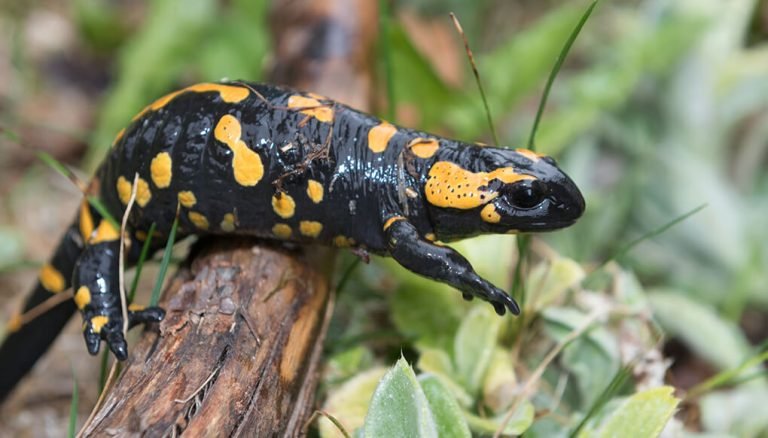
    Salamanders are associated with fire due to the ancient belief that they could withstand and even extinguish flames. In many ancient cultures, the salamander was believed to have a strong association with fire. This association originated from observations that salamanders could survive in or around flames without being harmed. The belief was further fueled by…

  • Does Axolotl Have Teeth

    Yes, the axolotl does have teeth. In addition to their teeth, axolotls also have beak-like structures to help them eat prey. Axolotls are fascinating amphibians known for their unique physical characteristics. One question that often arises is whether they have teeth. In the simplest terms, the answer is yes. Axolotls possess teeth that serve various…

  • Axolotl Characteristics

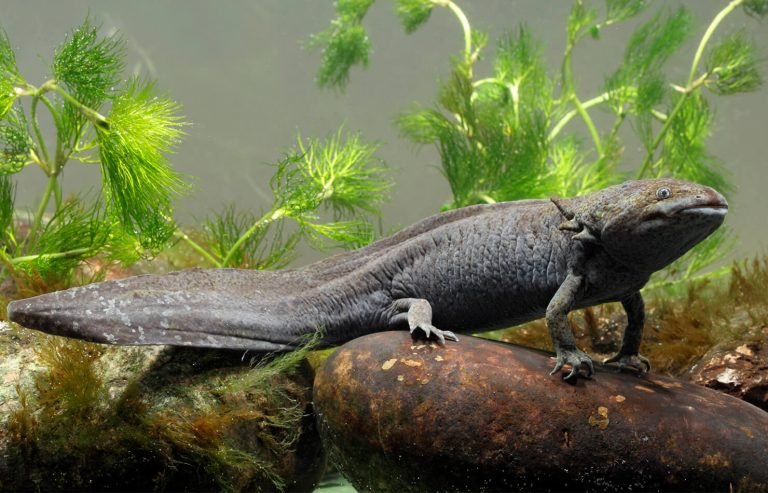
    Axolotls are amphibians known for their unique external gills and ability to regenerate body parts. These creatures originate from Mexico and are classified as aquatic salamanders. Axolotls have a sleek, slimy body with a long, flat tail, and they come in various colors such as white, brown, and black. Their distinct features include lidless eyes,…

  • Axolotl Lifespan

    Axolotls have an average lifespan of 10-15 years. Axolotls typically live for around 10-15 years. These unique salamanders belong to the Ambystoma genus and are known for their ability to regenerate body parts. Native to Mexico’s ancient lakes, their lifespan can be influenced by factors such as proper care, diet, water quality, and environmental conditions….

  • Axolotl Tank

    An axolotl tank is a necessary habitat for axolotls, providing them with the appropriate environment for their survival and well-being. Axolotls are amphibians that require a tank with specific conditions, such as clean water, suitable temperature, and hiding places. They are sensitive creatures and need a tank that meets their needs to thrive. We will…

  • What Do Axolotl Eat

    Axolotls eat a diet consisting primarily of small aquatic animals and insects. They are carnivorous creatures that predominantly feed on brine shrimp, bloodworms, daphnia, and various other live foods. Additionally, they may also consume small fish, tadpoles, earthworms, and other meaty items as part of their diet. Axolotls are known to have a voracious appetite,…

  • Axolotl Teeth

    Axolotl teeth are unique structures that are used for holding and grasping prey. In addition to their function as prey grabbers, these teeth also play a role in defense against predators. These teeth are sharp, curved, and their continuous renewal ensures their functionality throughout the axolotl’s life. The axolotl’s remarkable ability to regenerate lost teeth…

  • Are Axolotls Endangered

    The axolotls are listed as critically endangered due to habitat loss and pollution. The axolotl, a unique amphibian native to Mexico, is facing a critical threat that has classified it as endangered. The primary factors contributing to this status are habitat loss and pollution. These fascinating creatures, often referred to as “Mexican walking fish,” are…

  • Axolotl Food

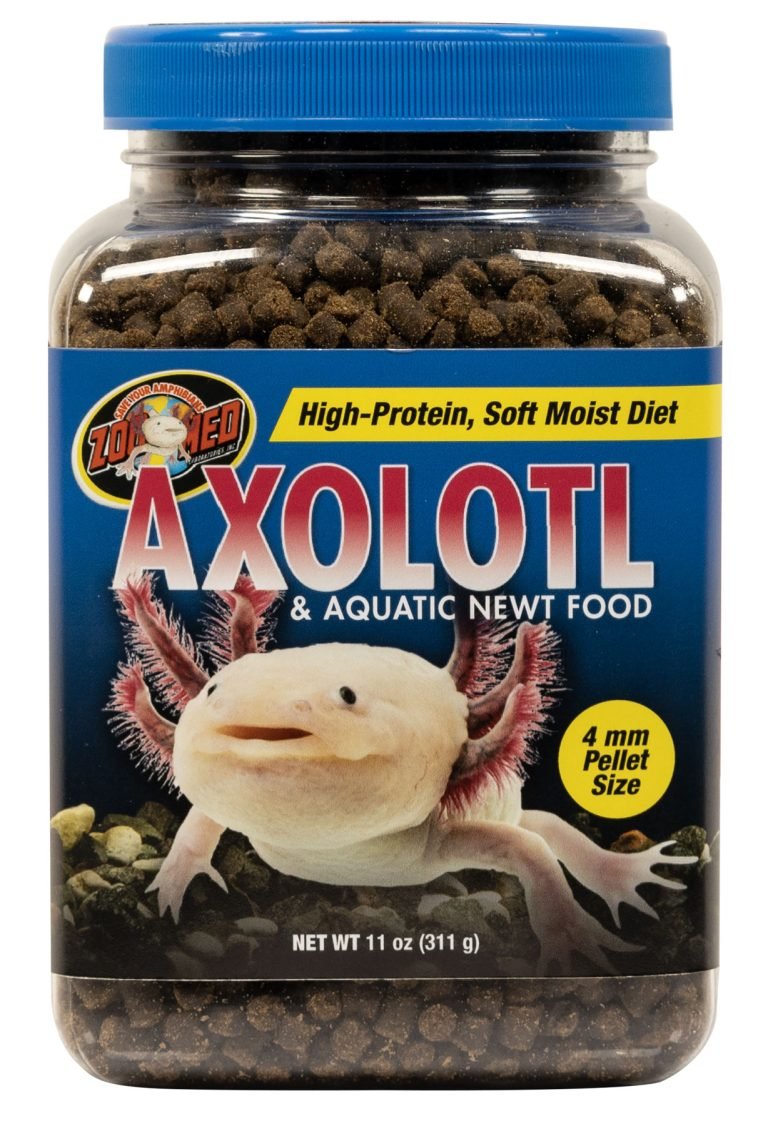
    Axolotl food is an essential part of their diet and should consist primarily of high-quality live or frozen foods. Axolotls are carnivorous amphibians and thrive on a diet of small insects, worms, and brine shrimp. Credit: www.amazon.com The Importance Of A Healthy Diet For Axolotls Axolotls require a healthy diet to maintain their optimal health…

  • Axolotl Extinct

    The axolotl is not extinct, but it is critically endangered in its natural habitat. The axolotl is a fascinating amphibian native to Mexico, known for its unique ability to regenerate lost body parts. However, due to habitat destruction, pollution, and the introduction of invasive species, the axolotl population has declined significantly. Efforts are being made…

  • How Big Does Axolotl Get

    Axolotl can grow to a maximum size of about 12-18 inches. Axolotl, also known as the Mexican walking fish, is a unique amphibian species that can captivate anyone with its unusual appearance and interesting behaviors. If you’re considering getting an axolotl as a pet or simply curious about these fascinating creatures, one of the common…

  • How to Breed Axolotls

    To breed axolotls, provide them with a suitable environment and feed them a balanced diet. Breed Axolotls Bred in captivity for over a century, axolotls are fascinating amphibians native to Mexico. Known for their regenerative abilities, these creatures are popular among hobbyists and researchers alike. Breeding axolotls requires creating the right conditions, providing proper nutrition,…

  • Axolotl Colors

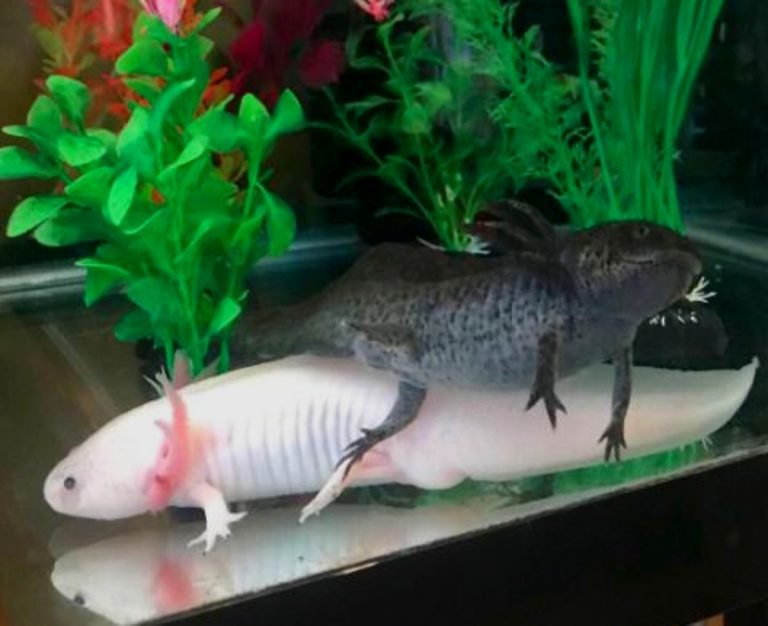
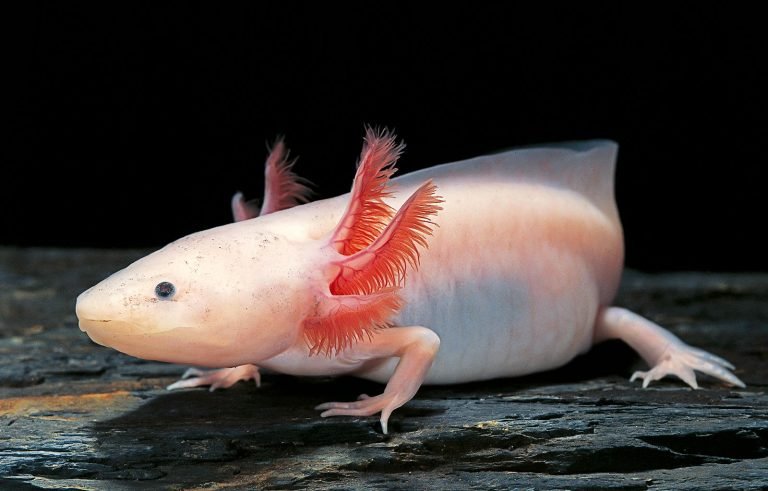
    Axolotls come in a range of vibrant colors, including white, pink, and various shades of brown and gray. These unique aquatic creatures have captivated the attention of pet enthusiasts globally due to their stunning hues and distinctive appearance. Axolotls are famous for their ability to regenerate body parts, which adds to their allure. We will…

  • Axolotl Smile

    Axolotl Smile is a dental clinic known for its accurate and exceptional dental services. Situated in a prime location, Axolotl Smile is a renowned dental clinic that is recognized for its precision and high-quality dental treatments. With a team of experienced and skilled dental professionals, they offer a wide range of dental services to cater…

  • Types of Axolotl

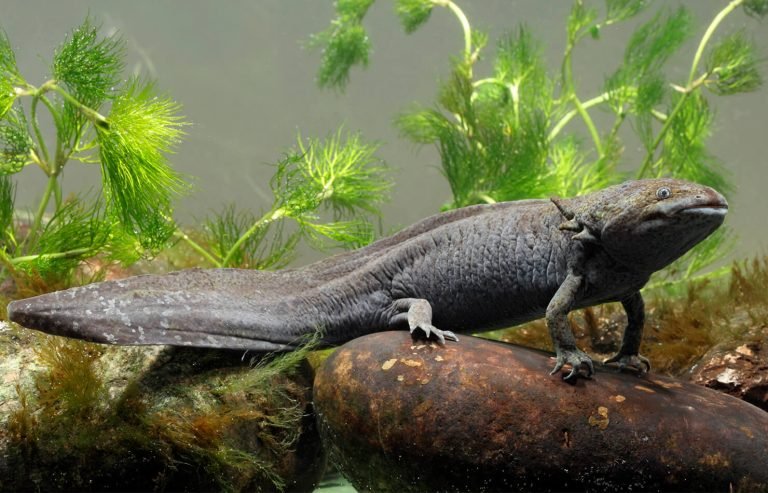
    There are three main types of Axolotl: wild type, leucistic, and melanoid. Axolotls come in three main types: wild type, leucistic, and melanoid. These types differ in coloration and pigmentation, with the wild type having a dark body with spots, leucistic having a pale pink or white body with yellow or red eyes, and melanoid…

  • Male Axolotl

    An adult male axolotl can be distinguished by its longer tail and swollen cloaca. It is a unique aquatic salamander native to Mexico, known for its ability to regenerate lost body parts. With its external gills, feathery appearance, and diverse range of colors, the male axolotl is a fascinating creature that has captured the attention…

  • Axolotl Breeding

    Axolotl breeding involves creating optimal conditions for mating and ensuring proper care for the eggs. Axolotls are fascinating aquatic creatures that have unique reproductive habits. They can be bred in captivity with proper preparation and knowledge. We will explore the basics of axolotl breeding, including tank setup, mating behavior, egg care, and hatching. Whether you…