Axolotl Characteristics: Traits, Size and Biology Explained
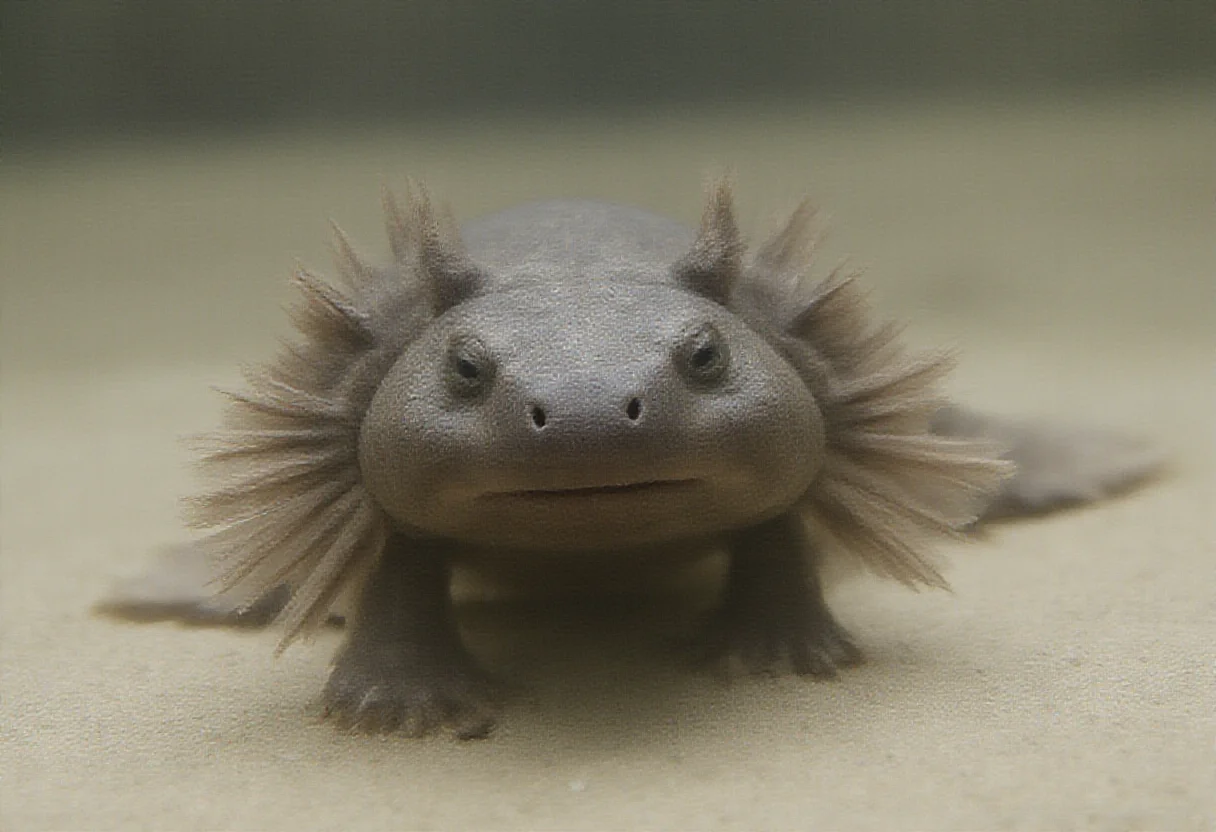
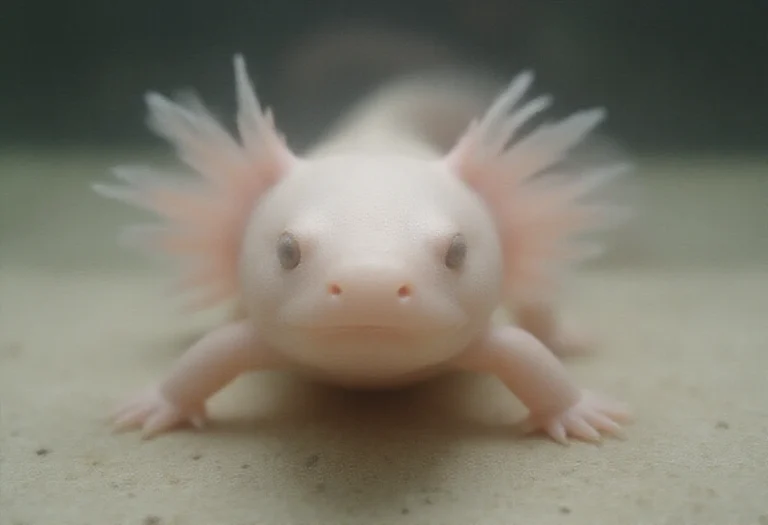
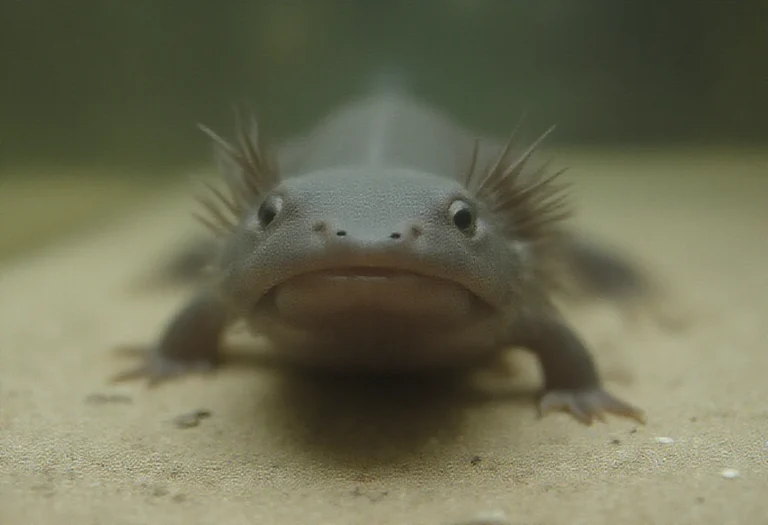
Axolotls (Ambystoma mexicanum) are aquatic salamanders that keep larval features for life. Their main traits are feathery external gills, a finned tail, small limbs and a fully aquatic life. Adults usually reach about 20 to 30 cm. Wild-type animals are dark brown with black speckling, and albino and white forms are common. They regenerate body parts and live in the wild only in Xochimilco, Mexico.
The axolotl looks like a young salamander that never grew up. In a way, that is exactly what it is. Scientists call the trait paedomorphosis, and it explains most of what makes this animal unusual.
This guide covers the main characteristics: body shape, size, colour, life stages, regeneration, behaviour and status. It draws on Animal Diversity Web, Britannica and two veterinary references. For a short list, see axolotl facts.
How this was made: prepared with AI assistance and checked against the sources listed at the end. Images are AI-generated illustrations, not photographs of real animals or products.
Key Takeaways
- Axolotls are salamanders in the family Ambystomatidae, not fish.
- They keep external gills and a finned tail as adults (paedomorphosis).
- Typical adult length is 20 to 30 cm, and mass is 60 to 110 g.
- Wild-type colour is dark brown with black speckling. Albino and white forms are common.
- They are known for regeneration and are used in developmental research.
- They are Critically Endangered in the wild and listed in CITES Appendix II.
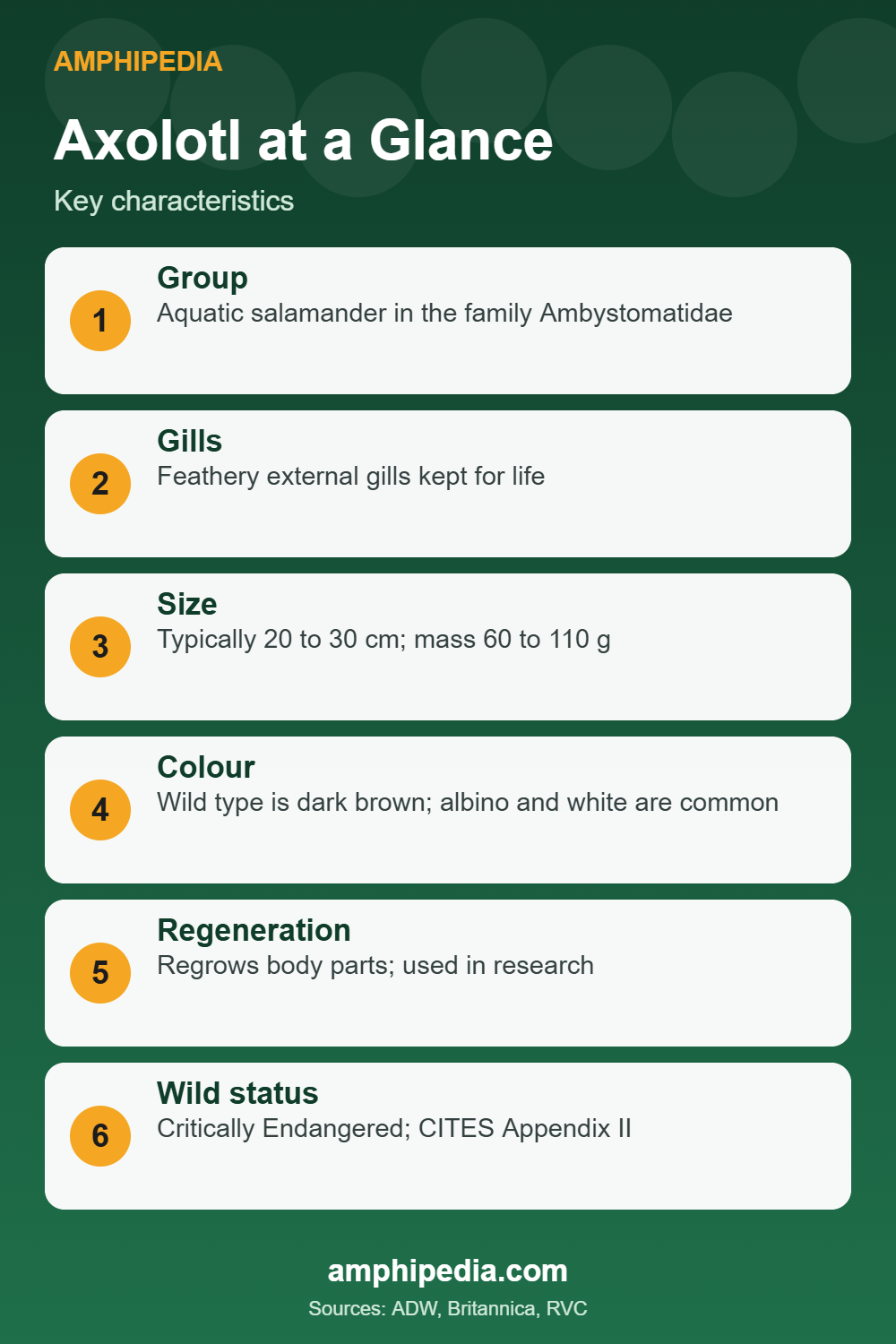
Pin this infographicShare on Facebook
Axolotl profile at a glance
This table gathers the basic facts. Figures come from Animal Diversity Web and Britannica unless stated.
| Trait | Detail |
|---|---|
| Scientific name | Ambystoma mexicanum |
| Group | Salamander, family Ambystomatidae |
| Native range | Xochimilco, near Mexico City |
| Typical length | About 20 cm; can exceed 30 cm |
| Mass | 60 to 110 g |
| Diet | Carnivore |
| Wild status | Critically Endangered (IUCN); CITES Appendix II |
Gills, tail and limbs
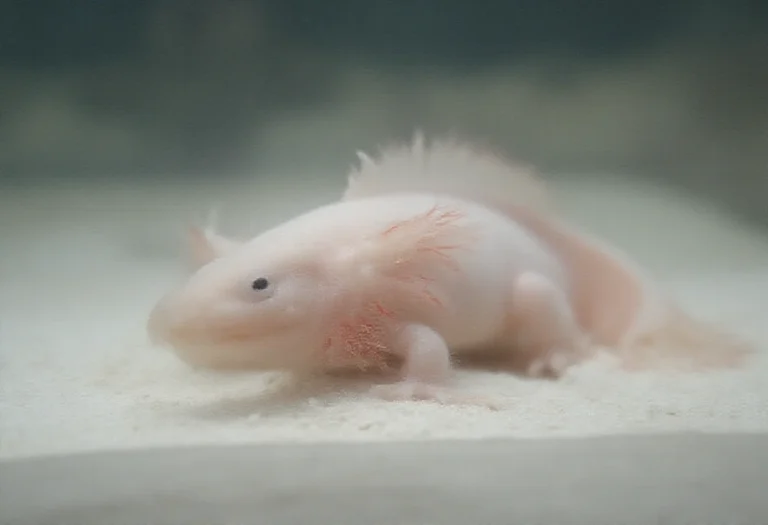
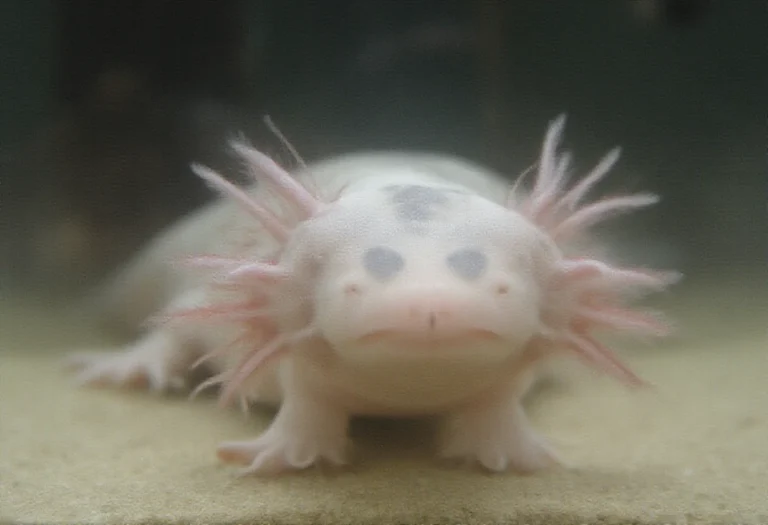
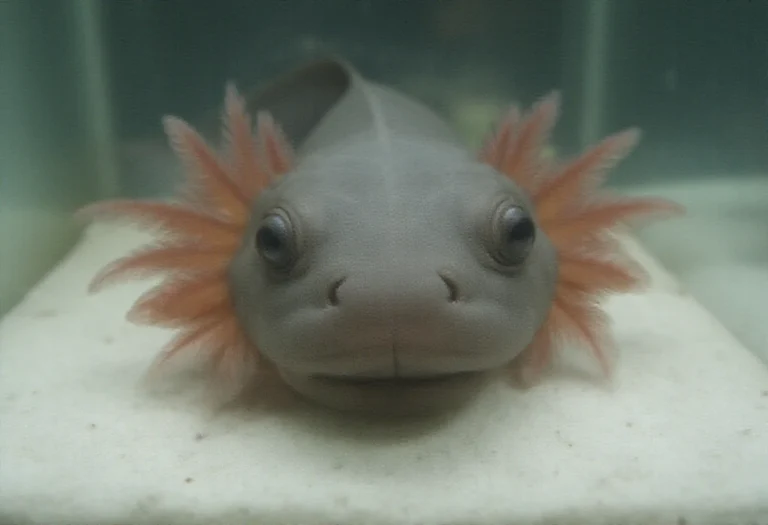
Britannica describes the axolotl as a salamander that keeps larval features, such as external gills, throughout life. Animal Diversity Web calls the gills feathery. Adults also keep finned tails.
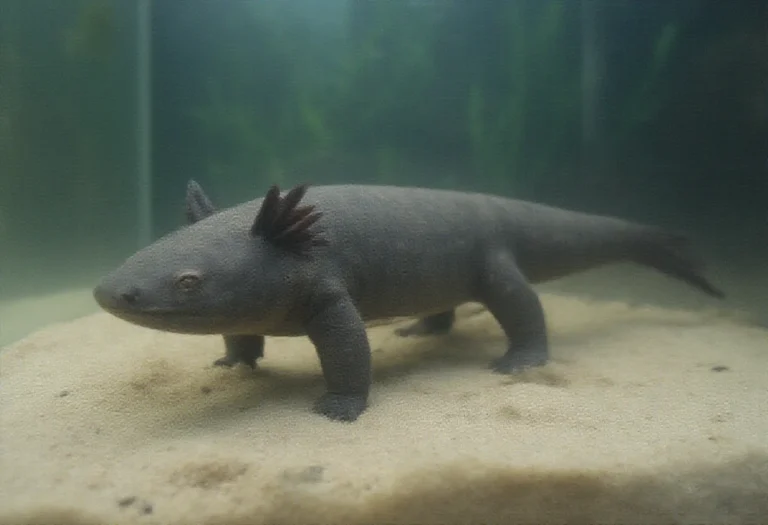
The body has small legs and feet, a long tail, and fins along the back and underside, according to Britannica. Lafeber Veterinary describes the tail as paddle-like. The animal remains aquatic for life.
These features are not signs of a fish. Axolotls are amphibians and salamanders. See are salamanders fish for why the difference matters.
Size and growth
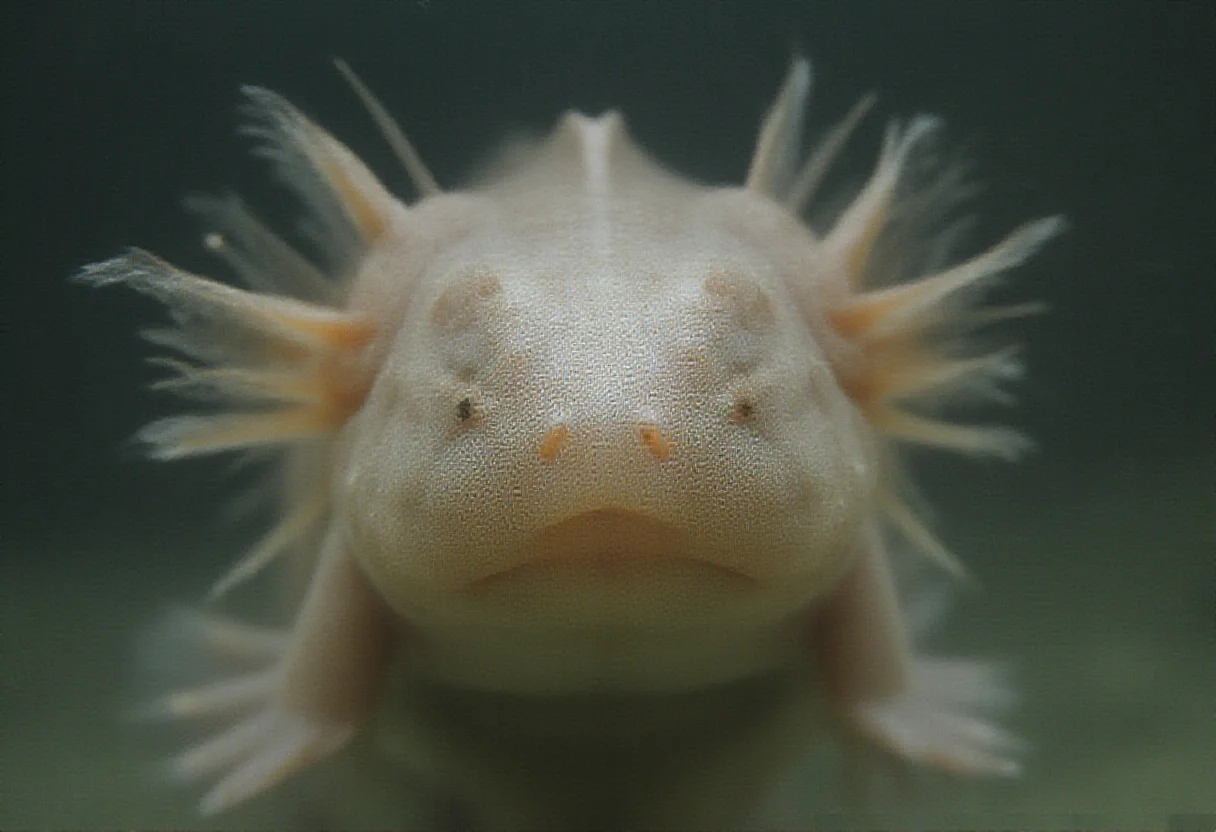
Sources give slightly different sizes. Animal Diversity Web lists a typical length of about 20 cm, with some over 30 cm. The RVC gives an average of 25 to 30 cm. Lafeber gives about 23 to 25 cm.
The RVC says adult size is reached at 18 to 24 months. For more detail, read how big does an axolotl get.
Colour and pattern
Britannica says wild-type axolotls are usually dark brown with black speckling. Albino and white mutants are common, especially in captivity.
Colour names vary among hobbyists. For named forms, read axolotl colours and axolotl morphs.
Paedomorphosis: staying larval
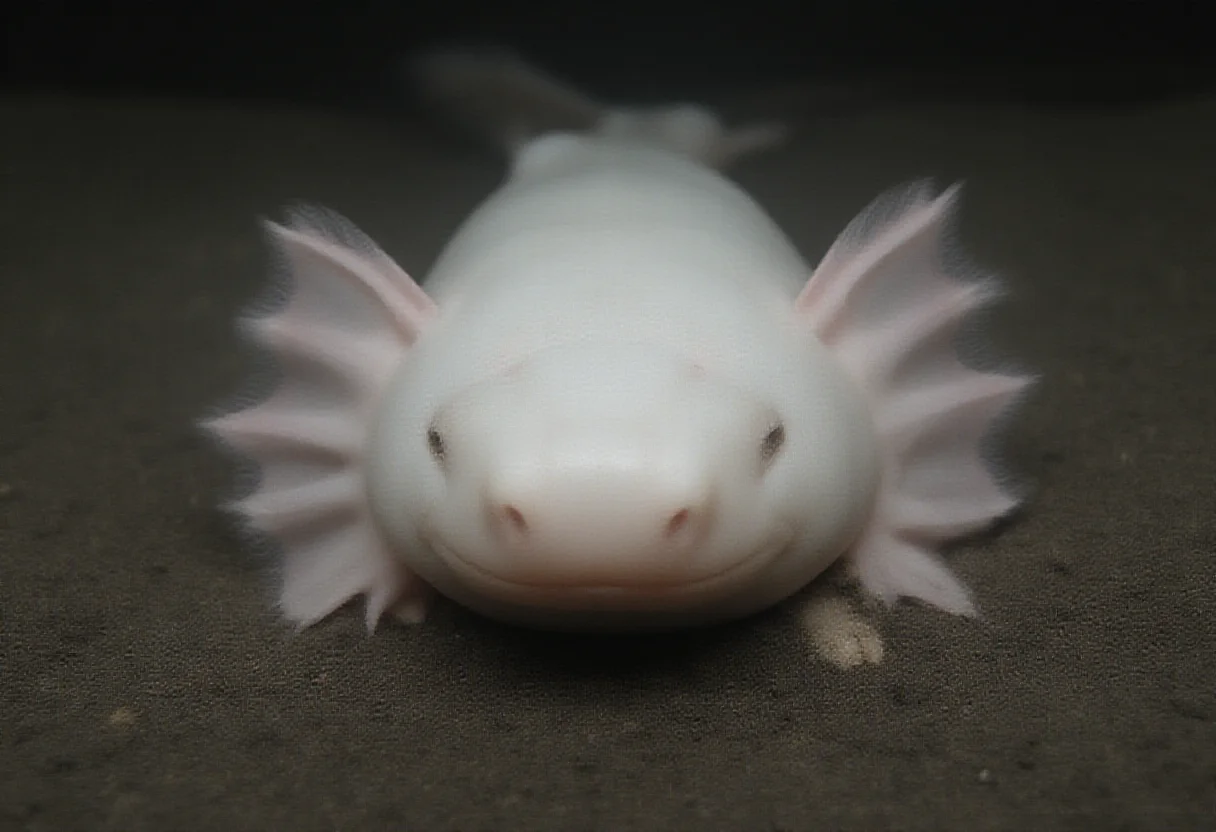
Animal Diversity Web describes the axolotl as paedomorphic, meaning it keeps larval traits as an adult that can breed. In the wild, metamorphosis rarely if ever occurs.
Metamorphosis can be induced with thyroid hormone, according to Animal Diversity Web and Britannica. Animal Diversity Web adds that most laboratory animals die shortly after it. An axolotl is already a salamander, so this is a change of form, not of species. Read axolotl turning into salamander.
Regeneration and teeth
Animal Diversity Web notes the axolotl’s amazing regenerative abilities, which is why it is widely used in developmental studies.
A 2020 Scientific Reports study of tooth regeneration found that axolotl teeth sit on four bones: two dentaries and two coronoids. The animals replace teeth continuously through life. The study also found that tooth regeneration depends on nerves.
Axolotl.org says the teeth are rudimentary and made for gripping, so prey is swallowed whole. For more, see axolotl teeth.
Behaviour and senses
Axolotls are carnivores. Animal Diversity Web lists fish, amphibians, insects, other arthropods, mollusks, worms and zooplankton in their diet, plus other axolotls.
The RVC says they are mostly nocturnal and very sensitive to sudden lighting changes. Their skin is vulnerable to toxins and trauma, so handling should be minimal. Best practice is to keep them alone.
Reproduction basics
Animal Diversity Web reports internal fertilisation. The male deposits a spermatophore, which the female picks up. Females lay 100 to 300 eggs singly on rocks or plants.
Eggs hatch in 10 to 14 days, and hatchlings are independent at once. Sexual maturity comes at around one year. Lafeber says adult males show a bulge near the vent. See axolotl breeding for more.
Habitat and status
Axolotls once lived in Lakes Chalco and Xochimilco. Only Xochimilco, at about 2,274 m elevation, remains. Animal Diversity Web says they are almost extinct in their native habitat.
Conservation International reports about 6,000 per square kilometre in 1998 and 36 in 2014. Causes include habitat loss, pollution and introduced fish such as carp and tilapia. See are axolotls endangered.
Frequently Asked Questions
Is an axolotl a fish?
No. It is an amphibian, a salamander in the family Ambystomatidae. It keeps gills and fins as a larval trait.
How big is an adult axolotl?
Sources give 20 to 30 cm. Animal Diversity Web says about 20 cm, with some over 30 cm. The RVC gives an average of 25 to 30 cm.
What colour are wild axolotls?
Britannica says usually dark brown with black speckling. Albino and white forms are common in captivity.
Can axolotls regrow body parts?
Animal Diversity Web notes strong regenerative abilities, which is why they are used in research.
Do axolotls have teeth?
Yes. A 2020 study found teeth on the dentaries and coronoids, replaced throughout life.
Do axolotls live on land?
They remain aquatic for life (Lafeber). Read can axolotls live on land.
Bottom Line
The axolotl is a salamander that stays young in form. Its gills, fins and regenerative skill make it a favourite of researchers, and its fragile wild status makes it a conservation concern.
Next, read the sourced axolotl facts list or learn how long they live in axolotl lifespan.
Sources
- Animal Diversity Web: Ambystoma mexicanum, accessed Range, size, diet, reproduction, status
- Britannica: Axolotl, accessed Description, colour, paedomorphosis
- Royal Veterinary College: Axolotl care sheet (2024), accessed Adult size, behaviour
- Lafeber Veterinary: Axolotl care, accessed Aquatic life, tail, sex differences
- Makanae et al. 2020, Scientific Reports: Neural regulation in tooth regeneration of Ambystoma mexicanum, accessed Tooth location and replacement
- Axolotl.org: Feeding axolotls, accessed Teeth and feeding
- Conservation International: Axolotls are on the brink, accessed Wild numbers and threats
One Comment