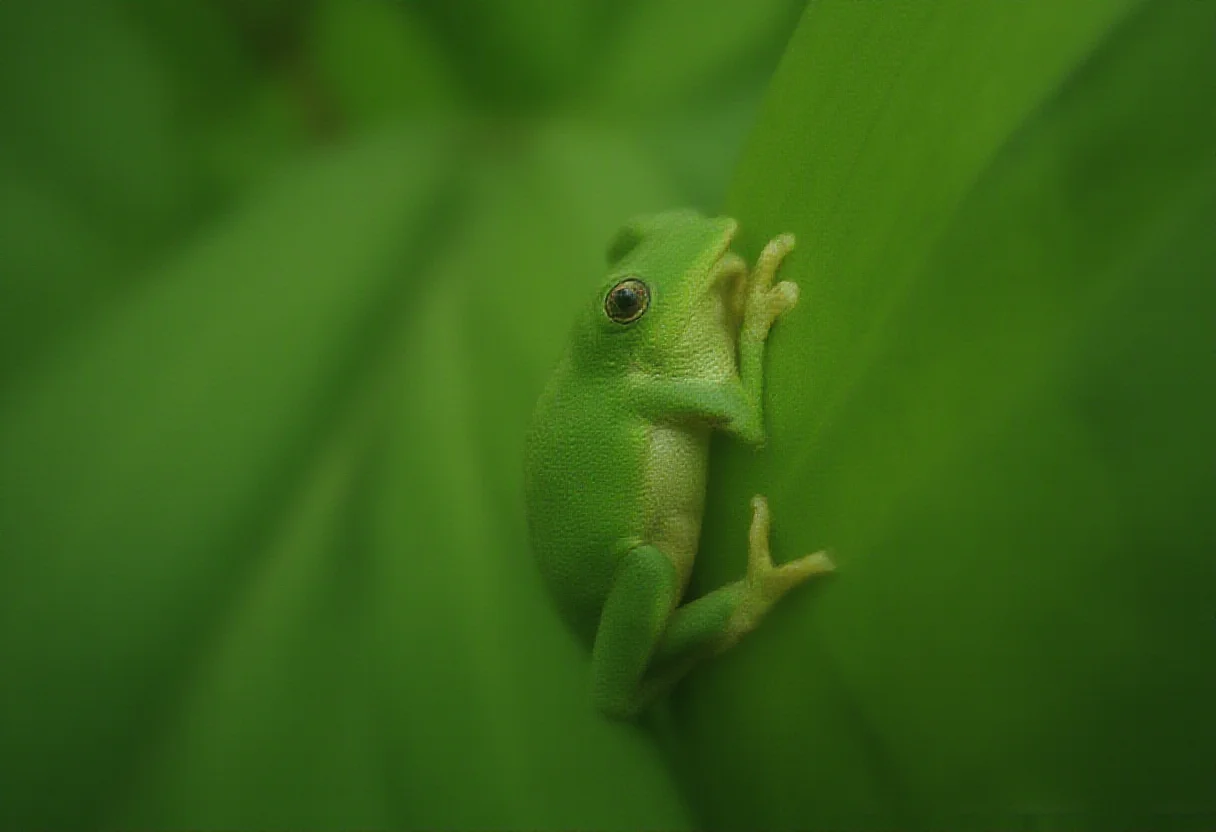
White’s Tree Frog Care: Setup, Feeding and Health
This post contains affiliate links. As an Amazon Associate I earn from qualifying purchases. Prices and availability are shown by Amazon and can change.
White’s tree frog care starts with a tall, escape-proof glass enclosure (45 x 45 x 60 cm suits one to three frogs), 60-70% humidity, a warm end with a basking spot, low-output UVB and gut-loaded insects dusted with calcium and vitamins. Two veterinary sources give slightly different temperatures, so this guide shows both. Adults eat every other day to every third day. Overfeeding is the most common mistake.
White’s tree frogs are heavy-bodied, calm climbers. That calm nature tempts owners to feed too much and handle too often. Both habits cause problems.
This guide pulls its numbers from two veterinary care sheets and the CDC. Where they disagree, you will see both figures so you can talk it through with an exotics vet.
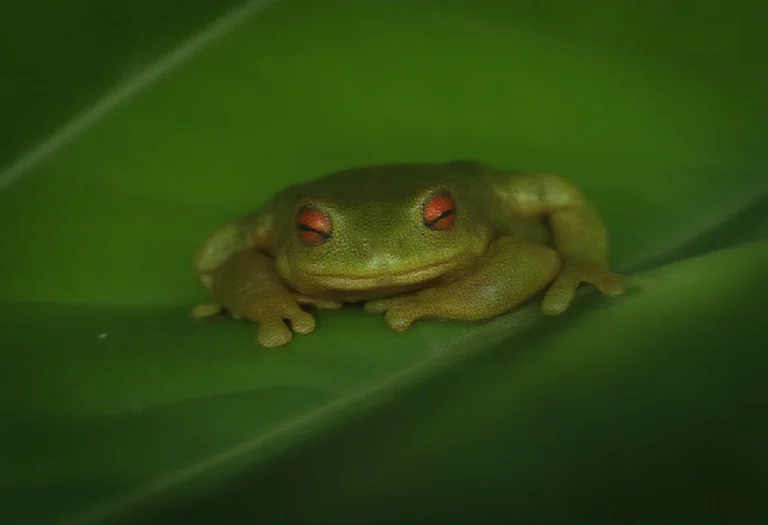
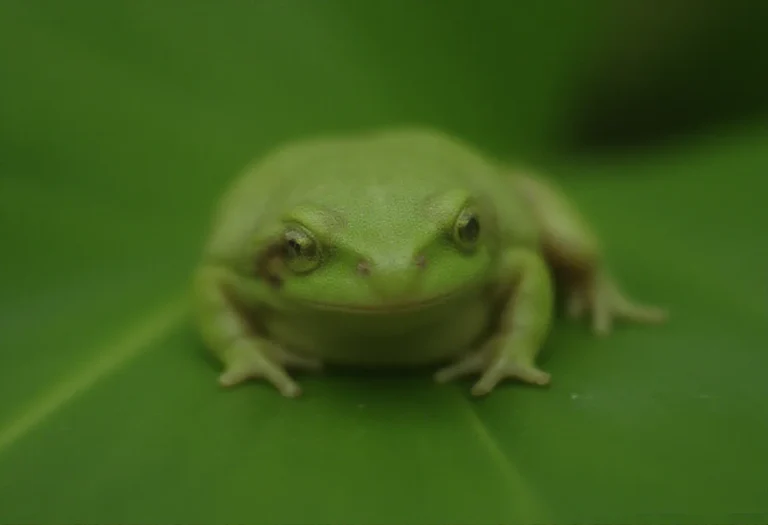
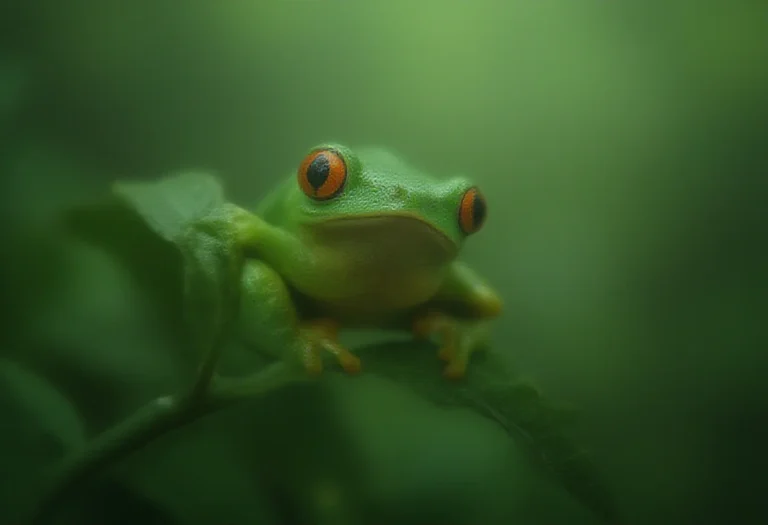
How this was made: prepared with AI assistance and checked against the sources listed at the end. Images are AI-generated illustrations, not photographs of real animals or products.
Key Takeaways
- Use a tall glass enclosure with branches, a hide and a secure lid.
- Keep humidity at 60-70% and measure it with a hygrometer.
- Use a thermostat on every heat source and a min/max thermometer.
- Feed prey no bigger than the gap between the frog’s eyes.
- Adults are often overfed. Watch body shape and cloudy eyes.
- Wash hands with soap after any contact with the frog or its gear.
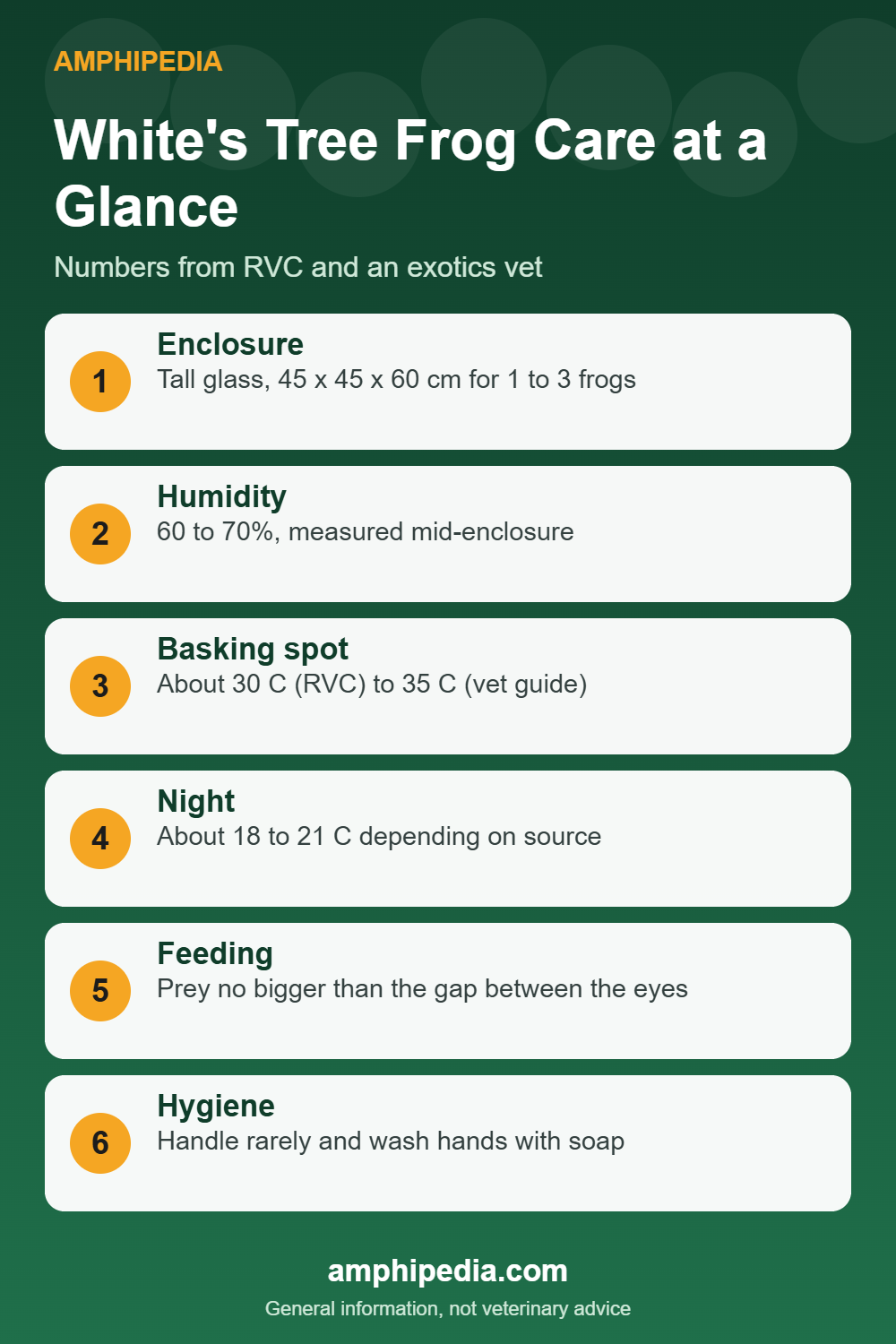
Pin this infographicShare on Facebook
Gear that supports this setup
Optional gear for the setup described above. Check size, safety and fit against your frog’s needs before you buy.


Product titles, prices and ratings are provided by Amazon and are accurate only at the time they are displayed.
White’s tree frog care at a glance
The table compares two published veterinary care sheets. They agree on humidity and on the basic setup. They differ on heat, so treat the temperature rows as a range and confirm your own setup with a vet.
| Setting | RVC care sheet | Exotics vet guide (Dr Betts) |
|---|---|---|
| Enclosure | Vivarium with glass doors, hide, climbing branches | 45 x 45 x 60 cm glass, 1 to 3 frogs |
| Basking spot | About 30 C | Up to 35 C |
| Cool end / day range | About 25 C | 24 to 29 C |
| Night | About 21 C minimum | 18 to 21 C |
| Humidity | 60 to 70% | 60 to 70% |
| UVB | Low output, about 12 hours | Low output, UV index 0.7 to 1.6 |
| Adult feeding | Every other day | Two to three times a week |
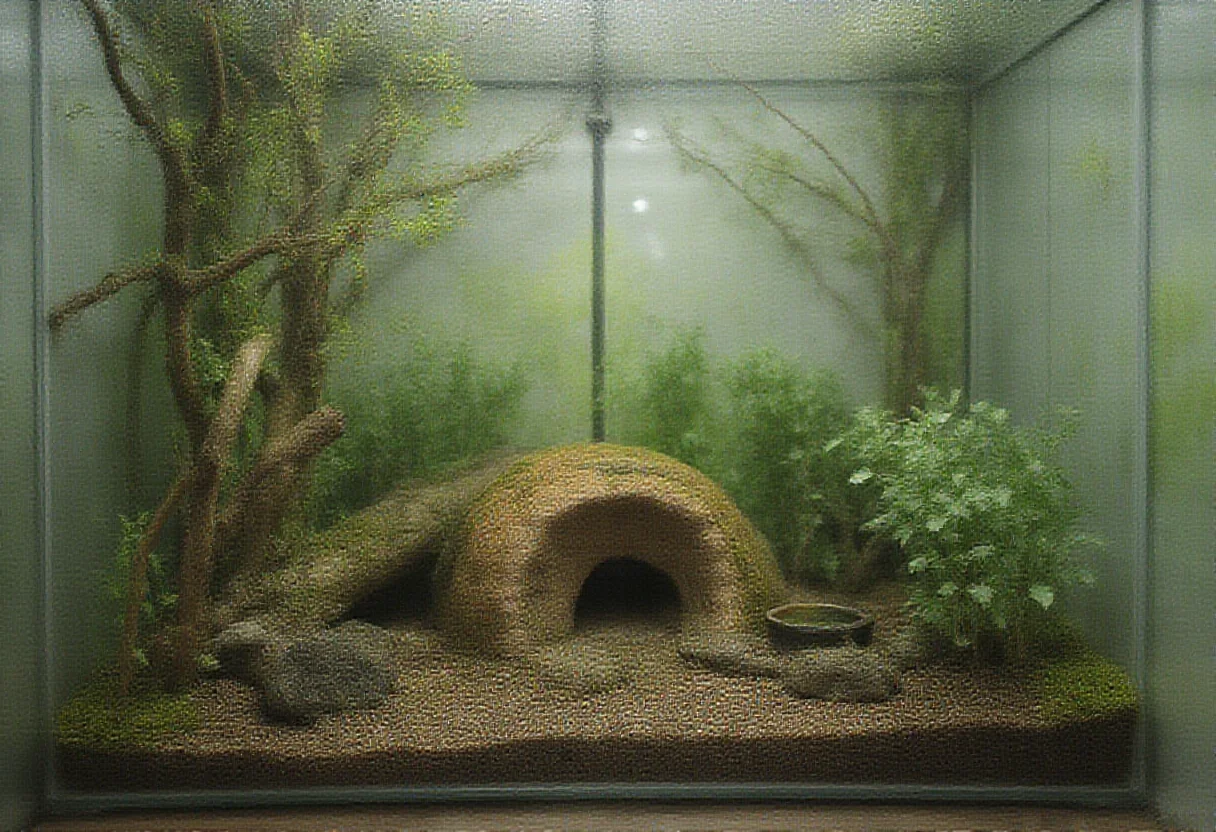
Choose and set up the enclosure
Choose a glass vivarium that is taller than it is wide. The exotics vet guide suggests 45 x 45 x 60 cm for one to three adults. The RVC sheet recommends a vivarium with sliding glass doors, which also makes feeding and spot cleaning easier.
Give the frog at least one opaque hiding place and several branches of different thickness. Add a perch at least as wide as the frog’s body. Live or artificial plants add cover and help hold humidity.
Pick a substrate that is easy to clean and harmless if swallowed. RVC lists newspaper or damp paper towel for short-term use and cocoa fibre for a naturalistic setup.
- Tall glass enclosure with a locking, ventilated lid
- At least one opaque hide
- Branches of varied length and diameter
- A perch wider than the frog’s body
- Cocoa fibre, damp paper towel or newspaper as the floor
- A shallow water dish big enough to sit in
Temperature and heating
Offer a gradient, not one fixed temperature. RVC describes a basking spot of about 30 C under a light-emitting spot bulb, a cool end of about 25 C and a night minimum of about 21 C. The lamp runs at least 12 hours a day and is off at night.
The exotics vet guide gives a daytime range of 24 to 29 C, a basking spot up to 35 C and a night range of 18 to 21 C. Sources disagree here, so avoid the extremes and check how your frog behaves.
Put every heat source on a thermostat. Check both ends with a digital max/min thermometer. Guard bulbs so the frog cannot touch them.
Humidity, water and UVB
Both sources give the same humidity target: 60 to 70%. Place the hygrometer in the middle of the enclosure, not beside the water dish. Mist often enough to keep the range steady.
Use clean water for misting and for the dish. The exotics vet guide suggests spring water, or chlorinated tap water that has been aerated for 24 to 48 hours. Change the dish daily.
Both sources also recommend low-output UVB for a 10 to 12 hour day. The vet guide gives a target UV index of 0.7 to 1.6 and says to replace bulbs every 6 to 12 months. Follow the manufacturer’s distance guidance.
What and how often to feed
White’s tree frogs eat insects. Good staples include crickets, locusts and dubia roaches. The exotics vet guide lists waxworms as an occasional treat only.
RVC gives a simple size rule: the insect should never be bigger than the gap between your frog’s eyes. Oversized prey can cause gut impaction.
Juveniles eat daily. RVC says adults eat every other day, while the vet guide says two to three times a week. Both sources warn against overfeeding, so use body shape to adjust.
- Feed in the evening, when the frog is active.
- Offer prey in a size that fits the eye-gap rule.
- Remove uneaten live food after 30 minutes.
- Skip a meal if the frog looks round or ignores food.
Gut-loading and supplements
Feeder insects are only as nutritious as what they eat. RVC advises gut-loading prey on a complete invertebrate diet for 24 hours before feeding. Then dust the insects and feed straight away.
RVC alternates a calcium powder with a combined vitamin and mineral powder. The exotics vet guide dusts with calcium and a multivitamin weekly for adults and twice weekly for juveniles. Ask your vet which schedule fits your frog.
Poor calcium, UVB or heating can contribute to metabolic bone disease. Supplements do not replace correct lighting and heat.
Daily and monthly cleaning
A short routine keeps bacteria down. RVC recommends daily spot-cleaning and a full monthly clean with an amphibian-safe disinfectant. Rinse everything well before returning your frog.
- Remove droppings and uneaten insects every day.
- Change the water dish daily.
- Wipe glass and decor with an amphibian-safe disinfectant each month.
- Rinse thoroughly and let items air dry.
- Clean gear outdoors or in a tub you can disinfect, never in the kitchen.
Handling and hygiene
Treat White’s tree frogs as display animals. The exotics vet guide advises minimal handling, because frequent contact adds stress and exposes the frog to skin contaminants. If you must hold the frog, use powder-free gloves moistened with dechlorinated water.
Wash your hands with soap after touching the frog, its food or anything in the enclosure. See the health note below for the CDC advice on Salmonella.
Obesity and common health problems
The exotics vet guide calls obesity common in this species. Warning signs include cloudy eyes, a swollen body and fat pads around the eye ridges. Management means more activity and less food, and the vet notes no specific treatment for the eye changes.
The same guide lists other problems worth knowing: metabolic bone disease, the fungal disease chytridiomycosis, bacterial infections such as red-leg, and lungworm. These need an exotics vet, not home treatment.
Find a vet through the ARAV directory at arav.org/professionals if your frog looks swollen, lethargic or stops eating.
Common mistakes to avoid
Most mistakes come from guessing. Measure temperature and humidity, then adjust slowly. Change one thing at a time so you can see what helped.
- Feeding every day to an adult because the frog begs.
- Using a bulb with no thermostat or no guard.
- Placing the hygrometer by the water dish.
- Offering prey larger than the gap between the eyes.
- Skipping UVB or leaving old bulbs in place.
- Handling the frog for fun or showing it to children under 5.
Quarantine for a new White’s tree frog
The exotics vet guide recommends a quarantine of at least 30 days for a new frog, with 60 to 90 days for higher-risk animals and at least 90 days if the frog was wild-caught.
It also advises testing for chytrid fungus (Batrachochytrium): at least once for low-risk animals and ideally two or three times for high-risk ones. Faecal exams at the start and end are suggested, and quarantine should be extended after unexplained deaths or health problems.
Keep the quarantine tank plain. RVC calls newspaper or damp paper towel ideal for the short term, so droppings and shed skin are easy to spot. Chytrid treatment is veterinary work, so ask an exotics vet.
Substrate, drainage and water quality
The exotics vet guide says substrate should stay damp but not waterlogged, because sodden substrate can build up ammonia. It prefers a mix of soil, bark chips, coir and moss, topped with leaf litter such as oak or beech.
A false bottom, such as expanded clay balls under fly screen, lets excess water drain away from the surface layer.
The same guide links high phosphorus or fluoride in water to metabolic bone disease, and RVC calls water quality of the utmost importance.
Frequently Asked Questions
How big an enclosure does a White’s tree frog need?
One veterinary guide suggests 45 x 45 x 60 cm for one to three frogs. RVC does not give a size but asks for a vivarium with glass doors, a hide and climbing branches. Taller is better than wider.
What temperature do White’s tree frogs need?
The sources differ. RVC gives about 30 C basking, 25 C cool end and about 21 C at night. The exotics vet guide gives 24 to 29 C by day, up to 35 C basking and 18 to 21 C at night.
How often should an adult White’s tree frog be fed?
RVC says every other day. The exotics vet guide says two to three times a week. Both warn that overfeeding is common, so judge by body shape.
Do White’s tree frogs need UVB?
Yes. Both sources recommend a low-output UVB lamp for about 10 to 12 hours a day. Replace lamps on the maker’s schedule or check output regularly.
Can a White’s tree frog be handled?
Keep handling to a minimum. If you must, use moistened powder-free gloves and wash your hands with soap afterward.
What are signs of obesity?
Cloudy eyes, a swollen body and fat near the eye ridges. Cut portions, increase activity and see an exotics vet.
Can a White’s tree frog carry Salmonella?
Yes. The CDC says healthy amphibians can shed Salmonella. Follow hand-washing and cleaning advice in the health note.
Bottom Line
Good White’s tree frog care is mostly routine: steady heat, steady humidity, measured meals and clean water. Write your numbers down for the first few weeks so you can spot drift early.
If you are still choosing a species, see the guides to beginner-friendly frogs, pet frog habitats and what pet frogs eat.
Sources
- Royal Veterinary College: White’s Tree Frog care sheet (2024), accessed 31 October 2026
- Exotics Keeper: A Vet’s Care Guide for White’s Tree Frogs (Dr Michaela Betts), accessed 31 October 2026
- CDC: Reptiles and Amphibians, healthy pets, accessed 31 October 2026
- ARAV: find a professional, accessed 31 October 2026
One Comment