Why Are Newts Poisonous? Toxins, Risks and Safe Handling
Newts carry toxins in their skin to deter predators. Rough-skinned newts make tetrodotoxin, which is dangerous if swallowed. The Animal Diversity Web says they contain enough toxin to kill several humans, but reports no known harm from contact alone. Eastern newts are described as only slightly toxic. Never put a newt in your mouth, keep children from mouthing them, and wash your hands after any contact.
Strictly, newts are poisonous, not venomous. They do not bite to inject toxin. The risk comes from swallowing the toxin or getting it into your eyes or mouth.
Risk varies a lot by species. This guide sticks to what wildlife and medical sources say. For diet and care, see our newt diet guide.
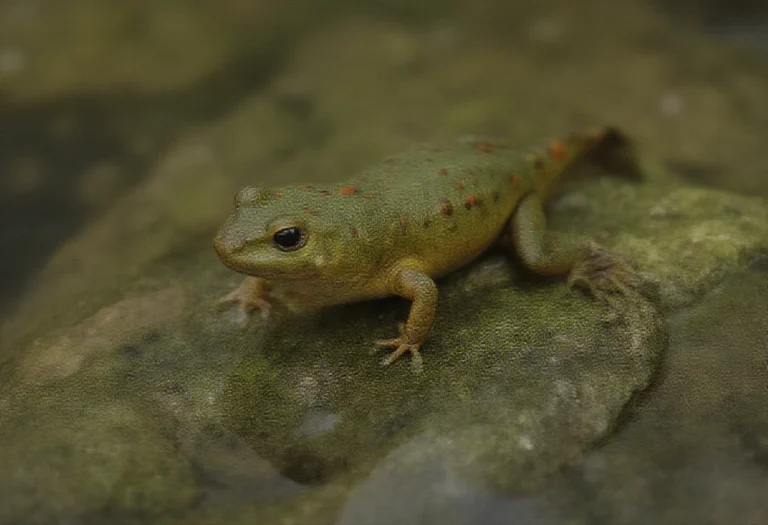
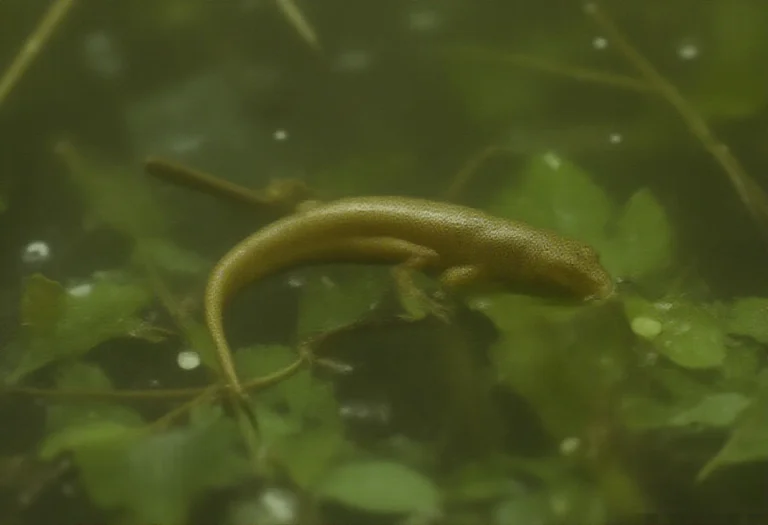
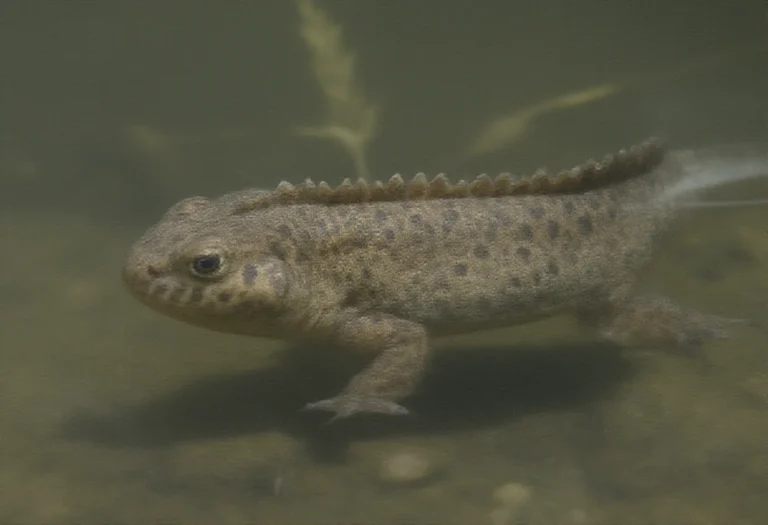
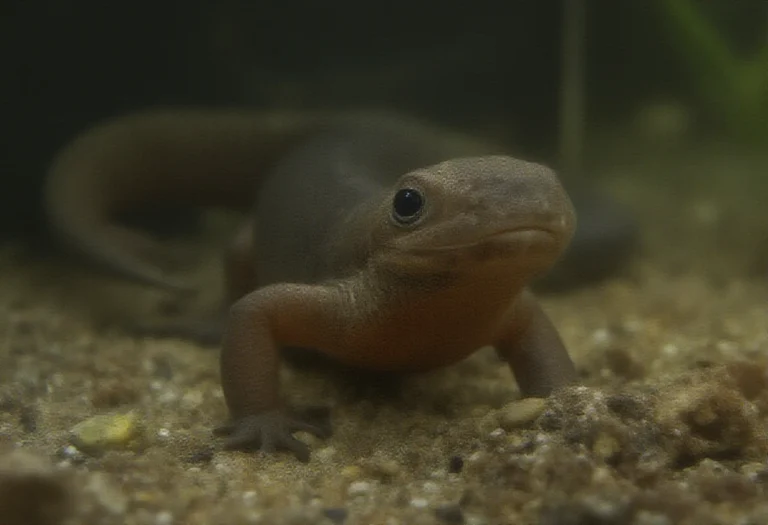
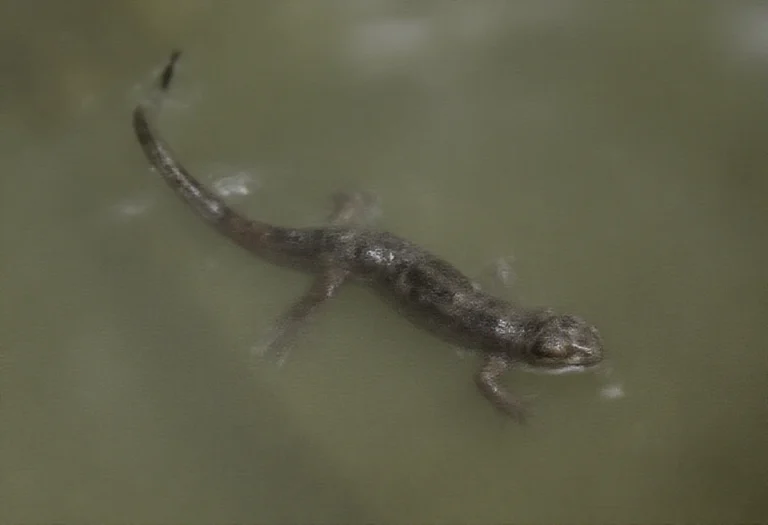
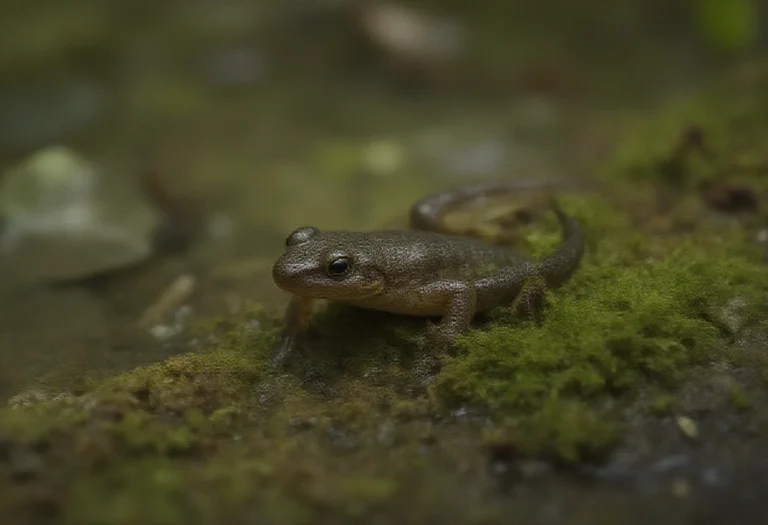
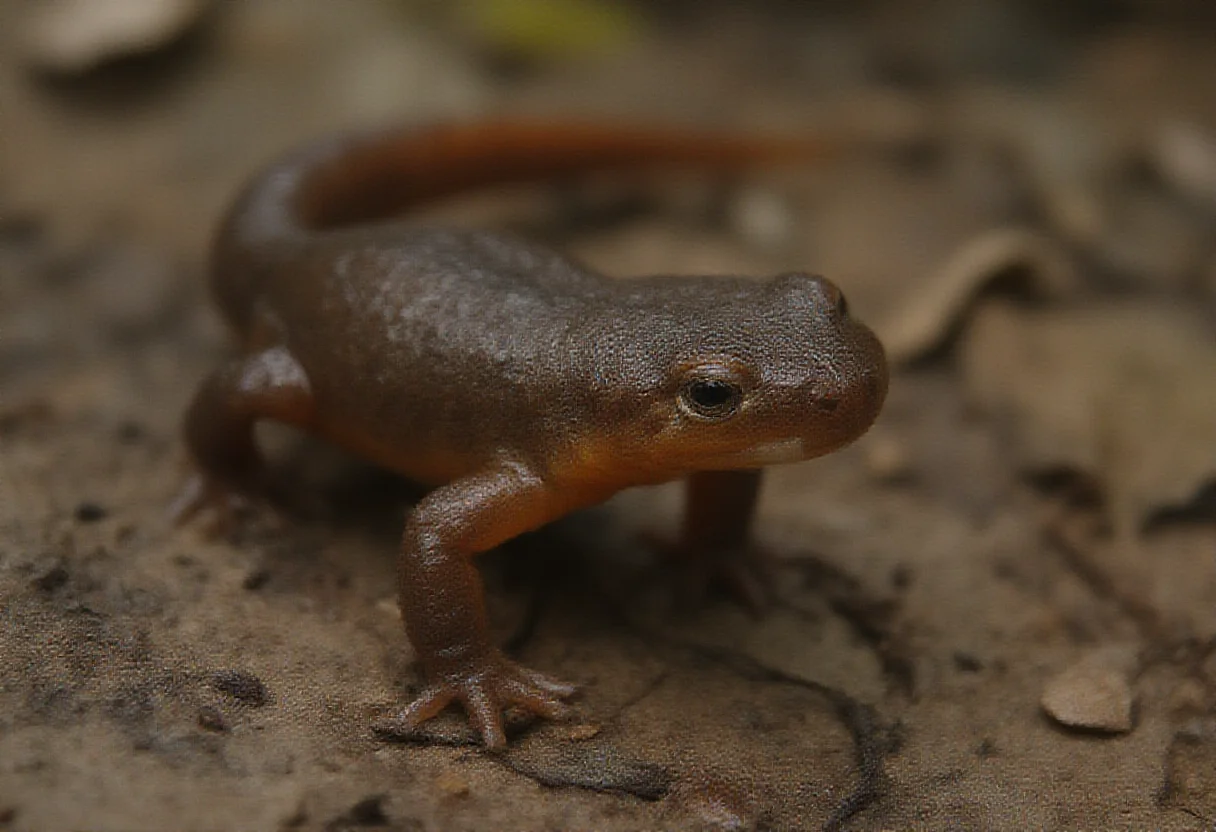
How this was made: prepared with AI assistance and checked against the sources listed at the end. Images are AI-generated illustrations, not photographs of real animals or products.
Key Takeaways
- Newts defend themselves with skin toxins, not bites.
- Rough-skinned newts produce tetrodotoxin, and the main human risk is swallowing it.
- Eastern newts are described as slightly toxic, and bright red efts warn predators.
- Skin bacteria help make the toxin in rough-skinned newts, according to a 2020 eLife study.
- Wash hands after handling any amphibian and keep them away from your face.
- For suspected ingestion, seek emergency care.
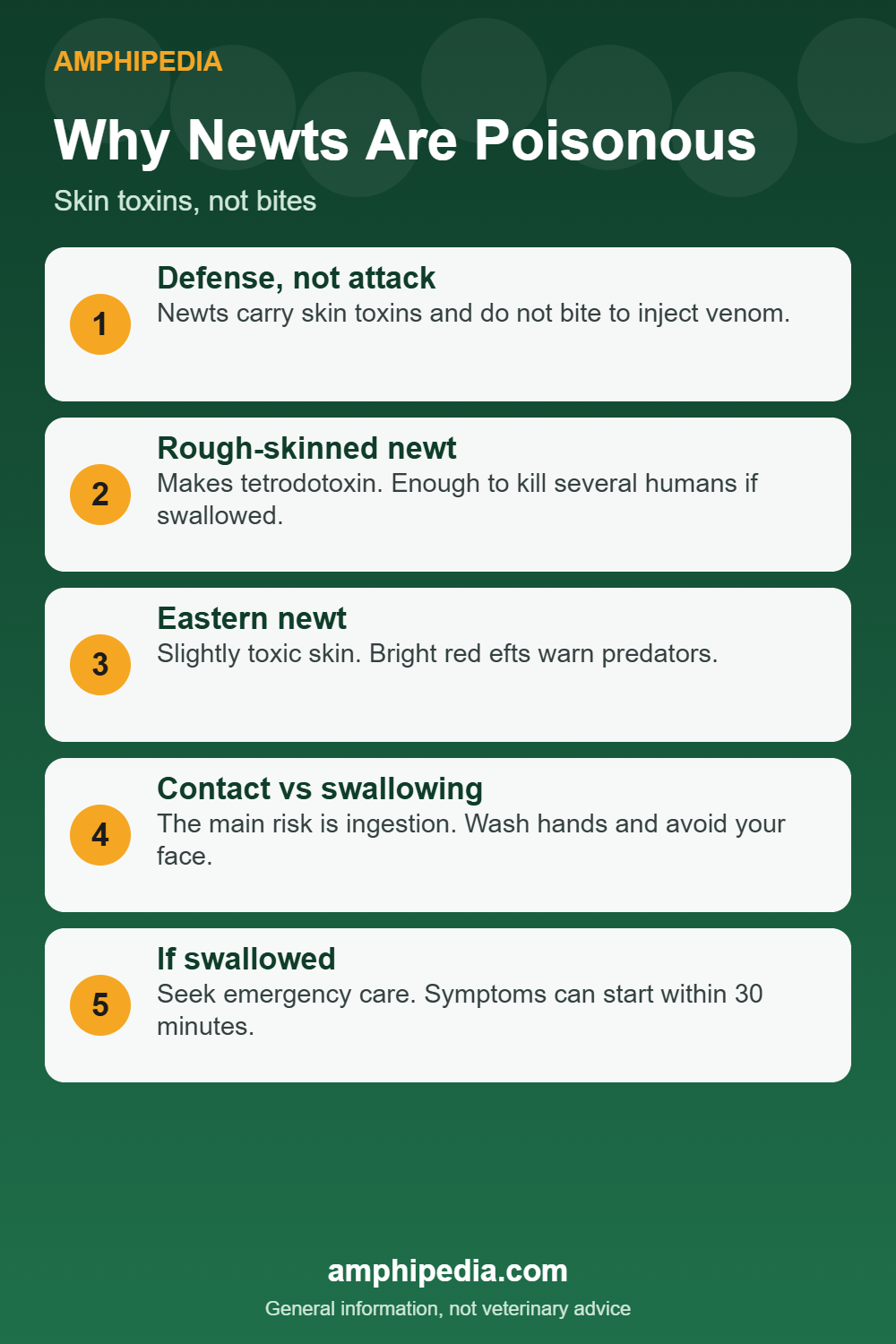
Pin this infographicShare on Facebook
How newt poison works
The Animal Diversity Web reports that the rough-skinned newt (Taricha granulosa) makes tetrodotoxin in granular skin glands. Toxicity varies by region, with some populations highly toxic and others less so.
Tetrodotoxin blocks voltage-gated sodium channels in nerve cells, according to a StatPearls medical entry. That stops nerve signals from firing.
Which newts are the most toxic?
Species differ. These are the most useful facts from the sources.
| Species | What sources say |
|---|---|
| Rough-skinned newt (Taricha granulosa) | Skin tetrodotoxin. Enough toxin to kill several humans if swallowed (Animal Diversity Web). |
| Eastern newt (Notophthalmus viridescens) | Toxic skin secretions deter predators. The Smithsonian National Zoo calls the skin slightly toxic. |
| Eastern newt hatchlings | Little toxicity (Animal Diversity Web) |
Where the toxin comes from
A 2020 eLife study by Vaelli and colleagues found that bacteria on rough-skinned newt skin can produce tetrodotoxin. The team found toxin-producing strains from four genera: Aeromonas, Pseudomonas, Shewanella, and Sphingopyxis.
The newts also have sodium channels with altered toxin-binding sites, which make them highly resistant.
Warning signals and defenses
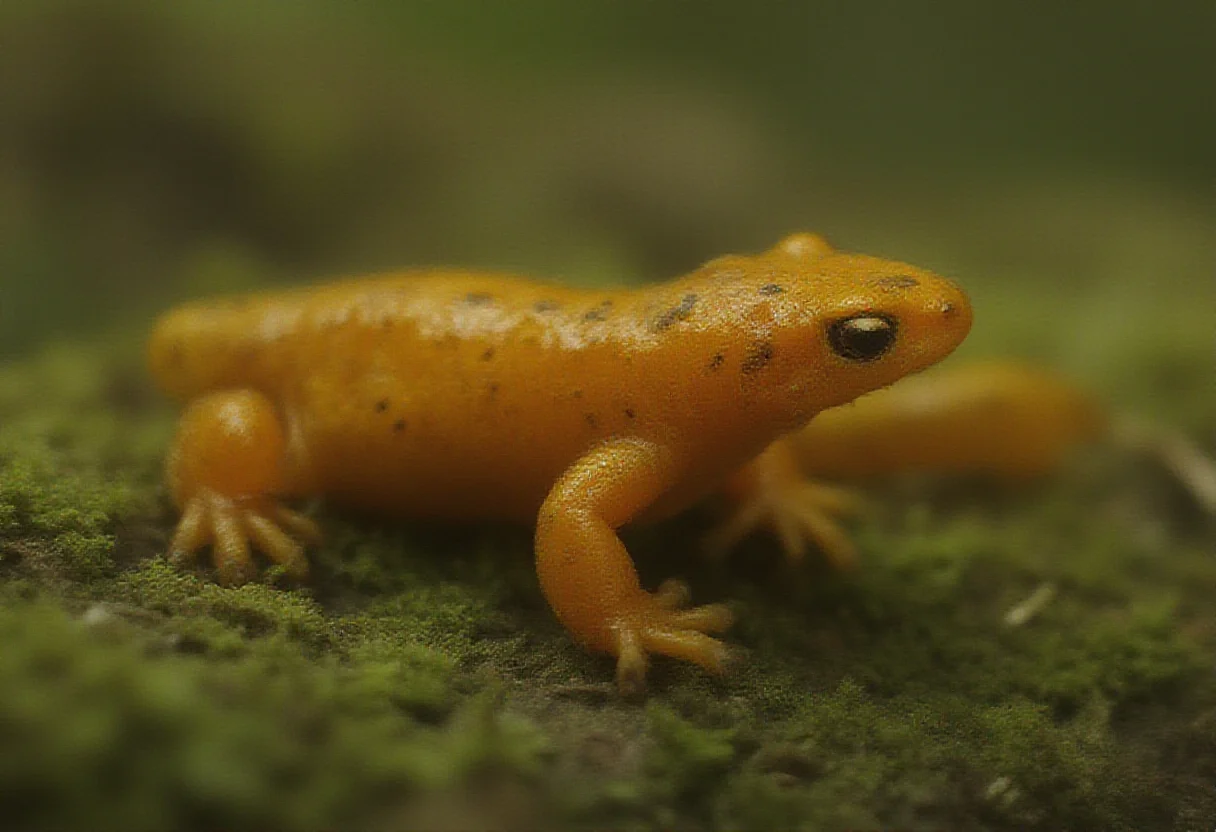
When provoked, the rough-skinned newt performs the unken reflex. It bends its head back and curls its tail to show a bright belly as a warning. Eastern newt efts use bright reddish-orange color for the same purpose.
The Animal Diversity Web reports that the common garter snake appears immune to the toxin, which may reflect an evolutionary arms race.

Can you touch a newt safely?
Washington wildlife officials state that newts can be handled safely, with supervision for small children. They advise washing hands before touching eyes, nose, or mouth.
The Animal Diversity Web reports no known harm from contact. Still, a Petco care sheet says to keep secretions away from eyes, mouth, and open wounds, and to wear moist, powder-free gloves if you must handle a pet newt.
- Avoid handling unless necessary.
- Wash hands with soap after contact.
- Keep newts away from your face and any cuts.
- Do not let children or pets mouth a newt.
- Never clean tanks in a kitchen sink.
What if someone swallows a newt?
StatPearls reports that tetrodotoxin poisoning symptoms usually begin within about 30 minutes, and there is no known antidote. Care is supportive.
Anyone who may have swallowed a newt should get emergency care at once. In the United States, Poison Help is 1-800-222-1222.
Frequently Asked Questions
Are newts poisonous to touch?
The Animal Diversity Web reports no known harm from contact with rough-skinned newts, only from ingestion. Wash hands afterward and keep them away from your face.
Are pet newts poisonous?
Newts have skin secretions that can irritate. A Petco care sheet says to keep them away from eyes, mouth, and wounds.
Which newt is the most toxic?
The rough-skinned newt is the best documented. The Animal Diversity Web says it contains enough toxin to kill several humans if swallowed.
Are eastern newts poisonous?
They have toxic skin secretions, and the Smithsonian National Zoo calls the skin slightly toxic.
Can a newt poison a dog or cat?
This guide found no source on pets, so keep animals from mouthing newts and call a vet if one does.
Why do newts make toxin?
To deter predators. Few vertebrates survive eating a rough-skinned newt, though the common garter snake is a notable exception.
Bottom Line
Newts are poisonous, not venomous. The danger comes from swallowing or mouthing them, and it differs by species.
Respect the warning colors, wash your hands, and keep children and pets away.
Sources
- Animal Diversity Web: Taricha granulosa (Rough-skinned Newt), accessed 31 October 2026
- Washington Department of Fish and Wildlife: Rough-skinned newt, accessed 31 October 2026
- eLife 2020 (PubMed): The skin microbiome facilitates adaptive tetrodotoxin production in poisonous newts, accessed 31 October 2026
- StatPearls (NCBI): Tetrodotoxin Toxicity, accessed 31 October 2026
- Smithsonian National Zoo: Eastern newt, accessed 31 October 2026
- Animal Diversity Web: Notophthalmus viridescens (Eastern Newt), accessed 31 October 2026
- Petco: Salamanders and Newts Care Sheet (retailer), accessed 31 October 2026
- CDC: Reptiles and Amphibians, accessed 31 October 2026