Do African Bullfrogs Eat Snakes? What Sources Say
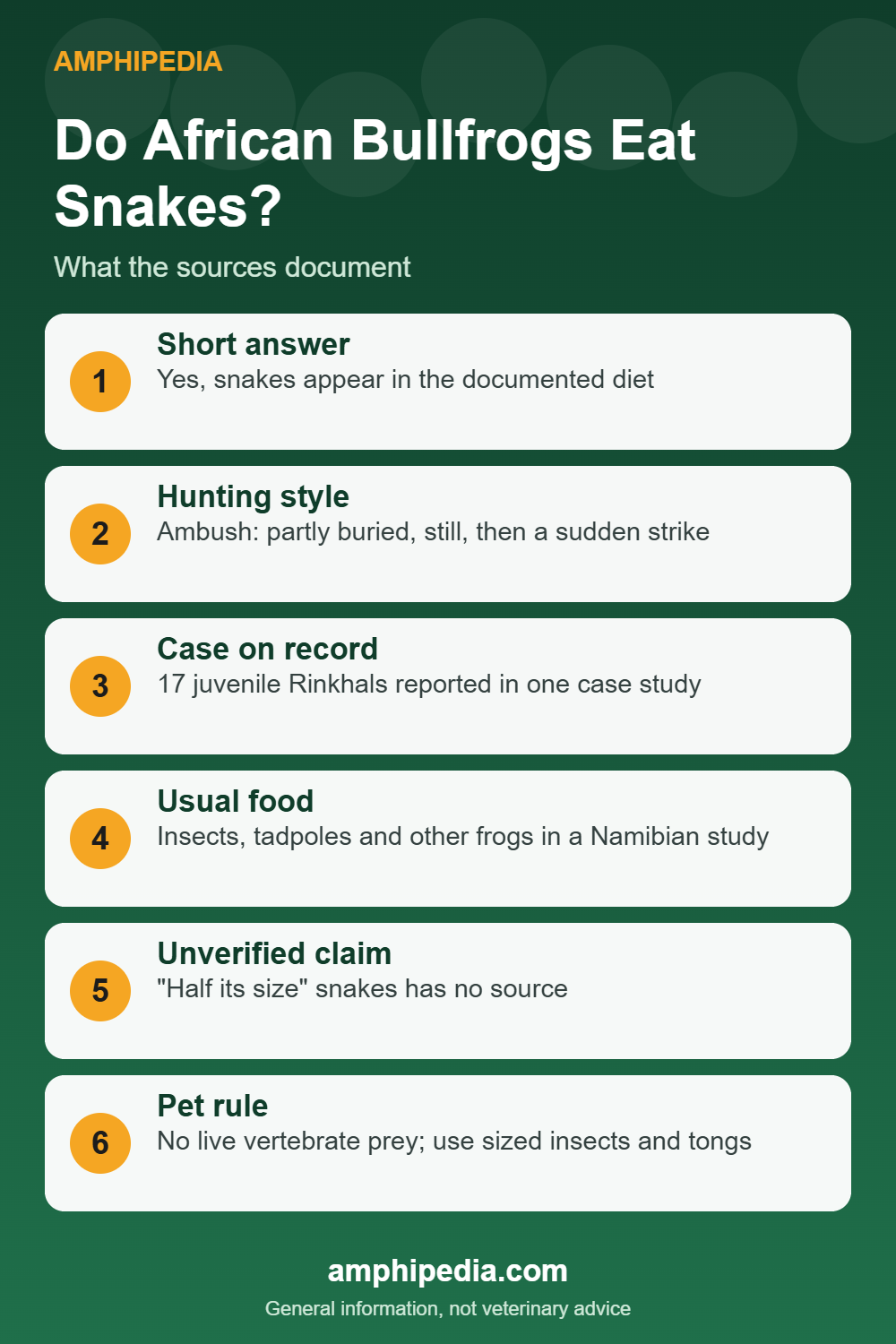
Yes, African bullfrogs (Pyxicephalus adspersus) can eat snakes. South African atlas data list snakes among their prey, and a 2025 husbandry article reports a case of one eating juvenile Rinkhals. Adults are ambush predators that take almost anything they can fit in their mouth. Snake meals are probably rare and mostly involve small snakes. No source reviewed for this post gives a safe “half its size” rule.
The idea that a frog can eat a snake sounds like a myth. For the African bullfrog, it is partly true.
This post separates what sources document from what web pages repeat. It covers the diet, how the frog hunts, and why a large snake is not a normal meal.
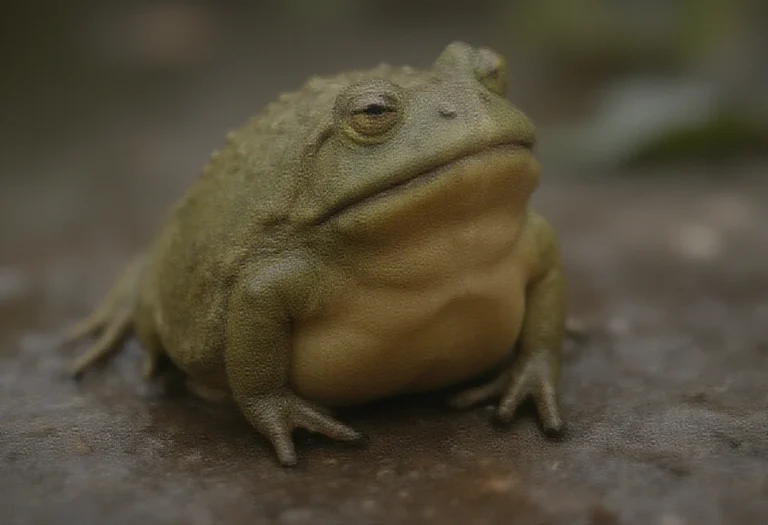
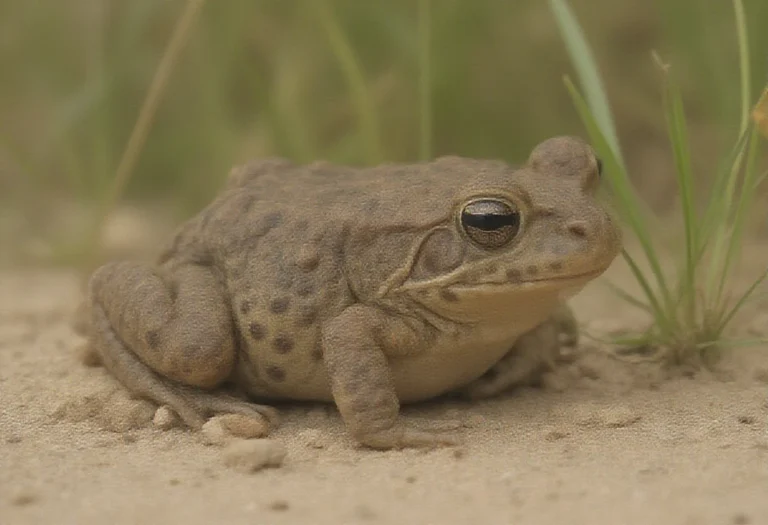
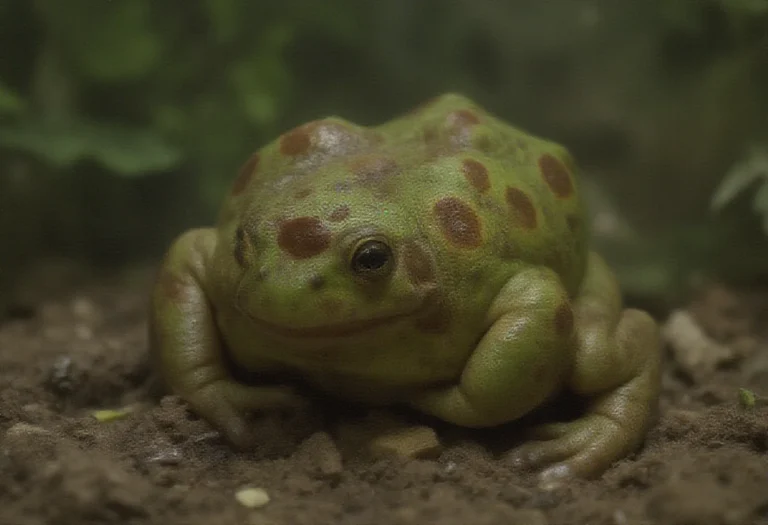
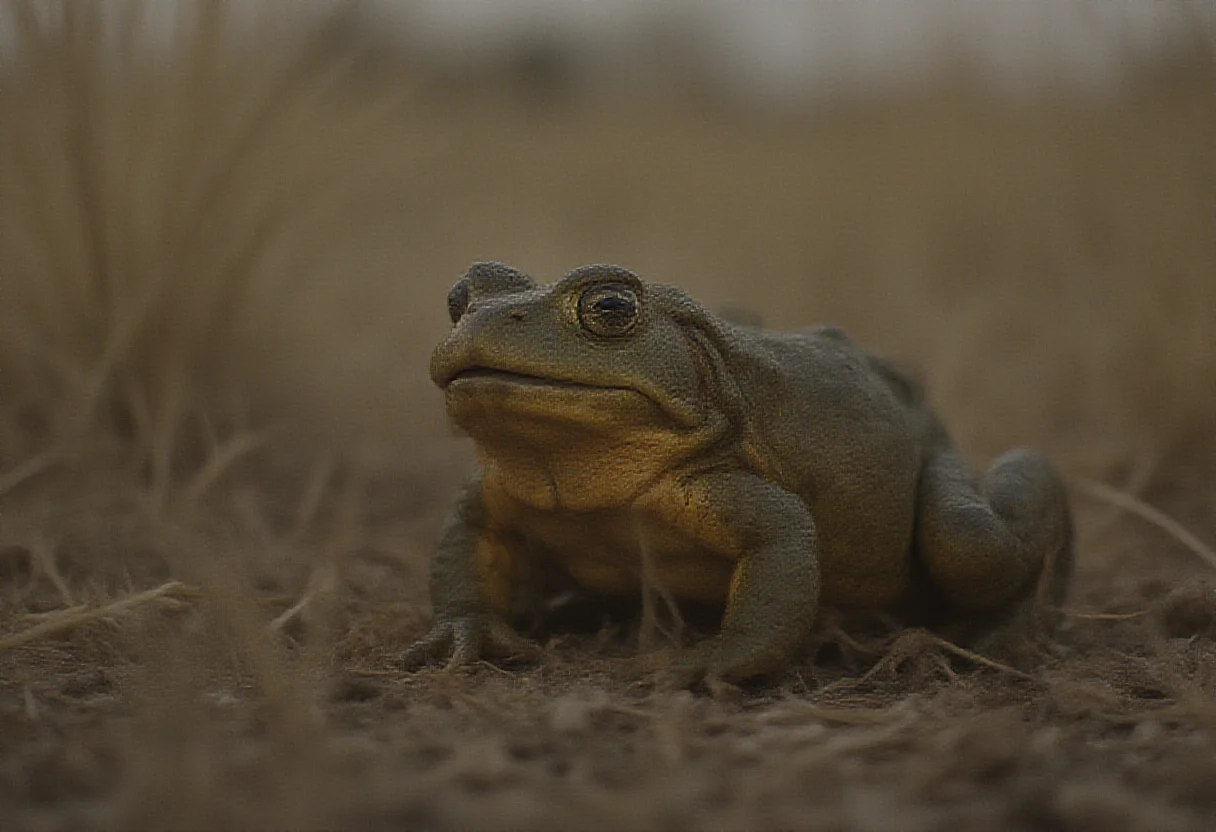
How this was made: prepared with AI assistance and checked against the sources listed at the end. Images are AI-generated illustrations, not photographs of real animals or products.
Key Takeaways
- Snakes appear in the documented diet of adult bullfrogs.
- The frog is an ambush predator that eats what fits in its mouth.
- The documented cases involve small or young snakes.
- No source reviewed here backs the claim that they eat snakes half their own size.
- Cannibalism is also well recorded.
Pin this infographicShare on Facebook
What African bullfrogs eat
The BDI frog atlas (thebdi.org) lists small birds, rats, snakes, lizards, insects, scorpions, crabs, slugs and other frogs. It also notes cannibalism at adult, juvenile and tadpole stages.
Animal Diversity Web says the frog is carnivorous and eats invertebrates, other frogs, reptiles, small mammals and small birds. Its diet is limited mainly by what it can swallow.
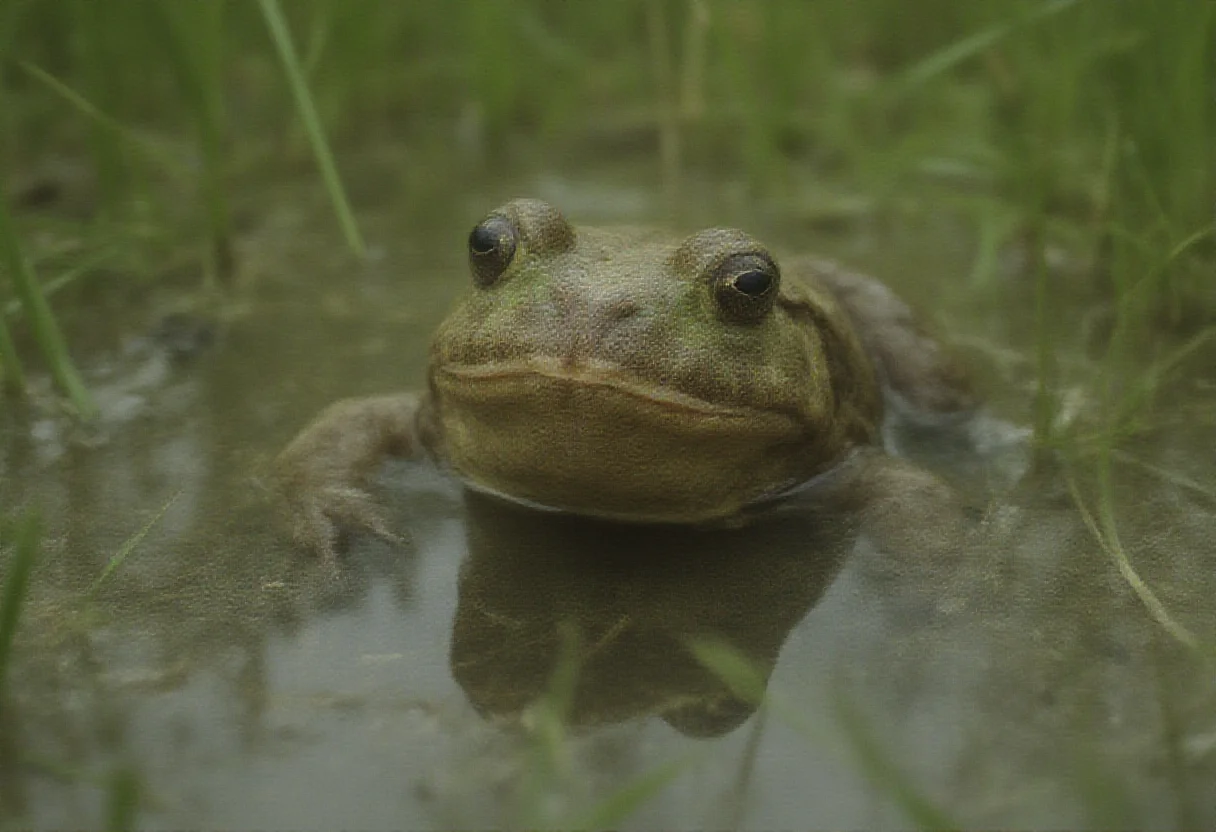
The documented snake cases
Thomas Marriott, writing in Exotics Keeper Magazine in 2025, describes a case study of a bullfrog eating 17 juvenile Rinkhals, possibly in one sitting. Rinkhals is a venomous southern African snake. The article does not give a controlled study.
Snake predation is therefore documented, but the available evidence is limited to short notes and lists. No study reviewed here measures how often bullfrogs eat snakes.
How the hunt works
The Oregon Zoo describes the frog sitting still for hours, partly buried with only its nose showing. It strikes when prey comes close. Animal Diversity Web says the frog sits partly buried during the rainy season with its nose exposed to ambush prey.
The frog has three large tooth-like points on the lower jaw. Animal Diversity Web says they help restrain struggling prey. The guide to African bullfrog teeth explains them in detail.
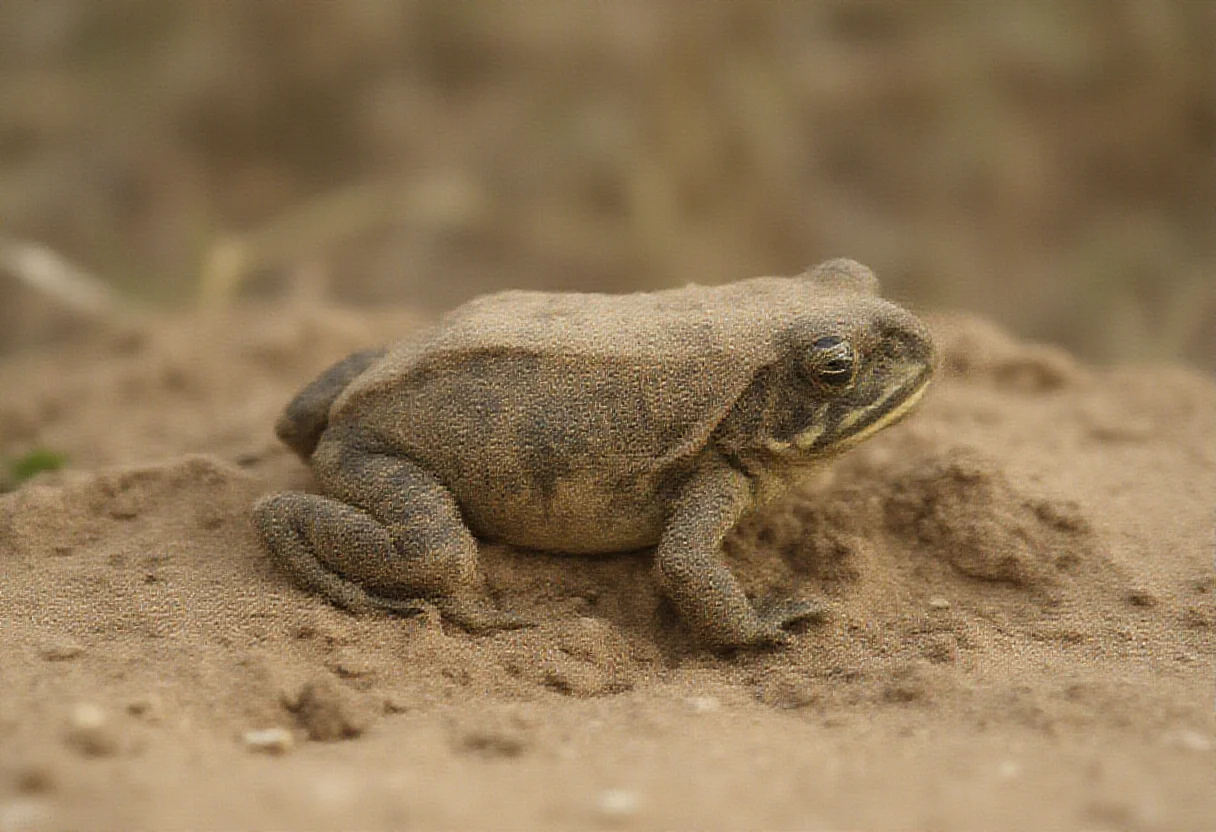
Why snakes are not a normal meal
A Namibian stomach-contents study found mostly insects in wild frogs. Grasshoppers and crickets led the list at 20 percent, and tadpoles made up 13 percent of adult stomach contents. Snakes were not named in the authors’ own results.
Larger prey comes from a cited literature review in that paper, not from the frogs sampled. The review the paper cites (Polis and Myers, 1985) lists fish, rodents, lizards, small birds and other frogs. Snakes are not on that list, so large vertebrates look like occasional items, not staples.
What this means for pet owners
Do not feed live snakes or other live vertebrates to a pet bullfrog. A struggling prey animal can injure the frog, and venomous snakes add risks that no source here measures. Lafeber Veterinary lists insects, fish, earthworms and an occasional mouse as adult foods.
Frogs also swallow items that can block the gut. Lafeber lists foreign body ingestion as a health concern. Feed prey sized to the frog and use tongs, since the frog may mistake fingers for food.
Where African bullfrogs live and hunt
Animal Diversity Web describes a mostly sub-Saharan range, reaching Somalia in the north and east, Nigeria in the west and the Cape in South Africa. It calls the species one of the most adaptable amphibians on earth, recorded from the Kalahari Desert to highveld areas 4,000 to 5,000 feet above sea level.
The BDI atlas adds that the frog breeds in seasonal, shallow, grassy pans and also uses seasonal marshes and the margins of waterholes and dams. It prefers sandy soil over clay. Breeding is explosive: frogs emerge after heavy rain, and the pools must hold water for at least 30 days.
Between rains the frog is mostly underground. Animal Diversity Web says it spends most of its life estivating, sometimes for a year or more, in a cocoon made of shed skin layers. The Oregon Zoo puts the dry-season stay at about 10 months. The ambush hunting described above happens in the wet season.
Size and life stage change what a frog can swallow
A frog can only eat what fits in its mouth, so body size sets the limit. Sources disagree on adult size, partly because populations differ. Animal Diversity Web says males can exceed 9 inches and 2 pounds. Lafeber gives 20 to 25 cm (8 to 10 inches) for males, with females about half that. The Oregon Zoo gives about 9 inches for males and 4 inches for females.
The BDI atlas reports Gauteng males near 245 mm snout-vent length and 1.4 kg, while males in the Eastern Cape and Free State seldom exceed 140 mm. A frog from the small end of that range has a much smaller gape than a Gauteng male. A claim about “a bullfrog” eating a snake means little without a body size.
The Namibian study (Okeyo, Kashea and Kandjengo, 2014) split frogs into juveniles under 100 mm and adults over 100 mm. Its Table 1 shows how the diet shifts with size.
| Prey group | Juveniles (% of stomach contents) | Adults (% of stomach contents) |
|---|---|---|
| Orthoptera (grasshoppers, crickets) | 20.00 | 20.00 |
| Coleoptera (beetles) | 12.00 | 11.80 |
| Lepidoptera (moths, butterflies) | 16.00 | 5.03 |
| Isoptera (termites) | 15.50 | 2.75 |
| Odonata (dragonflies) | 8.00 | 11.00 |
| Tadpoles | 11.00 | 13.05 |
| Unidentified | 2.00 | 12.00 |
Termites and moths matter more for juveniles, while adults eat more dragonflies and unidentified material. No snakes appear in the table.
How to judge a claim that a frog ate a snake
Three kinds of evidence appear in this post, and they carry different weight.
- A prey list, such as the BDI atlas entry. It shows a snake was recorded at least once. It does not say how often, or how large the snake was.
- A case report, such as the 2025 Exotics Keeper account of 17 juvenile Rinkhals. It shows a bullfrog can do it. One case cannot give a rate, and the article is not a controlled study.
- A diet study, such as the Namibian stomach analysis. It measures what frogs eat in practice, and snakes were absent from its results.
Read together, the evidence supports “possible and rare”, not “common” and not “half its own length”. When a video or post gives a ratio, ask whether it names the frog size, the snake species and a source.
Threats and conservation status
Animal Diversity Web reports the IUCN Red List rating as Least Concern, and the Oregon Zoo page gives the status as not listed. The BDI atlas says the frog does not appear to warrant threatened status globally, but it is listed as Near Threatened in the South African atlas region.
The same atlas reports declines of more than 80 percent in 20 years in parts of Gauteng and says the frog was declared extinct in Swaziland. It names habitat loss from crop farming and urban growth as the major threat. It also lists road deaths, illegal collection for the pet trade and harvesting for food in parts of Limpopo.
Adults are taken mainly by birds, including raptors, storks, pelicans and egrets. Tadpoles are eaten by terrapins, Nile monitors, fish and Rinkhals. So the snake and frog relationship runs both ways: the BDI atlas names Rinkhals as a tadpole predator.
Feeding a captive African bullfrog safely
Pet bullfrogs do not need snakes, and the sources describe far simpler menus. Lafeber lists locusts, crickets, cockroaches, mealworms, moths, beetles and waxworms, plus fish, earthworms and an occasional mouse. It advises dusting invertebrate prey regularly with a vitamin and mineral supplement and using tongs, because bullfrogs can mistake fingers for food.
Lafeber lists three health concerns: foreign body ingestion, nutritional secondary hyperparathyroidism (metabolic bone disease) and obesity. Bigger prey solves none of them. Lafeber does not give a feeding schedule, so ask an exotics vet who sees amphibians for one.
Housing shapes feeding too. Lafeber recommends a gradient of 25 to 28 C (77 to 82 F) and one adult per long 20-gallon terrarium, with adults kept apart. Exotics Keeper suggests a 90 x 45 x 45 cm glass terrarium for one adult male, built as a paludarium with about 70 percent land and 30 percent water. These are opinions from one vet reference and one magazine article, not rules.
Handling, bites and hygiene
Lafeber says bullfrogs are among the few amphibians that can be handled, but only briefly and rarely, with clean wet hands or moistened surgical gloves. Both Lafeber and Exotics Keeper warn that adults can deliver a painful bite, and Exotics Keeper links this to the fang-like points in the lower jaw.
The CDC says to wash hands after handling reptiles and amphibians, their food, or items in their environment. It also says: “Children younger than 5 years old should not handle or touch reptiles or amphibians or their environments.” The CDC adds that these animals “aren’t recommended for households with young children, people with weakened immune systems, or adults 65 and older”. It advises keeping them and their equipment out of the kitchen.
Common mistakes to avoid
- Feeding live snakes or other live vertebrates to see what the frog does. Struggling prey can injure the frog.
- Housing two adults together. The BDI atlas and Exotics Keeper both describe cannibalism.
- Feeding by hand instead of with tongs.
- Copying the Rinkhals case as a safe example. The article reports it without a controlled study.
- Quoting a snake-to-frog size ratio that no source supports.
- Ignoring supplements and variety, which Lafeber links to bone disease and obesity risks.
Frequently Asked Questions
Can an African bullfrog eat a snake?
Yes, sources list snakes in the wild diet. The BDI frog atlas names snakes, and a 2025 case study reports juvenile Rinkhals as prey. Large snakes are not documented as normal prey.
Can a bullfrog eat a venomous snake?
One case study names juvenile Rinkhals, which are venomous. No study reviewed here measures the risk to the frog, so it is not a safe example to copy.
How big a snake can a bullfrog swallow?
No measured limit appears in the sources reviewed. The “half its size” claim online has no source. The frog can only swallow what fits in its mouth.
What do African bullfrogs mainly eat?
A Namibian study found insects such as grasshoppers, crickets and beetles, plus tadpoles. Larger prey is occasional.
Do bullfrogs eat each other?
Yes. The BDI atlas and Animal Diversity Web both record cannibalism, including of tadpoles.
Should I feed snakes to my pet bullfrog?
No. Live vertebrate prey can injure the frog. Use appropriately sized insects and, as Lafeber lists, an occasional mouse.
Bottom Line
African bullfrogs do eat snakes, but only as opportunistic prey and mostly small ones. The popular size claims are not backed by the sources reviewed.
For related reading, see how big African bullfrogs get and why they bite and fight.
Sources
- BDI: Giant Bullfrog (Pyxicephalus adspersus), accessed 13 November 2026. Used for: Diet and behaviour from the South African frog atlas
- Animal Diversity Web: Pyxicephalus adspersus, accessed 13 November 2026. Used for: University of Michigan species account
- Exotics Keeper Magazine: Captive Husbandry of Giant African Bullfrogs, accessed 13 November 2026. Used for: Thomas Marriott, 2025
- Oregon Zoo: African bullfrog, accessed 13 November 2026. Used for: Hunting behaviour
- Okeyo, Kashea and Kandjengo (2014): Feeding habits of the Giant African Bullfrog, accessed 13 November 2026. Used for: Stomach contents, northern Namibia
- Lafeber Veterinary: Giant African Bullfrog, accessed 13 November 2026. Used for: Captive diet and health
- CDC: Reptiles and amphibians, accessed 13 November 2026. Used for: Salmonella advice