Axolotl pH Level: Safe Range, Testing and Stability
This post contains affiliate links. As an Amazon Associate I earn from qualifying purchases. Prices and availability are shown by Amazon and can change.
The Royal Veterinary College recommends a pH of 7.4 to 7.6 for axolotls. The University of Kentucky colony keeps pH between about 6.5 and 8 and warns that ammonia becomes more toxic at the high end. Because the sources differ, aim for a stable pH in the neutral to slightly alkaline range, test weekly with a liquid kit and avoid sudden swings.
pH is a measure of how acidic or alkaline water is. For axolotls, a steady reading matters more than chasing a perfect number.
This guide covers the ranges that credible sources give, how to test, what can push pH off course and when to call a vet. For the rest of the setup, see our axolotl tank set up guide.
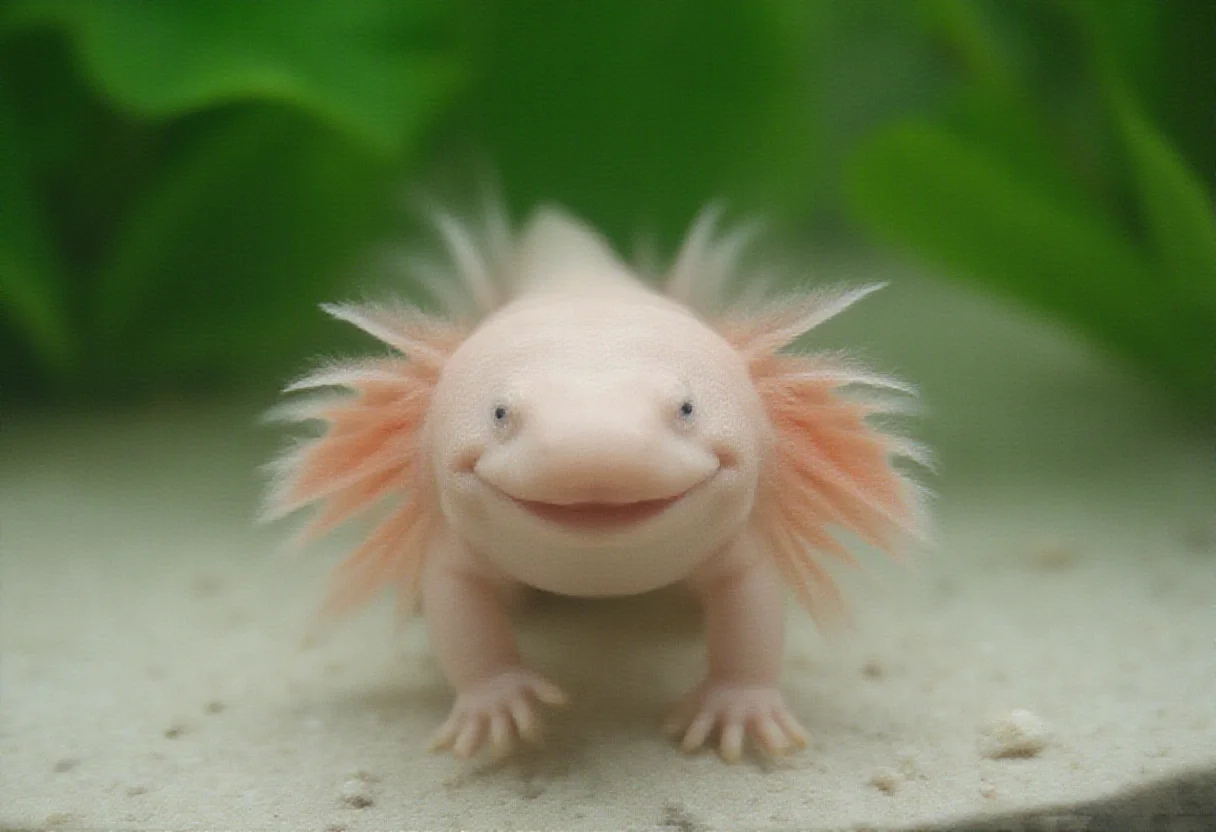
How this was made: prepared with AI assistance and checked against the sources listed at the end. Images are AI-generated illustrations, not photographs of real animals or products.
Key Takeaways
- RVC recommends pH 7.4 to 7.6. Kentucky keeps pH between about 6.5 and 8.
- At higher pH, ammonia is more toxic, so test ammonia too.
- Petco says water parameters, including pH, must stay stable, and gives no number.
- Use a de-chlorinator, and keep water hard, not distilled or very soft, per Kentucky.
- Do not change pH in sudden jumps. Fix the cause, not just the number.

Pin this infographicShare on Facebook
Gear for testing and treating axolotl water
A liquid test kit, a water conditioner and a tank thermometer cover the basics in this guide. Check each listing for what it measures before you choose.


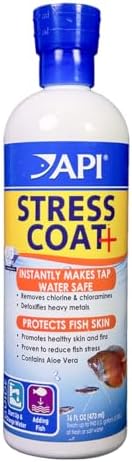
Product titles, prices and ratings are provided by Amazon and are accurate only at the time they are displayed.
What pH means for an axolotl
pH runs from 0 to 14. Seven is neutral, lower numbers are acidic and higher numbers are alkaline. Axolotls are freshwater animals and prefer water near neutral.
The number matters partly because it changes how other things behave in the tank. The University of Kentucky guide says ammonia toxicity increases at the high end of the pH range, so a high pH with any ammonia is more dangerous.
This makes pH a signal to read together with ammonia, nitrite and nitrate, not a number to look at alone.
Recommended pH ranges
The sources give different figures. We show them as they are, rather than choosing one.
Where sources disagree, the practical answer is to pick a stable value inside the overlap, which is 7.4 to 7.6, and watch the trend over time.
| Source | pH range | Notes |
|---|---|---|
| Royal Veterinary College | 7.4 to 7.6 | Care and advice factsheet |
| University of Kentucky Axolotl colony | About 6.5 to 8 | Ammonia toxicity rises at the high end |
| Petco care sheet | No number given | Says parameters including pH must stay stable |
How to test the water
Use a freshwater liquid test kit that reads pH, ammonia, nitrite and nitrate. Test strips are quicker, but liquid kits are often easier to read precisely.
Test at the same time each week, before a water change, and write the results down. A log shows slow drifts that you would miss by eye.
Test after any change: new decor, a new batch of tap water, a filter clean or a new animal. Also test if the animal looks unwell.
Keep the kit away from heat and light, and check the expiry date on the reagents. Out-of-date drops can give false readings that send you chasing a problem that is not there.
- pH: aim for the stable range above.
- Ammonia: should be zero in a cycled tank.
- Nitrite: should be zero in a cycled tank.
- Nitrate: Petco says to keep it below 40 ppm.
A simple weekly testing routine
Consistency matters more than the brand of kit. Follow the instructions that come with your test kit, because each one uses its own timing and colour chart.
Keep a notebook or phone note next to the tank. Over a few weeks the numbers show whether your water is steady, slowly drifting or jumping.
- Take the water sample from mid-tank, not from the surface or the substrate.
- Rinse the test vial with tank water before filling it.
- Add the drops or reagent exactly as the kit instructs, and wait the full time.
- Read the colour in daylight, against a white background.
- Record the date, the result and anything you changed.
- Test the new tap water as well, before you add it to the tank.
How to read your results
The table below is general practice, built around the ranges from RVC, Kentucky and Petco. It is not a treatment plan.
If your readings fall outside the table, do not guess. Ask an exotics vet and describe what you measured.
| Result | What it suggests | Sensible next step |
|---|---|---|
| pH steady, ammonia and nitrite zero | Water is behaving as expected | Keep your routine and keep logging |
| pH drifting over weeks | Water chemistry is changing slowly | Check tap water, the filter and how often you change water |
| pH high with any ammonia | Ammonia is more toxic at higher pH (Kentucky) | Test again, change part of the water with treated tap water and call a vet if the animal looks unwell |
| Nitrate at or above 40 ppm | Above the Petco limit | Change water more often and check feeding |
| Sudden pH jump after a change | The change caused it | Undo or reduce the change and test again |
Use your local water report
Most tap water suppliers publish a yearly water quality report. It lists typical pH and hardness for your area, which tells you what you start with before the tank changes it.
If your supply is very soft, Kentucky’s advice on hard water becomes relevant. If it is very hard and alkaline, expect your tank to sit toward the high end of the range, and watch ammonia more closely.
Supplies can switch treatment methods, for example from chlorine to chloramine. RVC says a de-chlorinator is essential where chloramines are used, so check your report each year.
Why pH drifts
Sources do not give a ranking of causes, so this section is practical reasoning. Tap water pH varies by area and supplier. Your local water report will tell you the starting value.
Waste, uneaten food and a dirty filter can change tank chemistry over time. Regular partial water changes of 10 to 20 percent, as RVC recommends, keep conditions steadier.
Very soft or distilled water can cause problems. The Kentucky guide recommends hard water and warns against extremely soft or distilled water.
Chlorine, chloramine and water treatment
Tap water can contain chlorine or chloramine. RVC says to use a de-chlorinator, and that one is essential where chloramines are used. Letting water stand for 24 hours handles chlorine but not chloramine.
The Kentucky colony removes chlorine, chloramines and ammonia from tap water, for example with a product such as Amquel. Follow the label on whatever you use.
The Kentucky guide also says salts can restore hardness after water treatment and that extra salts are not essential if the water is hard and free of chemicals and heavy metals. Do not add salts without a reason.
What not to do
Avoid quick fixes that move pH sharply. A stable but slightly imperfect pH is safer than a number that swings.
Do not add pH-changing chemicals to the tank with the animal inside unless an exotics vet advises it. We do not give dosing instructions here.
Do not ignore ammonia. Petco’s care sheet warns against some medications, including malachite green, copper-based treatments and tetracycline, so ask a vet before treating the tank for anything.
Resist the urge to test several times a day. Frequent small changes can cause more upset than the original problem. Make one change, wait, and test again at the next scheduled time unless the animal is clearly unwell.
Cycling and pH
RVC says to leave a new tank empty for 2 weeks before adding axolotls. This allows the filter to grow bacteria that process ammonia.
Cycling can also shift pH as the filter matures, so test throughout. Our guide to how to clean an axolotl tank explains how to keep the filter bacteria alive when you clean.
Signs of water problems
The sources we reviewed do not list a pH-specific symptom. Common warning signs of poor water include refusing food, curled gills, unusual floating or damaged skin, but these also have other causes.
If you see these, test the water first, then contact an exotics vet. The Association of Reptilian and Amphibian Veterinarians keeps a directory at arav.org. Our guide on why an axolotl tank turns cloudy covers another common water issue.
Frequently Asked Questions
What is the ideal pH for axolotls?
RVC recommends 7.4 to 7.6. The University of Kentucky colony keeps pH between about 6.5 and 8.
Is pH 7 okay for an axolotl?
It sits inside the Kentucky range but just under RVC’s. A steady reading matters most. Test ammonia, too.
Why does pH matter with ammonia?
The University of Kentucky guide says ammonia toxicity increases at the high end of the pH range.
How often should I test pH?
Weekly is a sensible routine, plus after any change. This is general practice, not a figure from our sources.
Can I use distilled water?
Kentucky advises against extremely soft or distilled water and recommends hard water.
What should nitrate be?
Petco says to keep nitrate below 40 ppm.
Should I add chemicals to change pH?
Not without veterinary advice. Sudden pH swings are the bigger risk.
Bottom Line
Stable water beats perfect numbers. Test weekly, change part of the water, and treat tap water before use.
If the numbers or the animal look wrong, test first and then ask an exotics vet.
Sources
- Royal Veterinary College: Axolotl care and advice (PDF), accessed pH, water changes, chlorine, cycling.
- University of Kentucky Ambystoma Genetic Stock Center: guide to axolotl husbandry, accessed pH range, hardness, ammonia.
- Petco: Axolotl care sheet, accessed Nitrate limit and medication warnings.
- CDC: Reptiles and amphibians, accessed Salmonella advice.
- ARAV: find a professional, accessed Veterinarian directory.
4 Comments