Do Newts Bite? What to Know Before Handling
Newts can bite, but it is not their main defence. They have small teeth, which they use to grip prey such as worms and snails, according to the Game & Wildlife Conservation Trust. The University of Michigan Animal Diversity Web does not list biting as an eastern newt defence. The bigger risks are skin toxins and germs, so wash your hands after any contact.
Newts are small, slow animals, and they rely on warning colours and skin toxins, not teeth, to stay safe from predators.
Still, a hungry newt may grab at a finger that smells like food. We looked for hard data on how often newts bite people and found little, so this guide sticks to what sources can back up.
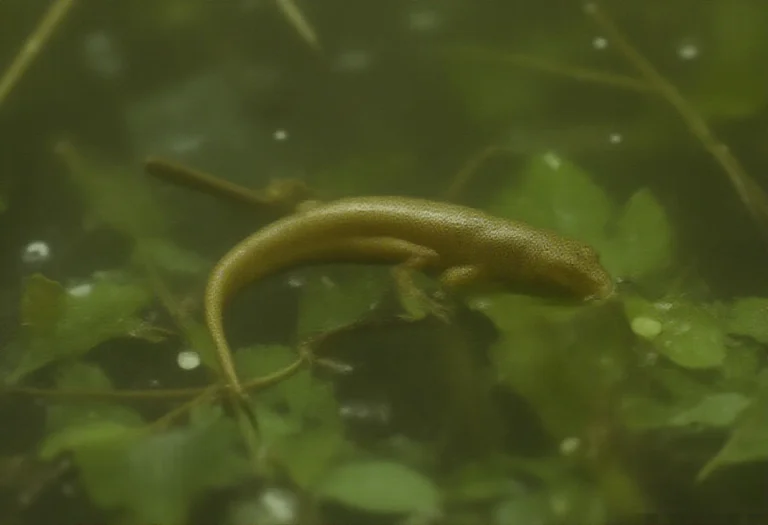
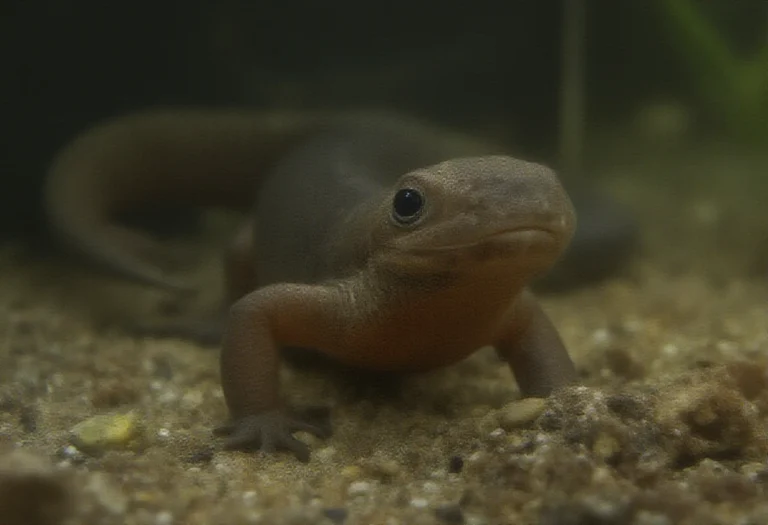
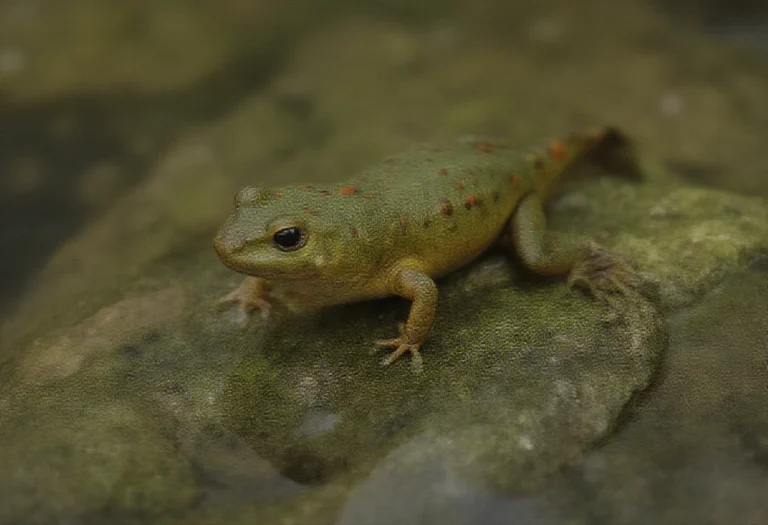
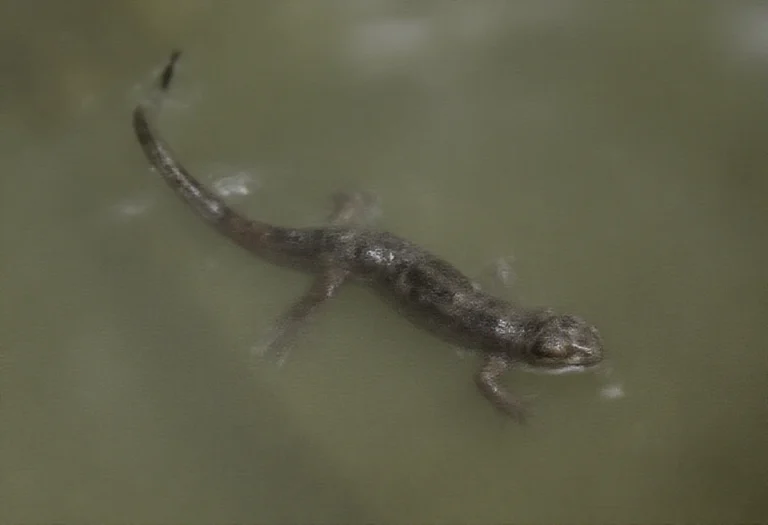
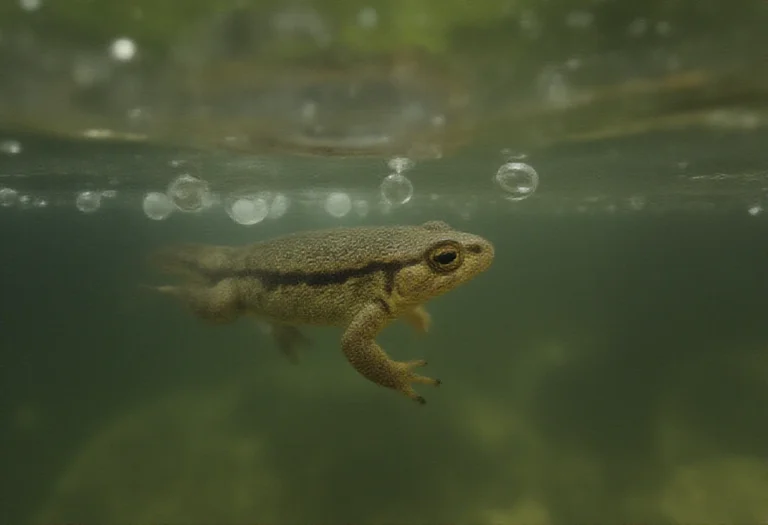
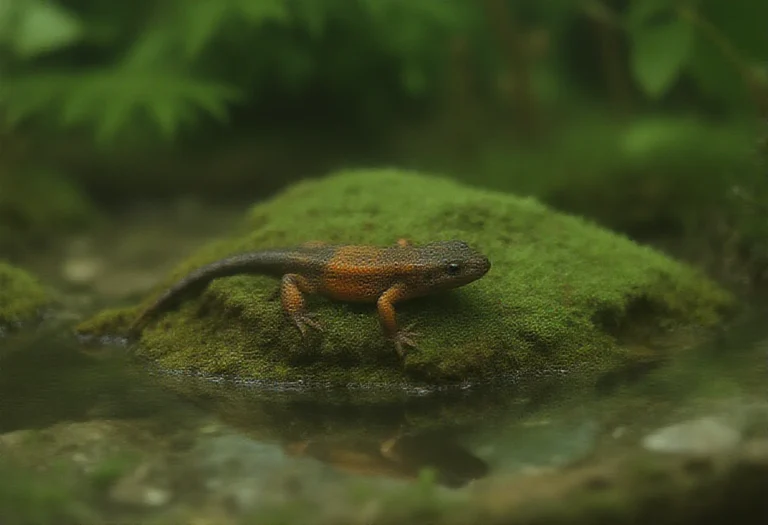
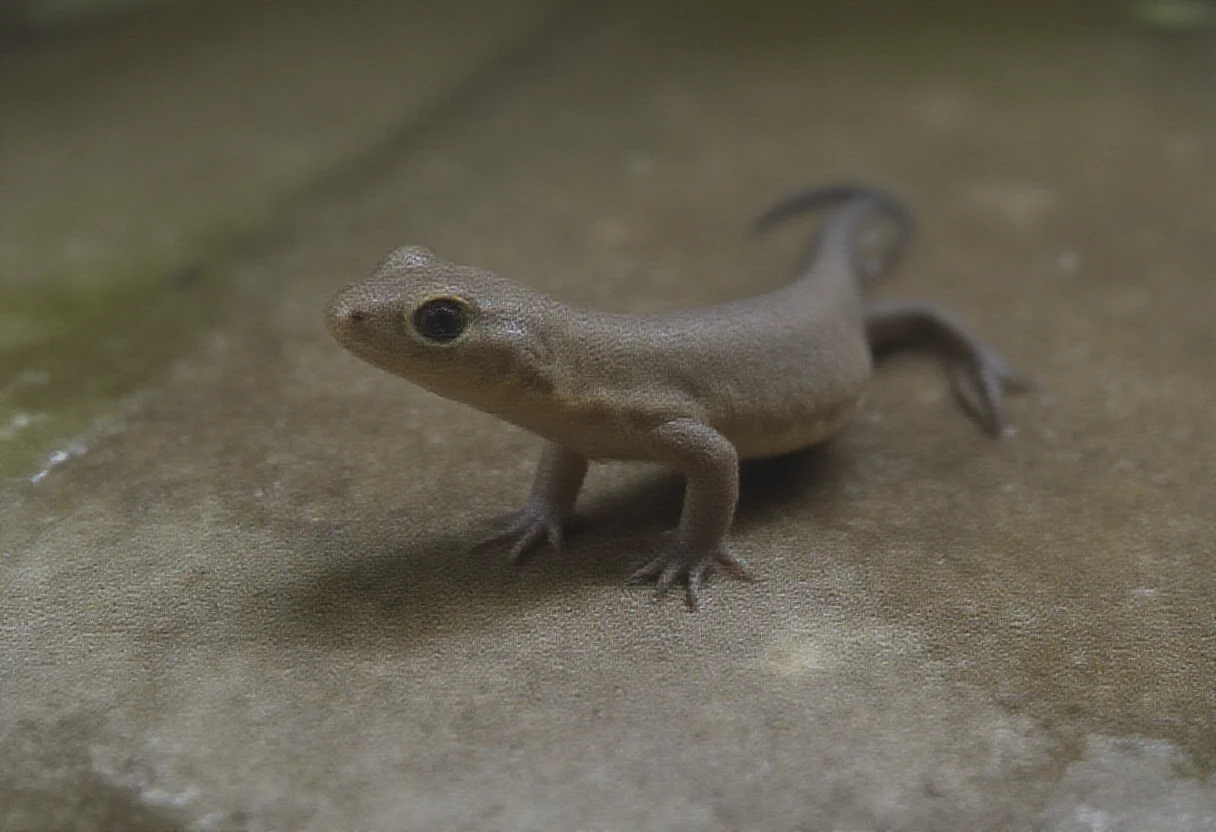
How this was made: prepared with AI assistance and checked against the sources listed at the end. Images are AI-generated illustrations, not photographs of real animals or products.
Key Takeaways
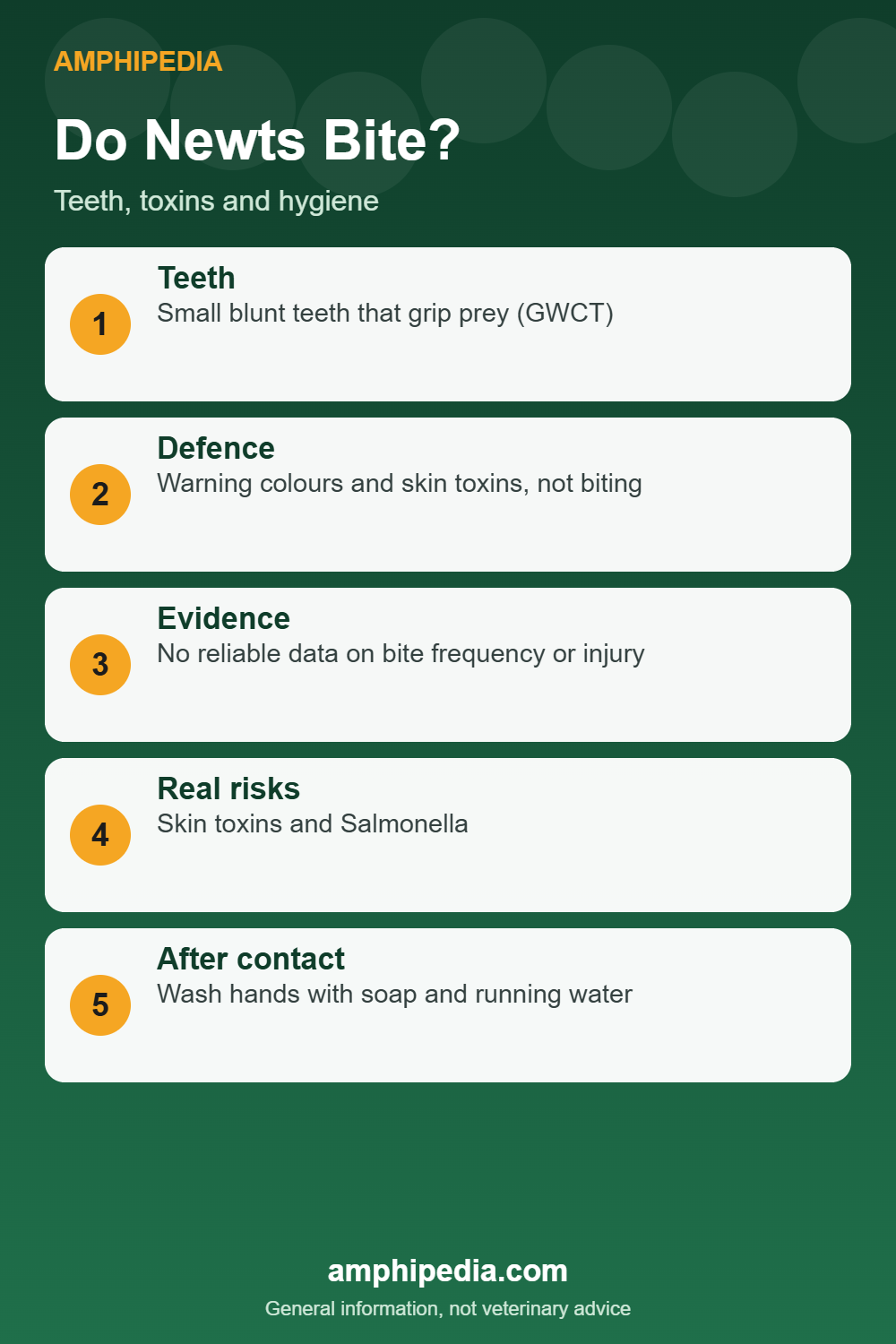
- Newts have small teeth used to grip prey.
- Biting is not described as a defence in the eastern newt profile from the University of Michigan.
- We found no reliable data on bite frequency or injury, so the evidence is thin.
- The real hazards are skin toxins and germs such as Salmonella.
- Wash hands after contact and do not put your hands near your mouth or eyes.
Pin this infographicShare on Facebook
Do newts have teeth?
Yes. The Game & Wildlife Conservation Trust says newts have blunt vomerine teeth that help grip prey. Newts eat almost any living thing small enough to fit in their mouths, including worms, snails and insect larvae.
These teeth are made for holding soft prey, not for defence. The same source says newts sometimes struggle to swallow large items such as earthworms and slugs.
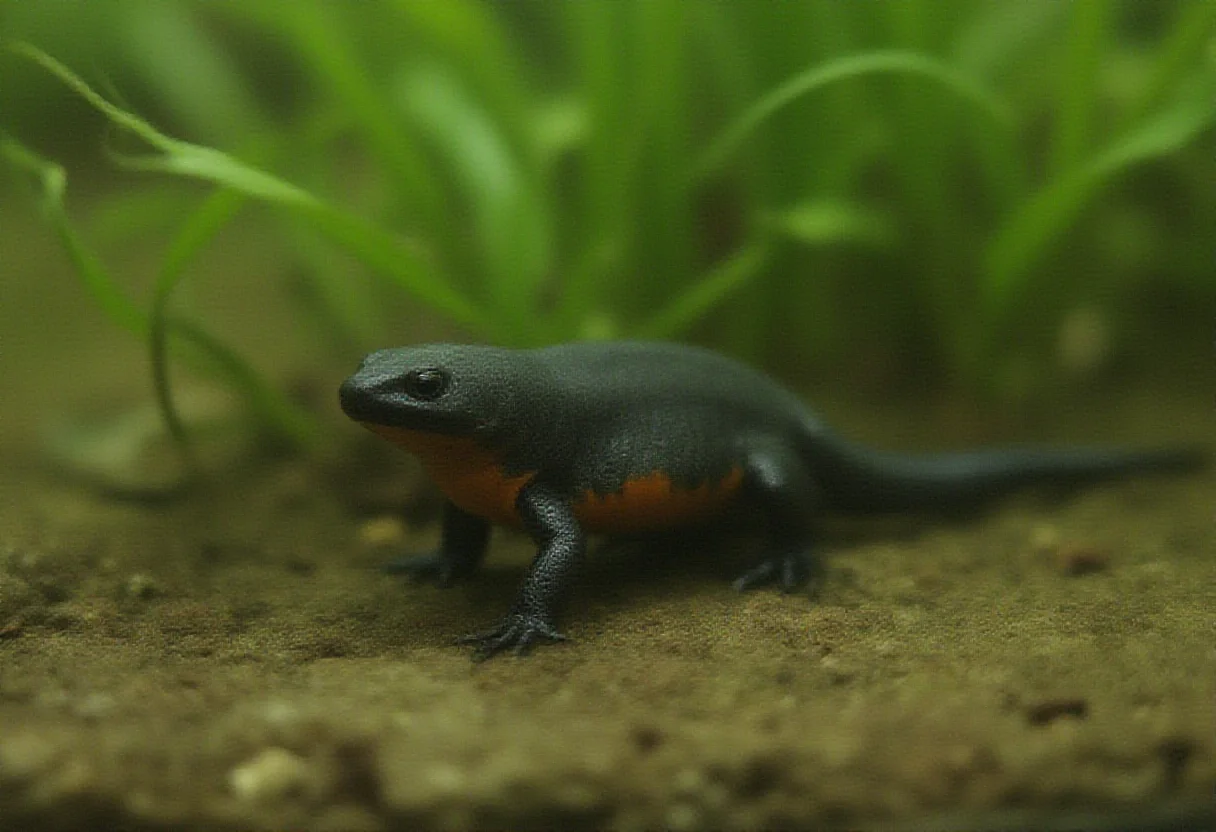
Why a newt might bite you
A newt bites food. If a finger smells like prey or moves like prey, a feeding newt may grab it. This is most likely at feeding time in a pet tank.
Defence is different. The Animal Diversity Web profile of the eastern newt lists warning colours and toxic skin as defences, and it does not list biting. Adults do bite or scratch themselves to remove leeches.
The bigger risk is not the bite
Two things matter more than any bite.
First, toxins. Many newts carry tetrodotoxin in their skin. The Washington Department of Fish and Wildlife says rough-skinned newts show their bright underside as a warning. Washing hands after handling is the standard advice. See [do newts have toxic skin](https://www.amphipedia.com/do-newts-have-toxic-skin/) for detail.
Second, germs. The CDC says that reptiles and amphibians can carry Salmonella and that bites can spread germs. It advises washing with soap and running water after handling an animal, its food, its waste or its equipment.
- Wash hands with soap and running water after contact
- Do not kiss or hold newts near your face
- Keep young children, adults over 65, pregnant women and people with weak immune systems away from the animals, as the CDC advises
- Clean tanks outside the kitchen
How to reduce bite risk with a pet newt
Most pet newts do best when you handle them as little as possible. The Reptiles Magazine care sheet on Chinese fire-bellied newts says to wash your hands after handling them and offers no other handling guidance.
Use feeding tongs or drop food in the water. This keeps fingers away from the mouth. Do not hand-feed a newt, and never grab a newt by the head or tail.
What to do after a bite
Wash the area with soap and running water. Do not put your hands near your eyes, nose or mouth. If the skin breaks, you feel unwell, or there is spreading redness, contact a doctor and mention the animal contact.
If the newt is hurt or acting unwell, contact an exotics vet. The Association of Reptile and Amphibian Veterinarians keeps a directory at arav.org/professionals.
Wild newts
Leave wild newts alone. Many are protected by law. Smooth newts are protected in Great Britain, and selling or trading them is illegal, according to the Amphibian and Reptile Conservation Trust. Rules in your area may differ, so check with your wildlife agency.
Frequently Asked Questions
Does a newt bite hurt?
We found no reliable data on this. Newt teeth are small and blunt, so a bite is unlikely to cause serious injury, but any bite can carry germs.
Are newt bites poisonous?
The toxin is in the skin, not injected by a bite. Still, wash your hands and do not touch your mouth or eyes after contact.
Do newts bite when scared?
The eastern newt profile we used does not list biting as a defence. Warning colours and skin toxins are the main defences.
Can I hold a pet newt?
You can, but minimal handling is best. Wash hands before and after.
Do newt bites spread Salmonella?
The CDC says bites can spread germs, and Salmonella can also spread through water and equipment.
Bottom Line
Newts have teeth, but they use them mostly on food. Treat any contact as a hygiene issue first and a bite issue second.
If you keep newts, read [are newts good pets](https://www.amphipedia.com/are-newts-good-pets/) before you buy one.
Sources
- Game & Wildlife Conservation Trust: Newts, accessed Vomerine teeth and diet
- University of Michigan Animal Diversity Web: Notophthalmus viridescens, accessed Defences and diet
- CDC: Reptiles and amphibians, accessed Salmonella and handwashing
- Washington Department of Fish and Wildlife: Rough-skinned newt, accessed 31 October 2026
- Reptiles Magazine: Chinese fire-bellied newt, accessed 31 October 2026
- Amphibian and Reptile Conservation Trust: Smooth newt, accessed 31 October 2026