How High Can Toads Jump? What Measurements Show
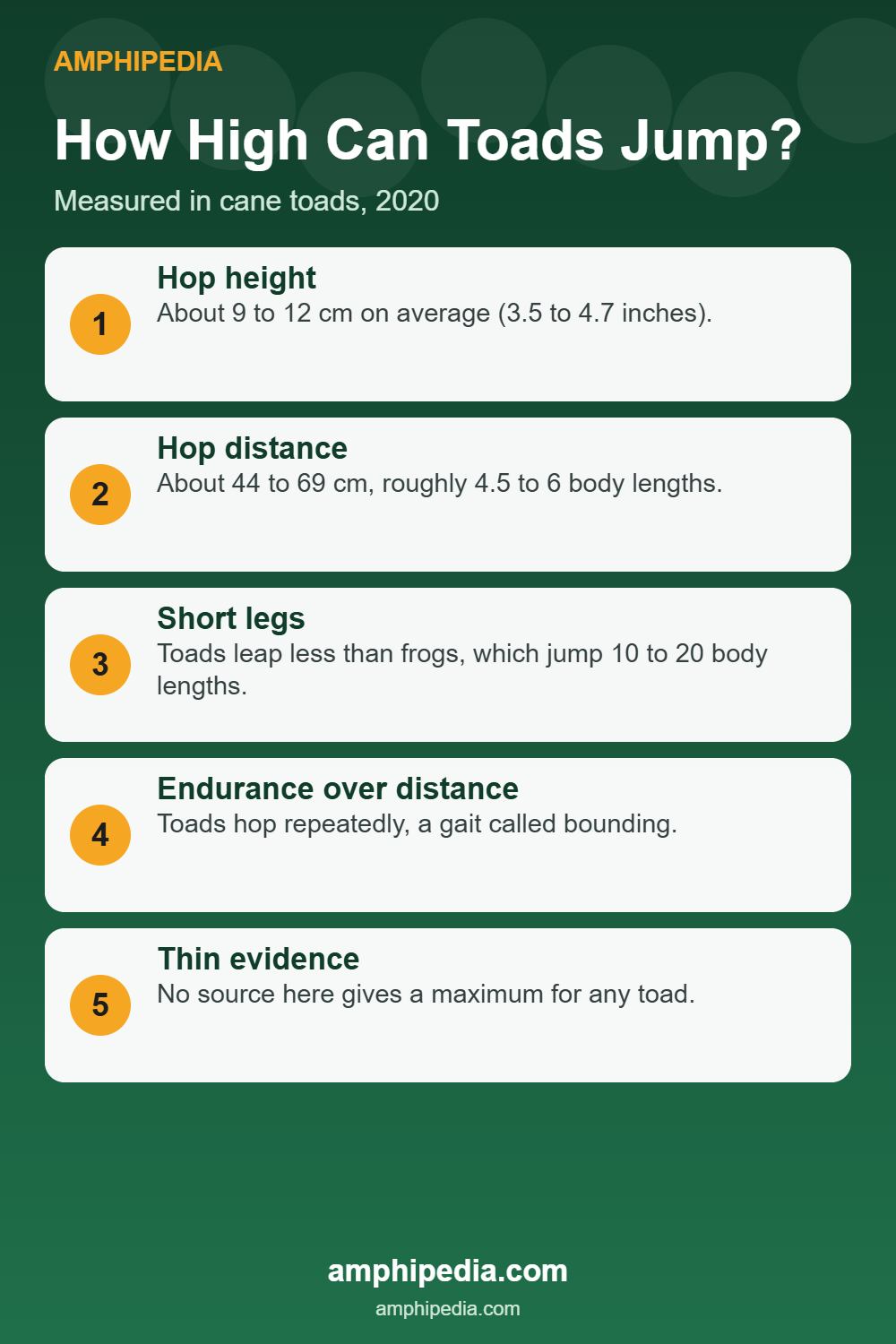
Not very high. In a 2020 study of 311 cane toads in Australia, mean hop height was about 9 to 12 cm (3.5 to 4.7 inches), and mean hop distance was about 44 to 69 cm. That is roughly 4.5 to 6 body lengths per hop. Toads have shorter legs than frogs and trade jump distance for endurance by hopping repeatedly.
Frogs get the jumping fame. Toads, with their stout bodies and short legs, are built for something else.
Published numbers on toad jump height are scarce. This article uses the best measured data found, explains its limits and compares toads with frogs.
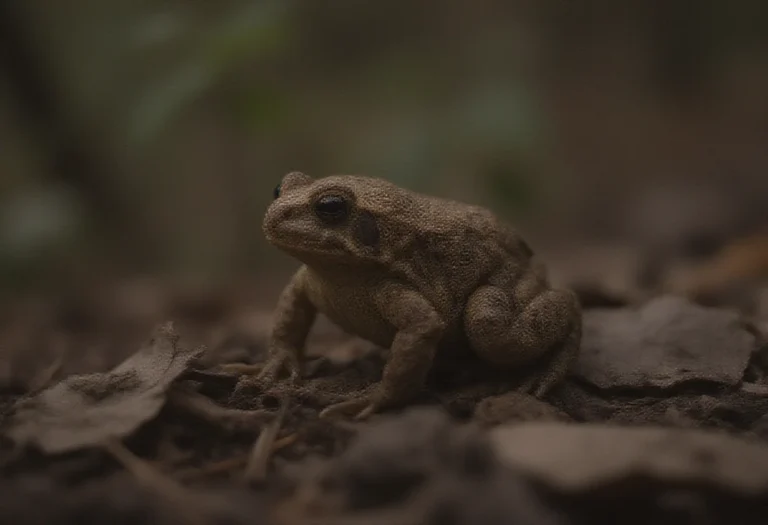
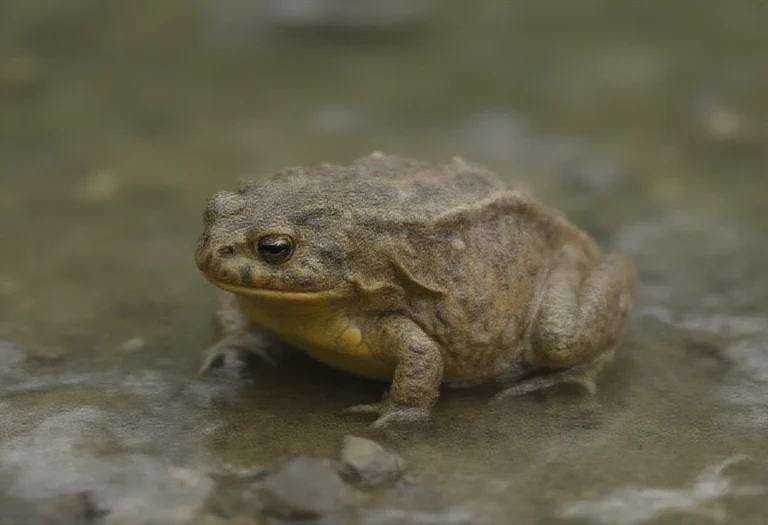
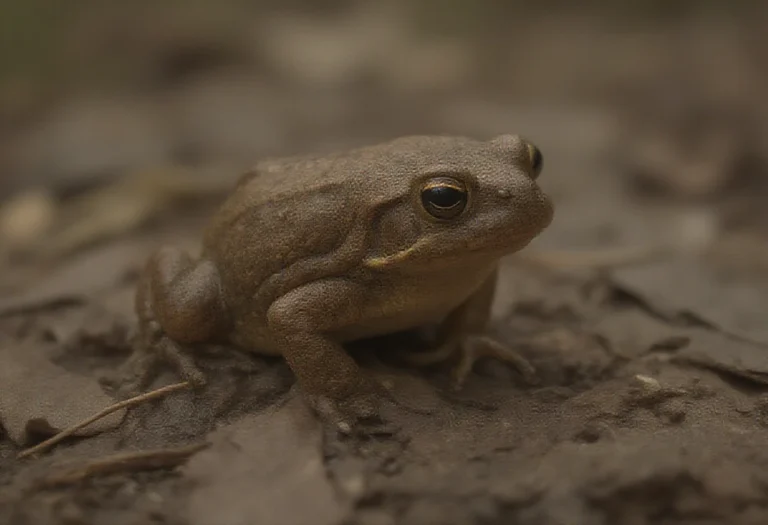
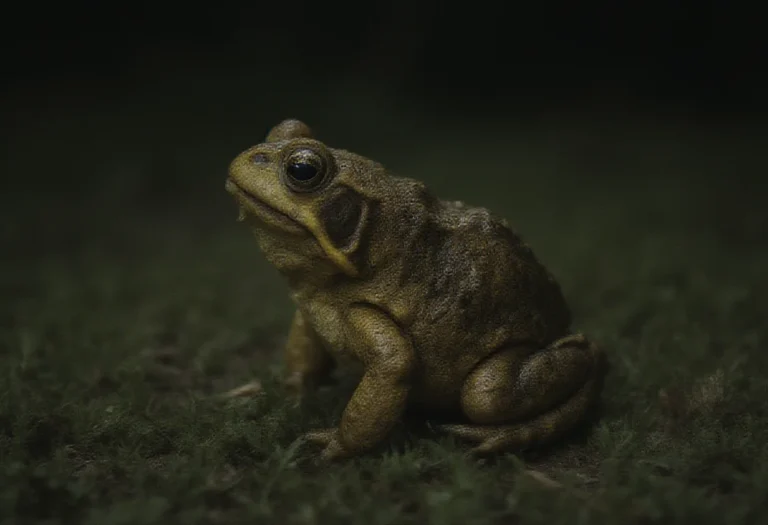
How this was made: prepared with AI assistance and checked against the sources listed at the end. Images are AI-generated illustrations, not photographs of real animals or products.
Key Takeaways
- Cane toads hopped about 9 to 12 cm high on average in a 2020 lab study.
- Mean hop distance was about 44 to 69 cm, roughly 4.5 to 6 body lengths.
- Toads have shorter legs than frogs, which limits leaping.
- A 2015 study says toads trade jump distance for endurance.
- There is little data on the height of other toad species.
Pin this infographicShare on Facebook
The measured answer
Hudson, Vidal-Garcia, Murray and Shine measured hop distance, height and velocity in 311 cane toads (Rhinella marina) using raceway trials and high-speed video. Their paper appeared in Proceedings of the Royal Society B in 2020.
Mean hop height ranged from 9.0 to 11.8 cm across groups. Mean hop distance ranged from 44 to 69 cm, and mean velocity from about 170 to 214 cm per second.
These are average hops in a running trial, not maximum jumps. A frightened toad in the wild could do something different.
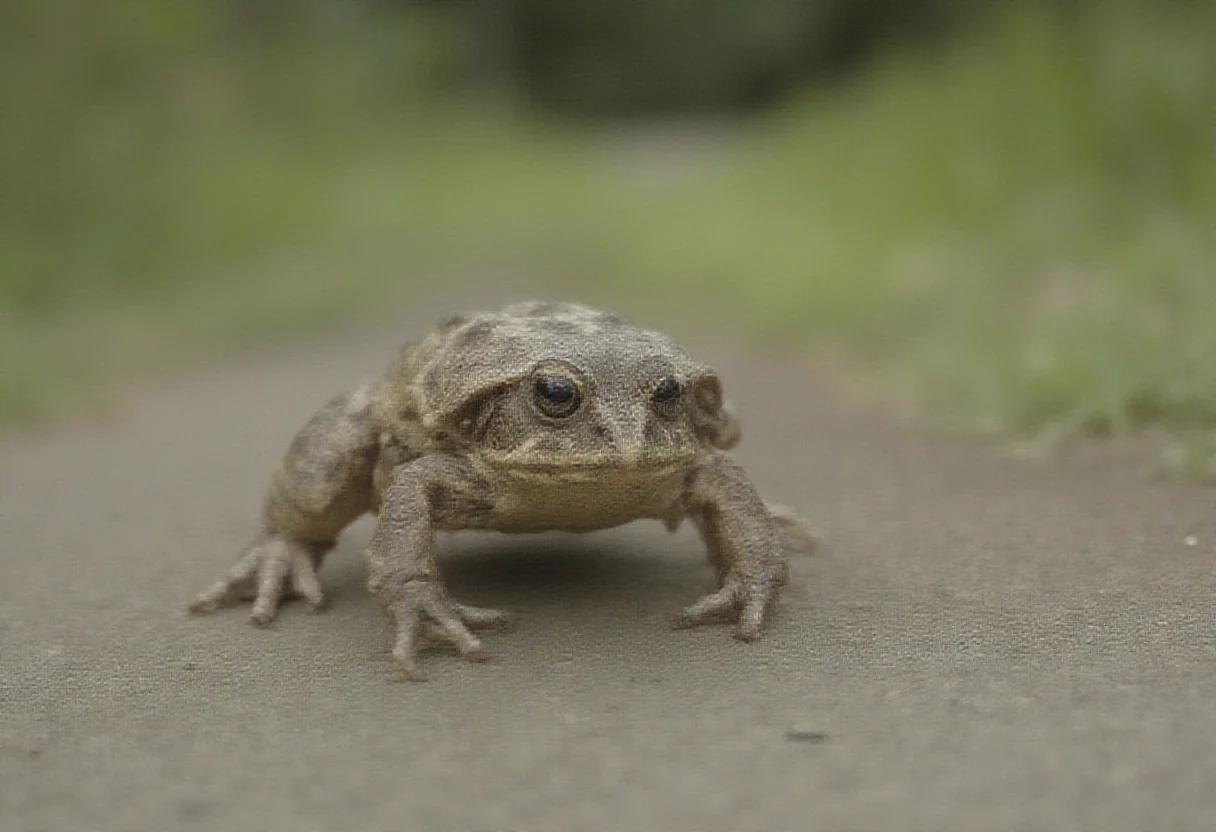
Results by group
The table shows mean values from the paper. RC means range-core Queensland toads. IF means invasion-front toads from Western Australia.
| Group | Hop height (cm) | Hop distance (cm) |
|---|---|---|
| Wild-caught females, RC | 10.7 | 60.1 |
| Wild-caught females, IF | 9.9 | 67.2 |
| Wild-caught males, RC | 11.6 | 65.5 |
| Wild-caught males, IF | 11.4 | 68.9 |
| Captive-raised juveniles, RC | 9.0 | 50.4 |
| Captive-raised juveniles, IF | 9.5 | 49.7 |
About the study
The toads came from three range-core populations in Queensland and four invasion-front populations in Western Australia. Some were wild-caught adults and some were captive-raised offspring.
The authors compared the groups because cane toads at the invasion front travel farther than those in the established range. For wild-caught adults, the only significant jumping difference reported was a higher maximum velocity in invasion-front females.
For this article the useful point is simpler: all groups hopped to similar heights, around 9 to 12 cm.
How that compares with body size
Adult cane toads in the study averaged 106 to 116 mm from snout to vent in the wild-caught groups. A hop of 60 to 69 cm is therefore roughly 5 to 6 body lengths. This ratio is calculated from the paper’s means.
The North Carolina Zoo says most frogs can jump 10 to 20 times their body length. Its chart lists the green treefrog at 8 to 10 feet and the American bullfrog at 6 feet.
The two sets of numbers use different methods, so treat the comparison as a rough guide.
Why toads hop instead of leap
The Forest Preserve District of Will County, citing the San Diego Zoo, says toads have shorter legs than frogs, which limits their leaping ability.
Animal Diversity Web describes the American toad as stout with short legs, 50 to 102 mm long.
A 2015 Functional Ecology study says frogs mostly maximize jump distance as an escape, while toads have traded jump distance for endurance by hopping repeatedly.
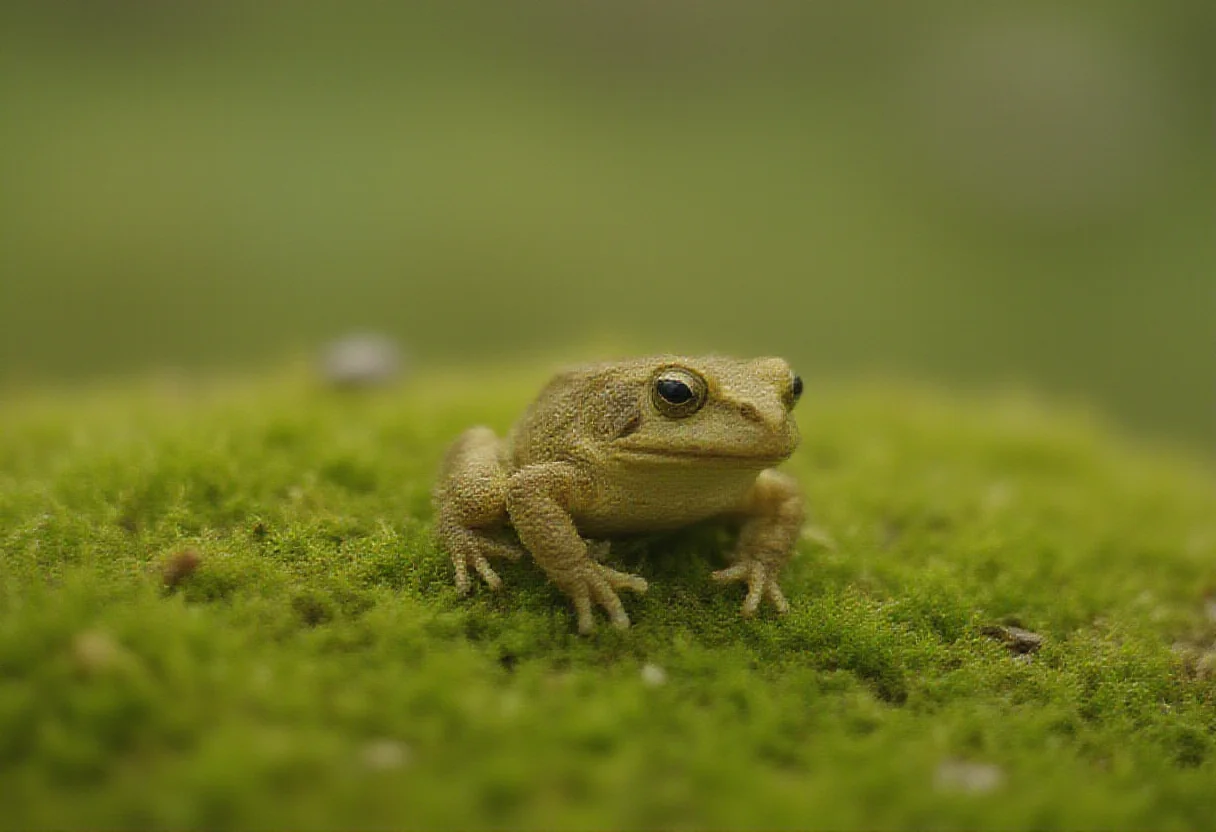
Bounding: a toad’s gait
The same 2015 paper found that repeated toad hopping is actually bounding. Toads rotate on their hands, land on their feet and launch again without stopping.
Bounding maintains velocity, produces longer jump distances than single hops and reduces energy expenditure, according to the abstract.
This is a travel gait, not a high jump. It helps toads cover ground steadily rather than clear obstacles.
What is not known
No source found here gives the maximum jump height of any toad species. The cane toad data are means from a controlled trial.
Heights for American, European and other toads are not covered by the sources used. Treat claims of high toad jumps online with caution unless they cite measurements.
Southern toads appear in the North Carolina Zoo chart without a listed distance.
What this means in practice
A toad will not clear a tall fence, but short hops of 9 to 12 cm can get it over low edges and into a garden bed.
If you keep toads, a secure lid is still wise. Read more about the species in our guide to the invasive cane toad.
Frequently Asked Questions
How high can a toad jump?
In a 2020 cane toad study, mean hop height was about 9 to 12 cm. No source here gives a maximum for other toads.
How far can a toad jump?
Mean hop distance was about 44 to 69 cm in the same study, around 4.5 to 6 body lengths.
Can toads jump as far as frogs?
Usually not. Toads have shorter legs, and a 2015 study says they trade jump distance for endurance.
Do toads hop or walk?
The 2015 study describes repeated hopping as bounding. Animal Diversity Web does not say how American toads move.
How fast can a toad hop?
Mean velocity was about 170 to 214 cm per second in the cane toad study.
Can a toad jump out of a tank?
No source here measures this. Use a secure lid to be safe.
Bottom Line
Toads are not jumpers. They hop, bound and keep going.
The best measured numbers show hops of about 9 to 12 cm high. For anything beyond that, the evidence is thin.
Sources
- Hudson CM, Vidal-Garcia M, Murray TG, Shine R (2020). The accelerating anuran: evolution of locomotor performance in cane toads at an invasion front. Proceedings of the Royal Society B 287:20201964, accessed 31 October 2026
- Conquering the world in leaps and bounds: hopping locomotion in toads is actually bounding. Functional Ecology 29 (2015), accessed 31 October 2026
- North Carolina Zoo: Frog Jumping Contest, accessed 31 October 2026
- Forest Preserve District of Will County: Five things about toads, accessed 31 October 2026
- Animal Diversity Web: Anaxyrus americanus (American toad), accessed 31 October 2026