Pet Frog Terrarium: Humidity, Heat and Layout Guide
This post contains affiliate links. As an Amazon Associate I earn from qualifying purchases. Prices and availability are shown by Amazon and can change.
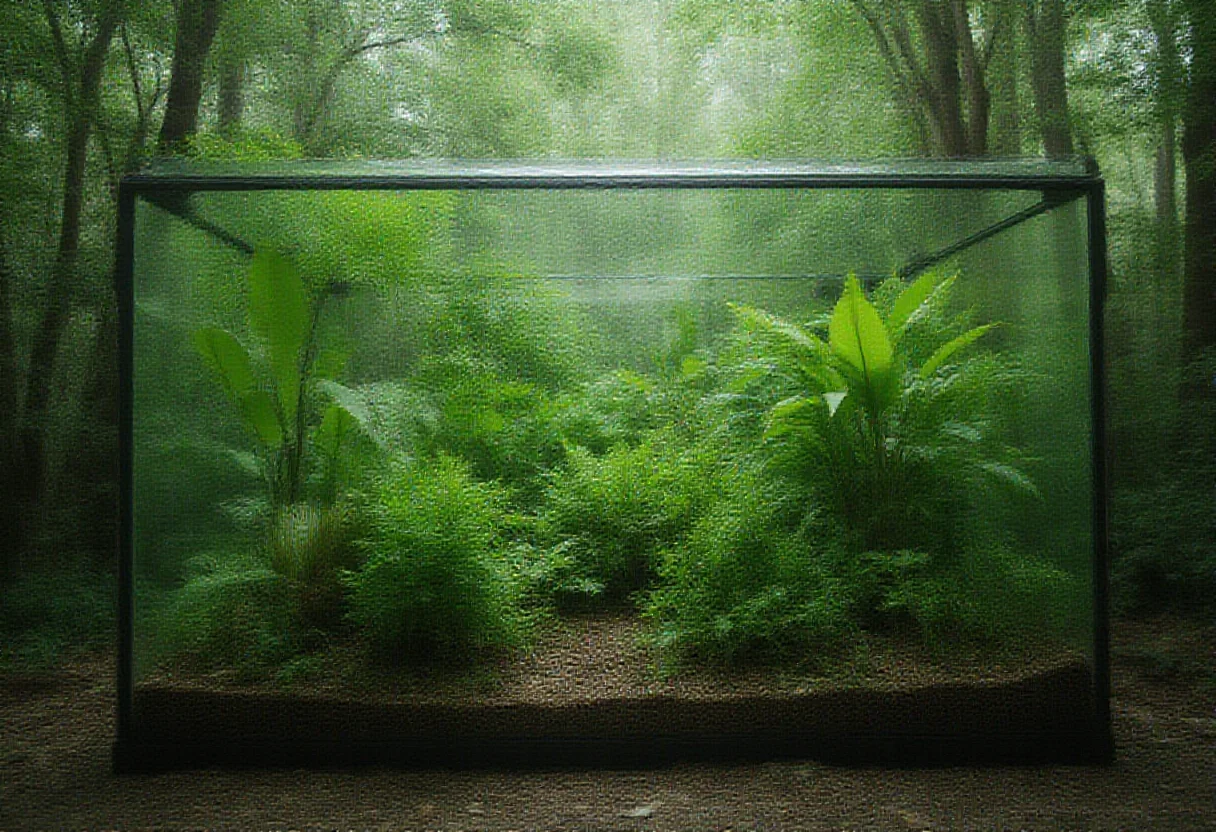
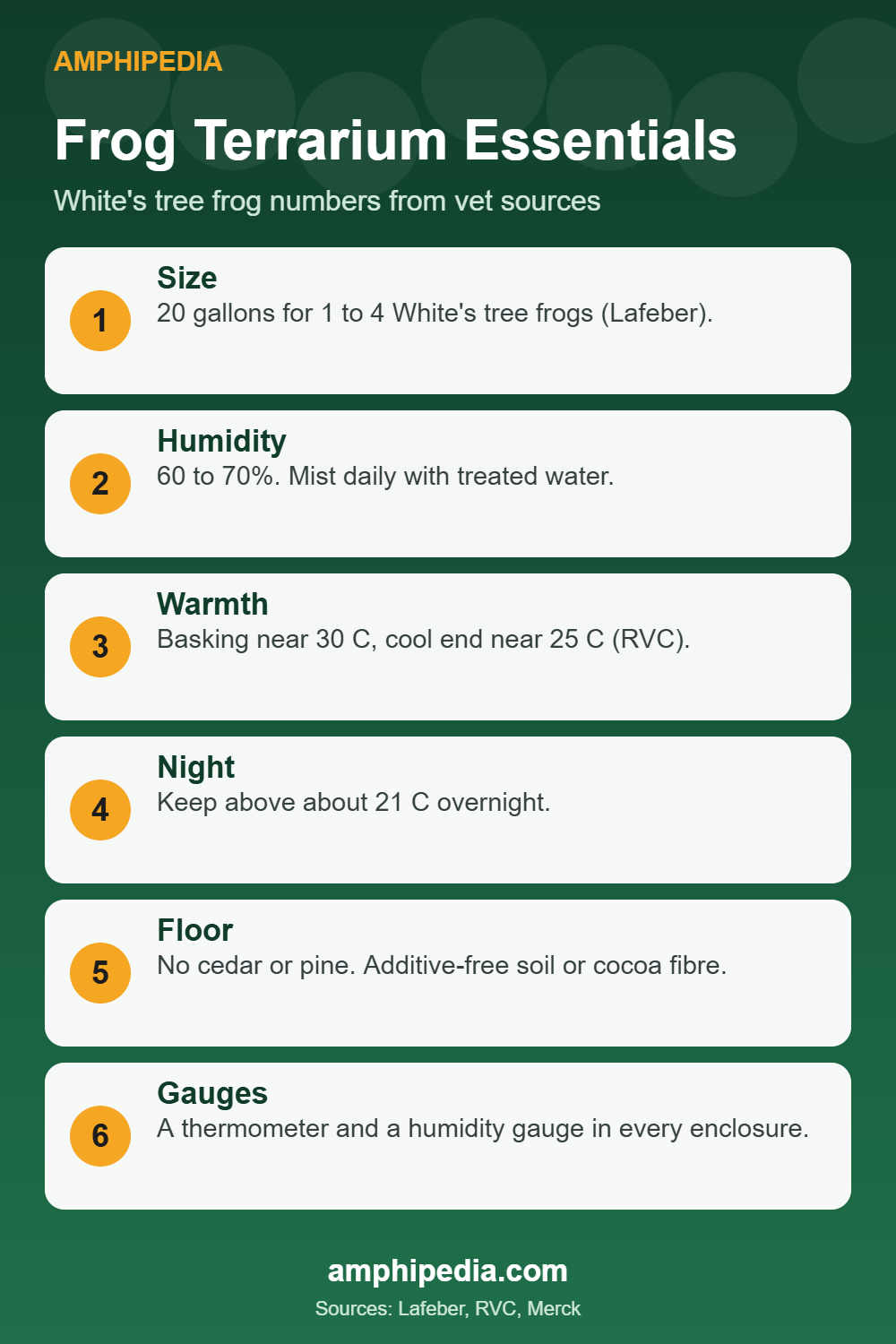
A pet frog terrarium is a ventilated glass enclosure with damp substrate, climbing branches, hides and a shallow water dish. For White’s tree frogs, vet sources advise a tall 20-gallon terrarium for one to four frogs, 60 to 70% humidity, a basking spot of about 30 C, and a night temperature that stays above about 21 C. Put a thermometer and a humidity gauge inside, and mist with treated water.
A terrarium is the right home for frogs that live on land or in trees. It holds humidity, gives climbing space and keeps the water shallow. It is not suitable for fully aquatic frogs, which need a filtered aquarium.
This guide covers size, climate, substrate, plants, lighting and cleaning for a frog terrarium. For aquatic frogs, see our pet frog aquarium guide.
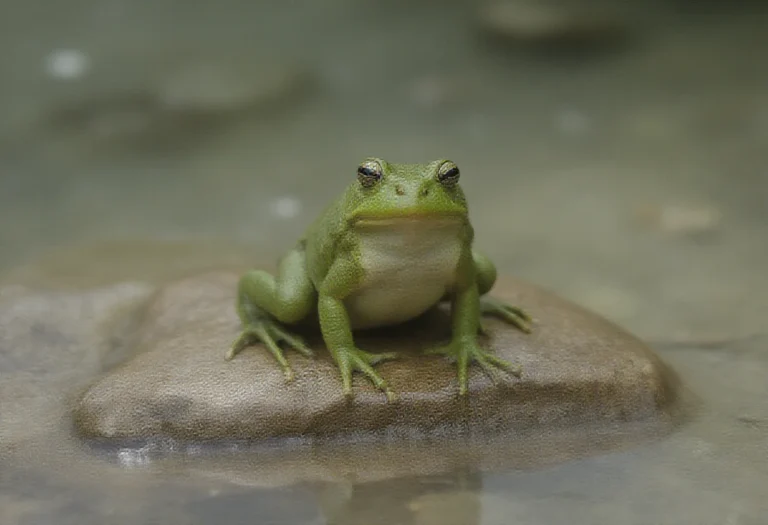
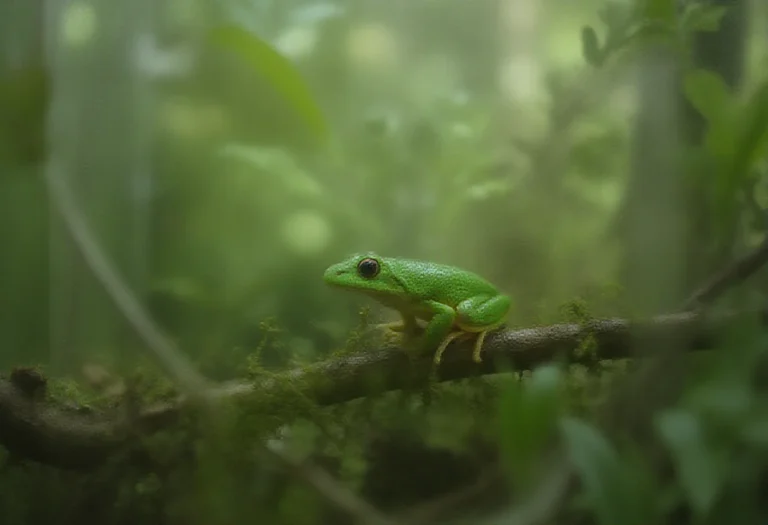
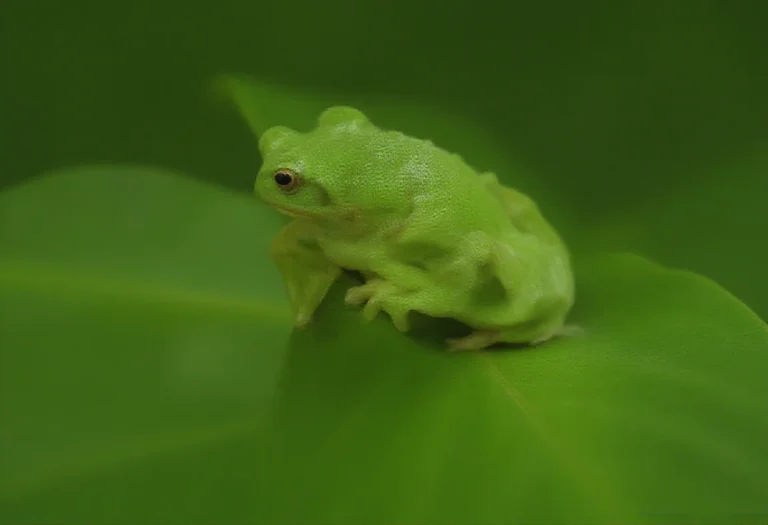
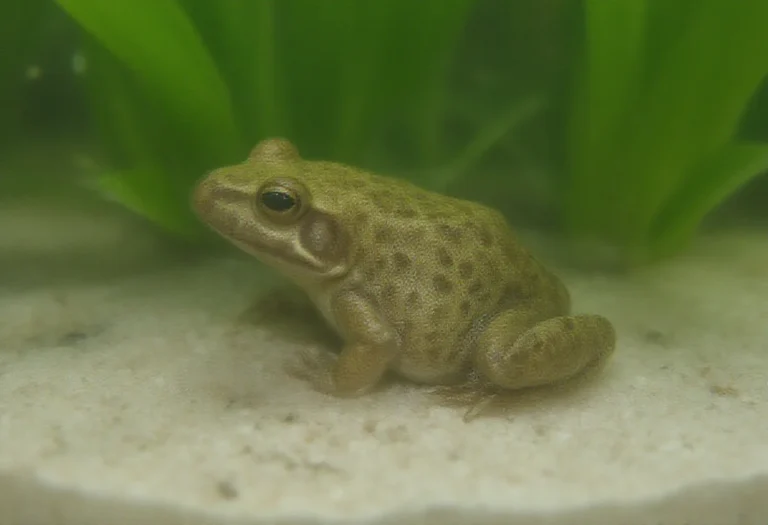
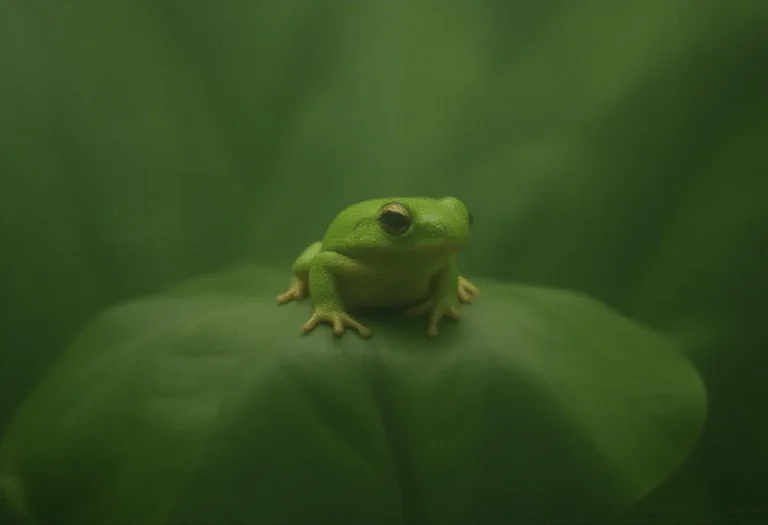
How this was made: prepared with AI assistance and checked against the sources listed at the end. Images are AI-generated illustrations, not photographs of real animals or products.
Key Takeaways
- Choose a tall terrarium for tree frogs. Lafeber suggests 20 gallons for one to four White’s tree frogs.
- Keep humidity at 60 to 70% for White’s tree frogs, and mist with treated water.
- Offer a warm basking spot near 30 C and a cooler end near 25 C, per the RVC.
- Use a safe substrate. Merck says cedar and pine are toxic.
- Fit a thermometer and a humidity gauge, and replace UVB bulbs as the maker advises.
Pin this infographicShare on Facebook
Climate and decor gear for a frog terrarium
A reliable gauge, a mister and a few natural hides cover the basics. Check each item suits an amphibian before use.





Product titles, prices and ratings are provided by Amazon and are accurate only at the time they are displayed.
What a frog terrarium is for
A terrarium is an enclosure with air above and damp ground below. It suits tree frogs and ground frogs that need humidity but not deep water. Merck says terrestrial species need a shallow water dish, with moisture from misting, small streams or ultrasonic humidifiers.
Wild green tree frogs show why. The Illinois Department of Natural Resources says American green tree frogs live in swamps, sloughs and marshes, often on plants such as cattails. A tall terrarium with plants copies that habitat.
Terrarium size and shape
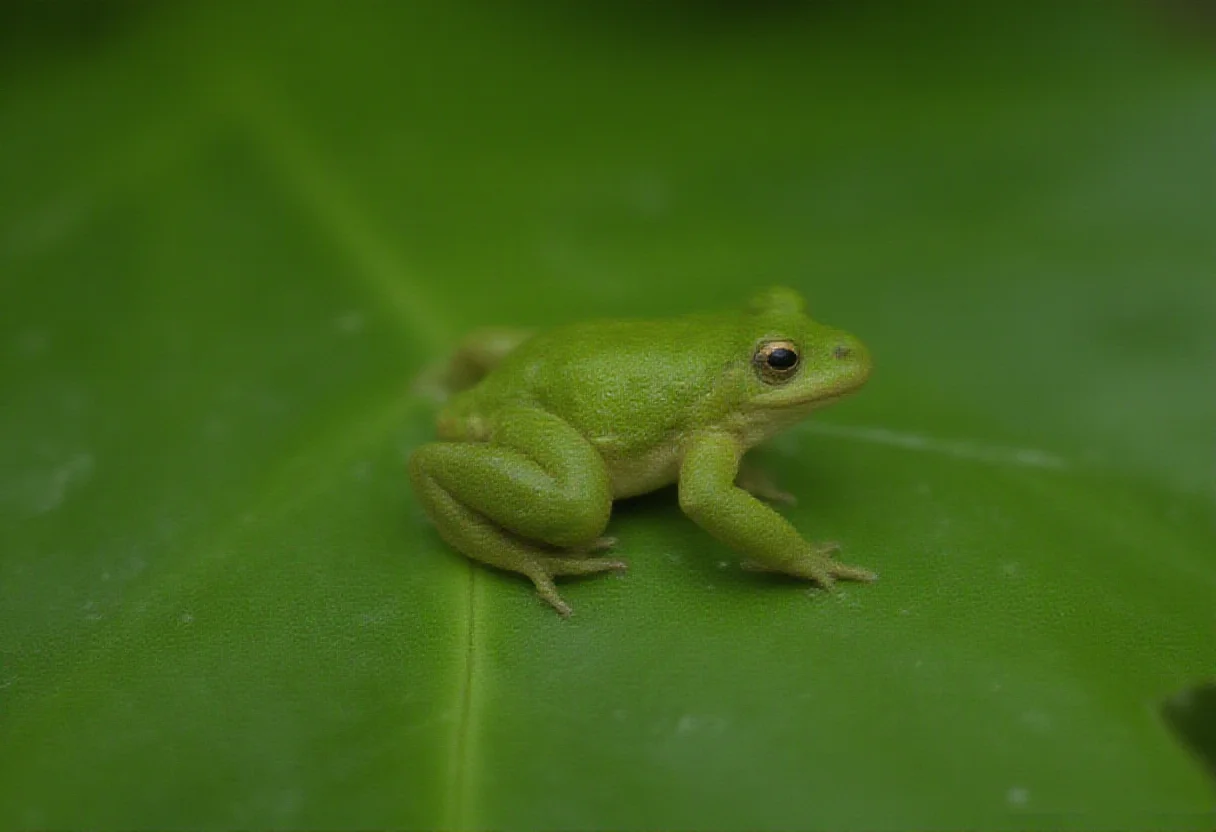
Tree frogs climb, so choose a tall terrarium. Lafeber Veterinary says one to four White’s tree frogs can live in a 20-gallon (75 L) terrarium. The Arizona Exotic Animal Hospital suggests a tall 15 to 20 gallon tank for one adult.
For a group, the same source suggests up to five adults in an enclosure of about 100 x 50 x 50 cm (40 x 19 x 19 in). Both sources refer to White’s tree frogs, so check the size for your species.
| Setting | Guidance | Source |
|---|---|---|
| Terrarium size | 20 gallons for 1 to 4 White’s tree frogs | Lafeber |
| Tall tank | 15 to 20 gallons for one adult | Arizona Exotic Animal Hospital |
| Humidity | 60 to 70% | Lafeber, RVC |
| Daytime gradient | 70 to 90 F, basking up to 95 F | Lafeber |
| Night temperature | 65 to 70 F, or above about 21 C | Lafeber, RVC |
Humidity and misting
Both Lafeber and the Royal Veterinary College advise 60 to 70% humidity for White’s tree frogs. Lafeber says to mist the enclosure daily and keep the substrate damp but not waterlogged. The RVC says to measure humidity with a hygrometer in the middle of the terrarium.
Merck says every amphibian enclosure should have a humidity gauge. Use treated water for misting. Frogs absorb what lands on their skin, and chlorine can harm them.
- Mist daily, or use a humidifier or mister.
- Check the gauge morning and evening.
- Keep air moving, with a mesh section for ventilation.
Heat and light
For White’s tree frogs, the RVC advises a basking spot of about 30 C on for at least 12 hours a day, a cool end of about 25 C, and overnight temperatures above about 21 C. Lafeber gives a gradient of 70 to 90 F with a basking spot reaching 95 F, and nights of 65 to 70 F.
The RVC advises a low-output UVB lamp on for about 12 hours a day. Merck says UVB bulbs are generally replaced every 6 to 8 months or as the maker directs, and that the benefits of UVB are not fully understood. Ask an exotics vet for advice.
Substrate and decor
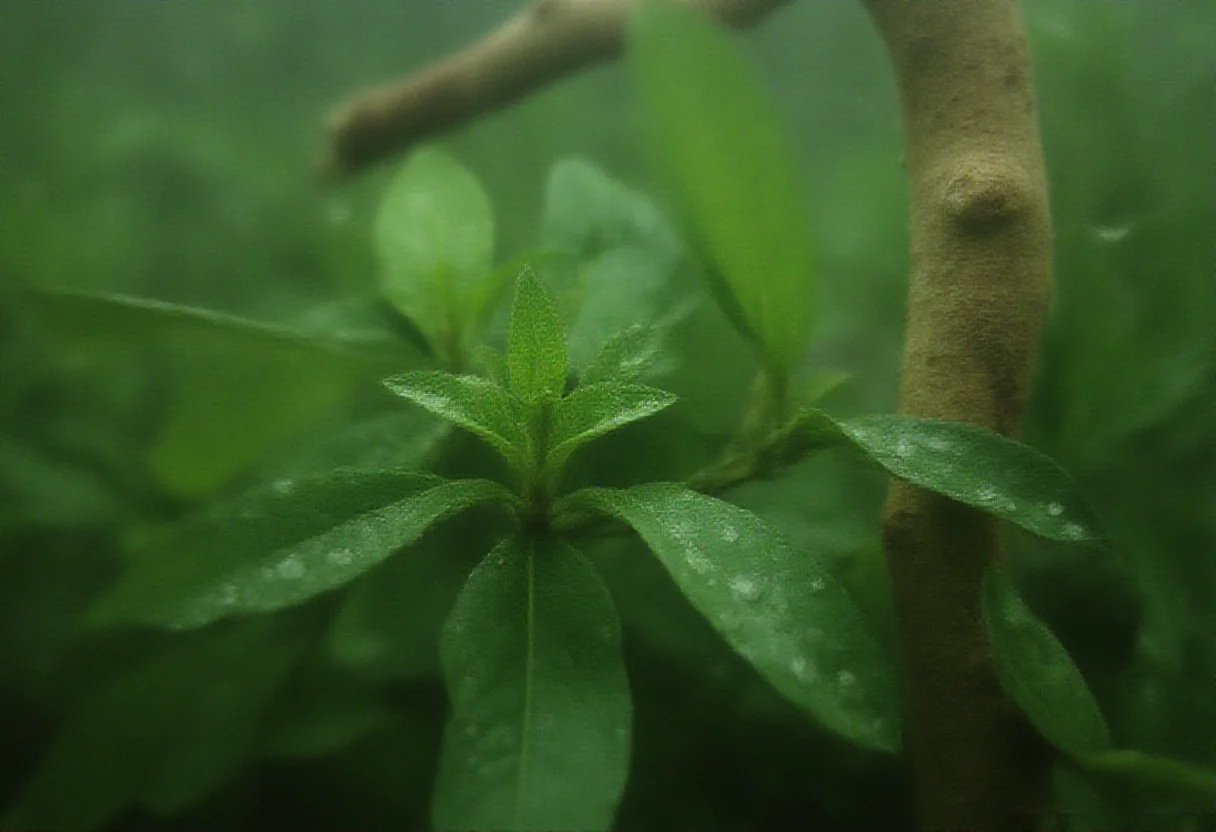
Pick a floor that is easy to clean and safe if swallowed. The RVC says newspaper or damp paper towel suits the short term and cocoa fibre suits naturalistic setups. Merck says cedar and pine are toxic, and soil must be free of additives such as fungicides.
Add branches, cork bark, hides and plants. Merck says live plants help purify air, add humidity and provide cover. Leave open floor space so the frog can move around freely.
- Safe floors: additive-free soil, cocoa fibre, leaf litter, sphagnum moss.
- Avoid cedar and pine.
- Branches at different heights.
- At least two hides: warm and cool.
Water dish and treated water
Lafeber advises a sizable but shallow dish. The Arizona Exotic Animal Hospital adds small rocks or ramps so frogs do not drown, and says to clean the bowl daily or use filtration.
Merck says tap water should run through a carbon filter for at least 24 hours to remove chlorine, and needs a dechlorinating agent first when it contains chloramines. Our pet frog water guide has the details.
Feeding inside the terrarium
Terrarium frogs eat live insects. The RVC advises gut-loading prey for 24 hours, and alternating calcium with a combined vitamin and mineral supplement. Lafeber suggests daily feeding for juveniles and two to three times weekly for adults.
Remove uneaten prey within about 30 minutes. The Arizona Exotic Animal Hospital advises feeding in a bare container if you use gravel or bark, because frogs often swallow loose substrate.
Set up the terrarium in order
Run the terrarium empty for several days before the frog arrives. That lets you fix heat, humidity and ventilation without risk to the animal.
Merck suggests that plain soil can be heated to 200 F (93 C) for 30 minutes or frozen below 32 F (0 C) to reduce pests. Do this only with additive-free soil, and let it cool before use.
- Clean the enclosure with an amphibian-safe disinfectant, rinse and dry.
- Add substrate and a layer of leaf litter or moss.
- Place branches, cork bark and plants, leaving open floor space.
- Add a shallow water dish with a ramp.
- Fit the lamp, timer, thermometer and humidity gauge.
- Mist with treated water and check the readings for several days.
- Quarantine the new frog before moving it in.
Terrarium or tank: what is the difference?
The words overlap. In frog keeping, a terrarium usually means a humid land setup, while an aquarium holds deep water. Our pet frog tank guide covers sizes and lids for both.
If your frog is aquatic, read our guide to frogs that live in water instead. To compare species by setup, see the pet frog species guide.
Lifespan and commitment
A terrarium frog may live a very long time. Lafeber gives a lifespan of 20 years or more for White’s tree frogs. That means years of daily misting, feeding and cleaning.
The terrarium itself should be easy to maintain. Choose gear you can clean, and avoid complicated setups you cannot keep up.
Cleaning and maintenance
The RVC advises daily spot cleaning and a full monthly clean with an amphibian-safe disinfectant. Merck suggests disinfecting tools and dishes with 30 mL of bleach per litre of water for at least 30 minutes, then rinsing well.
Merck also advises replacing food and water daily and disinfecting humidifiers and spray bottles weekly in quarantine setups. Wear gloves when cleaning.
- Daily: remove waste, dead insects and uneaten food.
- Daily: refresh the water dish.
- Weekly: check gauges and wipe the glass.
- Monthly: full clean and substrate refresh.
Common terrarium mistakes
Most mistakes come from guessing. Without a thermometer and hygrometer, you cannot tell if the terrarium is too dry or too cold. A short tank also limits tree frogs, which like to climb.
Another mistake is skipping quarantine. Merck says a typical period is 6 to 8 weeks, adjusted for risk. See our pet frog tank guide and our White’s tree frog care guide for more.
- No gauges.
- Using cedar or pine bedding.
- Untreated tap water for misting.
- Overfeeding.
- Handling the frog too often.
Frequently Asked Questions
What humidity does a frog terrarium need?
For White’s tree frogs, the RVC and Lafeber both advise 60 to 70%. Other species differ, so check yours.
How big should a frog terrarium be?
Lafeber suggests 20 gallons for one to four White’s tree frogs. Choose a tall tank for tree frogs.
Does a frog terrarium need a heat lamp?
Many tropical frogs need a warm spot. The RVC advises a basking spot near 30 C for White’s tree frogs, with a cooler end.
What substrate is safe for frogs?
Additive-free soil, cocoa fibre, leaf litter or sphagnum moss. Merck says cedar and pine are toxic.
Do frogs need UVB in a terrarium?
The RVC recommends a low-output UVB lamp for White’s tree frogs. Merck says benefits are not fully understood, so ask your vet.
How often should I mist a frog terrarium?
Lafeber advises misting daily and keeping the substrate damp but not waterlogged.
Bottom Line
A good frog terrarium is tall, humid and well ventilated. It has a gradient of warmth, a shallow dish, safe substrate and plants for cover.
Check the gauges every day, mist with treated water and clean on a routine. A stable terrarium is the best protection for a frog’s health.
Sources
- Lafeber Veterinary: Basic Information Sheet, White’s Tree Frog, accessed Size, temperature, humidity, water
- Royal Veterinary College: White’s Tree Frog care sheet (2024), accessed Temperature, humidity, UVB, cleaning
- Arizona Exotic Animal Hospital: Basic Care, White’s Tree Frog, accessed Tank size, water bowls, feeding
- Illinois DNR: Green Treefrog, accessed Wild habitat
- Merck Veterinary Manual: Housing for Amphibians, accessed Terrestrial housing, substrate, cleaning
- Merck Veterinary Manual: Environment and Husbandry for Amphibians, accessed Water treatment, quarantine
- CDC: Reptiles and amphibians, accessed Salmonella and hygiene
One Comment