Strawberry Frog: Facts About the Strawberry Poison Frog
The strawberry frog, or strawberry poison frog (Oophaga pumilio), is a tiny Central American rainforest frog, only 17 to 24 mm long. It is named for its red color, not for being edible. Its skin carries potent alkaloids that come from the ants and mites it eats. Mothers carry tadpoles to water-filled plants and feed them eggs. The IUCN lists it as Least Concern.
The name sounds sweet, but this frog is not food. It is a warning-colored poison frog, and its bright skin tells predators to stay away.
This guide covers what it is, where it lives, what it eats, where its toxins come from and how it raises its young. The facts come from a university reference site and peer-reviewed studies.
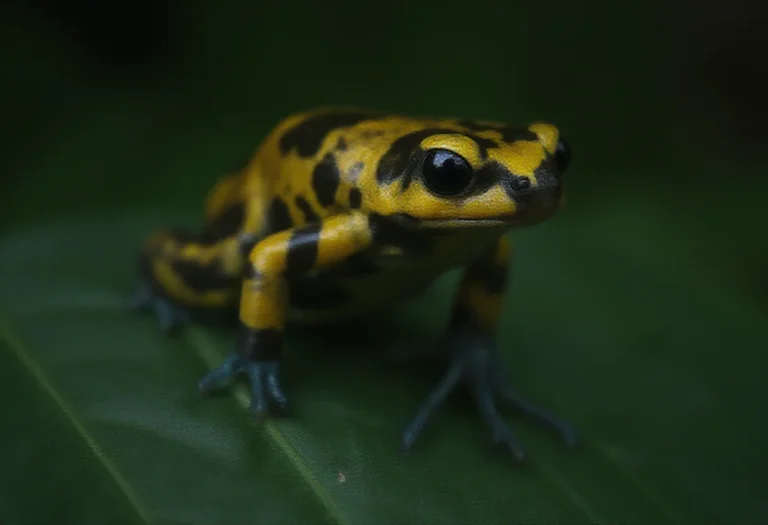
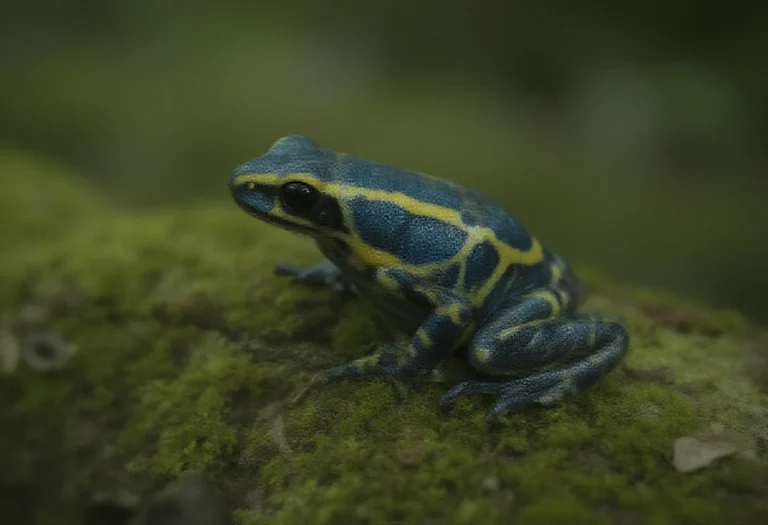
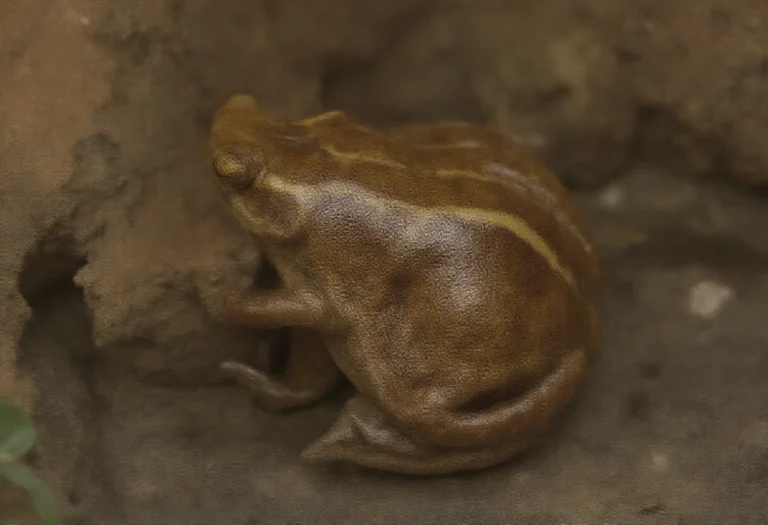
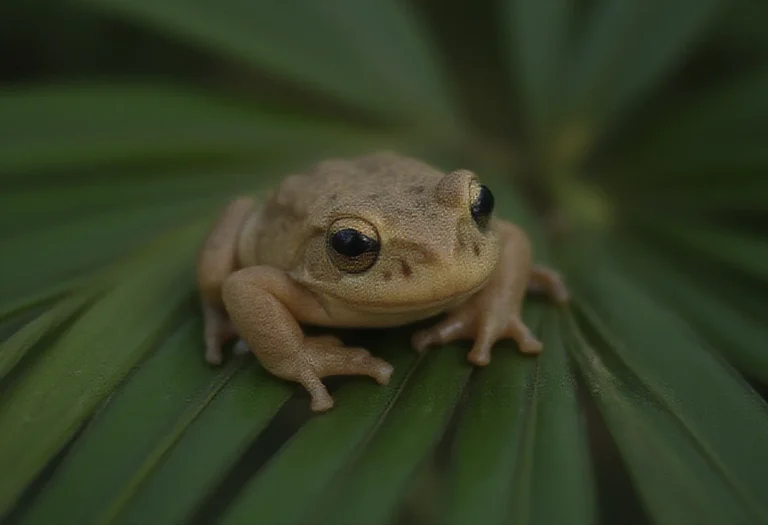
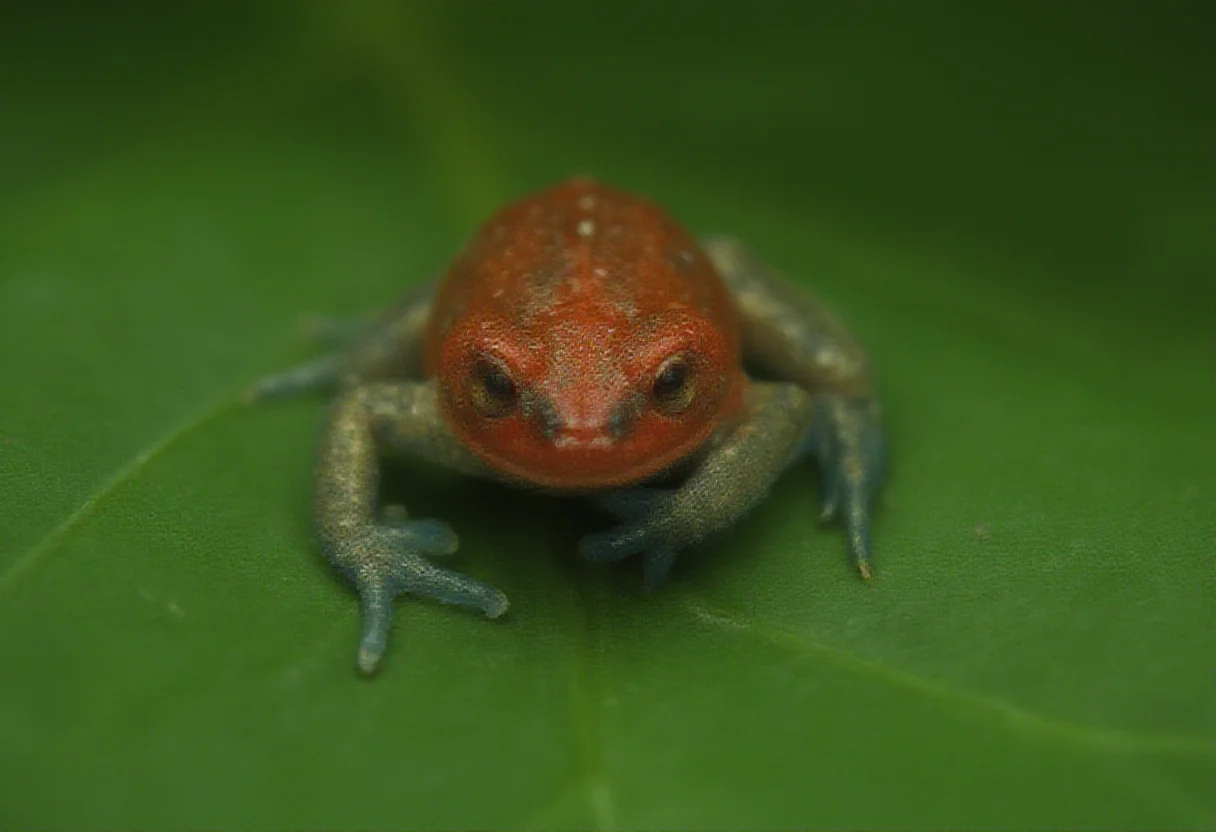
How this was made: prepared with AI assistance and checked against the sources listed at the end. Images are AI-generated illustrations, not photographs of real animals or products.
Key Takeaways
- Strawberry frog means the strawberry poison frog, Oophaga pumilio, not a food item.
- Adults are only 17 to 24 mm long and are often red with blue legs, but colors vary widely.
- It lives in Central American rainforest, mainly Nicaragua, Costa Rica and Panama.
- Its skin alkaloids come from its diet of small arthropods such as ants and mites.
- Mothers carry each tadpole to water in a plant and feed it unfertilized eggs.
- The IUCN lists it as Least Concern, but deforestation and the pet trade are threats.
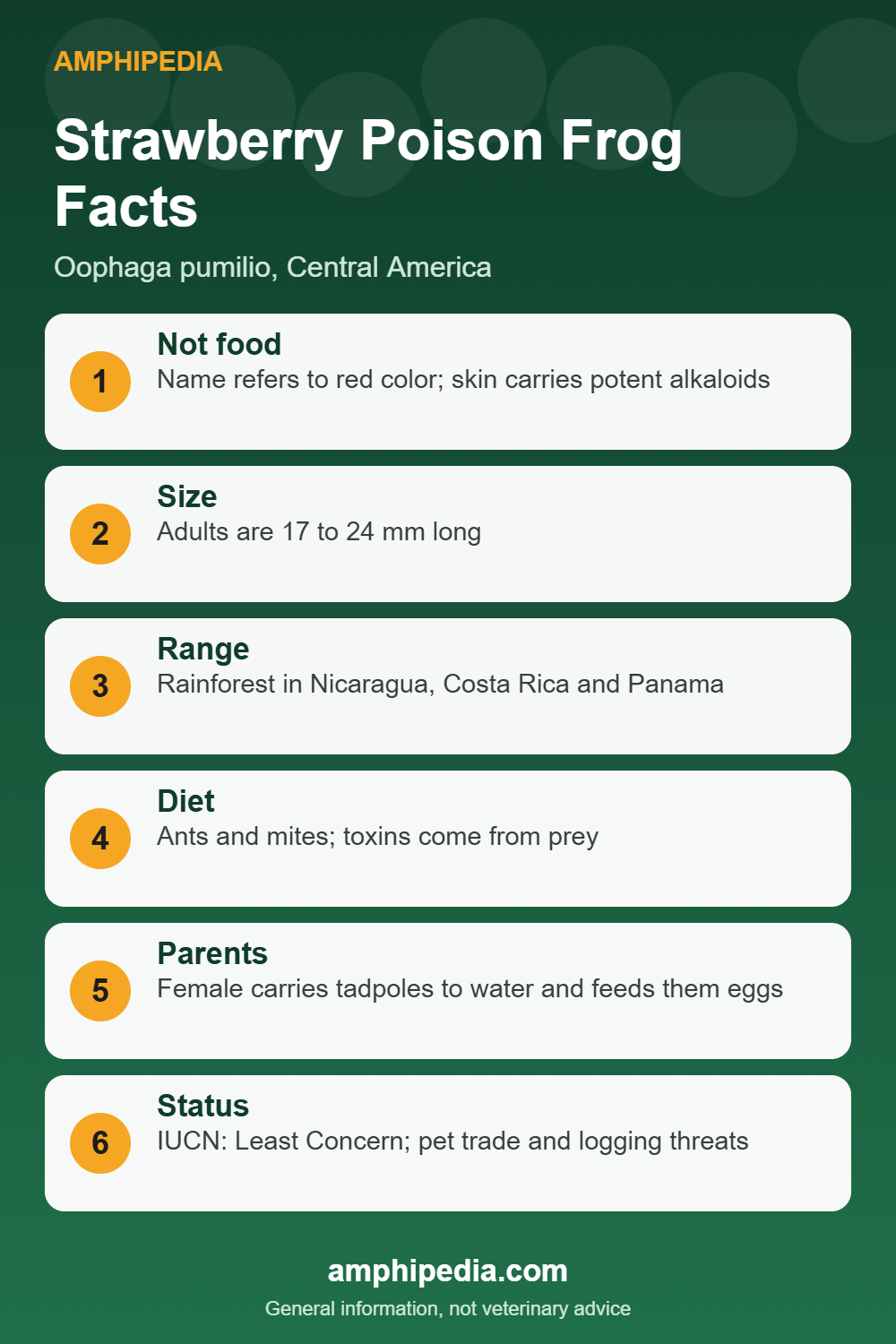
Pin this infographicShare on Facebook
What is the strawberry frog?
Strawberry frog is a common name for Oophaga pumilio, also called the strawberry poison frog or strawberry poison dart frog. Some online posts treat the name as a joke about taste. The frog is not edible, and its skin holds potent alkaloids.
Animal Diversity Web reports that Indigenous peoples have used toxins from poison frogs on arrowheads for hunting. That history is a reminder that these chemicals are real defenses, not a novelty.
Colors and size
Animal Diversity Web says adults are 17 to 24 mm long, and tadpoles can reach 16 mm. These are very small frogs.
The typical form is strawberry red with blue legs, but backs can be red, blue, yellow, white, green, black or orange, often with dark spots. The species is considered one of the most polymorphic of the warning-colored species. Populations tend to be uniform in color.
Range and habitat
The species is native to Central America, including Nicaragua, Costa Rica and Panama. Animal Diversity Web says it lives in rainforest and in cacao and banana groves, but not banana plantations.
It stays near the forest floor in leaf litter but often climbs trees and vines. The source gives an elevation limit of about 940 m in Nicaragua.
Diet
The frog eats small arthropods, mostly ants, with mites also a major share. Animal Diversity Web reports that adults eat about 14 prey items per hour and juveniles about 7.
A 2013 study of a captive colony notes that mites are richer in carotenoids than ants. The same study says captive diets are limited to prey that can be cultured, and that the colony’s frogs had been diagnosed with vitamin A deficiency.
Where the toxins come from
A 2007 study by Saporito and colleagues in PNAS says almost all alkaloids in poison frog skin appear to be sequestered from dietary arthropods. The authors found about 80 alkaloids in oribatid mites collected in Costa Rica and Panama, and 41 of them also occur in Oophaga pumilio.
Animal Diversity Web says the frogs excrete potent skin alkaloids obtained from prey, particularly formicine ants. The two sources agree the defense comes from the diet. The sources reviewed do not report how toxic any individual frog is.
Parental care
Care is unusual for a frog. Animal Diversity Web says a female lays 3 to 5 eggs in moist leaf litter and the male guards them. He urinates on the clutch daily to keep it moist and removes fungus.
Eggs hatch in 10 to 14 days. The female carries each tadpole to its own water-filled bromeliad, feeds it unfertilized eggs, and visits daily. Metamorphosis takes about 6 to 8 weeks.
A 2014 study found alkaloids in eggs fed to tadpoles, which suggests the mother may provision her young with chemical defenses. The authors also showed that the alkaloids deter predation of tadpoles by a predatory arthropod.
Calls and territory
Males use short series of chirps lasting 5 to 32 seconds to announce territories. Animal Diversity Web says males defend areas of 0.24 to 4.78 square metres and wrestle rivals for them.
Home ranges are 6 to 16 square metres, and up to 24.5 square metres in some studies.
Predators and conservation
Adults are rarely preyed upon because of their toxicity, according to Animal Diversity Web. Night ground snakes (Liophis epinephelus) are immune to the toxins, and tadpoles are often eaten because their poison glands are underdeveloped.
The IUCN lists the species as Least Concern and it has no special CITES status. Threats include deforestation, climate change and illegal capture for the pet trade.
Staying safe and responsible
Animal Diversity Web states that the frogs have no negative impact on humans, but it also describes potent skin alkaloids. Do not eat, handle or collect wild strawberry frogs. Admire them from a distance.
If you are interested in poison frogs as pets, buy only captive-bred animals from a reputable source and check local rules. Our linked guides explain pet dart frogs in more detail.
Frequently Asked Questions
Is the strawberry frog poisonous?
Its skin carries potent alkaloids sequestered from the ants and mites it eats, according to Animal Diversity Web and a 2007 PNAS study.
How big is a strawberry poison frog?
Adults are 17 to 24 mm long, according to Animal Diversity Web.
Where does it live?
In rainforest and cacao and banana groves in Central America, including Nicaragua, Costa Rica and Panama.
What does it eat?
Mostly ants and mites, plus other small arthropods.
How do strawberry poison frogs raise their young?
The male guards the eggs. After hatching, the female carries each tadpole to its own pool in a plant and feeds it unfertilized eggs.
Is the strawberry frog endangered?
The IUCN lists it as Least Concern, but deforestation and illegal capture for the pet trade are threats.
Can you eat a strawberry frog?
No. The name refers to the red color. The frog carries potent skin alkaloids and should not be eaten or handled.
Bottom Line
The strawberry frog packs a lot into a tiny body: warning colors, chemical defense and devoted parents. It is a good reminder that bright color often signals danger.
For related reading, see how to tell if a frog is poisonous, whether pet dart frogs are poisonous, and what poison dart frogs eat in the rainforest.
Sources
- Animal Diversity Web (University of Michigan): Oophaga pumilio, accessed 31 October 2026
- Saporito et al. (2007), PNAS: Oribatid mites as a major dietary source for alkaloids in poison frogs, accessed 31 October 2026
- Stynoski et al. (2014): Evidence of maternal provisioning of alkaloid-based chemical defenses in the strawberry poison frog (PubMed), accessed 31 October 2026
- Dugas et al. (2013), Zoo Biology: Carotenoid supplementation enhances reproductive success in captive strawberry poison frogs, accessed 31 October 2026
- CDC: Reptiles and Amphibians, accessed 31 October 2026