What Do Toad Eggs Look Like? Strings, Size and Timing
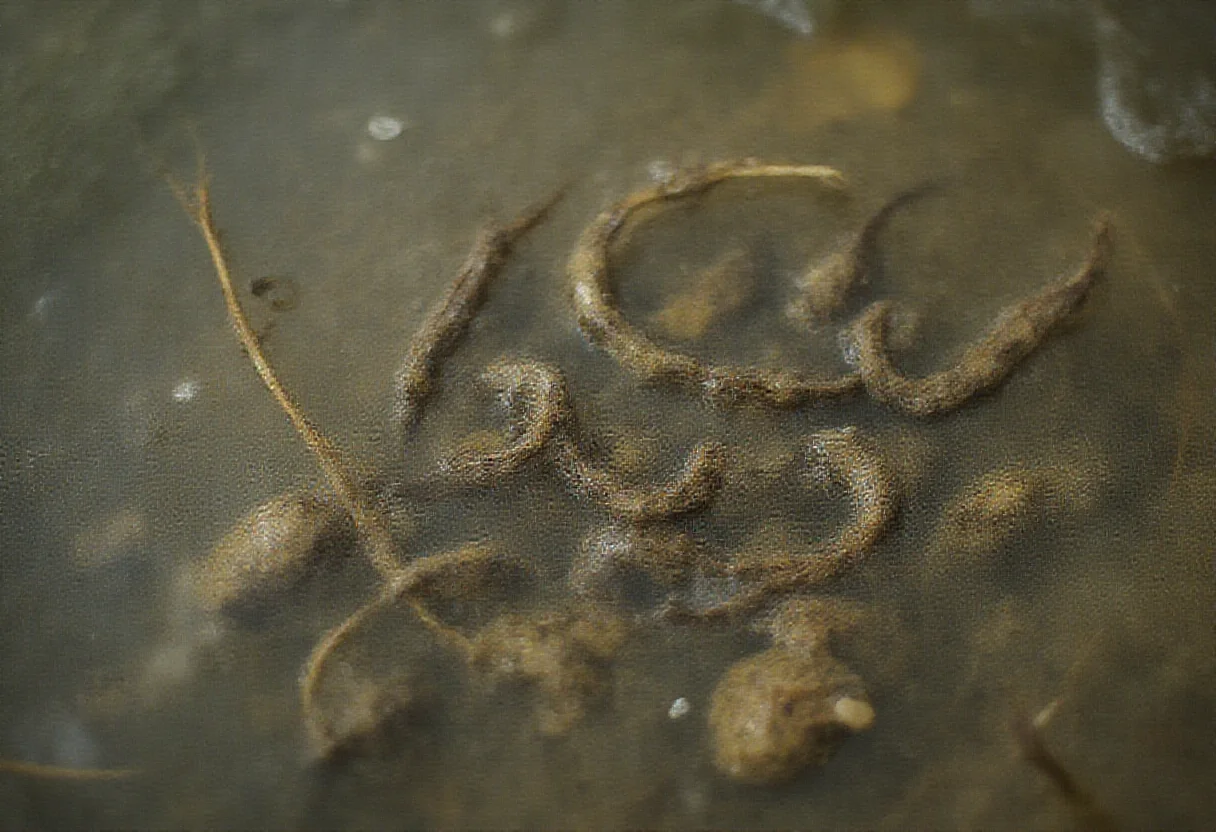
Toad eggs look like long, paired strings of small dark beads inside clear jelly, laid in the shallows of still water. Each egg is dark above and pale below. A single female American toad can lay thousands of eggs, from about 2,000 to 20,000 depending on the source. Frog eggs, by contrast, usually come in clumps or films. This guide assumes the American toad, the most familiar species in North America.
Found a long jelly rope in a pond or ditch? There is a good chance it is toad spawn.
The old title of this post did not name a species, so this article uses the American toad (Anaxyrus americanus) as its example. Other toads differ in detail, but the string shape is the key clue.
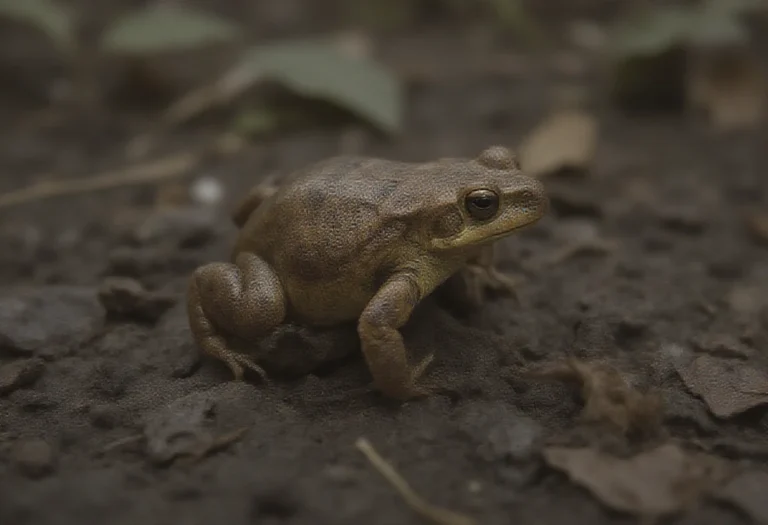
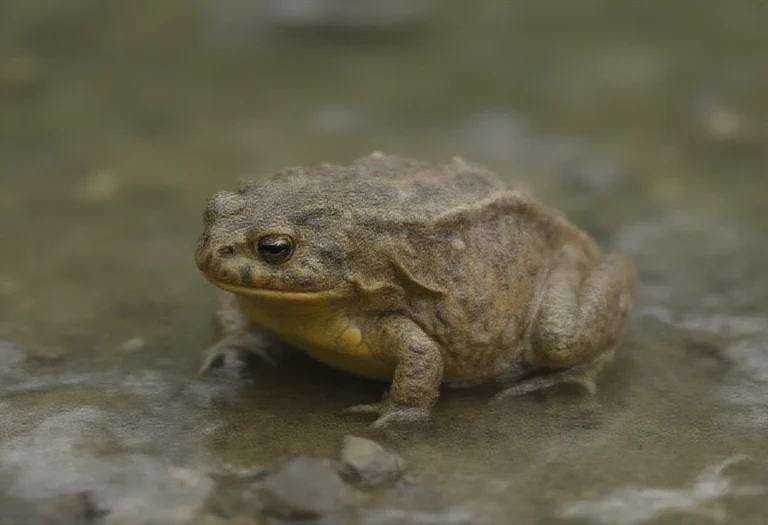
How this was made: prepared with AI assistance and checked against the sources listed at the end. Images are AI-generated illustrations, not photographs of real animals or products.
Key Takeaways
- Toad eggs are laid in long strings, not clumps.
- American toad strings are paired and can be many metres long, per the Vermont Reptile and Amphibian Atlas.
- Eggs are dark above and white to cream below, and sit in the shallows of still water.
- Sources give different clutch sizes, from about 1,840 to 20,000 eggs.
- Eggs hatch in days; sources say 3 to 12 days, or less than a week.
- Leave wild eggs where they are. Do not move them.
Pin this infographicShare on Facebook
What toad eggs look like
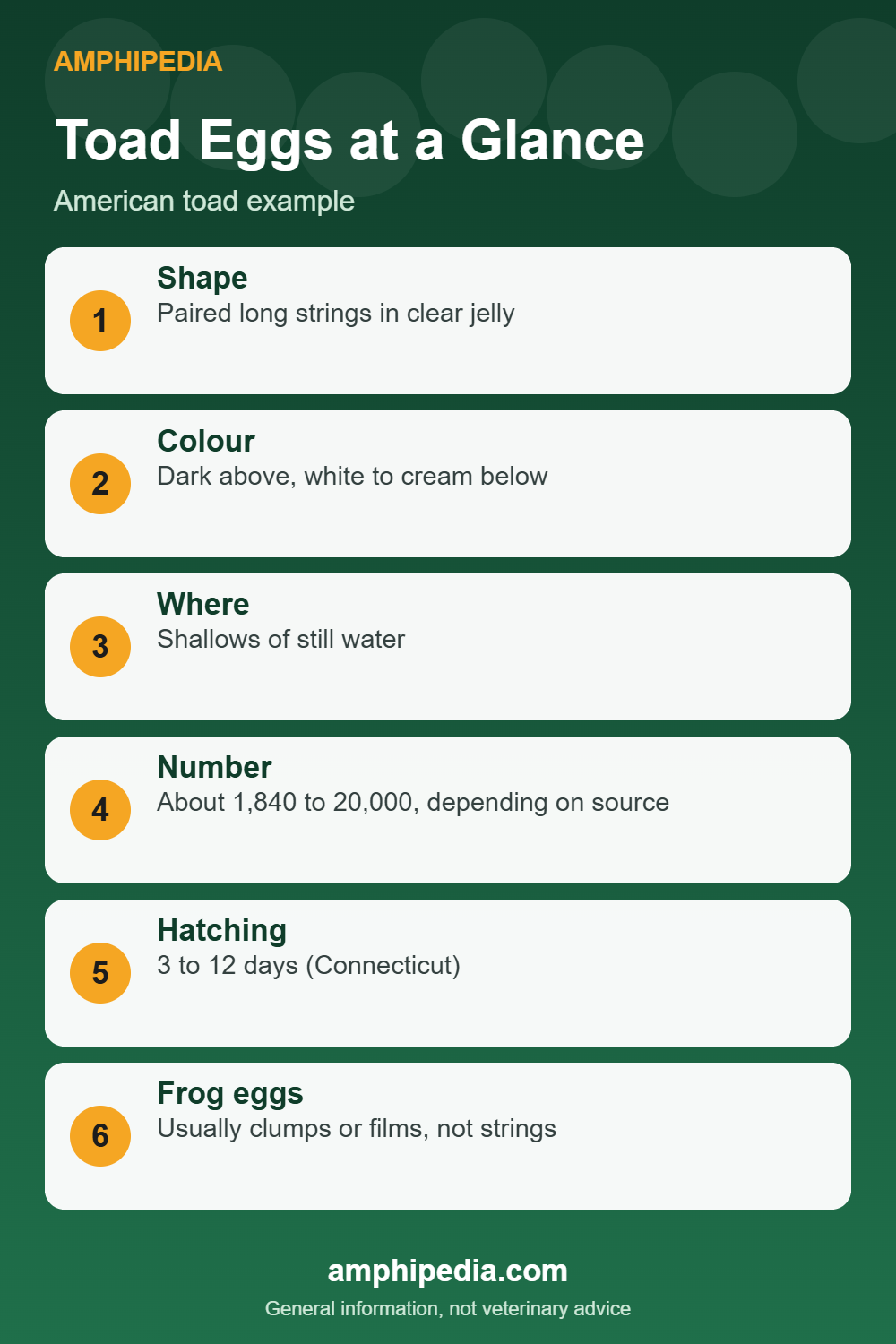
The Vermont Reptile and Amphibian Atlas describes American toad eggs as paired, long strings. The strings run 6 to 20 metres long. The eggs are dark above and white to cream below.
Sussex Wildlife Trust, a UK charity, compares toadspawn to a pearl necklace. That is a good picture: a line of tiny dark beads inside a clear jelly tube.
Where and when toads lay eggs
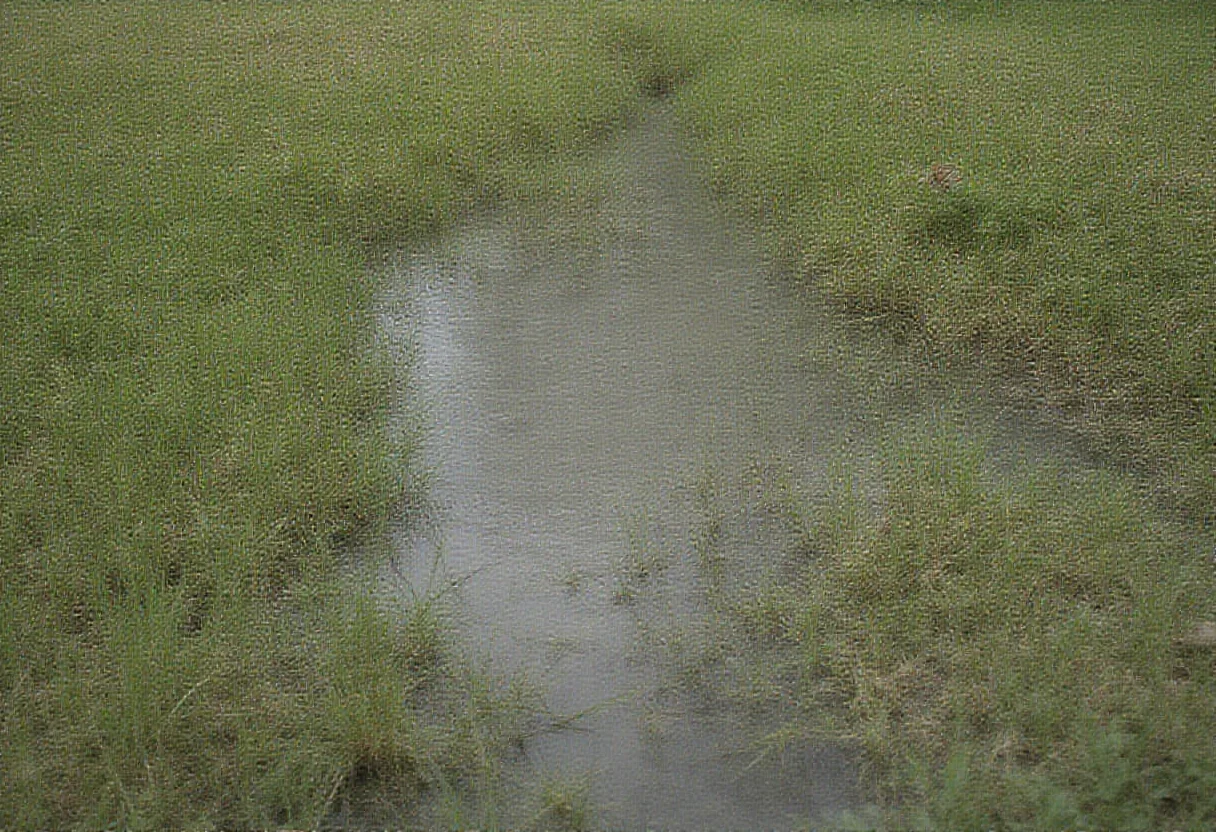
The Vermont atlas says American toads lay in the shallows of still water, mainly in May, within an April to June window. Fowler toads lay a few weeks later.
The University of Connecticut gives a wider range for its region: breeding runs from March through July, depending on location. The North Carolina Wildlife Resources Commission says mating runs from February through April there. Timing depends on climate and species.
How many eggs?
Sources give different numbers. The University of Connecticut says females lay 2,000 to 20,000 eggs. The Vermont atlas gives 1,840 to 20,000 eggs per mass for the American toad.
The North Carolina commission says 4,000 to 7,000 eggs in two long strips. The differences reflect region and the size of the female.
| Source | Eggs per female | Shape |
|---|---|---|
| University of Connecticut | 2,000 to 20,000 | Gelatinous strands |
| Vermont atlas (American toad) | 1,840 to 20,000 | Paired long strings |
| North Carolina WRC | 4,000 to 7,000 | Two long strips |
How toad eggs differ from frog eggs
Toads lay strings. Many frogs lay clumps or films. Live Science compares frog clusters to a bunch of grapes.
The Vermont atlas lists green frog eggs as a surface film, bullfrog eggs as a foamy film, and wood frog eggs as a globular mass. Pickerel frogs lay a dense, spherical clump.
Sussex Wildlife Trust adds that toad tadpoles stay jet black, while frog tadpoles are greenish grey with gold speckles.
From egg to toadlet
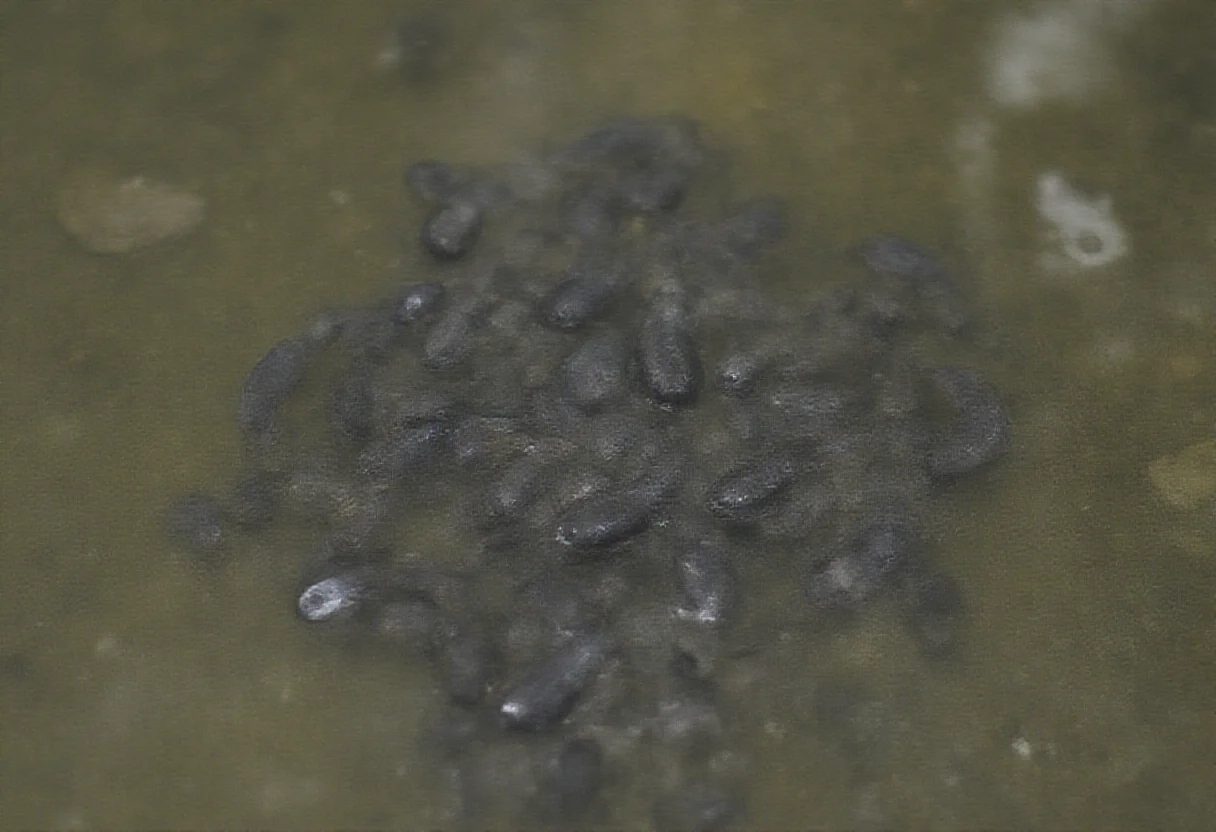
The University of Connecticut says eggs hatch 3 to 12 days after laying. The North Carolina commission says in less than a week.
Tadpoles take about two months to develop, according to Connecticut, and few survive to become toads. The North Carolina commission says they change into toads about two months later, at under half an inch long.
What to do if you find eggs
Leave them where they are. Eggs and tadpoles need the water they were laid in, and moving them rarely helps. Collection rules vary by state, so check your state wildlife agency before keeping any wild eggs.
If you touch the water or the strings, wash your hands afterward. Wild amphibians can carry germs. Keep pets away from breeding ponds, because toads release toxins that can sicken dogs.
Quick reference
The table summarizes the typical American toad.
| Feature | Typical American toad |
|---|---|
| Egg arrangement | Paired long strings |
| String length | 6 to 20 metres (Vermont atlas) |
| Egg colour | Dark above, white to cream below |
| Where | Shallows of still water |
| Hatching | 3 to 12 days, or under a week |
Frequently Asked Questions
What do toad eggs look like?
Long paired strings of small dark beads in clear jelly, laid in shallow, still water.
How are toad eggs different from frog eggs?
Toad eggs form strings. Frog eggs usually form clumps or films.
How many eggs does a toad lay?
Sources give from about 1,840 to 20,000 for the American toad, depending on region.
How long do toad eggs take to hatch?
The University of Connecticut says 3 to 12 days. North Carolina says less than a week.
Can I take toad eggs home?
Leave wild eggs alone. Rules vary by state, so check your state wildlife agency.
What color are toad tadpoles?
Sussex Wildlife Trust says they stay jet black.
Bottom Line
Long dark strings in still water are the classic sign of toad breeding. Leave them in place and enjoy watching from the bank.
If you are unsure of the species, a local field guide or your state wildlife agency can help.
Sources
- Frog ID and Life History Details. Vermont Reptile and Amphibian Atlas, accessed 31 October 2026
- Toads are Terrific. University of Connecticut, accessed 31 October 2026
- American Toad. North Carolina Wildlife Resources Commission, accessed 31 October 2026
- How to tell the difference between frogspawn and toadspawn. Sussex Wildlife Trust, accessed 31 October 2026
- What is the difference between a frog and a toad? Live Science, accessed 31 October 2026
One Comment