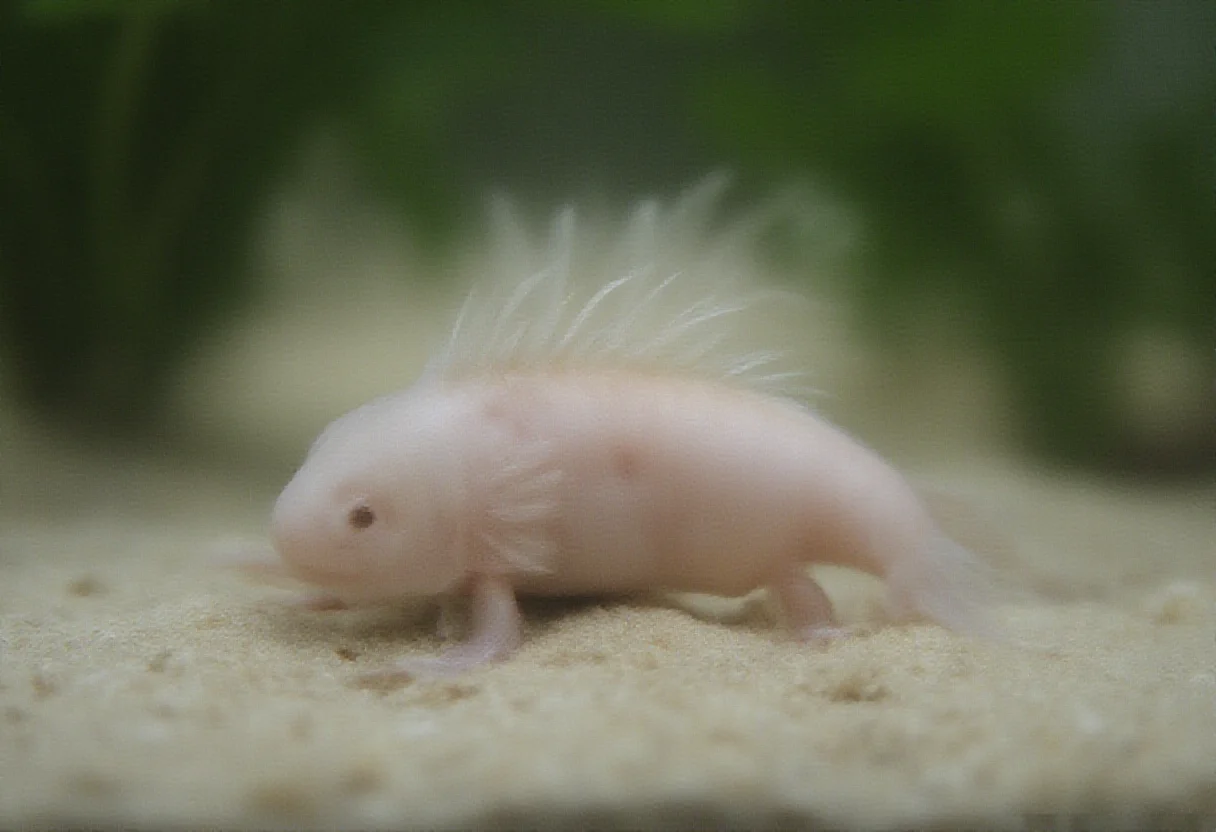
Why Does My Axolotl Keep Swimming to the Top?
This post contains affiliate links. As an Amazon Associate I earn from qualifying purchases. Prices and availability are shown by Amazon and can change.
An axolotl that swims to the top is often just taking a gulp of air. Axolotls breathe mainly through their gills, but they also have simple lungs and use them. Occasional trips up are normal. Frequent, repeated trips, gasping, or a pet that cannot stay down point to a problem such as poor water quality, warm water, or low oxygen. Test the water first, then check the temperature and the filter flow. See an exotics vet if it continues.
Watching your axolotl dart to the surface and back can be alarming. Most of the time it is routine breathing. Sometimes it is a warning.
This guide shows how to tell the two apart, what to check in order, and when to call a vet. If your axolotl stays up and cannot dive, read the guide to why an axolotl floats instead.
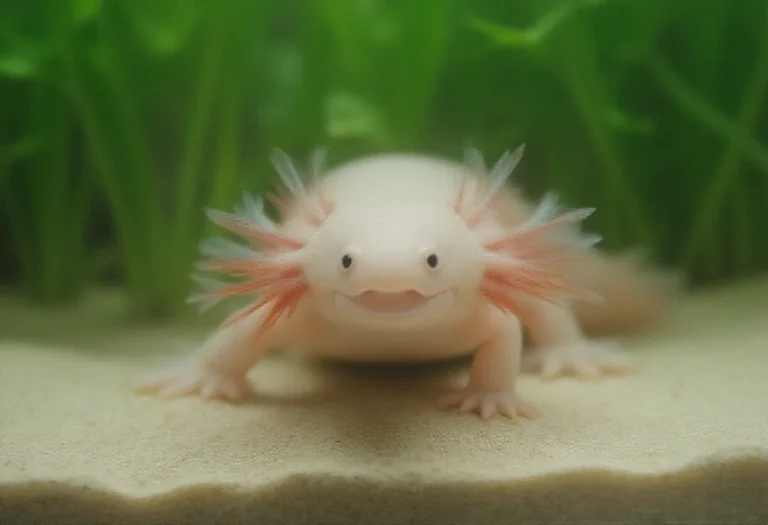
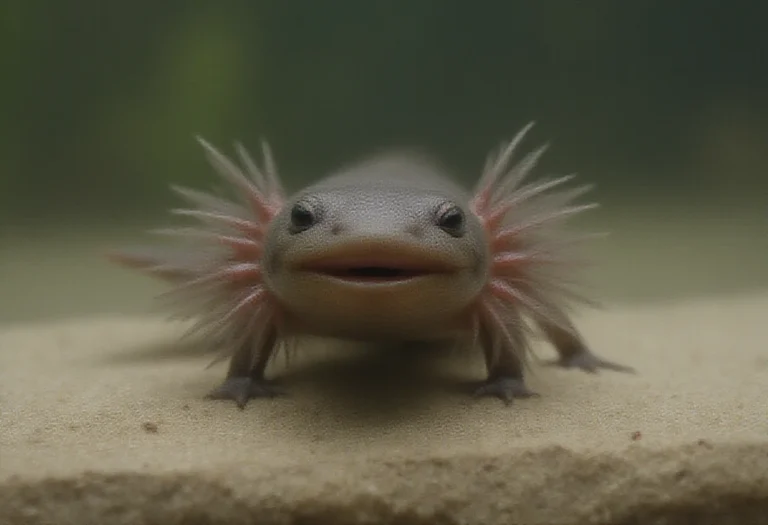
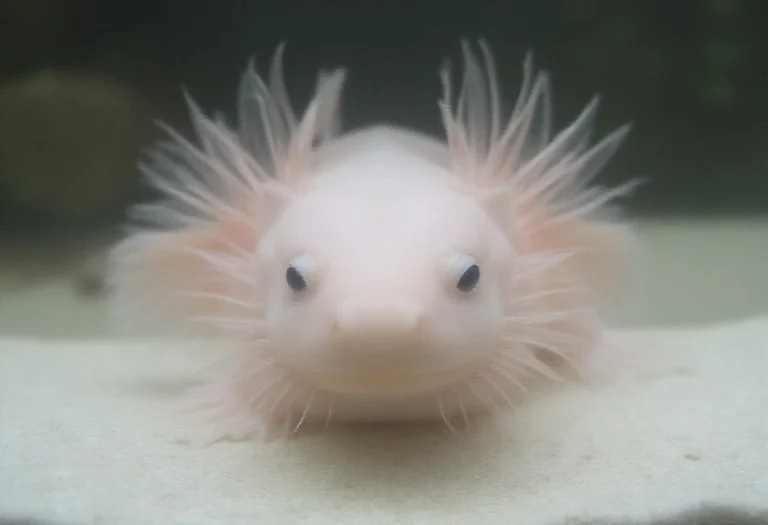
How this was made: prepared with AI assistance and checked against the sources listed at the end. Images are AI-generated illustrations, not photographs of real animals or products.
Key Takeaways
- An occasional gulp of air is normal axolotl behaviour.
- Axolotls breathe mainly with gills, with some help from skin and simple lungs.
- Low oxygen makes axolotls surface more often, according to lab work.
- Ammonia damages gills, and water above 24 C is dangerous.
- Test ammonia, nitrite, pH and temperature before changing anything else.
- Constant gasping or inability to dive needs an exotics vet.
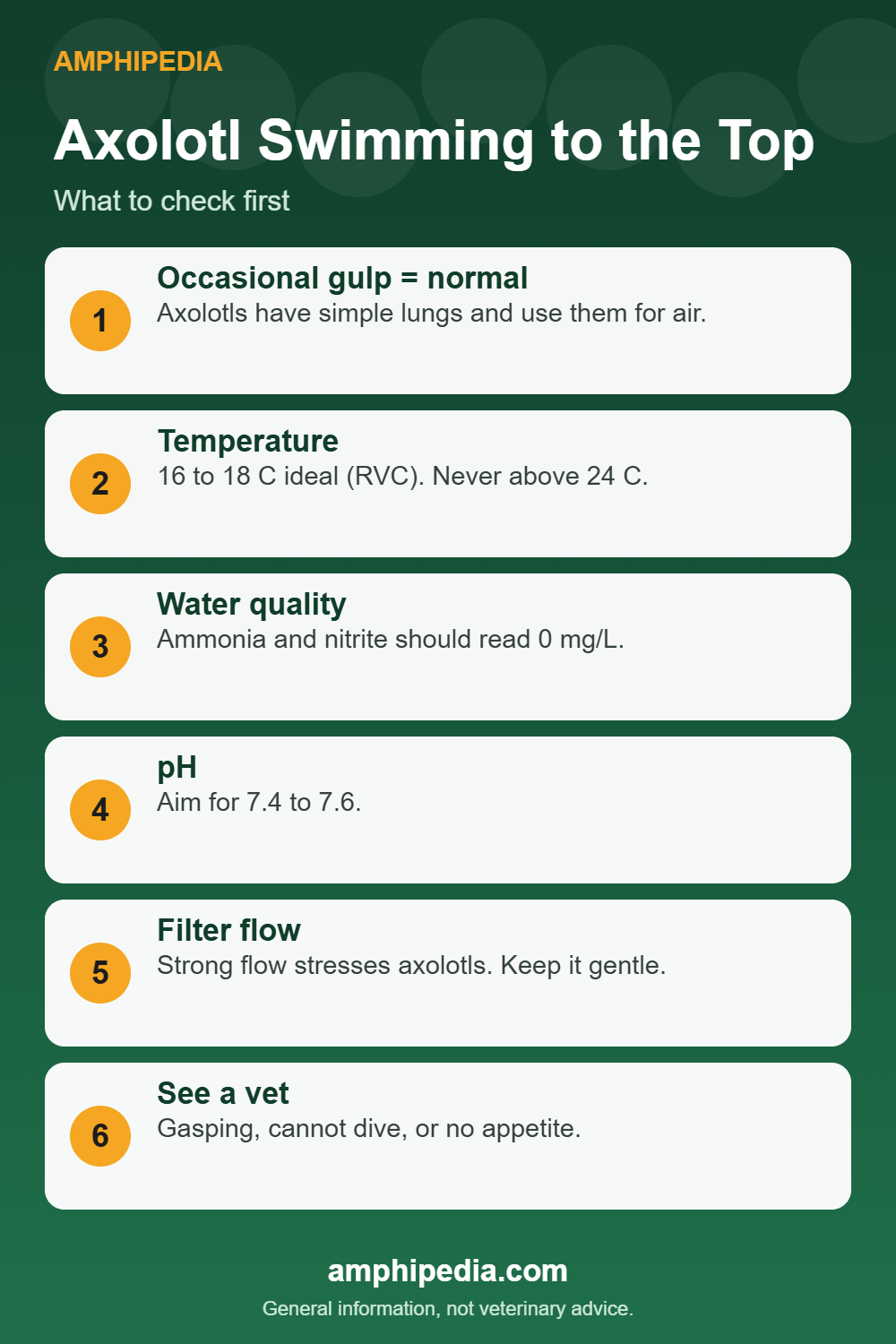
Pin this infographicShare on Facebook
Tools that help you test and protect axolotl water
Good numbers beat guesses. A reliable test kit, a water conditioner for tap water and a thermometer cover the basics. Buy for freshwater use.


Product titles, prices and ratings are provided by Amazon and are accurate only at the time they are displayed.
How an axolotl breathes
An axolotl keeps its feathery gills for life. The Royal Veterinary College (RVC) notes that axolotls have rudimentary lungs, but breathing happens mainly through the gills, with some gas exchange through the skin.
That mix explains the trips to the surface. The lungs are a backup tool, and the axolotl uses it when it wants more oxygen than the water supplies.
A 1968 laboratory study of neotenic Ambystoma tigrinum, a close relative of the Mexican axolotl, found that the animals took about 51 percent of their oxygen from the water at 15 C. At 25 C the figure from water was about 59 percent. They surfaced about 17 times an hour on average at 15 C and about 11 times an hour at 25 C.
When surfacing is normal
Healthy axolotls surface now and then. A quick rise, a gulp, and a slow drift back to the bottom is typical. The lab study above shows that air breathing is part of ordinary life, not only an emergency response.
Normal surfacing looks relaxed. The axolotl eats well, the gills are full and feathery, and the skin looks clean. It settles back down without effort.
- One or two gulps, then a return to the bottom
- Normal appetite and calm movement
- Full, fluffy gills held out from the head
- No white patches, no excess slime, no red streaks
When surfacing is a warning
Worry when the pattern changes. A lab study in 1992 found that axolotls in low-oxygen water breathed air more often and made fewer gill movements. In other words, the animal shifts to its lungs when the water is not giving enough oxygen.
The studies did not test sick pet axolotls, so treat the next point as reasoning, not proof. If water quality damages the gills, the axolotl may rely more on air.
- Repeated trips every few minutes, for hours
- Gasping or hanging at the surface with the mouth open
- Gills that look pale, shrunken or curled forward
- Loss of appetite or hiding all day
- Struggling to stay submerged
Check these causes in order
Work through the list from the most common cause to the least. Change one thing at a time so you know what helped.
- Ammonia and nitrite. A veterinary proceedings paper by Dr R. Loh (The Fish Vet, Perth) lists ideal ammonia and nitrite as 0 mg/L, with ammonia tolerated below 2.0 mg/L and nitrite below 0.5 mg/L. Ammonia damages the gills and impairs gas exchange.
- Temperature. RVC gives 16 to 18 C as the optimum and says water should never exceed 24 C. A veterinary proceedings paper by Dr R. Loh gives 15 to 18 C. Both agree on the 24 C ceiling. Sustained heat above 24 C causes poor appetite and uncontrollable floating.
- pH. The ideal range is 7.4 to 7.6 per RVC and Loh. Acidic water causes extra slime and listlessness.
- Water flow. RVC warns that strong flow from a filter is a severe stressor. A churned tank also hides how the axolotl is really behaving.
- Chlorine. Tap water must be dechlorinated, or stood for 24 hours first. Chloramine needs a proper dechlorinator.
Key numbers at a glance
Use the table as a checklist when you test. Where two sources differ slightly, both are named.
| Check | Target | Source |
|---|---|---|
| Temperature | 16 to 18 C (RVC); 15 to 18 C (Loh) | RVC, Loh |
| Never exceed | 24 C | RVC, Loh |
| pH | 7.4 to 7.6 | RVC, Loh |
| Ammonia | 0 mg/L ideal; below 2.0 mg/L tolerated | Loh |
| Nitrite | 0 mg/L ideal; below 0.5 mg/L tolerated | Loh |
| Water change | 10 to 20 percent weekly, adjusted to the filter | RVC |
What to do right now
Start with a water test. Do not guess. A test kit gives you numbers to act on, and the numbers also help a vet.
If ammonia or nitrite is above zero, do a partial water change with dechlorinated water at the same temperature as the tank. Hold off on heavy feeding until the readings are back to zero, because extra food adds to the waste load.
If the water is warm, see the guide to keeping an axolotl tank cool. Cooling should be gradual, not sudden.
Check the filter outlet. If the axolotl is pushed around or its gills are blown sideways, baffle the flow. A tidy tank also helps, and the guide to cleaning an axolotl tank covers safe routines.
Mistakes that make it worse
Do not add chemicals to fix an unknown problem. Many products change pH or harm the gills.
Do not move the axolotl to a bucket of warm water, and do not net it repeatedly. RVC advises minimal handling, because the skin is sensitive to toxins and trauma.
Do not ignore the problem for days. Surfacing that continues after you fix the water is a reason to book a vet visit.
When to see a vet
Contact an exotics vet if the axolotl gasps for more than a day, cannot stay down, stops eating, or shows pale gills, fungus or swelling. The Association of Reptile and Amphibian Veterinarians keeps a directory at arav.org.
Bring your test results, the tank temperature and a note of what changed recently. A vet decides on diagnosis and treatment. This site does not give treatment instructions.
How temperature and pH change ammonia and nitrite risk
Test numbers do not mean the same thing at every temperature or pH. Dr R. Loh, in the WSAVA 2015 proceedings paper, says ammonia toxicity rises with higher pH and temperature, and that pH is the most important factor. Nitrite is more toxic in acidic water, in soft water and at higher temperatures.
Warm water also holds less dissolved oxygen, which fits the surfacing seen in the lab studies above. The University of Kentucky guide adds that at the high end of pH 6.5 to 8, ammonia should be monitored closely.
Temperature ceilings and filter flow: what the sources say
Sources give slightly different limits. RVC gives an optimum of 16 to 18 C and says never to exceed 24 C. Loh gives 15 to 18 C with a tolerance up to 24 C. The University of Kentucky stock center keeps its axolotls at 15 to 18 C and says they should never be kept above about 22 C (72 F). Aiming for the cool end of the shared range leaves the most margin.
On flow, RVC says it is essential that filters do not cause strong water flow, and that over-filtration is also a stressor. Kentucky advises keeping any circulation as slow as possible.
Setting up a calm, stable tank
A stable tank prevents many surfacing problems. RVC advises leaving a new tank empty to mature for several weeks before adding animals, and placing it in a quiet, vibration-free area.
- Substrate: RVC recommends fine sand and warns that swallowed gravel can cause a fatal obstruction. Kentucky prefers coarse gravel and notes that pea-sized gravel can be swallowed. Both warn about small stones.
- Lighting: RVC says strict lighting is not required, and advises avoiding UV-B bulbs.
- Tank mates: RVC says axolotls are best housed alone.
Frequently Asked Questions
Is it normal for an axolotl to go up for air?
Yes. Axolotls have simple lungs and use them. Occasional gulps are normal. A lab study of neotenic tiger salamanders, a close relative, found they surfaced about 17 times an hour on average at 15 C.
How often is too often?
There is no published number for pets. Use change as your guide. If surfacing is much more frequent than usual, or comes with gasping, test the water and temperature.
Does surfacing mean low oxygen?
It can. Lab work shows axolotls breathe air more in low-oxygen water. Warm water holds less oxygen, so check the temperature.
Should an air stone be added?
RVC warns that strong water flow is a severe stressor for axolotls. Ask your exotics vet before changing the aeration, and keep any flow gentle.
Is a floating axolotl that cannot dive the same thing?
Not quite. A floating axolotl has a buoyancy problem. See the guide on why an axolotl floats, and contact a vet if it lasts.
Can ammonia cause this?
Ammonia damages the gills and impairs gas exchange, according to vet proceedings by Dr R. Loh. Test for it first.
Do baby axolotls surface too?
The University of Kentucky guide says adults may swim to the surface and gulp air, and that larvae left unfed after hatching may swallow air and get bubbles in their stomachs. They can expel the air once they begin eating. Larvae are small and fragile, so ask a vet about any odd behaviour.
Bottom Line
A trip to the top is usually harmless. A pattern of trips, gasping or poor appetite is not. Test the water, check the temperature, calm the flow and watch for change.
If your axolotl is also sluggish, read how to tell if an axolotl is seriously ill and act early.
Sources
- RVC Exotics Service: Axolotl care and advice (Dec 2022), accessed 13 November 2026. Used for temperature, pH, flow, breathing
- RVC Exotics Service: Axolotl care sheet 2024, accessed 13 November 2026. Used for handling and water changes
- Loh R. Water Quality Explained: How It Can Affect Your Axolotl’s Health (WSAVA 2015, VIN), accessed 13 November 2026. Used for ammonia, nitrite, pH, temperature tolerances
- Whitford WG, Sherman RE. Aerial and aquatic respiration in axolotl and transformed Ambystoma tigrinum. Herpetologica 1968, accessed 13 November 2026. Used for surfacing rates
- Griffiths HI, Thomas DH. Aquatic oxygen conformity in the Mexican axolotl. Herpetological Journal 1992 (abstract), accessed 13 November 2026. Used for air breathing in low oxygen
- University of Kentucky Ambystoma Genetic Stock Center: Guide to Axolotl Husbandry, accessed 13 November 2026. Used for larvae and surface bubbles
- CDC: Reptiles and Amphibians, Healthy Pets, Healthy People, accessed 13 November 2026. Used for salmonella and handwashing

One Comment