How Amphibians Protect Themselves: Toxins, Color and Tails
Amphibians protect themselves with camouflage, toxic skin secretions, warning colors, tail loss and defensive postures. Many toads and newts release irritating or poisonous chemicals when attacked. Poison frogs advertise their toxins with bright colors, and wild ones get those toxins from their food. Salamanders can drop their tails to escape. No defense works against every predator.
Amphibians have soft, thin skin and no claws, shells or armor. They survive anyway because they have a toolkit of other defenses.
This article covers the main ones, with examples from toads, newts, salamanders and poison frogs. For one species, see how a fire salamander defends itself.
How this was made: prepared with AI assistance and checked against the sources listed at the end. Images are AI-generated illustrations, not photographs of real animals or products.
Key Takeaways
- Camouflage is the most common first defense.
- Toads and newts release toxins from skin glands.
- Bright colors often warn predators, though some animals only mimic the warning.
- Some salamanders drop the tail and regrow it.
- Poison frogs raised in captivity are not toxic because their food lacks the toxins.
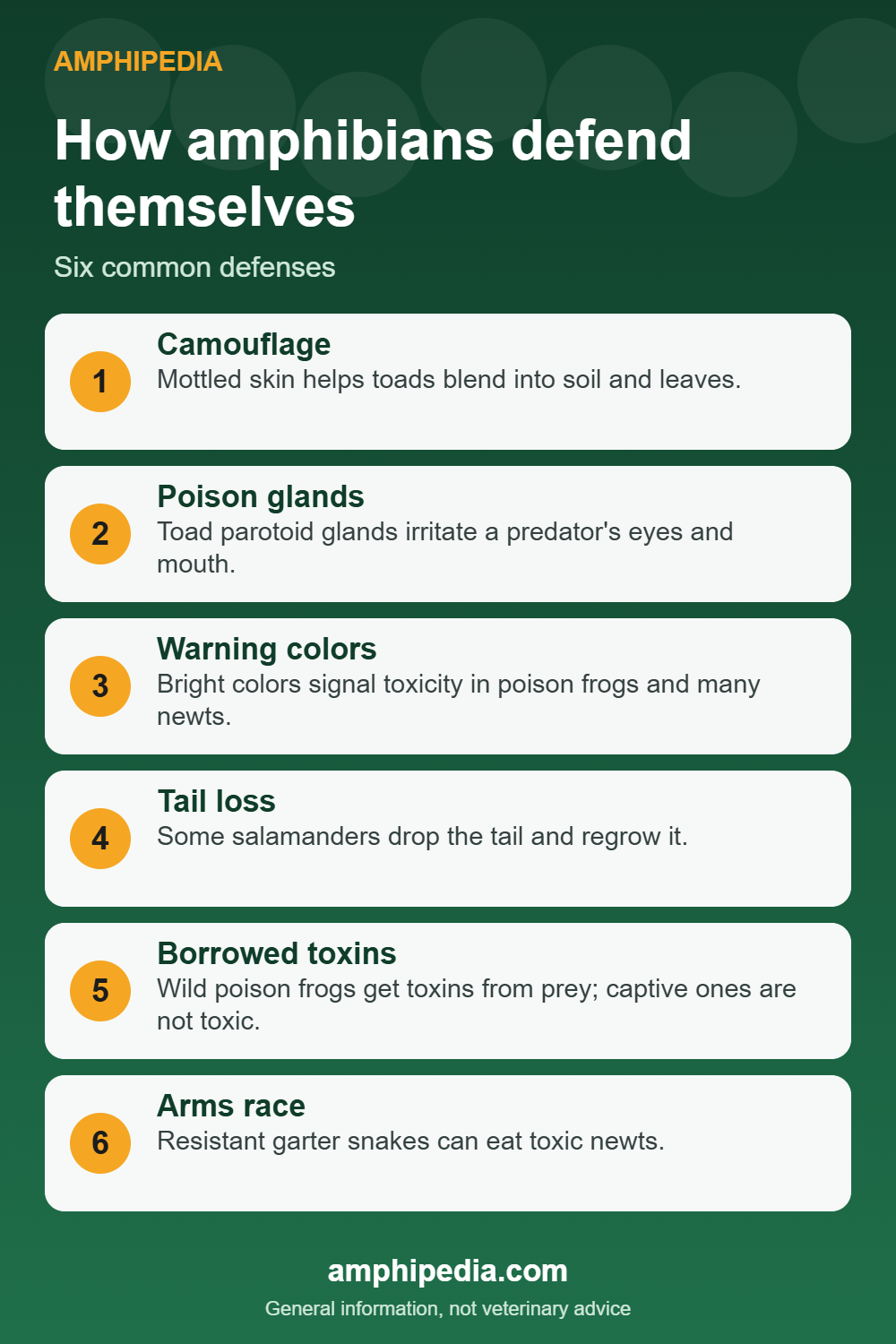
Pin this infographicShare on Facebook
Camouflage and hiding
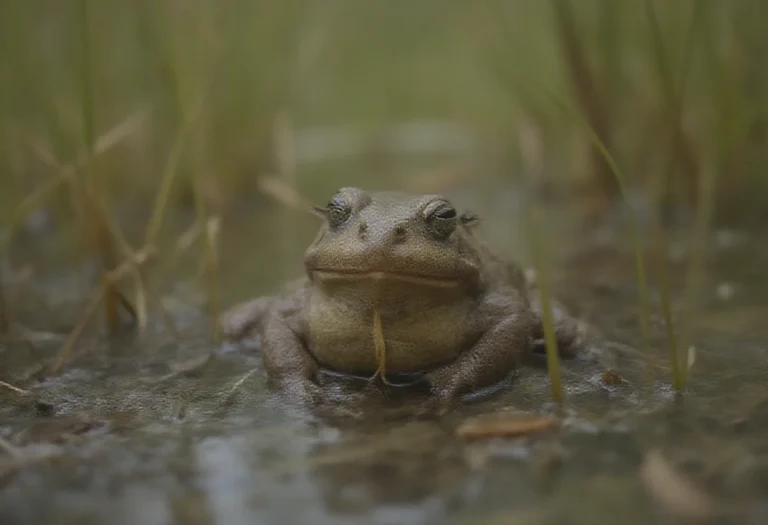
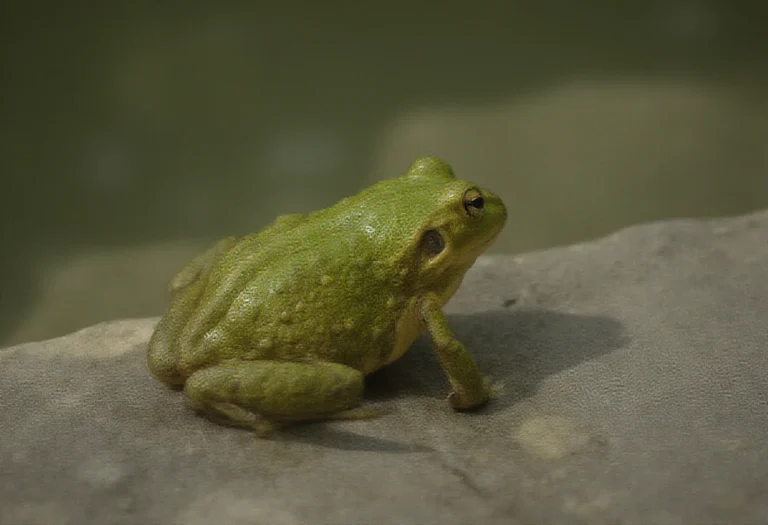
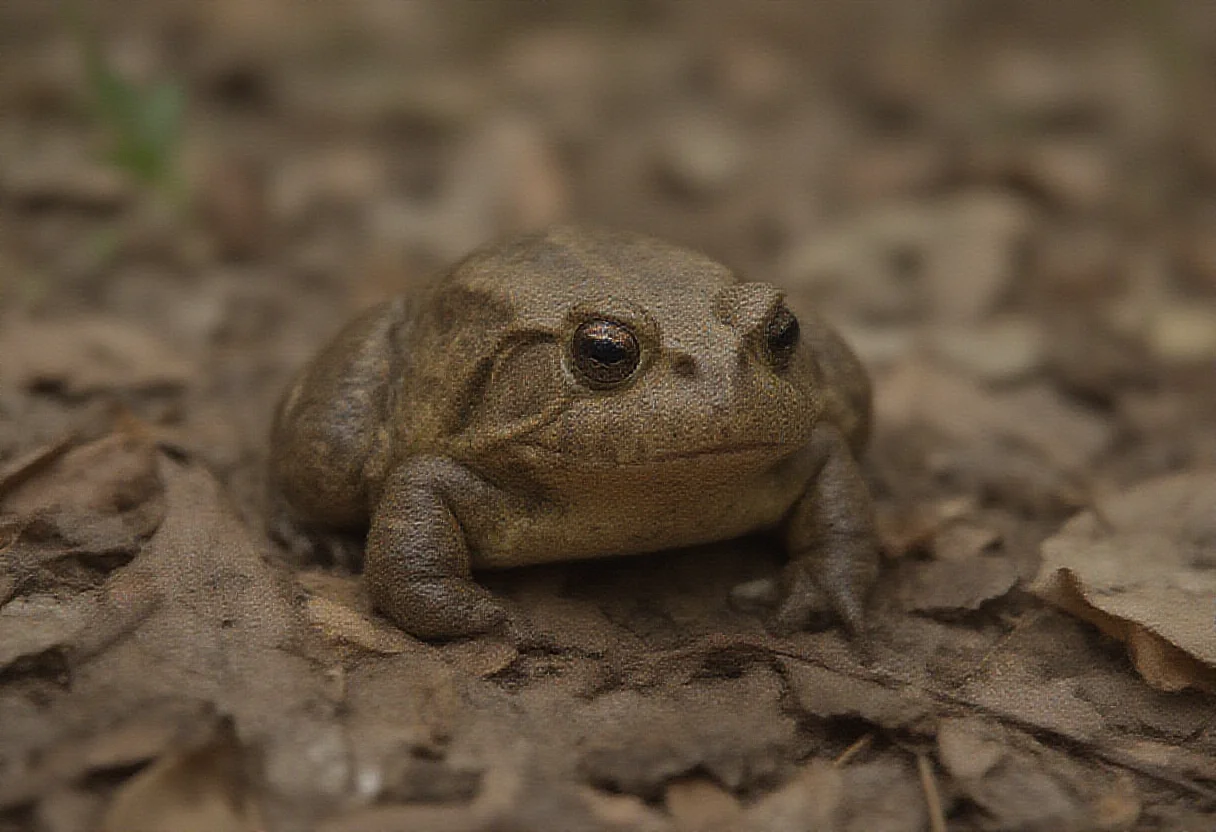
Many amphibians simply blend in. True toads have thick, dry, warty skin that is usually mottled brown, and they are mainly nocturnal. Britannica notes that edible frog species also rely on camouflage.
A University of Oregon course page on salamander defenses lists staying still as another tactic. Some species use a back stripe that makes them resemble a millipede.
Poison glands in the skin
Toads have poison glands scattered over the back and warts, with the largest ones in two raised areas behind the eyes called parotoid glands. The poison is released when the toad is molested. It irritates the eyes and mucous membranes of many predators.
The poisons of the Colorado River toad and the cane toad can affect animals as large as dogs, sometimes causing temporary paralysis or death, according to Britannica.
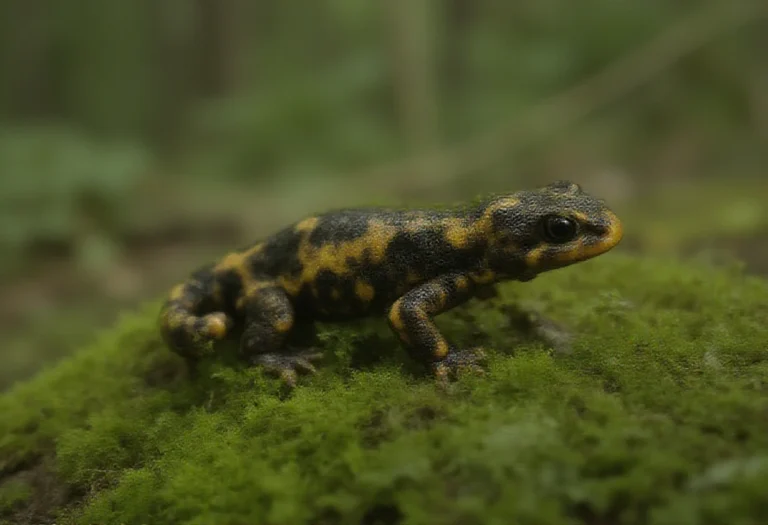
Newts are well defended too. Britannica states that all members of the family Salamandridae are toxic. The most toxic secretions occur in land-dwelling species such as Taricha and in the young land stage (efts) of some aquatic species.
Frog skin glands are not a universal shield. Britannica says frog toxins usually do not protect them from mammals, birds or snakes. See which amphibians are poisonous for more.
Warning colors and mimicry
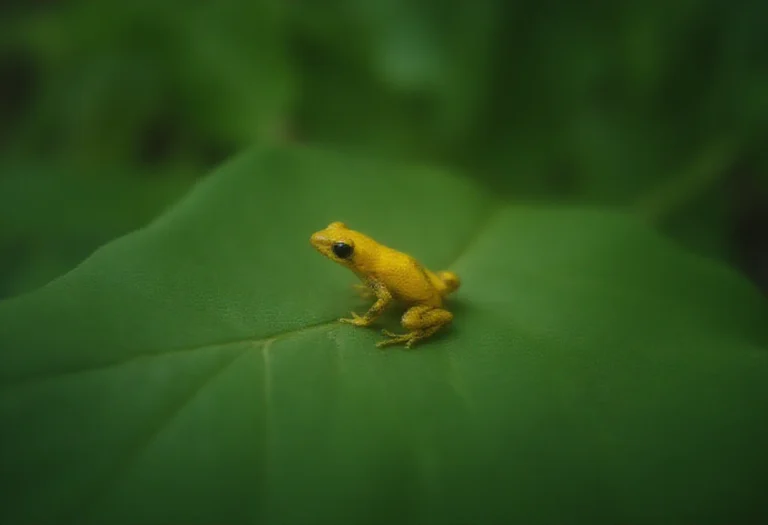
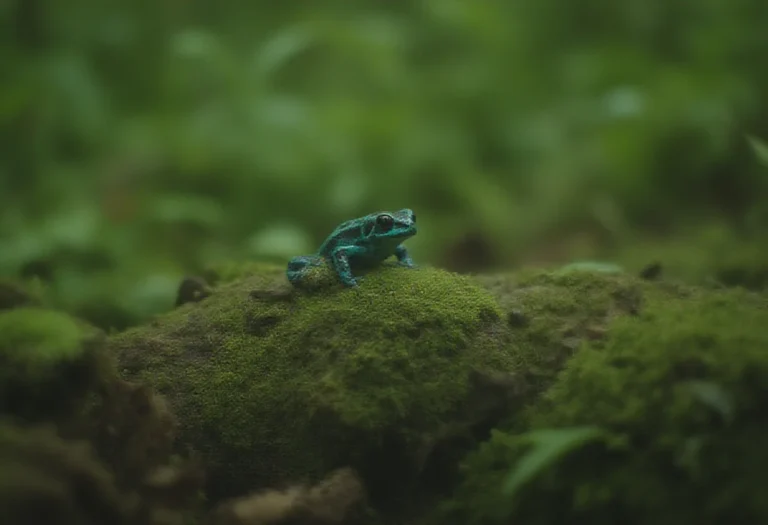
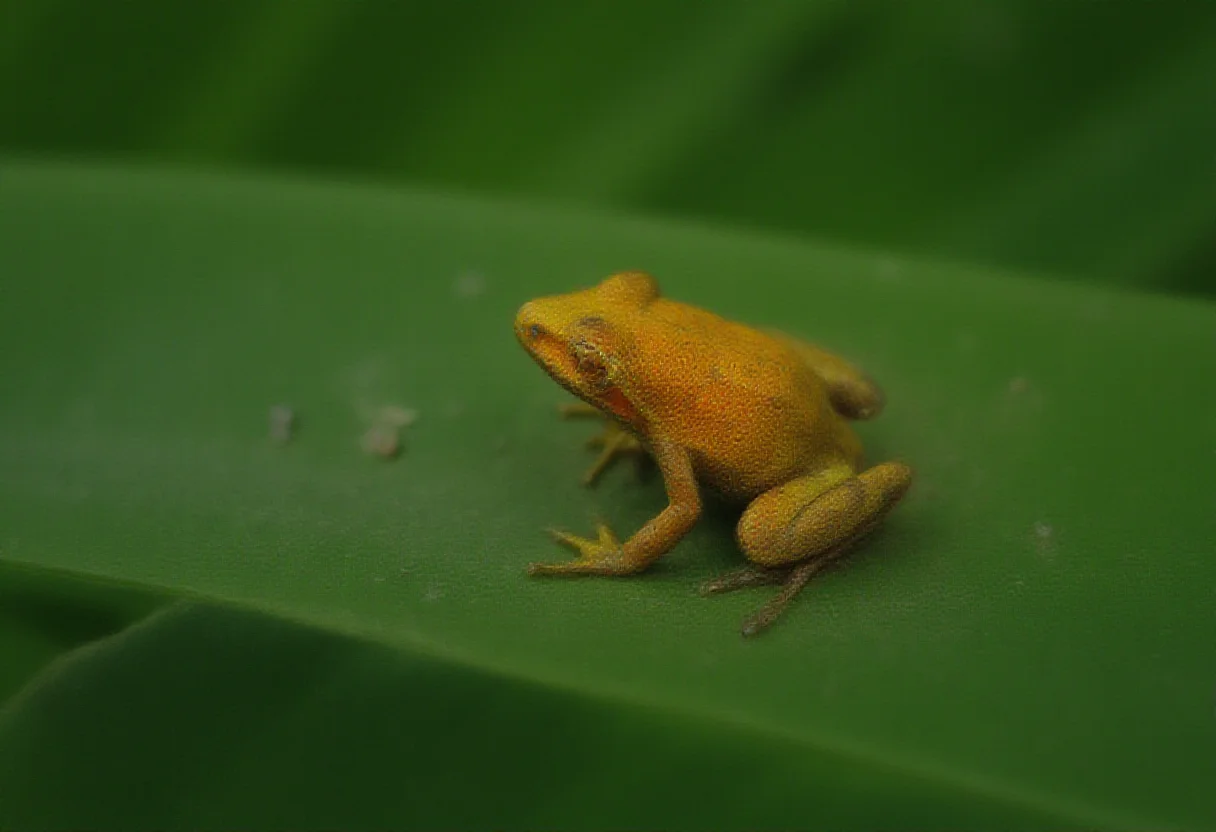
Poison frogs are among the most brightly colored frogs. The Smithsonian’s National Zoo says the colors likely work as a visual warning. Predators learn to link the bright pattern with a bad taste and then avoid those frogs.
Not every bright frog is toxic. Some harmless animals mimic the colors. Britannica also notes that some poison frogs are brown and camouflaged, with largely nontoxic secretions.
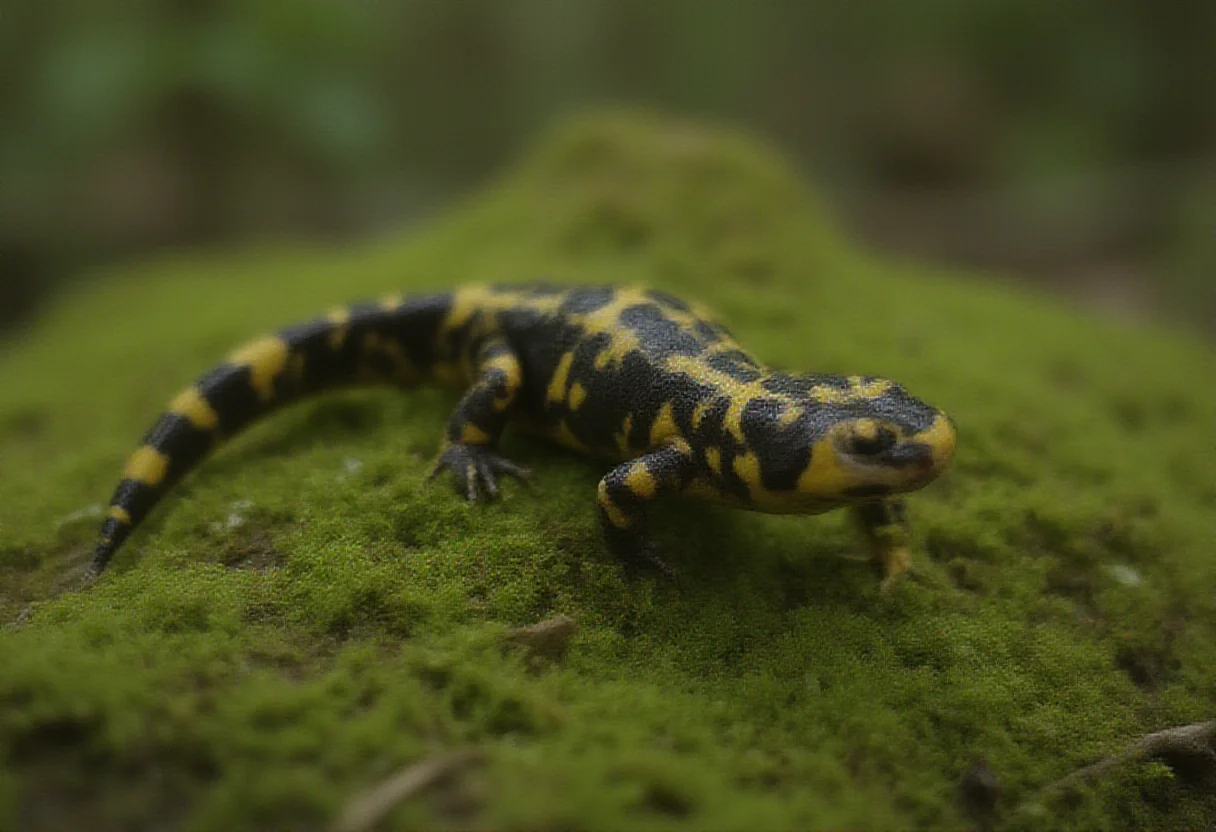
Many newts and salamanders are brightly colored for the same reason. The Oregon course page describes a belly-up warning posture in the Salamandridae family, called the unken reflex, where the animal shows its bright underside.
Losing the tail
Tail autotomy means dropping the tail on purpose. The eastern red-backed salamander can drop all or part of its tail when attacked, and a new tail grows back, though it may be duller. The moving tail can distract the predator while the salamander escapes.
Defenses compared
| Defense | Example | What it does |
|---|---|---|
| Camouflage | Toads with mottled brown skin | Helps them blend into soil and leaf litter |
| Poison glands | Parotoid glands of toads | Irritate a predator’s eyes and mouth |
| Warning colors | Poison frogs, many newts | Signal that the animal is toxic |
| Tail loss | Eastern red-backed salamander | Distracts the predator; tail regrows |
| Barbs | Spanish ribbed newt | Sharp rib-like barbs that can pierce the skin |
| Warning posture | Salamandridae | Belly-up display of bright underside |
Where the toxins come from
Poison frogs do not make their own poison. Scientists believe wild poison frogs get it from a specific arthropod and other insects they eat. Smithsonian researchers say these toxins are stored in granular glands under the skin and released when the frog feels threatened.
That explains a key fact. Frogs at the National Zoo eat crickets and fruit flies, so they are not poisonous. Britannica also reports that captive frogs fed a beetle-free diet do not develop the highly toxic secretions. See how the poison dart frog protects itself.
When predators fight back
Defenses can drive an arms race. A 2004 study by Becky Williams and Edmund Brodie Jr. in the Journal of Chemical Ecology looked at common garter snakes that eat rough-skinned newts, which carry tetrodotoxin. Highly resistant snakes could eat several newts and kept active toxin in their livers for a month or more.
This does not make the snakes venomous. The authors call them poisonous, meaning the toxin is in the tissues. Some predators of the snakes may be at risk.
Staying still: immobility as a defense
The University of Oregon course page on salamander defenses lists immobility as a first line of defense. Examples on the page include Plethodon larselli and Batrachoseps attenuatus. Both stay motionless and use a dorsal stripe that resembles a millipede, which predators find unpalatable.
The page notes that immobile salamanders are often ignored by bird predators, while moving ones are attacked. Freezing is cheap, so many species try it before anything else. If it fails, they escalate to the defenses below.
Tail lashing and coiling
Some salamanders turn the tail into a weapon or a decoy. The same course page describes several versions:
- Ambystoma gracile (northwestern salamander) lashes its tail as a predator approaches.
- Ambystoma tigrinum (tiger salamander) arches its long tail and lashes it forcibly toward the threat, often releasing secretions in the process.
- Ensatina eschscholtzii swings its heavy tail from side to side as part of a warning posture.
- Batrachoseps attenuatus coils its body and tail in a spiral when approached and may flip violently.
The page notes that the northwestern salamander’s tail has granular glands, and that the tiger salamander often releases secretions as it lashes.
Sticky, milky and lethal secretions
Skin secretions in salamanders range from mildly unpleasant to dangerous. According to the Oregon course page, the northwestern salamander secretes a sticky, white poison from its parotoid glands that can kill small animals, and its tail glands make it unpalatable. The ensatina secretes a milky poison described as more noxious than that of Plethodon species.
The rough-skinned newt (Taricha granulosa) secretes tetrodotoxin, the same toxin found in puffer fish. The page says it has caused human deaths. The Williams and Brodie study cited above shows that some garter snakes are resistant, so a strong chemical defense can still be overcome by a specialist predator.
Rib barbs and sharp defenses
The Spanish ribbed newt (Pleurodeles waltl) combines poisonous skin secretions with sharp rib-like barbs along its sides. Britannica says the barbs are ribs that can be forced through the animal’s skin when it is threatened. Britannica does not say how this affects predators, so the benefit is not described in that source.
Other species rely on teeth. The Oregon page says Dicamptodon copei (Cope’s giant salamander) relies mainly on biting, which can be quite formidable, and Dicamptodon tenebrosus (Pacific giant salamander) inflicts painful cuts.
Noise: salamanders that yelp
Most people think of amphibians as quiet unless a frog is calling. The Oregon page says Ensatina eschscholtzii vocalizes as a defense. The Pacific giant salamander gives a very low-pitched yelp when preyed on, which the page calls uncommon among salamanders.
The source lists the behavior but does not explain how sound helps the animal.
Defenses do not solve every problem
A strong defense protects an individual from a predator. It does not protect a species from habitat loss. The Smithsonian’s National Zoo lists habitat loss from fires and clearing for farmland, the illegal pet trade and chytrid fungus as threats to poison frogs, even though they are among the best-defended amphibians.
The same page says the golden poison frog is the most toxic frog species, and that only three species have been documented as used on hunting arrow tips. Toxicity is real, but it is not a barrier to disease or deforestation.
What this means if you meet one
Wild amphibians use these defenses because handling is stressful and risky for them. Look, take a photo and leave the animal where it is. If you do touch one, wash your hands with soap and running water, and keep your hands away from your eyes and mouth until you do. Keep pets away from toads and large salamanders.
The Smithsonian and Oregon sources describe wild animals. Captive animals can differ, so ask a vet before handling any pet amphibian.
Frequently Asked Questions
How do amphibians defend themselves?
They use camouflage, skin toxins, warning colors, tail loss, defensive postures and, in some cases, sharp barbs or bites.
Why are poison frogs brightly colored?
The colors likely act as a visual warning. Predators learn to link them with bad taste.
Can amphibians drop their tails?
Some salamanders can. The eastern red-backed salamander drops all or part of its tail and regrows it.
Do all toads have poison?
Toads have poison glands, with the largest ones behind the eyes. The strength varies by species.
Why are captive poison frogs not toxic?
Their toxins come from wild prey. Captive frogs eat crickets and fruit flies, which lack them.
Are all bright amphibians toxic?
No. Some harmless animals mimic warning colors, and some poison frogs are brown and mostly nontoxic.
Bottom Line
Amphibian defenses range from simple hiding to chemical weapons. Most work best when combined.
The same traits that protect them can be risky for pets and people, so wash your hands after contact and keep pets away from toads.
Sources
- Britannica: Toad, accessed 12 November 2026 (parotoid glands, camouflage, effects on dogs)
- Britannica: Frog, accessed 12 November 2026 (frog skin toxins and camouflage)
- Britannica: Newt, accessed 12 November 2026 (salamandridae toxicity, barbs, warning colors)
- Britannica: Poison frog, accessed 12 November 2026 (toxin source, warning coloration, captive frogs)
- Smithsonian’s National Zoo: Poison frogs, accessed 12 November 2026 (warning colors, diet source of toxins, mimicry)
- Smithsonian’s National Zoo: After an insect detox, can once-poisonous frogs get their spice back?, accessed 12 November 2026 (toxins stored in skin glands; captive diets)
- Smithsonian’s National Zoo: Eastern red-backed salamander, accessed 12 November 2026 (tail dropping)
- Williams and Brodie (2004), Journal of Chemical Ecology 30:1901-1919, accessed 12 November 2026 (newt tetrodotoxin and resistant garter snakes)
- University of Oregon course page: Anti-Predator Mechanisms in Salamanders (Kari Yoshida), accessed 12 November 2026 (unken reflex and other salamander defenses)
- CDC: Reptiles and Amphibians, accessed 12 November 2026 (salmonella and handwashing)