Are Toads Poisonous to Touch? What Is Safe
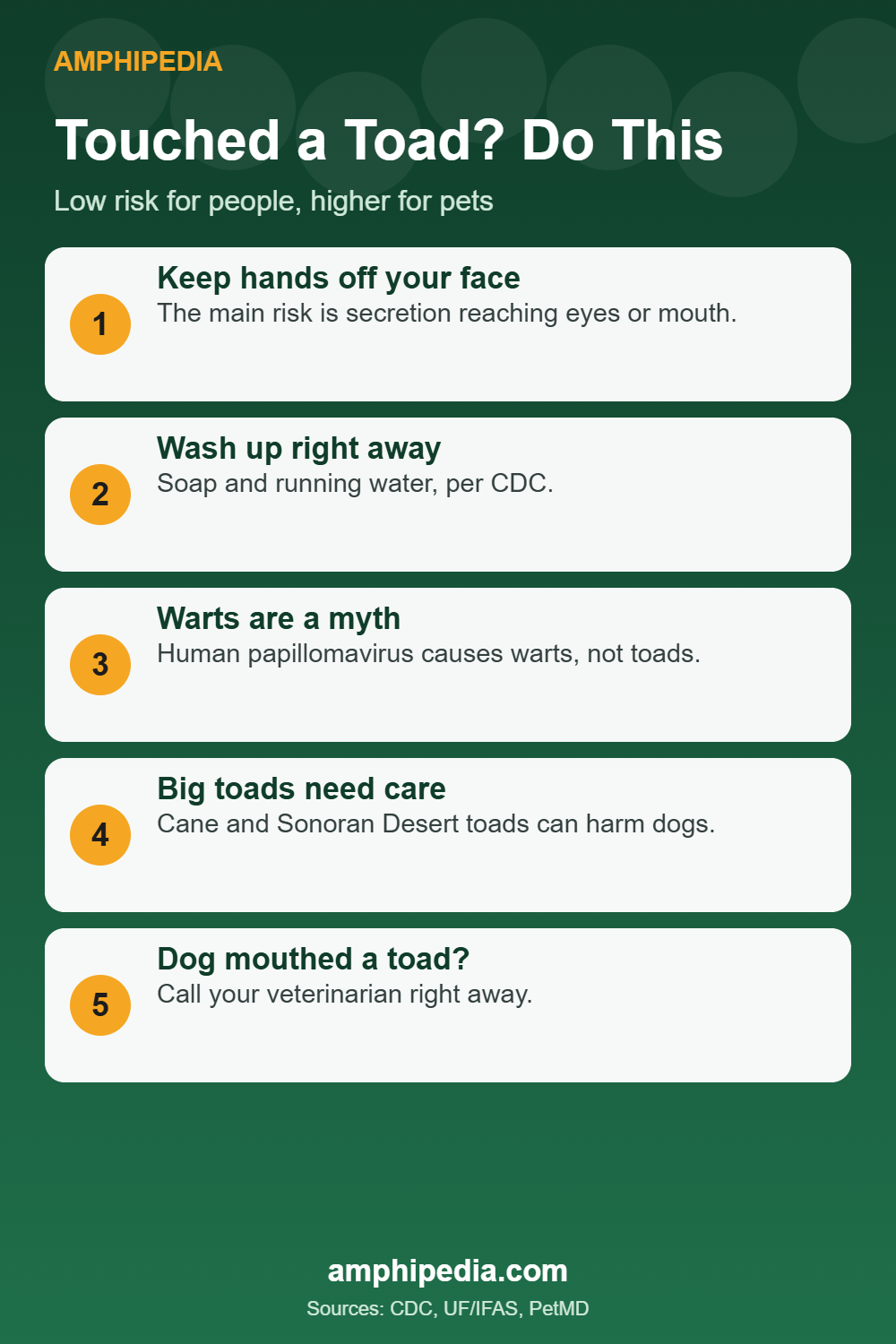
Touching a toad is not usually dangerous. Toads carry defensive toxins in their skin and in the large parotoid glands behind the eyes, but the main risk comes from getting those secretions in your mouth or eyes, or from a pet biting the toad. Wash your hands with soap and running water after any contact, keep your fingers away from your face, and keep dogs away from large species such as the cane toad and the Sonoran Desert toad.
Most people ask this after a toad hops across the patio or a child scoops one up. The short version is calm: a brief touch is a low risk, but toads are not toys, and a few sensible habits make the difference.
This guide explains what toad skin does, which toads deserve real caution, what to do after contact, and how to protect pets. Every claim below comes from the sources listed at the end.
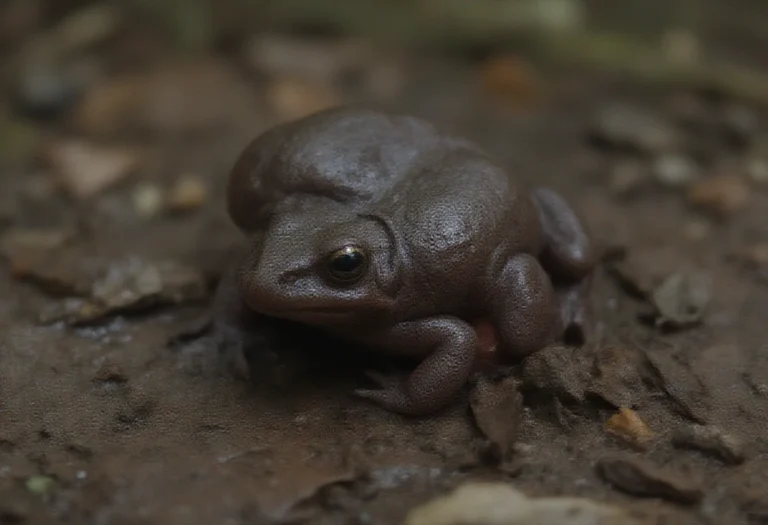
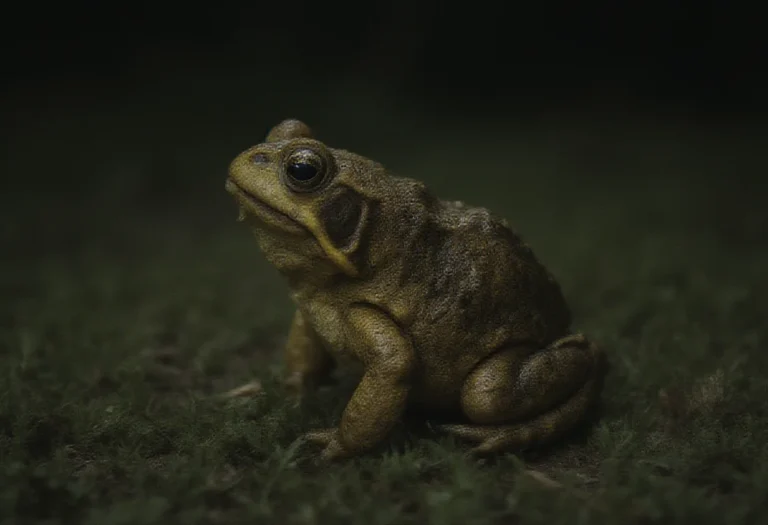
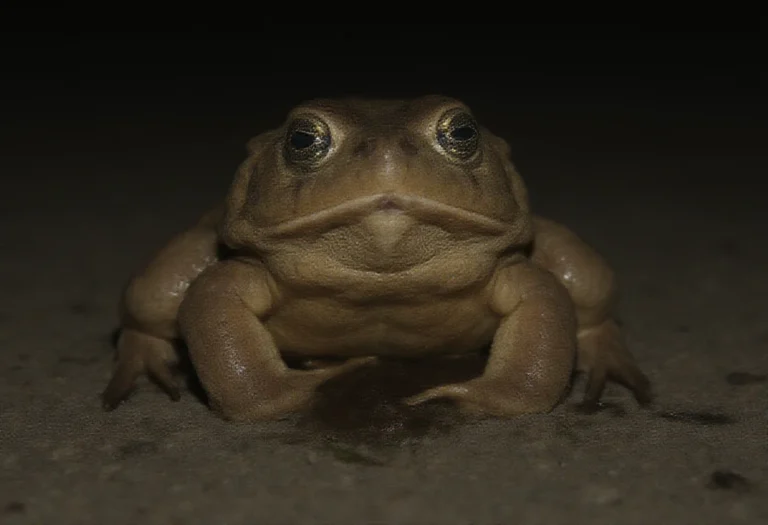
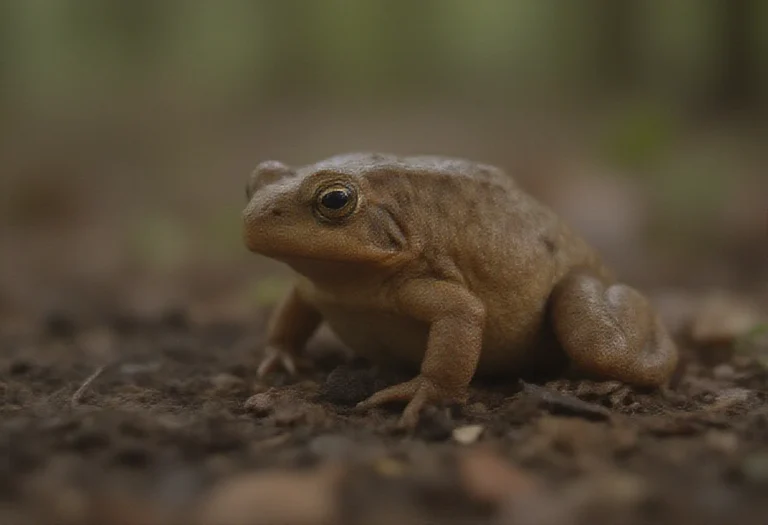
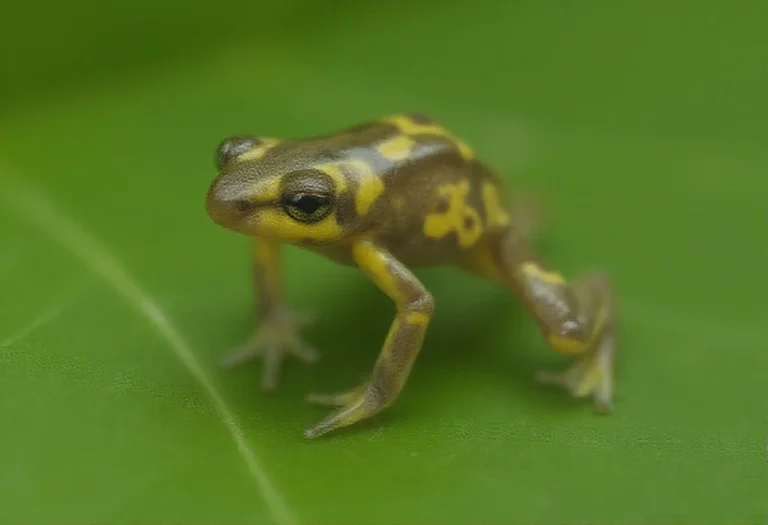
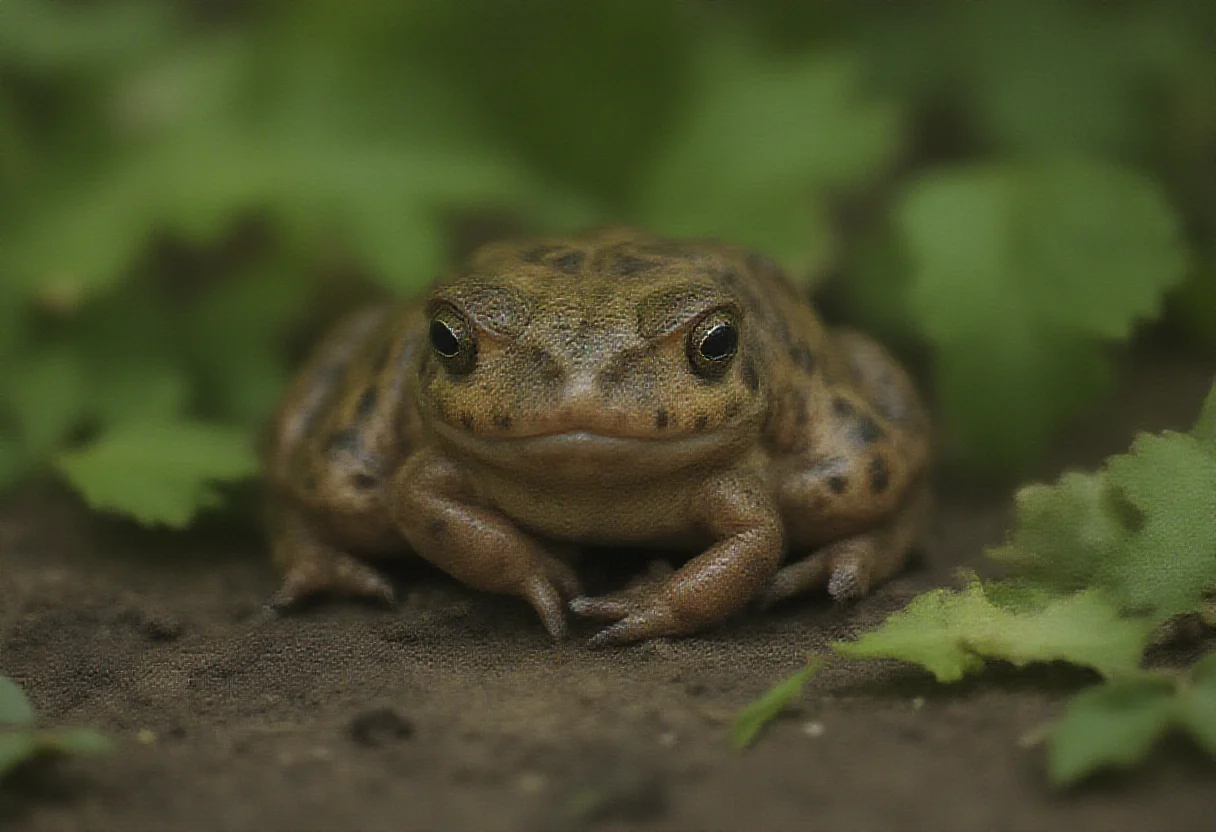
How this was made: prepared with AI assistance and checked against the sources listed at the end. Images are AI-generated illustrations, not photographs of real animals or products.
Key Takeaways
- A quick touch is low risk for most people. Mouth and eye contact is where the trouble starts.
- Toad toxins come from skin glands, including the large parotoid glands behind the eyes.
- Toads do not cause warts. Human papillomavirus causes warts.
- Wash with soap and running water after contact, because amphibians can also carry Salmonella.
- Dogs face the biggest danger, especially from cane toads and Sonoran Desert toads.
Pin this infographicShare on Facebook
What toad skin actually does
Toads defend themselves with chemistry, not with teeth or claws. Their skin contains glands that release a bitter or irritating secretion when the animal is stressed. Many toads also have a pair of large, raised parotoid glands behind the eyes.
The Smithsonian Magazine report on a National Park Service warning describes the Sonoran Desert toad this way: the toxin comes from large parotoid glands, and the secretion is strong enough to kill an adult dog. The same report says the toads release it mainly under stress. A calm toad sitting in your garden is not squirting anything at you.
Staff at a New Jersey wildlife group add that toads can also urinate when picked up. That is another reason to keep handling short and to wash up afterward.
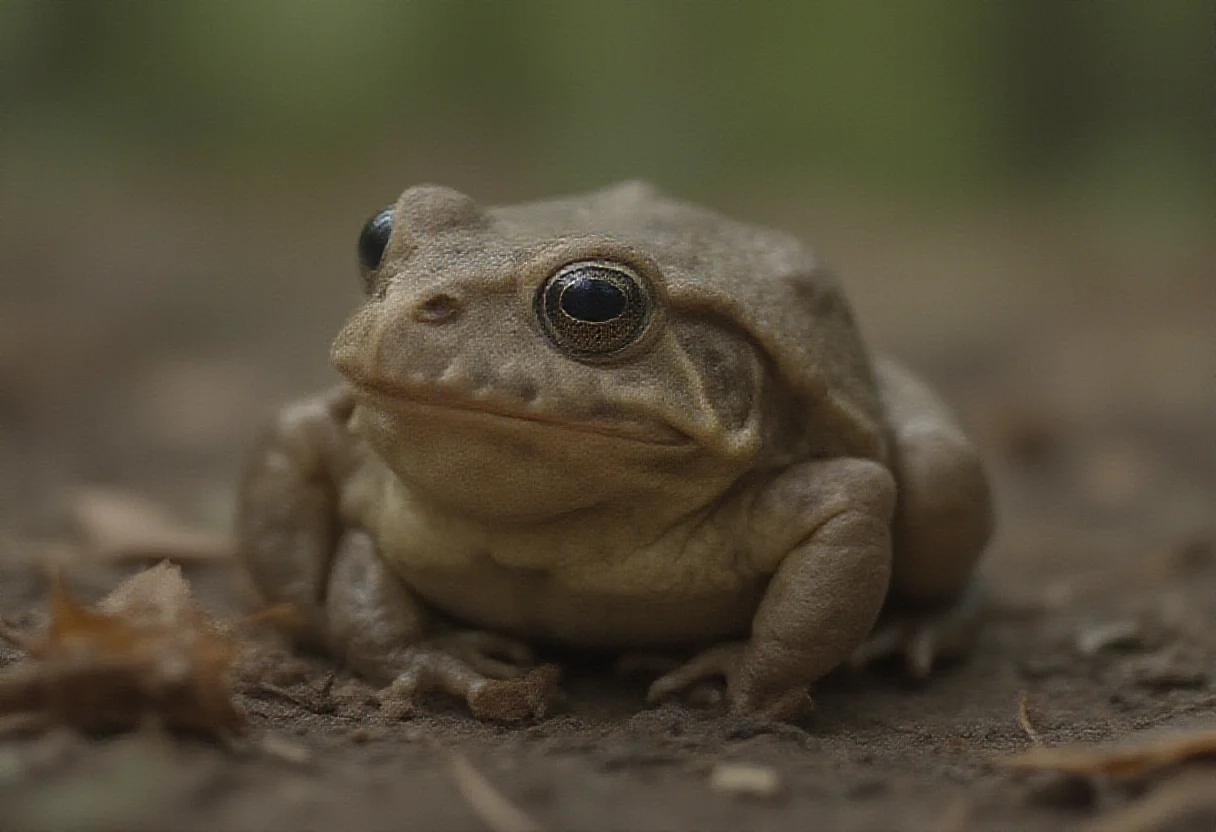
Do toads cause warts?
No. The Forest Preserve District of Will County, citing the Mayo Clinic, explains that warts come from the human papillomavirus, which enters the skin through cuts and scrapes. The district also cites the Indiana State Board of Animal Health: wart viruses are mostly species specific, so people do not catch warts from animals.
The bumps on a toad are glands, not warts. Cooks, kids, and gardeners can stop worrying about that old myth.
Which toads need real caution
Most backyard toads cause little more than mild irritation. Two U.S. species stand out because their toxins can seriously harm pets. A veterinarian writing for PetMD names the cane toad and the Colorado River toad, also called the Sonoran Desert toad.
UF/IFAS wildlife specialist Steven Johnson warns about the cane toad in particular. He says cane toads have large poison glands on top of the shoulders and advises wearing gloves if you must handle one. He also says the toxin can cause extreme irritation and possibly temporary blindness if it gets in your eyes.
| Toad | Where PetMD says it lives | Size reported | Main concern |
|---|---|---|---|
| Cane toad (Rhinella marina) | Florida, Texas, Louisiana, Hawaii | About 7 to 9 inches | Serious danger to dogs; eye irritation for people |
| Sonoran Desert toad (Incilius alvarius) | California, New Mexico, Arizona, Texas | Up to about 7.5 inches | Toxin strong enough to kill an adult dog |
| Other toads | Widespread | Varies | Usually minor symptoms, per PetMD |
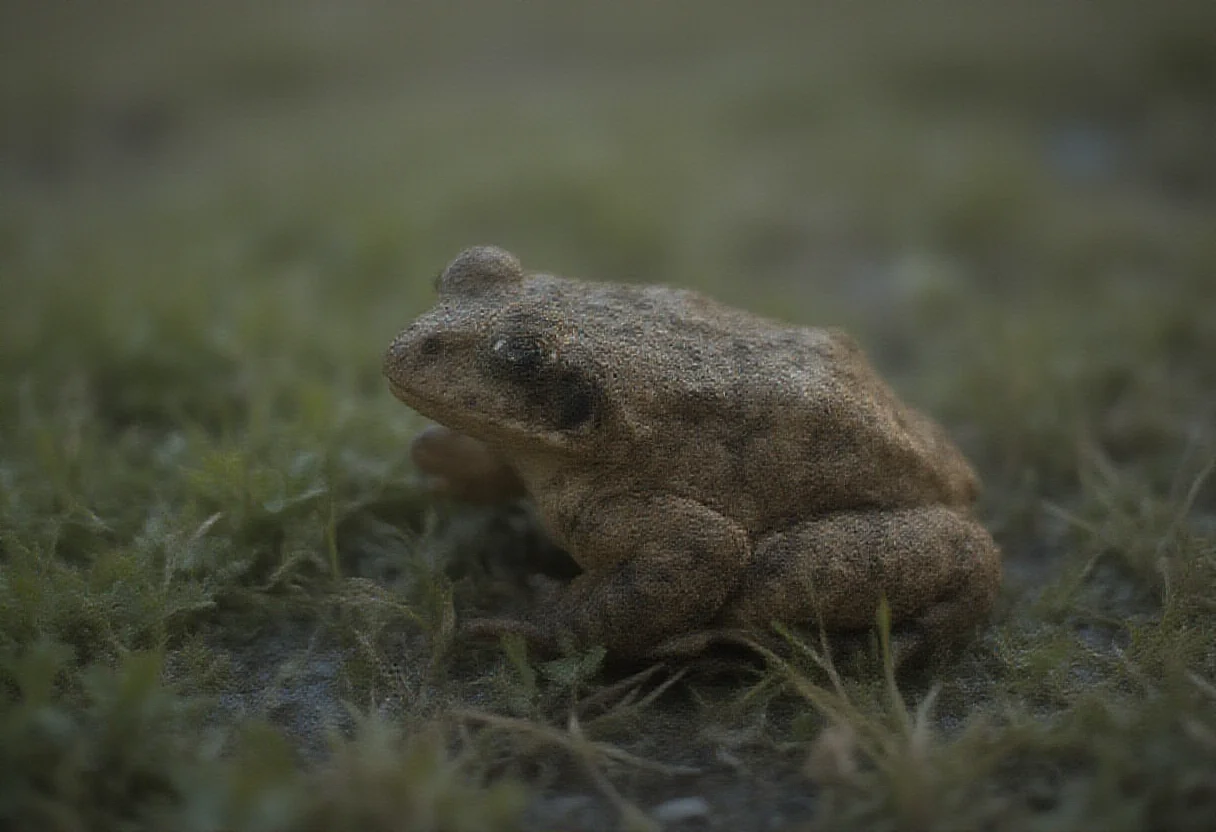
What to do if you touched a toad
Treat it like touching any wild animal. The steps are simple and take about a minute.
- Put the toad down gently where you found it, and avoid squeezing it.
- Keep your hands away from your eyes, nose, and mouth.
- Wash with soap and running water. The CDC lists this as the core step after handling reptiles and amphibians.
- If you have no sink, use hand sanitizer with at least 60 percent alcohol until you can wash. The CDC gives this guidance for reptile and amphibian contact.
- If you feel unwell, or secretion got into your eyes or mouth, contact a poison control center or a doctor. Do not wait for symptoms to build.
Why washing matters twice
Toxins are one reason to wash. Germs are the other. The CDC says reptiles and amphibians are more likely than other pets to carry germs that make people sick, and Salmonella is the most common. Healthy-looking animals can carry it, and you can get sick from the animal, its water, or its environment.
Children under 5, adults 65 and older, and people with weakened immune systems are more likely to become seriously ill, according to the CDC. If you keep a pet toad, keep it and its gear out of food areas, and never kiss it or hold it close to your face.
Protecting dogs and cats
Pets are the real casualties in most toad stories. A dog that mouths a toad can absorb toxin through its gums. UF/IFAS notes that a biting dog can get sticky toxin squirted into its mouth.
The PetMD article lists foaming at the mouth as the most common first sign. Others include drooling, vomiting, pawing at the face, head shaking, and red gums. Later signs can include tremors, seizures, and collapse.
Its advice is to contact your veterinarian right away, even if you did not see the dog eat a toad. If the dog is alert, you can gently flush its mouth with plenty of water on the way, but you should not induce vomiting unless a vet or poison helpline tells you to.
Cat owners can read our guide on whether cane toads can kill cats. To see which species live where, check poisonous toads in Florida.
Handling wild toads kindly
The best answer is often to skip handling. If you must move a toad out of a road or a pool, the Will County article suggests handling amphibians with clean hands that are free of soaps and detergents, because their skin is delicate. The New Jersey group asks people to return a toad to where it was found.
Never lick, kiss, or hold a toad to your mouth. The National Park Service wording quoted by Smithsonian Magazine says you can get sick if you handle the animal or get the poison in your mouth.
In the United States, the psychoactive compound 5-MeO-DMT found in Sonoran Desert toad secretions is a Schedule I drug, and scientists warn that demand for the secretion could harm wild populations.
Quick reference: what to do in common situations
| Situation | Risk level | What to do |
|---|---|---|
| Brief touch of a backyard toad | Low | Wash with soap and running water |
| Toad secretion near eyes or mouth | Higher | Rinse, then contact poison control or a doctor |
| Dog mouths or bites a toad | High | Call your vet right away |
| Child handled a toad | Low to moderate | Supervise washing; remember Salmonella risk |
| Cane or Sonoran Desert toad | High for pets | Keep pets away; wear gloves if you must move it |
Frequently Asked Questions
Are toads poisonous to touch?
A brief touch is low risk for most people. Toads carry defensive toxins in their skin, and the problem arises if secretions reach your mouth or eyes. Wash up after contact.
Can a toad hurt you if you pick it up?
It can release irritating secretions or urinate when stressed. Cane toad toxin can cause extreme eye irritation, according to UF/IFAS, so wear gloves with that species.
Do toads give you warts?
No. Human papillomavirus causes warts, and wart viruses are mostly species specific.
Is it safe for kids to touch toads?
Supervise closely. Children under 5 are at higher risk from Salmonella, per the CDC, so they should not handle reptiles or amphibians.
What should I do if my dog licked a toad?
Contact your veterinarian right away, even if you are unsure. PetMD lists foaming at the mouth as the most common first sign.
Are all toads dangerous to dogs?
No. PetMD says the cane toad and the Sonoran Desert toad are the dangerous U.S. species, while other toads usually cause minor symptoms.
Should I wear gloves?
UF/IFAS advises gloves for cane toads. For other toads, clean hands and good washing afterward are the usual advice.
Bottom Line
A toad on the path is a small wild neighbor, not a threat. Look, admire, and let it go about its night.
If you do touch one, wash up, keep your hands off your face, and keep dogs away from the big species. That covers nearly every real risk.
Sources
- UF/IFAS: Toxic cane toad can kill your pet, accessed Steven Johnson on cane toad glands, gloves, and eye irritation
- CDC: Reptiles and amphibians (Healthy Pets), accessed Salmonella, handwashing, high-risk groups
- Smithsonian Magazine: Don’t lick this toad, says the National Park Service, accessed Sonoran Desert toad toxin and NPS warning
- PetMD: Toad venom poisoning in dogs, accessed Dangerous U.S. toads, symptoms, vet advice
- Forest Preserve District of Will County: Frogs and toads don’t cause warts, accessed Warts and HPV, gland bumps, clean handling
- Conserve Wildlife Foundation of NJ: American toad myths and misconceptions, accessed Handwashing, defensive urination, return the toad