How Do You Know If a Frog Is Poisonous?
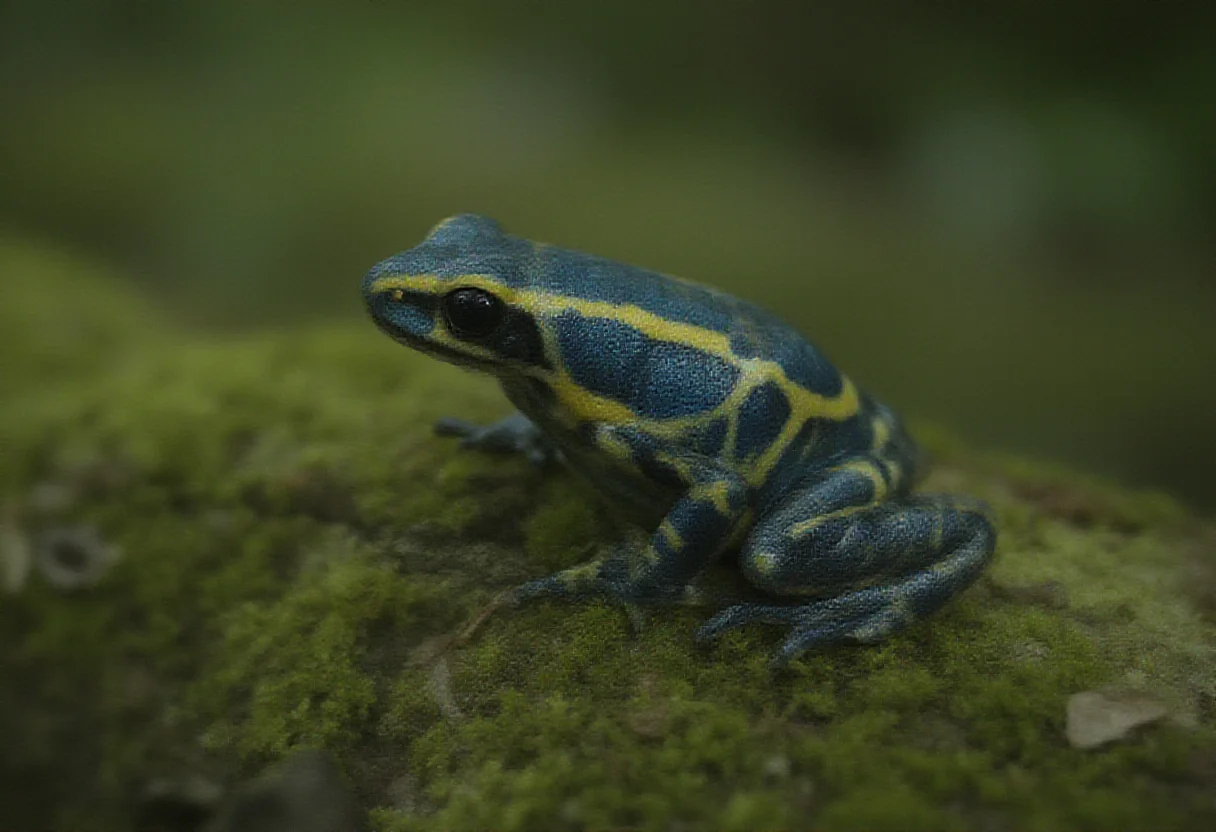
There is no single reliable test. Bright warning colors on a frog are a clue: toxic poison frogs from Central and South America are often aposematic, meaning brightly colored. But harmless animals can mimic those colors, and some frogs with yellow flash patterns are toxic too. The safest rule is to avoid touching wild frogs and to wash your hands after any contact.
Most frogs you meet are harmless to people. A few are dangerous, and the difference is not always visible.
This guide explains what warning colors mean, where the poison comes from, and why captive frogs are usually safe. It also covers the rare venomous frogs.
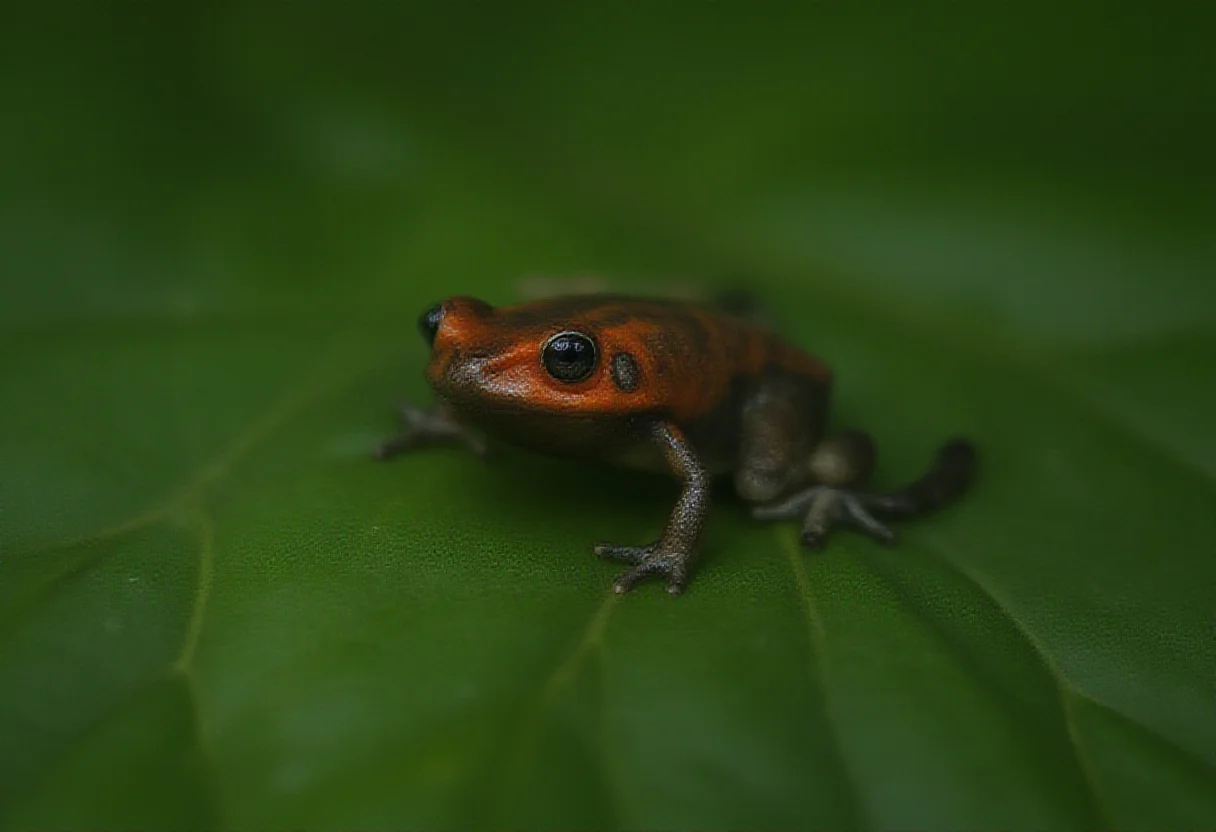
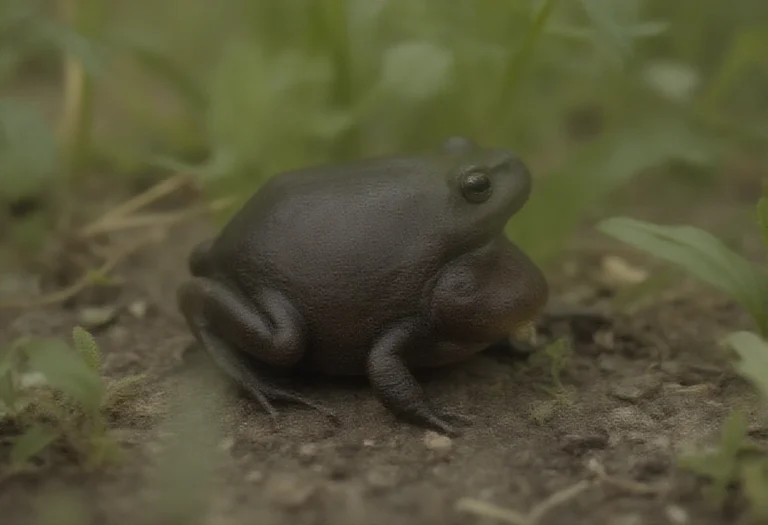
How this was made: prepared with AI assistance and checked against the sources listed at the end. Images are AI-generated illustrations, not photographs of real animals or products.
Key Takeaways
- Bright colors can signal toxicity, but mimicry means color alone is not proof.
- Poison frogs get their alkaloids from diet, mainly ants, mites and beetles.
- Captive-bred poison frogs fed fruit flies and crickets are reported as harmless.
- The golden poison frog is the extreme case: skin contact can be dangerous.
- Two Brazilian frogs are venomous and inject toxins through head spines.
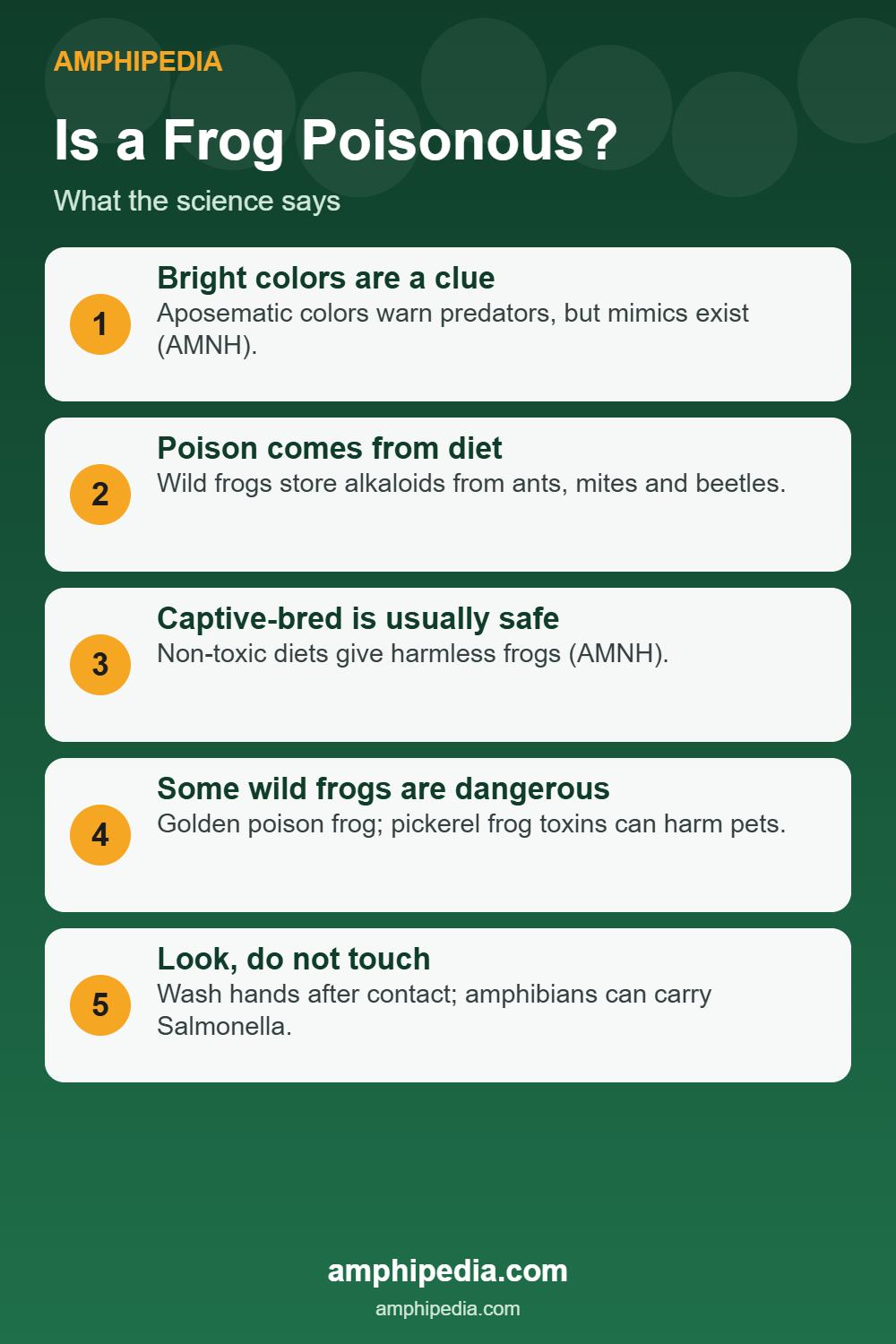
Pin this infographicShare on Facebook
What “poisonous” means for a frog
A poisonous animal is harmful if you touch or eat it. A venomous animal injects its toxin. Almost all toxic frogs are poisonous, not venomous.
Their toxins sit in skin glands. The American Museum of Natural History says the poison comes out of the glands when the frogs are frightened or attacked.
Warning colors: a clue, not a rule
Bright coloring that warns predators is called aposematic. The AMNH describes it as the opposite of camouflage.
In a 2007 Costa Rica experiment, predators attacked dull brown clay models about twice as often as bright red ones.
But the AMNH also warns that harmless creatures can show the same bright colors as truly toxic ones. A color match does not prove toxicity, and a dull frog is not automatically safe.
Where poison frogs live
Animal Diversity Web places the poison frog family (Dendrobatidae) in humid tropical America, from Nicaragua to Brazil.
Within that family, the toxic groups, including Dendrobates and Phyllobates, are brightly colored. The drab genus Colostethus is non-toxic.
So a frog in your garden outside tropical America is very unlikely to be a poison dart frog. That does not make it safe to handle.
Where the poison comes from
AMNH says poison frogs get their chemicals from their diets. Wild frogs eat insects containing alkaloids and store them in skin glands.
For the golden poison frog, Animal Diversity Web names a small beetle (Choresine) as the main source of toxicity, and says captive frogs lose their toxicity without wild prey.
AMNH adds that captive poison frogs fed fruit flies, crickets and beetles are harmless. Never assume a wild frog or an imported one is safe, though.
The most dangerous frog
The golden poison frog (Phyllobates terribilis) lives on the Pacific coast of Colombia. Animal Diversity Web reports about 1,900 micrograms of batrachotoxins per frog.
It estimates that only 2 to 200 micrograms could be lethal to humans, and says skin contact can prove fatal. Toxin reaching facial skin has caused burning lasting several hours.
That is a wild frog in a small tropical range. It is not a risk for most readers.
Toxic frogs in North America
The pickerel frog (Lithobates palustris) lives in the eastern United States and parts of Canada. Animal Diversity Web says its skin toxins can be harmful to humans and pets if ingested. Its yellow thigh coloration serves as a warning.
Identify it by seven pairs of black or brown spots between the back folds, a white lip line and yellow thighs.
The same page gives no detail on how severe the effect is, so treat the evidence as limited.
Venomous frogs
In 2015, Jared and colleagues reported in Current Biology that two Brazilian frogs, Corythomantis greeningi and Aparasphenodon brunoi, have bony head spines that inject toxic skin secretions.
Their secretions are reportedly more venomous than those of Bothrops pit vipers. One researcher was injured by a spine and felt intense pain for about five hours.
These frogs live in Brazil, and a random garden frog is not one of them.
Quick reference
Information as reported by the cited sources.
| Frog | Where | What is reported |
|---|---|---|
| Poison dart frogs (toxic groups) | Humid tropical America | Bright warning colors; toxins from diet |
| Golden poison frog | Pacific Colombia | About 1,900 micrograms of batrachotoxins per frog |
| Pickerel frog | Eastern North America | Skin toxins can harm humans and pets if ingested |
| C. greeningi, A. brunoi | Brazil | Venomous; inject through head spines |
| Captive-bred poison frogs | Pet trade | Reported harmless on a non-toxic diet (AMNH) |
What to do around wild frogs
Look, do not touch. Do not let children or pets mouth a frog.
If you must handle a frog, wash your hands with soap and running water afterward. CDC says amphibians often carry Salmonella.
If you or a pet may have touched or eaten a frog and feel unwell, contact a doctor, poison control or a vet. This site does not give treatment steps.
For toads, see our guide to poisonous toads in Florida.
Frequently Asked Questions
Are all brightly colored frogs poisonous?
No. AMNH says harmless animals can copy the colors of toxic ones, so color alone does not prove toxicity.
Are all poisonous frogs brightly colored?
Not necessarily. The pickerel frog is not a bright frog, yet its skin toxins can harm pets. Animal Diversity Web notes its yellow thighs as a warning.
Can you get poisoned by touching a frog?
Some species are dangerous to touch, such as the golden poison frog. Most frogs are not. Avoid touching wild frogs and wash your hands.
Are pet poison dart frogs poisonous?
AMNH says captive poison frogs fed non-toxic prey are harmless. Animal Diversity Web says captive golden poison frogs lose toxicity.
What is the difference between poisonous and venomous frogs?
Poisonous frogs are harmful to touch or eat. Venomous frogs, such as two Brazilian species, inject toxin through spines.
Are frogs in my garden poisonous?
Most are not dangerous to people. Pickerel frogs are an exception in eastern North America. Wash hands after any contact.
Bottom Line
You cannot reliably tell a toxic frog by eye. Color helps, but mimicry and exceptions mean caution is the better rule.
Admire wild frogs from a distance, keep pets away and wash up after any contact.
Sources
- American Museum of Natural History: Look But Don’t Lick! (The Power of Poison), accessed 31 October 2026
- Animal Diversity Web: Dendrobatidae, accessed 31 October 2026
- Animal Diversity Web: Phyllobates terribilis, accessed 31 October 2026
- Animal Diversity Web: Lithobates palustris (Pickerel frog), accessed 31 October 2026
- ScienceDaily (2015): First venomous frogs, reporting Jared et al., Current Biology, accessed 31 October 2026
- CDC: Reptiles and Amphibians, accessed 31 October 2026
2 Comments