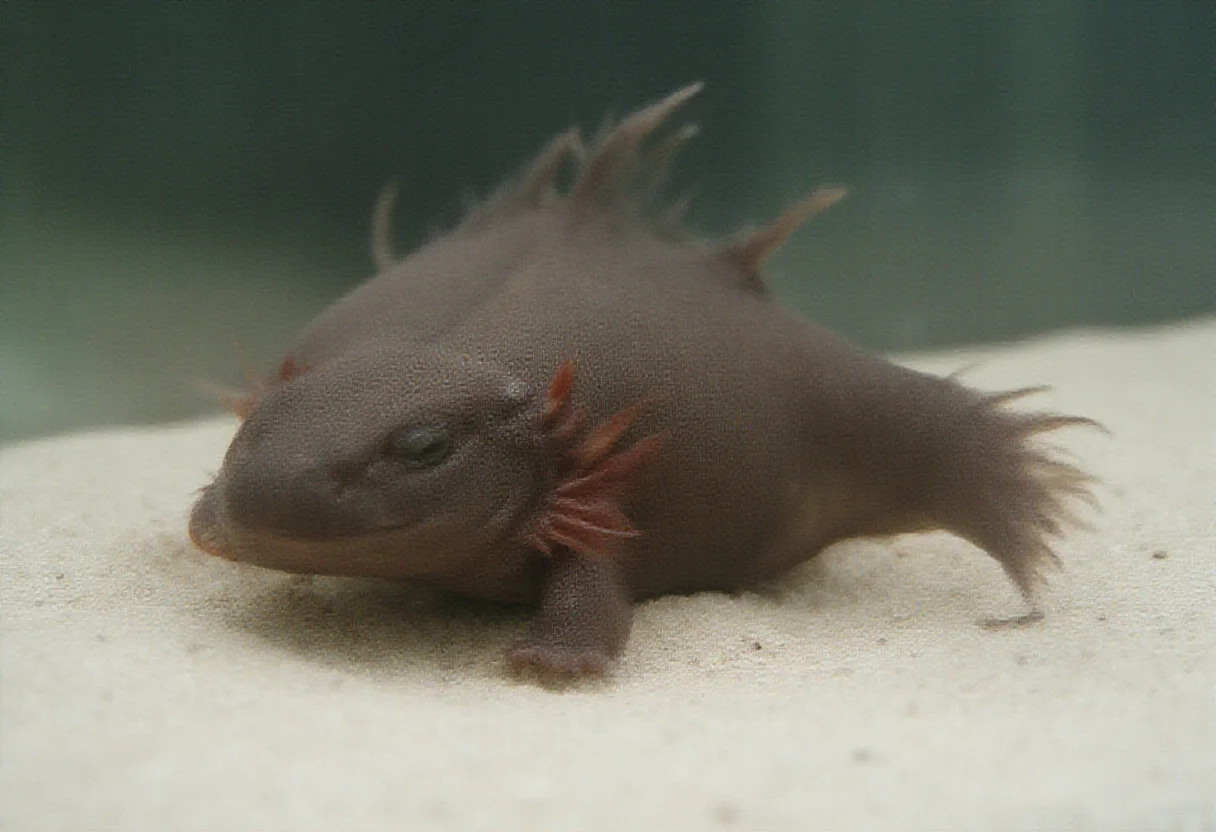
Where to Buy an Axolotl: How to Choose a Seller
Buy an axolotl from a seller who can tell you how it was bred and raised, such as a specialist breeder, a rescue or a reputable shop. First check your local rules, because some regions restrict axolotls. Prepare a cycled, cool tank before the animal arrives, inspect it for sores, gill loss and poor appetite, and quarantine it. Axolotls commonly live 10 to 12 years.
The seller matters more than the colour. A healthy, well-raised axolotl is easier and cheaper to keep than a stressed one from a poor source.
This guide explains how to check the rules, compare seller types, inspect an animal and prepare the tank. It gives no prices, because they change by seller and region.
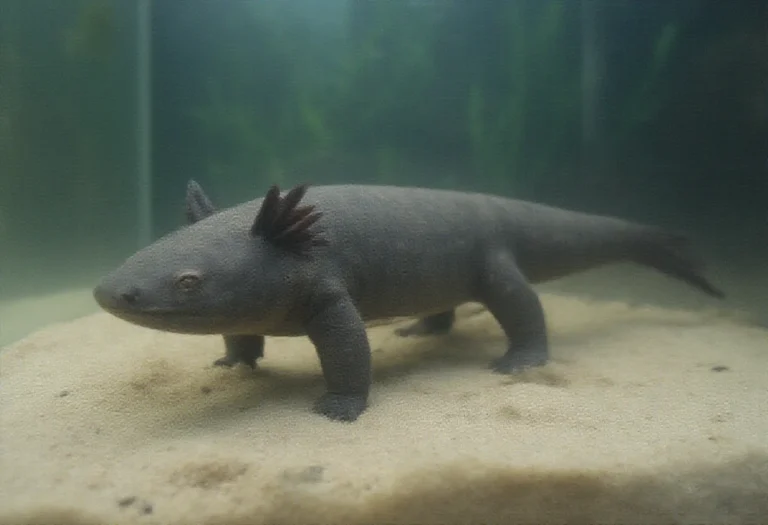
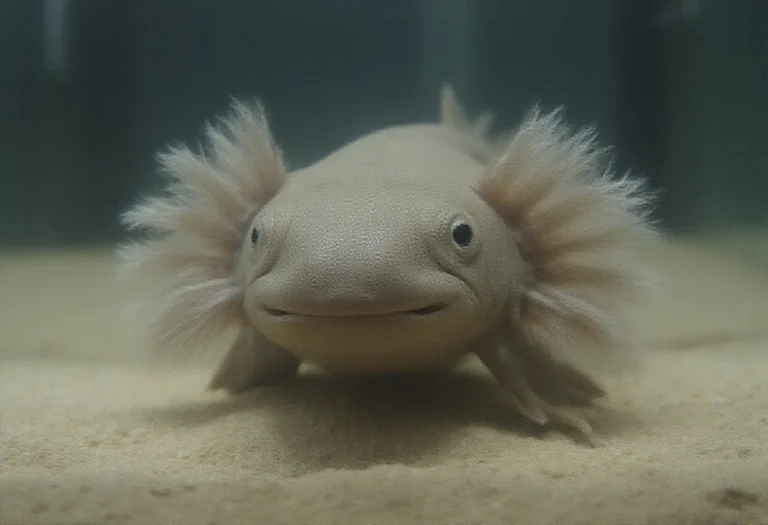
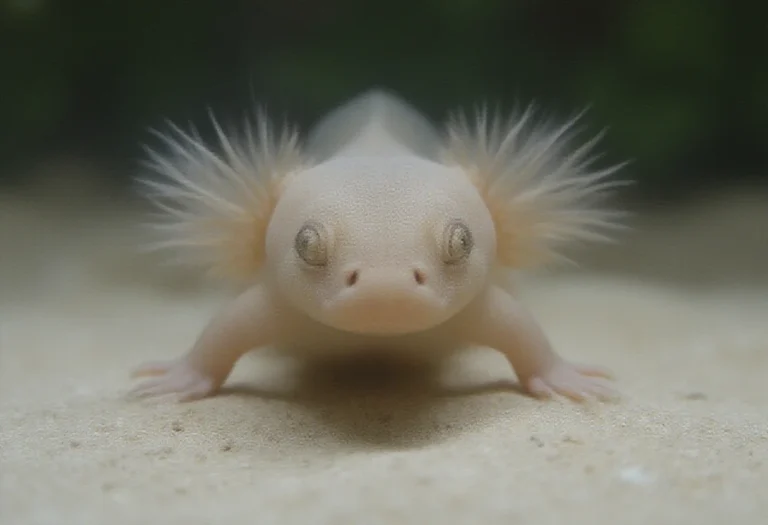
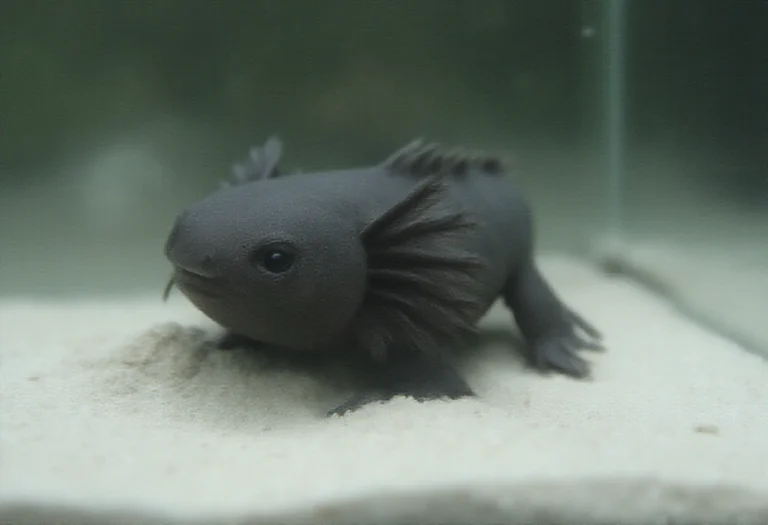
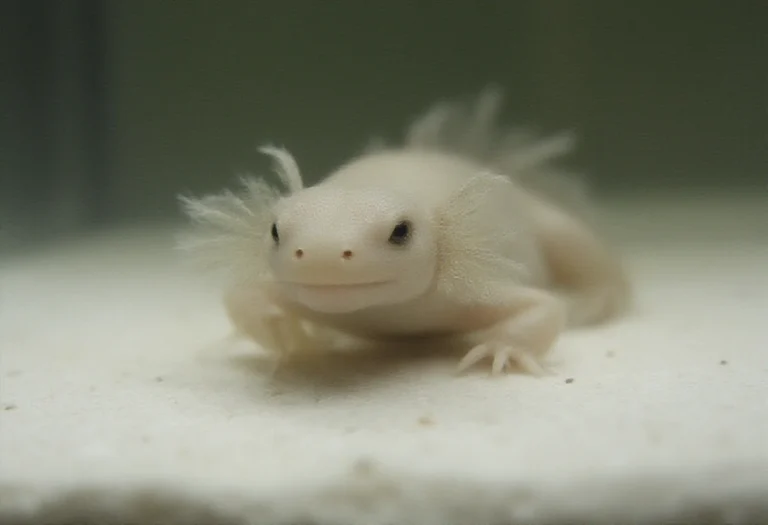
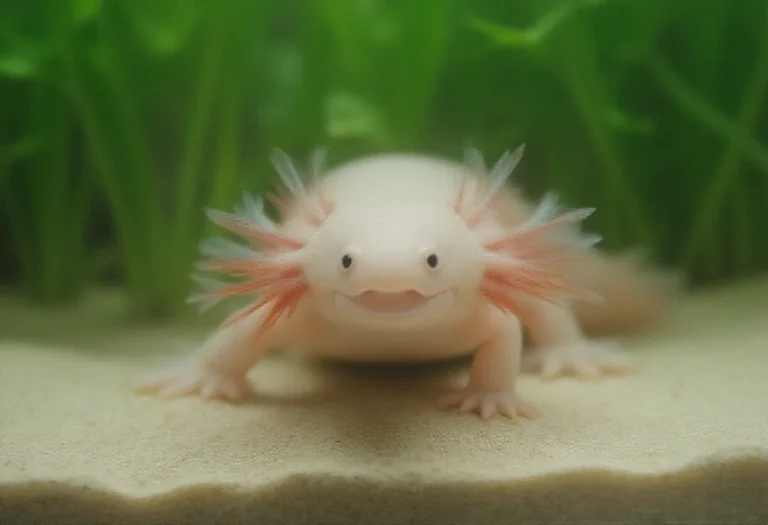
How this was made: prepared with AI assistance and checked against the sources listed at the end. Images are AI-generated illustrations, not photographs of real animals or products.
Key Takeaways
- Check your state or national wildlife rules before you buy. Rules vary.
- Choose a seller who can describe how the animal was bred, fed and housed.
- Axolotls commonly live 10 to 12 years, so buying is a long commitment (RVC).
- Avoid wild-caught animals. The wild species is critically endangered and in CITES Appendix II.
- Set up and cycle the tank for several weeks before the animal arrives.
- Quarantine every new animal and wash your hands after contact.
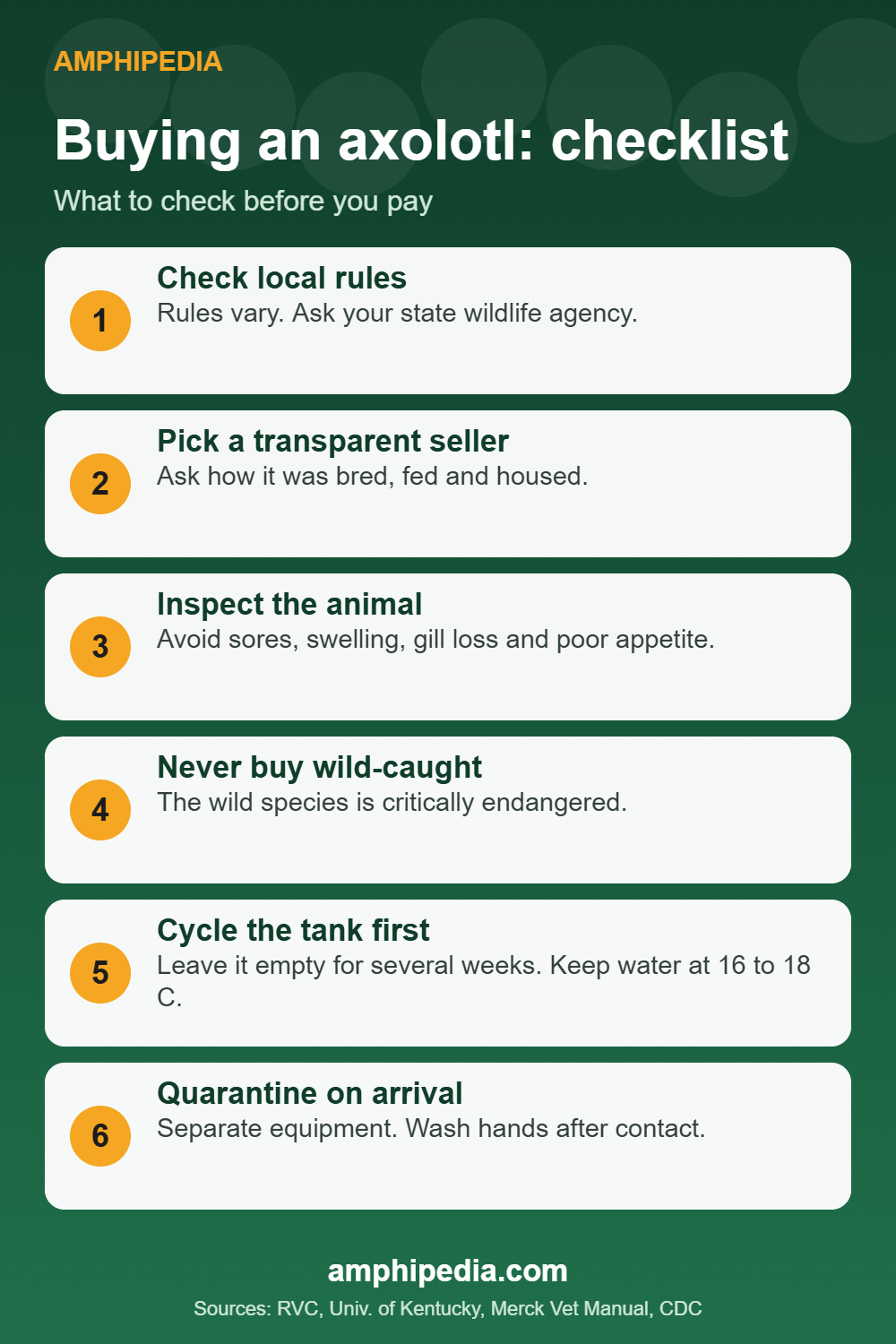
Pin this infographicShare on Facebook
Check the rules first
Axolotl rules vary by place. Some regions restrict ownership, sales or movement of axolotls, and they can change. We state no list here, because a reliable current list can only come from an official source.
Contact your state wildlife agency or national authority before you buy. Ask about permits, limits and rules on moving animals across borders. Animal Diversity Web notes the species is in CITES Appendix II, which controls international trade.
Think about the commitment
RVC says axolotls commonly live 10 to 12 years and sometimes more than 20. Adults reach 25 to 30 cm by 18 to 24 months, and need an aquarium sized for an animal of up to 35 cm.
They need cool water, 16 to 18 C according to RVC, and never above 24 C. The University of Kentucky guide gives about 15 to 18 C and says never above roughly 22 C, so aim for the cooler end. If your home runs warm, plan for cooling. Our guide to keeping an axolotl tank cool explains the options.
Ask who will care for the animal on holidays and what you will do if it falls ill. An exotics vet can be hard to find, so locate one before you buy.
Types of seller
Several kinds of seller offer axolotls. No type is perfect, so judge the person and not the label.
- Specialist breeders who can show parents and hatch dates.
- Rescues and rehoming groups that place animals from owners who can no longer keep them.
- Local pet shops, which let you see the animal and its tank in person.
- Online sellers, which can ship but give you less chance to inspect the animal.
- Hobby groups and forums, where private sales can vary widely in quality.
Questions to ask the seller
A good seller answers clearly. Use these questions as a checklist.
- How old is the animal, and who bred it?
- What does it eat, and how often?
- What are the tank temperature and water test results?
- Has it been kept with fish or other species?
- Has it had any illness, and how was it handled?
- Will you take it back or help if there is a problem?
How to inspect an axolotl
Look at the animal and its tank before you pay. The University of Kentucky colony lists warning signs of illness: loss of appetite, gill deterioration, anemia, jaundice, small open skin sores, and swelling of the body.
Merck Veterinary Manual adds red belly skin, thin body, and white cotton-like growth. Walk away from any animal with those signs, and report poor conditions to the shop owner.
Check the tank too. It should be clean and cool, with sand and not gravel. RVC says swallowed gravel can cause a fatal blockage. Our axolotl sickness guide explains the warning signs in detail.
Avoid wild-caught animals
Animal Diversity Web lists the axolotl as Critically Endangered, with only Lake Xochimilco still holding wild animals. Buying wild-caught animals harms that population.
Merck also notes that wild-caught or recently transported animals carry more parasite risk. Choose captive-bred animals and ask for proof of origin. Read our article on axolotl extinction for the wild situation.
Prepare the tank before you buy
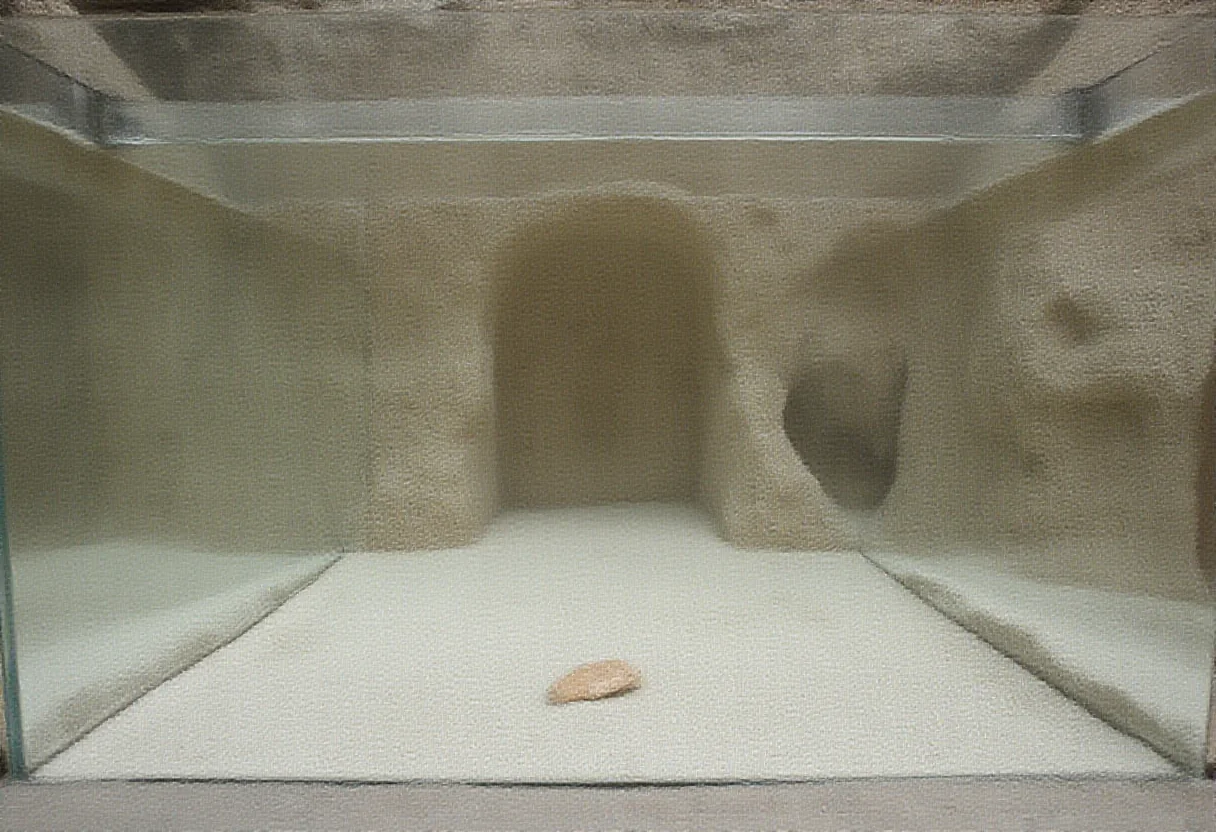
RVC says to leave a new tank empty for several weeks before adding animals so the filter can mature. Use fine aquarium sand, add caves or pipes as hides, and avoid strong flow.
Use a de-chlorinator, test the water and have a reliable thermometer ready. Keep the tank in a quiet place away from sun. RVC says axolotls are best kept alone, so plan one tank per animal.
Do not buy several animals at once. Even adults can cannibalise smaller animals, and young ones need plenty of space.
Key numbers to plan for
These figures come from the RVC care sheet and the University of Kentucky colony guide. Check them against the tank you plan to buy.
| Item | Number | Source |
|---|---|---|
| Lifespan | Commonly 10 to 12 years, sometimes over 20 | RVC |
| Adult size | 25 to 30 cm at 18 to 24 months | RVC |
| Tank size | Sized for an adult of up to 35 cm | RVC |
| Water temperature | 16 to 18 C; never above 24 C (RVC) or about 22 C (Kentucky) | RVC, Kentucky |
| Water change | 10 to 20 percent weekly | RVC |
| Tank cycling | Leave empty for several weeks first | RVC |
What it costs to keep one
Prices vary by seller and country, so we give none. Think about categories of cost instead. The animal is often the smallest part.
- An aquarium and filter, sized for an adult.
- A de-chlorinator, water test kit and thermometer.
- Cooling in warm rooms or warm seasons.
- Fine sand and hides.
- Food, such as worms and sinking pellets.
- A vet visit if the animal becomes unwell.
Rescues and rehoming
Many owners cannot keep an axolotl for 10 years or more, so rescues and rehoming groups place adult animals. An adult from such a source may already be sexed and eating well.
Ask the same questions as for any seller. Check how long the animal has been in its current home, what it eats and why it is being rehomed. Quarantine it on arrival.
If you cannot keep your own axolotl any more, do not release it into a lake or river. Release harms wild ecosystems, and captive animals can carry disease. Contact a rescue or an exotics vet instead.
When the animal arrives
The Merck Veterinary Manual husbandry page says quarantine length should depend on the animal’s source and your other animals, and that 6 to 8 weeks is typically adequate. Its infectious disease page adds that recently caught or transported amphibians are especially susceptible to parasites. Keep the new axolotl in its own tank, with its own net and equipment, away from other animals.
Offer a varied carnivore diet as RVC advises. Our axolotl diet guide and feeding schedule guide cover foods and frequency.
Handle the animal as little as possible. RVC says axolotl skin is susceptible to toxins and trauma.
Red flags when buying
Walk away if you see any of the following.
- The seller cannot say where the animal came from.
- Many animals are crowded together in dirty water.
- The animal looks thin, swollen or pale, or has gill damage.
- The seller wants payment without answering questions.
- The seller offers a rare colour with no breeding record.
- The animal is wild-caught.
Age and size: which animal to buy
A hatchling, a juvenile and an adult are very different purchases. The University of Kentucky husbandry guide says axolotls cannot be sexed until they mature at about one year. Animal Diversity Web also gives about one year as the average age of sexual maturity.
So a juvenile is a guess. If you want a particular sex, ask for an animal that is old enough to sex and ask the seller to explain how they know. RVC says adults average 25 to 30 cm and reach full size at 18 to 24 months.
Size matters at the seller’s tank. The Kentucky guide warns that young larvae are cannibalistic and larger ones eat smaller ones, and RVC advises against keeping different-sized animals together. Be wary of a tub of mixed sizes, and ask for animals that have been raised by size.
Colour and genetics
Colour is the least useful way to judge a seller. RVC says young axolotls are transparent for the first few weeks and then develop a wide range of colours. Animal Diversity Web describes wild animals as dark and mottled and says laboratory stock includes several morphs, such as albino.
A 2020 BMC Genomics study by Torres-Sanchez looked at laboratory axolotls. It found that genetic variation clustered by research project, and that white and wild-type animals differ in more than the gene linked to white colouring. Its single wild-caught animal from Xochimilco was the most distinct sample, though the author warns that one animal proves little.
The study did not measure inbreeding in pet stock. We found no source that ranks colour morphs by health, so judge each animal on its condition. Ask a breeder how they track parentage and whether related animals are paired.
Where sources disagree: lifespan and temperature
Careful buyers should know that the references do not agree on every number. We use the veterinary care sheet as the main guide and name the others here.
- Lifespan: RVC says axolotls commonly live 10 to 12 years and sometimes more than 20. Animal Diversity Web gives an expected laboratory lifespan of 5 to 6 years, with some animals reaching 10 to 15 years.
- Water temperature: RVC gives 16 to 18 C and says never above 24 C. The University of Kentucky guide gives about 15 to 18 C and says never above roughly 22 C.
Plan for the shorter lifespan in the budget and the longer one in your commitment. For temperature, aim for the cool middle of both ranges and treat 22 C as the safer upper limit if your room runs warm.
Frequently Asked Questions
Where is the best place to buy an axolotl?
There is no single best place. Choose a seller who can describe how the animal was bred, fed and kept, and who will answer questions.
Is it legal to own an axolotl?
It depends on where you live. Rules vary, so check your state wildlife agency or national authority.
How long do axolotls live?
RVC says commonly 10 to 12 years, and sometimes over 20.
Should I buy a wild-caught axolotl?
No. The wild species is critically endangered and in CITES Appendix II.
Can children keep axolotls?
The CDC does not recommend amphibians for households with children under 5, and says those children should not touch them.
Do I need to quarantine a new axolotl?
Quarantine is sensible, especially if you keep other animals. Merck says 6 to 8 weeks is typically adequate, depending on the animal’s source.
Bottom Line
Buying an axolotl is the start of a decade-long commitment. Check the rules, choose a transparent seller and prepare the tank first.
Inspect the animal, quarantine it and find an exotics vet before you need one.
Sources
- Royal Veterinary College: Axolotl care sheet, accessed 31 October 2026
- Animal Diversity Web: Ambystoma mexicanum, accessed 31 October 2026
- University of Kentucky AGSC: Guide to axolotl husbandry, accessed 31 October 2026
- Merck Veterinary Manual: Infectious diseases of amphibians, accessed 31 October 2026
- CDC: Reptiles and amphibians, accessed 31 October 2026
- ARAV: Find a professional, accessed 31 October 2026
- Merck Veterinary Manual: Environment and Husbandry for Amphibians, accessed 12 November 2026
- Torres-Sanchez M. (2020), Variation under domestication in animal models: the case of the Mexican axolotl, BMC Genomics 21:827, accessed 12 November 2026
5 Comments