Are Axolotls Endangered? Status, Numbers and Causes
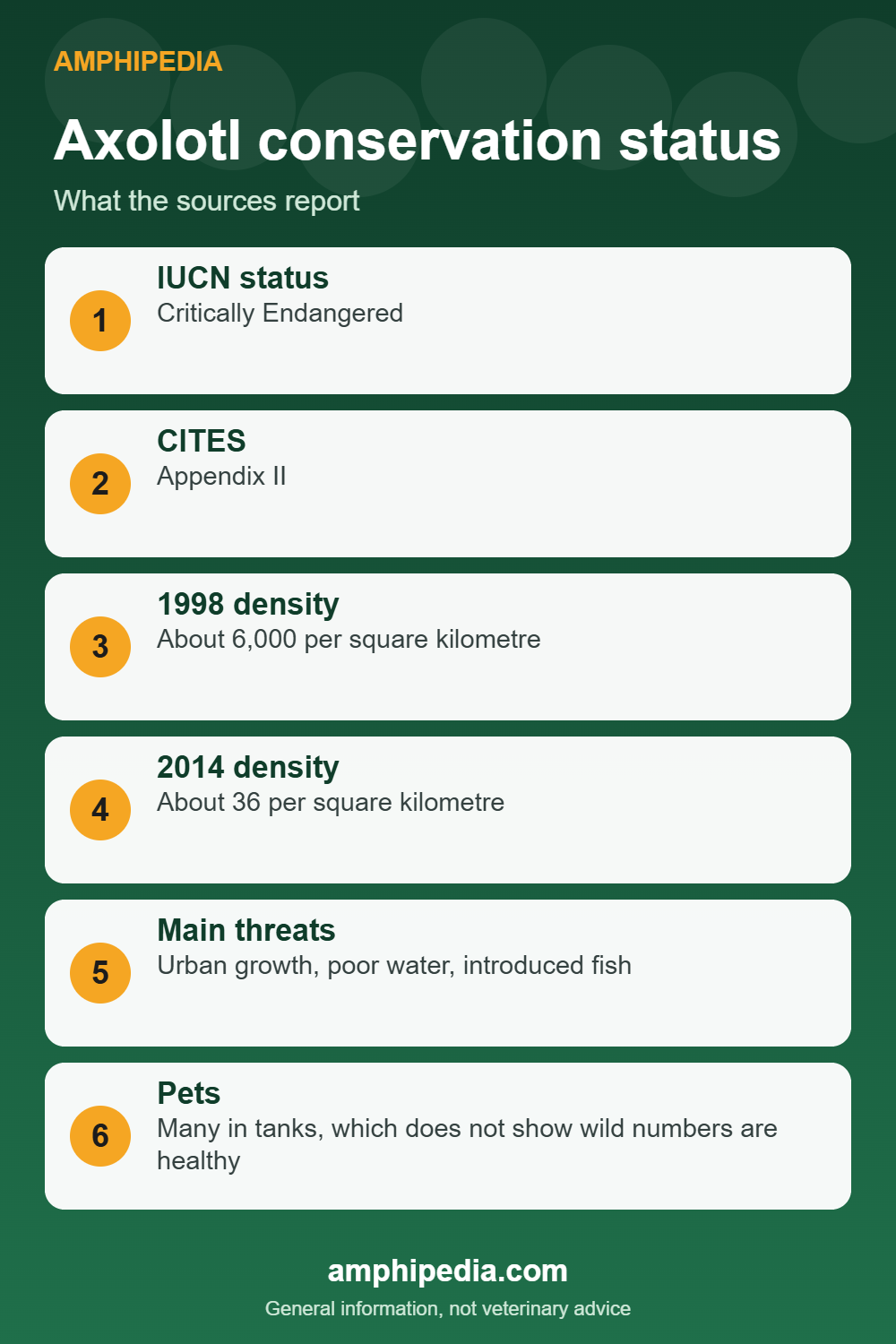
Yes. The IUCN Red List lists the axolotl as Critically Endangered, and it is in CITES Appendix II, per Animal Diversity Web. Reported wild density fell from about 6,000 per square kilometre in 1998 to about 36 in 2014. Urban growth, poor water quality and introduced fish are the main threats. Pet axolotls are plentiful, but wild ones are not.
Axolotls are everywhere in pet shops, memes and games, so many people assume they are safe. In the wild the picture is very different.
This article gives the official status, the reported numbers and the causes of decline, with sources. It also separates the wild population from the animals in tanks. For deeper counts, read our guide to how many axolotls are left.
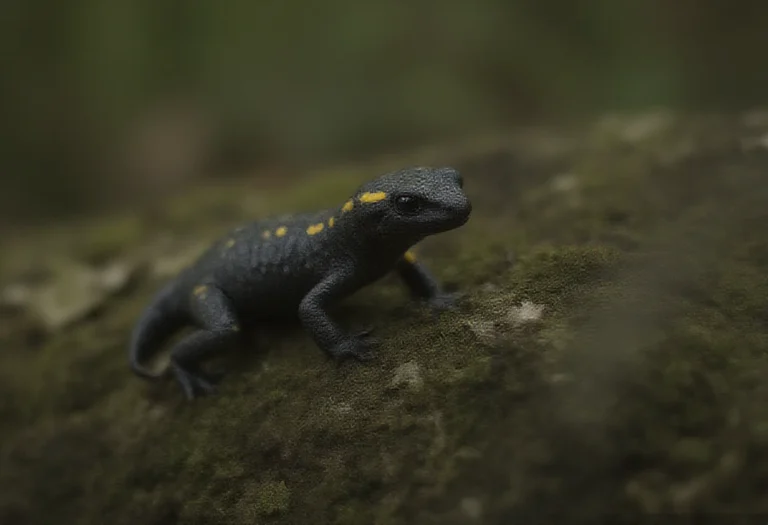
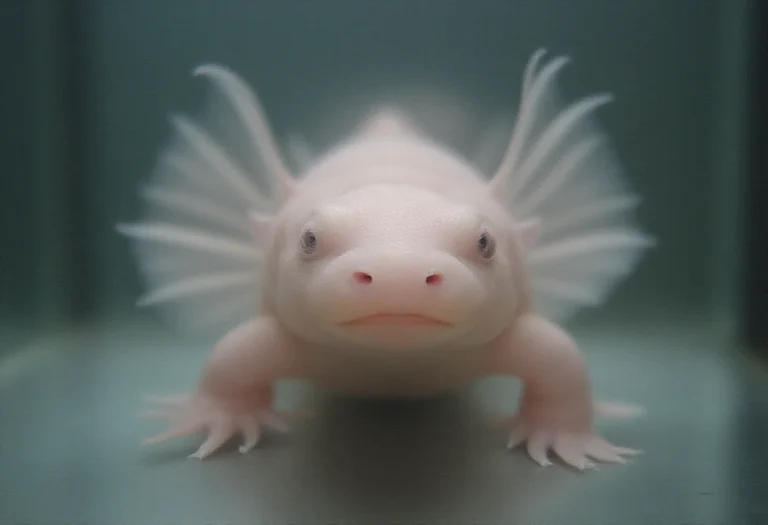
How this was made: prepared with AI assistance and checked against the sources listed at the end. Images are AI-generated illustrations, not photographs of real animals or products.
Key Takeaways
- The IUCN Red List lists the axolotl as Critically Endangered.
- CITES lists the species in Appendix II.
- Reported wild density fell from about 6,000 per km2 in 1998 to about 36 in 2014.
- Urban growth, poor water, and introduced carp and tilapia are the named threats.
- Captive axolotls are common and say little about wild survival.
- A 2025 survey found no axolotls in nets, but eDNA showed they are still in the canals.
Pin this infographicShare on Facebook
The official status
Animal Diversity Web (ADW) gives the IUCN Red List status as Critically Endangered and the CITES listing as Appendix II. Critically Endangered is the IUCN category for species at extremely high risk of extinction in the wild.
ADW adds that introduced predatory fish and habitat loss have made the species nearly extinct in the wild. “Nearly extinct” is not the same as extinct, and our guide to axolotl extinction explains the difference.
| Listing | Status | Source |
|---|---|---|
| IUCN Red List | Critically Endangered | ADW; Scientific American |
| CITES | Appendix II | ADW |
| Wild range | Canals and swamps near Mexico City | ADW |
The reported wild numbers
A news report on a National Autonomous University of Mexico (UNAM) census gives about 6,000 axolotls per square kilometre in 1998 and about 36 per square kilometre in 2014. It calls 2014 the most recent recorded figure. A new census began in 2024, and the report gives no 2024 result.
An older Scientific American blog post describes a UNAM-led survey, led by Luis Zambrano and published in Biological Conservation. It reported a 90 percent drop over four years, with an estimate of 700 to 1,200 animals across a habitat of about 10 square kilometres. Surveys at 11 sites found only a single animal.
These figures use different methods and years, so treat them as a trend, not a precise count.
| Report | Figure |
|---|---|
| UNAM census, 1998 | About 6,000 per km2 |
| UNAM census, 2014 | About 36 per km2 |
| UNAM-led survey, Biological Conservation | Estimate of 700 to 1,200 animals in about 10 km2 |
Why wild axolotls are disappearing
The sources name three pressures. Urban growth in Mexico City has reduced water quality in the Xochimilco habitat. Introduced fish, including carp and tilapia, compete for food and eat axolotl eggs. Habitat has also shrunk as lakes were drained.
ADW notes that Lake Chalco has been drained completely and that Lake Xochimilco is now mostly canals and swamps. The sources do not rank these causes by weight.
Wild axolotls versus pet axolotls
Many axolotls live in labs and homes. ADW notes that laboratory animals come in several color morphs. Their numbers do not show that wild populations are healthy.
The sources used here do not say whether buying a pet helps or harms wild animals. Rules on owning axolotls vary by place, so check your state or national wildlife agency before buying. Read our axolotl facts for care basics.
What a 2025 survey found
Conservation International reported in August 2025 on a UNAM survey of 115 monitoring sites in the 2,500-hectare Xochimilco Protected Area. It used nets and environmental DNA (eDNA) for the first time. No axolotls were caught in nets, but eDNA showed they are still present in the canals.
The article gives no population estimate for that survey, and a larger second phase was planned to compare results with 2014. Those results were not in the sources used here. Claims that wild axolotls are extinct, or that exact current numbers are known, go beyond the evidence.
Check the date on any number you see. Many pages quote the 2014 figure without saying so.
What is being done
Conservation International says UNAM and its Mexico team use chinampa-refuges, which are farm plots turned into axolotl sanctuaries. Biofilters of wood, gravel and native plants clean the water and block invasive predators such as carp and tilapia.
It lists 21 refuges so far and reports better water quality, fewer invasive species and the return of some native fish. The article does not claim that wild numbers have recovered.
Common misunderstandings
These points come up often.
- “Axolotls are extinct”: sources say nearly extinct in the wild, not extinct.
- “Pet numbers prove they are safe”: captive animals do not restore wild habitat.
- “One number tells the story”: the figures come from different years and methods.
- “Only pollution matters”: introduced fish and habitat loss are also named.
Frequently Asked Questions
Are axolotls endangered?
Yes. The IUCN Red List lists them as Critically Endangered, per Animal Diversity Web.
Are axolotls extinct in the wild?
The sources say nearly extinct in the wild, not extinct. A 2025 UNAM survey caught none in nets but found their eDNA in the canals.
How many axolotls are left in the wild?
A news report cites about 36 per square kilometre in 2014, down from about 6,000 in 1998. A 2025 survey gave no new estimate.
Why are axolotls endangered?
Urban growth and poor water quality, introduced fish such as carp and tilapia, and habitat loss.
Is it legal to own an axolotl?
Rules vary. Check your state wildlife agency before buying.
Is the axolotl on CITES?
Yes. It is in Appendix II, per ADW.
Bottom Line
The axolotl is Critically Endangered in the wild, with reported density down from about 6,000 per square kilometre in 1998 to about 36 in 2014.
Pollution, urban growth and introduced fish drive the decline. Tanks full of axolotls do not change that, so use dated sources when you quote numbers.
Sources
- Animal Diversity Web: Ambystoma mexicanum, used for IUCN and CITES status, habitat, threats
- Scientific American: The population of a unique Mexican amphibian drops 90 percent in four years, used for UNAM-led survey, causes
- Riviera Maya News: Mexican biologists conduct first axolotl census in a decade, used for 1998 and 2014 density figures, 2024 census
- Conservation International: Axolotls are on the brink. Can we bring them back?, used for 2014 density, 2025 survey, chinampa-refuges

6 Comments