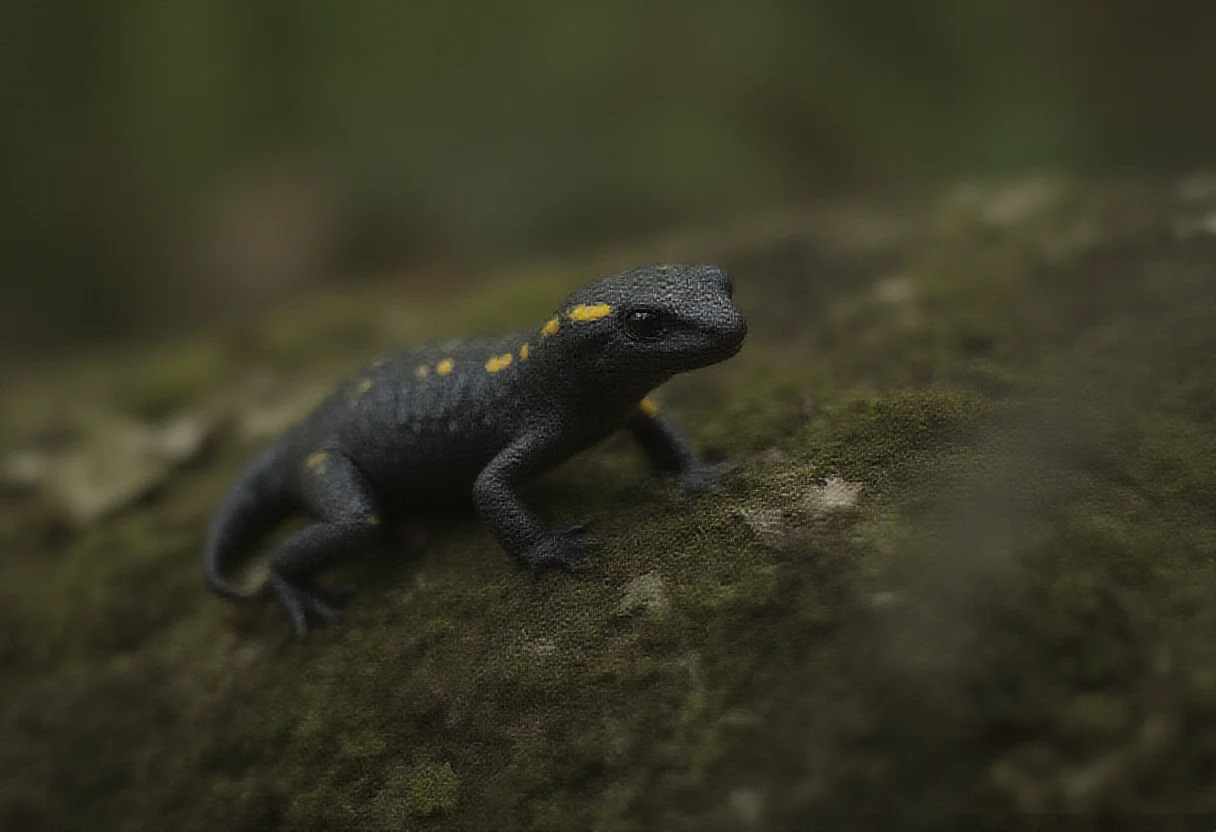
Why Are Salamanders Associated With Fire? The Real Story
Salamanders are linked to fire because of an old belief that they live in flames and put them out. A medieval bestiary from about 1230 repeats the idea and cites Pliny the Elder. Animal Diversity Web and a Kent archaeology note suggest it grew from salamanders crawling out of logs thrown onto fires. The fire immunity is a myth. Real salamanders need damp places.
Few animals carry a stranger reputation. For centuries, writers claimed the salamander could stand in a blaze and even extinguish it. The story shaped art, heraldry and a good deal of folklore.
This page follows the legend back to a medieval bestiary, explains the likely real-world trigger, and compares the myth with what salamanders are actually like. For other famous traits, see what are salamanders known for.
How this was made: prepared with AI assistance and checked against the sources listed at the end. Images are AI-generated illustrations, not photographs of real animals or products.
Key Takeaways
- The legend says salamanders live in fire and put it out.
- The Rochester Bestiary, about 1230, repeats it and cites Pliny the Elder.
- A likely trigger was salamanders hiding in logs that were put on fires.
- Real salamanders are moist-skinned animals that need a damp habitat.
- The fire salamander’s name comes from the myths, says Animal Diversity Web.
- Its bright black and yellow colours are a warning to predators, not a link to fire.
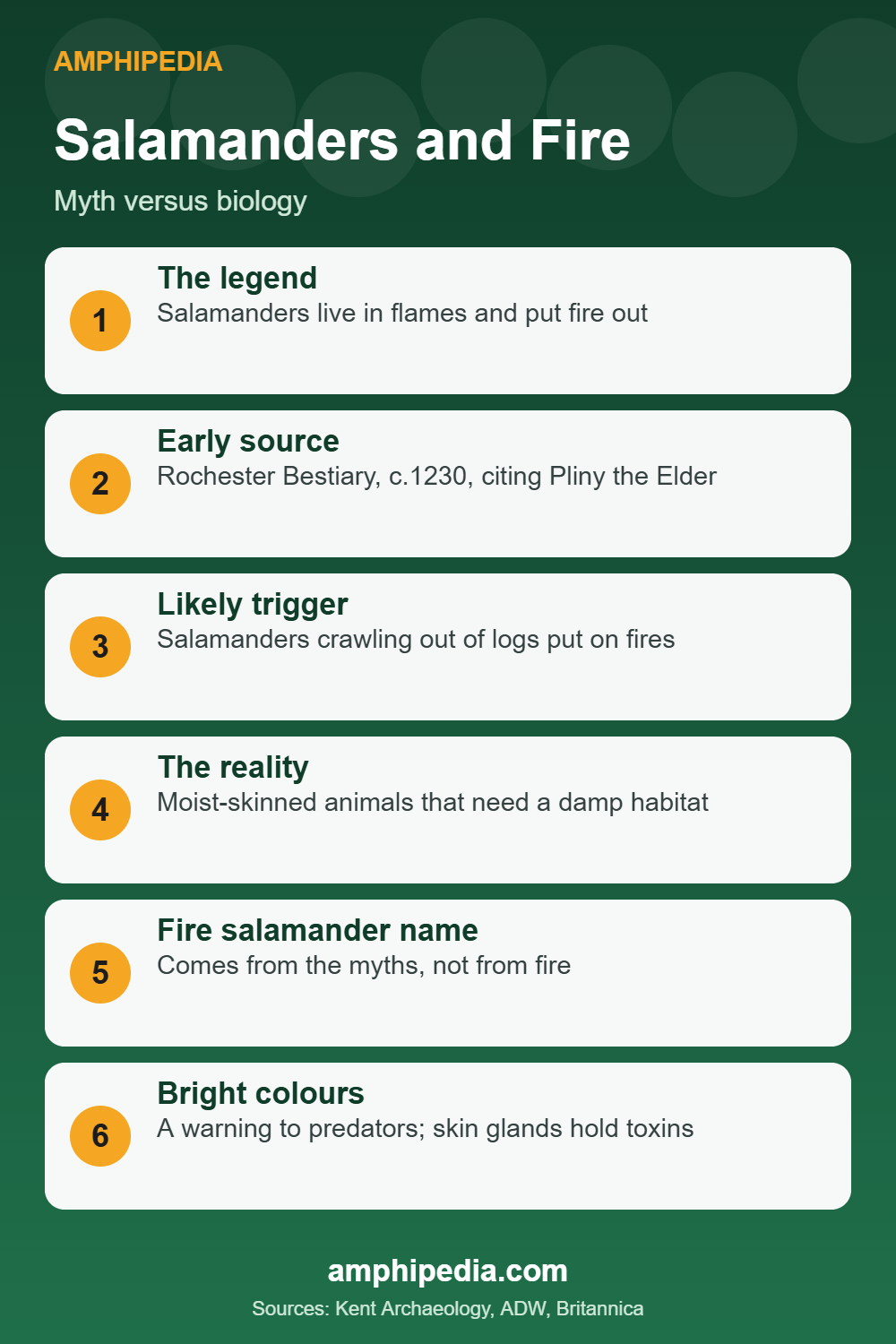
Pin this infographicShare on Facebook
The old legend
The Rochester Bestiary, a manuscript from about 1230 held by the British Library, has an entry on the salamander. The Kent History and Archaeology Society’s translation says it is the only animal able to withstand fire, living in flames without pain or being consumed.
The entry says the salamander also puts out the fire and flames around it. It cites Pliny the Elder, who described the body as so cold that touching it extinguishes fire.
- It lives in flames without pain and does not burn.
- It puts out fire and flames around it.
- Its body is so cold that touching it quenches fire (Pliny, as cited).
- Its venom is unusually powerful and can poison fruit or well water.
- In Christian readings, it stands for faith and purity under trial.
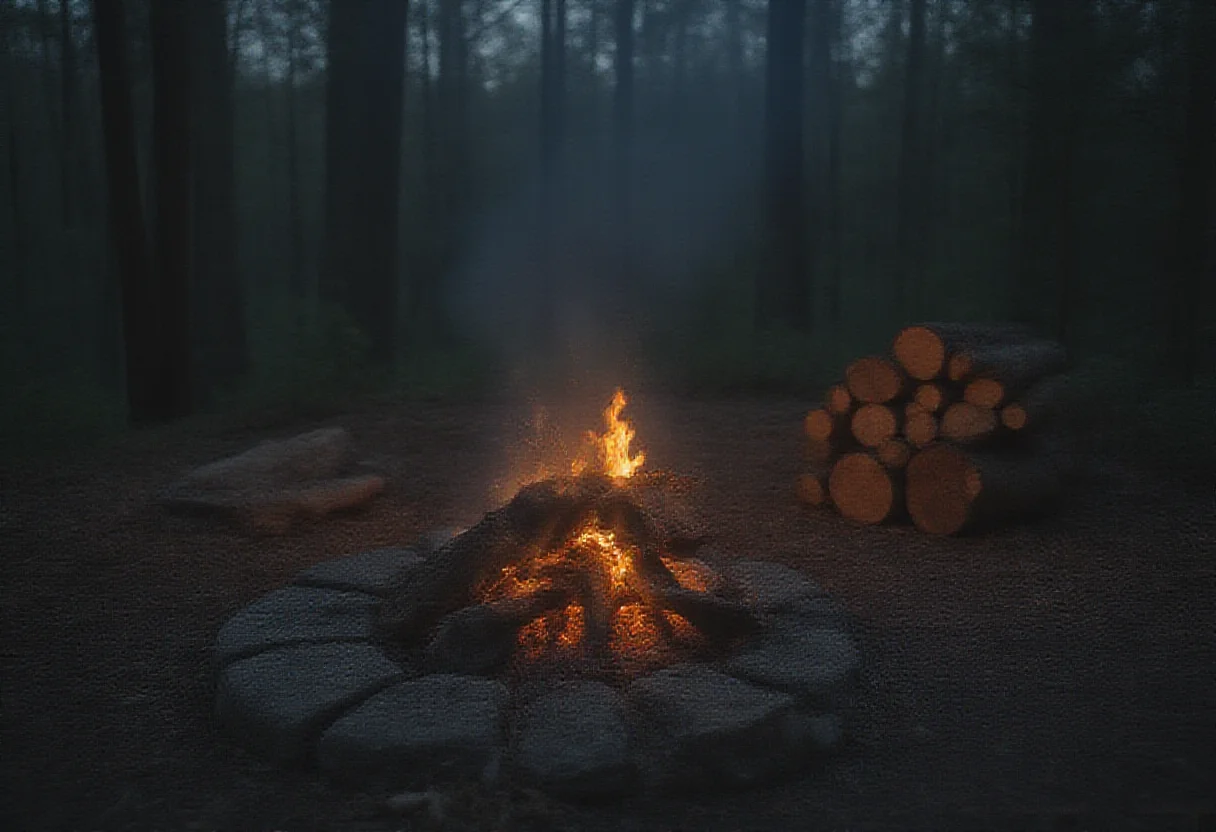
How the myth probably began
The Kent archaeology note suggests the belief arose when salamanders hiding in logs emerged as the logs were thrown onto a fire. Animal Diversity Web makes the same suggestion for the fire salamander, saying the stories may have begun when salamanders crawled out of logs tossed onto cooking and campfires.
This is a reasonable explanation, not a proven one. No source can show what first started the story. It fits a known habit, though. Salamanders do shelter under and inside logs.
What real salamanders are like
Britannica describes salamanders as moist-skinned amphibians that absorb water through their skin. They live mostly in freshwater and damp woodlands, chiefly in the temperate Northern Hemisphere, and they need a moist habitat.
Many adults hide by day and feed at night. Some stay underground until breeding time or emerge only when moisture and temperature suit them. That is the opposite of a creature built for fire.
To see how amphibian skin works, read why do amphibians have moist skin. If you wonder where salamanders sit in the animal kingdom, see why a salamander is an amphibian.
Myth versus fact
This table sets each part of the legend against what the sources say.
| Claim | Verdict | Source |
|---|---|---|
| Salamanders live in fire | Myth | Rochester Bestiary note |
| Salamanders put out fire | Myth | Rochester Bestiary note |
| Salamanders hide in logs | True of the fire salamander | Animal Diversity Web |
| Salamanders have toxic skin | True of some species, as a defence | Animal Diversity Web |
| Salamanders need moisture | True | Britannica |
Why the fire salamander has its name
The fire salamander, Salamandra salamandra, lives in central and southern Europe. Animal Diversity Web says its name comes from the fire myths. It is black with yellow or orange markings.
Those markings are aposematic. They warn predators rather than recall flames. The salamander has neurotoxin glands behind the eyes and along the body, and it can spray the secretions at attackers.
It is shy and spends much of its time under rocks and logs in shady, damp woodland. It is usually 15 to 25 cm long, and Animal Diversity Web says some wild animals may live over 14 years. Read more in fire salamander facts.
Can a salamander survive a fire?
None of the sources used here supports it. The Rochester note calls fire immunity a myth. Britannica stresses that salamanders need a moist habitat, which fire and dry heat remove.
If you find one in firewood, check logs before they go on a fire. Wash your hands afterwards. The CDC advises handwashing after touching amphibians or their habitats.
Frequently Asked Questions
Did salamanders really live in fire?
No. The Rochester note describes the fire immunity as a myth. The legend likely began when salamanders emerged from logs on fires.
Who first wrote about salamanders and fire?
Pliny the Elder is cited in the Rochester Bestiary for the claim that the salamander’s body is so cold it quenches fire.
Why is it called the fire salamander?
Animal Diversity Web says the name comes from the folklore, though the bright colours serve as a warning to predators.
Are salamanders poisonous?
Some are. The fire salamander secretes neurotoxins from skin glands as a defence, according to Animal Diversity Web.
Why do salamanders hide in logs?
Logs keep them moist and protected. Animal Diversity Web says the fire salamander spends much time beneath rocks or logs.
Are salamanders fish?
No. They are amphibians. Read are salamanders fish.
Bottom Line
The salamander’s link with fire is a story, not a skill. A damp animal in a dry log became a legend that lasted centuries. The real creature is quieter and far more fragile.
Explore the real animal with fire salamander facts or what salamanders are known for.
Sources
- Kent Archaeology: Salamander, Rochester Bestiary, c.1230, accessed Bestiary text, Pliny citation, editorial note on the myth
- Animal Diversity Web: Salamandra salamandra, accessed Name origin, logs, colour, toxins, size
- Britannica: Salamander, accessed Moist skin, habitat, behaviour
- CDC: Reptiles and amphibians, accessed Handwashing after contact

2 Comments