White’s Tree Frog Care: Setup, Diet and Health
This post contains affiliate links. As an Amazon Associate I earn from qualifying purchases. Prices and availability are shown by Amazon and can change.
To care for a White’s tree frog (Litoria caerulea), give it a tall, ventilated glass terrarium with branches, live or artificial plants and a shallow water dish. Keep the day temperature near 24 to 29 C (75 to 85 F), cooler at night, with humidity in the 60 to 90 percent range. Feed gut-loaded insects, dust them with calcium, and limit handling. See an exotics vet for any health concern.
White’s tree frogs are calm, large Australian frogs and a common pet. They live a long time, so the setup you build on day one matters.
This guide gives the numbers that vet and welfare sources agree on. Where sources differ, it shows the range and names them.
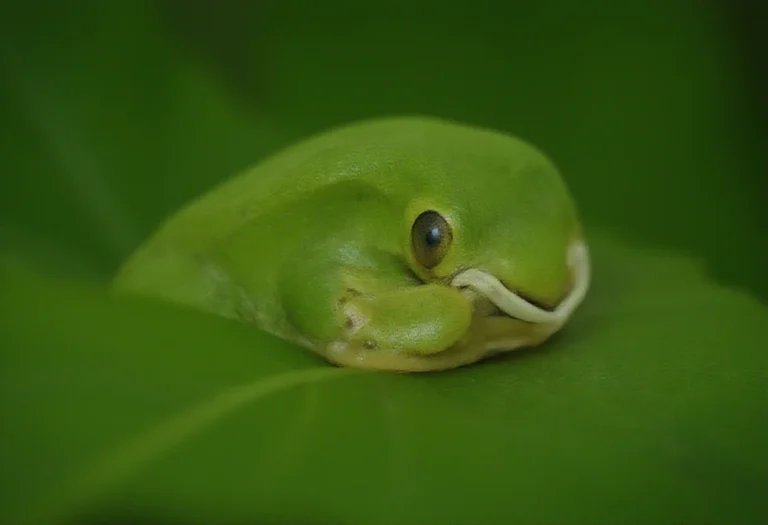
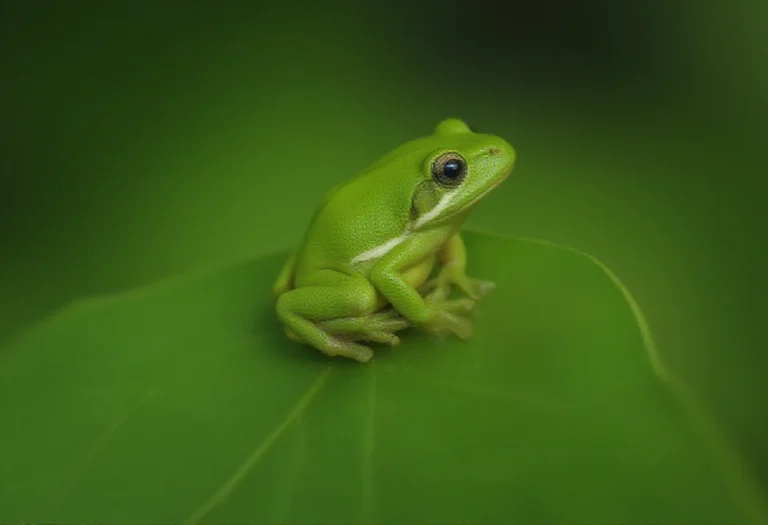
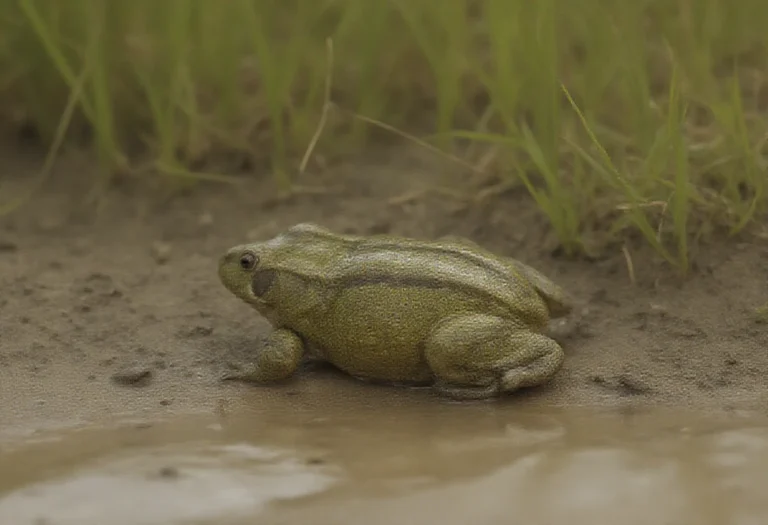
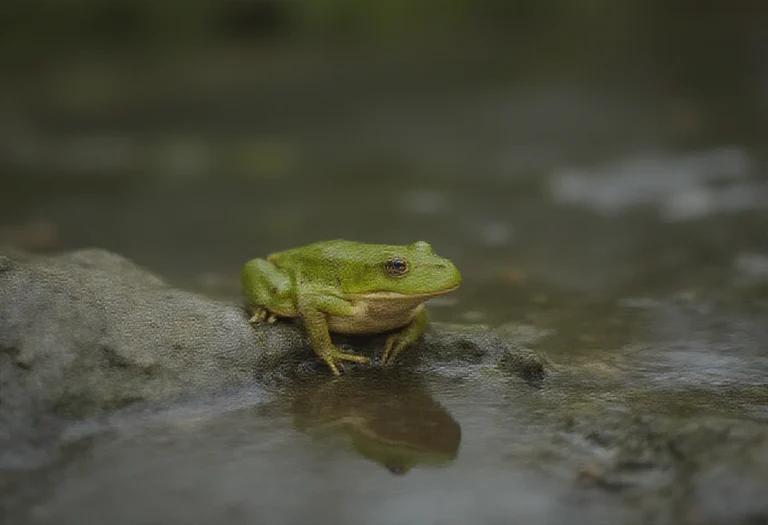
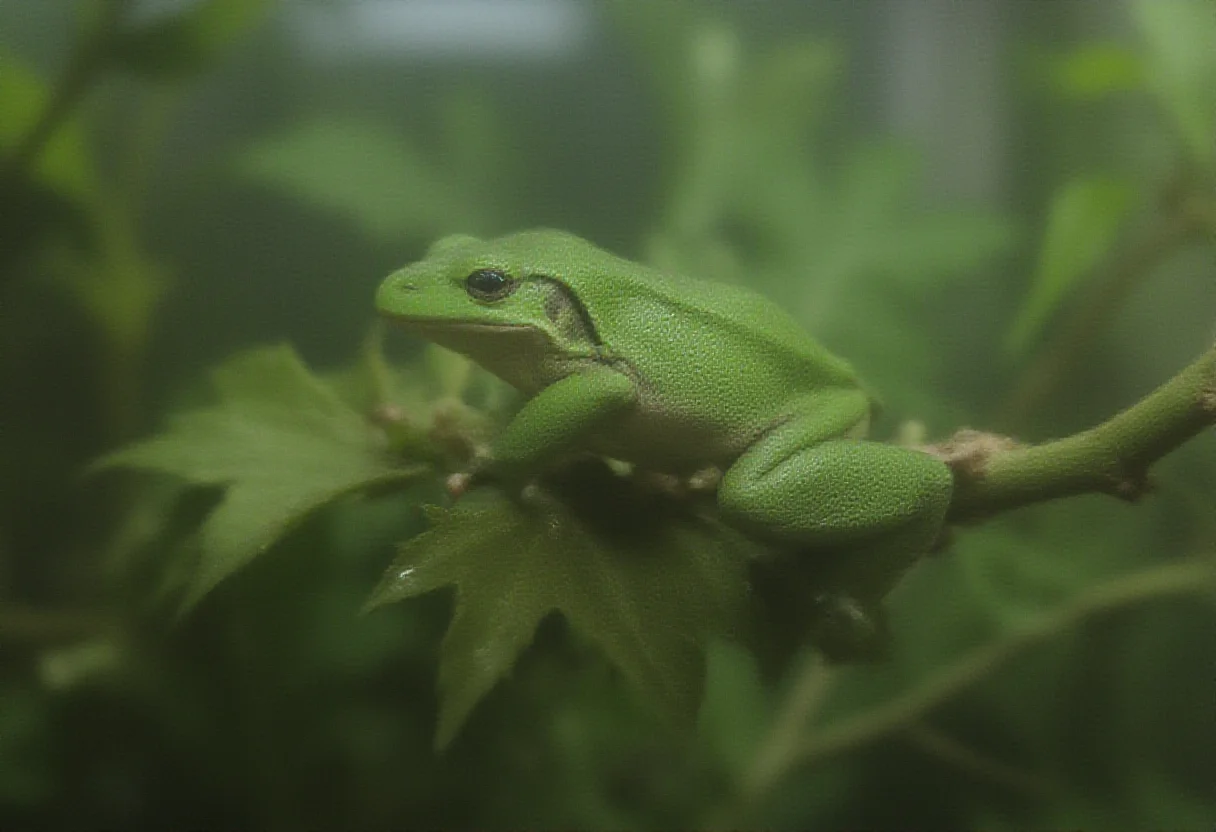
How this was made: prepared with AI assistance and checked against the sources listed at the end. Images are AI-generated illustrations, not photographs of real animals or products.
Key Takeaways
- Use a tall, ventilated glass tank with climbing branches and plants.
- Day temperature is about 24 to 29 C, with a cooler night.
- Humidity targets differ by source, from 60 to 90 percent.
- Feed gut-loaded insects 2 to 3 times a week for adults.
- Obesity is a common problem, so do not overfeed.
- Handle rarely, and wash your hands every time.
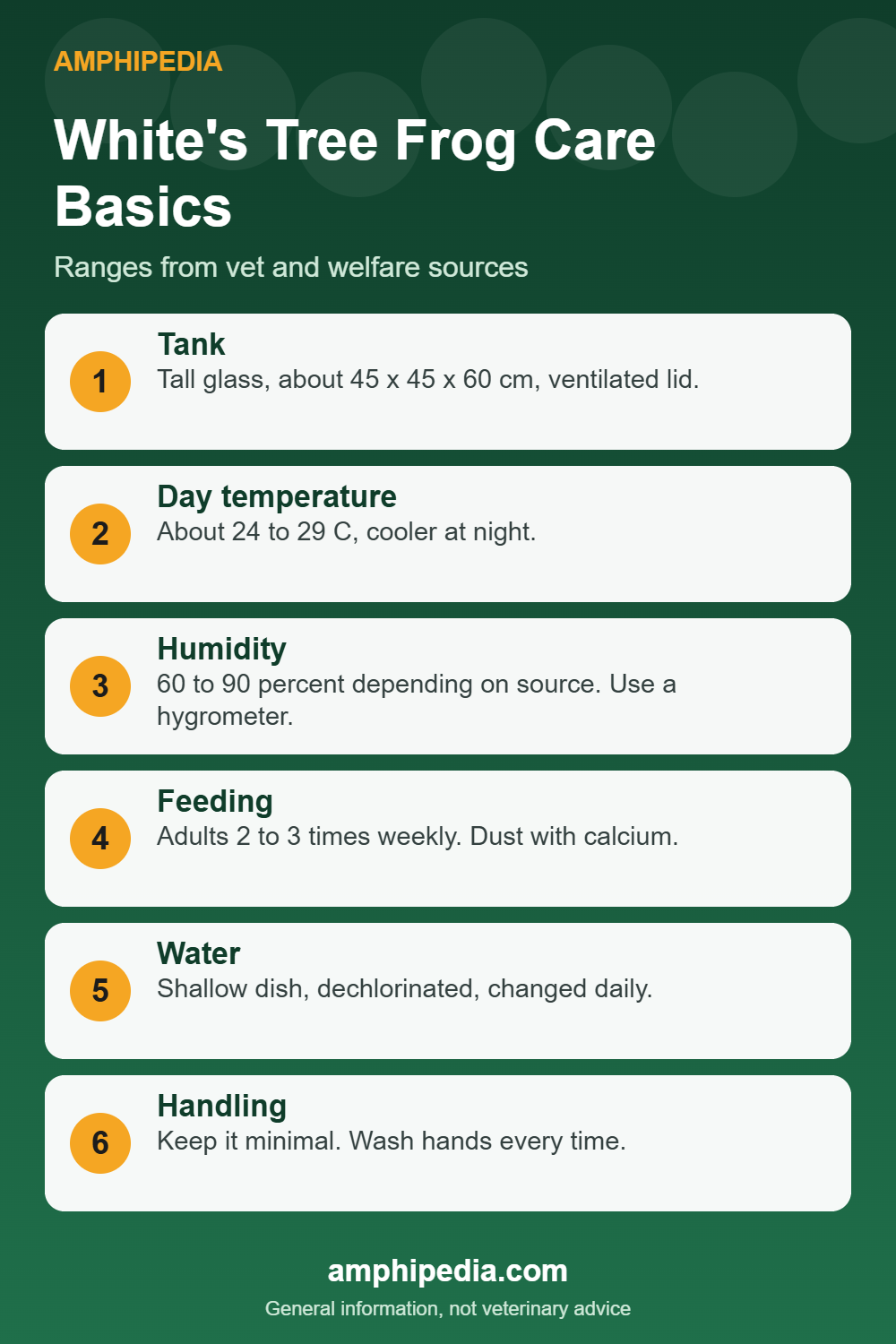
Pin this infographicShare on Facebook
Gear for a White’s tree frog setup
These items cover the tank, climate monitoring and misting.


Product titles, prices and ratings are provided by Amazon and are accurate only at the time they are displayed.
Choose the right enclosure
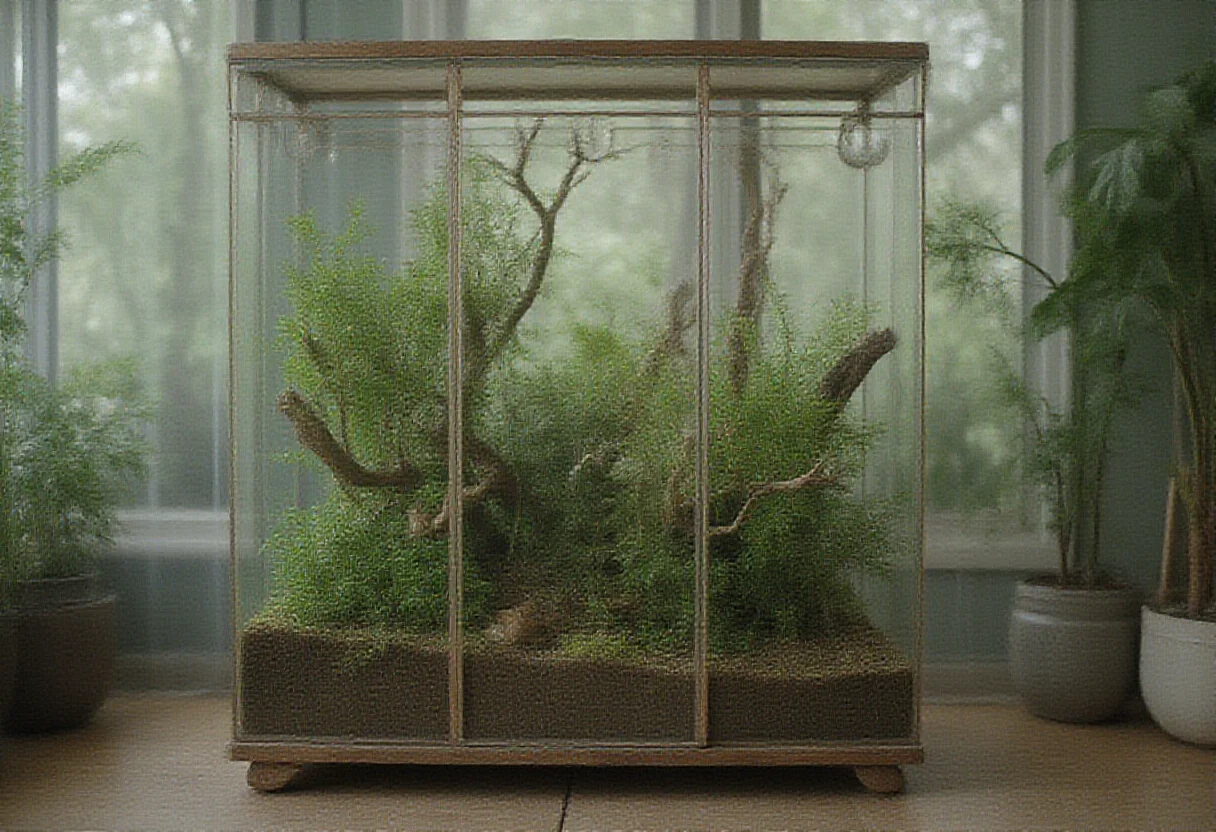
A vet guide from Exotics Keeper suggests a glass vivarium of about 45 x 45 x 60 cm for one to three frogs. Reptiles Magazine suggests at least 20 gallons for four young frogs, with a taller layout and plenty of climbing branches.
Pick a tank with a tight but ventilated lid. Reptiles Magazine warns that poor ventilation can lead to respiratory problems. Add perches that are at least as wide as the frog’s body, and plants or hides so it can retreat from light.
Set up the tank step by step
Build and test the enclosure before the frog arrives. Run it for a few days so you can see where heat and humidity settle.
- Place a glass tank on a stable stand, away from drafts and direct sun.
- Add a substrate that holds moisture and drains well, then add branches and plants at several heights.
- Set up gentle warmth with a thermostat-controlled heat source on one side, as Reptiles Magazine describes, so the frog can choose its temperature.
- Place a min/max thermometer at both ends and a hygrometer in the middle.
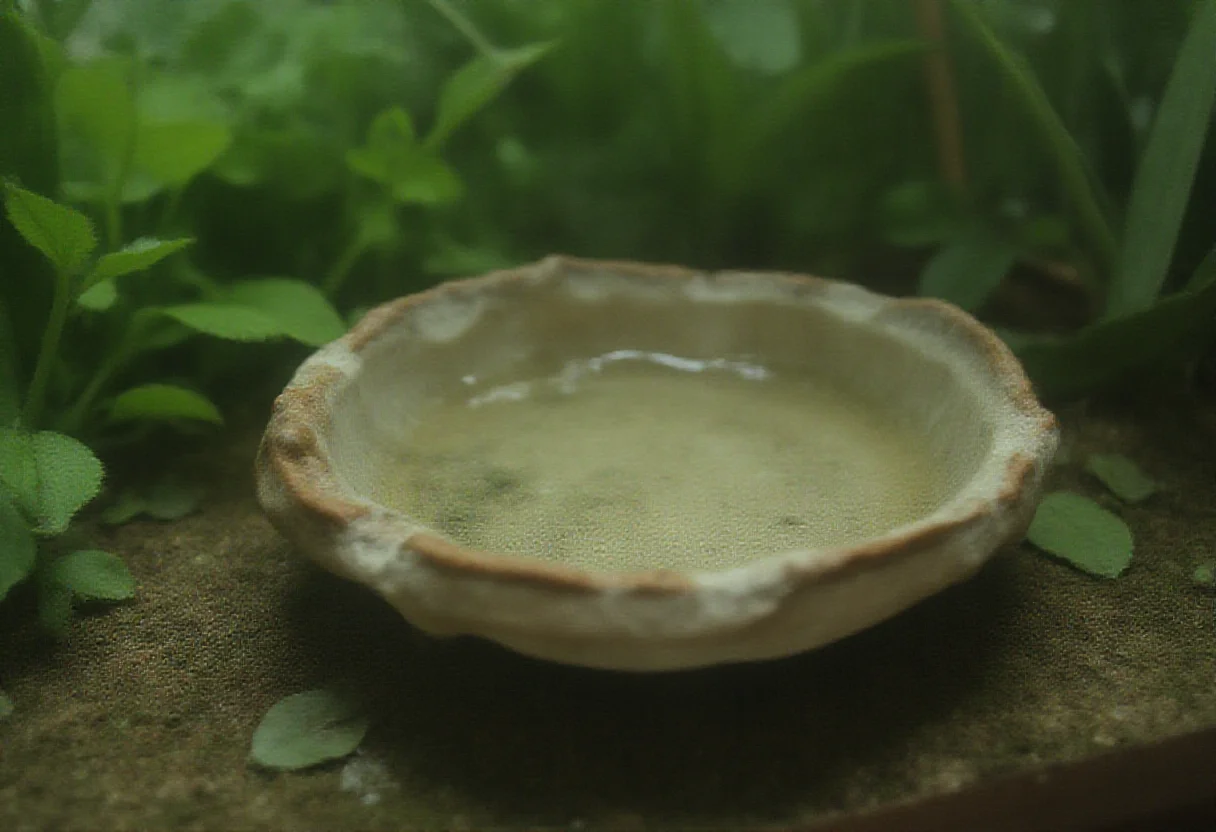
- Add a shallow, stable water dish filled with treated water.
- Fit a tight but ventilated lid and check that no gaps let the frog escape.
- Run the tank for several days, then adjust heat and misting before adding the frog.
Temperature, humidity and light
Exotics Keeper gives a daytime gradient of 24 to 29 C and a night range of 18 to 21 C. The World Wildlife Fund assessment gives 75 to 85 F by day and 65 to 75 F at night, which is about 24 to 29 C and 18 to 24 C.
Humidity advice varies. The WWF lists 70 to 90 percent. Exotics Keeper lists 60 to 70 percent with daily misting. Reptiles Magazine gives no number and recommends regular misting with distilled water. Use a hygrometer, aim for the overlap near 70 percent, and let the enclosure dry slightly between mistings.
Lighting is another point where sources differ. Reptiles Magazine says the frogs need no special lighting. Exotics Keeper recommends low-output UVB for a 10 to 12 hour day, aiming for a UV index of 0.7 to 1.6, with bulbs replaced every 6 to 12 months. Ask your vet which approach fits your setup.
| Factor | Range from sources | Source |
|---|---|---|
| Day temperature | 24 to 29 C (75 to 85 F) | Exotics Keeper, WWF |
| Night temperature | 18 to 24 C (65 to 75 F) | Exotics Keeper, WWF |
| Humidity | 60 to 90 percent | Exotics Keeper, WWF |
| UVB | Optional or low UVI 0.7 to 1.6 | Reptiles Magazine, Exotics Keeper |
| Adult feeding | 2 to 3 times a week | Reptiles Magazine, Exotics Keeper |
Choosing gear that fits
You do not need much equipment, but each piece should do a clear job. Choose a front-opening glass tank so you can feed and clean without lifting the lid. Look for secure, ventilated doors and a size that allows height for climbing.
Use a digital thermometer and hygrometer with probes you can place at different heights. Avoid dial gauges, which are often inaccurate. A fine-mist sprayer is enough for daily misting in a small tank, and a larger tank may need a timer-based system.
Check that anything inside the tank is safe when wet, with no sharp edges or loose paint.
Water and cleanliness
Provide a shallow, stable water dish large enough to sit in. Both the WWF and Exotics Keeper stress dechlorinated or spring water. Change the water daily, and remove waste and uneaten insects quickly.
Mist with dechlorinated or distilled water. Wipe the glass and replace soiled substrate on a regular schedule.
What and how often to feed
White’s tree frogs eat live insects. Exotics Keeper lists gut-loaded locusts, crickets and dubia roaches, with waxworms only as an occasional treat. Reptiles Magazine suggests crickets and earthworms as staples.
Feed adults two to three times a week, and juveniles daily or every one to two days. Offer food in the evening, when the frog is active. Exotics Keeper advises dusting food with calcium and a multivitamin once a week for adults and twice a week for juveniles.
Obesity is a recognized problem in this species. Exotics Keeper links it to cloudy eyes and fat deposits near the eyes. Offer only what the frog eats in about 10 to 15 minutes, as Reptiles Magazine advises, and stop if the frog stays plump.
A simple weekly routine
A routine keeps care consistent and makes problems easy to spot. This schedule combines the feeding and water advice from the sources above.
| Task | How often | Why |
|---|---|---|
| Refresh water dish | Daily | Keeps water clean and treated |
| Mist the enclosure | Daily or as needed | Holds humidity in range |
| Check temperature and humidity | Daily | Catches heater or mist problems |
| Feed adults | 2 to 3 times a week | Prevents obesity |
| Dust food with calcium and vitamins | Once a week for adults | Supports bones |
| Remove waste and spot clean | Daily | Limits bacteria |
| Replace UVB bulb if used | Every 6 to 12 months | Output fades over time |
Handling and hygiene
Sources disagree here. Reptiles Magazine says the frogs tolerate handling. The WWF and Exotics Keeper say to avoid it, because the skin is delicate and absorbs substances. If you must handle one, use clean, powder-free gloves moistened with dechlorinated water.
Wash your hands after touching the frog or anything in the tank. The WWF notes that these frogs can carry Salmonella, so they may not suit young children or people with weak immune systems.
Quarantine and new frogs
Exotics Keeper advises a minimum 30-day quarantine for any new frog, and 60 to 90 days for high-risk animals. It advises at least 90 days for wild-caught frogs. Keep quarantined frogs in a separate tank, and use separate tools and wash your hands between enclosures.
The same guide names chytrid fungus as a serious disease with a high death rate, and says testing is part of good practice. A vet should direct any testing or treatment.
Common mistakes
Avoid these errors that vet and welfare sources warn about.
- Keeping the tank too small or without climbing space.
- Using tap water without treating it.
- Overfeeding, which leads to obesity.
- Skipping calcium and vitamin supplements.
- Adding a new frog without quarantine. Exotics Keeper advises at least 30 days.
- Handling often with bare, soapy or lotioned hands.
Health signs to watch
Exotics Keeper lists metabolic bone disease, chytrid fungus, bacterial infections and parasites among the health risks. Signs include weak limbs, cloudy eyes, red skin, weight loss or refusing food.
Do not treat these at home. Find an exotics vet through the ARAV directory, and bring details of your setup.
Related guides
For general advice, read pet frog care and how big tree frogs get. If you are shopping, see the best vertical terrariums for tree frogs and the best frog tank humidity stabilizers.
Cleaning and disinfecting the enclosure
Dirty equipment can spread bacteria through a tank. The Merck Veterinary Manual advises disinfecting tools and housing materials with household bleach at 30 mL per liter of water. Leave it on for at least 30 minutes, then rinse thoroughly with fresh water and, ideally, dry before use.
Merck also says to disinfect humidifiers and spray bottles weekly, because they can grow harmful bacteria. Add any mister you use to your weekly list, and keep cleaner away from the frog.
Calcium, vitamin D3 and bone health
Insects alone do not give a frog everything it needs. The Merck Veterinary Manual notes that most invertebrates eaten by amphibians contain more phosphorus than calcium, with earthworms the exception. That imbalance is one reason supplements matter.
Metabolic bone disease can follow low dietary calcium, low vitamin D3 or poor UVB exposure. Merck lists a deformed jaw, broken long bones and a curved spine among the signs. Prevention means a corrected diet and, where suitable for the species, UVB lighting.
A frog with soft or bent limbs needs an exotics vet, not a new product. Do not guess at doses.
Substrate and wood safety
Merck lists gravel, soil, sphagnum moss and mulch as suitable substrates, with conditions. Soil must be free of chemical additives such as fungicides. Untreated hardwood mulch and leaf litter are acceptable. Cedar and pine mulches contain toxic oils and should not be used.
Merck adds that some amphibians develop skin irritation from peat or sphagnum moss because of its low pH. Watch for red or irritated skin after a substrate change, and call a vet if it persists.
Frequently Asked Questions
How big a tank does a White’s tree frog need?
Sources suggest about 45 x 45 x 60 cm for one to three frogs, or 20 gallons or more for a small group. Taller is better.
What temperature do White’s tree frogs need?
About 24 to 29 C by day and cooler at night, 18 to 24 C depending on the source.
How often should I feed an adult?
Two to three times a week, per Reptiles Magazine and Exotics Keeper.
Do White’s tree frogs need UVB?
Sources differ. Exotics Keeper recommends low UVB, while Reptiles Magazine says no special lighting is needed. Ask your vet.
How long do they live?
The WWF lists up to 6 years. Reptiles Magazine says 7 to 10 years is more common, and over 20 is possible.
Can I handle my frog?
Handling is best kept to a minimum. Use gloves and wash your hands afterward.
Bottom Line
A good White’s tree frog setup is simple: a tall tank, stable warmth, moderate to high humidity, clean water and measured feeding.
Where sources disagree, start with the overlap and watch your frog. Appetite, skin and posture tell you more than any single number.
Sources
- White’s tree frog, World Wildlife Fund responsible pet guide, accessed 31 October 2026
- White’s Treefrog Care Sheet, Reptiles Magazine, accessed 31 October 2026
- A Vet’s Care Guide for White’s Tree Frogs, Exotics Keeper, accessed 31 October 2026
- CDC: Reptiles and amphibians, accessed 31 October 2026
- ARAV professional directory, accessed 31 October 2026
- Merck Veterinary Manual – Environment and Husbandry for Amphibians, accessed 12 November 2026
- Merck Veterinary Manual – Nutritional Diseases of Amphibians, accessed 12 November 2026