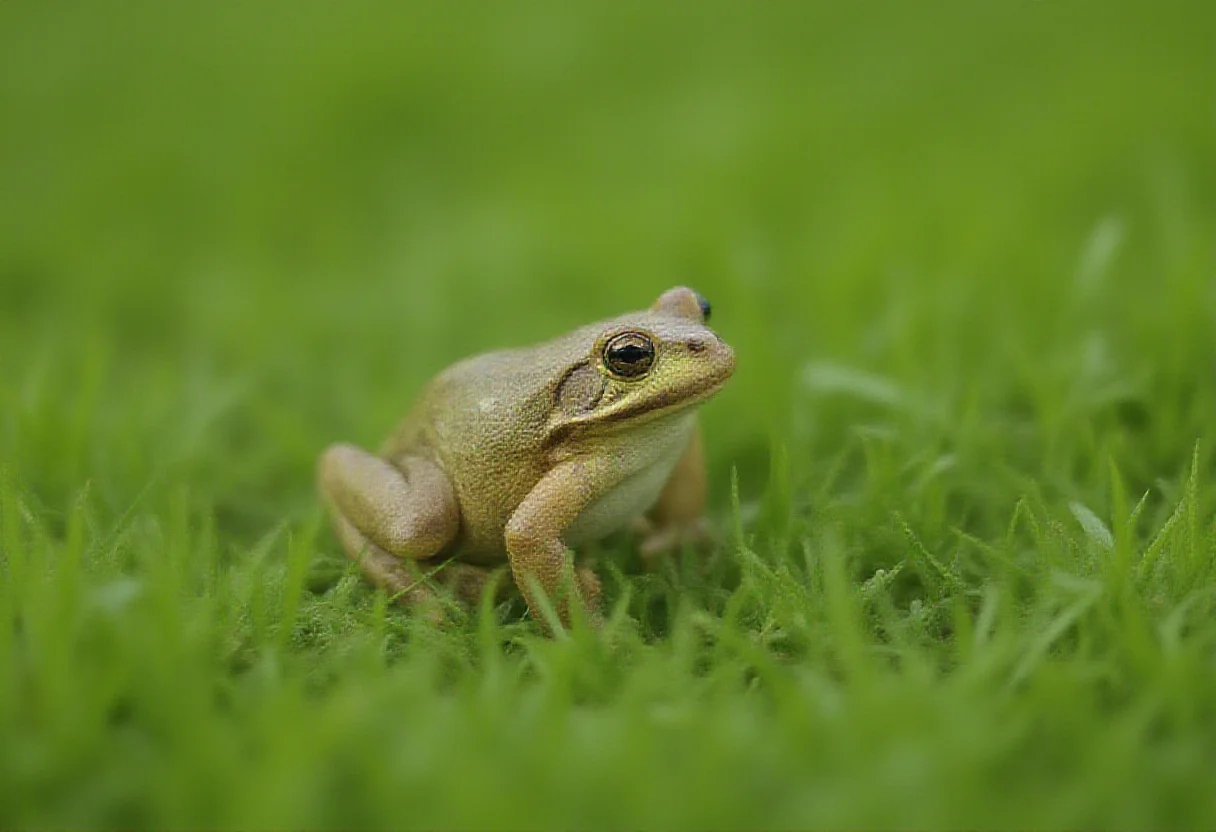
What Do Frogs Eat? Wild Diets, Tadpoles and Prey
Adult frogs are carnivores. Live Science lists insects, spiders, worms, slugs, larvae and small fish as common prey, and large species such as the American bullfrog will eat mice, birds and snakes. Frogs sometimes eat other frogs. Tadpoles eat very different food: bullfrog tadpoles mainly graze on aquatic plants and algae, while some other tadpoles filter food from water.
Frogs are generalist hunters. Most eat whatever moves and fits in the mouth, which is why diets differ by species, size and season.
This guide covers what frogs eat in the wild, how they catch it, and how tadpole diets differ. It is information about wild and general diets, not a feeding plan for pet frogs.
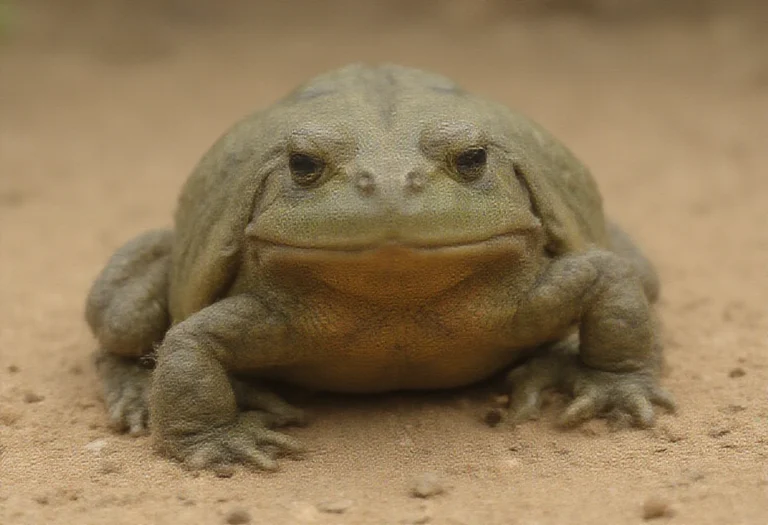
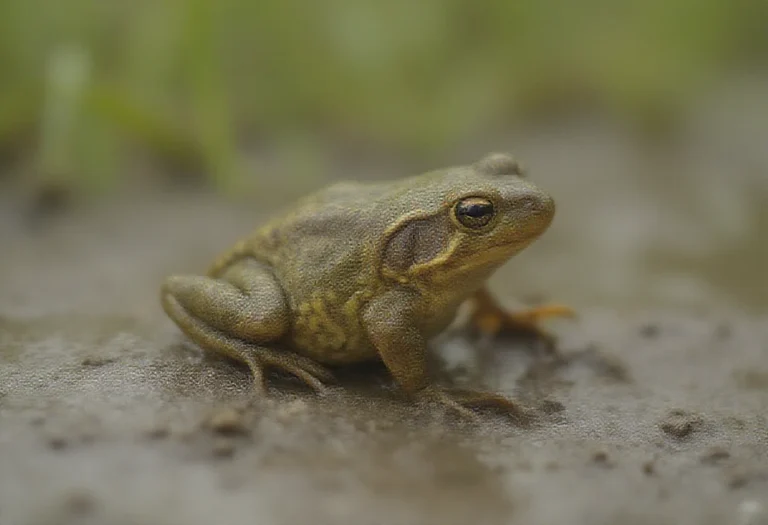
How this was made: prepared with AI assistance and checked against the sources listed at the end. Images are AI-generated illustrations, not photographs of real animals or products.
Key Takeaways
- Adult frogs are carnivores that eat live or moving prey.
- Common prey includes insects, spiders, worms, slugs, larvae and small fish.
- Large frogs such as the American bullfrog also eat mice, birds and snakes.
- Frogs sometimes eat other frogs, especially larger frogs and invasive frogs.
- Tadpole diets differ: mostly algae, plants or filtered food, and some species turn carnivorous later.
- Diets change with species, size, habitat and time of year.
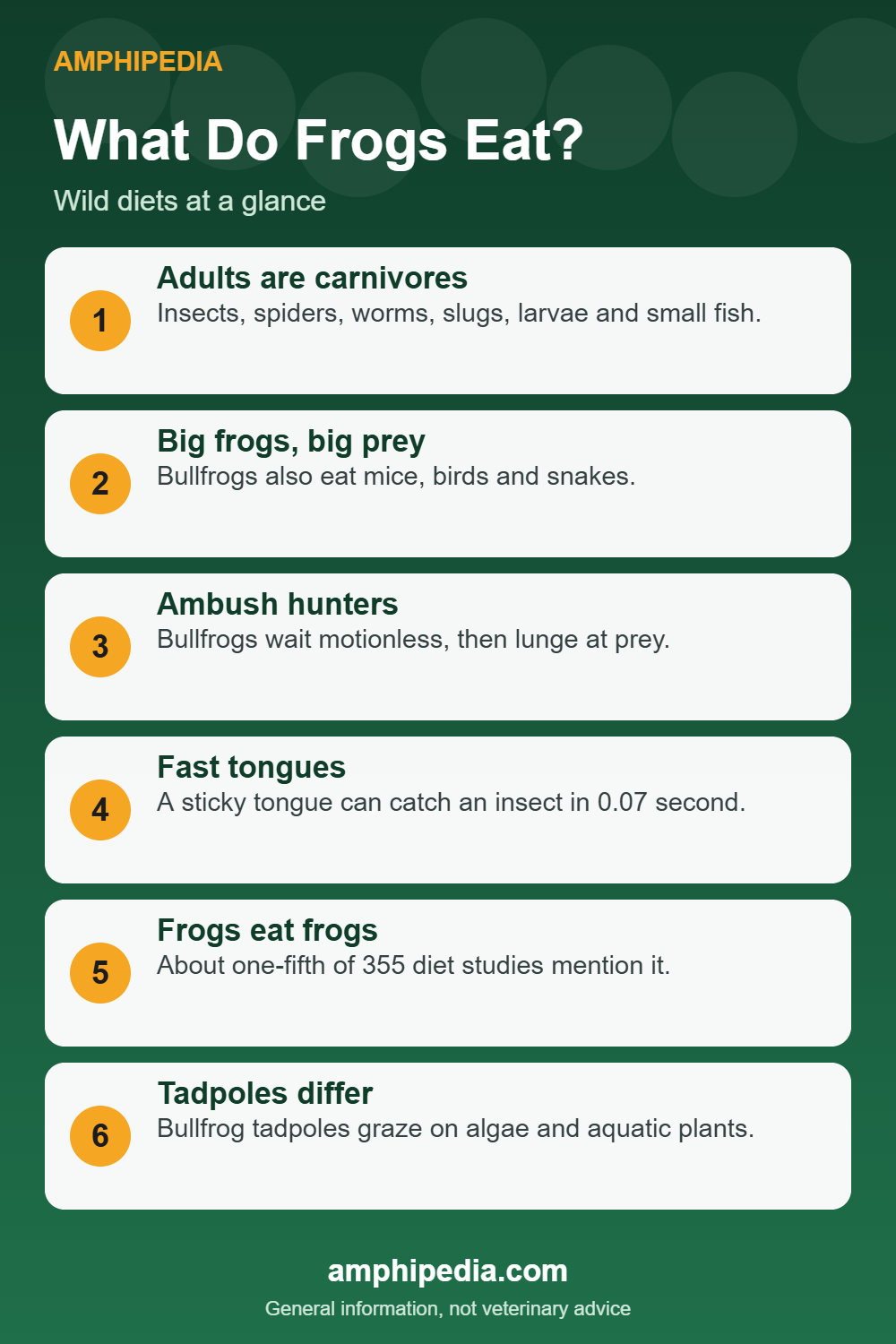
Pin this infographicShare on Facebook
Adult frogs are carnivores
Live Science reports that frogs eat insects, spiders, worms, slugs, larvae and small fish. John Measey, lead author of the PeerJ study on frog diets, said that frogs in the right place at the right time “will eat anything that moves.”
Animal Diversity Web (ADW) agrees with this picture for several species. The table below compares what it lists.
| Frog | Main foods listed |
|---|---|
| American bullfrog | Snakes, worms, insects, crustaceans, frogs, tadpoles, fish, salamanders and occasionally bats |
| European common frog | Insects and their larvae, woodlice, spiders, snails and worms |
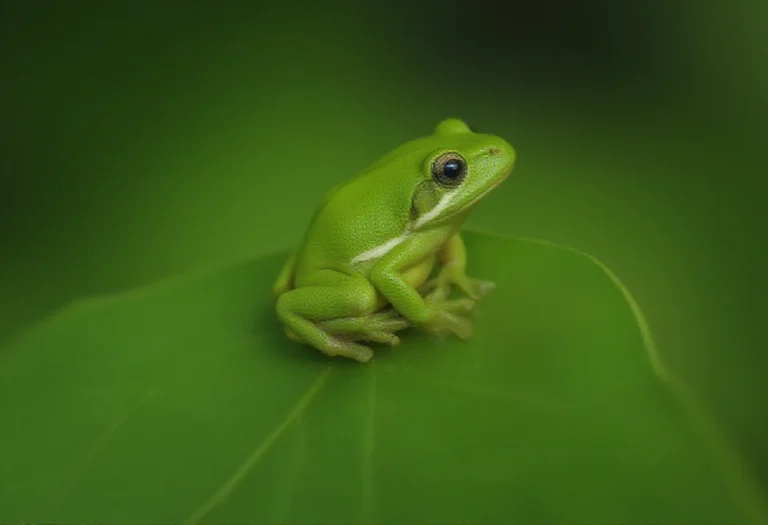
| Green tree frog | Mainly flies, mosquitoes and other small insects |
| African clawed frog | Living, dead or dying arthropods and other organic waste |
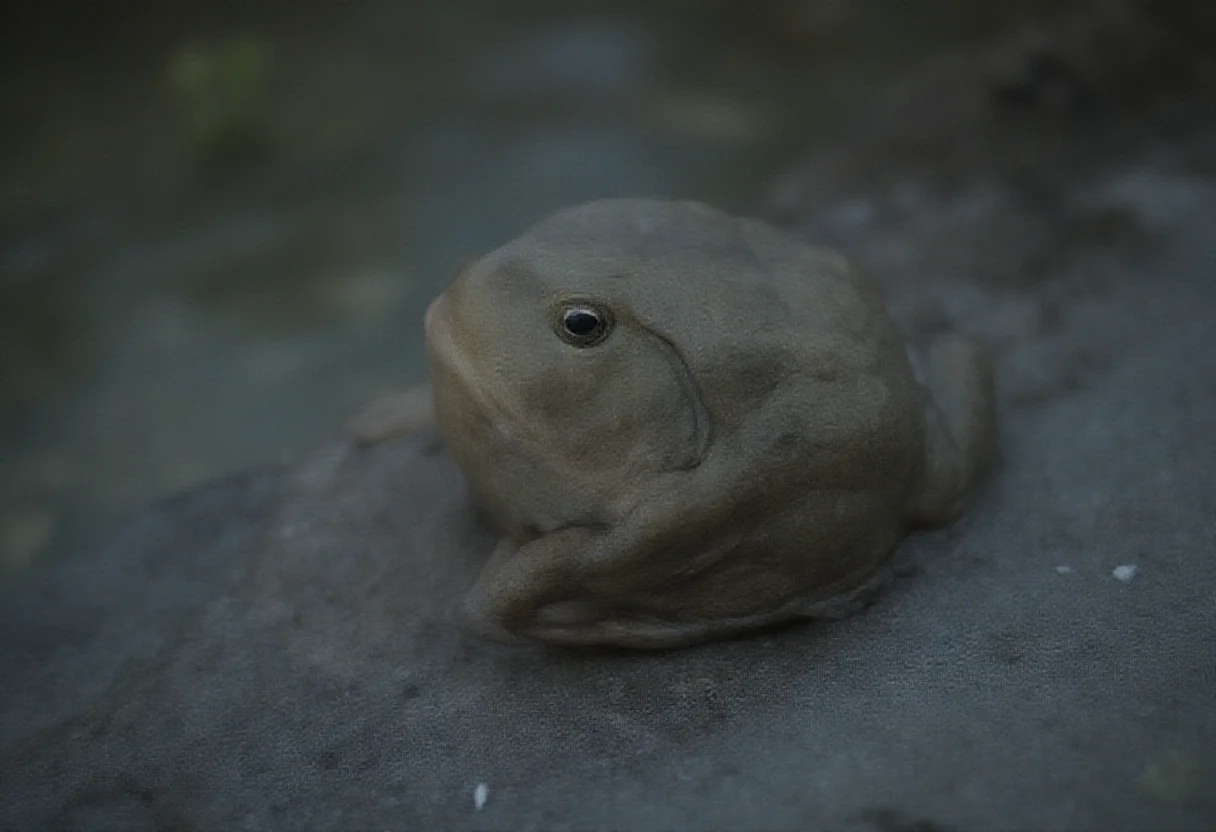
How frogs catch prey
National Geographic describes the American bullfrog as a nocturnal ambush predator. It sits quietly, waits for prey to pass, then lunges with its powerful hind legs and wide-open mouth.
Live Science says frogs use quick, sticky tongues. One study found frog tongues can catch insects in 0.07 second, about five times faster than a human blink. After catching prey, many frogs pull their eyeballs down, which pushes the food down the throat.
The green tree frog is a good example of how selective hunting can be. ADW says nearly 90% of its prey were actively pursued, and the rest were insects walking by or close enough to snatch. It appears to choose prey by activity level, not size.
Do frogs eat other frogs?
Yes, sometimes. Live Science reports on a PeerJ study by South African researchers who reviewed 355 studies of frog diets worldwide. About one-fifth mentioned frogs eating other frogs.
The study found frogs were about 40% more likely to eat other frogs in a non-native habitat than in their native one. Each extra millimeter of body size made a frog 2.8% more likely to eat other frogs. Frogs ate their own species about a third as often as they ate other frog species.
The study began with African clawed frogs, an invasive species in South Africa that were seen eating native frogs.
What do tadpoles eat?
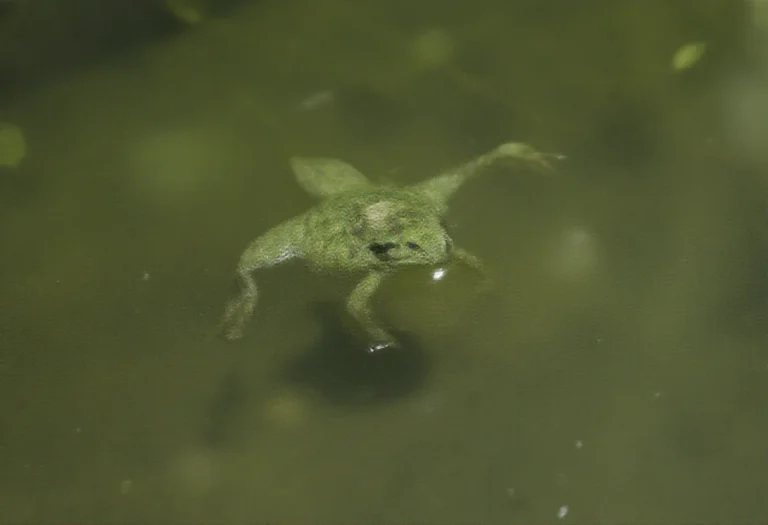
Tadpoles do not eat like adults. ADW says bullfrog tadpoles mainly graze on aquatic plants and algae. African clawed frog tadpoles are filter feeders.
For how tadpoles breathe as they grow, see how do frogs breathe.
Why diets change
ADW says the European common frog changes its eating habits with the time of year, and that it can locate worms by smell.
Size matters too. Large frogs can swallow bigger prey, and Live Science says even cane toads eat small birds, mammals and snakes. Habitat matters: frogs were about 40% more likely to eat other frogs in a non-native habitat than in their native one, according to the PeerJ study.
For more on frog bodies, see the physical characteristics of a frog. To learn how long frogs live, read the lifespan guide.
The size rule: what fits in the mouth
For big frogs, prey size is limited mostly by the mouth. National Geographic says adult American bullfrogs ambush “just about anything they can fit in their ample mouths,” including insects, mice, fish, birds and snakes.
Sources give different body sizes for the bullfrog. National Geographic lists adult females at 3.5 to 6 inches in its fact box, says they can exceed 8 inches and weigh up to 1.5 pounds. Animal Diversity Web gives a typical length of 90 to 152 mm, a maximum of 203 mm and a weight up to 0.5 kg (about 1.1 lb).
Live Science says cane toads typically grow to 9 inches (23 cm) and scarf down small birds, mammals and snakes with ease. They also eat other amphibians, table scraps and pet food. A small frog has a much smaller menu than a large one.
Three hunting styles in the sources
Frogs do not all find food the same way. The species in the table above show at least three styles.
- Sit and wait. Animal Diversity Web calls adult bullfrogs sit-and-wait hunters that wait for prey to come by and then flick out the tongue.
- Chasing movement. Animal Diversity Web says nearly 90 percent of green tree frog prey were actively pursued, so the frog reacted to movement, not to size.
- Touch and smell. Animal Diversity Web says the African clawed frog finds food with sensitive fingers, a strong sense of smell and its lateral line, which detects water vibrations. It sucks food into its mouth, and claws on its hind feet tear apart larger pieces.
The European common frog adds a fourth clue. Animal Diversity Web says adults search for food mainly at night or on rainy days and find worms by smell.
How a tadpole diet changes with age
Tadpole diets are not fixed. Animal Diversity Web describes newly hatched green tree frog tadpoles as living on their remaining yolk. Once their external gills work, they graze on microscopic vegetation.
The same page says that around eight to ten weeks after hatching, when the legs begin to develop, green tree frog tadpoles switch to a carnivorous diet. So the idea that tadpoles only eat plants is too simple.
Time spent as a tadpole also varies. Animal Diversity Web gives about 1 to 3 years before metamorphosis for the bullfrog, and its reproduction section says almost 3 years. National Geographic says bullfrog tadpoles can reach 6.75 inches. Live Science says metamorphosis begins when the thyroid glands release hormones.
Animal Diversity Web adds that most fish avoid bullfrog tadpoles because of their unpalatable taste.
Feeding style differs between species as well. Animal Diversity Web says African clawed frog tadpoles are filter feeders, while bullfrog tadpoles mostly graze on aquatic plants. Two tadpoles in the same pond can therefore be after different foods.
What happens to feeding in winter
Frogs are ectothermic, so they rely on their surroundings to stay warm. Live Science says frogs survive winter in a dormant state called brumation, usually underwater or under log piles. It is similar to hibernation, but frogs may wake occasionally to eat.
Animal Diversity Web says the European common frog stays in soil in earth holes in winter, and that its eating habits change with the time of year. Live Science also notes that wood frogs in northern Alaska and Canada can survive being frozen, as ice forms in their abdominal cavities and their hearts stop.
None of these pages gives a daily or weekly feeding rate for wild frogs. Treat any single number you see online with caution.
Frogs are food too
Frogs sit in the middle of the food web. Animal Diversity Web lists great blue herons, great egrets, belted kingfishers, turtles, water snakes and raccoons as bullfrog predators. Humans also hunt bullfrogs for frog legs, under limited seasons in most states.
Green tree frog adults are preyed on by snakes, birds that hunt in aquatic habitats, large predatory fish such as bluegill and pumpkinseed sunfish, and larger frogs. Its tadpoles face more risk, especially from giant water bugs and small fish.
This is why a frog’s hunting style matters. A frog that sits still and blends in is also harder for these predators to spot, and Animal Diversity Web notes that adult green tree frogs are well camouflaged on vegetation.
Why introduced frogs get attention
Diet questions often come up with introduced frogs. Animal Diversity Web says African clawed frogs have been introduced widely, with established populations in California, Chile and Great Britain. It says they were spread after use in 1940s pregnancy tests and released when better tests arrived.
The same page says some sources claim the species pushes out native species while others say no documented case exists. The IUCN Red List rates it Least Concern. That disagreement is a reminder to separate a frog’s diet from a proven effect on native animals.
Bullfrogs are native to eastern North America, according to Animal Diversity Web, but were introduced to the western United States, including California and Colorado, in the early 1900s. The same page lists introductions in parts of Mexico, southern Europe, South America and Asia.
Live Science notes that humans have introduced cane toads to places such as Florida and Australia, where they compete with native amphibians.
Frequently Asked Questions
What do frogs eat in the wild?
Insects, spiders, worms, slugs, larvae and small fish are common. Large frogs eat bigger prey.
Are frogs carnivores?
Yes. Adult frogs eat animals. Live Science lists insects, spiders, worms, slugs, larvae and small fish.
What do tadpoles eat?
Bullfrog tadpoles mainly graze on plants and algae. African clawed frog tadpoles filter food from water.
Do frogs eat other frogs?
Yes. About one-fifth of 355 diet studies mentioned it.
How do frogs catch food?
They use a quick, sticky tongue or lunge with an open mouth, depending on the species.
Do frogs eat every day?
The sources used here do not give a feeding rate for wild frogs.
Bottom Line
Frogs eat a wide range of animal prey, from flies to snakes, and the menu depends on species, size and season. Tadpoles eat plants, algae and filtered food instead.
If you keep a pet frog, ask an exotics vet for a diet suited to your species.
Sources
- Live Science: Frogs, the largest group of amphibians, used for general diet, tongue speed, cane toads and brumation
- Live Science: Frogs sometimes eat each other, used for the PeerJ diet review of 355 studies
- Live Science: Eye-swallowing and mouth birth, freaky facts about frogs, used for eye-assisted swallowing
- National Geographic: American bullfrog, used for bullfrog hunting behavior and size
- Animal Diversity Web (University of Michigan): Lithobates catesbeianus, used for bullfrog diet, predators, tadpoles and introduced range
- Animal Diversity Web (University of Michigan): Hyla cinerea, used for green tree frog diet, tadpoles and predators
- Animal Diversity Web (University of Michigan): Rana temporaria, used for common frog diet and seasonal habits
- Animal Diversity Web (University of Michigan): Xenopus laevis, used for African clawed frog diet, feeding behavior and introduced range
2 Comments