How Many Species of Toads Are There?
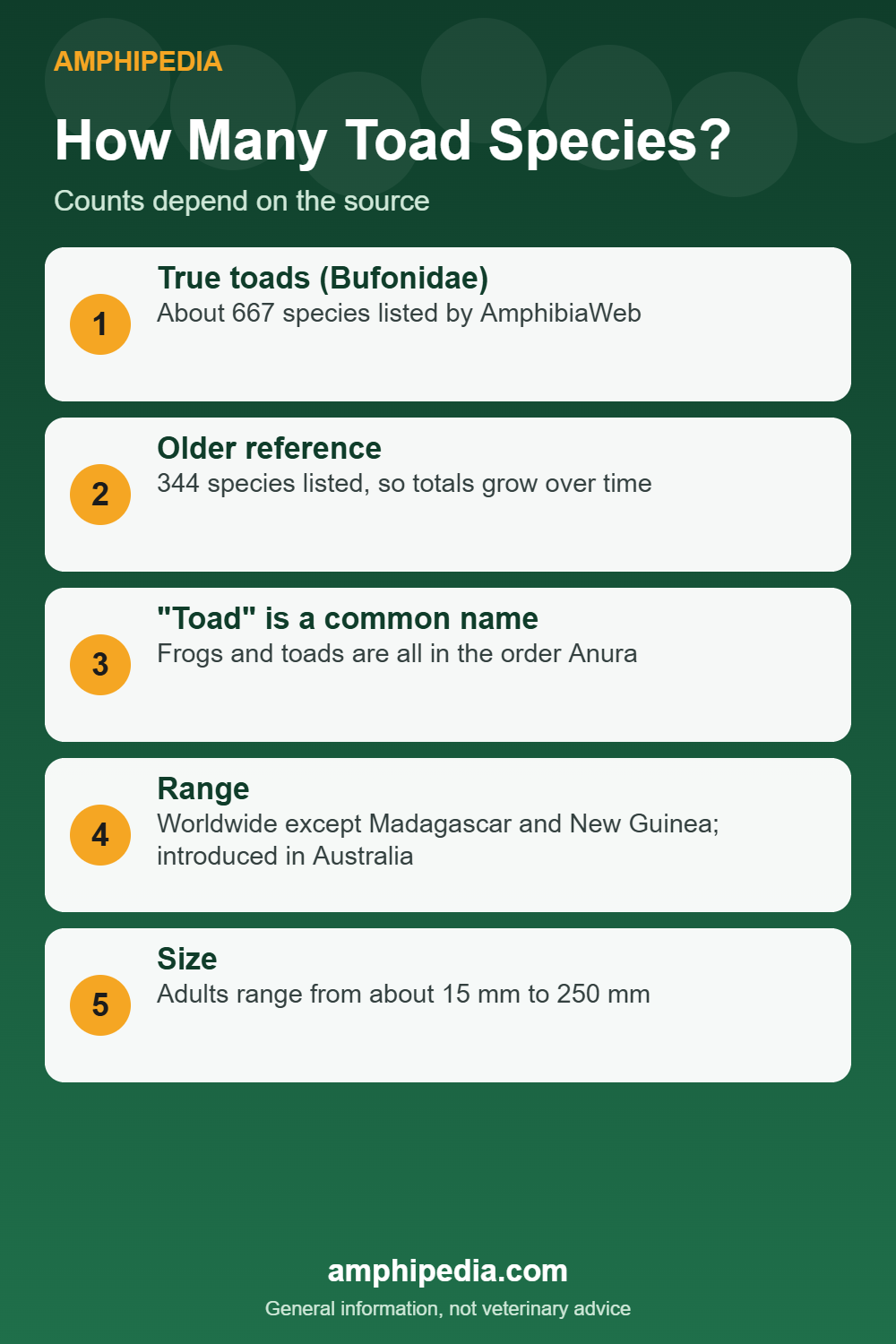
There is no single official count, because “toad” is not a scientific group. The family of true toads, Bufonidae, lists about 667 species in AmphibiaWeb, a database run by the University of California, Berkeley. Older references give far lower totals, since new species are described and old ones are split every year. Some frogs from other families also carry the name “toad”, so the full number is larger.
Ask five sources how many toads exist and you may get five numbers. The reason is simple. Scientists sort animals by family, and “toad” is an everyday word, not a family.
This guide explains what the count covers, why it keeps changing, where true toads live, and how to keep the numbers in perspective. For a related question, see what kind of species a toad is and which toad is most common.
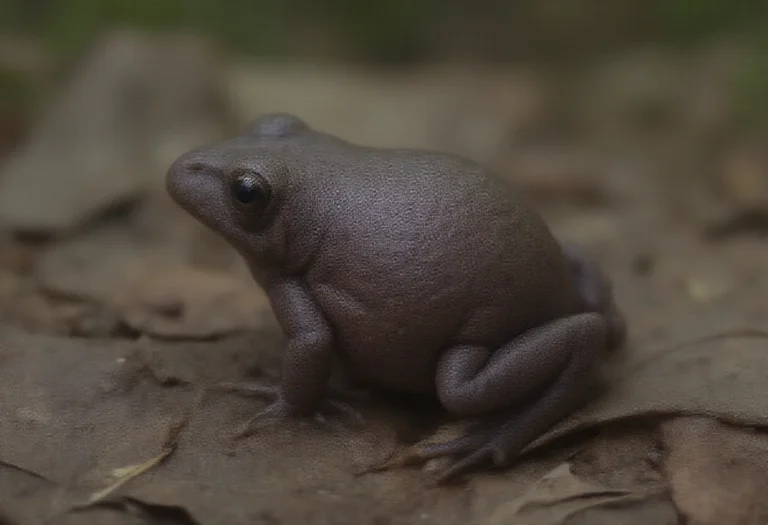
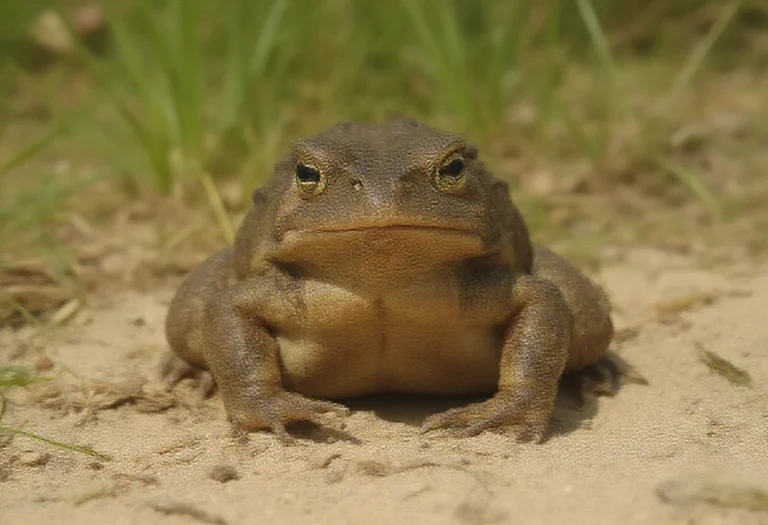
How this was made: prepared with AI assistance and checked against the sources listed at the end. Images are AI-generated illustrations, not photographs of real animals or products.
Key Takeaways
- AmphibiaWeb lists about 667 species in the true toad family, Bufonidae.
- “Toad” is a common name. Frogs and toads are all in the order Anura.
- True toads live on every continent except Antarctica and Australia, where they were introduced.
- Older books give much lower totals because new species keep being described.
- Some animals called toads belong to other families and are not true toads.
Pin this infographicShare on Facebook
What counts as a toad?
Frogs and toads are both tailless amphibians in the order Anura. Britannica notes that “toad” has no taxonomic basis. Only members of the family Bufonidae are called true toads. The Australian Museum adds that some frogs from other families are also called toads, even though they are not close relatives.
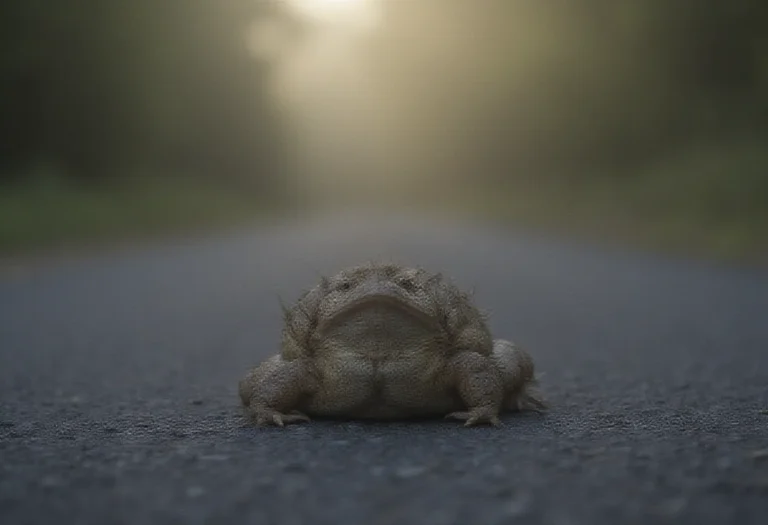
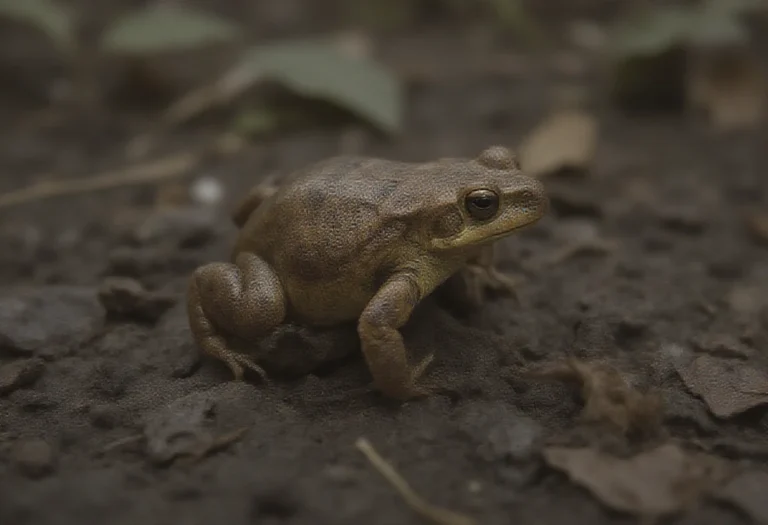
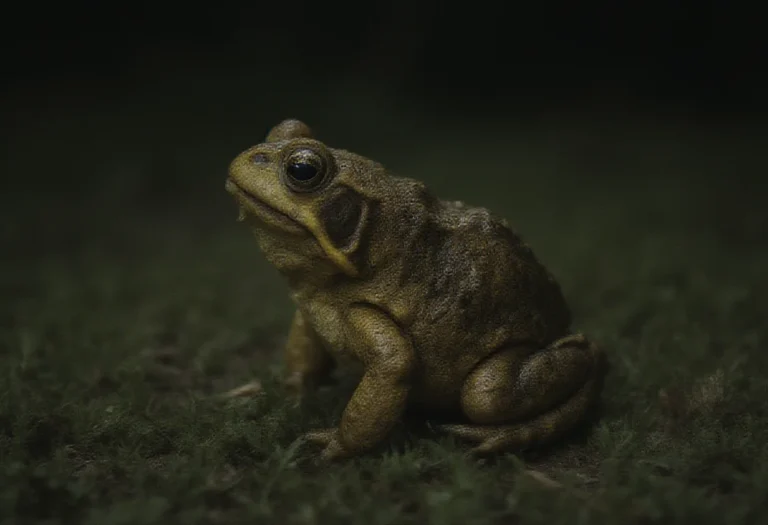
Many true toads share a few traits. They often have dry, bumpy skin, shorter hind legs, and large glands behind the eyes. They tend to crawl or take small hops instead of long leaps. Their eggs often come in long strings of jelly. These are tendencies, not strict rules. Harlequin toads, for example, are smooth and brightly coloured.
The number depends on the source
AmphibiaWeb currently lists 667 species of Bufonidae. The same page gives two different genus counts in different places (55 in the species list and 52 in the family description), which shows how often the classification is being revised.
An older reference entry on the family reports only 344 species in 33 genera. That gap does not mean hundreds of toads appeared overnight. Researchers have described many new species with DNA work and field surveys, and they have split some widespread species into several.
So the honest answer is a range that grows over time. If you need a number for a school paper or a talk, name the database and the date you checked it.
| Source | Group counted | Species listed |
|---|---|---|
| AmphibiaWeb | Bufonidae (true toads) | 667 |
| Older reference entry (Encyclopedia.com) | Bufonidae (true toads) | 344 |
| Frogs called “toad” in other families | Not true toads | Not counted in either figure |
Where true toads live
The older reference entry states that true toads occur worldwide except Madagascar, New Guinea and Australia, where the cane toad was introduced. They live from sea level up to about 5,000 metres. That range takes in deserts, rainforests, farmland and city gardens.
This spread is part of why the family is so large. Different regions have produced many local species, from small forest toads to the big cane toad. If you want local detail, see our guides to the toads of Texas and toads of Florida.
Size, diet and breeding across the family
Adults in the family range from about 15 mm to 250 mm long. The marine or cane toad is among the largest, reaching around 230 mm. Most true toads eat arthropods such as ants, beetles and spiders. The biggest species can take small mammals.
Most species call with a steady trill and lay many small eggs in jelly strings, usually in temporary ponds. Most tadpoles die before they change into tiny toadlets. Few toads give any parental care.
Why the count keeps changing
Three things move the total. First, scientists find new species, often in remote forests. Second, genetic tests show that one “species” is really two or more. Third, some species are merged or moved to new genera. The count can rise and fall for reasons that have nothing to do with how many animals exist.
Many amphibians are also declining. Conservation status for any single species should come from the IUCN Red List or a national agency, not from a species count.
Frequently Asked Questions
How many species of toads are there?
AmphibiaWeb lists about 667 species of true toads (Bufonidae). The number changes as scientists describe and reclassify species.
Is a toad a different animal from a frog?
Not in a strict scientific sense. Both are in the order Anura. True toads form one family, Bufonidae.
Are all toads in the same family?
No. Only true toads are in Bufonidae. Some frogs from other families are also called toads.
Which continents have toads?
True toads occur worldwide except Madagascar and New Guinea. They reached Australia through introduction of the cane toad.
What is the biggest toad?
The marine or cane toad is among the largest, reaching about 230 mm according to the older reference entry.
Why do sources disagree on the count?
New species are described, and others are split or merged. Older references are out of date.
Bottom Line
The short answer is about 667 true toad species today, with more in the wider group of animals called toads.
Treat any figure as a snapshot. Cite the source and date, and expect it to change.
Sources
- AmphibiaWeb: Bufonidae species list, accessed 667 species in the family list
- Encyclopedia.com: True Toads, Harlequin Frogs, and Relatives (Bufonidae), accessed older count, range, size and breeding
- Australian Museum: Frogs and toads, accessed toad is not a scientific group
- Britannica: What is the difference between a frog and a toad?, accessed common differences
2 Comments