Why Is the Arroyo Toad Endangered? Threats and Recovery
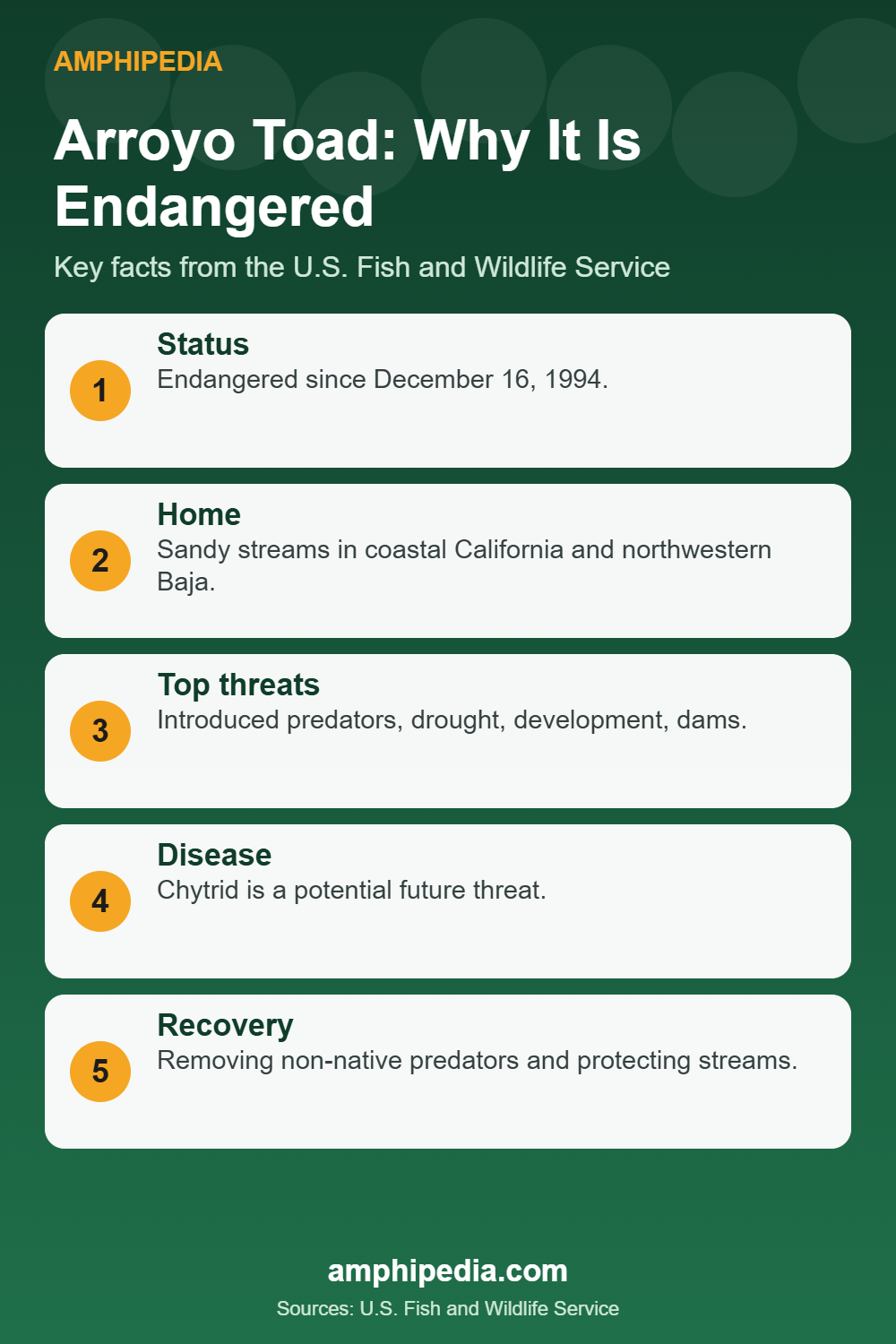
The arroyo toad (Anaxyrus californicus) is endangered because its sandy, slow-moving stream habitat in California has been damaged and split into small pieces. The U.S. Fish and Wildlife Service lists urban development, agriculture, dams and water diversions, roads, recreation, introduced predators, drought and other pressures as threats. It named introduced predators, drought, urban development, and dams and water diversions as the highest-impact threats.
The arroyo toad is a small, well-camouflaged toad of coastal California and northwestern Baja California. It has been federally listed as endangered since 1994.
This page explains where it lives, why numbers fell and what recovery work involves. For other toads of the region, see our guide on southern California toads.
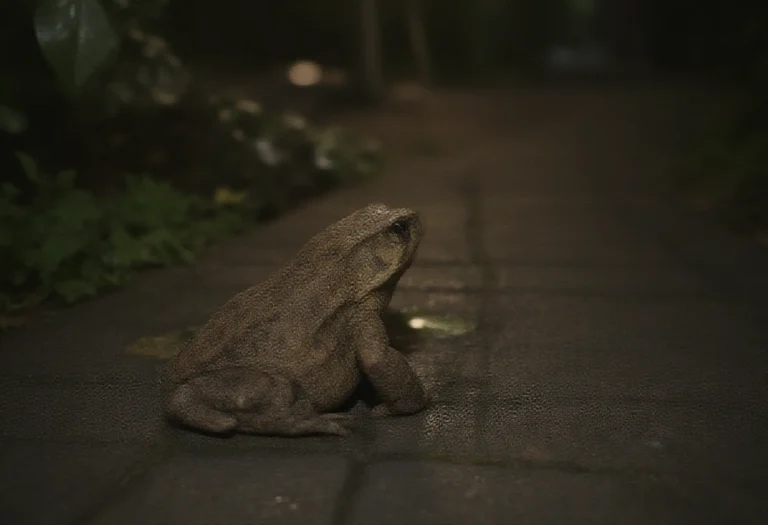
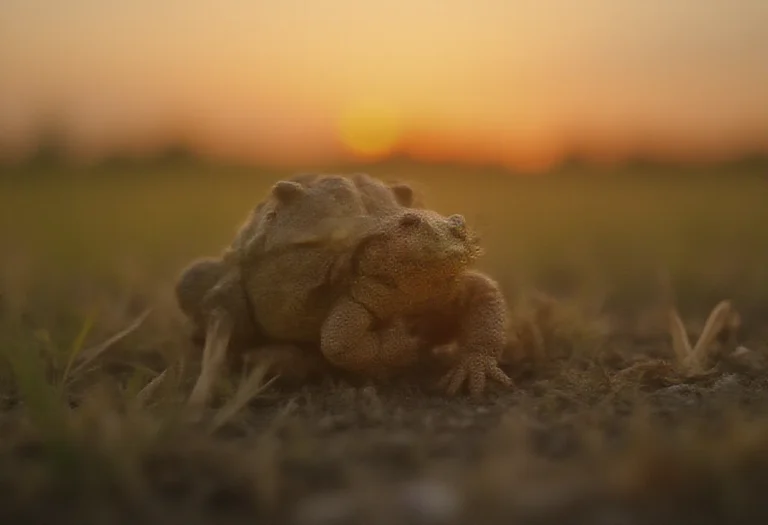
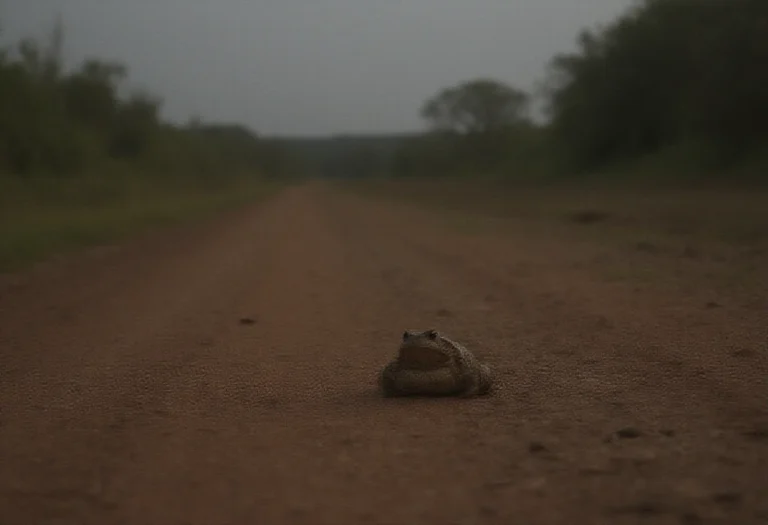
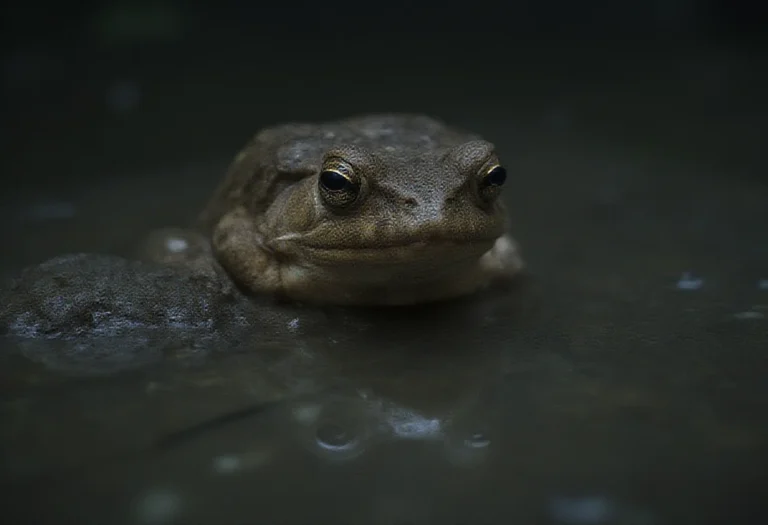
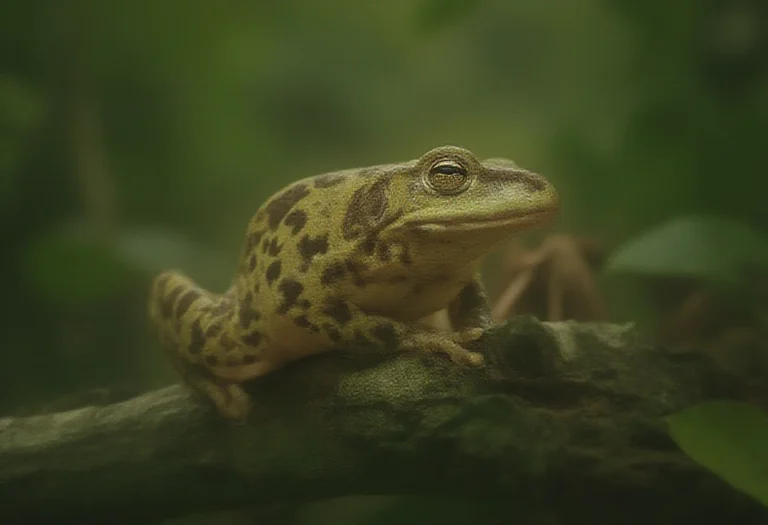
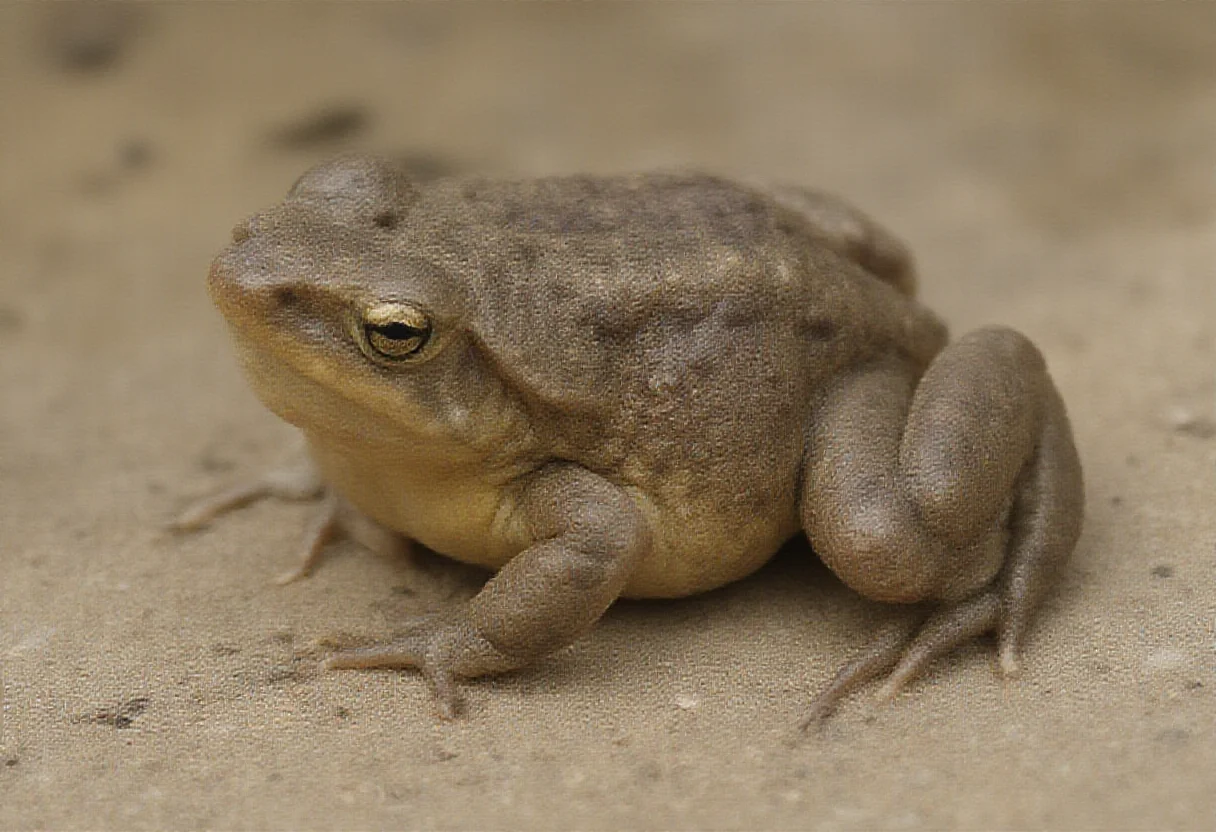
How this was made: prepared with AI assistance and checked against the sources listed at the end. Images are AI-generated illustrations, not photographs of real animals or products.
Key Takeaways
- Federal status: endangered since December 16, 1994.
- A 2014 proposal to downlist it to threatened was withdrawn in 2015.
- It needs sandy streams that flood and scour naturally.
- Dams, water diversions and development remove or alter that habitat.
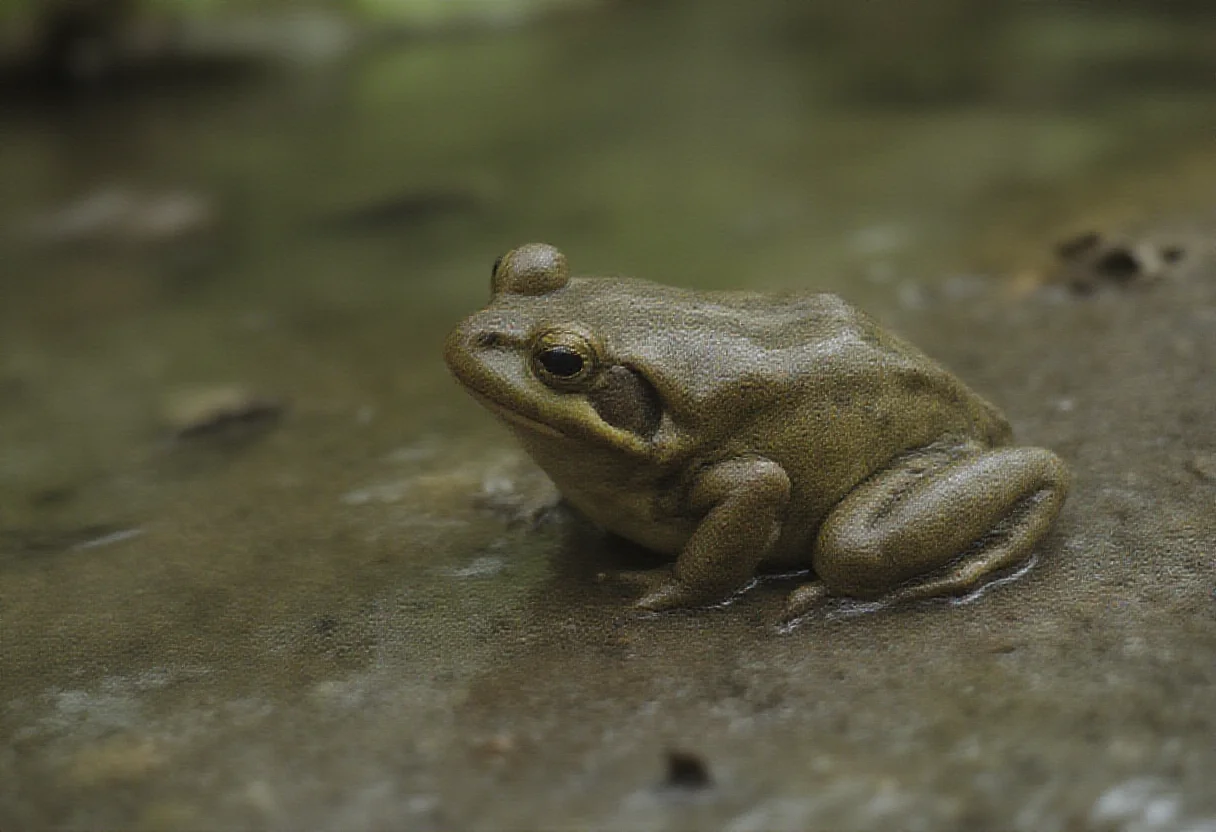
- Introduced predators, such as American bullfrogs, are a major threat.
- Chytrid fungus is a potential future threat, not a known one in current populations.
Pin this infographicShare on Facebook
What is an arroyo toad?
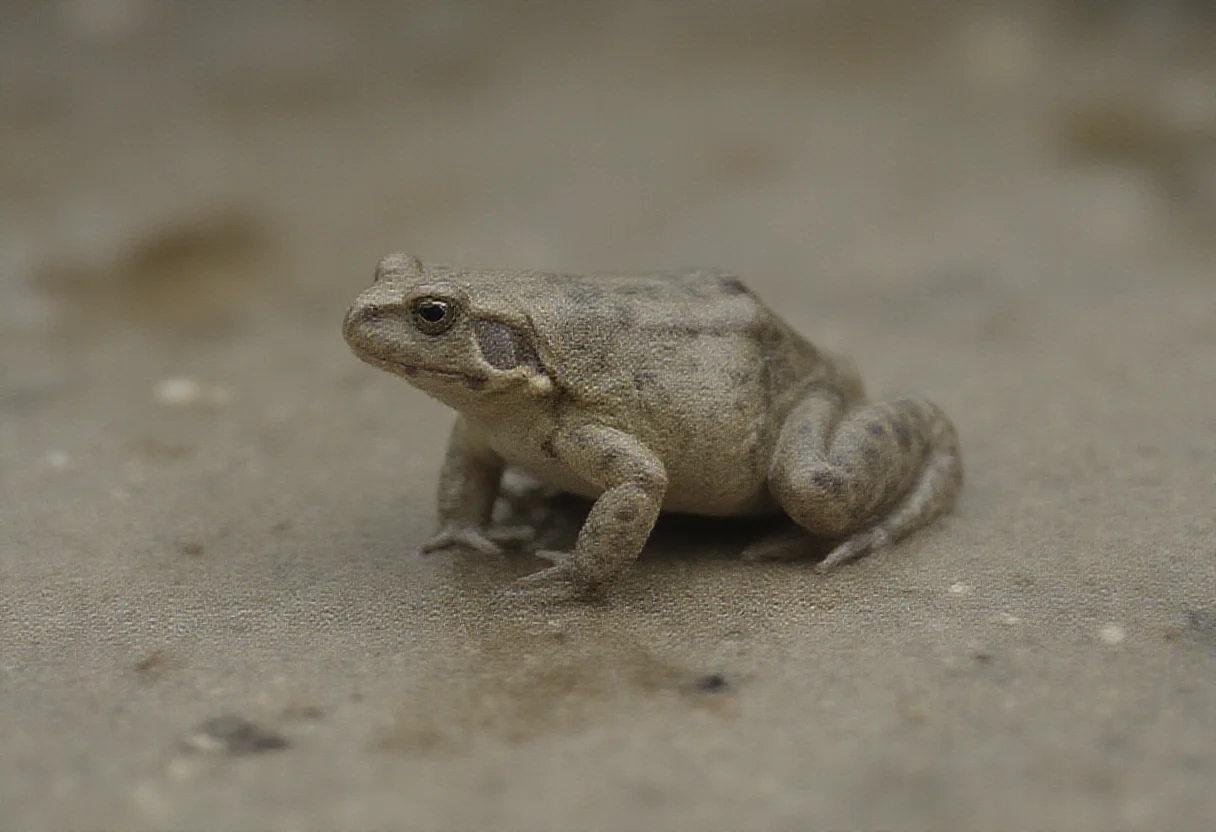
The U.S. Fish and Wildlife Service (FWS) describes the arroyo toad as a small toad about 2 to 3 inches long, with a stocky body and blunt snout. Adults are olive green, gray or light brown with dark blotches and warty skin.
Look for a pale, V-shaped stripe between the eyes. FWS also notes that adults hop with the legs fully extended instead of walking and that the breeding call can be mistaken for a cicada.
Where it lives and what it needs
The toad lives in isolated populations, mainly in coastal stream headwaters of central and southern California, and south to northwestern Baja California. A 2015 FWS notice recognizes 25 U.S. river basins and 10 Baja California river basins with at least one population.
It specializes in low-gradient streams and rivers with sandy soils and sandy terraces beside the water. Periodic flooding and scouring create and maintain that habitat, according to the notice.
Breeding needs very shallow, still or slow pools. Females lay 2,000 to 10,000 eggs in two long strings, FWS says. Juveniles use sand and gravel bars with little vegetation.
Main threats
This list follows the FWS 2015 Federal Register notice. That notice named introduced predators, drought, urban development, and dams and water diversions as the threats with the highest impact.
| Threat | What the FWS notice says |
|---|---|
| Introduced predators | Ranked among the highest-impact threats |
| Drought | Ranked among the highest-impact threats |
| Urban development | Ranked among the highest-impact threats |
| Dams and water diversions | Ranked among the highest-impact threats; flows shape the sandy habitat the toad needs |
| Agriculture, grazing, mining, roads, recreation | Listed as current and future threats |
| Invasive plants, fire and fire suppression, climate change | Listed as current and future threats |
What about disease?
The FWS species profile lists disease among the threats. The 2015 notice is more specific. It says chytridiomycosis is not known to occur in any arroyo toad population but is a potential future threat.
These statements are not a contradiction so much as a difference in detail. Treat chytrid as a risk to watch, not a confirmed cause of decline.
Endangered status: a short timeline
FWS concluded the toad remains in danger of extinction throughout its range. The notice does not discuss critical habitat in detail, so check the current FWS species page for updates.
| Year | What happened |
|---|---|
| 1994 | Arroyo toad listed as endangered (December 16) |
| 2014 | FWS proposes to reclassify it as threatened |
| 2015 | FWS withdraws that proposal (December 23) and keeps the endangered status |
What helps recovery
FWS says parks and national forests, including Los Padres, Angeles, San Bernardino and Cleveland, support recovery by removing non-native predators such as the American bullfrog.
Protecting natural stream flow also matters because the toad depends on flood-formed sandbars, per the 2015 notice. Never move or release amphibians in the wild.
Frequently Asked Questions
Is the arroyo toad endangered?
Yes. It was listed as endangered on December 16, 1994, and FWS kept that status in 2015.
Where do arroyo toads live?
In coastal central and southern California and northwestern Baja California, mainly in sandy stream habitats.
How big is an arroyo toad?
About 2 to 3 inches long, according to FWS.
What eats or threatens arroyo toads?
Introduced predators such as the American bullfrog are a key threat, along with habitat loss and drought.
Is chytrid fungus killing arroyo toads?
The 2015 FWS notice says chytrid is not known in any population but is a potential future threat.
What is being done to help?
Removing non-native predators and protecting stream habitat in parks and national forests.
Bottom Line
The arroyo toad is a reminder that small, plain animals often depend on specific habitats. Protecting streams helps many species at once.
Want to know more toad basics? See what kind of species a toad is.
Sources
- U.S. Fish and Wildlife Service: Arroyo toad species profile, accessed Description, habitat, breeding, threats
- Federal Register, 23 Dec 2015: Withdrawal of proposal to reclassify the arroyo toad, accessed Status, range and threat ranking