African Frog Care: Which Species and What They Need
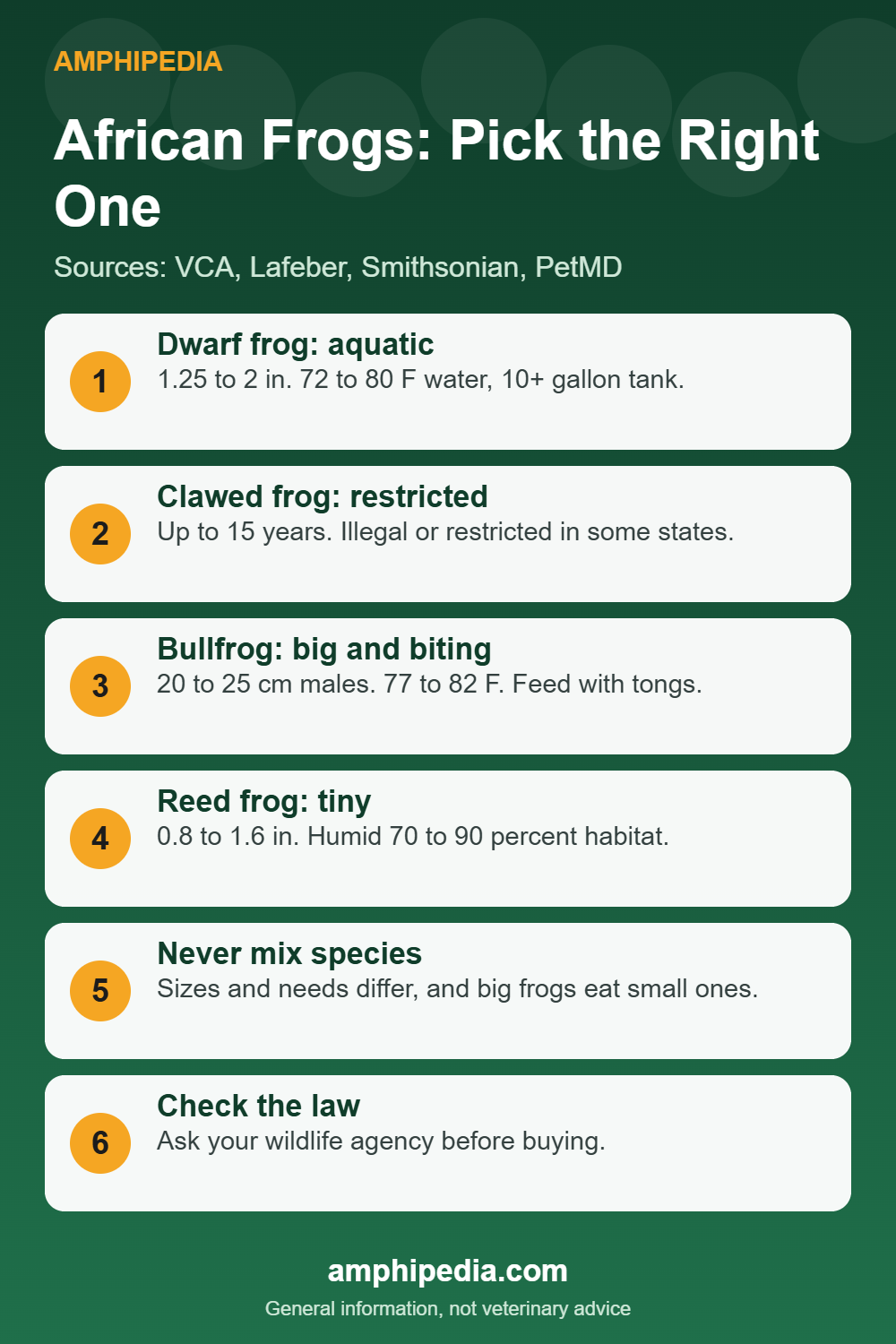
There is no single African frog care routine, because African frog is not one species. Dwarf frogs are small, aquatic and need 72 to 80 F water. Clawed frogs are larger, long-lived and restricted in some places. Giant African bullfrogs can bite and live for decades. Reed frogs are tiny, humid-habitat tree frogs. Pick the species first, then follow its own care figures.
Africa has hundreds of frog species, and only a few are common in the pet trade. They differ more than they resemble each other.
This overview explains four African frogs that people keep. It gives the key numbers for each and points to the detailed guide when one exists.
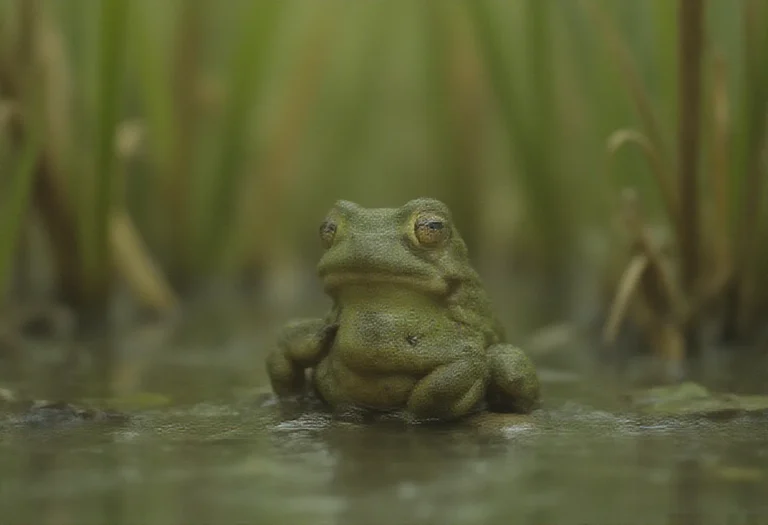
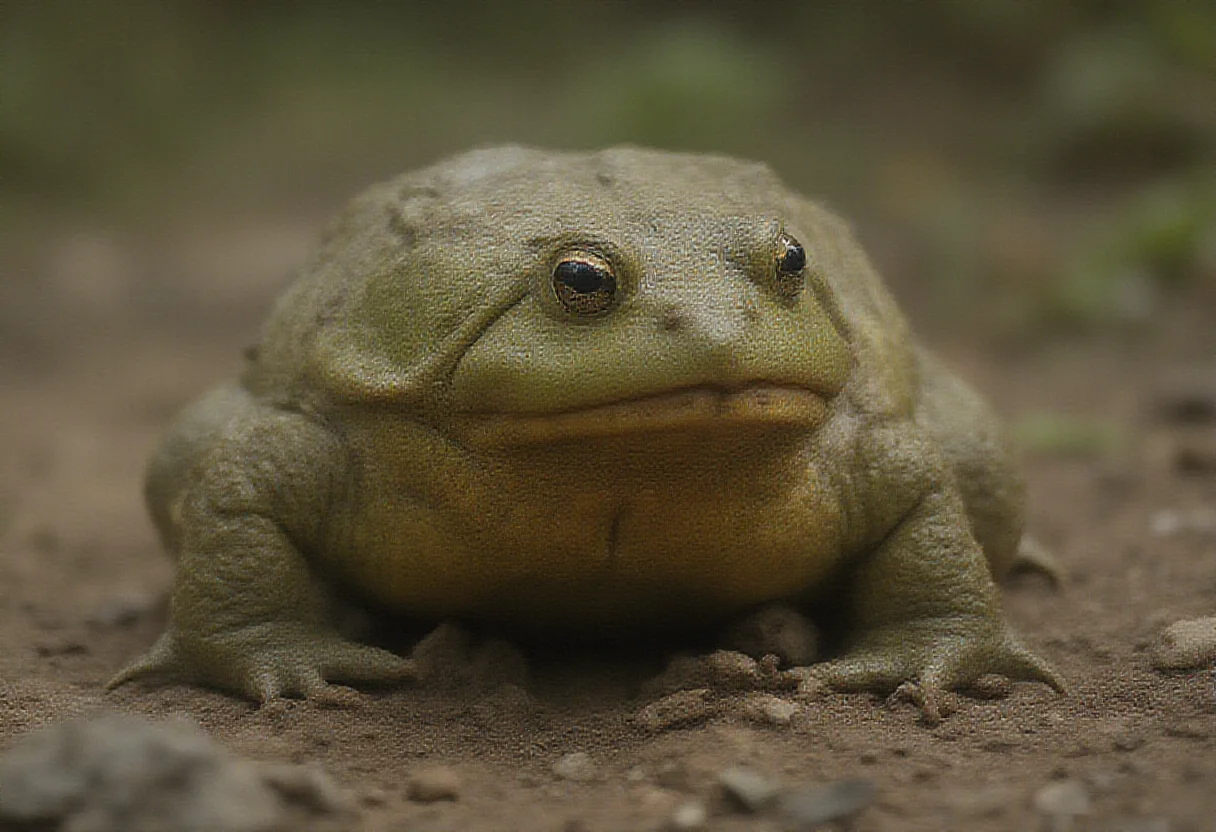
How this was made: prepared with AI assistance and checked against the sources listed at the end. Images are AI-generated illustrations, not photographs of real animals or products.
Key Takeaways
- African frog is a label, not a species. Dwarf, clawed, giant bullfrog and reed frogs need different setups.
- African dwarf frogs are fully aquatic and need 72 to 80 F water, per VCA.
- African clawed frogs are fully aquatic, long-lived and restricted in some states.
- Giant African bullfrogs can bite and may live for decades.
- African reed frogs are small and humid-loving, and their care sheets are thin on vet sources.
- Check the scientific name before you buy, and confirm it is legal where you live.
Pin this infographicShare on Facebook
The premise: African frog is not one species
Search results often treat African frog care as one topic. In practice the label covers animals from fully aquatic dwarf frogs to land-dwelling bullfrogs that grow close to 25 cm long.
A setup that suits one will harm another. A dwarf frog needs a filtered, heated tank, while a bullfrog needs a long terrarium with damp substrate for burrowing.
Four African frogs compared
Figures come from the sources named in each row. Where sources differ, we show both.
| Frog | Lifestyle | Size | Temperature | Lifespan |
|---|---|---|---|---|
| African dwarf frog | Fully aquatic | 1.25 to 2 in (VCA) | 72 to 80 F (VCA) | 5 to 6 years (PetMD) |
| African clawed frog | Fully aquatic | Males 2 to 2.5 in, females 4 to 4.5 in (Smithsonian) | 63 to 80 F range across sources | Up to 15 years (Smithsonian) |
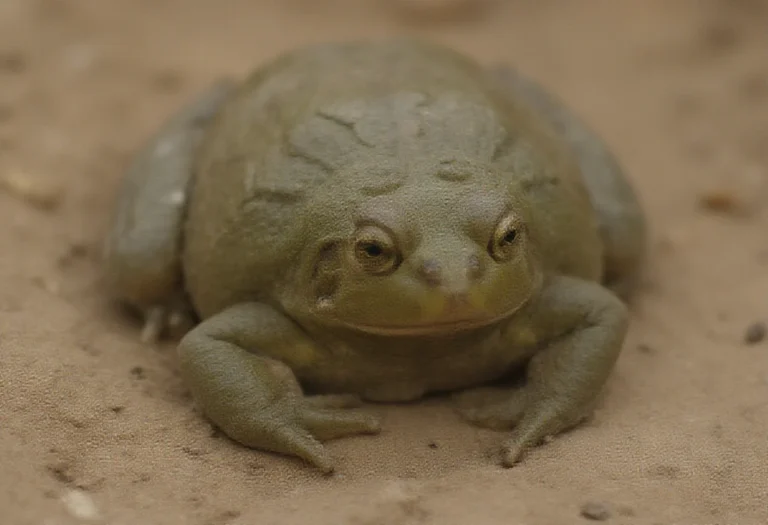
| Giant African bullfrog | Terrestrial, burrows | Males often 8 to 10 in (Lafeber) | 77 to 82 F (Lafeber) | Up to 20 years common (Lafeber) |
| African reed frog | Tree and plant dweller | 0.8 to 1.6 in (VetVerified) | 75 to 82 F by day (VetVerified) | 5 to 8 years (VetVerified) |
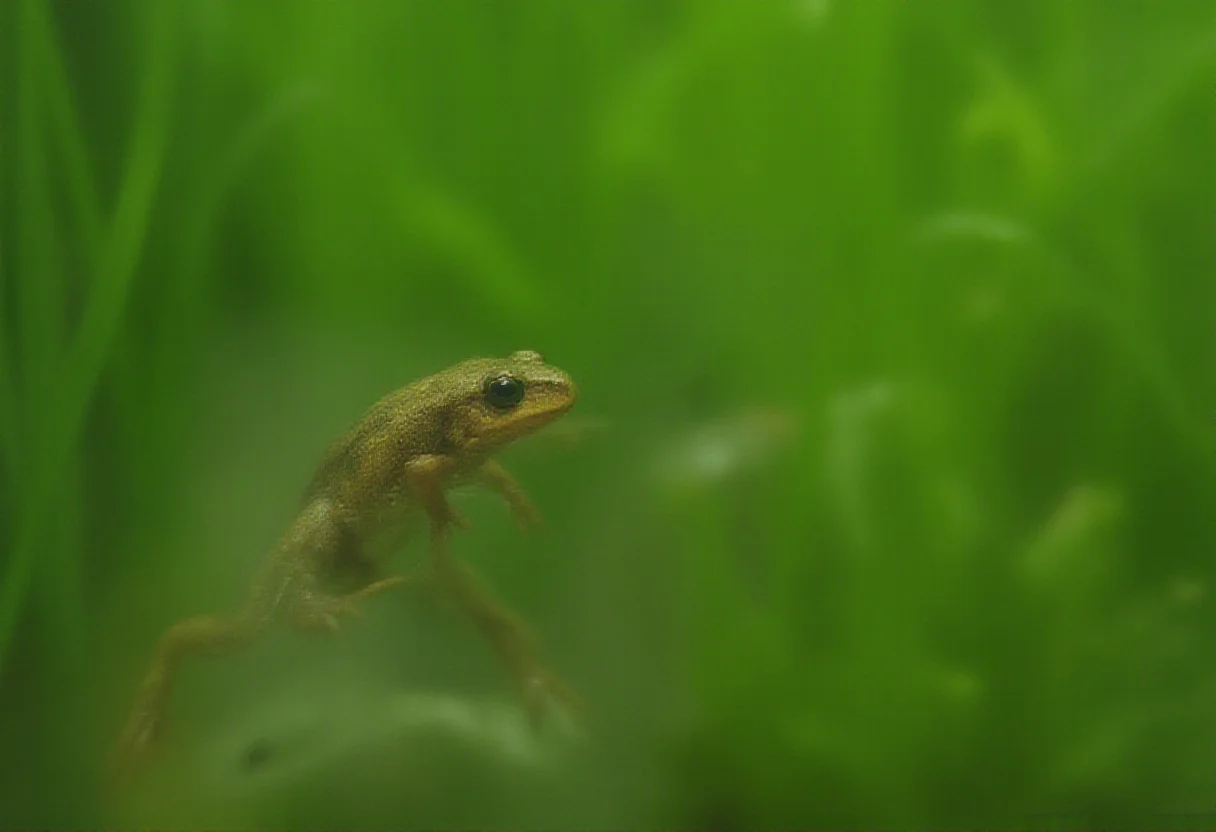
African dwarf frog
VCA Hospitals lists the African dwarf frog at 1.25 to 2 inches, fully aquatic, in a 10-gallon or larger aquarium that is 12 inches tall. PetMD says it needs no live food and can share a tank with smaller, peaceful fish.
It is the lowest-effort African frog, but its water must be warm, treated and clean. Read our easiest frog guide and our aquatic frog care guide for water rules.
African clawed frog
The Smithsonian’s National Zoo says males are 2 to 2.5 inches and females 4 to 4.5 inches, with a lifespan up to 15 years. The frog is a scavenger with a large appetite.
It is also regulated. California restricts possession without a permit and Washington prohibits it. Our African clawed frog care guide covers the law, tank and water.
Giant African bullfrog
Lafeber Veterinary says males reach 20 to 25 cm and often weigh over 2 kg, and adults can inflict a painful bite. It recommends a long 20-gallon terrarium for one adult and keeping bullfrogs separately.
The temperature gradient is 77 to 82 F. Lafeber warns against radiant heat sources because they tend to dry amphibian environments. It advises feeding with tongs, because the frog may mistake fingers for food.
Lifespan figures vary. Lafeber says up to 20 years is common and 45 or more is possible, and PetMD lists 15 to 25 years for pixie frogs.
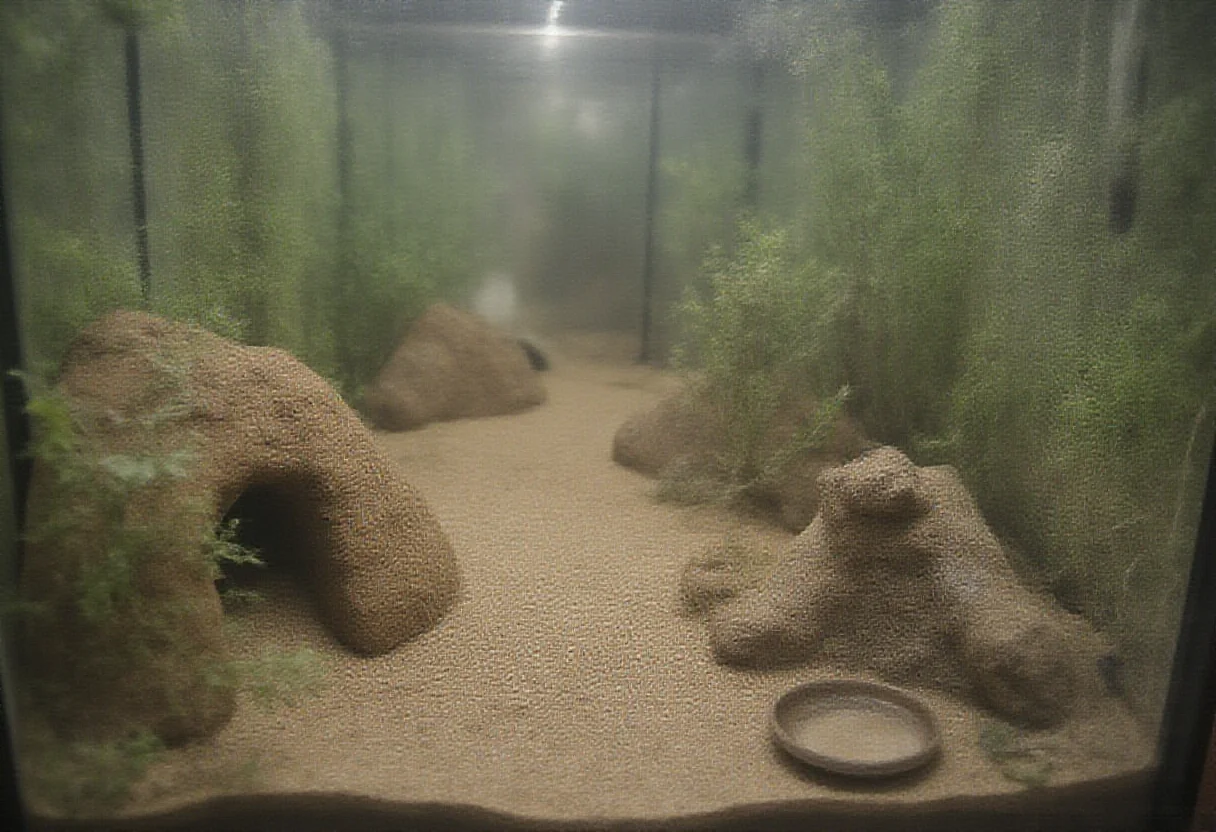
Pixie frogs and bullfrogs: a naming note
Pixie frog is a pet trade name for the giant African bullfrog (Pyxicephalus adspersus). VCA lists the pixie frog at 3.5 to 10 inches, in a 20-gallon aquarium at about 75 F, eating large insects and small rodents.
Size and sex differences are described differently by different sources, so check the species and plan for a large animal.
African reed frog
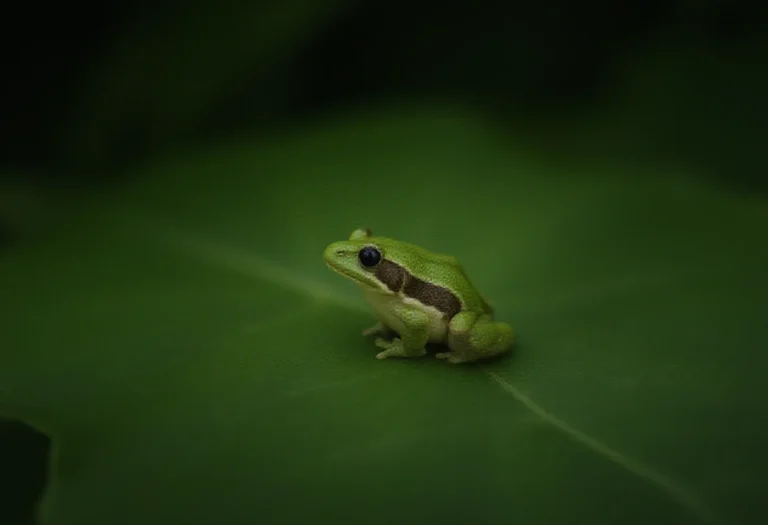
VetVerified lists reed frogs at 0.8 to 1.6 inches, with a 5 to 8 year lifespan, 70 to 90 percent humidity and misting twice daily. It suggests a 45 by 45 by 60 cm enclosure for a small group.
We did not find vet-college sources for reed frogs, so treat these figures as a starting point and ask an exotics vet. The same guide says to avoid housing them with other amphibian species.
Handling across species
Most African frogs are look-and-learn animals. VCA Hospitals says most frogs should be left alone. Lafeber says bullfrogs tolerate infrequent, brief handling with clean wet hands or moistened surgical gloves.
VetVerified says reed frogs should be handled only when necessary, because their skin is sensitive to oils and chemicals.
What each frog eats
Diets differ as much as sizes do. Use this table to avoid the most common feeding errors, and always remove uneaten food.
- VetVerified suggests feeding reed frog juveniles daily and adults every other day, with calcium dusting two to three times a week.
- Lafeber says to dust invertebrate prey with a vitamin and mineral supplement for bullfrogs.
- The Merck Veterinary Manual says amphibians cannot make carotenoids, so provide a vitamin A source.
| Frog | Typical foods | Source |
|---|---|---|
| African dwarf frog | Frog or tadpole pellets, fish food, worms | VCA |
| African clawed frog | Worms, sinking pellets, frozen krill or shrimp | VetVerified; Smithsonian |
| Giant African bullfrog | Insects, earthworms, fish and an occasional mouse, dusted with supplement | Lafeber |
| African reed frog | Fruit flies, pinhead crickets, springtails, small roaches | VetVerified |
Set up in the right order
Build and test the enclosure before the frog arrives.
- Confirm the exact species and that it is legal where you live.
- Choose the enclosure type: aquarium for aquatic frogs, long terrarium for bullfrogs, tall humid terrarium for reed frogs.
- Set the temperature gradient and add thermometers.
- Add substrate, hides and water suited to the species.
- Run the setup for several days and adjust.
- Introduce the frog, and keep handling to a minimum.
Health basics that apply to all of them
The Merck Veterinary Manual says poor water quality, overcrowding and stress are common contributors to amphibian disease. It lists chytridiomycosis, ranavirus, red-leg syndrome and fungal infections.
Lafeber lists foreign body ingestion, metabolic bone disease and obesity as bullfrog health issues. A 2024 Veterinary Pathology report described a high-mortality outbreak in a colony of Zaire dwarf clawed frogs, which shows why reputable sources matter.
How to choose
Choose an African dwarf frog if you want a small aquatic frog and can heat and filter a tank. Choose a bullfrog only if you can house a large, strong animal safely for decades. Choose a clawed frog only if it is legal in your area. Treat reed frogs as a specialist choice.
Whatever you choose, ask the seller for the exact scientific name.
Common mistakes
These errors recur in African frog searches.
- Mixing dwarf frogs and clawed frogs.
- Buying a clawed frog without checking local law.
- Using radiant heat for a burrowing species.
- Letting a bullfrog bite while hand feeding.
- Assuming one care sheet fits every African frog.
- Releasing an unwanted frog outdoors.
Frequently Asked Questions
What is the easiest African frog to keep?
The African dwarf frog. VCA lists it at 72 to 80 F in a 10-gallon or larger tank, and PetMD says it needs no live food.
Are African clawed frogs legal?
It depends on the place. California restricts possession without a permit and Washington prohibits it. Check your state wildlife agency.
Do African bullfrogs bite?
Yes. Lafeber says adults can inflict a painful bite, and recommends feeding with tongs.
Can I house different African frogs together?
No. Species differ in size and needs, and larger frogs can eat smaller ones. Keep each species in its own enclosure.
How long do African frogs live?
It varies. PetMD lists 5 to 6 years for dwarf frogs. The Smithsonian lists up to 15 years for clawed frogs. Lafeber says up to 20 years is common for bullfrogs.
Do African frogs need UVB?
Sources differ. Merck says UVB is required for amphibians to prevent metabolic bone disease, while Lafeber suggests low-intensity full-spectrum lighting for bullfrogs. Ask an exotics vet.
Bottom Line
African frog care starts with choosing the right African frog. Dwarf frogs, clawed frogs, bullfrogs and reed frogs have little in common beyond their continent.
Pick one species, learn it well, and use the detailed guide for its setup.
Sources
- VCA Animal Hospitals: Frogs as Pets, accessed Dwarf frog and pixie frog figures.
- PetMD: 6 Best Frogs for Beginners, accessed Lifespans and feeding notes.
- Lafeber Veterinary: Giant African Bullfrog, accessed Bullfrog size, housing, handling, health.
- Smithsonian National Zoo: African clawed frog, accessed Clawed frog size and lifespan.
- California Dept. of Fish and Wildlife: African clawed frog, accessed Restricted animal status.
- Washington Dept. of Fish and Wildlife: Xenopus laevis, accessed Prohibited species status.
- VetVerified: Keeping the African Reed Frog, accessed Reed frog care figures.
- Merck Veterinary Manual: Infectious Diseases of Amphibians, accessed Disease and water quality links.
- Mycobacterium ulcerans ecovar Liflandii in Zaire dwarf clawed frogs (Veterinary Pathology, 2024), accessed 31 October 2026
- CDC: Reptiles and Amphibians, accessed Salmonella guidance.