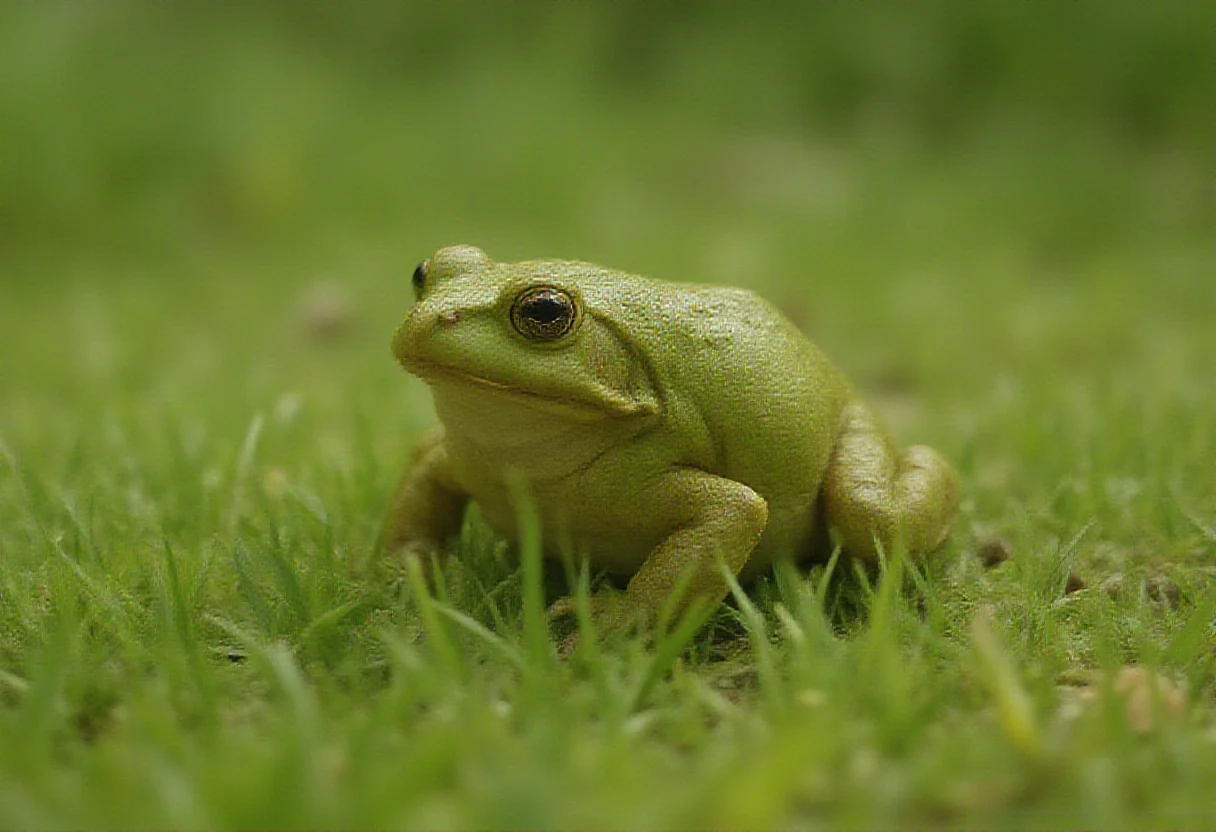
Pet Bullfrog: Why It Is a Hard Pet and Often Not Legal
A pet bullfrog is possible in some places, but the American bullfrog is a poor fit for most homes. It is the largest frog in North America, eats almost any animal it can swallow, and can live 7 to 16 years. In Washington it is a prohibited species, and bullfrogs are invasive in several regions. Check your state wildlife agency before buying, and never release one. Pixie frogs, or African bullfrogs, are a different species.
Bullfrogs look like an easy pet: big, calm-looking and cheap to find. In reality they are large predators with specific water needs and a long lifespan, and in some places owning one is illegal.
Many people also confuse the American bullfrog with the African bullfrog, sold as a pixie frog. They are different species with different needs. For the African species, see pixie frog care and pet pixie frog.
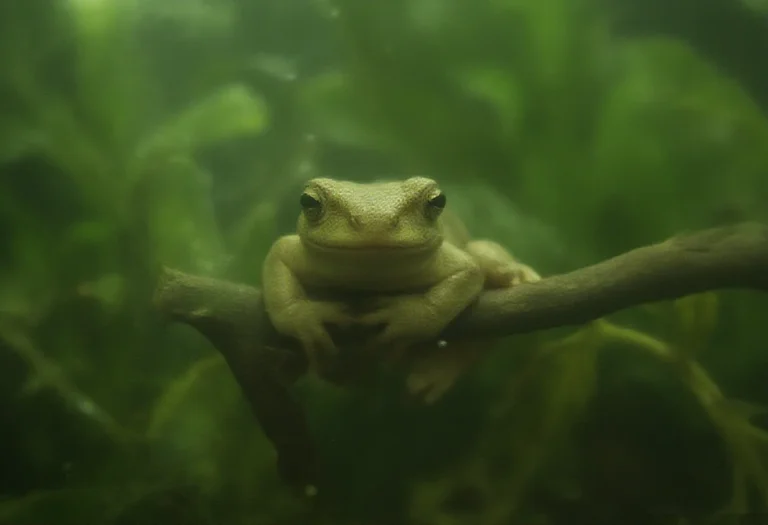
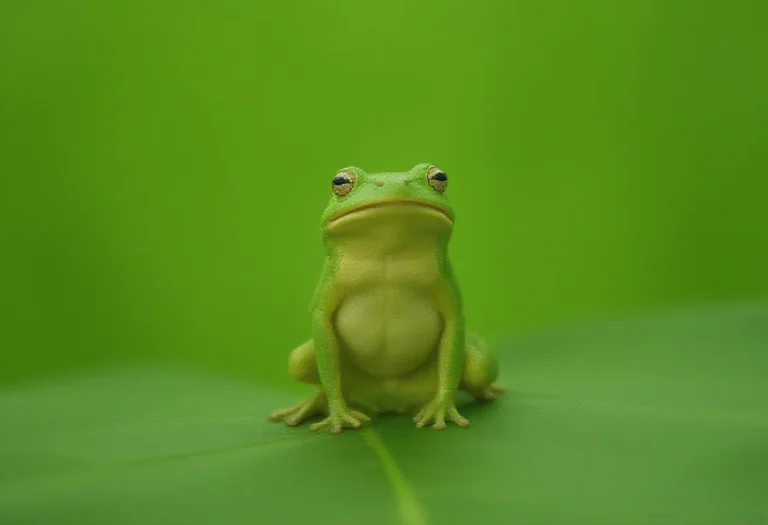
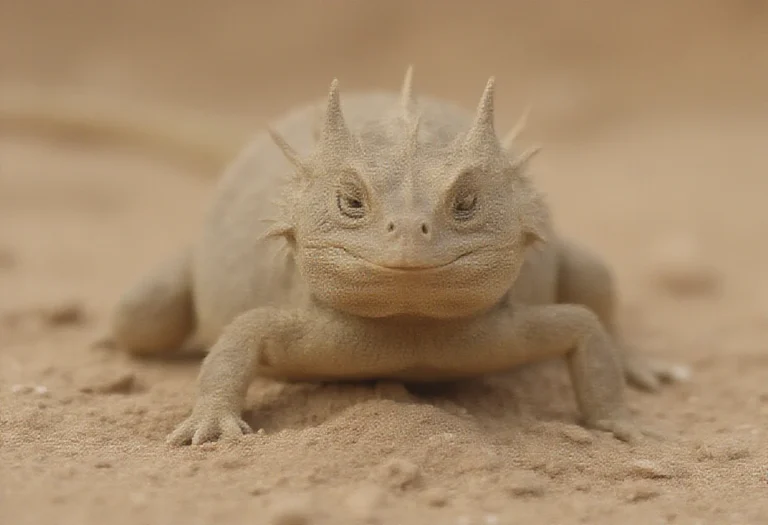
How this was made: prepared with AI assistance and checked against the sources listed at the end. Images are AI-generated illustrations, not photographs of real animals or products.
Key Takeaways
- American bullfrogs reach about 7 to 8 inches (Washington Invasive Species Council); Animal Diversity Web lists up to 460 mm as a maximum.
- They eat nearly anything they can swallow, including other frogs.
- Lifespan: 7 to 9 years in the wild, with a captive record of 16 (Animal Diversity Web).
- Washington lists bullfrogs as prohibited. Rules vary elsewhere, so check your state wildlife agency.
- Never release a bullfrog. They are invasive in many areas.
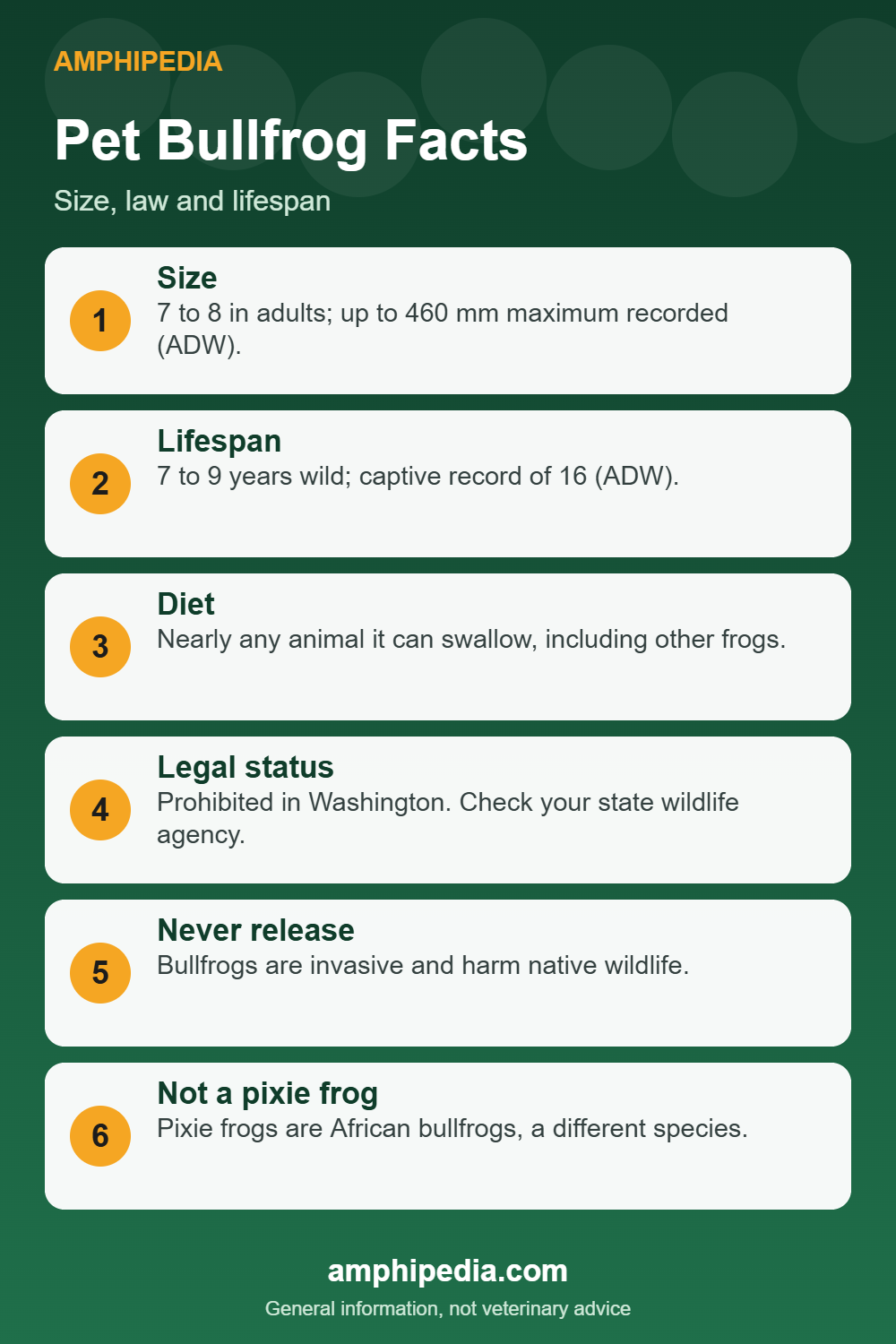
Pin this infographicShare on Facebook
What an American bullfrog is
The American bullfrog (Lithobates catesbeianus) is the largest frog in North America, according to the Washington Invasive Species Council. Adults reach 7 to 8 inches there. Animal Diversity Web lists a typical length of 90 to 152 mm and a maximum of 460 mm, and a mass of up to 0.5 kg.
Its native range runs from Nova Scotia to central Florida and west to the Rockies. It lives in warm, still, shallow freshwater such as ponds, lakes, marshes and swamps. Its low call is audible for more than a kilometer.
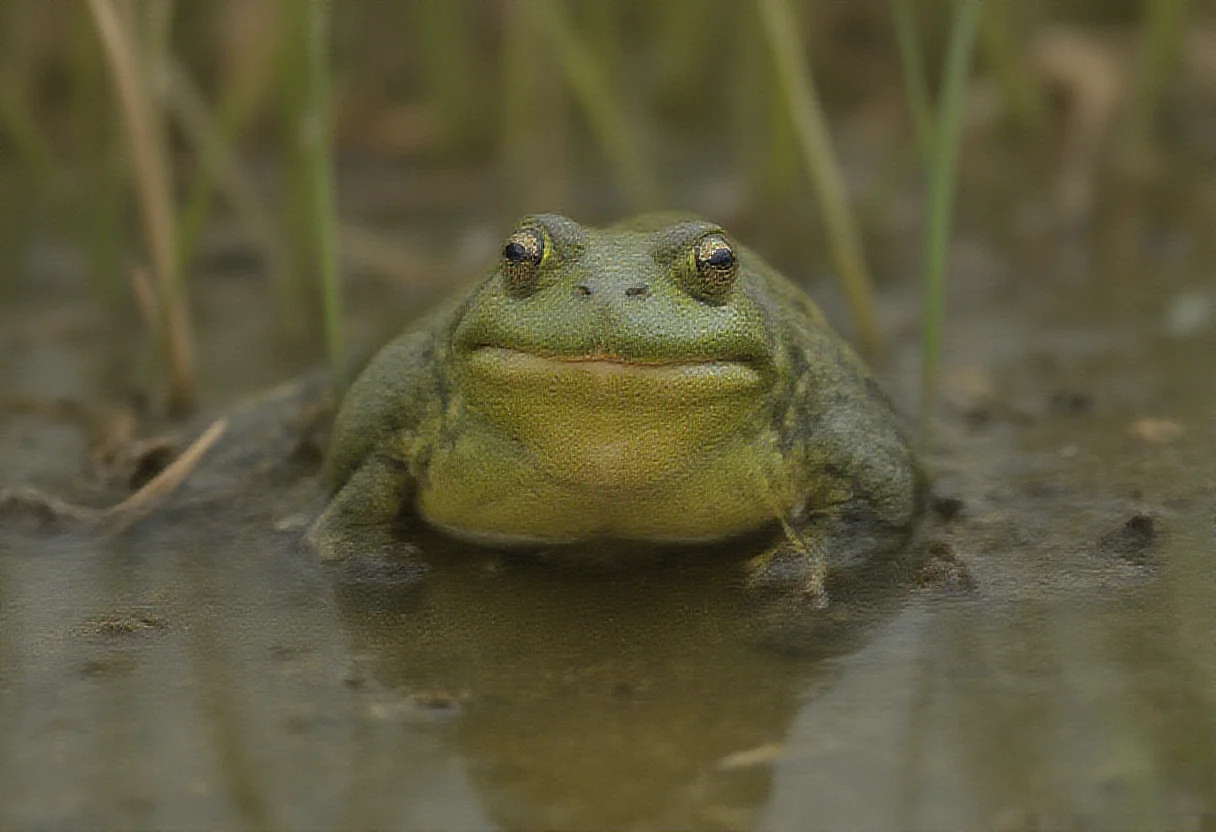
Is it legal to keep a bullfrog?
It depends on where you live. Washington State classifies the bullfrog as a Prohibited Aquatic Animal Species, and says it is illegal to possess, buy, sell, breed, transport or release them. The council also says bullfrogs entered the state through the aquarium and pet trades.
Animal Diversity Web says introduced bullfrogs may be driving native frogs to extinction in some areas, naming California and Colorado. We did not verify the rules in other states. Check with your state wildlife agency and local authorities before buying, as the CDC also advises.
Why bullfrogs are difficult pets
Bullfrogs are generalist predators. Animal Diversity Web says they eat snakes, worms, insects, crustaceans, frogs, tadpoles and eggs, and are cannibalistic. They also eat birds, mammals and occasionally bats in the wild. They should live alone.
They need a lot of clean water. Merck Veterinary Manual says aquatic amphibian setups should be tested weekly for temperature, pH, hardness, ammonia, nitrite and nitrate, and filtered, with at least 10 percent of the water changed weekly.
They also hibernate in cold weather. Animal Diversity Web says bullfrogs bury themselves in mud in winter. A captive bullfrog needs advice from an exotics vet about temperature drops and appetite.
Size, lifespan and cost of time
Animal Diversity Web lists 7 to 9 years as the typical wild lifespan and a captive record of 16 years. The Squam Lakes Natural Science Center gives an average of 7 to 9 years and a maximum of 16.
That is a long commitment for a frog that needs a large, filtered, clean aquatic space and a diet of large live prey. If you cannot keep it for life, you cannot release it. The CDC says to rehome unwanted pets through a pet store, rescue group, aquarium or zoo.
Feeding
Bullfrogs ambush prey and swallow it whole, according to the Squam Lakes Natural Science Center. In captivity, Merck says most amphibians need live food, with some species eating small vertebrates.
Prey must be sized to the frog and supplemented. Merck recommends gut-loading insects and dusting them with calcium and vitamin D3. We did not find a verified feeding schedule for captive American bullfrogs, so ask an exotics vet.
Bullfrog or pixie frog?
Pixie frogs are African bullfrogs (Pyxicephalus adspersus). Animal Diversity Web says males can exceed 9 inches and 2 pounds, adults eat nearly any animal they can overpower, and they live about 16 years in captivity. They burrow and estivate in the wild.
If your goal is a big frog, the pixie frog is the species sold as a pet. Read our pixie frog care guide. Do not assume the two species have the same needs or legal status.
Better first-time alternatives
If you like big frogs but want something manageable, look at the beginner species in pet frog for beginners or the easiest frogs to take care of. White’s tree frogs, Argentine horned frogs and African dwarf frogs are commonly kept.
Questions to ask before you buy
If any answer is no, choose a different species. Sourcing matters too: ask where the frog came from and avoid wild-caught animals. The CDC advises against catching wild amphibians to keep.
- Is it legal where I live? Ask your state wildlife agency, and check local and property rules as the CDC advises.
- Can I provide a large, filtered, regularly tested water space?
- Can I feed large live prey safely and keep it supplemented?
- Do I have an exotics vet? The CDC notes many vets do not treat amphibians.
- Can I commit for 7 to 16 years?
- Who will take the frog if I cannot keep it? Never release it.
If you already have a bullfrog
If you cannot keep it, do not release it, even in a nearby pond. Washington says unwanted pet frogs should not be released, and invasive bullfrogs have harmed native wildlife in areas such as California and Colorado.
Contact a rescue group, a zoo, an aquarium or your state wildlife agency for rehoming advice. If the frog is sick, see an exotics vet instead of treating it yourself.
Health and safety
Like other amphibians, bullfrogs can carry Salmonella, according to the CDC. Wash hands after any contact with the frog, its water or equipment, and pour tank water down the toilet. Children under 5 should not handle amphibians or their habitats.
Frog skin is delicate and absorbs substances from your hands, so avoid handling a bullfrog. If you must, wash and rinse hands first and wash again afterward.
Frequently Asked Questions
Can you keep a bullfrog as a pet?
In some places yes, but not everywhere. Washington prohibits possessing them. Check your state wildlife agency.
How long do bullfrogs live?
About 7 to 9 years in the wild, with a captive record of 16 years, according to Animal Diversity Web.
How big do bullfrogs get?
The Washington Invasive Species Council says adults reach 7 to 8 inches. Animal Diversity Web lists a maximum of 460 mm.
What do bullfrogs eat?
Nearly any animal they can swallow, including insects, crustaceans, frogs, snakes and small birds.
Is a bullfrog the same as a pixie frog?
No. A pixie frog is the African bullfrog, Pyxicephalus adspersus. The American bullfrog is Lithobates catesbeianus.
Can I release a pet bullfrog?
No. Washington says not to release unwanted pet frogs, and the CDC advises rehoming through a rescue, pet store, zoo or aquarium.
Bottom Line
A bullfrog is a big, long-lived predator that is restricted in some regions and invasive in many. For most keepers, a smaller captive-bred species is a better choice.
Compare options in pet frog types.
Sources
- Washington Invasive Species Council: Bullfrog, accessed Size, legal status, release
- Animal Diversity Web: Lithobates catesbeianus, accessed Size, lifespan, diet, range
- Squam Lakes Natural Science Center: American Bullfrog, accessed Lifespan, diet
- Animal Diversity Web: Pyxicephalus adspersus, accessed African bullfrog
- Merck Veterinary Manual: Housing for Amphibians, accessed Aquatic water care
- Merck Veterinary Manual: Diet for Amphibians, accessed Live food and supplements
- CDC: Reptiles and Amphibians, accessed Salmonella, rehoming, rules
One Comment