Adaptations of Amphibians: Skin, Metamorphosis and More
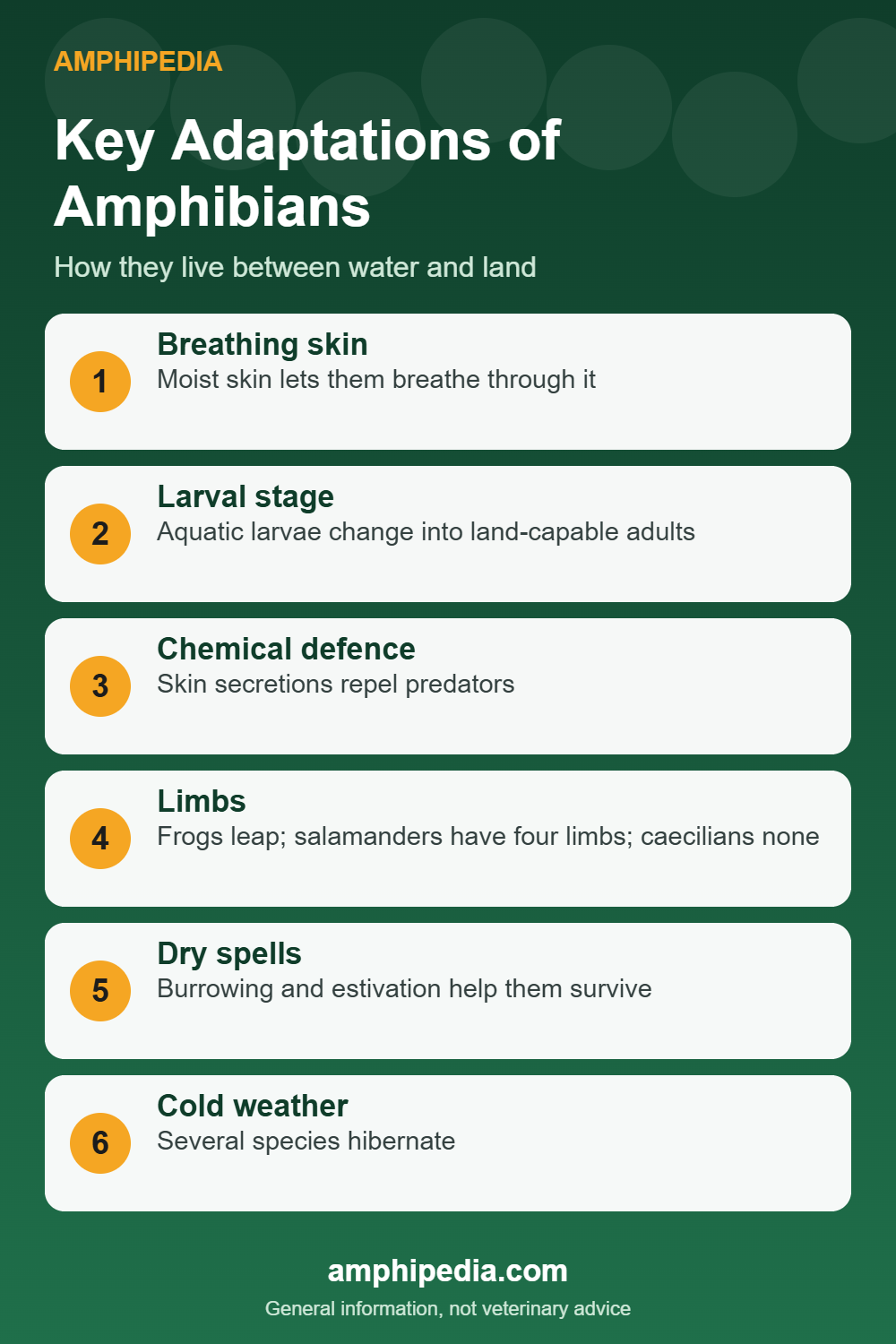
Key amphibian adaptations include moist skin that lets them breathe through it, a life cycle with an aquatic larval stage and metamorphosis, skin secretions that repel predators, powerful hind legs in frogs, and behaviours such as burrowing, estivating and hibernating. Together these let amphibians use both water and land and survive dry or cold periods.
Amphibians live in water and on land, which is a hard balancing act. Their bodies and life cycles show many features that make this possible.
This guide covers the main adaptations, using Britannica and a university digital atlas of amphibians in Idaho, with examples from named species.
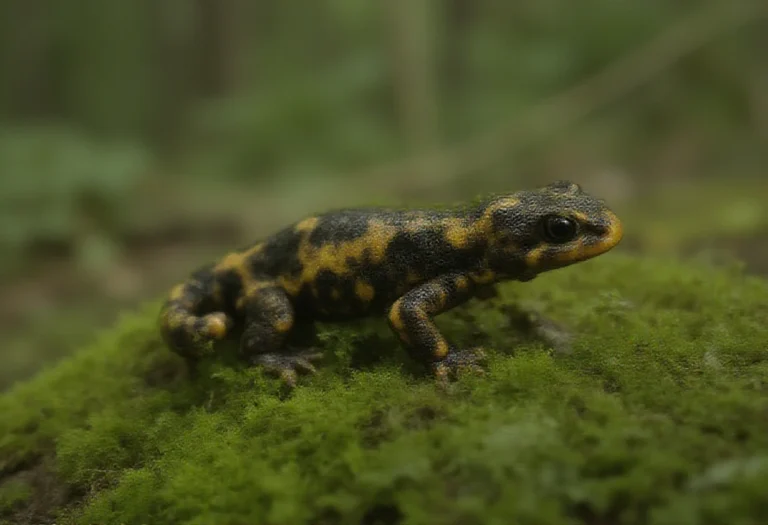
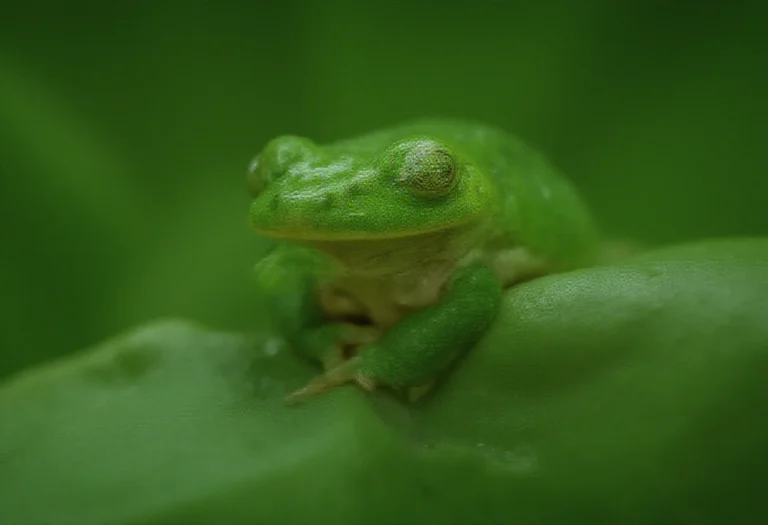
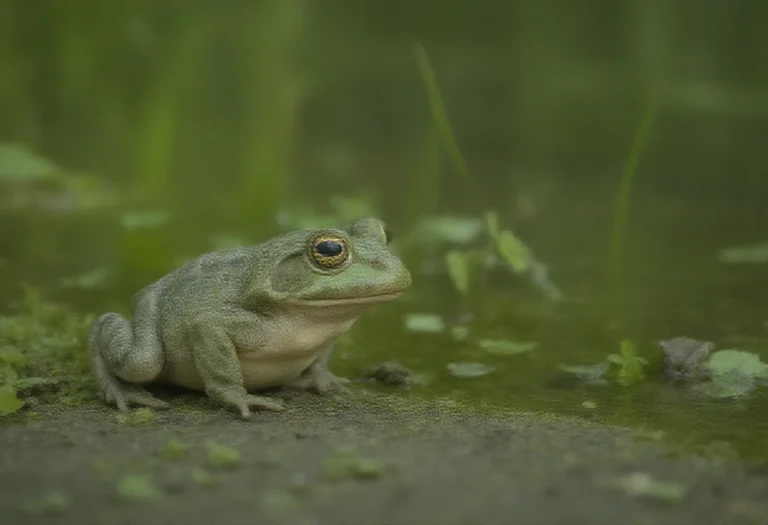
How this was made: prepared with AI assistance and checked against the sources listed at the end. Images are AI-generated illustrations, not photographs of real animals or products.
Key Takeaways
- Moist skin is a defining trait, and amphibians rely heavily on breathing through it.
- Most hatch as aquatic larvae and change into land-living adults.
- Skin secretions repel predators; some are very toxic.
- Frogs have long hind limbs for leaping; caecilians have no limbs.
- Burrowing, estivation and hibernation help them survive dry or cold spells.
Pin this infographicShare on Facebook
Moist skin and breathing
Britannica describes moist skin as a defining trait of modern amphibians. They rely heavily on breathing through it, which is called cutaneous respiration.
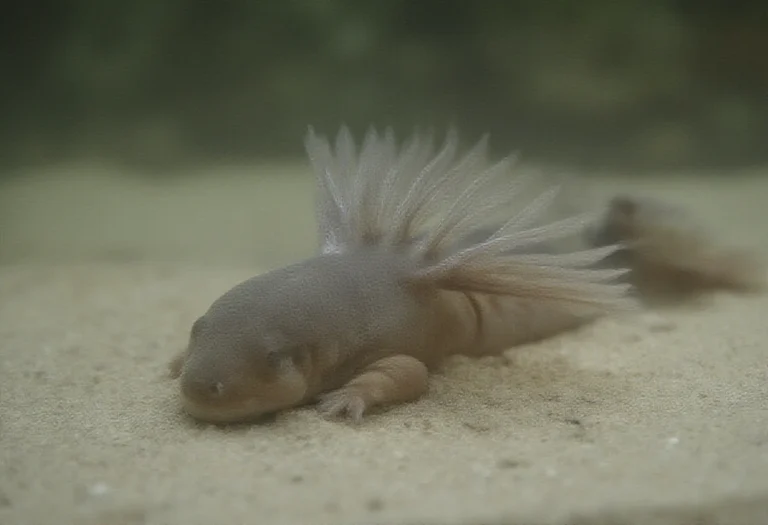
Larval salamanders breathe with external gills. The Idaho State University digital atlas notes that Long-toed and Tiger Salamander larvae have long, feathery gills, while Idaho Giant Salamander larvae have short, small gills suited to streams.
The aquatic larval stage and metamorphosis
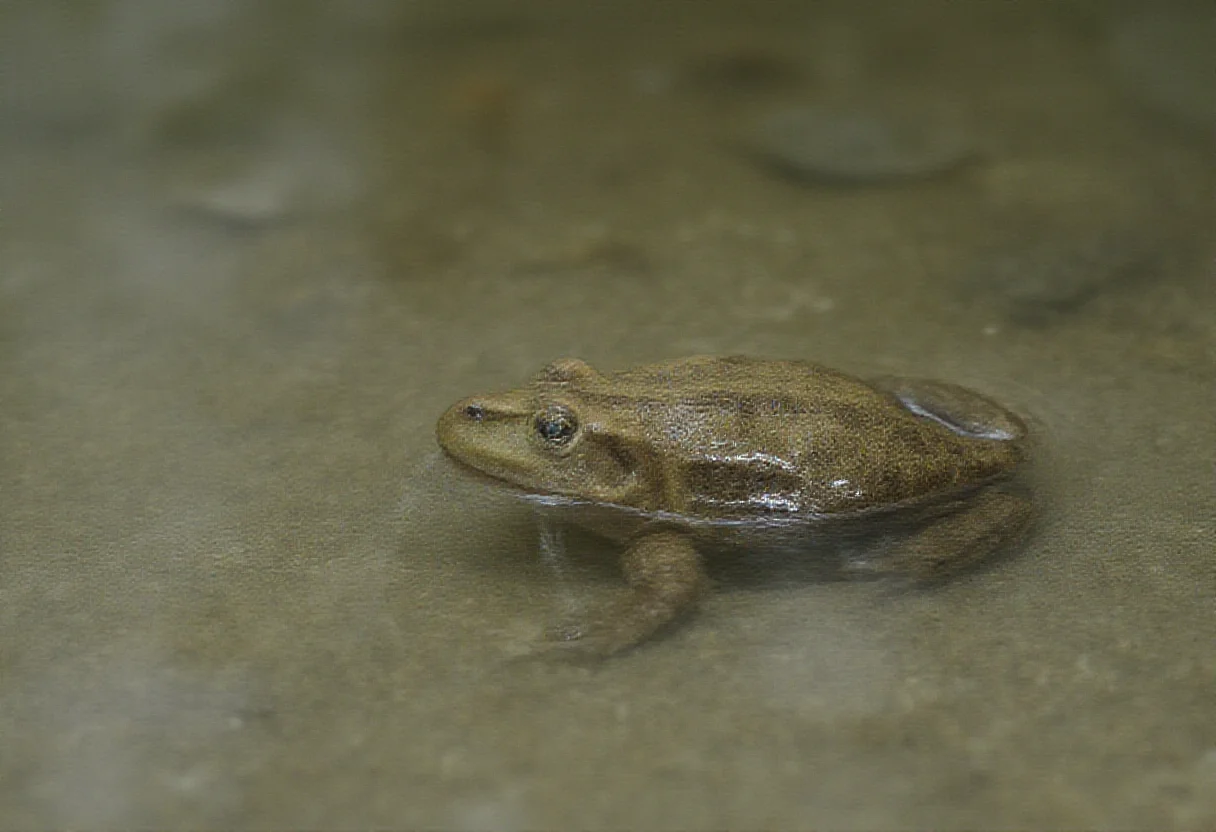
Britannica says most amphibians hatch as aquatic larvae that undergo metamorphosis into adults able to live on land. Larvae and adults often use different habitats and food.
Timing varies a lot. The Idaho atlas reports that Bullfrog tadpoles overwinter and change the following summer, and Great Basin Spadefoot tadpoles develop very rapidly in temporary water.
Some species skip stages. Coeur d’Alene Salamanders have no free-living larval stage and develop inside the egg, while some Tiger Salamanders become mature while keeping larval features.
Chemical defences in the skin
The Idaho atlas reports that toads carry poison glands in the bumps on their skin. Rough-skinned Newt secretions are very toxic, which may let adults stay active in the open.
Great Basin Spadefoot secretions repel predators, and Wood Frog secretions repel aquatic insect and shrew predators. Not all amphibians are toxic, and strength varies by species.
Limbs, senses and teeth
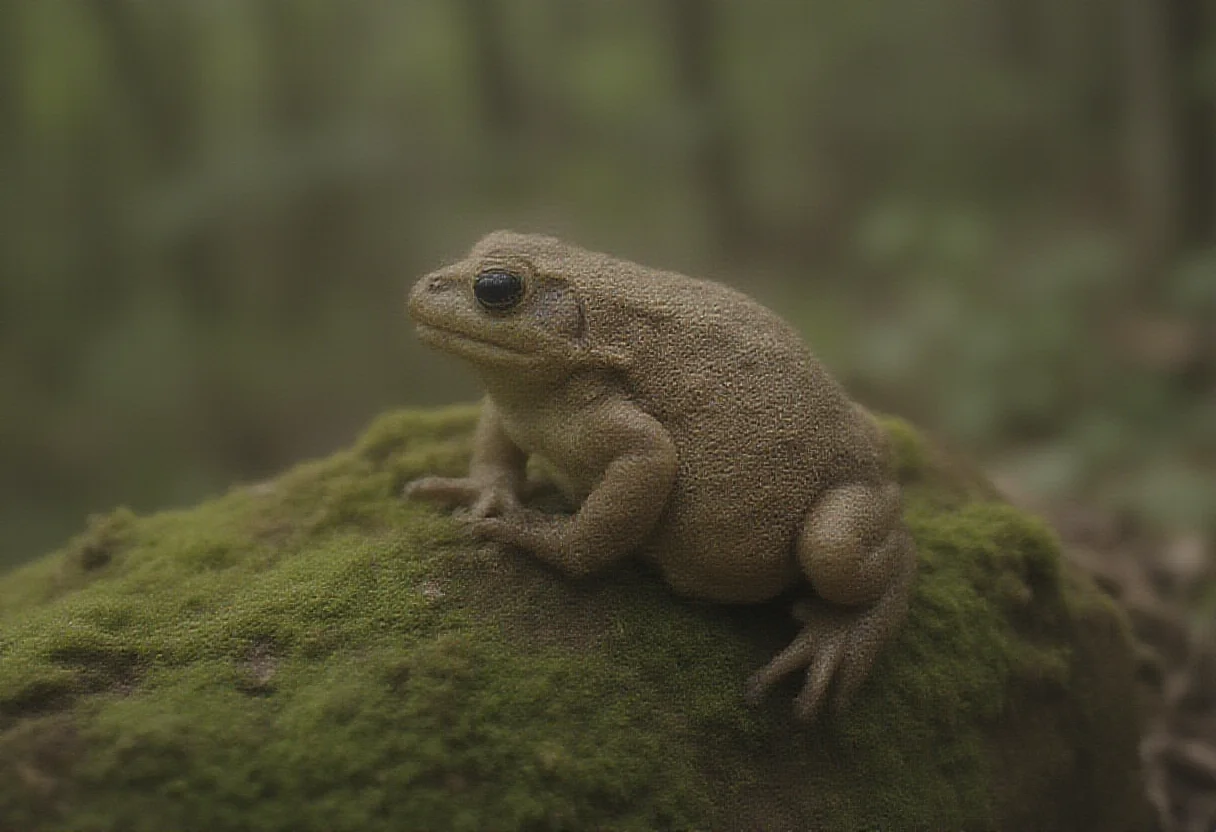
Britannica says frogs and toads have long, powerful hind limbs for leaping. Salamanders and newts have two pairs of limbs of roughly equal size, and caecilians have no limbs.
They also have a double-channeled hearing system, and green rods in the retina help them distinguish hues. Their teeth are two-part, called pedicellate.
Coping with heat, cold and dry spells
Amphibians cannot warm themselves from inside, so behaviour matters. The Idaho atlas shows that Northern Leopard Frogs begin breeding when water reaches about 10 C and that several species hibernate in cold climates.
For dry periods, Great Basin Spadefoots stay buried for many months. Coeur d’Alene Salamanders estivate underground from June to mid-September. Tailed Frogs stay on moist streambanks in dry weather.
Animal Diversity Web says African bullfrogs spend much of their lives estivating underground, which can last a year or more.
Summary table of adaptations
The table pairs each feature with the problem it solves.
| Adaptation | Example | Benefit |
|---|---|---|
| Moist, breathing skin | Modern amphibians | Gas exchange through the skin |
| Aquatic larvae | Most species | Uses water and land habitats |
| Skin secretions | Rough-skinned Newt, toads | Deters predators |
| Long hind limbs | Frogs and toads | Leaping |
| Burrowing and estivation | Great Basin Spadefoot | Survives dry periods |
| Hibernation | Several species in cold climates | Survives winter |
Frequently Asked Questions
What is the main adaptation of amphibians?
Moist skin that allows breathing through it is a defining trait of modern amphibians.
Why do amphibians have a larval stage?
Most hatch as aquatic larvae and change into land-capable adults through metamorphosis, which lets them use different habitats.
How do amphibians defend themselves?
Many have skin secretions that repel predators, and some, like the Rough-skinned Newt, are very toxic.
What is estivation?
It is a period of dormancy in dry or hot weather. Coeur d’Alene Salamanders estivate underground from June to mid-September.
Do all amphibians have legs?
No. Caecilians are limbless, while frogs have long hind limbs and salamanders have two pairs of similar limbs.
Do amphibians hibernate?
Several species do in cold climates, according to the Idaho State University atlas.
Bottom Line
Amphibian adaptations all serve one need: living between water and land. Skin, life cycle and behaviour work together to make that possible.
To learn more, see how frogs breathe.
Sources
- Britannica: Amphibian, accessed Skin, limbs, metamorphosis
- Idaho State University Digital Atlas: Amphibians, accessed Species examples
- Animal Diversity Web: Pyxicephalus adspersus, accessed African bullfrog estivation
- CDC: Reptiles and Amphibians, accessed Salmonella