Reptile Fogger for a Humid Terrarium: Safe Use for Frogs
This post contains affiliate links. As an Amazon Associate I earn from qualifying purchases. Prices and availability are shown by Amazon and can change.
A reptile fogger is an ultrasonic unit that turns water into a cool fog to raise humidity in a terrarium. It can help humidity-loving frogs, but only if you use distilled or reverse osmosis water, clean the reservoir weekly and run it in short bursts. Label claims for reptiles are not amphibian tests, so watch your frog and keep humidity within the range for the species.
Foggers are popular because they make humidity visible. A cloud of fog drifts over the tank and many keepers assume that means the setup is working.
Fog alone does not prove the tank is right for a frog. This guide explains how foggers work, how to run them safely, and what to check before buying one for an amphibian terrarium.
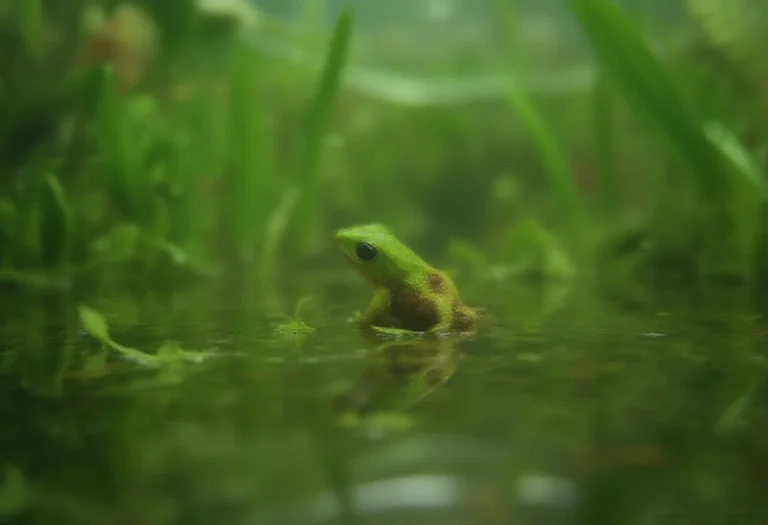
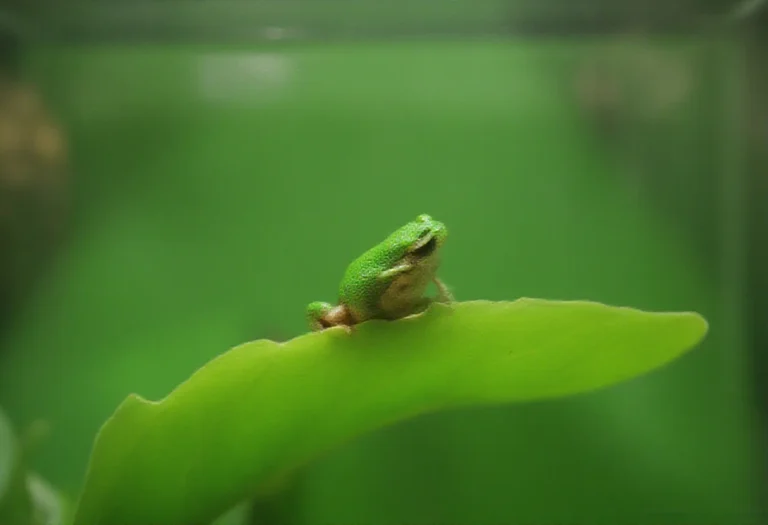
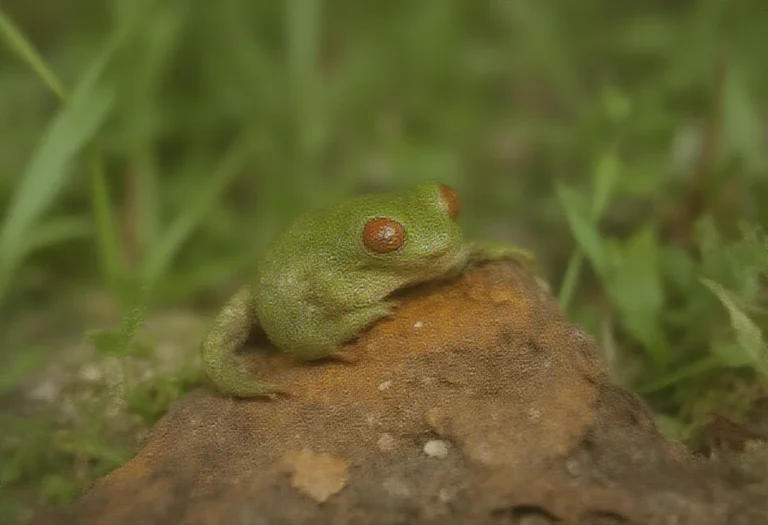
How this was made: prepared with AI assistance and checked against the sources listed at the end. Images are AI-generated illustrations, not photographs of real animals or products.
Key Takeaways
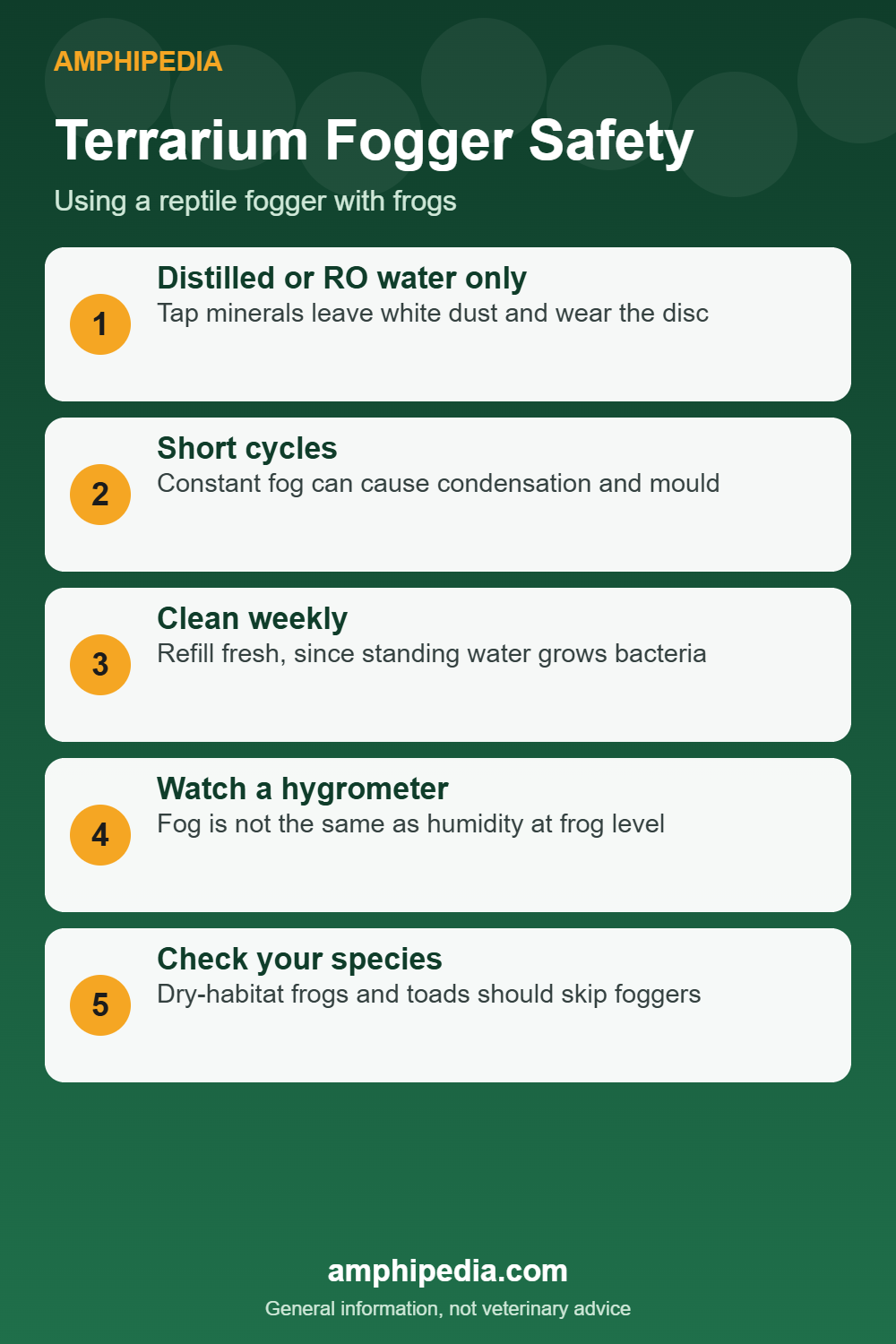
- An ultrasonic fogger breaks water into tiny droplets using a vibrating ceramic disc.
- Use distilled or reverse osmosis water, since minerals leave white dust and shorten disc life.
- Clean the reservoir and disc often, because standing water grows bacteria.
- Run it in short cycles or with a humidity controller instead of all day.
- A reptile label does not mean the product was tested on frogs.
- Arid-species setups and species that dislike constant fog should skip foggers.
Pin this infographicShare on Facebook
Reptile Foggers Worth Considering
These units are listed from highest to lowest price. Check water tank access, timer support and tank size before you choose.


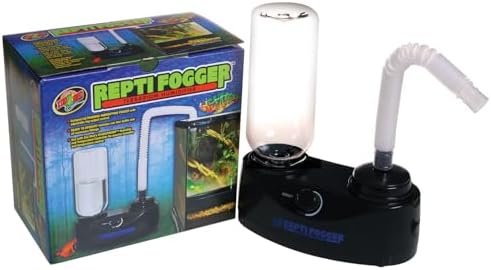

Product titles, prices and ratings are provided by Amazon and are accurate only at the time they are displayed.
How an ultrasonic fogger works
A ceramic disc vibrates at ultrasonic frequency and breaks water into droplets that hang in the air as visible fog. This raises humidity in the enclosure, according to a retail care guide from Furry Critter. Some units include timers or a humidity sensor.
Fog adds moisture to the air rather than to the substrate. That is useful in a glass tank with a tight lid. It is less useful in a tall screen-topped cage that leaks air.
A fogger does not clean water or add drinking water. Your frog still needs clean surfaces and, for many species, a clean shallow dish.
Fogger or rainmaker?
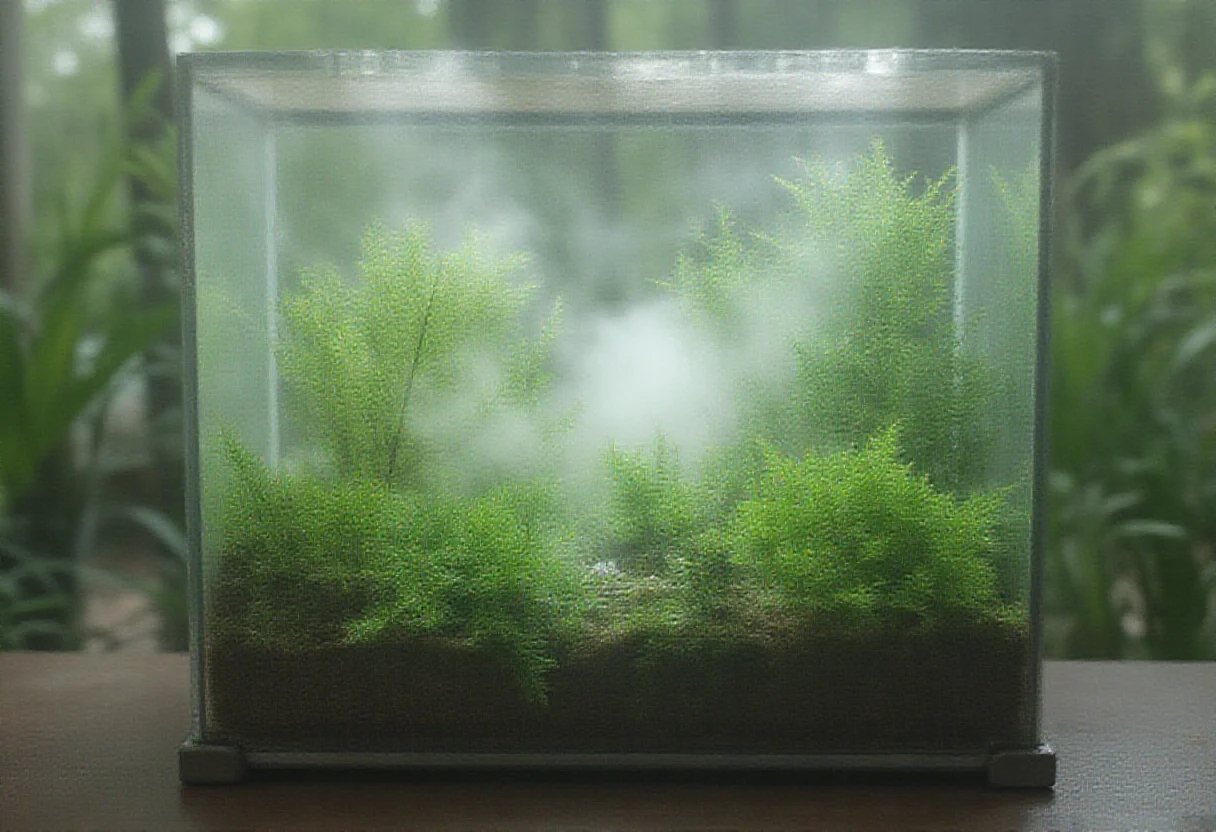
A fogger lifts humidity in the air. A misting system wets leaves, glass and moss with droplets. Frogs benefit from both effects in different ways.
If you want scheduled rain over plants, read our guide to the automatic rainmaker for frog terrariums. If you want a compact fogger designed for small enclosures, see our compact fogger guide and the guide to fogging humidifiers.
Many keepers use a fogger for a quick humidity boost and a timed mister for daily wetting. Neither replaces a hygrometer.
Which frogs may benefit
Fogging suits species from wet tropical habitats. DartFrog.pet says dart frog tanks usually need humidity of 80 to 90 percent, depending on the type, and that a glass top rather than a screen is what holds humidity in.
Check your own species before you buy. A frog from a drier habitat can develop problems if humidity stays high all day and the enclosure never dries.
The same Furry Critter guide warns that arid species should never have a fogger. Continuous operation can oversaturate an enclosure and promote bacterial and fungal growth.
Choose the right water
Use distilled or reverse osmosis water. The Furry Critter guide explains that tap water minerals build up on the disc and shorten its life, and that mineral-laden fog leaves a fine white dust on surfaces.
DartFrog.pet also names distilled or RO water for frog tanks, saying tap water can contain chlorine, chloramine, fluoride and other contaminants.
Never add supplements, medications or scents to the reservoir. Those guides warn against it, and amphibian skin absorbs what touches it.
Features that matter when buying
Look past the box art and check function. These points make a fogger easier to use and safer in a frog tank.
- A reservoir you can open and wipe by hand
- Low-water shutoff so the disc never runs dry
- A built-in timer or compatibility with a humidity controller
- An outlet that points the fog into the tank without blowing at the frog
- A tube or adapter that fits your lid or a vent hole
- Spare discs sold by the maker
- A cord with a drip loop and a safe plug for damp rooms
Signs you are fogging too much
Too much fog is as risky as too little humidity. The Furry Critter guide notes that continuous operation can oversaturate an enclosure and cause condensation, and links that to bacterial and fungal growth. Look at the tank every day, not only the hygrometer.
Reduce run time if you notice any of the points below, and move to a controller that shuts the unit off at your target humidity.
- Glass that stays fogged or dripping through the day
- Standing water pooling in corners or on the substrate
- A musty smell or visible mould on decor
- Your frog sitting in one dry spot and avoiding the rest of the tank
- White dust on leaves, which points to mineral water
- A humidity reading that stays far above the range for your species
Electrical and placement safety
Water and mains power sit close together in a terrarium setup. Plug fogger units into a protected outlet or a power strip with a surge guard, and form a drip loop in the cord so water cannot run into the socket.
Keep the unit on a stable shelf below or beside the enclosure and never on the lid. A spill into the tank can carry cleaner or mineral residue onto your frog. If a fogger tips or floods, switch it off at the wall before you handle anything.
How to run a fogger safely
Run it in short bursts, or use a humidity controller. The Furry Critter guide suggests intermittent use rather than continuous use and advises watching a digital hygrometer. Continuous fogging can cause condensation and promote bacterial and fungal growth.
Place the unit outside the enclosure, with the hose entering high on one side. Keep fog from blowing straight at a frog perch.
Give the tank time to dry between cycles. If glass stays fogged all day or leaves stay slimy, cut the run time.
Cleaning schedule
Standing water grows bacteria, so refill with fresh water at least weekly, according to the same guide. Take the unit apart, wash the reservoir and wipe the disc gently.
Rinse every part very well before reuse. Do not leave cleaner residue where an amphibian can absorb it. Replace discs when output drops, following the maker.
Clean equipment outdoors or in a laundry sink. The CDC says never use the kitchen sink, and wash your hands after touching tank water or equipment.
Common mistakes
The biggest mistake is running the unit around the clock. The next is using tap water and then wondering why a white film covers the glass.
Another is trusting the fog instead of a hygrometer. Fog is not the same as humidity at frog level.
- Do not run the fogger all day without a controller.
- Do not use tap water.
- Do not skip weekly cleaning.
- Do not aim the fog at a sleeping spot.
- Do not add medicines or supplements to the water.
Fog is not the same as fresh air
A fogger raises humidity, but it does not replace airflow. The Merck Veterinary Manual says amphibian enclosures need good ventilation, about 1 to 2 air changes per hour, and that aquarium-style tanks should have secure, ventilated tops.
The same page says most amphibians do well at 75 to 80% humidity, and tropical species may need 85 to 90%. It advises a humidity gauge in every enclosure. Match these figures to your species, because some frogs need far less.
If fog pours out of a sealed lid and the glass runs with water all day, the tank is getting too wet and too stale. Add ventilation or cut the run time.
Water: where the sources disagree
This guide names distilled or reverse osmosis water because the fogger guides we cite do. The Merck Veterinary Manual takes a different view. It says distilled water should not be used in amphibian enclosures or when handling amphibians, and that water must be free of chlorine, ammonia, nitrite, pesticides and heavy metals.
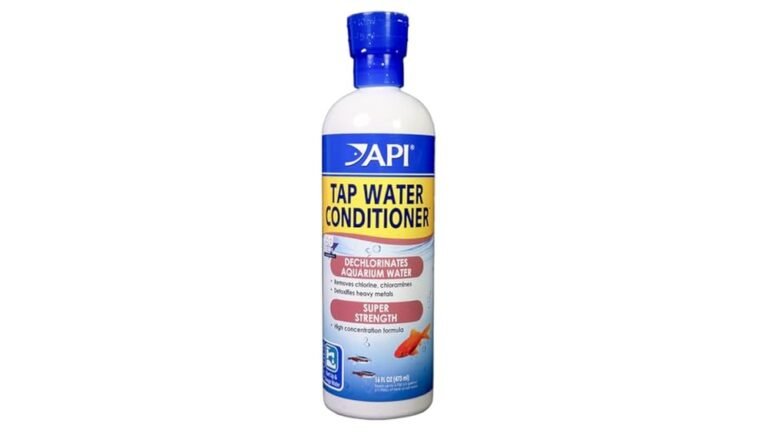
Merck describes removing chlorine by circulating tap water through a carbon filter for at least 24 hours. For chloramine, it says to use a dechlorinating agent first, then filter. Do not pick a side silently. Ask an exotics vet which water suits your species, and note that minerals in tap water will leave dust on the fogger disc.
A quick pre-run checklist
Run through these points each time you set up or restart a fogger. They take two minutes and catch most problems.
- Is the humidity gauge showing a reading, and is it inside the range for your species?
- Is the reservoir clean, with water you have chosen on purpose?
- Does the cord have a drip loop, and is the unit on a stable shelf, not on the lid?
- Can the tank dry out between cycles, with some ventilation?
- Is the fog aimed away from the frog, and is the tank free of cleaner smell?
Disinfecting between tanks
Merck says humidifiers and spray bottles need to be disinfected weekly. It lists household bleach at 30 mL per litre of water, left for at least 30 minutes and then rinsed thoroughly and dried, for cleaning tools and other objects. Check your fogger maker allows it first, and never submerge the electronic base. Wear disposable gloves when you clean.
Frequently Asked Questions
Is a reptile fogger safe for frogs?
It can be used for humidity-loving frogs if you use distilled or RO water, keep it clean and watch humidity. Reptile labels do not prove testing on amphibians.
What water should I put in a fogger?
Distilled or reverse osmosis water. Tap water minerals leave white dust and shorten disc life.
How often should I clean a fogger?
Weekly is a common guideline from keepers and retail guides. Refill with fresh water at least weekly.
Can a fogger replace misting?
Not really. A fogger raises air humidity, while misting wets leaves and glass. Many setups use both.
Should the fogger run all day?
Short cycles or a humidity controller are safer. Continuous running can oversaturate the tank.
Do toads and desert species need a fogger?
Usually not. Dry-habitat species should not be fogged heavily. Read a care sheet for your species.
Bottom Line
A fogger is a simple tool when it is clean, supplied with the right water and run in short cycles. It is a poor tool when left on all day with tap water.
Choose for ease of cleaning first and features second.
Sources
- Furry Critter: Foggers (article), accessed How ultrasonic foggers work, water and cleaning
- DartFrog.pet: Vivarium, accessed Humidity range, glass top, RO water
- CDC: Reptiles and Amphibians, accessed Salmonella and hygiene
- Merck Veterinary Manual: Housing for Amphibians (ventilation, humidity ranges, distilled water, weekly disinfection)
2 Comments