Tadpole Rearing Kits and Set-Ups: What You Really Need
This post contains affiliate links. As an Amazon Associate I earn from qualifying purchases. Prices and availability are shown by Amazon and can change.
A tadpole rearing kit is a small tank, treated water and food, with a way for young frogs to leave the water as they grow. One university guide suggests a clean container of about 4 to 5 litres and water kept at roughly 15 to 20 C, and sources agree on shallow areas with stones or twigs for froglets. Before you start, check your local wildlife rules, because collecting eggs or tadpoles from the wild is restricted in many places.
Raising tadpoles can teach children and adults a lot about frogs. It also needs clean water, steady food and a plan for the froglets.
This guide covers what a good set-up includes, what to look for in a ready-made kit, how to feed and house tadpoles through metamorphosis, and the legal and welfare questions to answer first.
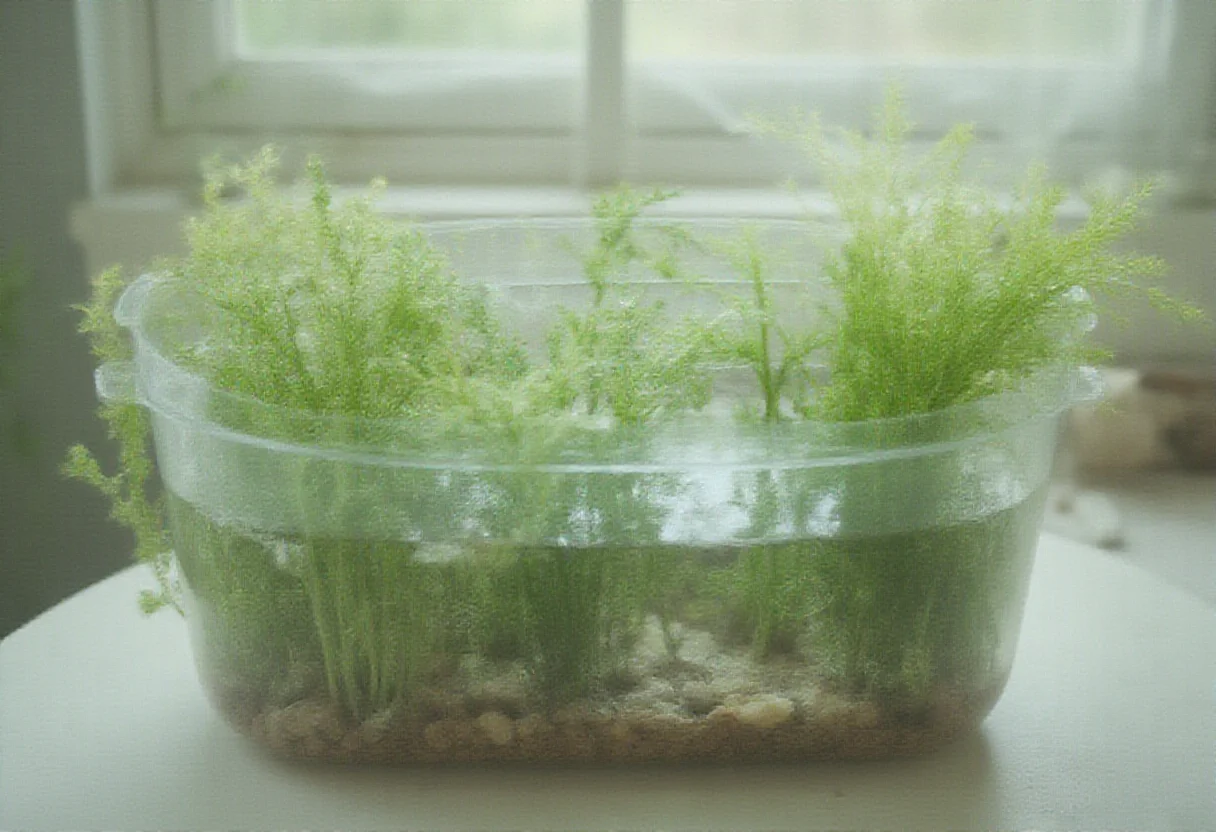
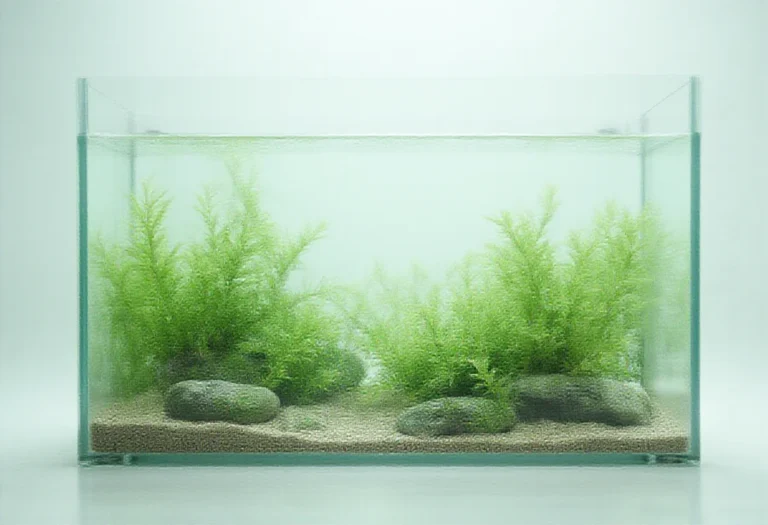
How this was made: prepared with AI assistance and checked against the sources listed at the end. Images are AI-generated illustrations, not photographs of real animals or products.
Key Takeaways
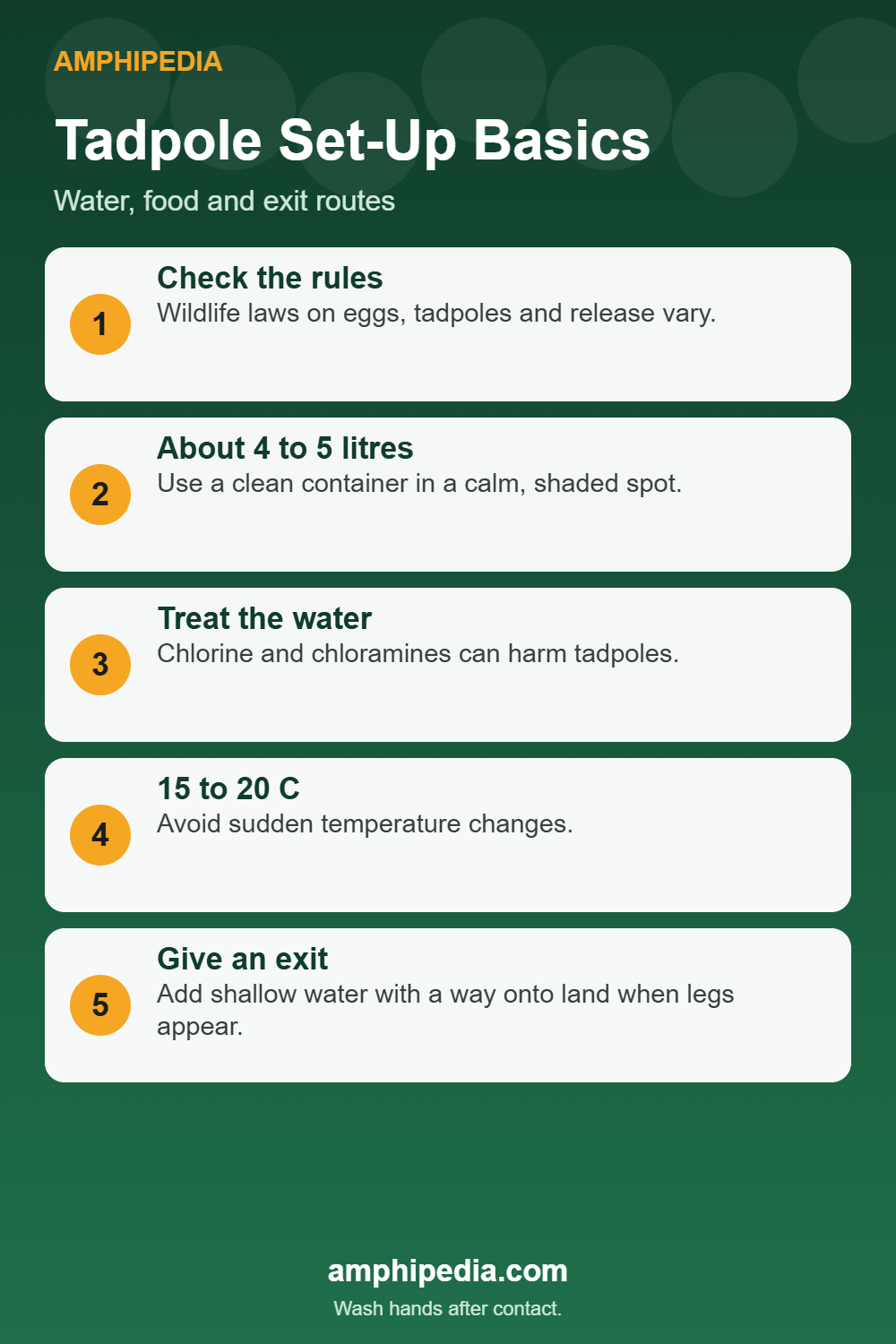
- Check local rules before collecting or buying tadpoles.
- Use a clean container of about 4 to 5 litres, as one university guide suggests.
- Treat tap water; chlorine and chloramines can harm tadpoles.
- Keep water between about 15 and 20 C and avoid sudden changes.
- Move to shallow water with a way out when legs appear.
- Wash hands after any contact, because amphibians can carry Salmonella.
Pin this infographicShare on Facebook
Kit and tank picks
These kits and tanks are sorted by price from high to low. Check what is included, and note that none include live animals unless the listing says so.


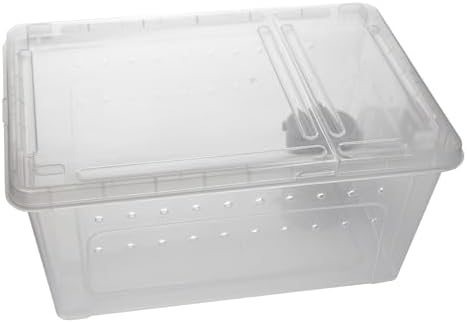


Product titles, prices and ratings are provided by Amazon and are accurate only at the time they are displayed.
Start with the rules
Rules differ by country and state. In Victoria, the Victorian Frog Group says tadpoles may only be obtained from captive breeding. Indiana’s DNR says collecting eggs of reptiles and amphibians is prohibited.
Releasing captive animals can also be restricted. Indiana allows release only under strict conditions. Check your state wildlife agency before collecting or releasing anything.
What a set-up needs
The University of St Andrews guide suggests a clean plastic container or fish tank holding about 4 to 5 litres, placed in a calm spot out of direct sunlight, with water between 15 and 20 C. It warns that sudden water temperature changes can kill tadpoles.
The Victorian Frog Group notes that room temperature is sufficient, and that warmer water speeds development but gets dirty faster.
Water quality
The Victorian Frog Group says chlorine and chloramines can harm tadpoles, and that tap water should stand for 24 hours so chlorine evaporates. It does not say chloramines evaporate. See our dechlorinator guide.
Change water regularly. If the water turns cloudy or milky, change at least half of it at once. Keep fish out of the tank.
What tadpoles eat
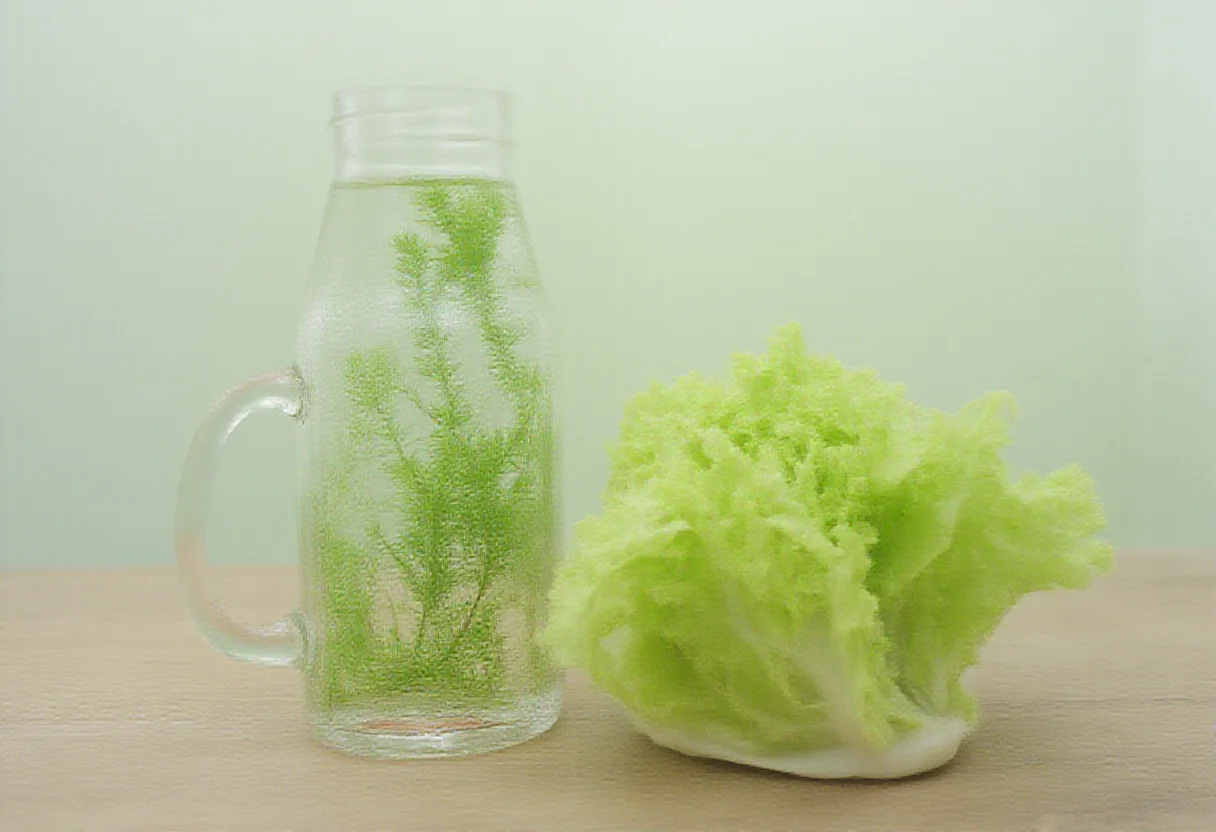
The Victorian Frog Group suggests frozen endive or another leafy green such as lettuce, broken up by hand. Freezing is preferred over boiling. Remove excess food, because it quickly fouls the water.
The St Andrews guide notes that older tadpoles can eat fish flakes, and tadpoles become carnivorous once legs appear. Needs vary by species, so check yours.
Kits and parts compared
Ready-made kits vary. Here is what to compare.
| Part | What to check | Why it matters |
|---|---|---|
| Tank or tub | About 4 to 5 litres for a few tadpoles, with a lid or cover | Room to swim and a cover against escapes |
| Water treatment | States it removes chlorine and chloramine | Protects sensitive skin and gills |
| Food | Leafy greens or a food sold for tadpoles | Poor diet slows growth |
| Ramp, stones or twigs | Easy exit from the water | Froglets cannot swim for long |
| Thermometer | A simple floating or stick-on type | Warm water gets dirty faster |
What to look for when you buy
This page does not include hands-on tests. Many products sold as kits do not include live animals, and you should not assume they do. The checklist below reflects published care advice.
- A clear list of what is included.
- A container that is easy to clean and has a lid.
- Water treatment that states chlorine and chloramine removal.
- A way for froglets to leave the water.
- Instructions that mention legal and welfare checks.
- No promises of live animals unless the seller is a legal captive breeder.
How to set up a tadpole tank
Prepare everything before you bring tadpoles home.
- Wash the container with plain water and rinse well.
- Fill it with treated or aged water.
- Add a few plants or smooth stones for cover.
- Place it in a calm, shaded spot.
- Add food in small amounts and remove leftovers.
- Change part of the water regularly and watch for cloudiness.
Metamorphosis and froglets
The Victorian Frog Group says to move tadpoles to shallow water with easy access to land when the front legs appear. Young frogs cannot swim for long and may drown in deep water. Froglets may not feed for several days after the tail is absorbed, then need small insects.
Development time varies. The Victorian Frog Group gives as little as eight weeks for the southern brown tree frog and up to fifteen months for the banjo frog.
Common mistakes
Avoid these problems.
- Collecting wild eggs or tadpoles without checking the law.
- Using untreated tap water.
- Overfeeding and fouling the water.
- Keeping fish with tadpoles.
- Not providing a way out when legs appear.
- Releasing captive animals into the wild without checking the rules.
After the tadpole stage
Plan housing for adult frogs before the tadpoles grow. A froglet needs a small land area, humidity and tiny prey. Our quarantine tank guide is useful for temporary housing.
Tap water: 24 hours or 3 days?
The two main guides give different advice. The Victorian Frog Group says tap water should stand for 24 hours in a clean bucket so chlorine evaporates and excess air escapes. The University of St Andrews page says to avoid tap water, to prefer pond water, rain water or bottled water, and to let unavoidable tap water stand for 3 days.
Neither page gives a test for when water is safe. The MSD Veterinary Manual says chloramine needs a specific dechlorinating agent, so a conditioner made for aquariums that states chloramine removal is the more cautious choice. Ask the seller or a vet if you are unsure what your supplier adds to tap water.
Rules in more detail: two examples
The Victorian Frog Group says all frogs and tadpoles are protected in Victoria and some other states, and that in Victoria tadpoles may only be obtained from captive breeding. Check your own conservation department outside Victoria.
The Indiana DNR summary of reptile and amphibian regulations is more detailed. Its page is marked “Revised 4/2013”, so confirm that the rules are current before relying on it.
- Collecting amphibian eggs from the wild is prohibited.
- A teacher with a hunting or fishing license may collect up to 4 tadpoles of a non-endangered species, but the page advises they likely cannot be released and must be cared for permanently.
- A native amphibian may be released only if held for less than 30 days, not housed with other animals and returned to its original capture site.
- Amphibians acquired outside Indiana may not be released, or sold for release, without a DNR importation permit.
- Bullfrogs and green frogs are game species with seasons and bag limits.
Your rules may be stricter or looser. Contact your state or national wildlife agency, and ask what applies to captive-bred tadpoles bought from a seller.
Depth, density and container material
Carolina Biological Supply’s tadpole care guide says to use only glass, plastic or stainless steel containers. It gives water depths of 2 to 5 cm for native tadpoles, 8 to 13 cm for bullfrog tadpoles and 10 to 20 cm for Xenopus. It says to keep no more than 30 small tadpoles per 4 L (1 gallon) for maximum growth, splitting them across more habitats as they grow.
The St Andrews page suggests 4 to 5 litres but gives no tadpole count. A small kit tank can therefore hold only a few tadpoles for the whole of their growth. Count what you can house at the end, not at the start.
The Victorian Frog Group adds that development rate depends on water temperature, food quality and amount, cleanliness and tadpole density. It says tadpoles release a chemical that restricts other tadpoles’ growth, which is one reason regular water changes help.
Feeding: where the guides disagree
St Andrews says young tadpoles scrape pond weed and also eat fresh lettuce and baby spinach, rinsed thoroughly, in small amounts. Carolina says lettuce or spinach works only as a supplement and that tadpoles eating only these may develop tumors. It lists tadpole food, pelleted rabbit food and algae with powdered beef liver or egg yolk as options.
The Victorian Frog Group suggests frozen endive or another leafy green, frozen rather than boiled. Because the advice varies, use a mixed diet that suits your species and check a species care sheet. Once legs appear, St Andrews says tadpoles need meat and may eat each other without it. It suggests hanging small pieces on string and changing them daily.
Froglet housing and what to do with them
Carolina says to move froglets with mostly absorbed tails to a terrarium with a sand substrate and a water source. For frogs, it describes about 5 cm of clean sand, piled higher at one end, with water a few centimetres deep at most. For toads, it says to use a shallow dish of water on top of sand to prevent drowning.
Xenopus are different: Carolina says they stay fully aquatic and need no climbing surface. It says to keep them in an aquarium and never release them, because they are not native and can harm native amphibians.
Sources on release disagree. St Andrews suggests releasing frogs near a pond, while Carolina does not advocate release and notes that some states require a permit. Indiana limits release as described above. Plan a home for every froglet before you start, and check the law first.
Frequently Asked Questions
How big should a tadpole tank be?
The University of St Andrews suggests about 4 to 5 litres. Larger is better for more tadpoles.
What temperature do tadpoles need?
The same guide gives 15 to 20 C. The Victorian Frog Group says room temperature is sufficient.
Can I use tap water?
Treat or age it first. Chlorine and chloramines can harm tadpoles.
What do tadpoles eat?
Leafy greens such as lettuce or endive, frozen and broken up. Check your species.
Do I need a ramp?
Yes. Froglets cannot swim for long and need a shallow exit.
Is it legal to collect tadpoles?
Rules vary. Check with your state wildlife agency before collecting or releasing.
Bottom Line
A tadpole tank is simple but demanding. Clean water, steady food and a way out at the froglet stage matter most.
Check the rules first, and plan for the frogs they become.
Sources
- Victorian Frog Group: Tadpoles, accessed 12 November 2026. Used for: chlorine and chloramines, standing tap water, feeding and froglet care for tadpoles.
- University of St Andrews: Tadpoles as pets, accessed 12 November 2026. Used for: container size, water, temperature range, feeding and climbing needs.
- Indiana DNR: Reptile and Amphibian Regulations FAQ, accessed 12 November 2026. Used for: example of state rules on collecting eggs and tadpoles and on releasing captive animals.
- CDC: Reptiles and Amphibians (Healthy Pets, Healthy People). Used for: hand washing, cleaning habitats away from kitchens, and high-risk groups.
- Care Guide: Tadpole (Carolina Biological Supply), accessed 12 November 2026. Used for: container, depth, density, feeding, froglet housing, release
- Housing for Amphibians, MSD Veterinary Manual, accessed 12 November 2026. Used for: chloramine and dechlorinating agents

3 Comments