Best Quarantine Tank for Amphibians: A Simple Setup Guide
This post contains affiliate links. As an Amazon Associate I earn from qualifying purchases. Prices and availability are shown by Amazon and can change.
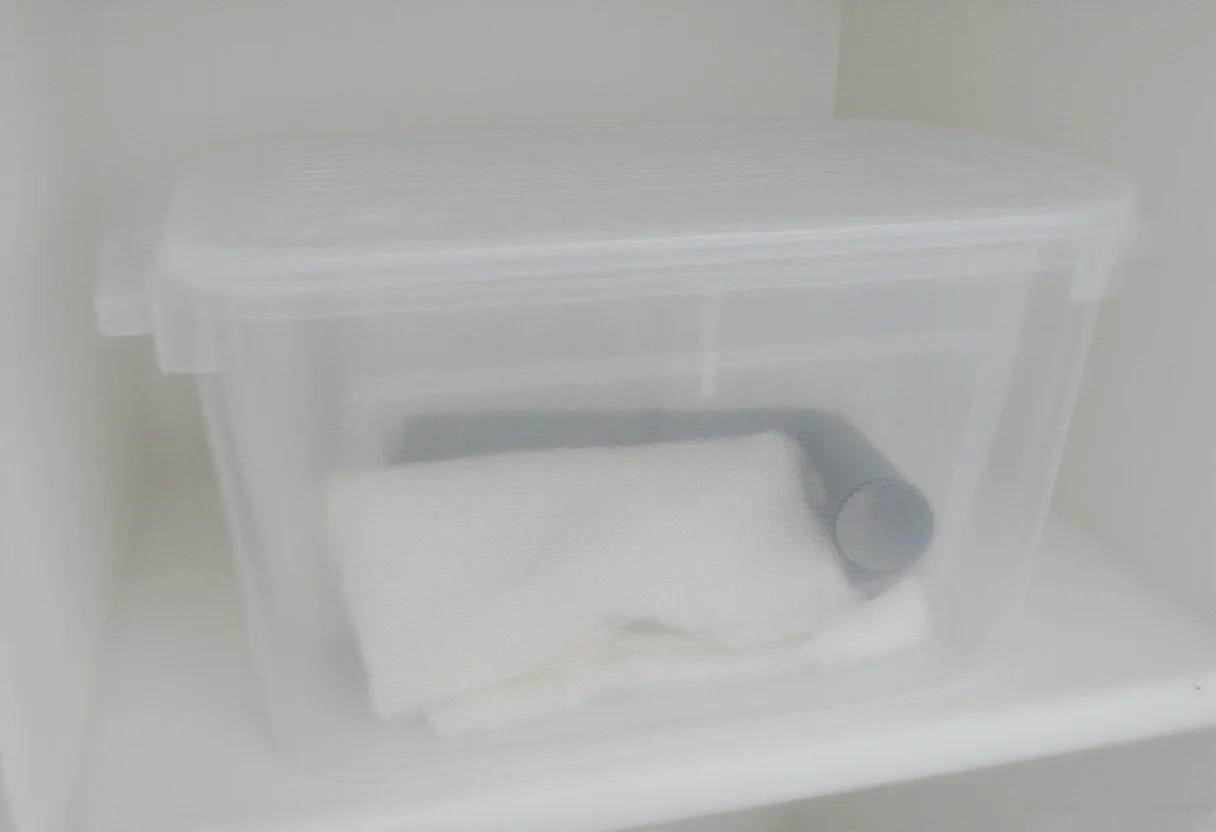
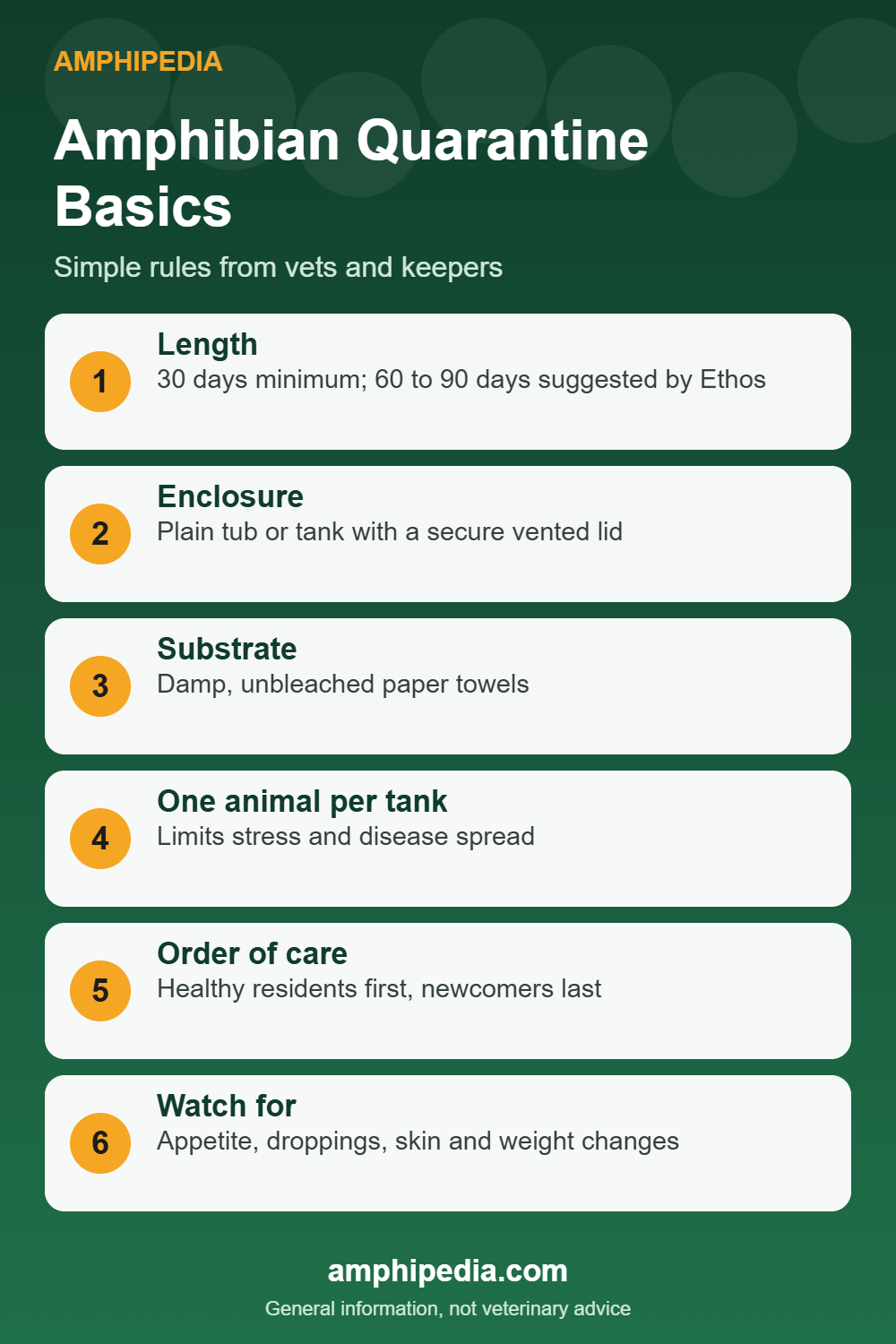
The best quarantine tank for amphibians is a plain, easy-to-clean enclosure with a secure vented lid, damp paper towels for substrate, and a simple hide you can discard or sterilise. It does not need to be a showpiece terrarium. Sources advise keeping new animals apart for at least 30 days, and one veterinary group suggests 60 to 90 days. Use one tank per animal, in a separate room if you can.
New amphibians can carry disease without showing signs. A quarantine tank keeps a newcomer away from your resident animals while you watch for trouble.
Many shoppers look for a durable, high-end terrarium for this job. The reverse is closer to the truth: a quarantine tank should be cheap, bare and easy to scrub, because you want to see the animal and throw away or disinfect everything afterwards.
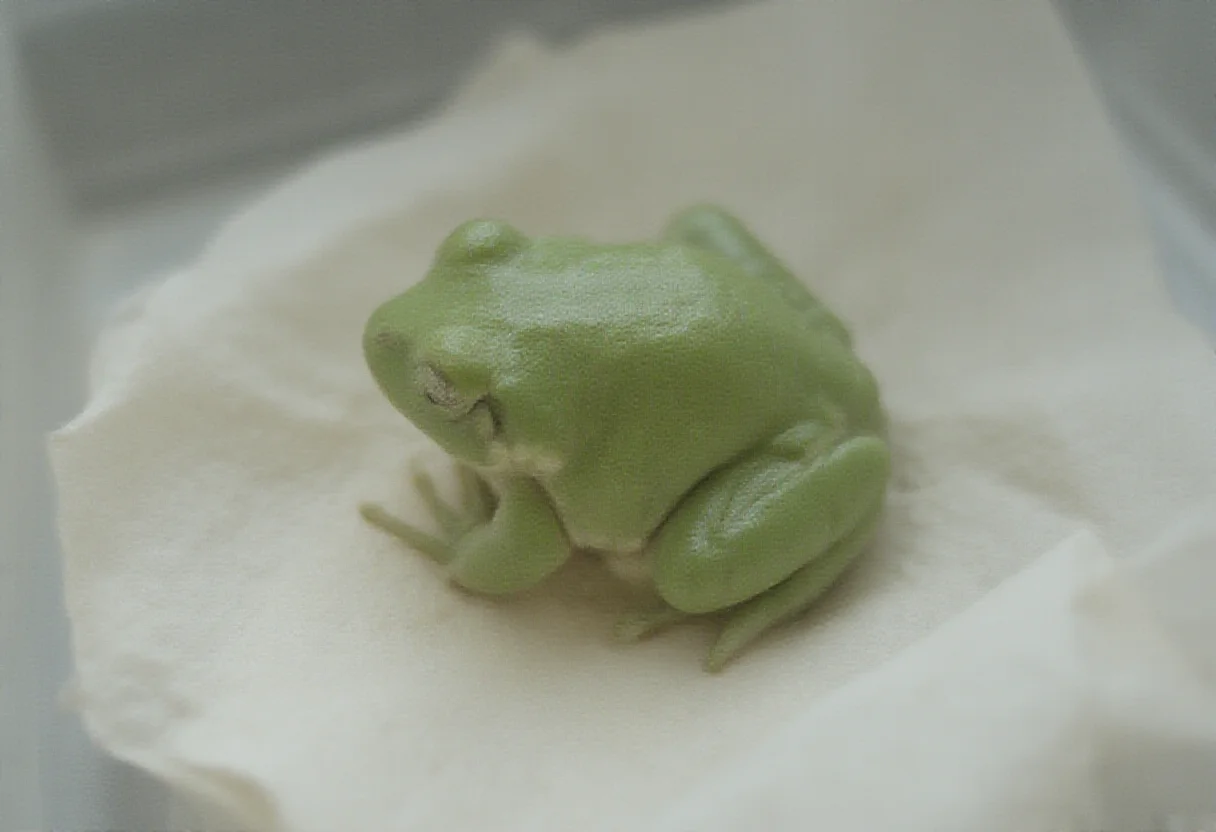
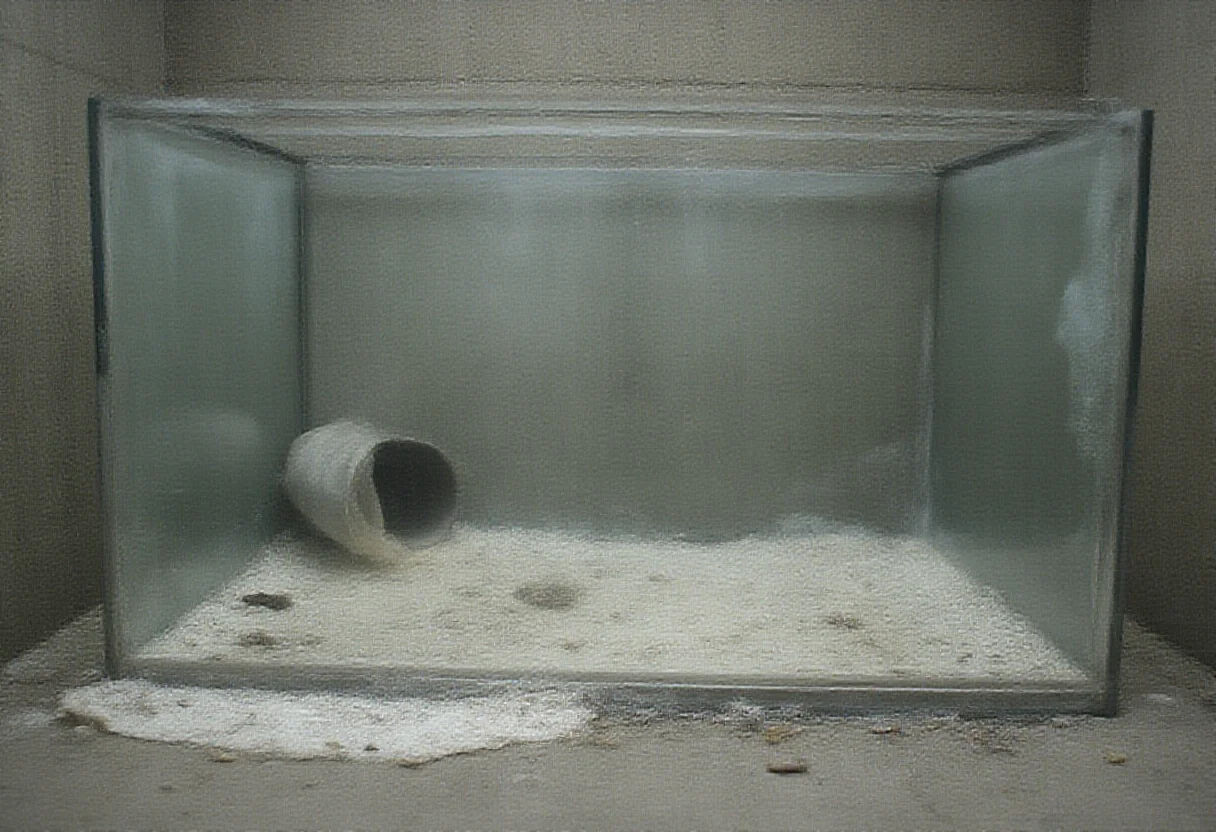
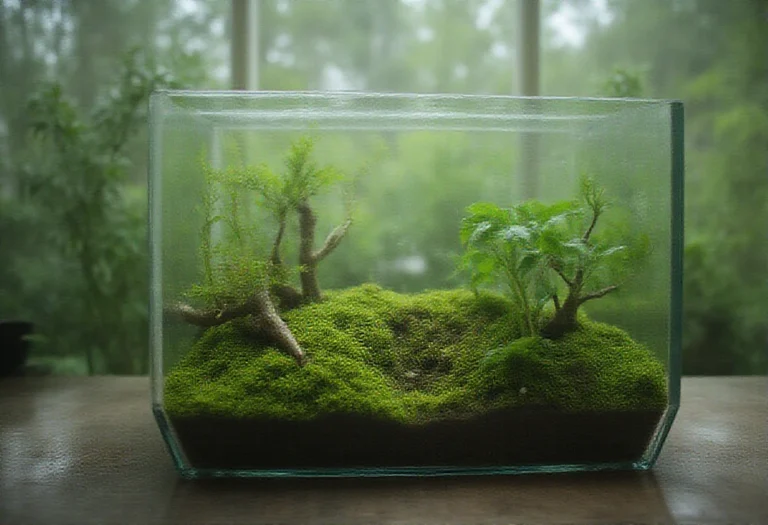
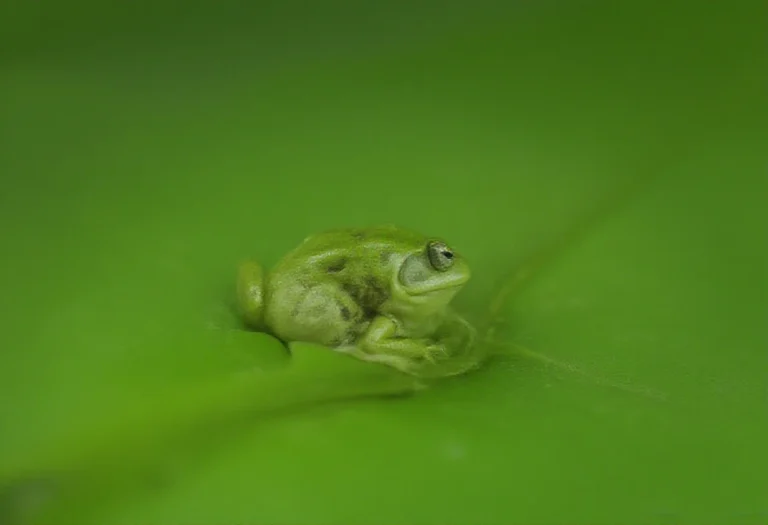
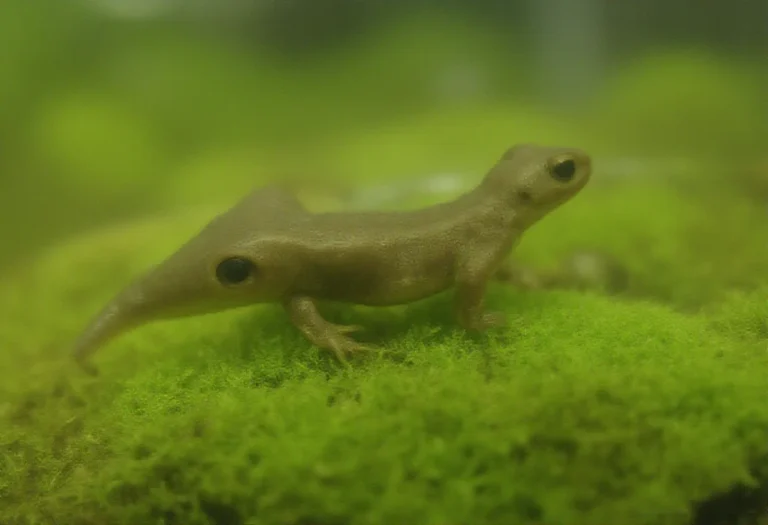
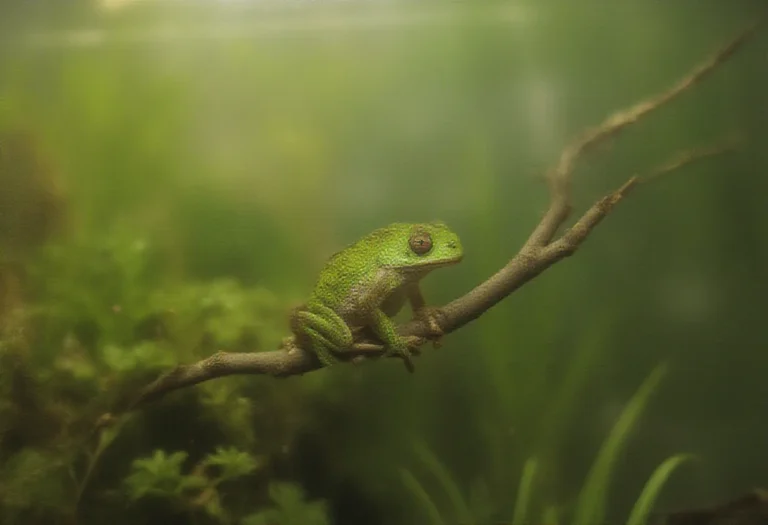
How this was made: prepared with AI assistance and checked against the sources listed at the end. Images are AI-generated illustrations, not photographs of real animals or products.
Key Takeaways
- Plain beats pretty: use a tub or tank you can clean or replace easily.
- Keep each animal in its own enclosure, away from your residents.
- Paper towels and a pipe hide are easy to see, wash and discard.
- Plan for 30 days at minimum; sources range up to 60 to 90 days.
- Care for healthy residents first, then newcomers, and wash hands between groups.
Pin this infographicShare on Facebook
Enclosures that work for quarantine
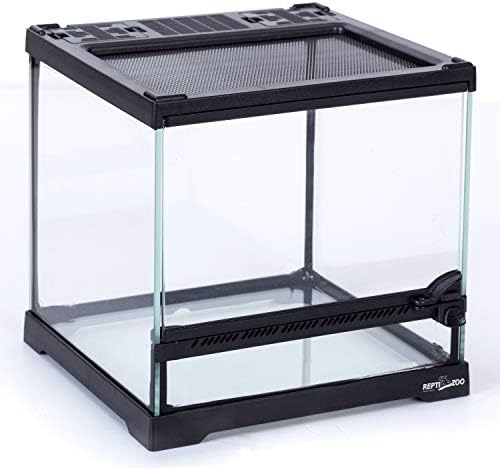
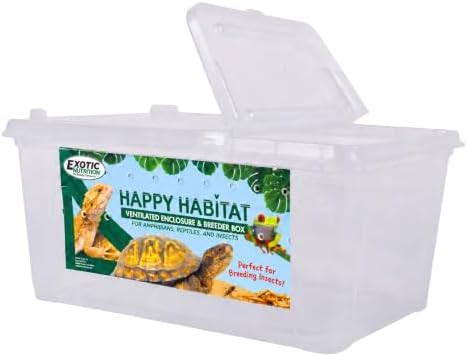
These enclosures are drawn from live Amazon listings. Look for a locking vented lid and smooth, cleanable walls.



Product titles, prices and ratings are provided by Amazon and are accurate only at the time they are displayed.
What a quarantine tank is for
Quarantine is a waiting period. The goal is to spot illness, parasites or poor condition before a new animal touches your collection. Ethos Veterinary Health says reptiles and amphibians should be quarantined for 60 to 90 days, ideally in a different room.
Caudata.org, a long-running newt and salamander community, gives a minimum of 30 days and prefers 90. The sources differ, so choose the longer period when in doubt and ask an exotics vet about your species.
Why a simple tank is better than a showpiece
A decorative terrarium has soil, live plants, wood and clay. These absorb germs and are hard to disinfect. Ethos advises easy-to-clean furnishings and says wood or clay items should be avoided unless you are willing to discard them.
A bare setup also lets you see droppings, appetite and skin changes at a glance. That information is the whole point of quarantine.
- Easy to disinfect or cheap to replace.
- Clear sides so you can observe the animal.
- No live plants or deep soil to hide waste.
- Lower cost, so you can keep a spare ready.
How to choose the enclosure
Caudata.org suggests a tank or plastic box with a secure, vented lid. It names plastic shoe boxes and sweater boxes, and prefers food-grade plastic because it is unlikely to leach toxins. A small glass tank also works if you can scrub it well.
Pick the size by species. Aquatic animals need a water-safe tank with a tight lid, while terrestrial frogs and salamanders do well in a plastic tub with air holes. Make sure the lid locks, since stressed animals escape.
- Secure, vented lid with no gaps.
- Food-grade plastic or glass.
- Size that suits the species without becoming a large display.
- Smooth walls with no hard-to-reach corners.
- Room for a damp substrate, a hide and a shallow water dish.
Substrate, hides and humidity
Caudata.org recommends moistened, unbleached paper towels as substrate. Crumpled towels can also serve as a hiding place. For a firmer hide, it suggests a piece of Schedule 40 PVC pipe, which can be sterilised or discarded later.
Keep the towels damp, not soaking, and change them often. Use dechlorinated water for misting and dishes; our dechlorinator guide explains how to choose one.
- Line the base with damp, unbleached paper towels.
- Add a crumpled towel or short pipe section as a hide.
- Add a shallow water dish suited to the species.
- Fit the vented lid and check that it locks.
- Place the tank in a quiet, dim, low-traffic spot.
Care routine and hygiene order
Caudata.org advises caring for healthy resident animals first, then the quarantined ones. Wash your hands with soap and water or an alcohol-based rub between groups.
Ethos adds that you should change clothes between animal groups and never share bowls, tongs or furnishings. Caudata.org suggests rinsed disposable nitrile or vinyl gloves, changed between groups, plus separate nets and tools for quarantine.
| Step | Why it matters |
|---|---|
| Feed and clean residents first | Moves germs from healthy to suspect, not the reverse |
| Wash hands between groups | Cuts the chance of carrying pathogens |
| Use separate tools | Nets and bowls spread disease |
| Change gloves between animals | Avoids cross-contamination |
Planning space and budget
Plan for the number of animals you buy, not the number you own. If you add two frogs together, you still need two quarantine enclosures, because sources advise one animal per tank.
Keep one or two spare tubs or tanks in storage so you are not tempted to skip quarantine when a new animal arrives. Because plain containers cost little, this is cheaper than treating an outbreak in your main collection.
What to watch for
Ethos tells owners to watch closely for changes to droppings and appetite, and to look for abnormal behaviour and weight loss. Ask for a fecal test near the start of quarantine.
If anything looks wrong, contact an exotics vet. The ARAV directory at arav.org lists veterinarians who treat amphibians. Do not start treatments on your own.
- Refusing food for several days.
- Changes in droppings.
- Red patches, cottony growth or sores on the skin.
- Lethargy or unusual posture.
- Weight loss over time.
Disinfecting the tank afterwards
Caudata.org lists several options. A fresh 1:10 bleach mix needs 15 to 30 minutes of contact, then a thorough rinse and dechlorinator. Seventy percent isopropyl alcohol on non-porous surfaces needs about 15 minutes.
Never mix cleaners, and keep them away from occupied enclosures. Heat natural substrates in an oven at 70°C (160°F) for at least 20 minutes if you reuse them. For a related guide, see our isolation box guide.
Common mistakes
The biggest error is cutting quarantine short because the animal looks fine. The second is housing several newcomers together, which can pass disease between them.
Another is using porous decor, such as wood and clay, that cannot be sterilised. Keep it simple and plan to replace anything you cannot clean.
- Ending quarantine early.
- Putting two new animals in one tank.
- Using soil, wood or clay that holds germs.
- Skipping hand washing between tanks.
- Placing the tank in a bright, busy room.
Three sources, three lengths
The Merck Veterinary Manual adds a third view on quarantine length. It says a 6 to 8 week period is typically adequate, but that the length should be based on a risk assessment of the collection and the source of the animal.
- Caudata.org: a bare minimum of 30 days, with 90 days even better.
- Ethos Veterinary Health: 60 to 90 days, ideally in a different room.
- Merck Veterinary Manual: typically 6 to 8 weeks, adjusted for risk.
Risk is the key idea. An animal from a trusted breeder joining one resident is a different case from a wild-collected animal joining a large collection. When risk is higher, choose the longer end and ask your vet to help decide.
Ending quarantine: how to decide
Do not end quarantine on a feeling that the animal looks fine. Caudata.org says fecal examinations and chytridiomycosis testing could be used as criteria for ending quarantine. It still advises at least 30 days, to reduce the risk of infections with long incubation times.
Merck recommends that veterinary monitoring include at least an entrance and exit examination. For a home keeper, that means booking the first visit early and the last one before the animal joins your collection.
Keep a quarantine log
Merck advises owners to keep a log of appetite and behaviour, and says regular weight checks may be beneficial. A short daily note is enough, and it gives your vet something concrete to work from.
- Date and room conditions you were able to check.
- What was offered, what was eaten and what was removed.
- Droppings: normal, changed or absent.
- Behaviour and posture, and whether the animal moves normally.
- Skin: free of visible external parasites, as Caudata.org asks, and any marks or sores.
- Weight, if your vet shows you how to weigh safely.
Merck also asks keepers to keep disturbances to a minimum. Watch from a distance, do the care tasks, and avoid handling for the sake of checking.
Special care for aquatic animals and feeders
Caudata.org notes that aquatic diseases can be spread by tiny droplets of water formed when filters bubble or splash. It also says chytrid fungus remains infectious in distilled water for up to four weeks. Keep quarantine tanks apart from other tanks and filters, and do not share water.
Feeder insects can carry pathogens between enclosures if they escape, so Caudata.org advises mesh over ventilation openings. It also says certain food items, such as live fish, should be quarantined before use.
Humidifiers, spray bottles and discarded items
Merck says humidifiers and spray bottles used in quarantine must be disinfected weekly, and that substrate and furniture must be thoroughly decontaminated before disposal. Do not carry used paper towels or decor to a bin where your other animals could be exposed. Bag them first.
If an animal in quarantine dies
Merck says dead animals should receive a postmortem examination, with histology considered. Call your exotics vet straight away for instructions on handling the body, and do not clean or disinfect the tank until you have asked. The result may protect the animals you still have.
Frequently Asked Questions
How long should I quarantine a new amphibian?
Ethos Veterinary Health suggests 60 to 90 days. Caudata.org gives a minimum of 30 days and prefers 90. Choose the longer period when in doubt.
Can I use a glass terrarium for quarantine?
Yes, if you can clean it thoroughly. Keep it bare and avoid soil, wood and live plants.
What substrate is best for quarantine?
Caudata.org recommends moistened, unbleached paper towels because they are easy to inspect and discard.
Can two new animals share a quarantine tank?
Caudata.org advises one enclosure per animal to limit aggression, stress and disease spread.
Do I need a vet for quarantine?
A fecal test near the start is advised by Ethos. An exotics vet can guide species-specific testing.
Where should I put the tank?
In a separate, quiet, dimly lit room if possible, away from your other animals.
Bottom Line
A good quarantine tank is plain, secure and easy to clean. Choose a vented, lockable enclosure, line it with damp paper towels and add a simple hide.
Stick to a long quarantine, care for residents first, and call an exotics vet if the newcomer looks unwell.
Sources
- Ethos Veterinary Health: Quarantine Recommendations for New Reptiles and Amphibians, accessed Duration, hygiene and monitoring
- Caudata.org: Quarantine and Disinfection, accessed Tank types, substrate, hygiene order and disinfectants
- CDC: Reptiles and Amphibians, accessed Salmonella and cleaning
- ARAV: Find a professional, accessed Directory of exotic animal vets
- Merck Veterinary Manual: Environment and Husbandry for Amphibians, quarantine section (professional version), accessed 12 November 2026

5 Comments