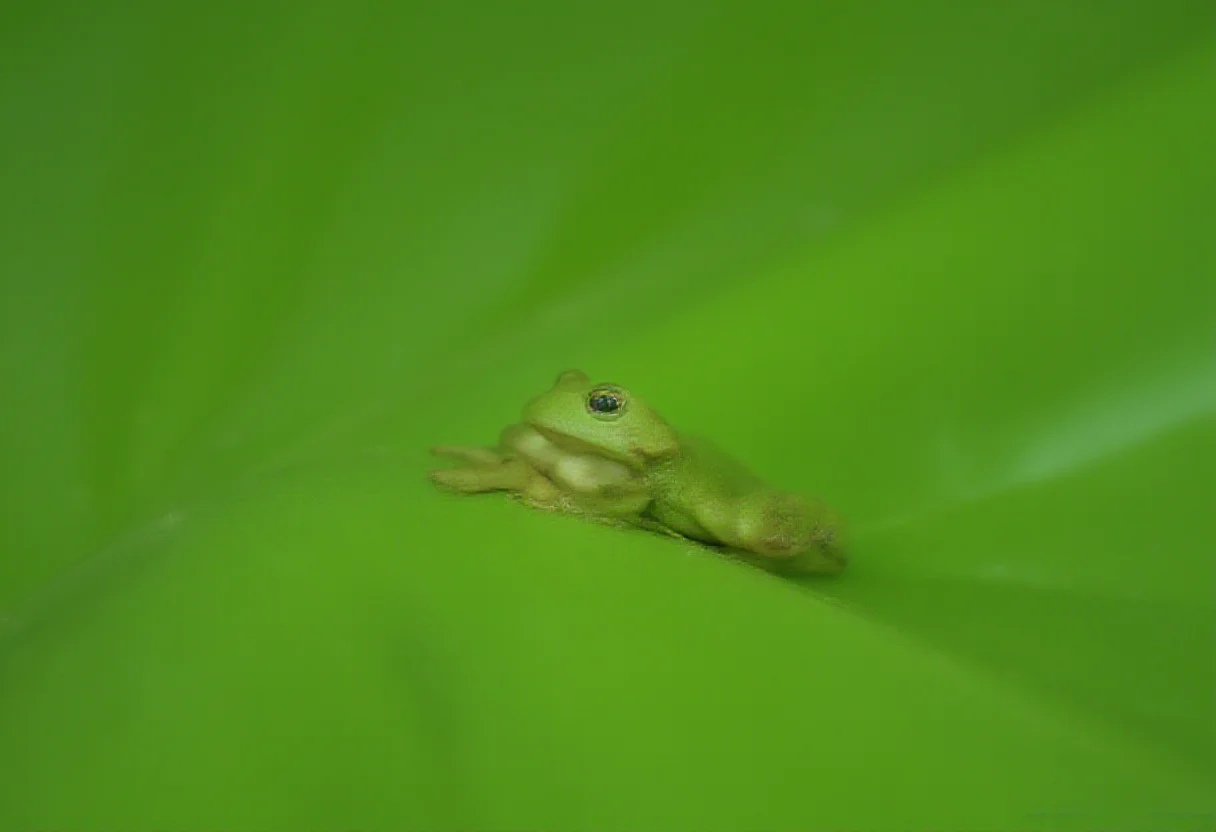
Amphibian First Aid Spray: What Is Safe and What Is Not
This post contains affiliate links. As an Amazon Associate I earn from qualifying purchases. Prices and availability are shown by Amazon and can change.
There is no spray that is proven safe for every amphibian, so treat any “first aid spray” with caution. Frog and salamander skin is permeable, which means chemicals can pass into the body. A US government handling guide even lists many topical antiseptics as contraindicated. Keep clean water, a spare clean container and a vet contact ready instead, and call an exotics vet for any wound.
Search for an amphibian first aid spray and you will find products made for reptiles, dogs or fish. Few say anything about frogs, toads, newts or axolotls. That gap matters, because amphibians do not have the tough, dry skin of a lizard.
This guide explains why sprays are risky, what a sensible first aid kit holds instead, and which signs mean you should skip home care. It is general information, not veterinary advice.
How this was made: prepared with AI assistance and checked against the sources listed at the end. Images are AI-generated illustrations, not photographs of real animals or products.
Key Takeaways
- Amphibian skin is thin and permeable, so a spray can enter the bloodstream.
- A US government handling guide says many topical antiseptics are contraindicated in amphibians.
- Read any label for species. “Reptile safe” does not mean amphibian safe.
- Clean, dechlorinated water and a calm, clean container are the safest first steps.
- Wet hands only when you must touch an animal, and wash up afterwards.
- Open sores or red patches need an exotics vet, not a spray.
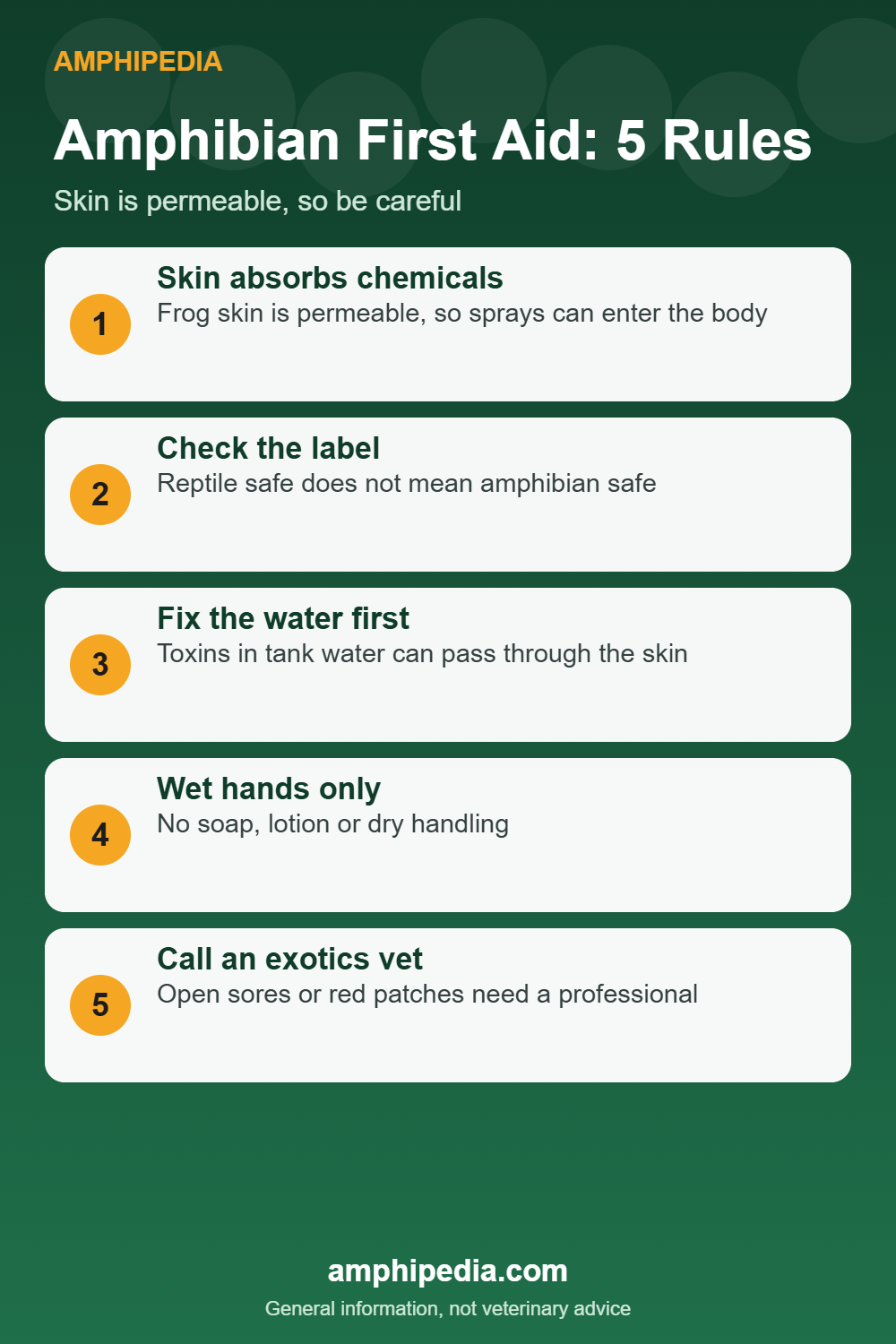
Pin this infographicShare on Facebook
First Aid Kit Basics Worth Keeping
These picks cover kit basics such as water conditioner and a spare container. They are not wound treatments.


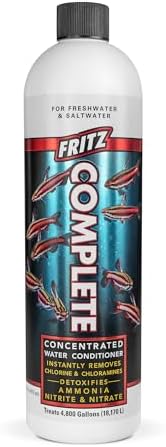

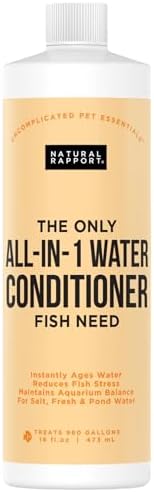
Product titles, prices and ratings are provided by Amazon and are accurate only at the time they are displayed.
Why a spray is a risky first move
Amphibians breathe and drink partly through their skin. A mucus layer covers that skin and helps repel germs. A review in the Journal of Veterinary Pharmacology and Therapeutics found that frog skin is permeable, and that even large compounds are likely to be absorbed through it.
That is useful for vets who choose a drug on purpose. It is a problem for owners who spray a product on a wound without knowing what it contains. A chemical that is harmless on a dog can be absorbed across the whole skin of a frog.
A US Geological Survey handling guide for researchers describes adult amphibian skin as much more delicate than the skin of reptiles, birds and mammals. It also says that topical antiseptics other than one named product are contraindicated. We will not name products here. The point is that the safe list is short and a vet should pick from it.
What the label does and does not tell you
Most sprays on the market are labeled for dogs, cats, horses, reptiles or aquarium fish. A label is a legal claim for a specific animal. It is not a safety test for a frog.
Use the table below as a quick reading guide. If a product fails any row, do not use it on an amphibian without asking a vet first.
| Label claim | What it means | Safe default |
|---|---|---|
| Reptile safe | Tested or intended for scaly skin, not moist skin | Do not assume it suits frogs or newts |
| Antiseptic or disinfectant | May contain alcohol, iodine or other irritants | Ask a vet before any use on skin |
| Fish safe or aquarium safe | Meant for water treatment, not wounds on land animals | Use only as the label directs for water |
| Pain relief or numbing ingredient | Drug content can cross the skin | Avoid unless a vet prescribes it |
| No species listed | No evidence for amphibians | Treat as unsafe for skin use |
What to do while you wait for the vet
Good first aid for an amphibian is mostly about reducing stress and keeping the environment clean. You do not need to apply anything to the wound itself.
Check the water or substrate first. Ammonia and other toxins in a tank can be absorbed through the skin, according to a veterinary article on captive amphibians. Poor water often causes the very skin problems owners try to spray.
If you must handle the animal, use wet hands that are free of soap, lotion and sanitizer, or examine it in a clear plastic bag with a little water. Dry hands and stiff nets can strip the mucus coat.
- Move the animal to a clean, quiet container only if the vet advises it.
- Use dechlorinated or vet-approved water for aquatic species.
- Keep temperature and humidity in the normal range for the species.
- Do not add salt, tea, vinegar or other home remedies.
- Take photos of the wound and note when it started.
Building a first aid kit that is actually safe
A useful kit is not full of sprays. It helps you keep the animal stable and gives the vet good information. Most items are cheap and are not applied to the skin.
Include a water conditioner that removes chlorine and chloramine, since tap water can burn amphibian skin. Add a spare clean container with a secure lid, as in our guide to the isolation box for sick amphibians. Add a notebook for symptoms and feeding.
Write down your exotics vet contact. Veterinarians who see amphibians are uncommon, so find one before you need one. The ARAV directory lists members, and a local herpetological society may recommend someone.

Common mistakes with wound products
The most common mistake is reaching for a human or dog product because it works on a scrape. Alcohol, peroxide and many antiseptic creams can irritate moist skin.
The second is waiting. Small skin problems in amphibians can come from infection, poor water or injury, and they can change quickly. The vet article above describes advanced red leg as causing hemorrhages, red skin patches and large open sores.
The third is using one net or tool for several tanks. Use separate tools for each enclosure to avoid spreading germs. For ointment questions see our separate post on reptile safe antibiotic ointment.
- Do not apply any human or pet product to the skin without vet advice.
- Do not use dry or soapy hands on the animal.
- Do not share nets between tanks.
- Do not wait days to see if a sore goes away.
Signs that need a vet today
Call an exotics vet if you see any of the following. Do not try to treat these at home.
- Open sores, ulcers or skin that is peeling in patches
- Red patches on the belly or legs
- Swelling, a bloated look or a lump
- Not eating for longer than normal for the species
- Floating oddly, struggling to right itself or lying limp
- Eye cloudiness, discharge or sudden color change
Prevention beats first aid
Most wounds in captive amphibians trace back to the enclosure. Sharp decor, rough lids, aggressive tank mates and dirty water are common causes. Smooth surfaces, safe hides and clean water remove many risks.
Quarantine new animals in a bare, easy-to-clean setup before they join others. Our guide to the quarantine tank for amphibians covers the basics. Keep a water conditioner on hand, and test water on a schedule. Our dechlorinator guide explains what to look for.
Why vets can treat through the skin and you should not guess
The same permeability that makes a random spray risky is what lets vets use topical treatments on purpose. The Merck Veterinary Manual says many drugs can be given through amphibian skin because it is permeable. It also says some drugs irritate the skin, and that animals with primary skin disease may not absorb topical medication well.
The choice of product, the strength and the length of treatment are therefore clinical decisions. Merck lists baths and sprays for some fungal infections and saltwater applications for localised water mould, but those are professional protocols and this page gives none of the details. OATA adds that aquatic amphibians are scaleless and sensitive to aquarium medications.
This is why the advice above is to leave the wound alone and call a vet. A product that is wrong for the species, the problem or the strength can add a second injury to the first.
What a wound might be, and why you cannot tell by looking
Merck describes several conditions that can look alike to an owner.
- Red-leg syndrome: reddened belly skin during a bacterial infection, sometimes with ulcers and pinpoint bleeding on the legs and abdomen.
- Water mould (saprolegniasis): a whitish, cotton-like growth that often starts at an earlier injury such as an abrasion.
- Mycobacteriosis: grey nodules or ulcers in the skin.
- Chytridiomycosis: brown to red skin discoloration, excessive shedding and mucus, and poor coordination.
Merck notes that redness on the belly is nonspecific and can also occur with toxicosis, ranavirus or chytridiomycosis. Telling these apart takes cultures, skin samples or PCR testing, not a photograph. Merck also describes mycobacteriosis as potentially zoonotic, so wash your hands after any contact with a sick amphibian and cover cuts on your own hands before you go near the tank.
Photographs and notes still help. Record when the problem began, which animals share the enclosure and any changes in water, food or decor.
What to expect at the vet
Merck says a vet starts with a history covering diet, environment, reproductive status, medications, disinfection and water quality, and may test enclosure water for ammonia, nitrate, nitrite, pH, hardness, alkalinity and chlorine. Bring your water test results and a list of every product you have used in or near the tank.
For the trip, Merck says owners can use well-ventilated plastic enclosures with moistened paper towels, and that temperature control matters. For handling, it describes moistened, powder-free vinyl gloves (not latex) and warns that prolonged handling can cause heat stress through heat transfer from the palm. Keep your own handling short and gentle.
Frequently Asked Questions
Can I use a reptile wound spray on a frog?
Do not do it without asking a vet. Reptile products are made for dry, scaled skin. Frog skin is permeable and can absorb ingredients that a lizard would not.
Is hydrogen peroxide safe for amphibian cuts?
Home antiseptics such as peroxide and alcohol can irritate moist skin. We do not recommend them. Call an exotics vet for any wound.
What can I put in a first aid kit for an axolotl?
Include a water conditioner, a clean spare container with a lid, a thermometer, a notebook and your vet contact. Avoid sprays unless a vet prescribes one.
How do I handle an injured frog safely?
Use wet hands free of soap and lotion, or examine it in a bag with a little clean water. Keep handling short and wash your hands afterwards.
How do I find an amphibian vet?
Try the ARAV member directory or ask a local herpetological society. Call ahead to confirm the clinic sees amphibians.
Are first aid sprays safe for tadpoles?
Larval skin is even thinner, according to the USGS guide. Avoid skin products and ask a vet or the aquatic species guidance for your animal.
Bottom Line
A first aid spray feels like action, but for amphibians the safest action is usually to fix the environment and call a vet. Keep your kit simple and your vet number handy.
Use the picks above for kit basics such as water conditioner and a spare container, not as wound treatments.
Sources
- CDC: Reptiles and Amphibians (healthy pets). Salmonella risk and hygiene advice
- Llewelyn, Berger and Glass (2016), Percutaneous absorption of chemicals in frogs, J Vet Pharmacol Ther 39(2). Frog skin permeability
- USGS NWHC: Restraint and Handling of Live Amphibians. Skin fragility and contraindicated antiseptics
- That Pet Place: Keeping Captive Amphibians Healthy. Skin, water quality, hygiene and vet care
- Merck Veterinary Manual: Infectious Diseases of Amphibians, accessed 12 November 2026
- Merck Veterinary Manual: Clinical Techniques in Amphibians, accessed 12 November 2026
- OATA: How to care for aquatic frogs and axolotls (September 2022), accessed 12 November 2026



2 Comments