Best Fog Machine for a Newt Tank: What to Look For
This post contains affiliate links. As an Amazon Associate I earn from qualifying purchases. Prices and availability are shown by Amazon and can change.
The best fog machine for a newt tank is a quiet ultrasonic fogger with a removable water reservoir, an adjustable output and a timer or humidistat. It must not warm the tank. Petco advises keeping newts between 60 and 75 degrees Fahrenheit and never above 78. Fill it with dechlorinated water, disinfect it weekly, and treat it as a boost for humidity, not a replacement for a water area and a damp substrate.
Many newts spend part of the year on land and need damp air. A fogger can lift humidity quickly and give a gentle mist over the floor. Used badly, it can overheat the tank, soak the substrate or spread germs through the air.
This guide covers whether your newt needs a fogger, which features matter, how to place and clean one, and the mistakes that cause trouble. Species differ, so check the needs of yours first.
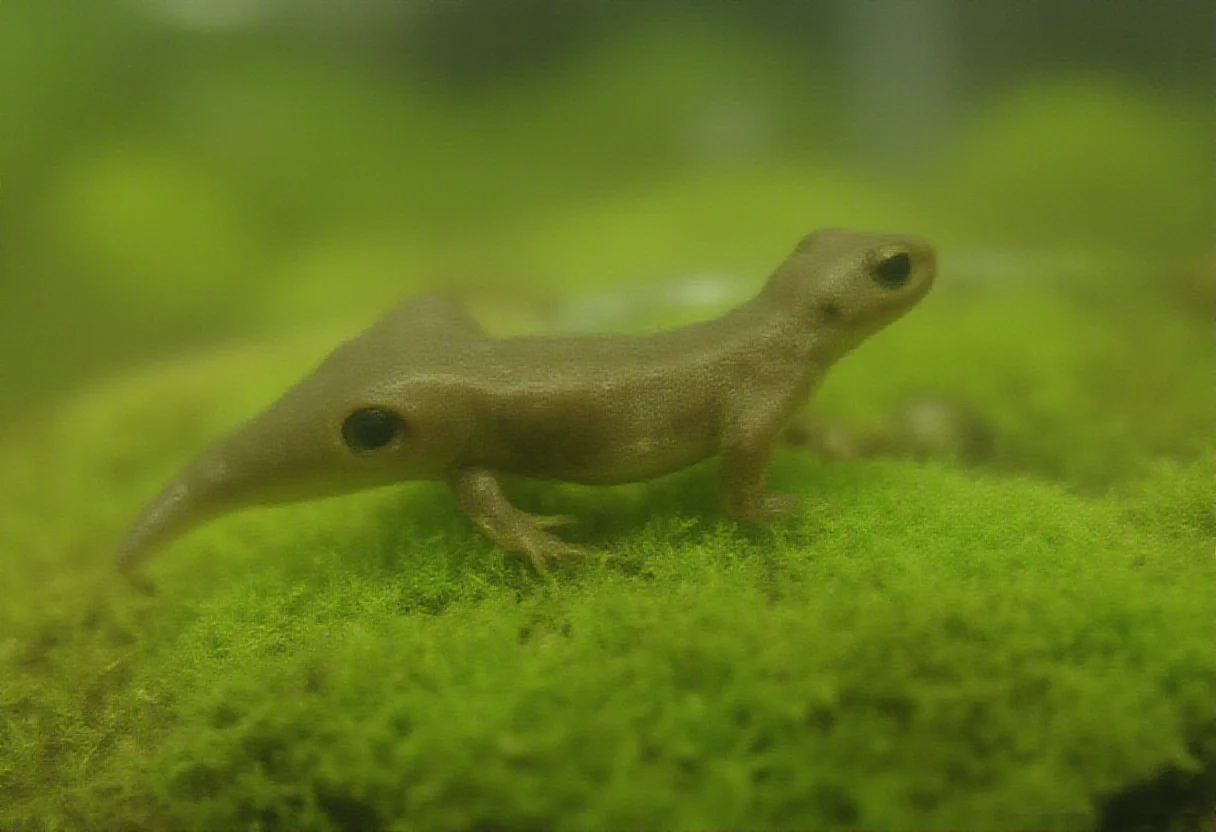
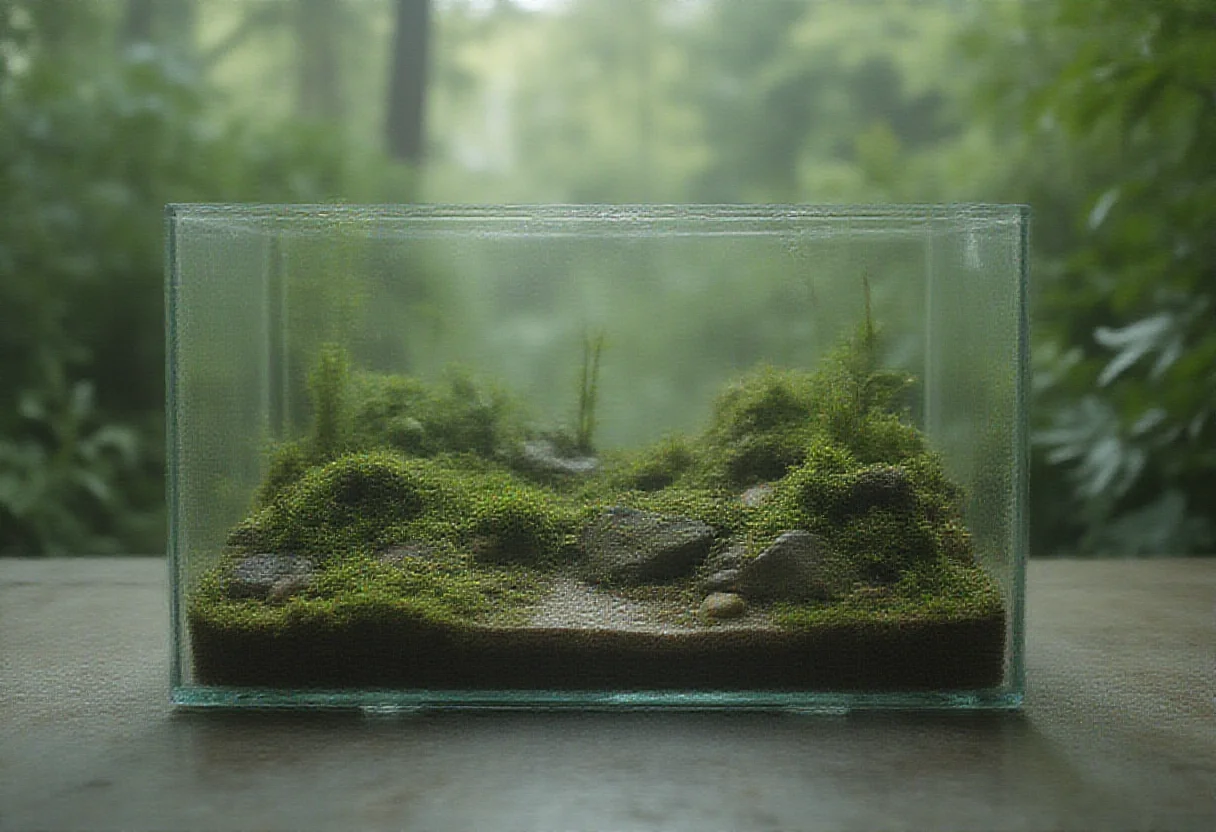
How this was made: prepared with AI assistance and checked against the sources listed at the end. Images are AI-generated illustrations, not photographs of real animals or products.
Key Takeaways
- A fogger raises humidity but does not replace a water area, moist substrate and good ventilation.
- Keep the tank at 60 to 75 degrees Fahrenheit and never above 78, per Petco guidance.
- Use dechlorinated water in the reservoir and disinfect the unit weekly, as the MSD Veterinary Manual advises for humidifiers.
- Choose a unit with adjustable output and a timer, so you can run short bursts.
- Watch for soggy substrate and condensation. Reduce fog if the tank stays dripping wet.

Pin this infographicShare on Facebook
Foggers and mist makers worth a look
The table is ordered from the highest price to the lowest. Prices, images and buy buttons come straight from Amazon and are not edited by us.


Product titles, prices and ratings are provided by Amazon and are accurate only at the time they are displayed.
Does a newt tank need a fogger?
Not always. Fully aquatic newts live in water and do not need fog at all. Semi-aquatic newts have a land area, and a daily mist plus a moist substrate often keeps humidity high enough.
Petco suggests aiming for about 70% humidity (the MSD manual gives a higher range; see the humidity section below) by misting with dechlorinated water, usually daily. A fogger is useful when you are away, when the room air is dry in winter, or when the tank has a lot of ventilation.
Keep heat in check
Most newts are cool-climate animals. Petco gives 60 to 75 degrees Fahrenheit and warns that anything over 78 can stress them. The MSD Veterinary Manual lists 60 to 70 degrees for most amphibians, with 75 to 80 for tropical species only.
Some foggers warm the water as they run. Place a thermometer at the cool end of the tank and check it after the first few hours. If the temperature creeps up, shorten the run time or move the unit outside the tank.
Features that matter
Choose practical features over high output. A small tank needs small bursts.
- Removable reservoir that is easy to rinse and wipe dry
- Adjustable mist output, so you can run a light fog
- Timer or humidistat connection for short, repeatable cycles
- Quiet operation, because noise and vibration can stress shy animals
- Large fill opening, so you can top up without moving the tank
- Nozzle or hose that directs fog across the floor, not onto the animal
- Cord with a drip loop and a plug placed above the water line
Water choice and cleaning
Fill the reservoir with dechlorinated water. The MSD Veterinary Manual says amphibian water must be free of chlorine and chloramine, and that distilled water should not be used in enclosures or when handling amphibians. Check the maker’s manual for water the unit accepts, and ask your vet if you are unsure.
The same manual says humidifiers and spray bottles should be disinfected weekly. Empty the reservoir between uses, rinse it with clean water and let it dry. Keep the unit out of the kitchen sink.
Fogger, mister or drip system?
A fogger is one of several ways to add moisture. The best choice depends on the tank size, your schedule and the species.
| Method | Strength | Watch out for |
|---|---|---|
| Hand misting | Cheap, precise, no heat | Needs daily effort and a clean bottle |
| Ultrasonic fogger | Fast humidity boost, can run on a timer | Heat, residue and weekly cleaning |
| Water area or drip feature | Steady moisture and a place to soak | Needs water changes and a filter |
Seasonal adjustments
Indoor air is driest in winter, so you may need longer fog cycles then. In summer, rooms warm up and the tank can overheat, so shorten the cycles and watch the thermometer. Move the tank away from sunny windows and radiators in every season.
Write down what works. A quick note about the fog time, the reading and the room temperature makes it easy to repeat a good setup next year.
How to set up a fogger safely
Start with the tank, then add the fogger.
- Set up the water area, moist substrate and hides before adding any mist.
- Place the unit outside the tank if you can, with a short tube into a high vent.
- Fill the reservoir with dechlorinated water and run it briefly while you watch.
- Check temperature and humidity at the cool end of the tank.
- Adjust output and timer until the air feels damp but the substrate is not soaked.
- Check again the next morning, then once a week.
Common mistakes
Most problems come from too much fog or too much heat. Constant dripping humidity and a hot, stagnant tank are both poor conditions. The MSD manual says keeping amphibians outside their preferred range can lead to immunosuppression and secondary infections. Spot-clean uneaten food and waste every day so the damp air does not grow mould.
- Running the fogger 24 hours a day with no break
- Blowing fog straight onto the newt or into the water filter
- Using a unit that has never been cleaned
- Covering every vent so air cannot move
- Skipping the thermometer
- Ignoring a water area because the fog seems enough
Related guides
Compare options in our guides to a reptile-safe fogging humidifier, a compact vivarium fogger and a paludarium fogger. For tank temperature see our thermometer guide.
Humidity targets: where the sources differ
Pick the target before you set the fogger. The two main pages for this guide give different numbers.
| Source | Humidity figure | Notes |
|---|---|---|
| Petco newt and salamander care sheet | About 70 percent | Mist with dechlorinated water daily as needed; check with a gauge |
| MSD Veterinary Manual: Housing for Amphibians | 75 to 80 percent for most amphibians; 85 to 90 percent for tropical species | Every enclosure should have a humidity gauge |
The difference is not large, but it matters for a timer. Start at the lower figure for a temperate newt, watch the gauge and the substrate, and raise output only if your species care sheet supports it. A hygrometer reading that stays above target with dripping glass is a sign to cut the fog.
Water: a point where sources split
The MSD manual says distilled water should not be used in amphibian enclosures or when handling amphibians. Another source we opened, DartFrog.pet, advises distilled or reverse osmosis water for dart frogs and says to avoid tap water. That page is about a different animal, but it shows the sources are not unanimous.
For a newt tank, the safer path is the one both newt sources support: dechlorinated water, with the maker of your fogger consulted on what the unit accepts. If you want a different water type, ask an exotics vet.
Build the land and water zones first
Petco says newts prefer a semi-aquatic terrarium in which land and water are separated. Its options include a water bowl buried in the substrate, a climbable platform, or sloped gravel leading to a dry area. The fog then lifts humidity above the land half and does not replace the water half.
- Water should be at least 1.5 times as deep as the length of the largest newt (Petco).
- Filtration should give slow to moderate circulation, because turbulent water is hard on newts (Petco).
- For newts, use large, smooth gravel or slate too big to swallow, and avoid small gravel (Petco).
- Provide hiding places, such as plants, driftwood and artificial stones (Petco).
- Use a securely fitting screened lid to prevent escape and allow ventilation (Petco).
Fog, ventilation and the lid
The MSD manual says terrestrial enclosures need about 1 to 2 air changes per hour, and aquariums need secure, ventilated tops. A fogger pushing damp air into a tank with a closed lid works against that. Feed the fog in through a vent and leave other vents open, so air still moves.
Temperature belongs in the same check. Petco says heat is usually unnecessary if the tank stays above 60 F and that it should not exceed 78 F. The MSD manual warns that keeping amphibians outside their preferred range can lead to immunosuppression and secondary infections. If the fogger or the room pushes the tank toward the top of that range, cut the fog before you cut ventilation, and recheck the thermometer after an hour.
Cleaning the fogger: what MSD says
The MSD manual says to disinfect humidifiers and spray bottles weekly. It gives a bleach solution of 1 ounce per quart of water (30 mL per litre) for at least 30 minutes, followed by a rinse and a thorough dry. Check your fogger’s manual first, because the maker may not allow bleach on the reservoir or the transducer. Never run the unit again until every trace of cleaner is rinsed out.
Frequently Asked Questions
Can I use a reptile fogger for newts?
Often yes, if it is quiet, adjustable and does not heat the tank. Check the temperature limits for your newt species first.
How much humidity do newts need?
Petco suggests about 70% for newts and salamanders. Needs vary by species, so confirm with a care sheet or vet.
How long should a fogger run?
None of our sources gives a run time, so start with short bursts and adjust. Watch temperature and substrate, not the clock alone.
Does a fully aquatic newt need fog?
No. A fully aquatic newt lives in water. Focus on water quality, filtration and temperature instead.
Is tap water safe in a fogger?
Chlorine and chloramine are harmful to amphibians, per the MSD Veterinary Manual. Use dechlorinated water unless the maker and your vet say otherwise.
Bottom Line
A fogger is a helpful tool for a land-phase newt, as long as it adds moisture without adding heat. Pick a quiet unit with adjustable output and a timer, and keep it clean.
Check the thermometer, watch the substrate and keep a real water area in the tank. Those habits matter more than the machine.
Sources
- Petco: Salamanders and Newts Care Sheet, accessed 12 November 2026. Used for: temperature, humidity, water and tank setup for newts
- MSD Veterinary Manual: Housing for Amphibians, accessed 12 November 2026. Used for: temperature, humidity, distilled water, ventilation and humidifier cleaning
- CDC: Reptiles and Amphibians, Healthy Pets. Used for: Salmonella and hygiene
- DartFrog.pet: Dart Frog Vivarium Setup, accessed 12 November 2026. Used for: the distilled water comparison


One Comment