
Misting Nozzles for a Dart Frog Vivarium: What to Look For
This post contains affiliate links. As an Amazon Associate I earn from qualifying purchases. Prices and availability are shown by Amazon and can change.
Misting nozzles turn pumped water into a fine spray so a dart frog vivarium keeps the humidity the species needs. Lafeber Veterinary gives 80 to 100 percent relative humidity for poison dart frogs, with misting light and regular and the substrate damp but not waterlogged. Choose nozzles by spray coverage, a reliable timer and pump, and easy cleaning. Always confirm results with a hygrometer.
Dart frogs come from humid forests. In a vivarium, misting is how most keepers supply that moisture. A nozzle system does the job on a schedule, so the tank does not swing between wet and dry.
This guide explains the humidity targets, how nozzles fit into a system, where to place them and what to check in a listing. It does not rate products or claim tests.
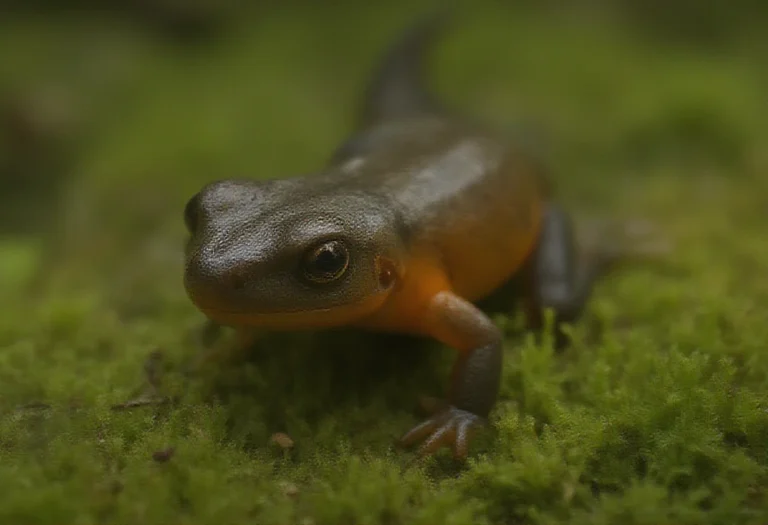
How this was made: prepared with AI assistance and checked against the sources listed at the end. Images are AI-generated illustrations, not photographs of real animals or products.
Key Takeaways
- Poison dart frogs need about 80 to 100 percent relative humidity (Lafeber Veterinary).
- Mist lightly and regularly; the substrate should stay damp but not waterlogged.
- Water must be free of chlorine, ammonia, nitrite, pesticides and heavy metals (MSD).
- Avoid distilled water for amphibian enclosures (MSD).
- Aim nozzles at plants and walls, and keep a hygrometer outside the spray path.
- Keep ventilation: the MSD manual advises about 1 to 2 air changes per hour.

Pin this infographicShare on Facebook
Misting systems and nozzles to compare
These listings are misting systems and replacement nozzles for reptile and amphibian tanks. Check what each kit includes (pump, timer, tubing, nozzles), the spray pattern, and the water type the maker allows.
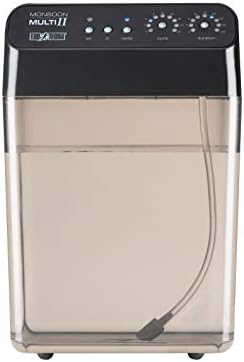


Product titles, prices and ratings are provided by Amazon and are accurate only at the time they are displayed.
How misting nozzles work in a vivarium
A nozzle sits on the end of a tube. A pump or pressure source pushes water through a tiny opening, which breaks the flow into a fine spray. A timer turns the system on and off.
Most systems include a reservoir, pump, tubing, nozzles and a controller. Parts are often sold separately, so check what each listing includes. A nozzle alone does nothing without a pump and a water source.

Humidity targets
Use the range for your animals and check it with a hygrometer.
| Group | Humidity | Source |
|---|---|---|
| Poison dart frogs | 80 to 100 percent | Lafeber Veterinary |
| Most amphibians | 75 to 80 percent | MSD Veterinary Manual |
| Tropical species | 85 to 90 percent | MSD Veterinary Manual |
Choosing the water
Lafeber lists aged tap water left uncovered for 24 to 48 hours, bottled spring water, and filtered tap water run through a sediment and activated charcoal filter as acceptable sources for dart frogs.
The MSD manual says water must be free of chlorine, ammonia, nitrite, pesticides and heavy metals, and that distilled water should not be used in amphibian enclosures. If your tap water contains chloramines, MSD says a dechlorinating agent is needed first.
Check the nozzle maker instructions for the water type they allow. The sources used here do not discuss nozzle blockage, so follow the product manual.
Nozzles, foggers and other ways to add moisture
The MSD manual lists several ways to keep an amphibian enclosure moist: small streams, waterfalls, ultrasonic humidifiers and frequent misting. Nozzles are a hands-off version of misting. They add water to leaves and walls, which many keepers like because it mimics rain.
A fogger or ultrasonic unit works differently and suits other layouts. See compact foggers for a vivarium to compare. Whatever you choose, keep the enclosure ventilated and check the hygrometer.
Where to place nozzles
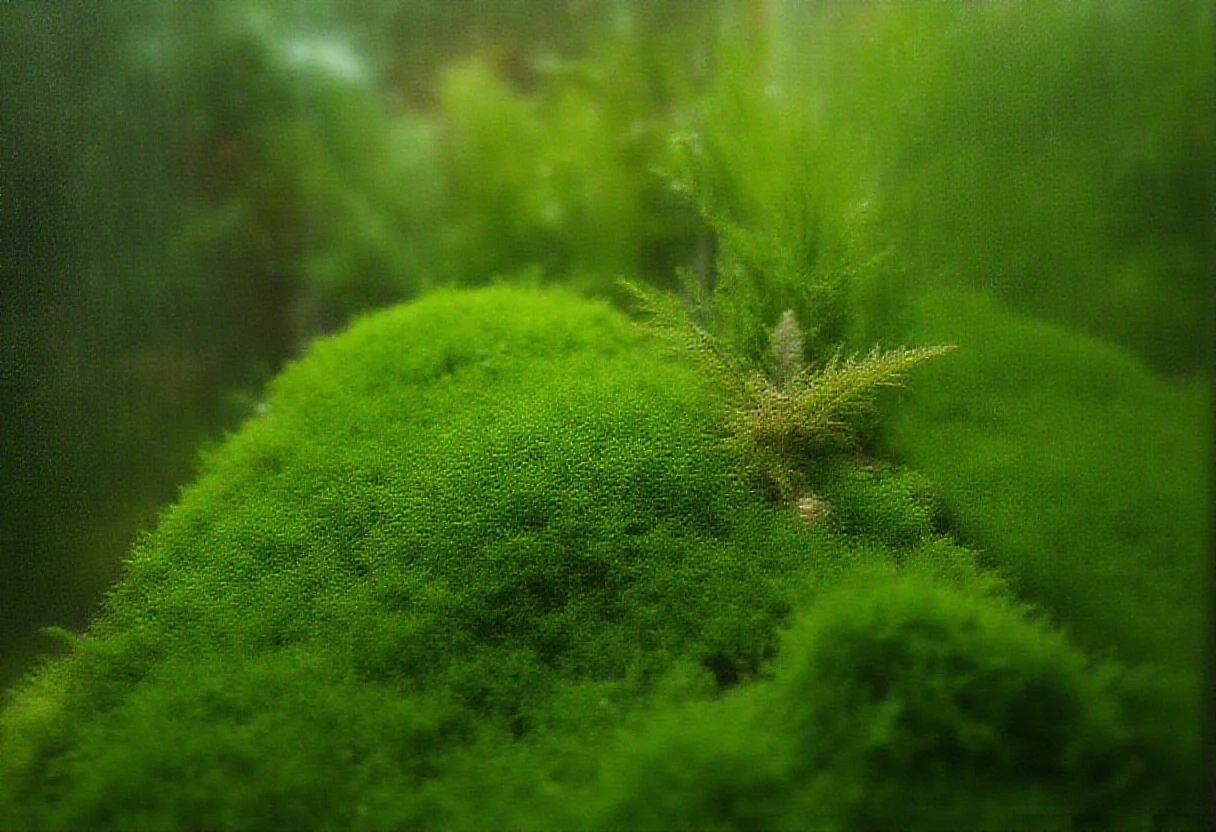
Spread the spray over plants, background and wall surfaces so it falls like rain. Do not aim it at one patch of substrate, because the sources warn against a waterlogged tank.
Keep the hygrometer or probe out of the direct spray, or you will read droplets and not air humidity. Our guide to humidity probes explains placement in more detail.
Avoid pointing nozzles at the frogs. Lafeber says to mist lightly and regularly, which points to gentle coverage and not a heavy jet.
What to check before you buy
Product pages differ. These checks help.
- Kit contents: pump, reservoir, tubing, nozzles, timer and mounting parts.
- Number of nozzles: match it to the tank width and height.
- Spray pattern: fine, wide spray gives more even cover.
- Timer: look for adjustable run time and several start times a day.
- Noise: a quiet pump helps in a living room.
- Tank fit: check tubing routes and ports for your glass or lid.
- Cleaning: parts should come apart so you can rinse them.
- Reservoir size: bigger means fewer refills; make sure it can be filled with the water you plan to use.
Setting up and tuning the schedule
Start with a gentle schedule and adjust from observation.
- Dry fit the parts outside the tank, and test with water.
- Fix nozzles above the planting area, tubing along the back or corners.
- Close any gaps around tubing so small frogs and feeder insects cannot escape.
- Run a short test and watch the spray pattern.
- Add a hygrometer at frog level and check readings after several cycles.
- Adjust run time or frequency until humidity is in range and the substrate is damp but not soggy.
Drainage and ventilation
More mist does not mean better. Lafeber says to keep the substrate damp between misting, but not waterlogged. The MSD manual advises good ventilation, about 1 to 2 air changes per hour, and secure ventilated tops.
If the glass stays wet and the substrate is soggy, cut the misting before adding more airflow. See drainage mats and false bottoms for background on tank layers.
Keeping the system clean
Standing water and fine tubes can foul. Make cleaning part of the routine.
- Empty and rinse the reservoir on a regular schedule, and refill with fresh water of an acceptable type.
- Check each nozzle for a weak or uneven spray, and clean or replace it per the manual.
- Look for kinks or loose joints in the tubing.
- Wipe the pump housing and dry it, following the maker instructions.
- Wash your hands after maintenance, even when you did not touch the frogs.
Common mistakes
These errors show up often.
- Spraying the hygrometer and trusting the reading.
- Running long cycles and soaking the substrate.
- Using distilled water.
- Leaving the pump dry when the reservoir empties.
- Not rinsing or cleaning parts.
- Closing the lid fully and cutting all airflow.
Plants and layout share the humidity work
Nozzles are only one part of a humid vivarium. The Merck Veterinary Manual says live plants help generate humidity, filter light and provide hiding and perching places, and that organic substrates and refuges limit water loss and help maintain microhabitat humidity.
The LafeberVet dart frog sheet describes a heavily planted 20-gallon (75 L) terrarium for one to four frogs, with visual barriers, one or two tree limbs arranged diagonally, and coconut or bromeliad huts for climbing. A layout like that gives spray something to land on and gives frogs places to dry off.
Leave some areas that spray reaches lightly or not at all. A frog should be able to move from wetter leaves to a drier hide without leaving cover.
Match the misting plan to temperature
LafeberVet gives dart frogs a daytime gradient of 72 to 80 F (22 to 27 C) and a night range of 65 to 70 F (18 to 21 C). It also says to avoid radiant heat sources, which dry out amphibian enclosures.
If a lamp or heater warms the tank, expect the surfaces to dry faster and check the hygrometer more often. Do not solve a dry tank by running the nozzles for longer until you have looked at the heat source.
A UC Davis news report by Kat Kerlin (1 August 2019) on wild strawberry poison frogs found that frogs shifted their behaviour to avoid extreme temperatures and stayed in the few remaining shady spots in cleared land. That is a wild study, not a care sheet, but it supports giving captive frogs shaded, cooler retreats that stay damp.
When the frogs, not the gauge, say something is wrong
A correct humidity reading does not guarantee healthy frogs. LafeberVet lists chytridiomycosis and spindly leg syndrome as health concerns for dart frogs. Merck describes chytridiomycosis signs as brown to red skin discoloration, excessive shedding and mucus, poor coordination and sudden death, and says it is more severe with cooler temperatures and higher stress.
Merck adds that red-leg syndrome is more likely in newly acquired animals kept in poor-quality water. A misting reservoir is part of that water supply, so keep it clean and fresh.
Call an exotics vet if you see skin changes, weight loss, weakness, swelling or a frog that stops eating. Do not add anything to the mist water to treat a suspected illness. The ARAV directory in the disclaimer above is the place to start.
Troubleshooting by symptom
- Glass fogs but leaves stay dry: the nozzles are pointed at the wall, so turn them toward the planting.
- One nozzle sprays weakly: check for a kink in its tubing or a partly blocked tip, and compare it with the others.
- Nozzle drips after the pump stops: wet patches below it may soak the substrate, so move it over a plant or drainage area.
- Humidity peaks and then drops fast: the vents may be moving too much air, or a heat source is drying the tank.
- Substrate turns sour or soggy: shorten the cycle first. Merck says to keep about one to two air changes per hour, so do not seal the lid to compensate.
Change one setting, wait a few days and note what the hygrometer shows at frog level.
Frequently Asked Questions
How humid should a dart frog tank be?
Lafeber Veterinary gives 80 to 100 percent relative humidity, with the substrate damp but not waterlogged.
How often should I mist?
Lafeber says to mist lightly and regularly. Set the timer, watch the hygrometer and adjust.
Can I use tap water in a mister?
Lafeber lists aged tap water (24 to 48 hours uncovered), bottled spring water or filtered tap water. MSD says water must be free of chlorine and other toxins.
Is distilled water safe?
The MSD Veterinary Manual says distilled water should not be used in amphibian enclosures.
Do I need ventilation if I mist?
Yes. MSD advises about 1 to 2 air changes per hour and secure ventilated tops.
Where should I put the hygrometer?
At frog level, outside the direct spray path.
Bottom Line
Nozzles are one part of a humidity plan. Pair them with a reliable timer, safe water, good airflow and a hygrometer, and adjust from what you see.
For related help, see automatic rainmakers, auto mist systems and humidity stabilizers.
Sources
- Lafeber Veterinary: Basic Information Sheet, Poison Dart Frog, accessed 12 November 2026. Humidity, misting, water sources
- MSD Veterinary Manual: Housing for Amphibians (pet owner version). Water quality, ventilation, humidity ranges
- MSD Veterinary Manual: Environment and Husbandry for Amphibians. Moisture, chlorine and chloramines
- CDC: Reptiles and Amphibians. Salmonella and hygiene
- Merck Veterinary Manual: Environment and Husbandry for Amphibians, accessed 12 November 2026
- Merck Veterinary Manual: Infectious Diseases of Amphibians, accessed 12 November 2026
- UC Davis News: Taking the Temperature of Wild Poison Frogs (Kat Kerlin, 1 August 2019), accessed 12 November 2026



One Comment