
Aquarium-Safe Silicone for Terrariums: A Buyer’s Guide
This post contains affiliate links. As an Amazon Associate I earn from qualifying purchases. Prices and availability are shown by Amazon and can change.
Aquarium safe silicone for terrariums should be 100 percent silicone, with no fillers, and without mould-proof or mildew-resistant additives that contain fungicides. It must cure fully before any frog goes in. Allow at least 24 to 48 hours, and up to a week for thick beads or structural seams. When you can no longer smell vinegar and the bead feels firm, it is ready.
Silicone holds backgrounds, cork and hides in place and seals gaps where water or insects could hide. Amphibians absorb substances through their skin, so a poor choice or a short cure time can cause harm.
This guide explains what to look for on the label, how long to wait, how to test for cure and which jobs silicone should not be used for.
How this was made: prepared with AI assistance and checked against the sources listed at the end. Images are AI-generated illustrations, not photographs of real animals or products.
Key Takeaways
- Choose products labelled 100 percent silicone and aquarium safe.
- Avoid mould-proof, mildew-resistant or fungicide-containing types.
- Cure for at least 24 to 48 hours; thick beads may need up to a week.
- Vinegar smell means the silicone is still curing.
- Use thin, neat beads; thick globs take far longer to cure.
- Wash hands after handling tanks and tank decor.

Pin this infographicShare on Facebook
Silicone picks
These sealants are sorted by price from high to low. Read each label to confirm 100 percent silicone and no mould-proof additives.
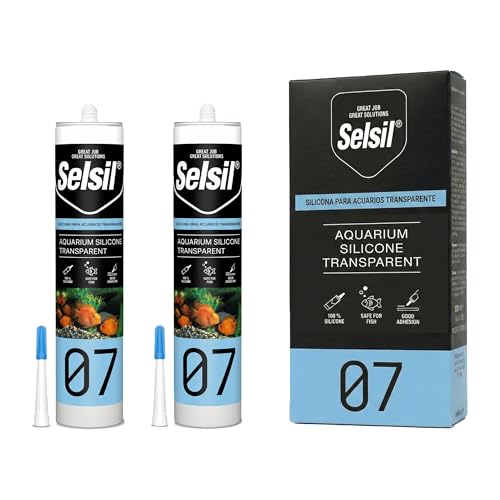

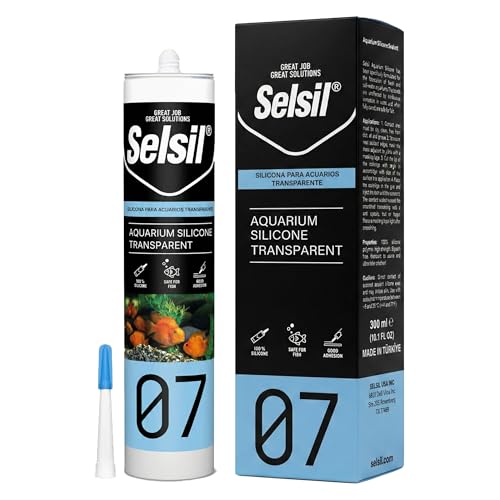


Product titles, prices and ratings are provided by Amazon and are accurate only at the time they are displayed.
Why the type of silicone matters
Many household sealants contain additives. Bathroom products often include fungicides to stop mould, and these are not meant for animal habitats. Frogs and salamanders live in damp, enclosed spaces and have thin permeable skin.
For that reason, keepers stick to plain silicone made for aquariums. The Aquifarm guide advises choosing a product labelled 100 percent silicone with no fillers or acrylics, and avoiding anything marketed as mould-proof.

What to look for on the label
Read the front and the back of the cartridge. Marketing words can be vague, so look for exact wording.
- “100% silicone” with no acrylic or latex.
- “Aquarium safe” or “safe for aquariums” on the label.
- No mention of mould, mildew or fungicide additives.
- Clear or black, depending on where it will show.
- A fresh production date and an intact cartridge.
- A nozzle you can cut to a small opening.
Types of silicone compared
Not every silicone suits a terrarium. Use the table as a quick guide.
| Type | Use in a terrarium? | Notes |
|---|---|---|
| 100% aquarium silicone | Yes | Standard choice for backgrounds and decor |
| Bathroom or kitchen sealant with mould inhibitor | No | Fungicides are not meant for habitats |
| Acrylic or latex caulk | No | Water-based; not suited to constant moisture |
| Neutral-cure silicone | Check the label | Releases alcohol while curing and is less common for aquariums |
How long to cure
The Aquifarm guide gives a minimum of 24 to 48 hours. Thick beads or low-humidity rooms may need up to one week, and it suggests a full week for major structural seams. When in doubt, wait an extra day.
Cure time depends on the bead thickness, room temperature and airflow. Always follow the printed label too. If the label says longer, wait longer.
The smell and press test
Acetic-cure silicone smells like vinegar while it cures. That is normal. When you can no longer smell vinegar at close range, press the thickest part of the bead. It should feel firm, not tacky.
If anything still smells strong or feels sticky, keep ventilating the tank and wait longer. Only then add substrate, plants and animals.
What to look for when you buy
This page does not include hands-on tests. The list below reflects product labels and published care advice.
- A clear “100% silicone” and aquarium safe statement.
- Small cartridges if you only need a thin bead.
- Reviews that mention a firm bond on glass.
- Reviews from aquarium or terrarium use.
- No scented or mould-proof wording.
- A tube size that matches your project.
How to apply it safely
Work in a ventilated room. Keep the tank empty of animals and water until the work has cured.
- Clean the glass with plain water and let it dry fully.
- Cut the nozzle to a small opening.
- Apply a thin bead to the surface, not to the animal area.
- Press the cork, panel or decor into place and hold it briefly.
- Smooth the edge with a clean tool and wipe off any excess.
- Leave the tank open and ventilated for the full cure time.
Where silicone fits in a build
Josh’s Frogs describes using vivarium-safe black silicone to bond a background to the glass, and to press bark and coconut fibre into a foam surface. It notes that the surface should be rough so that silicone adheres.
See our guides to dart frog backgrounds and cork bark for terrarium walls for build ideas.
Common mistakes
Avoid these errors.
- Using a bathroom sealant with a mould inhibitor.
- Adding animals before the smell has gone.
- Applying thick globs that cure slowly.
- Using silicone to repair a leaking glass seam on a water-holding tank without checking with the tank maker.
- Skipping ventilation during curing.
- Mixing brands without checking the labels.
Related care
For cleaning glass without harsh chemicals, read our guide to glass cleaners safe for amphibians.
Prepare the surface before you squeeze
Aquifarm says surfaces must be clean and completely dry. If old silicone is present, scrape it off with a razor blade, then wipe the area with acetone or isopropyl alcohol on a lint-free cloth and let it air dry fully.
The same guide says not to apply new silicone over old cured silicone, because it will not bond well. Because solvents are involved, keep the tank empty and ventilated, and make sure no solvent smell remains before you add a bead.
Acetic-cure and neutral-cure silicone
Aquifarm describes two cure chemistries. Acetic-cure silicone is the most common aquarium type. It releases acetic acid, which smells like vinegar, and the guide calls this normal while the silicone cures.
Neutral-cure silicone releases alcohol instead, has a milder smell and is less common. Aquifarm says it may take longer to cure and advises using it only if it is explicitly marketed as aquarium safe. A mild smell is not proof that a product is safe, so the label still decides.
Shaping a clean bead
- Cut the tube tip at a 45 degree angle, sized to the bead you want (Aquifarm).
- Apply a steady, continuous bead and push it into the joint rather than dragging it across the surface, which helps avoid bubbles.
- Smooth the bead with a wet finger or caulking tool to make a concave shape that touches both surfaces fully.
A thin, smooth bead also cures faster than a thick one, which connects to the cure times above.
Seams, seals and decor are different jobs
Modest Fish explains that seams are the load-bearing joints of a tank. They hold the glass walls together and carry the weight of the glass and water. Seals do not bear weight but keep water from leaking between glass pieces. It recommends stronger silicones for seams and compares them by tensile strength in PSI.
Gluing cork or a background to the glass inside a terrarium is a lighter job than building a water-holding tank. Even so, Modest Fish warns that not every product labelled 100 percent silicone is equally suitable for aquarium use.
The sources disagree about one well-known product. Aquifarm names GE Silicone I, not Silicone II, among trusted brands. Modest Fish says not to use GE Silicone 1 for aquarium seams, because it lacks sufficient tensile strength and the manufacturer says it should not be used underwater. Decor and seams are different uses, so read the maker’s own label for your job and ask the tank maker before you repair a seam.
Pressing substrate into wet silicone
Josh’s Frogs shows how silicone can be used on a vivarium background. The author smeared silicone onto a foam background and pressed on an ample amount of substrate to stick and cure. The foam was textured, because the page says it is important that the silicone has something to grip.
It stresses that the substrates must be completely dry for the silicone to hold. After curing, loose material can be vacuumed off and missed spots touched up. The author applied silicone to the three sides separately over a few days, rather than all at once.
Cure time: three published figures
Aquifarm gives a minimum of 24 to 48 hours, up to a week for thick beads, low humidity or structural seams. Modest Fish says one aquarium sealant can take up to 10 days to cure depending on temperature, and that it is a poor choice for time-sensitive repairs.
Josh’s Frogs gives no specific figure. The range is therefore wide, and the product label is the better guide. If the label gives a longer time than this page, follow the label.
Frequently Asked Questions
Is all aquarium silicone safe for frogs?
Aquarium silicone is made for fish tanks and is widely used in terrariums when fully cured. Avoid types with fungicide additives and follow the cure time on the label.
How long does silicone take to cure?
At least 24 to 48 hours for a thin bead. Thick beads or structural seams can take up to a week.
Why does it smell like vinegar?
Acetic-cure silicone releases acetic acid while curing. When the smell has gone, it is ready.
Can I use bathroom silicone?
Avoid it. Many bathroom types contain mould inhibitors that are not intended for animal habitats.
Does colour matter?
Black blends into dark backgrounds; clear is more discreet on glass. Colour does not change safety.
Can I glue plants with silicone?
Use it to fix hardscape and backgrounds. Live plants should root in substrate.
Bottom Line
The safest choice is plain, 100 percent aquarium silicone, used in thin beads and given plenty of time to cure.
When in doubt, wait another day and ventilate. Your frogs will not mind the delay.
Sources
- Aquifarm: Terrarium Silicone Safe – The Ultimate Guide, accessed 12 November 2026
- Josh’s Frogs: Taylor’s First Custom Dart Frog Vivarium – A Step-by-Step Guide, accessed 12 November 2026
- PetMD: Frog Care 101, used for: dechlorinated water, hides, plants, substrate and cleaning
- CDC: Reptiles and Amphibians (Healthy Pets, Healthy People), accessed 12 November 2026
- Modest Fish: Best Aquarium Silicone Compared & Reviewed 2026, accessed 12 November 2026


2 Comments