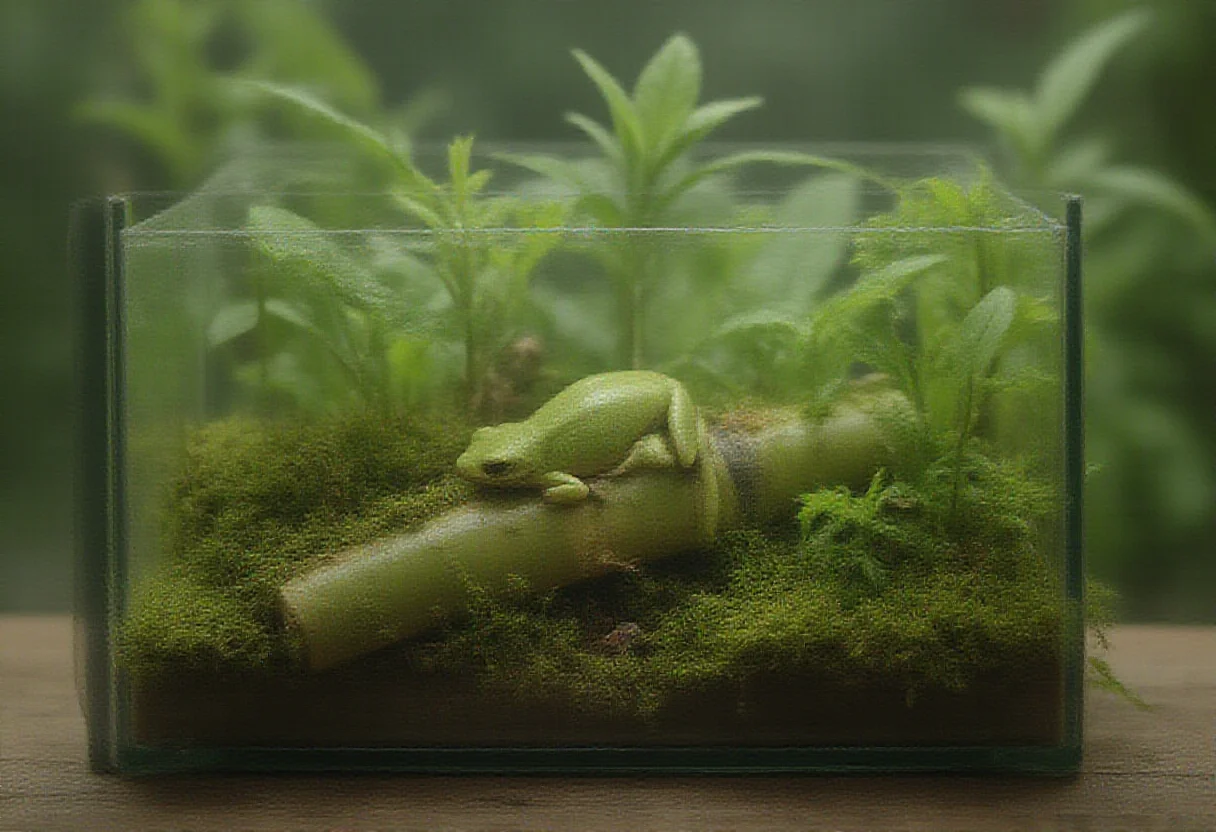
Best Bamboo Hide for Frogs: How to Choose a Safe One
This post contains affiliate links. As an Amazon Associate I earn from qualifying purchases. Prices and availability are shown by Amazon and can change.
The best bamboo hide for frogs is untreated, smooth inside, sized to fit your species with room to turn around, and easy to rinse and dry. Place it in a humid spot with a second hide on the cooler side, and check it for mould. Avoid varnished, painted or scented bamboo, because amphibian skin absorbs chemicals.
Frogs are prey animals and many are active at night. A hide gives them a place to rest, lowers stress and helps hold humidity. Bamboo is a popular choice because it looks natural and is easy to place upright or lying flat.
This guide explains how to choose a bamboo hide, where to put it, how to keep it clean and when to choose something else. Species vary, so match the shape to the way your frog lives. A table of current Amazon picks follows the key takeaways.
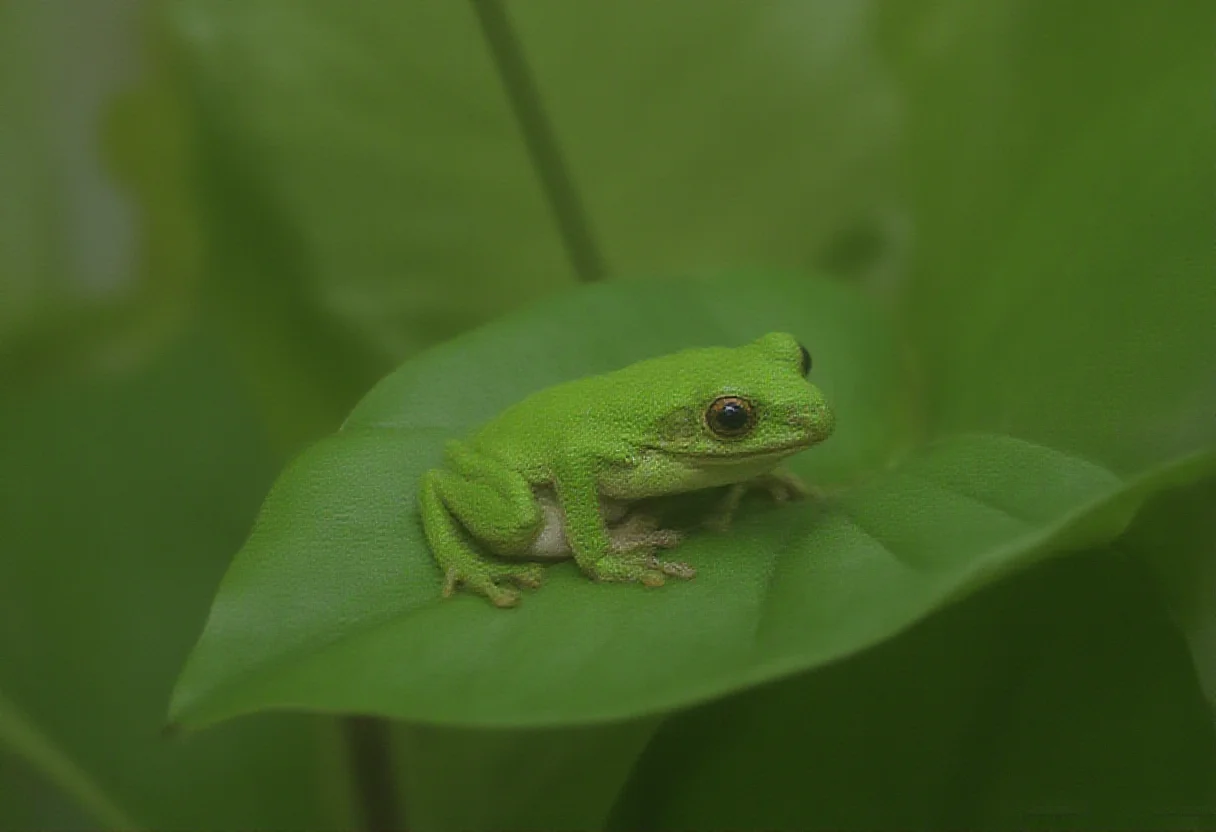
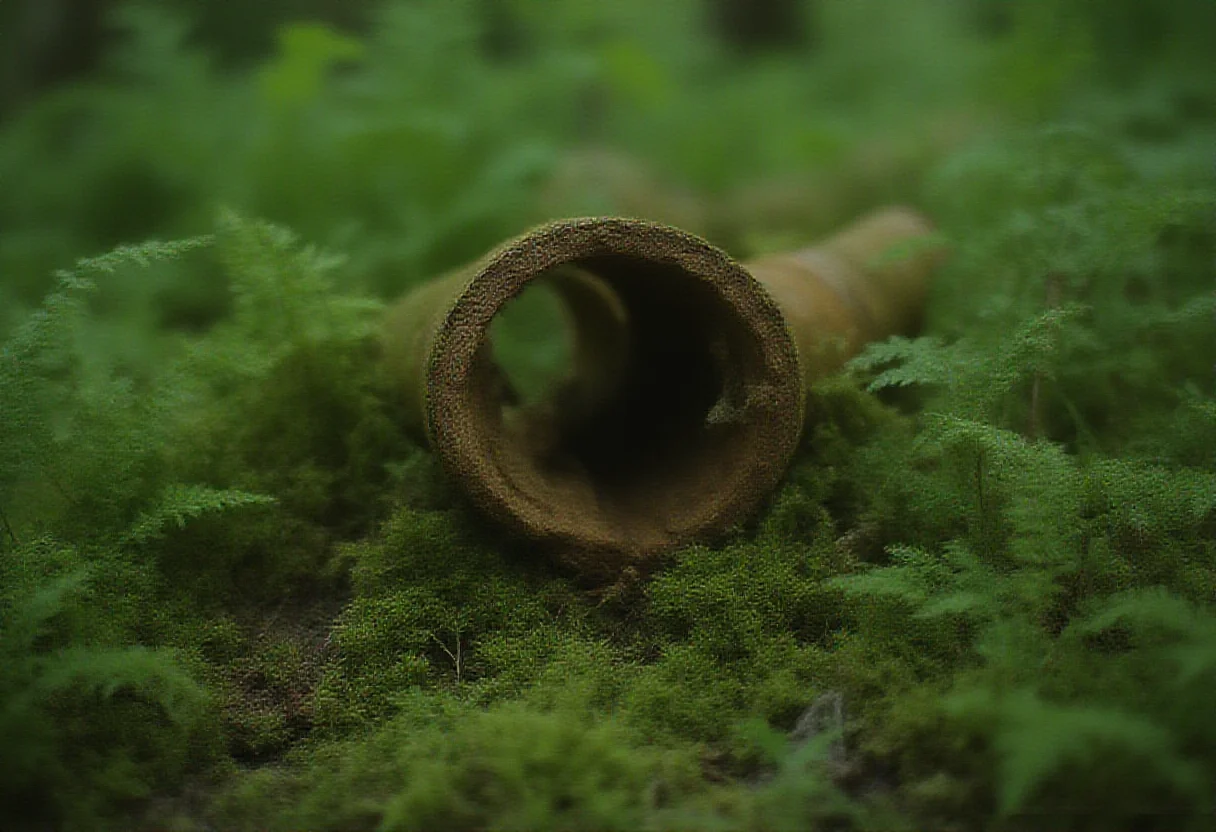
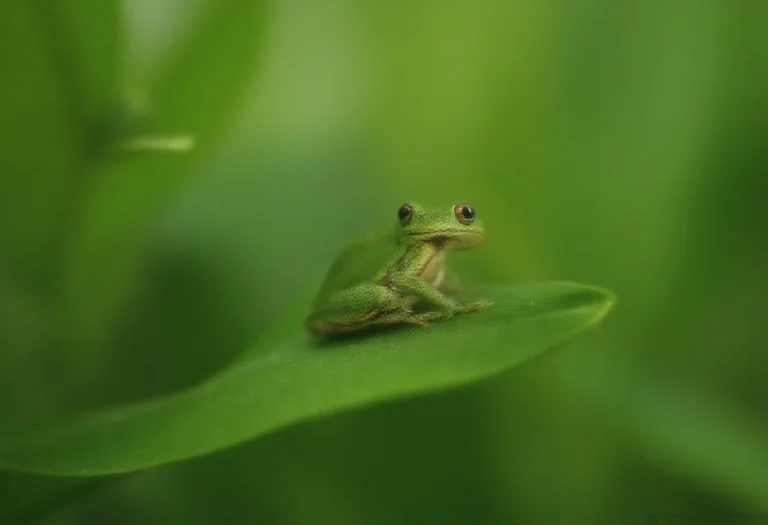
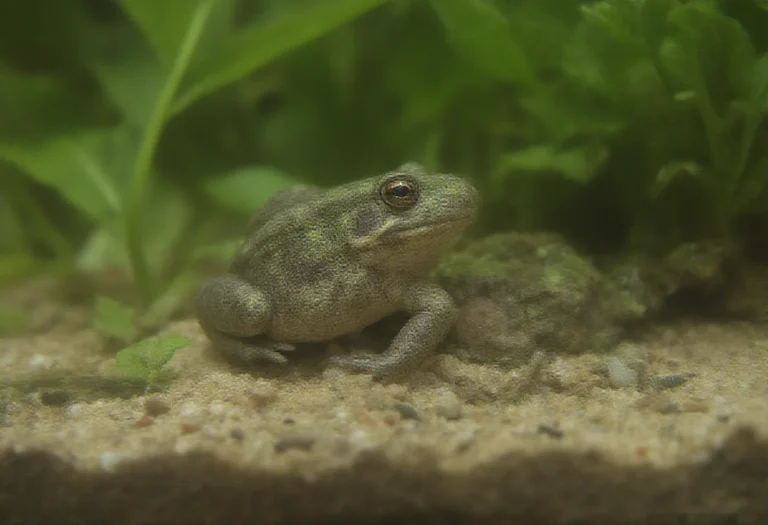
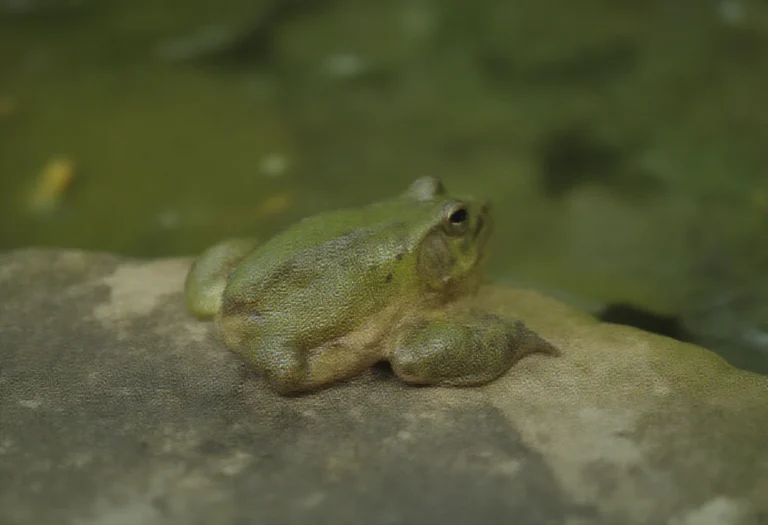
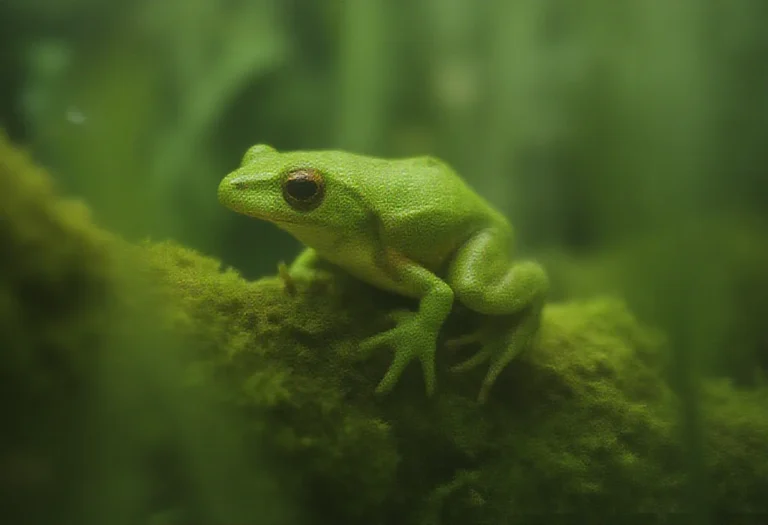
How this was made: prepared with AI assistance and checked against the sources listed at the end. Images are AI-generated illustrations, not photographs of real animals or products.
Key Takeaways
- Hides help frogs feel secure. Merck says nocturnal or photophobic species need dim light and many hiding places.
- Merck notes that refugia and organic substrates help limit water loss and keep humidity up.
- Choose untreated bamboo. Enclosures must be free of pesticides and chemical additives (Merck).
- LafeberVet suggests perches at least as thick as the frog’s body for tree frogs.
- Check for mould and rinse regularly. Wash your hands after cleaning.

Pin this infographicShare on Facebook
Frog hides and shelters on Amazon
Look for untreated materials and a size that lets your frog turn around. Rinse any new hide before use.


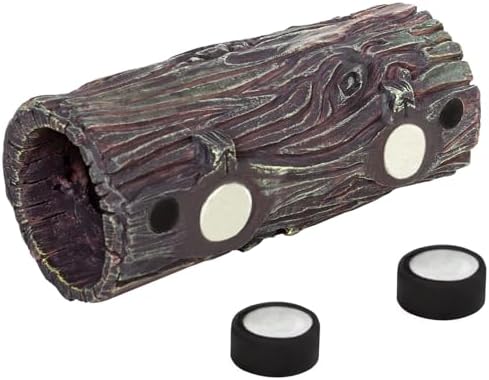


Product titles, prices and ratings are provided by Amazon and are accurate only at the time they are displayed.
Why frogs need hides
A hide is a retreat. It lets a frog rest in the dark, avoid stress, and stay damp. Merck says nocturnal or photophobic species need dim light and plenty of hiding places.
Hides also help the microclimate. Merck says organic substrates and refugia that limit water loss help sustain microhabitat humidity. A damp bamboo tube or half-log can work that way.
Give every frog at least two choices. A single hide can become a place of competition if you keep more than one animal, and a frog that cannot get away from light or heat may stay stressed. Watch where your animal rests across the day, then move or add hides to match.
Is bamboo a good material?
Bamboo is hollow, light and widely available, and it is also an organic material. That helps it hold moisture, but in humid tanks any wood can grow mould. Inspect it often.
Check how the piece was made. Merck says amphibian enclosures must be free of pesticides and chemical additives, so avoid bamboo that is varnished, painted, scented or sprayed with preservatives. If a listing does not say, ask the seller or choose another product.
Hollow bamboo can trap water and debris at its closed end. Choose pieces with a clear opening, tilt them slightly so water drains, and check the inside during cleaning. A flashlight helps you see residue before it becomes mould.
- Look for natural, untreated material with smooth cut edges.
- Avoid strong smells, paint, dye, stain or varnish.
- Check that splinters and sharp ends are sanded or capped.
- Rinse before use with dechlorinated water.
- Replace the hide if it cracks, rots or stays slimy after cleaning.
How to choose size and shape
Match the hide to the frog, not to the tank. The animal should fit inside with room to turn, and the opening should be wide enough for easy entry and exit.
Tree frogs often rest on vertical structures, while ground-dwelling frogs prefer low, covered spaces. LafeberVet suggests giving White’s tree frogs a limb at least as thick as the frog’s body or a clay pot, and plants for visual security.
- Measure your frog’s length and body width.
- Choose an inner diameter that gives it space to turn.
- Pick an upright, angled or flat design to match its habits.
- Make sure the hide cannot roll or fall.
- Add a second hide so the frog can choose.
Placement and setup
Put one hide in a warm, humid zone and one in a cooler, drier zone, so the frog can choose its microclimate. Merck says most amphibians do best at 75 to 80 percent humidity, with tropical species needing 85 to 90 percent.
Wedge the hide among plants, bark or rocks so it stays stable. Keep the opening away from glass if you want the frog to feel hidden. Avoid placing it where the sprayer drenches it continuously.
Test stability before adding the frog. Push gently on the hide with your hand. If it shifts, wedge it with stones or bury the base in substrate. Also check that the animal cannot get stuck between the hide and the glass.
Cleaning and hygiene
Rinse the hide in tank-safe water and let it dry before returning it. Merck gives a bleach solution of 30 mL per litre of water, at least 30 minutes of contact and thorough rinsing for disinfecting tools and housing. Replace porous items that stay stained.
The CDC advises cleaning habitats outdoors or in a tub that you disinfect afterwards, away from food areas. Wash hands with soap and running water afterwards.
If you see persistent mould, remove the hide, clean the area, and review ventilation and misting. A single clean hide is better than two that look good but stay slimy.
Common mistakes
Small errors in size or material cause most hide problems.
- Choosing a hide too narrow for the frog to turn.
- Using treated or scented bamboo.
- Placing only one hide, forcing the frog to compete.
- Leaving damp bamboo to rot or grow mould.
- Letting a tall hide wobble or fall.
- Hiding the frog completely so you cannot check on it.
Alternatives and related guides
Cork bark, clay pots and half-logs also work. Dense live plants provide cover as well. See our guides to bamboo terrarium decor for tree frogs, vivarium branch decor kits and live plants for frog terrariums.
Choose hides by how your animal lives
Care sheets from the Royal Veterinary College (RVC) show how different the hiding needs are.
- White’s tree frog: RVC lists a vivarium with at least one hiding place.
- Terrestrial salamanders: RVC says to provide hides with tall plants, rocks or bark, above a burrowing layer of 7 to 10 cm.
- Axolotls: RVC recommends caves and pipes, and says plants are not advised because they are quickly destroyed.
A bamboo tube lying flat suits a ground-dwelling animal, and an upright one suits a climber. For an aquatic animal, use a hide that is sold as aquarium-safe instead of improvising with a land hide.
Give shade wherever you use a lamp
Hides work best when they sit where the animal can retreat from light. Merck advises putting lights on a timer to mimic natural photoperiods. RVC’s White’s tree frog sheet describes a low-output UVB lamp on for about 12 hours a day, and its axolotl sheet says axolotls are mostly nocturnal and sensitive to sudden light changes and UVB.
Place one hide under or beside each lit zone, with a second in a dimmer area. Then the animal can leave the light on its own terms. Recheck after you move a lamp, because a shaded spot can become bright.
Build an inspection routine
A hide is part of the enclosure’s hygiene, so schedule checks instead of waiting for a smell.
- Daily: look inside the opening for waste, shed skin and uneaten prey.
- Weekly: lift the hide and check the underside, and disinfect humidifiers and spray bottles, as Merck advises.
- Monthly: RVC recommends a full clean of a White’s tree frog enclosure once a month with an amphibian-suitable disinfectant.
- As needed: replace the hide when it cracks, stays slimy or keeps regrowing mould.
Merck says to keep a small portion of old moss, mulch or soil during cleaning, which protects the helpful microorganisms in the substrate.
When constant hiding is a warning sign
Hiding is normal for nocturnal frogs, so a frog that sleeps in its hide by day is not a concern. A change in pattern matters more than the hiding itself.
Merck advises owners to keep a log of appetite and behavior. If a frog that used to come out at night now stays hidden, stops eating or shows changes in skin or breathing, contact an exotics vet. Bring your log and note how long the change has lasted.
Trial the hide for a few days before the frog moves in
Set the hide in the empty enclosure first, so problems show up before an animal is involved.
- Rinse the hide, let it dry, then place it where you plan to use it.
- Run the enclosure for a few days with misting and the lights on their normal timer.
- Check the hide each day for slipping, odor, slime or early mould.
- Compare the thermometer and humidity gauge readings near the hide with the rest of the enclosure. Merck says every amphibian enclosure should have both.
- Move or wedge the hide until it stays steady, then introduce the frog.
A hide that grows mould during the trial is not worth using with a frog.
Frequently Asked Questions
Do frogs need a hide?
Most do. Merck says nocturnal or photophobic species need dim light and plenty of hiding places.
Is bamboo safe for frogs?
Untreated bamboo is a common choice, but avoid paint, varnish, scent or preservatives. Merck says enclosures must be free of pesticides and additives.
How many hides should I offer?
At least two, in different microclimates, so the frog can choose.
How do I stop mould?
Provide ventilation, avoid constant soaking and clean or replace the hide when needed. Merck suggests one to two air changes per hour.
Should I rinse a new bamboo hide?
Yes. Rinse it in dechlorinated water and let it dry, then inspect it for splinters, residue and odours before use.
What size hide do I need?
One that lets the frog turn around and enter easily. Measure the frog, not the tank.
Bottom Line
A good bamboo hide is untreated, sized for the frog, stable and easy to clean.
Offer more than one, check them for mould and rinse them regularly. Your frog will tell you which it prefers by using it.
Sources
- Merck Veterinary Manual: Housing for Amphibians. Used for: Temperature, humidity, water quality, lighting, substrate, cleaning
- Merck Veterinary Manual: Environment and Husbandry for Amphibians. Used for: Water quality, UVB, ventilation, sanitation
- LafeberVet: Basic Information Sheet, White’s Tree Frog. Used for: Humidity, water, supplements and feeding for a common pet frog
- CDC: Reptiles and Amphibians (Healthy Pets). Used for: Salmonella risk, handwashing and cleaning habitats
- Royal Veterinary College: White’s Tree Frog care sheet. Used for: Hiding place, lighting and monthly cleaning
- Royal Veterinary College: Salamander care sheet. Used for: Salamander hides and burrowing layer
- Royal Veterinary College: Axolotl care sheet. Used for: Axolotl hides and light sensitivity


5 Comments