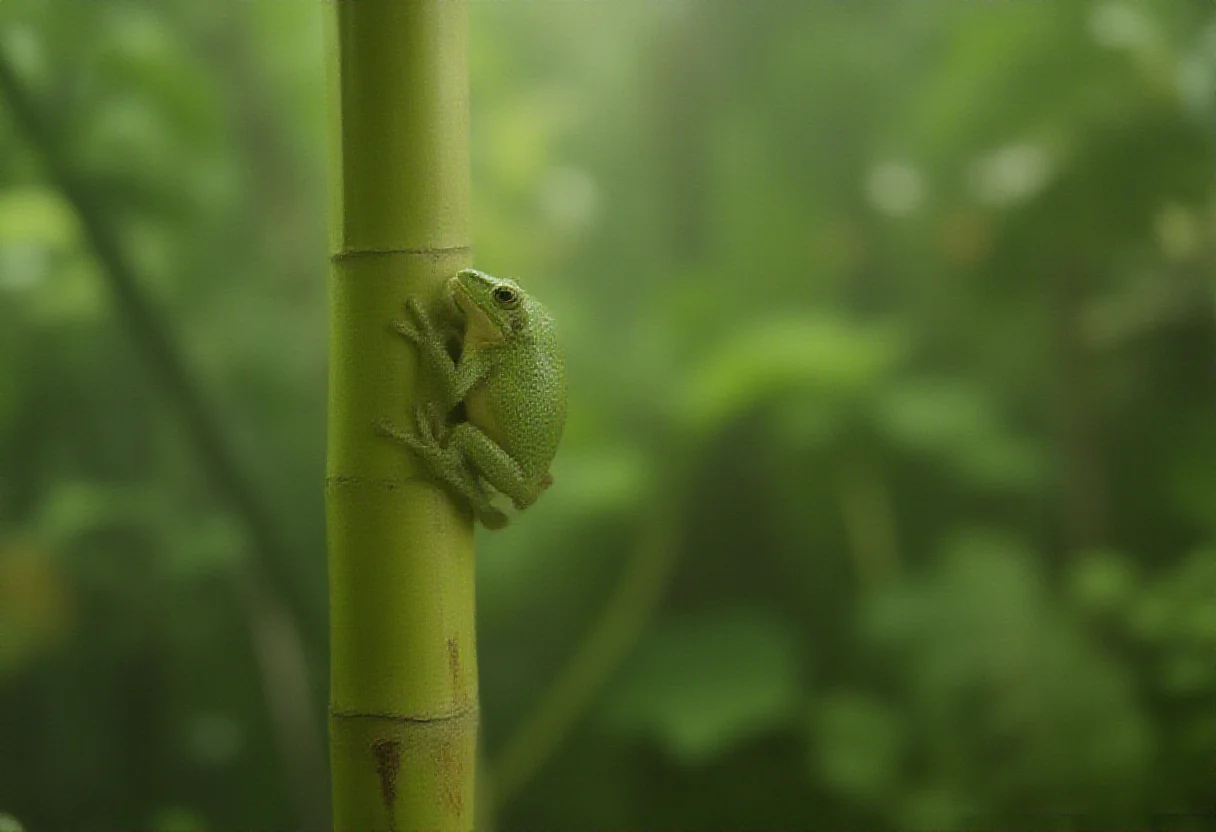
Best Bamboo Terrarium Decor for Tree Frogs: Safe Picks
Bamboo can make good climbing and hiding decor for tree frogs if it is untreated, smooth and easy to clean. No source used here tests bamboo specifically, so apply general rules: avoid chemical additives, avoid toxic oils like cedar and pine, choose smooth surfaces and give frogs diagonal perches from floor to top. PetMD advises branches and plants running diagonally in tall tanks.
Tree frogs live above the ground, so they need things to climb, sit on and hide in. Bamboo looks natural and is easy to find as tubes, poles and canes.
The key question is safety. This guide covers what to look for, how to arrange bamboo in a tall terrarium and how to keep it clean.
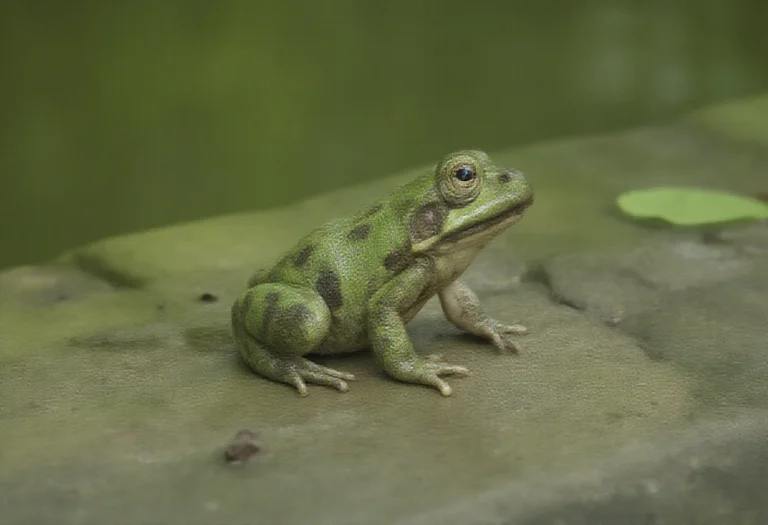
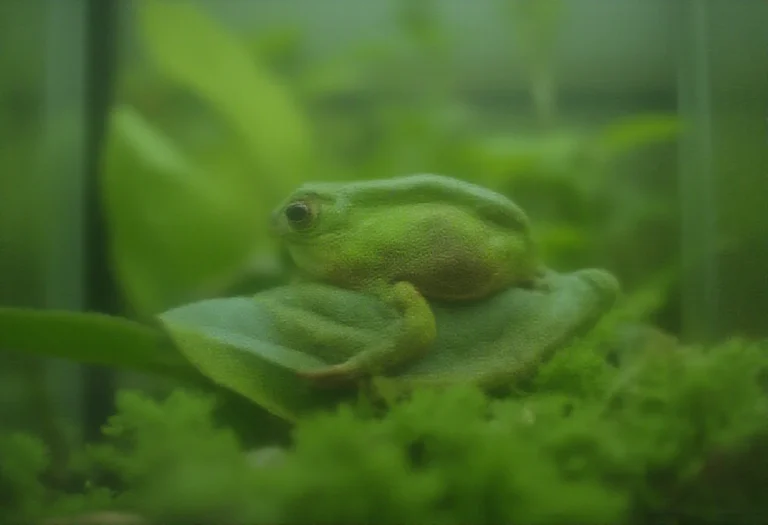
How this was made: prepared with AI assistance and checked against the sources listed at the end. Images are AI-generated illustrations, not photographs of real animals or products.
Key Takeaways
- Choose untreated bamboo with no varnish, dye or chemical finish.
- Smooth, splinter-free edges matter for soft-skinned frogs.
- Run perches diagonally from floor to top, as PetMD advises.
- Merck warns against cedar and pine because of toxic oils.
- Disinfect and rinse decor before use and during cleaning.
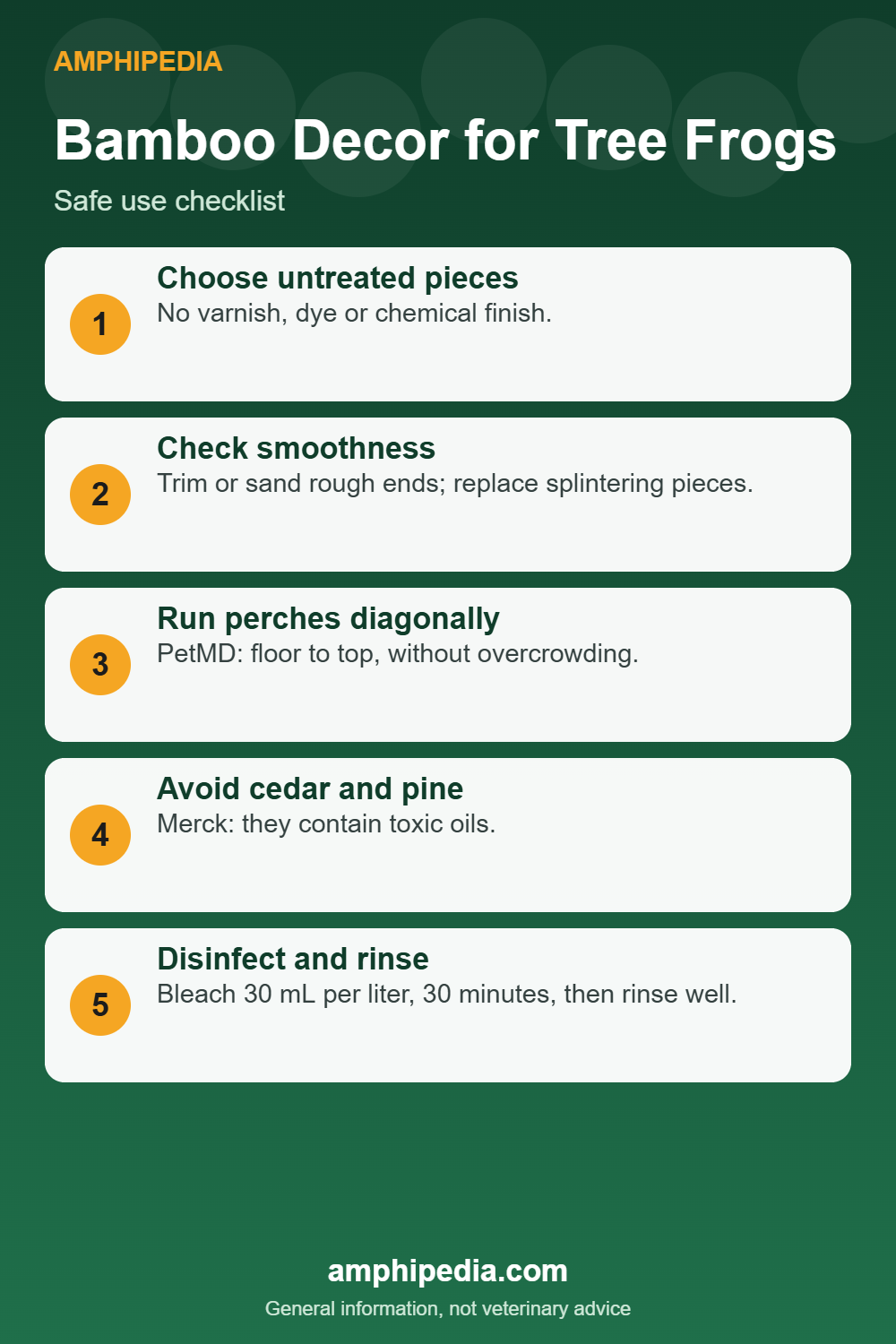
Pin this infographicShare on Facebook
What tree frogs need from decor
PetMD says tree frog habitats should be tall with plenty of vertical space for climbing. It advises arranging live or artificial plants, driftwood, cork bark or branches diagonally from floor to top, without overcrowding the tank.
Merck notes that live plants offer hiding and perching places. A dark paper or cork bark background gives a visual barrier, per PetMD.
Bamboo can fill the perch role. It does not replace plants, which also help humidity.
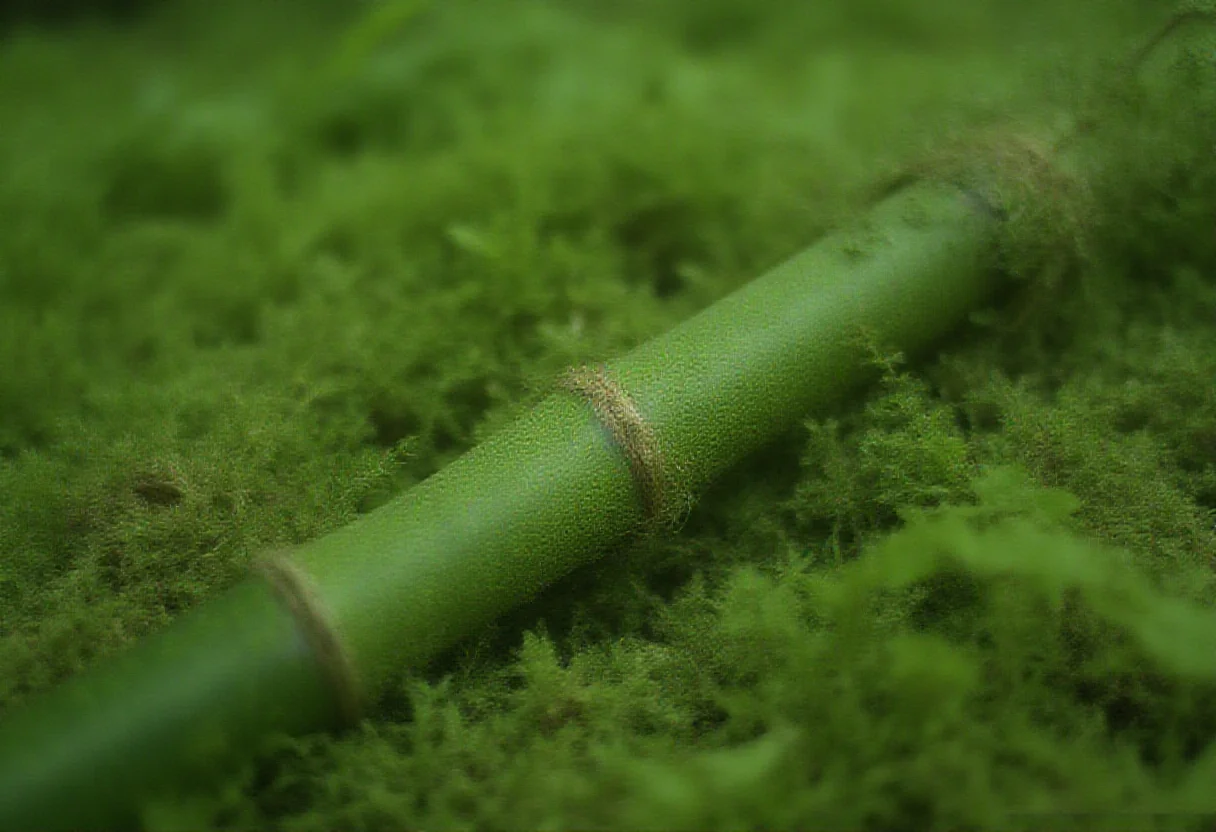
Is bamboo safe?
The sources used here do not test bamboo specifically, so the evidence is thin. General rules from veterinary guidance can be applied instead.
Merck says soils with chemical additives should be avoided and that cedar and pine mulches contain toxic oils. The same logic suggests avoiding any decor with oils, varnish, dye or preservatives.
UC Davis laboratory standards, written for research frogs, say enrichment devices must be checked regularly for wear and discarded when safety hazards are observed. A wear check suits bamboo as well.
- Pick plain, untreated pieces with no coating.
- Sand or trim sharp ends and run a fingertip along the surface.
- Avoid pieces that smell strongly of chemicals.
- Replace cracked or splintering pieces.
Types of bamboo decor
Whole canes make vertical climbing poles. Split halves can be wedged as ledges. Hollow tubes can serve as hides.
Fixed, stable pieces are best. A pole that rolls or tips can crush a frog or let it fall.
Hollow tubes can trap water. Check for pooling and stale water, and rinse often.
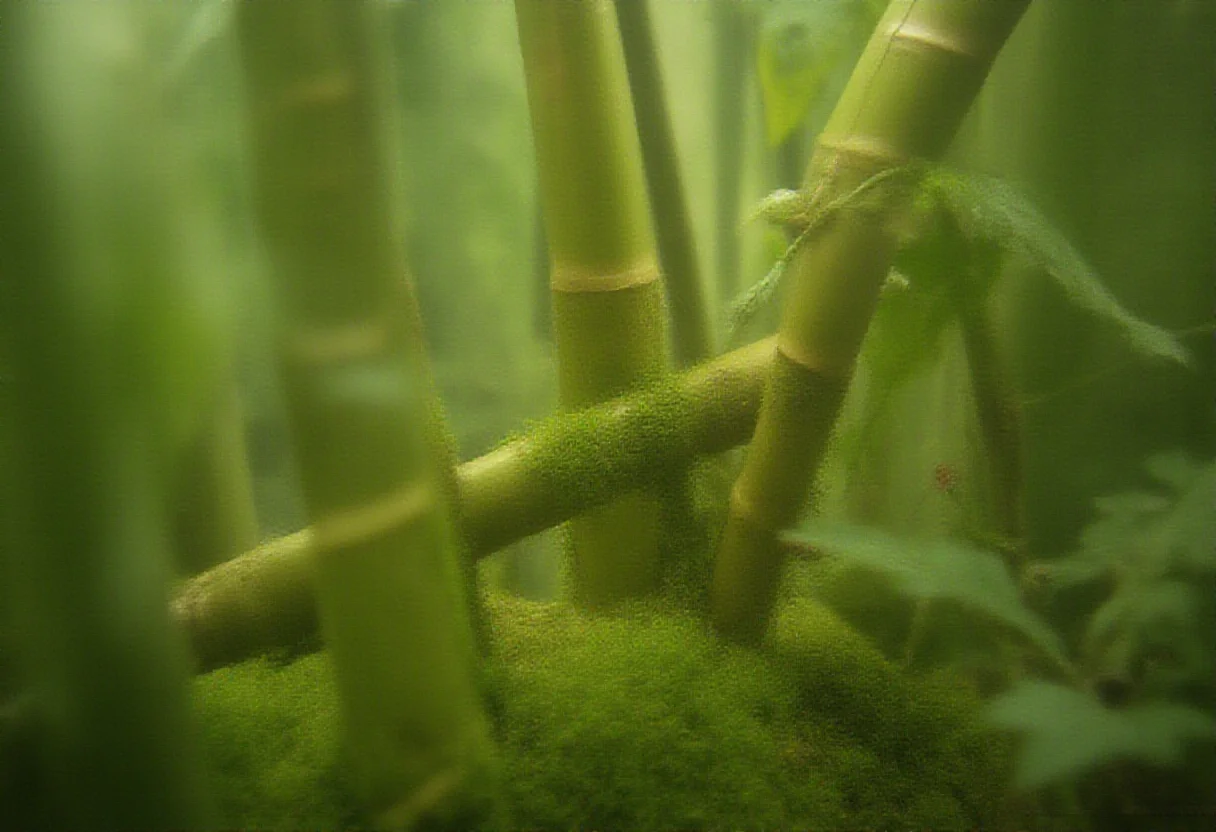
How to arrange it
Follow PetMD: run perches diagonally from the floor to the top of the enclosure. Leave open space for jumping and room for leaves and plants.
Add a shallow, wide water dish of dechlorinated water, which PetMD describes as un-tippable and about 1 to 2 inches deep.
Check that no gap can trap a leg or a body. Wedge pieces firmly.
Cleaning and disinfecting
Merck says to disinfect tools and housing with household bleach at 30 mL per liter of water, with at least 30 minutes of contact. Rinse thoroughly and let items dry.
UC Davis warns disinfectant residues can be highly harmful to aquatic and semi-aquatic species. Rinse thoroughly, as Merck advises.
Natural material can grow mold in damp tanks. Replace pieces that turn soft, slimy or fuzzy.
What to check when buying
Before buying any bamboo decor, read the full product description.
- Material: bamboo only, with no coating stated.
- Size: height and diameter that fit your tank.
- Mounting: suction cups or a stable base that suits a damp tank.
- Smoothness: look for sanded ends in the photos.
- Return policy: so you can send back a treated or damaged piece.
Common mistakes
These cause most decor problems.
- Using painted or stained bamboo.
- Overcrowding the tank with poles.
- Leaving rough cut ends.
- Skipping cleaning because it looks fine.
- Forgetting live plants and humidity needs.
How bamboo behaves in a damp tank
Tree frog tanks are kept humid on purpose. PetMD gives 70 to 80 percent for the red-eyed tree frog, checked daily with a hygrometer, with plants and decor misted to hold it. Merck adds that organic substrates and refugia that limit water loss help maintain microhabitat humidity.
That means bamboo is wet much of the time. Cut ends can soak up water, hollow tubes can hold stale water, and natural material can grow mold. None of the sources tests bamboo, so inspection is the safeguard: look, smell and press on each piece at every cleaning.
Layout step by step
- Dry-fit first. Place the bamboo in the empty tank and check that nothing can roll, tip or slide when a frog lands on it.
- Run the main pole or cane diagonally from the floor toward the top, as PetMD advises for branches and plants.
- Wedge each piece against the glass, a background or another fixed item so no gap can trap a leg.
- Leave open air between perches so the frog has room to jump and turn.
- Put hiding places on both the warm and the cool side. PetMD recommends at least two hiding spots, one on each side.
- Set the water dish where the frog can reach it without climbing a loose pole.
- Mist the tank, wait a day, and check that the bamboo is still firm and the water dish is clear.
Tank size sets how much bamboo fits. PetMD gives at least 15 gallons for one adult red-eyed tree frog and a 20-gallon tank or larger for up to four, though one table on the same page lists 10 gallons or more for a single adult. Choose the taller, larger figure when in doubt.
Bamboo compared with other decor
| Decor | What the sources say |
|---|---|
| Bamboo cane or tube | Not tested in any source reviewed here; follow general safe-decor rules |
| Branches, driftwood, cork bark | Listed by PetMD as items to arrange diagonally from floor to top |
| Live plants | Merck: purify air, remove organic waste from soil, filter light, add humidity, and provide hiding and perching places |
| Artificial plants | PetMD allows live or artificial plants and states no preference |
Bamboo is one choice among several. The sources treat plants and branches as the base of the layout, with other perches added around them.
Light and heat around decor
Keep decor away from heat and bright lamps. PetMD says to use any under-tank heater with a thermostat, not to use hot rocks, and not to let the tank exceed 80 degrees F. Merck says to place lighting within 18 inches of the inhabitants and to use fluorescent or LED bulbs to limit heat.
PetMD also warns that a frog that hides constantly can miss UVB exposure. If a bamboo hide becomes the only place a frog uses, add other hiding spots and watch the animal.
A cleaning and replacement routine
| Task | Source guidance |
|---|---|
| Daily | PetMD: spot-clean, and clean, disinfect and refill the water dish |
| Monthly | PetMD: full clean and disinfection with an amphibian-safe cleaner or 3 percent bleach solution. UC Davis laboratory standards: disinfect enrichment devices every 30 days at most |
| Contact time | PetMD: bleach at least 10 minutes. Merck: 30 mL household bleach per liter of water for at least 30 minutes |
| After disinfecting | Rinse thoroughly. Merck says to rinse with fresh water and preferably dry before use. PetMD says to rinse with dechlorinated water and let everything dry |
| Any time | UC Davis: check devices regularly for wear and discard when safety hazards are seen |
Because PetMD and Merck give different contact times, the safer reading is the longer one, followed by a thorough rinse and full drying. Move the frog to a safe temporary container while decor is disinfected and never return wet decor with bleach on it.
When a problem is not decor
Bamboo cannot fix a sick frog. If a frog shows injury, will not eat or stays hidden for long periods, see an exotics vet. The Association of Reptile and Amphibian Veterinarians keeps a directory at arav.org/professionals.
Pair bamboo with a safe floor and good airflow
Decor sits on the substrate, so the two should be chosen together. PetMD recommends a moisture-holding mulch such as coconut fiber or moistened sphagnum moss, or large river rocks the frog cannot swallow. It advises avoiding gravel, small bark pieces, reptile carpet and artificial turf. Merck says soil must be free of chemical additives and that cedar and pine mulches have toxic oils.
Airflow matters for wet decor. PetMD calls for a snug-fitting screen top for ventilation, and Merck gives 1 to 2 fresh air changes per hour as a target. Stale, stagnant air keeps bamboo wet for longer, which is the condition that favors mold. If bamboo never dries between mistings, check ventilation before blaming the bamboo.
Retiring old decor
Replace bamboo that is cracked, splintering, soft, slimy or fuzzy. If a frog has been sick, Merck says to thoroughly decontaminate substrate and furnishings before disposal. Ask an exotics vet before reusing decor from a tank that held a sick animal.
A one-minute daily check
A short routine catches problems early. PetMD advises checking humidity daily with a hygrometer and using two thermometers, one in the warm zone and one in the cool zone, with the tank never above 80 degrees F.
- Is humidity in the 70 to 80 percent range PetMD gives for red-eyed tree frogs?
- Are both thermometers reading inside the range for your species?
- Is the water dish clean, full and stable?
- Is every bamboo piece firm, with no new cracks or slime?
- Is the frog using perches and not hiding all day?
Frequently Asked Questions
Is bamboo safe for tree frogs?
Evidence specific to bamboo is thin in the sources used here. Untreated, smooth, clean pieces follow general safe-decor rules.
How should I place perches?
PetMD advises running branches and plants diagonally from floor to top without overcrowding.
Is cedar or pine safe?
No. Merck says cedar and pine mulches contain toxic oils.
How do I clean bamboo?
Merck gives bleach at 30 mL per liter for 30 minutes, then a thorough rinse. UC Davis warns about residues.
Do I still need plants?
Yes. Merck says live plants help humidity and give cover.
Where do I find an exotics vet?
The ARAV directory lists vets: arav.org/professionals.
Bottom Line
Bamboo can be a good climbing surface when it is clean, smooth and untreated.
Build on the basics: height, diagonal perches, live plants and regular cleaning.
Sources
- PetMD: Red-Eyed Tree Frog Care Sheet, accessed 13 November 2026. Used for: Species care sheet used for the 70-80% humidity figure
- Merck Veterinary Manual: Environment and Husbandry for Amphibians, accessed 13 November 2026. Used for: Moisture, ventilation, lighting, substrate, water and cleaning guidance
- UC Davis Office of the Attending Veterinarian: SC-35-100 Husbandry Care of Frogs (2025), accessed 13 November 2026. Used for: Laboratory standards for frogs: daily temperature and humidity records, drafts, cleaning
- CDC MMWR: Reptile-Associated Salmonellosis, Selected States, 1998-2002, accessed 13 November 2026. Used for: Salmonella risk from reptiles and amphibians
- CDC: Reptiles and amphibians (Healthy Pets, Healthy People), accessed 13 November 2026. Used for: household risk and kitchen wording



7 Comments