Best Portable Amphibian Observation Tank: Safe Short-Term Use
This post contains affiliate links. As an Amazon Associate I earn from qualifying purchases. Prices and availability are shown by Amazon and can change.
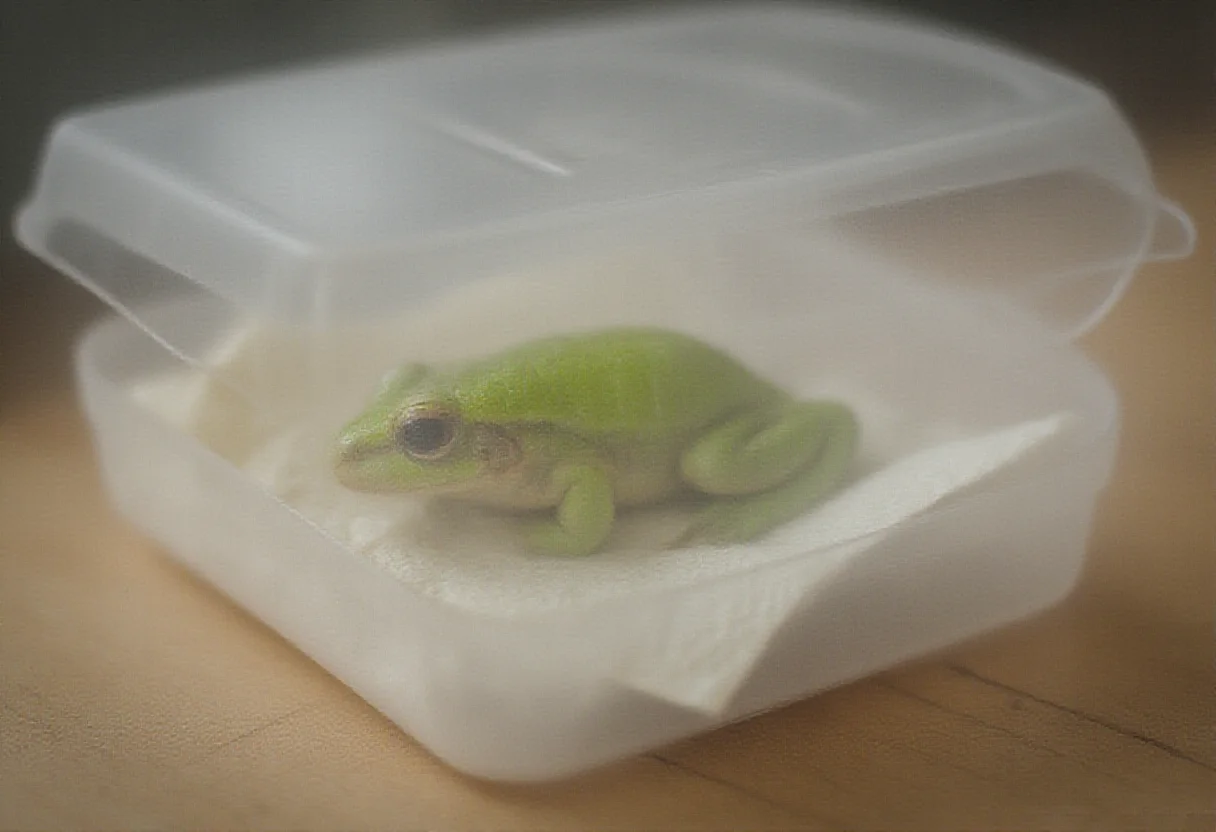
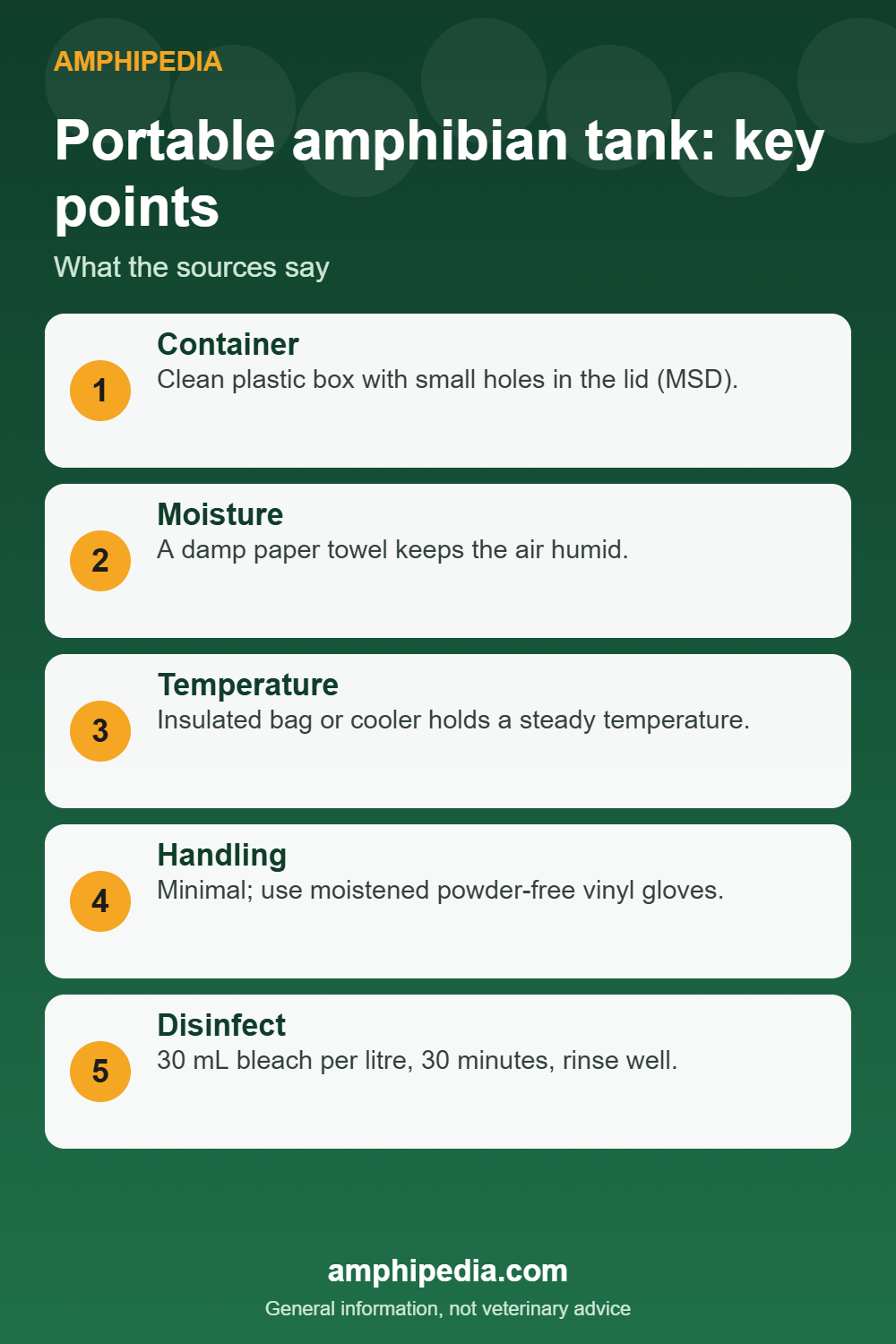
A portable observation tank is a small, clear container for looking at an amphibian briefly or moving it. The MSD Veterinary Manual describes a clean plastic box with small holes in the lid for airflow, a damp paper towel for humidity, and an insulated bag to hold a steady temperature. Keep sessions short, handling minimal, and disinfect the container afterwards. It is not a home.
Clear travel tanks are popular for school visits, vet trips and looking at a frog without stressing it. The design is simple, but the details matter: airflow, moisture, temperature and escape-proof lids.
This guide covers what a portable tank needs, how to use one safely, and how to clean it. For transport to the vet, see our transport container guide. For field trips, see the habitat box guide.
How this was made: prepared with AI assistance and checked against the sources listed at the end. Images are AI-generated illustrations, not photographs of real animals or products.
Key Takeaways
- Use a clean plastic box with small holes in the lid and a damp paper towel (MSD Veterinary Manual).
- Keep the container at a steady temperature in an insulated bag.
- Minimise handling; heat from a palm can harm amphibians.
- A portable tank is for short trips, not long-term housing.
- Disinfect equipment between uses; between sites if you work around wild habitat (NPS).
Pin this infographicShare on Facebook
Portable viewing boxes to compare
These listings are small clear containers and critter keepers. Check lid fit, air-hole size and plastic smell, and use them only for short sessions.
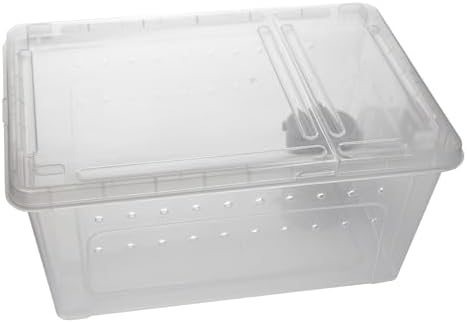


Product titles, prices and ratings are provided by Amazon and are accurate only at the time they are displayed.
What a portable tank is for
Use a portable tank for short jobs: watching an animal for a few minutes, moving it to a clean tank, or travelling to a vet. It should not replace a proper enclosure.
The MSD Veterinary Manual says most healthy amphibians try to escape when handled, and that many bite. A calm, enclosed space reduces the need to pick them up.
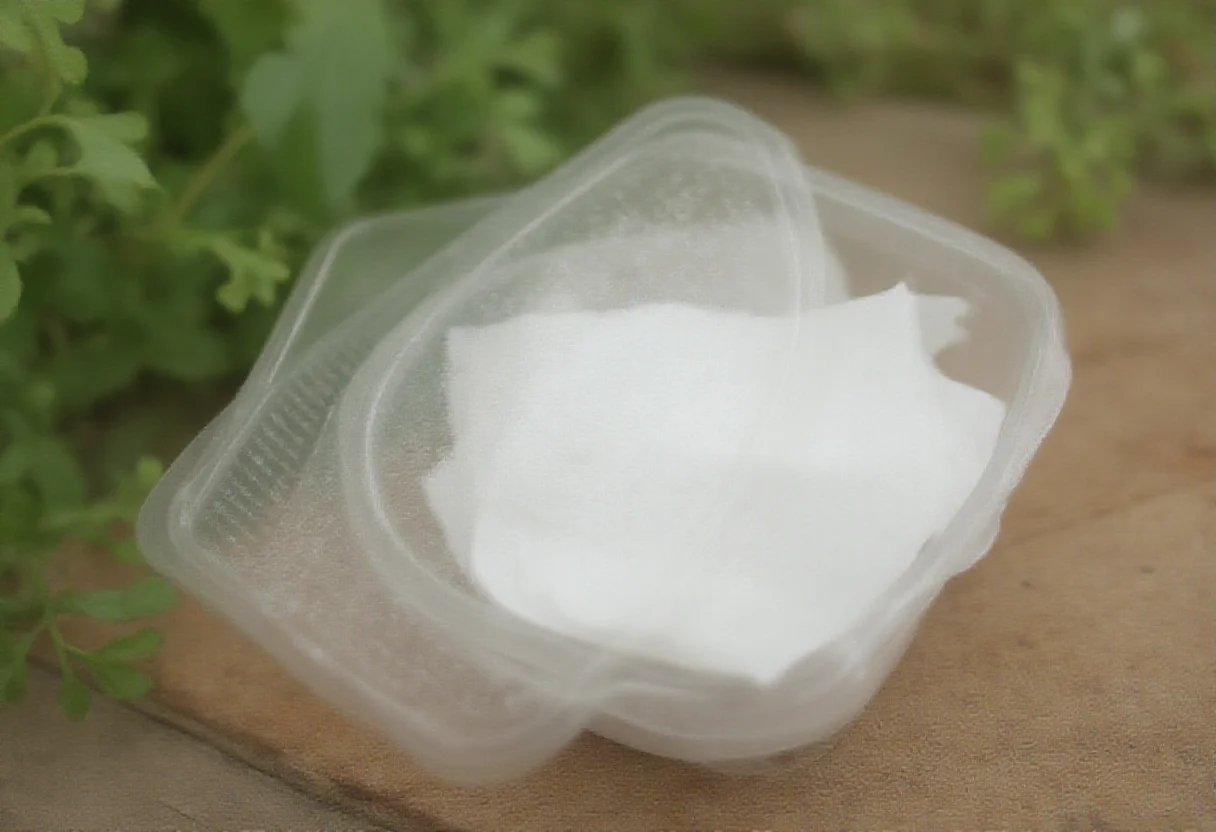
The design the MSD manual describes
The manual shows a suitable transport container as a clean plastic box with small holes in the lid for airflow and a damp paper towel inside for humidity. The box sits in an ice chest or insulated bag to hold a steady temperature.
It gives no targets for time, humidity or temperature, so match conditions to your species.
| Feature | Why it matters |
|---|---|
| Small holes in the lid | Airflow, with holes small enough that the animal cannot escape |
| Damp paper towel | Keeps the air moist and gives the animal a soft surface |
| Clear sides | Lets you observe without opening the lid |
| Insulated bag or cooler | Holds a steady temperature on the move |
| Secure lid | Prevents escapes |
What to check before buying
No source tests specific portable tanks for amphibians, so choose by design.
- Plastic is clean, clear and free of strong smells or coatings.
- Lid latches securely and cannot be pushed off.
- Air holes are smaller than your smallest animal.
- The container is large enough for the animal to turn around.
- Edges are smooth inside, with no burrs.
- It fits inside an insulated bag or cooler.
- It is easy to disinfect and rinse.
Setting up for a short session
Prepare the container before you take the animal out of its tank.
- Rinse the container and lid with clean water suitable for amphibians.
- Add a damp, not dripping, paper towel.
- Place the container in a shaded spot at a steady temperature.
- Move the animal calmly, wearing moistened, powder-free vinyl gloves if you must touch it.
- Close the lid and keep the session short.
- Return the animal promptly and wash your hands.
Handling and temperature
The manual advises moistened powder-free vinyl gloves, not latex, and says heat from the palm can harm the animal. Keep handling to a minimum.
On arrival, keep the animal in its preferred temperature zone. The manual notes that reptile rooms are often too warm for amphibians.
Wild animals and field use
Rules on handling or keeping wild amphibians vary. Check your state wildlife agency before collecting anything.
If you work around wild habitat, the National Park Service says to disinfect equipment between sites, including waders, boots and nets, using a bleach solution of more than 10 percent. This helps prevent the spread of ranavirus and chytrid fungi.
Cleaning after use
The MSD Veterinary Manual describes disinfecting equipment with bleach at 30 mL per litre of water, a soak of at least 30 minutes, then a thorough rinse and drying.
Clean containers outside the home when possible, as the CDC advises, and never in a kitchen sink.
A short-trip checklist
Use this list when you take an animal out for a brief visit or move it for care.
- Check the room temperature. The manual suggests 21 to 24°C for exam rooms, or the animal’s preferred zone if known.
- Rinse and dry the container, then add a damp paper towel.
- Put the container in an insulated bag if you are travelling.
- Keep the lid closed and the container out of sun and drafts.
- Return the animal to its home tank as soon as the trip is over.
- Disinfect the container and wash your hands afterwards.
Common mistakes
Most portable tank problems come from duration and heat.
- Leaving the animal in the container for hours.
- Putting the box in a hot car or in direct sun.
- Using a dripping towel or standing water.
- Choosing a lid with large holes.
- Skipping the disinfection between animals.
- Handling an animal with dry or warm hands.
Escape-proof the room first
The MSD Veterinary Manual says most healthy amphibians try to escape and withdraw their limbs when grasped, and many bite. It advises blocking escape routes such as ventilation ducts and sink drains before handling.
Do this before you open the home tank, not after the first jump. Close the door, check the floor and keep the work area clear.
Ways to move an animal without gripping it
For slippery animals, the manual lists atraumatic dip nets, plastic bags holding some of the enclosure water, and damp towels. It also describes short periods in a moistened zip-top bag for imaging at a clinic.
The same page asks for firm but gentle restraint when a hold is unavoidable, and says to keep handling to a minimum to avoid heat stress and death from heat conducted from the palm. Wear moistened, powder-free vinyl gloves, not latex, and change them between animals.
Make sure anything that touches the animal has no toxic disinfectant residue. This matters for a reused travel box, so rinse it well after cleaning and let it dry.
Watching for heat and cold stress
The manual notes that outdoor temperatures during transport can affect mentation, meaning how alert the animal is, so watch for heat or cold stress. An insulated bag or cooler can help hold a stable temperature.
It suggests an exam room of 21 to 24 C, or the animal’s preferred optimal temperature zone when known. On arrival, keep the animal within that zone, because reptile rooms are often too warm for amphibians.
What to bring to a vet visit
If the portable box is for a vet trip, the manual’s examination steps show what the clinician will ask. Gather this information first:
- Diet and appetite.
- Environmental conditions: humidity, temperature gradient and light cycle.
- Reproductive status.
- Recent introductions or losses in your collection.
- Medications.
- Your disinfection routine.
- Water quality.
The manual also says to photograph the enclosure, test the water for ammonia, nitrate, nitrite, pH, hardness, alkalinity and chlorine, and record air and water temperatures. Bring those notes and photos, or ask the clinic what it wants. The ARAV directory can help you find a vet who treats amphibians.
Disease risk around wild habitat
The National Park Service names ranavirus and chytrid fungi as the main concerns. Ranavirus infects amphibians, fish and insects, and it accounts for most amphibian die-offs detected in the National Capital Region. The chytrid species Bsal has not yet been found in wild US amphibian populations, and lab results suggest it could harm some species such as eastern red-spotted newts.
The NPS says breeding pools are high risk because they are warm, crowded and often hold stressed animals, and that people can carry disease between habitats on their equipment. For work in habitat, it advises new sterile gloves and a new swab for each animal.
Signs of ranavirus include many sick or dead amphibians at one wetland, especially larvae, small skin ulcers, and reddened, swollen skin along the belly and the base of the limbs. The NPS asks people to report outbreaks or die-offs to the USGS National Wildlife Health Center or to a local wildlife department.
Two bleach strengths for two jobs
This page quotes two bleach figures, and they come from different settings. The MSD Veterinary Manual describes 30 mL of household bleach per litre of water for tools, dishes and containers, with a soak of at least 30 minutes, a thorough rinse and drying. That works out to 3 percent of the volume.
The National Park Service names a solution of more than 10 percent bleach for field gear moved between wetland sites, including waders, boots, nets and calipers, and gives no contact time. Use the MSD figure for a travel box that stays in your home or clinic routine. Treat the NPS figure as guidance for people working across wild sites, and follow the rinse step either way.
Frequently Asked Questions
What should a portable amphibian tank have?
Per the MSD Veterinary Manual: a clean plastic box with small lid holes for airflow, a damp paper towel and an insulated bag for steady temperature.
How long can an amphibian stay in one?
No source gives a time. Keep it short, and use a proper enclosure for anything longer.
Can I keep a wild frog in one?
Rules vary. Check your state wildlife agency before collecting or holding wild amphibians.
How do I clean it?
The manual describes 30 mL bleach per litre of water, a 30 minute soak, a thorough rinse and drying.
Do I need to avoid gloves?
Use moistened, powder-free vinyl gloves, not latex, if you must handle an animal (MSD).
Should I use water in it?
For land-dwelling amphibians, use a damp paper towel. Aquatic animals need water; ask your vet about transport.
Bottom Line
A portable tank is a short-term tool. Choose a clear, ventilated box with a secure lid, keep it damp and cool, and disinfect it after every use.
If an animal looks unwell after a trip, contact an exotics vet. The ARAV directory can help you find one.
Sources
- MSD Veterinary Manual: Transporting amphibians, accessed 12 November 2026
- MSD Veterinary Manual: Clinical Techniques in Amphibians, accessed 12 November 2026
- MSD Veterinary Manual: Environment and Husbandry for Amphibians, accessed 12 November 2026
- National Park Service: Amphibian Disease Risk in the National Capital Area, accessed 12 November 2026
- CDC: Reptiles and Amphibians, accessed 12 November 2026