
Best Amphibian Transport Container: What to Look For
This post contains affiliate links. As an Amazon Associate I earn from qualifying purchases. Prices and availability are shown by Amazon and can change.
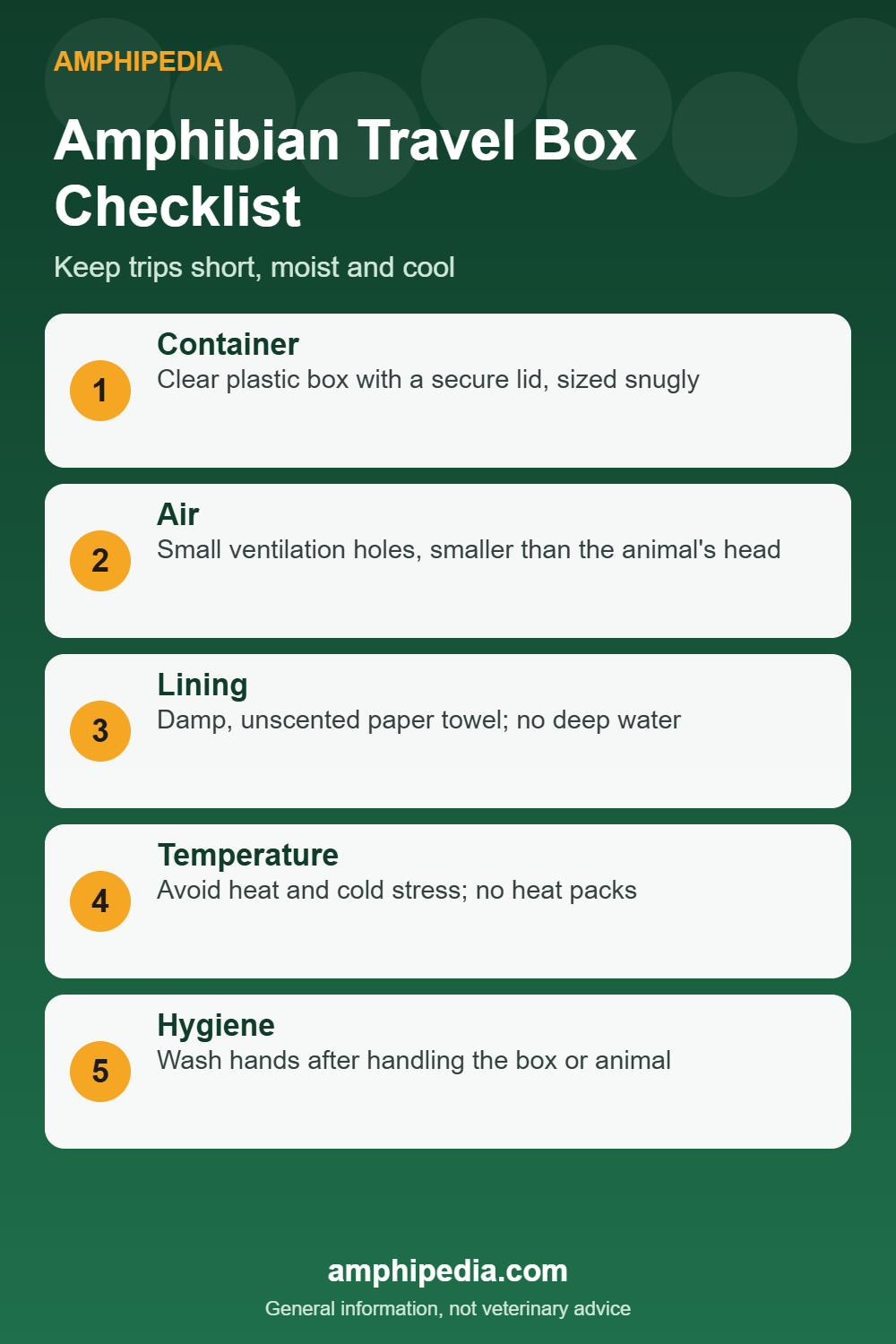
The best amphibian transport container is a clean, clear, secure plastic box with small ventilation holes, lined with a damp paper towel. Veterinary references describe this simple setup for vet trips. Keep it covered, out of heat and direct sun, and sized snugly for the animal. Amphibians are not reptiles, so skip heat packs and dry bedding.
Frogs, toads, newts and salamanders absorb and lose water through their skin. A bad travel box can dry them out or expose them to heat and cold stress. A good one is cheap, simple and easy to clean.
This guide explains what to look for, how to set the box up and which mistakes to avoid. Many products sold for “reptile travel” suit amphibians only if they follow the rules below.
How this was made: prepared with AI assistance and checked against the sources listed at the end. Images are AI-generated illustrations, not photographs of real animals or products.
Key Takeaways
- Use a clean plastic box with a secure, ventilated lid.
- Line the floor with a damp, unscented paper towel, not standing water.
- Pick a size that is snug but lets the animal turn around.
- Keep the box covered, shaded and at a stable, cool-to-moderate temperature.
- Wash your hands after handling the box, the animal or its water.
Pin this infographicShare on Facebook
Transport containers to compare
The table is ordered from the highest price to the lowest. Prices, images and buy buttons come straight from Amazon and are not edited by us.
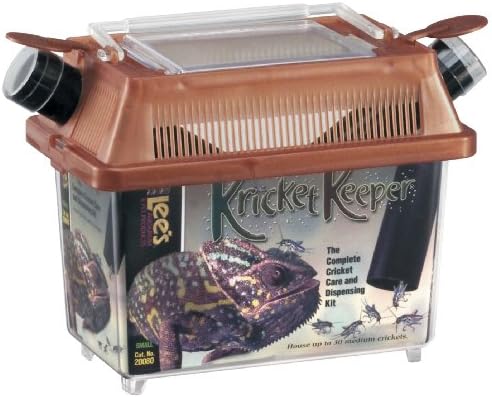

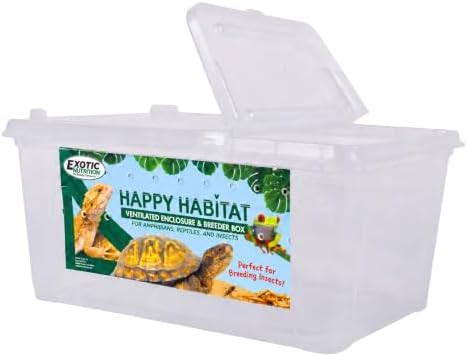


Product titles, prices and ratings are provided by Amazon and are accurate only at the time they are displayed.
What a good amphibian travel container needs
The Merck Veterinary Manual says most amphibians can travel to a clinic in a well-ventilated plastic enclosure lined with moistened paper towels. A clean plastic container with pinholes in the lid is enough. Everything else is about making that basic setup safer and easier.
Use this checklist when you compare containers.
- Clear walls, so you can check the animal without opening the lid.
- A lid that locks or snaps shut. Frogs jump and salamanders climb.
- Small ventilation holes, smaller than the animal’s head. Large gaps invite escapes and injuries.
- Smooth inside walls with no sharp plastic edges from drilled holes.
- Plastic that is easy to wash and disinfect, with no leftover odour or residue.
- A size that fits the animal. Too much space lets it bounce around.
Container types compared
Several product types work for amphibian transport. None is perfect for every species, so match the container to the animal.
| Type | Best for | Watch out for |
|---|---|---|
| Small clear critter keeper | Frogs, toads and newts up to medium size | Check that the lid latches and the holes are small |
| Plastic food-grade tub with a drilled lid | Small frogs and salamanders | Smooth the drilled holes so they have no rough edges |
| Larger ventilated plastic box | Big toads and large frogs | Too much space can let the animal bounce around |
| Insulated soft bag around a container | Longer trips in hot or cold weather | Never seal the animal inside the bag without air |
How to set up the container
Prepare the box before you pick up the animal. This keeps handling time short and reduces stress.
- Wash the container with hot water and rinse it very well. Avoid scented soaps and sprays.
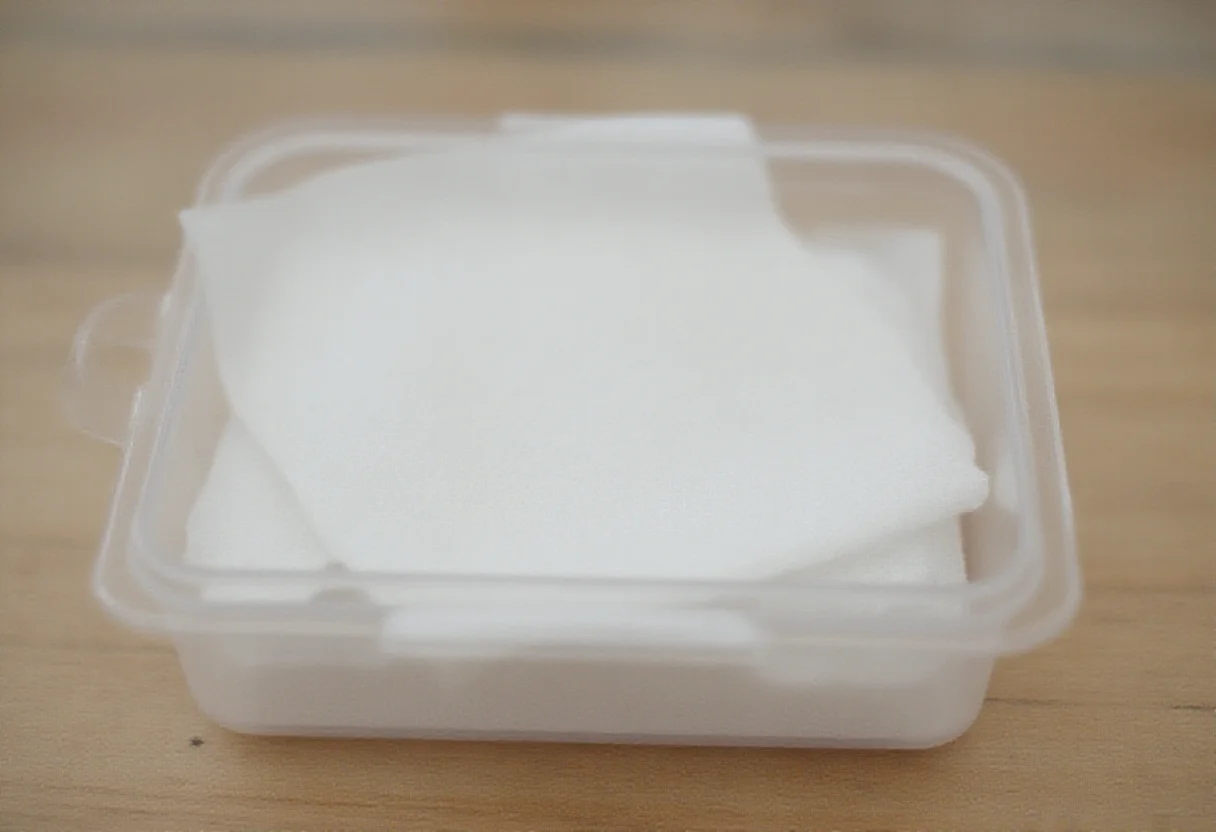
- Wet a clean, unscented paper towel with dechlorinated water, then wring it out until it is damp, not dripping.
- Lay the towel flat on the floor. Add a folded piece of damp towel as a simple hide if the species is shy.
- Move the animal in gently, using clean wet or gloved hands if you must touch it.
- Close the lid, check the air holes and place the box where it cannot tip or slide.
Keep the temperature stable
Merck notes that owners should pay special attention to temperature during transport to prevent heat or cold stress. A cooler or insulated bag can help keep it steady. Rooms and cars set up for reptiles are often too warm for most amphibians.
Check the temperature range for your species before you leave. Our guides on keeping an axolotl tank cool and the best aquarium thermometer for amphibians explain safe ranges for aquatic species.
Mistakes that cause problems
Most travel problems come from a few repeated errors.
- Using dry bedding or paper that wicks moisture away from the skin.
- Adding deep water. Small or weak animals can drown in it.
- Packing several animals together. Stress, bites and disease spread are real risks.
- Using distilled water. Merck advises against distilled water in amphibian enclosures.
- Choosing a container with large vents or a loose lid.
- Opening the box repeatedly to check the animal.
Choose by species group
Merck explains that amphibians generally prefer cooler temperatures than reptiles, and that salamanders and newts prefer cooler temperatures than frogs and toads. Each species also has a preferred optimal temperature zone. A box that suits a tropical tree frog may be wrong for a cool-water newt.
Before you buy anything, look up your species’ range. Then pick a container and travel plan that keeps the animal inside it. If you are unsure, ask your exotics vet before the trip.
- Tree frogs: choose a taller container only if the lid is secure, and keep the floor damp.
- Toads and ground frogs: a wide, low container works, with a damp towel on the floor.
- Newts and salamanders: keep them cool and moist, and avoid sudden temperature changes.
- Aquatic species: use a small container of treated tank water and avoid sloshing.
Vet visits, moving and shipping
For a vet visit, bring a second clean container so the clinic can examine the animal in one while you clean the first. Tell the vet which species it is and what the tank temperature is. The Tufts Wildlife Clinic also advises a damp towel and a covered container for sick or injured amphibians.
For a house move, keep the animal with you, not in the moving truck. Set up its permanent enclosure first, so you can release it into familiar conditions soon after arrival. Rules on moving some species across borders vary, so check your state wildlife agency.
Aquatic species such as axolotls need a different method. Use a small container of tank water, keep it cool and avoid sloshing. Ask your exotics vet for guidance. Our amphibian starter kit guide covers other basic gear.
Pre-trip checklist
Run through this list the day before you travel. It takes five minutes and prevents most problems.
- Check the forecast and plan the coolest route and time of day.
- Clean and rinse the container, then test the lid.
- Prepare a spare damp towel and a second clean container.
- Pack an insulated bag if the trip is long or the weather is hot or cold.
- Write down your vet’s phone number and the species name.
- Wash your hands after you finish packing.
What to bring to the vet along with the box
The Merck Veterinary Manual says the vet will want a full husbandry history, and that the history can matter as much as the exam. Prepare these items before you leave, because a container alone does not tell the story.
- Diet and appetite notes, and any supplements and how you apply them.
- Humidity, temperature and lighting in the enclosure, plus any recent new animals or losses.
- Photos of the whole enclosure, so the vet can judge the setup.
- A water sample from the enclosure, with air and water temperatures noted when you collect it. Merck lists ammonia, nitrite, nitrate, pH, hardness, alkalinity and chlorine as common checks.
- A list of medications and how you clean the tank.
Handling during the move
Merck advises minimal handling, because heat from a warm palm can cause heat stress and even death. Where hands are needed, it describes restraint with moistened, powder-free vinyl gloves, changed between animals. Powdered gloves and latex are not what the manual describes.
For slippery animals, Merck lists soft dip nets, plastic bags holding enclosure water, and damp towels. Scooping an animal into the transport box with a damp cup or a bag of its own water can be gentler than lifting it. Never grip a frog tightly or lift an axolotl by the limbs.
Settling in after the trip
On arrival, Merck says to keep amphibians within their preferred temperature zone, and warns that rooms built for reptiles are usually too warm. Put the box in a quiet, cool, dim room and let the animal rest before you return it to its tank.
If the animal is new to your home, the manual recommends quarantine for all new animals, with 6 to 8 weeks typical, adjusted to the source and your collection. Use a simple setup with moist paper towel, a hide and easy cleaning, and keep its tools separate from your other tanks. Log its appetite and behaviour, and talk to your vet about an entrance exam.
Frequently Asked Questions
What is the best container for transporting a frog?
A clean, clear plastic container with a secure lid and small air holes works well. Line it with a damp paper towel. Choose a size that is snug but not cramped.
How do I keep a frog moist during travel?
Use a damp, unscented paper towel on the floor of the container. Wring it out so it is damp, not wet. Do not add deep water.
Can I use a reptile carrier for amphibians?
Only if it is clean, escape-proof and has small vents. Skip any heat source. Most amphibians need cooler temperatures than reptiles.
How long can an amphibian stay in a travel box?
Keep trips as short as possible. The sources we found give no safe time limit, so ask your vet about longer journeys.
Should I put water in the container?
Not deep water. Damp paper towel gives enough humidity for most land species. Aquatic species need a small amount of clean, cool tank water instead.
Can I ship amphibians in the mail?
Shipping is regulated and needs special packing. Rules vary by place and carrier, so check with your state wildlife agency and the carrier first.
Bottom Line
A good transport container is plain and secure. Clean plastic, small vents and a damp towel meet the basic need for most trips. Match the size to the animal and keep the temperature steady.
Compare the options below with this checklist in mind, and check with an exotics vet for sensitive species. Remember that a simple, clean box beats a complicated one.
Sources
- Merck Veterinary Manual: Clinical Techniques in Amphibians, accessed Transport in ventilated plastic enclosures with moist paper towels
- Merck Veterinary Manual: Housing for Amphibians (pet owner version), accessed Temperature, humidity, water quality
- Tufts Wildlife Clinic: What To Do If You Found Sick or Injured Amphibians, accessed Damp towel and covered container
- CDC: Reptiles and Amphibians, accessed Salmonella and hygiene
- Merck Veterinary Manual: Environment and Husbandry for Amphibians (quarantine)


One Comment