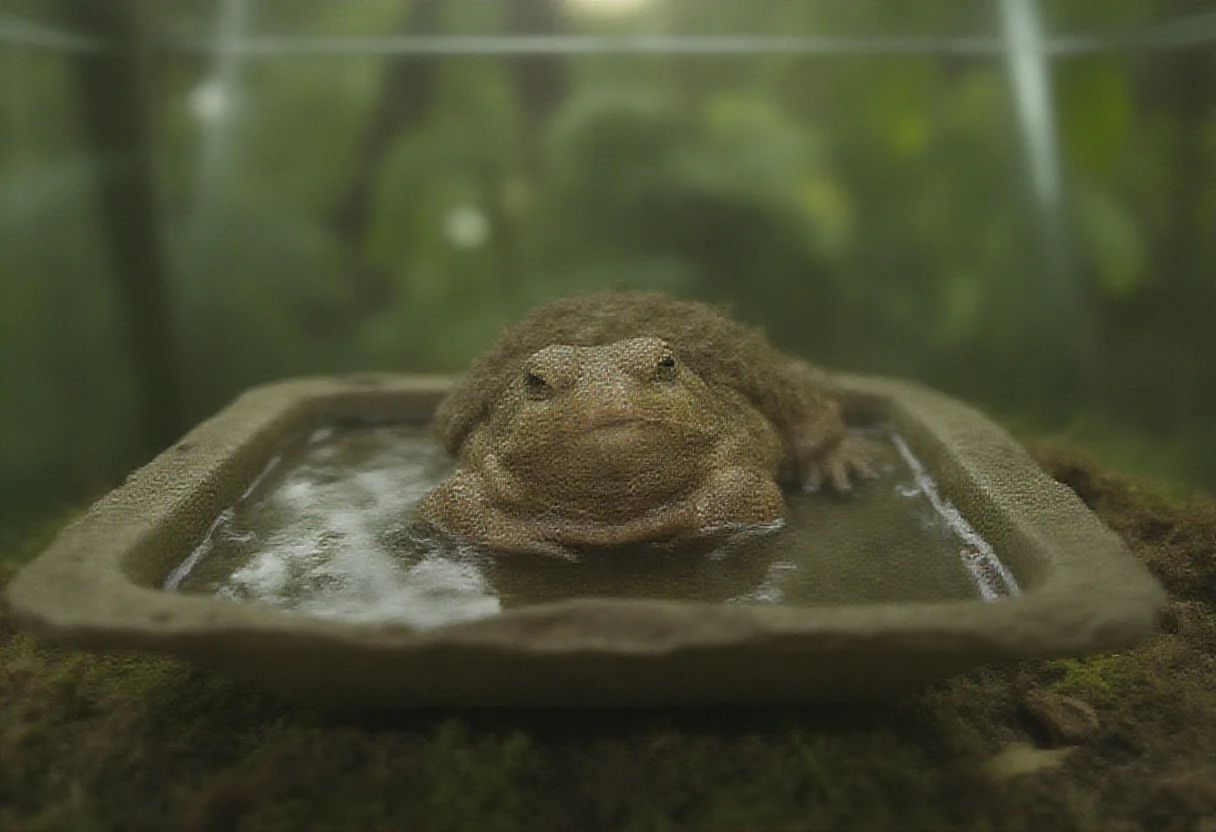
Best Water Dish With a Ramp for Toads: How to Choose
This post contains affiliate links. As an Amazon Associate I earn from qualifying purchases. Prices and availability are shown by Amazon and can change.
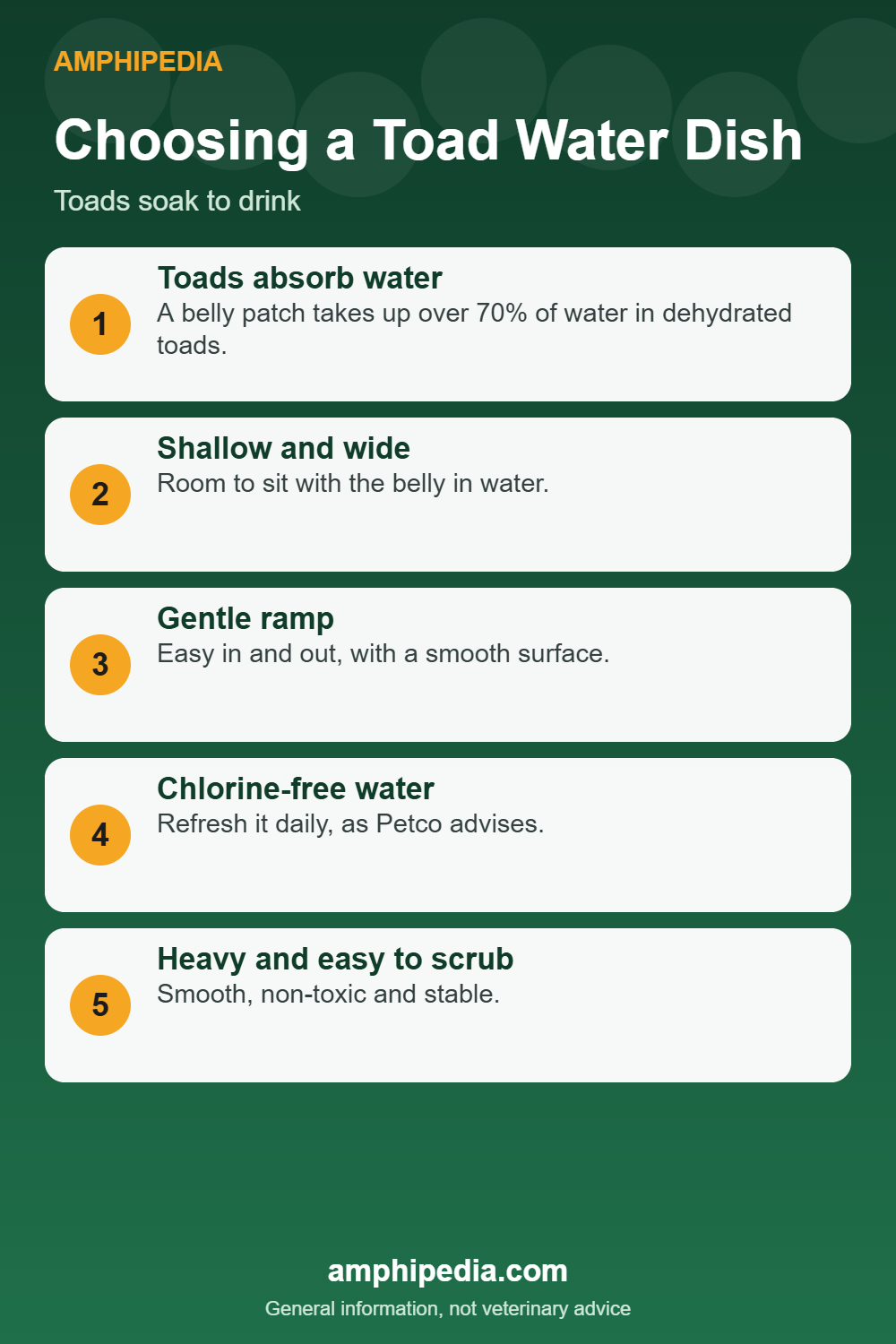
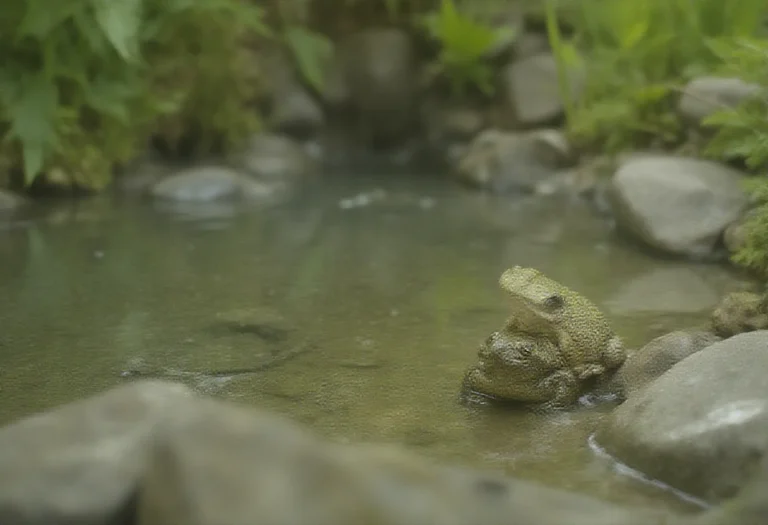
The best water dish for a toad is shallow, wide and stable, with a gentle ramp or sloped edge so the toad can walk in and out easily. Toads take up water through a patch of belly skin instead of drinking, so they need to sit in clean, chlorine-free water. Petco advises a shallow bowl of filtered, chlorine-free water to submerge in, refreshed daily. Choose smooth, non-toxic, easy-to-clean material.
A toad does not sip from a bowl the way a dog does. It sits in water and absorbs it through its skin. That makes the dish one of the most important items in the enclosure.
This guide explains how toads use water, what shape and material to choose, and how to keep the dish clean. A table of top-rated dishes follows the key points. See also our guides to a corner water dish and a natural log hideout for toads.
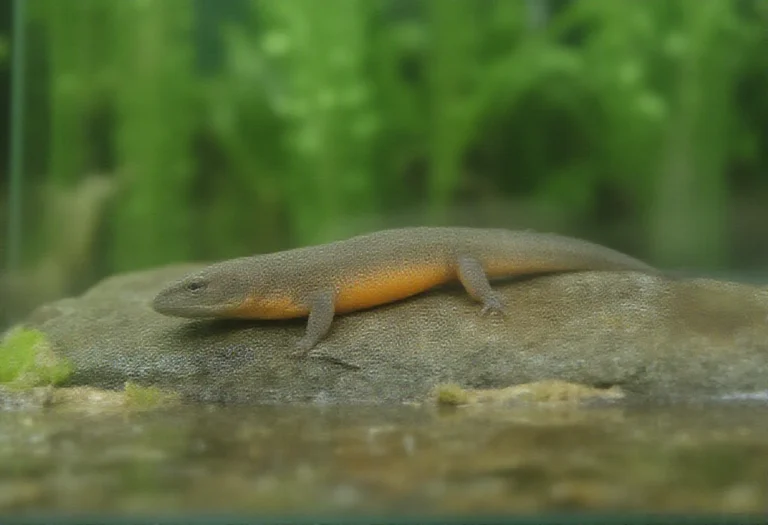
How this was made: prepared with AI assistance and checked against the sources listed at the end. Images are AI-generated illustrations, not photographs of real animals or products.
Key Takeaways
- Toads absorb water through a patch of belly skin, so they need a dish wide enough to sit in.
- Keep the water shallow, with a ramp or sloped edge for easy entry and exit.
- Use filtered, chlorine-free water and change it daily, as Petco advises.
- Choose heavy, smooth, non-toxic material that will not tip.
- Scrub the dish often and wash your hands afterward.
Pin this infographicShare on Facebook
Top-rated reptile and amphibian water dishes on Amazon
These dishes come from live Amazon listings and are sorted from higher to lower price. Check the depth and slope in the description before you buy.

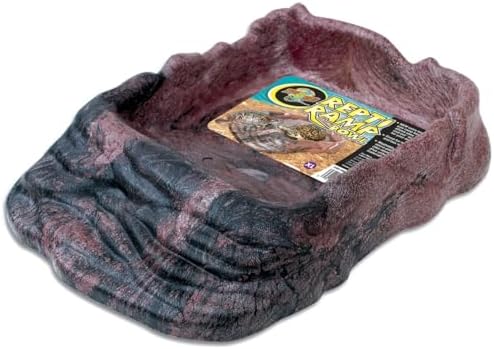


Product titles, prices and ratings are provided by Amazon and are accurate only at the time they are displayed.
How toads use water
Most terrestrial amphibians absorb water through their skin. Research reported by ScienceDaily found that a small area of belly skin, the seat patch, is about 10 percent of the skin area yet accounts for over 70 percent of water uptake by dehydrated toads.
Toads press their belly against a wet surface to rehydrate. A dish must let them sit with their belly in the water, so a wide, shallow bowl suits them better than a deep, narrow one.
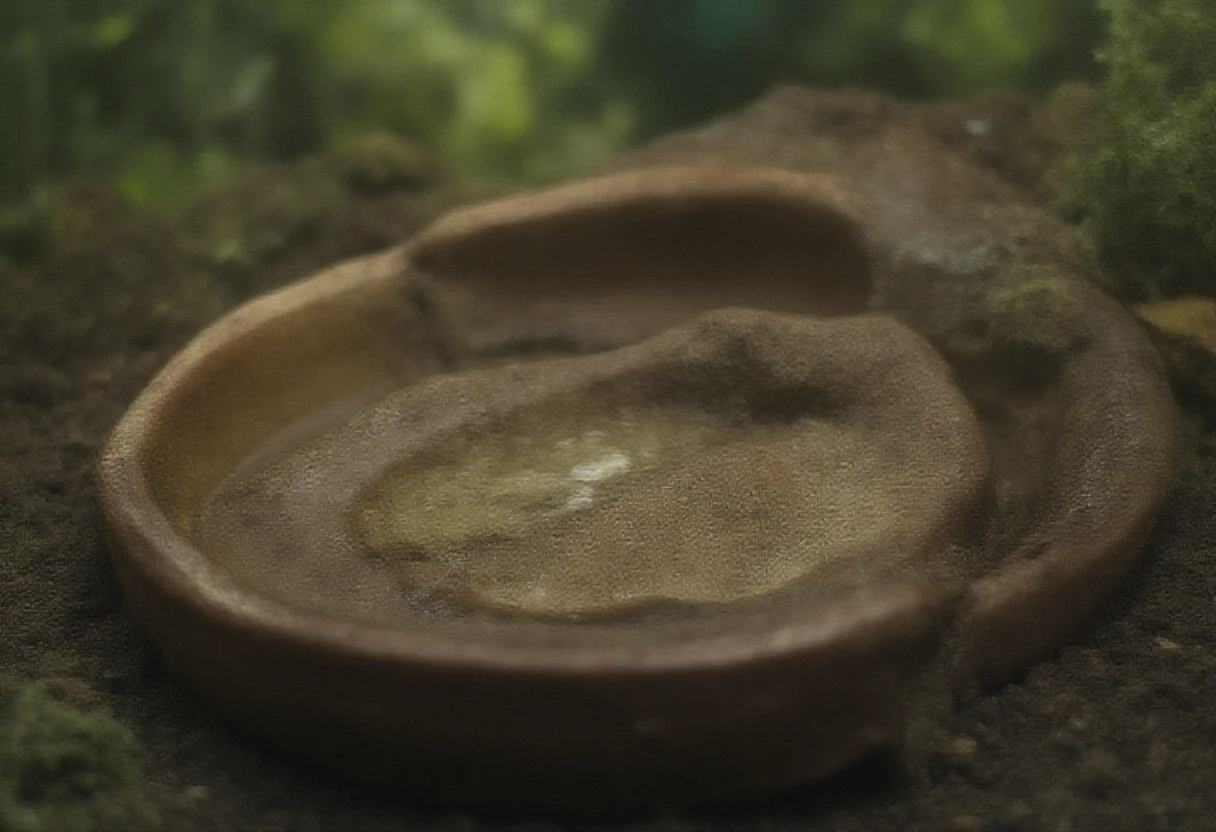
Why add a ramp
A ramp or sloped edge is not a requirement, but it helps. Heavier or older animals may struggle with a steep lip, and a smooth ramp gives them a way out if the water is deeper than expected.
Choose a dish where the slope is gradual and the surface is not slick. Add a few smooth stones if the slope is steep, and check that nothing in the dish can trap the animal.
What to look for in a toad water dish
Check these points when you compare dishes.
- Shallow depth, so the toad can sit with its head clear of the surface.
- A gentle ramp, step or sloped edge from the floor to the water.
- Wide enough for the toad to turn around and soak.
- Heavy ceramic, stone or resin that will not tip when the toad climbs in.
- A smooth, glazed, non-toxic finish with no paint inside the bowl.
- No sharp edges or small holes where a foot could catch.
- Easy to lift out and scrub.
- A natural colour that blends with the enclosure so the toad is not startled.
Materials compared
Each material has trade-offs. Weight and cleaning matter most.
| Material | Strengths | Watch for |
|---|---|---|
| Glazed ceramic | Heavy, smooth, easy to clean | Can chip; check the glaze is food safe |
| Natural stone or resin | Blends with decor, stable | Surface may be rough; scrub often |
| Plastic | Light and cheap | Can tip or float; scratches harbour germs |
| Glass | Smooth and easy to see through | Can break; slippery slope |
Water quality and cleaning
Petco’s toad care sheet advises a shallow bowl of filtered, chlorine-free water and says the water should be refreshed daily with dechlorinated water at the right temperature. Merck says distilled water should not be used for amphibians. See our guide to a water conditioner for terrariums for treatment options.
Toads may also pass waste in the water they sit in. Remove waste when you see it and scrub the dish with hot water, rinsing it very well. Avoid soap or disinfectant residue.
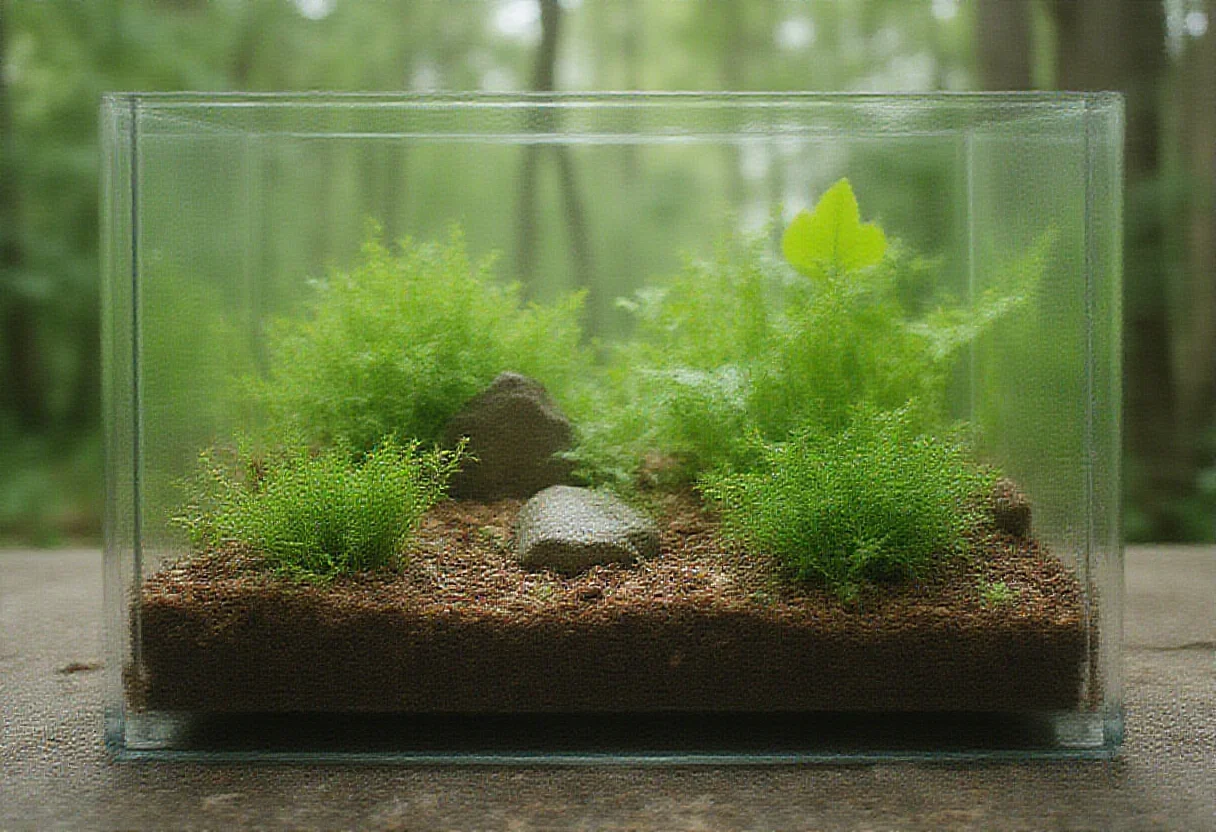
Setting up the dish
Follow these steps when you set up a new dish.
- Wash the dish with hot water and rinse well.
- Set it on level ground, pressing it into the substrate so the rim is flush with the floor and the toad can walk in.
- Fill it with dechlorinated water to a shallow level, enough to cover the toad’s belly when sitting.
- Place the dish away from the warmest spot, with a hide close by.
- Check it each day, remove waste and replace the water.
- Scrub it fully once a week or when it looks cloudy.
Matching the dish to your toad
Size matters. A small toad needs a low, shallow dish it can climb into without effort, while a large toad needs a wider bowl so its whole belly rests in the water. Measure the toad’s body length and choose a dish noticeably longer than that.
Humidity also depends on the dish. Petco’s large terrestrial frog care sheet notes that an open bowl of shallow water helps maintain humidity through evaporation, so a wide dish can help in a dry room. A very large surface may push humidity too high for a toad that does best at 50 to 60 percent, so use a hygrometer and adjust.
If your enclosure is big, a second dish in a different spot gives the toad a choice and keeps one area drier than the other.
Common mistakes
Avoid these problems.
- Using tap water without treatment.
- Choosing a deep bowl that a toad can slip into.
- Using a light dish that gets tipped over and soaks the substrate.
- Using painted decor or metal that may leach into the water.
- Leaving the dish dirty for days.
- Forgetting to wash your hands after handling the dish. Petco advises washing hands before and after handling toads and anything in the habitat.
How the table above was built
The table pulls live listings for reptile and amphibian water dishes from Amazon, then filters for strong ratings and a large number of reviews. Items for other animals, such as pet bird feeders, are removed. We did not test these products.
Always check the dimensions and slope in the description before you buy.
What a toad does when it rehydrates
The ScienceDaily report on research by A.L. Viborg and S.D. Hillyard describes a behaviour called the water absorption response. A dehydrated toad presses its belly against a wet surface with its hind legs pushed back. That posture needs a flat, open floor, not a bowl with a deep curved well.
In that study, blood flow in the belly patch rose seven to eight times within about a minute of contact with water. The work used two wild species, Woodhouse’s toad and the red-spotted toad, so it does not prove how every pet toad behaves. It does explain why a toad sits in water rather than sipping.
Making the ramp from safe materials
Petco’s toad care sheet lists coconut fiber, dampened sphagnum moss, leaf litter and cypress mulch as substrates, and says to avoid gravel, small bark chips and rough artificial turf. Use the same logic when you build a slope up to the dish.
- Pack the substrate level with the rim so the toad can simply walk in.
- Do not heap gravel or small bark chips against the dish. They can scrape skin or be swallowed.
- Use smooth flat stones or a flat piece of cork bark if a step is needed, and check that nothing can shift under the toad.
- Keep the slope low. A toad that has to scramble is a toad that will avoid the dish.
Where to put the dish in the tank
Petco gives temperatures in the low to high 70s F, slightly cooler at night, with a hide box in both the warm and cool zones. It advises an under-tank heating pad covering no more than half the floor, controlled by a thermostat, and monitoring with two thermometers.
Put the dish in the cooler half and a hide next to it. Warm water evaporates faster, and a toad that is already dehydrated gains little from a dish it cannot reach safely. Leave a clear path between the hide and the water.
Night behaviour and burrowing
Petco says toads are generally nocturnal and that many love to burrow under the substrate by day. You may rarely see yours sit in the dish. Look for indirect signs, such as damp substrate near the rim or a disturbed water surface in the morning.
If the dish is always dry and untouched, check that it is not too deep, too slippery or too far from the hide. Do not assume the toad is ignoring it, because toads are mostly active at night.
A daily and monthly cleaning rhythm
Petco advises scrubbing the bowl daily with a reptile-safe cleaner or a 3 percent bleach solution, rinsing well and refilling with dechlorinated water. It says to clean the full habitat at least monthly, rinse with hot water and dry it completely before adding fresh substrate.
MSD gives a more exact disinfectant figure: household bleach at 30 mL per litre of water, with at least 30 minutes of contact, followed by a thorough rinse and ideally drying. Petco does not state the bleach ratio for its 3 percent solution, so use the MSD ratio if you disinfect. Keep a spare dish so one can dry while the other is in use.
When to ask a vet
A dish solves only the water side of the problem. If your toad looks dried out or lethargic, or you are worried about how it uses the water, contact an exotics vet. Do not try home remedies.
Frequently Asked Questions
Do toads drink water?
They mostly absorb it through their skin, especially a patch on the belly. That is why they need a shallow dish to sit in.
How deep should a toad water dish be?
Shallow enough that the toad can sit with its head clear of the surface. Petco calls for a shallow bowl.
Does a toad need a ramp?
Not always, but a gentle slope makes it easier to enter and leave, especially for larger toads.
How often should I change the water?
Petco advises refreshing it daily, using dechlorinated water at the right temperature.
Can I use tap water?
Only if you treat it. Petco asks for chlorine-free water, and Merck says chloramine needs a specific dechlorinating agent.
What humidity do toads need?
Petco says most toads do well at 50 to 60 percent and that 70 percent or higher can kill many toads. See our southern toad care guide for more.
Bottom Line
A toad’s water dish is where it drinks, soaks and rehydrates. A shallow, stable dish with an easy ramp gives it a safe place to do that.
Use treated water, change it every day and scrub it often. Those habits matter more than any single dish you buy.
Sources
- Toads Care Sheet (Petco), accessed 31 October 2026
- Water uptake through the seat patch of toads (ScienceDaily, 2002), accessed 31 October 2026
- Housing for Amphibians (Merck Veterinary Manual), accessed 31 October 2026
- Reptiles and Amphibians: Healthy Pets, Healthy People (CDC), accessed 31 October 2026
- MSD Veterinary Manual: Environment and Husbandry for Amphibians, accessed 12 November 2026, for bleach ratio and contact time


One Comment