Best Moisture Retention Mat for Amphibians: How to Choose
This post contains affiliate links. As an Amazon Associate I earn from qualifying purchases. Prices and availability are shown by Amazon and can change.
A moisture retention mat is a layer that soaks up water and releases it slowly, helping a tank stay damp. For amphibians, choose a plain mat with no dyes, fertiliser or pesticide, because skin absorbs water and toxins easily. Place it under soil or moss, keep it damp but not waterlogged, and check humidity with a gauge. Humidity targets range from 75 to 100 percent, depending on species and source.
Frogs, toads and salamanders lose water through their skin, so a dry tank can harm them quickly. A mat that holds moisture can steady a tank between mistings.
This guide covers what a mat can and cannot do, which materials to avoid, and how to use one safely. It is not a replacement for a hygrometer. For tank bases, see our drainage mat guide.
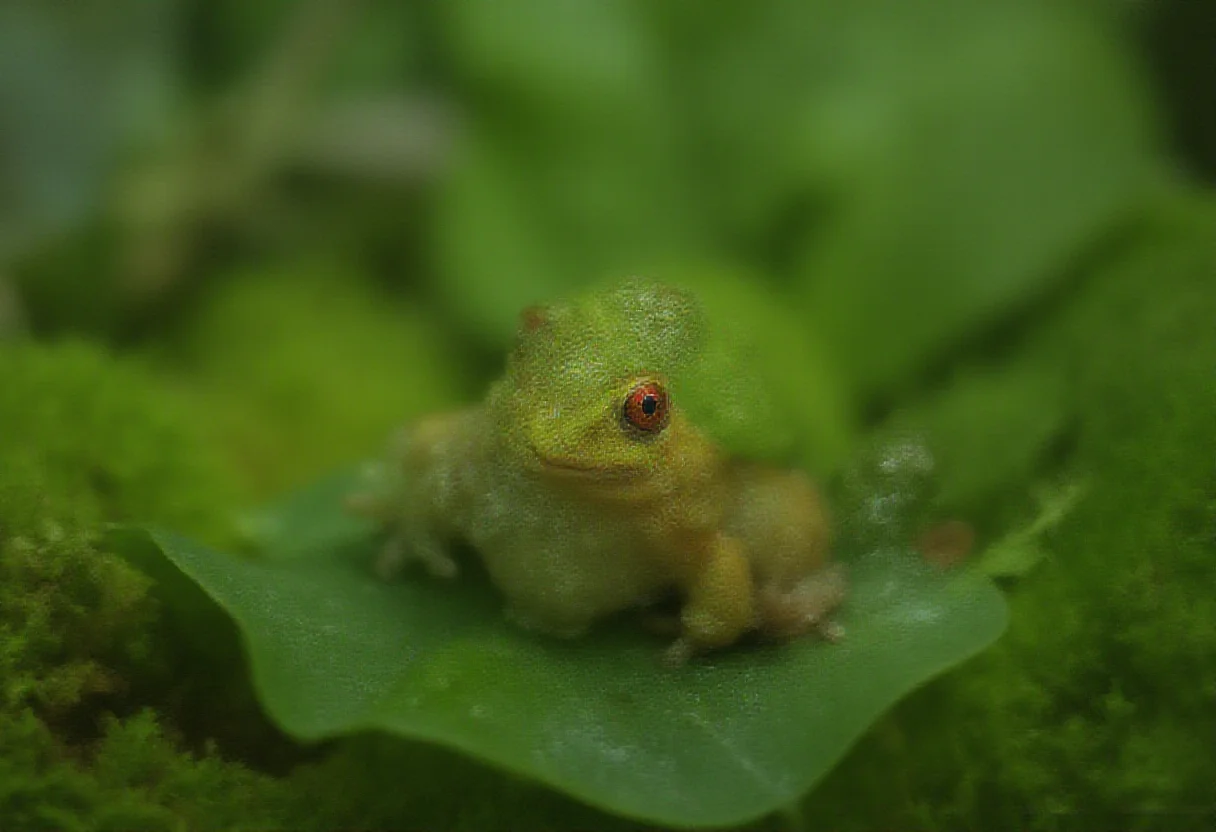
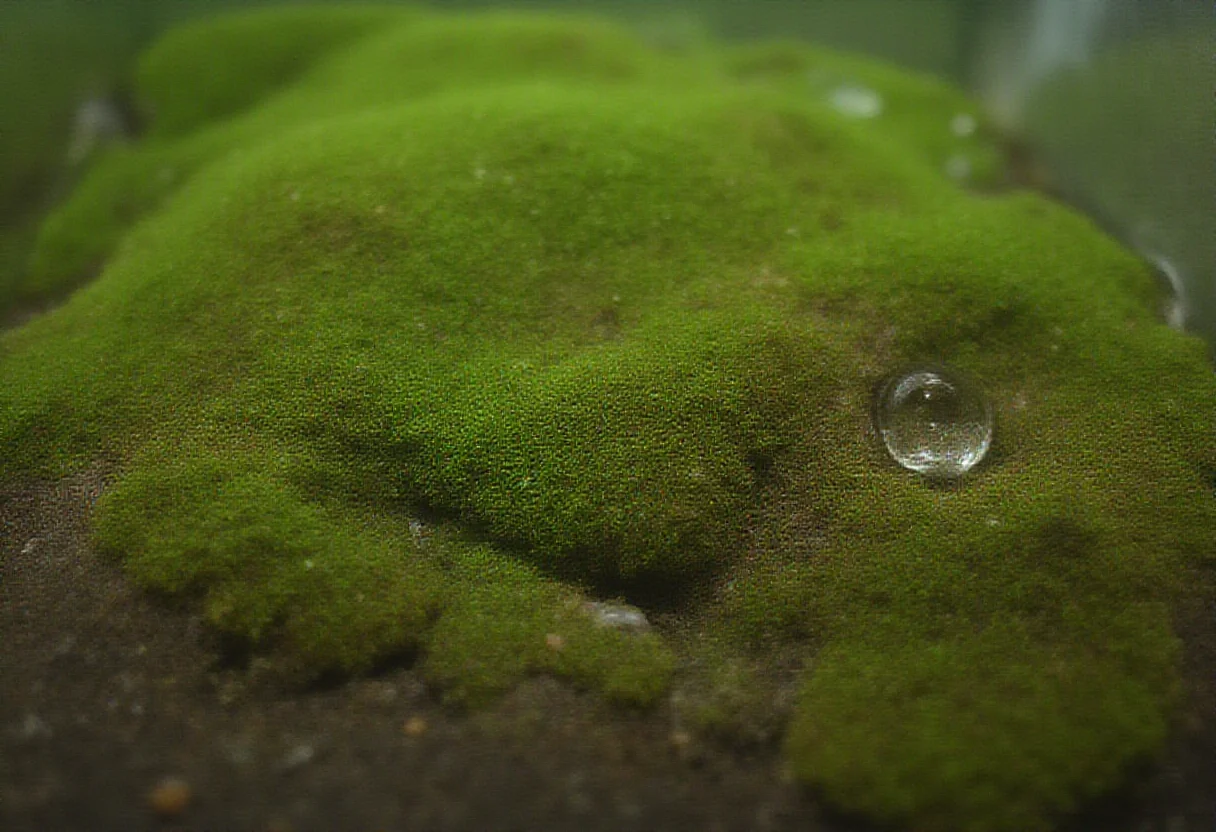
How this was made: prepared with AI assistance and checked against the sources listed at the end. Images are AI-generated illustrations, not photographs of real animals or products.
Key Takeaways
- Most amphibians do well at 75 to 80 percent humidity; tropical species may need 85 to 90 percent (MSD Veterinary Manual).
- Dart frog sources give higher ranges: 80 to 100 percent (Lafeber) and 80 to 95 percent (DartFrog.pet).
- Keep the substrate damp but not waterlogged.
- Choose mats with no additives, and avoid cedar and pine products.
- Every enclosure needs a humidity gauge, whatever mat you use.

Pin this infographicShare on Facebook
Moisture mats and liners to compare
These listings are mats, liners and moss layers sold for terrariums. Choose plain material without dyes or additives, rinse before use, and keep it damp, not waterlogged.


Product titles, prices and ratings are provided by Amazon and are accurate only at the time they are displayed.
What a moisture retention mat does
A moisture mat is a water-holding layer. It stores water when you mist or pour, then releases it into the air and substrate over time. That slows swings between wet and dry.
It does not create humidity on its own. Ventilation, misting, water features and plants all play a part. The MSD Veterinary Manual lists streams, waterfalls, ultrasonic humidifiers and frequent misting as moisture sources.
Humidity targets: sources differ
Sources give different numbers because species differ. State the range for your animal, not a single figure.
| Source | Range given | Applies to |
|---|---|---|
| MSD Veterinary Manual | 75 to 80 percent; 85 to 90 percent for tropical species | Most amphibians |
| Lafeber Veterinary | 80 to 100 percent | Poison dart frogs |
| DartFrog.pet | 80 to 95 percent, ideally with a gradient | Dart frogs |
Materials to check before buying
The MSD Veterinary Manual says soils must be free of additives. Apply the same standard to a mat that sits under them.
- Plain natural or inert material with no dye or fragrance.
- No fertiliser, pesticide or fungicide.
- No cedar or pine, which the manual says contain toxic oils.
- Peat and sphagnum can irritate species that cannot tolerate low pH.
- Fibres that do not shed small pieces an animal could swallow.
- A mat you can rinse and replace.
Where to put the mat
Put the mat under the substrate or moss, not on the surface where animals sit. Surface layers hold the damp patch where the animal rests, while the mat acts as the reservoir below.
Keep it away from heat sources. Lafeber warns against radiant heat for amphibian tanks because it dries the environment.

Damp is not waterlogged
Lafeber advises keeping the substrate damp but not waterlogged and adding a shallow water dish with light misting. A mat that sits in standing water is a sign you need a drainage layer.
Our mesh barrier guide and moss carpet guide cover the layers above and below a mat.
Set-up steps
Prepare the mat before it goes into the tank.
- Rinse a new mat in water suitable for amphibians and squeeze it out.
- Cut it to fit the base, leaving no gaps at the glass.
- Add the substrate and any moss or leaf litter on top.
- Mist until the mat is damp throughout, not dripping.
- Place a hygrometer at animal level and check it daily.
- Adjust misting by what the gauge shows, not by how the surface looks.
Cleaning and replacement
The MSD Veterinary Manual advises spot-cleaning floor coverings daily to weekly and replacing them completely every few weeks to months, depending on the covering. It also suggests keeping a little moss or soil during cleaning to support helpful microorganisms.
Disinfect humidifiers and spray bottles weekly, as the manual recommends. Wear disposable gloves.
Common mistakes
Moisture problems are usually about balance.
- Buying a mat that is dyed, scented or treated.
- Leaving it in standing water.
- Relying on the mat instead of a hygrometer.
- Using a mat in a tank with poor ventilation. The manual recommends 1 to 2 air changes per hour.
- Putting a mat beside a heat source.
- Never replacing it.
The water you put on the mat
A mat holds whatever water you give it, and the animal absorbs moisture through its skin. The MSD Veterinary Manual says water used for misting must be free of chlorine, ammonia, nitrite, pesticides and heavy metals. It also says distilled water should not be used in amphibian enclosures.
The sources differ on how to remove chlorine. Lafeber Veterinary lists three options for dart frogs: tap water aged 24 to 48 hours in an open container, bottled spring water, or tap water run through a sediment and activated charcoal filter. The MSD Veterinary Manual says to run tap water through a carbon filter for at least 24 hours.
The manual adds a point that matters if your utility uses chloramines. In that case, treat the water with a dechlorinating agent first, then filter to remove chlorine and ammonia. Ask your water supplier which disinfectant it uses. Leaving a bucket to stand is the simplest method, but check it suits your supply.
- Read bottled water labels, and test water when you are unsure.
- Use the same safe water for filling the mat reservoir, misting and the water dish.
- Disinfect spray bottles and humidifiers weekly, as the manual advises.
Mat, moss, mulch or leaf litter
A mat is one way to hold moisture. The MSD Veterinary Manual lists several floor coverings that suit different species: gravel, soil, sphagnum moss and mulch. Untreated hardwood mulch and leaf litter are listed as acceptable, and soil must be free of additives.
Pick the layer that fits your species. Some amphibians are irritated by low pH, so peat or sphagnum moss may not suit them. A plain mat under a thin layer of leaf litter holds water below and gives animals something natural to rest on above.
- Check that any gravel is too large to swallow, or small enough to pass through the gut, as the manual says.
- Avoid cedar and pine, which the manual says contain toxic oils.
- If you use soil, the manual describes heating it to 200 F (93 C) for 30 minutes, or freezing it, to cut down pests.
- Keep a small portion of old moss, mulch or soil when you clean, so helpful microorganisms stay in the tank.
Live plants as part of the moisture plan
The MSD Veterinary Manual says live plants in terrestrial setups help purify air, filter light, raise humidity and provide hiding and perching spots. A mat under the substrate keeps the roots damp, which supports the plants, and the plants in turn support humidity.
The manual also says to confirm that every plant is safe for amphibians before adding it. Rinse new plants and avoid any that were treated with pesticides or plant food.
Troubleshooting a mat that is too wet or too dry
Your hygrometer is the starting point. Compare its reading with the range for your species, then work through the likely causes. These are practical steps based on the sources above, not diagnoses.
If the tank is too wet:
- Reduce misting and let the surface dry between sprays. Lafeber advises damp, not waterlogged, between mistings.
- Look for standing water under the mat and add a drainage layer if it pools.
- Check ventilation. The manual recommends about 1 to 2 air changes per hour.
- Replace a mat that smells sour or looks slimy. Rinse a fresh one before use.
If the tank is too dry:
- Mist lightly and regularly, as Lafeber advises for dart frogs.
- Move heat sources. Lafeber says radiant heat tends to dry amphibian environments.
- Add a shallow water dish, live plants or leaf litter to hold moisture near the animals.
- Check that the mat has not dried out in a corner or shrunk away from the glass.
The manual notes that temperatures outside a species preferred range can cause immunosuppression and secondary infections. Humidity and temperature problems often arrive together, so check both gauges.
Do all amphibians need a damp mat
No. The MSD Veterinary Manual gives 75 to 80 percent humidity for most amphibians and 85 to 90 percent for tropical species, which suggests that the need for a moisture reservoir depends on the animal. Fully aquatic species live in water, and many terrestrial species do well with a damp substrate and regular misting alone.
A mat is most useful in an enclosure that dries out quickly or where you cannot mist on a fixed schedule. Whether you need one at all is a question to settle with your hygrometer and your species care sheet first, before you spend money.
When humidity trouble needs a vet
A mat cannot fix a health problem. Lafeber describes amphibian skin as fragile and sensitive, and advises handling a frog as little as possible. It lists chytridiomycosis among the important medical conditions in dart frogs, although it does not describe signs.
The MSD Veterinary Manual recommends consulting an amphibian veterinarian for specific temperature and humidity advice. If an animal has dull, damaged or unusually dry skin, stops eating, or hides constantly, book a visit with an exotics vet rather than adjusting the tank by guesswork. The ARAV directory linked at the end of this page can help you find one.
Frequently Asked Questions
Does a moisture mat replace misting?
No. It holds water between mistings but does not create humidity on its own.
What humidity do amphibians need?
The MSD Veterinary Manual says most do well at 75 to 80 percent, with 85 to 90 percent for tropical species. Dart frog sources give 80 to 100 percent.
Is peat safe under a mat?
Peat and sphagnum can irritate species that cannot tolerate low pH, according to the manual. Check your species.
How do I know if the tank is too wet?
Look for standing water, soggy substrate or a smell. Aim for damp, not waterlogged.
How often should I replace the mat?
The manual suggests replacing floor coverings every few weeks to months, depending on the type.
Do I still need a hygrometer?
Yes. The manual says every enclosure needs a humidity gauge.
Bottom Line
A moisture mat is a helpful reservoir, not a fix for poor ventilation or a missing hygrometer. Pick a plain, additive-free material and keep it damp, not soaked.
If your animal shows dry, dull or damaged skin, see an exotics vet. The ARAV directory can help you find one.
Sources
- MSD Veterinary Manual: Housing for Amphibians (pet owner version), accessed 12 November 2026. Used for: humidity, water quality, substrates, cleaning, ventilation
- MSD Veterinary Manual: Environment and Husbandry for Amphibians. Used for: Moisture sources, substrates
- Lafeber Veterinary: Basic Information Sheet, Poison Dart Frog, accessed 12 November 2026. Used for: humidity range, water options, damp substrate, radiant heat, skin
- DartFrog.pet: Dart Frog information library. Used for: Humidity range
- CDC: Reptiles and Amphibians. Used for: Salmonella and hygiene




3 Comments