Best Humidity Dome for Frog Tanks: Lids, Covers and Airflow
This post contains affiliate links. As an Amazon Associate I earn from qualifying purchases. Prices and availability are shown by Amazon and can change.
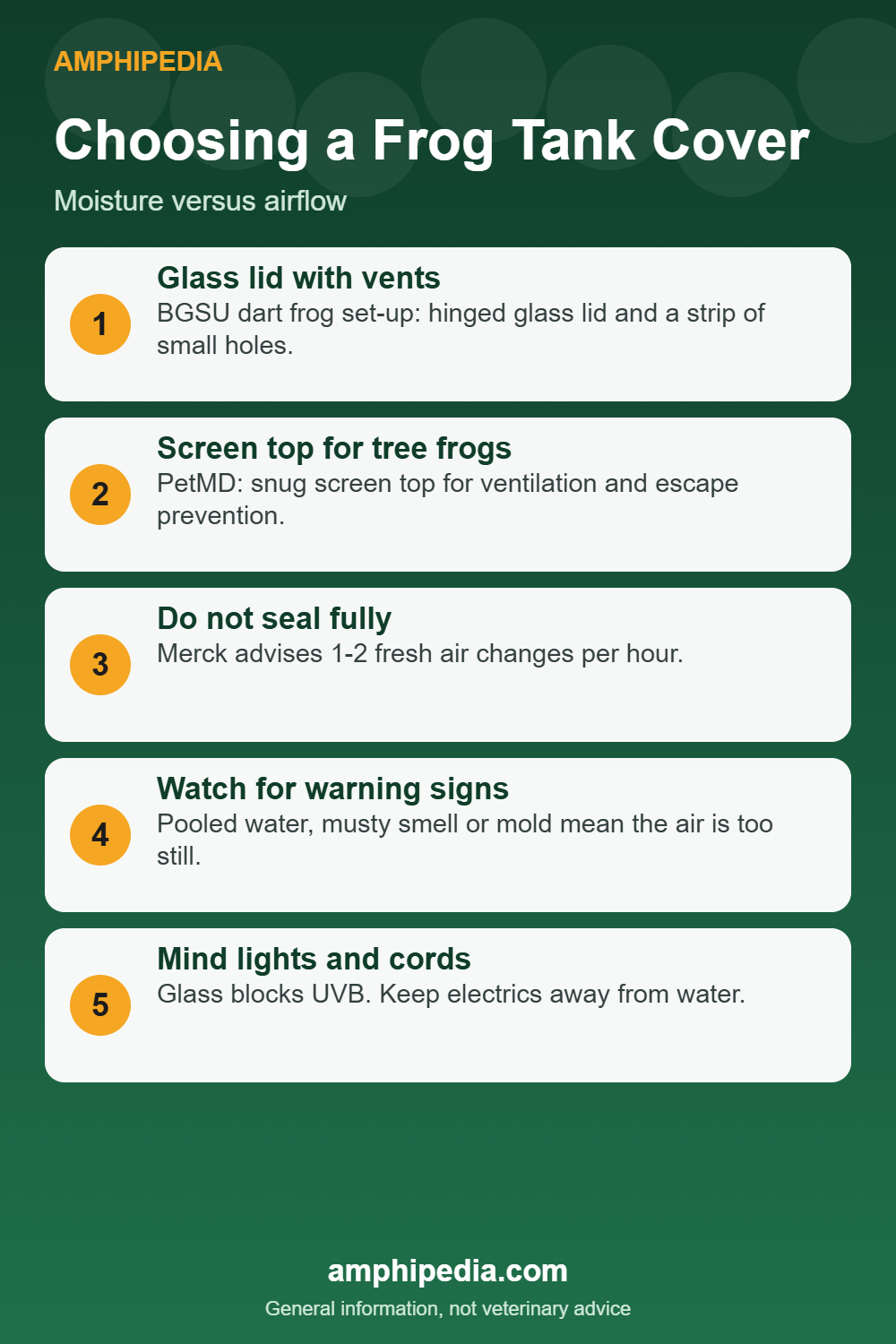
A humidity dome or tank cover helps a frog tank hold moisture, but it must still let air in. A fully sealed lid can leave stagnant, mouldy air. The BGSU herpetarium uses a hinged glass lid with a strip of small drilled holes for dart frogs, and PetMD recommends a snug screen top for tree frogs. Pick the cover for your species and tank.
Lids and domes slow evaporation, which keeps a frog tank damp between mistings. That helps frogs that need high humidity.
The risk is the opposite problem: too little air. This guide covers cover types, how to judge ventilation and what to check before you buy.
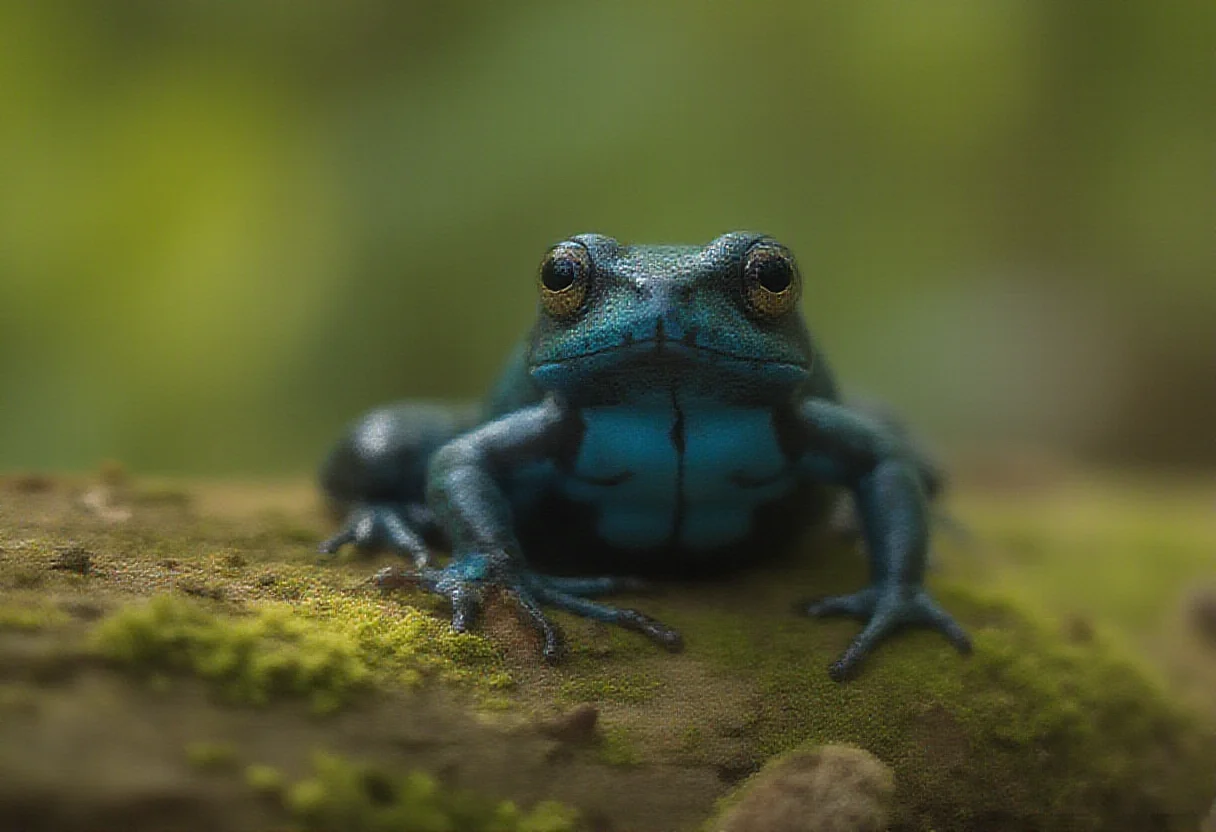
How this was made: prepared with AI assistance and checked against the sources listed at the end. Images are AI-generated illustrations, not photographs of real animals or products.
Key Takeaways
- A cover holds moisture, but a sealed one can cause stale air and mold.
- Glass lids with a vent strip suit high-humidity frogs; screen tops suit tree frogs that need airflow.
- Merck advises one to two fresh air changes per hour.
- Cut or choose vents deliberately instead of guessing.
- Check humidity daily and adjust the cover, not just the misting.
Pin this infographicShare on Facebook
Tank covers and lids to compare
These lids and covers match the search terms. Measure your tank top, and check how much ventilation each design leaves before you buy.


Product titles, prices and ratings are provided by Amazon and are accurate only at the time they are displayed.
What a humidity dome does
A dome, lid or cover sits on top of the tank and traps water vapour. Less vapour escapes, so each misting lasts longer.
Merck notes that organic substrates and hiding places limit water loss. A cover works the same way from above.
It does not replace plants, substrate or a water source. It only slows the loss of what you add.

Glass lids, screen tops and partial covers
The BGSU herpetarium keeps dart frogs in a 10 to 20 gallon aquarium with a hinged glass lid. A plastic strip along the back has about six small holes for air exchange.
PetMD advises a snugly fitted screen top for red-eyed tree frogs, to prevent escape and allow ventilation. It lists 70 to 80 percent humidity for that species.
So the right cover depends on the frog. Very high humidity points to glass with small vents. Moderate humidity with airflow points to screen, partly covered.
- Glass lid with a vent strip: holds the most moisture.
- Screen top with a partial plastic or glass cover: a middle option.
- Full screen top: most airflow, driest.
How much ventilation is enough?
Merck advises one to two fresh air changes per hour to prevent disease. You cannot measure that at home, so use signs instead.
Condensation on glass is normal. Pooled water, a musty smell or fuzzy mold on wood or moss means air is too still.
Start with more vents and close some gradually. It is easier to add a cover than to fix a mouldy tank.
What to check before you buy
Measure your tank top first. Many covers are made for fixed sizes, and gaps let frogs escape.
- Fit: no gaps at the corners or around cables.
- Material: clear glass or acrylic lets light through; check it is rated for damp use.
- Vents: look for a mesh or drilled strip you can open or close.
- Access: a hinge or sliding panel makes feeding and cleaning easier.
- Weight and edges: heavy glass needs a stable frame.
Lighting and heat under a cover
Covers change how lamps behave. Merck says glass blocks UVB, so a lamp must sit where the light reaches the animals. Fluorescent or LED bulbs keep heat down.
Keep lamps and cords away from water. UC Davis says electrical components should stay away from water and outlets should be GFCI-rated.
Monitor temperature as well as humidity. UC Davis records temperature daily and fits alarms in frog rooms.
Cleaning
Wipe the underside of a cover to remove film and algae. Merck gives household bleach at 30 mL per liter of water for housing and tools, 30 minutes of contact and a thorough rinse.
Dry the cover completely before use.
Common mistakes
Avoid these when adding a cover.
- Sealing every gap to chase a higher reading.
- Using a seedling-style plastic dome with no vents.
- Ignoring condensation that never clears.
- Leaving a gap big enough for a small frog to escape.
- Skipping daily readings after changing the lid.
Two ventilation numbers, and why they differ
Two of the sources give very different air-change figures, and both are correct for what they describe. The Merck Veterinary Manual says enclosures need 1 to 2 fresh air changes per hour. UC Davis, in its laboratory standard for frogs, asks for a minimum of 10 to 15 fresh room air exchanges per hour for non-aquatic species.
The first number is about the air inside an enclosure. The second is about the whole animal room. UC Davis adds that for aquatic species, air exchange is set by thermal and moisture loads, to limit condensation. For a home keeper the lesson is practical: a cover controls enclosure airflow, but the room also needs fresh air, and neither number can be measured without equipment. Use mold, smell and condensation as your signs.
Moisture sources that work with a cover
A cover only slows moisture loss, so the moisture has to come from somewhere. Merck lists several options for terrestrial species.
- A shallow container of water inside the enclosure.
- Small streams, waterfalls or ultrasonic humidifiers.
- Frequent misting with a spray bottle.
- Organic substrates and hiding places that limit water loss.
- Live plants, which Merck says generate humidity as well as providing hiding and perching places.
Merck also says humidifiers and spray bottles must be disinfected weekly to remove potentially harmful bacteria. A cover that keeps everything damp makes this more important.
Substrate and mold: what to avoid
Damp, still air under a cover can encourage mold, and the wrong substrate makes it worse. Merck gives these cautions.
- Cedar and pine mulches have toxic oils and should not be used.
- Untreated hardwood mulches and leaf litter can be used.
- Soils must be free of chemical additives such as fungicides.
- Some amphibians cannot tolerate the low pH of peat moss and sphagnum moss, and may develop skin irritation.
- Gravel should be too large to swallow or small enough to pass easily.
Check the needs of your species before choosing. A cover that holds humidity will magnify any problem with the substrate underneath.
Step by step: tuning a cover over a week
- Start with the species. Find its humidity range from a vet college, zoo or university. UC Davis notes that humidity ranges are species and life stage dependent.
- Record a baseline. Note the minimum and maximum humidity and temperature each day, as UC Davis does.
- Change one thing at a time. Open or close one vent or one section of cover, then wait a day.
- Watch for signs. Constant pooled water, a musty smell or mold means too little air. A dry substrate and drying plants mean too much.
- Check the animals. UC Davis requires daily observation of each animal for illness, injury or abnormal behavior.
- Keep notes. A short log shows you what each change did.
Troubleshooting
| Problem | Possible cause | What to try |
|---|---|---|
| Humidity too low even with a cover | Large vent area or dry substrate | Close some vents slowly; check the moisture source; recheck daily |
| Constant heavy condensation | Little airflow | Open a vent or a section of the cover and recheck |
| Mold on wood or moss | Still, damp air or unsuitable material | Improve airflow; replace affected material; review substrate cautions above |
| Tank too warm under the lid | Lamp heat trapped by cover | Choose LED or fluorescent bulbs, as Merck advises |
| Frog escapes | Gap at a corner or cable entry | Close the gap; measure the tank top before buying |
UC Davis also warns that high-velocity air can cause desiccation in semi-aquatic amphibians, so a fan blowing across a vent can undo the cover’s work.
Covers for quarantine and temporary tanks
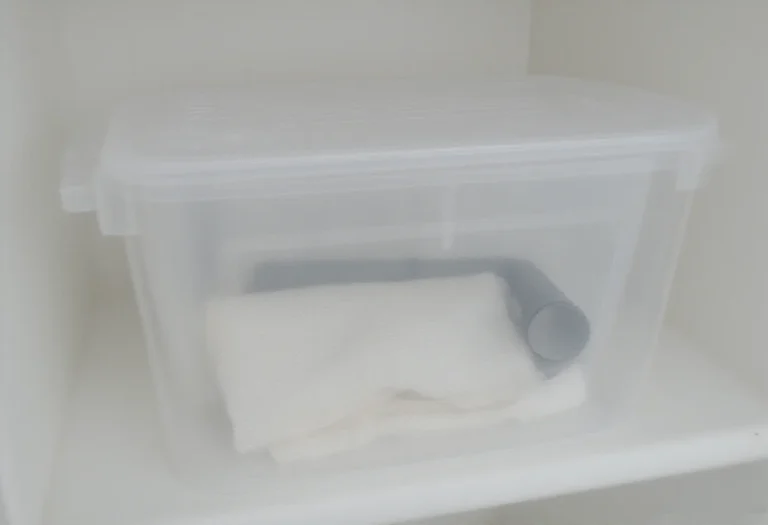
A simple tank is often better than a planted one when you bring home a new animal. Merck says quarantine is a preventive practice that is often overlooked, and that a period of 6 to 8 weeks is typically adequate, depending on risk. It recommends enclosures that are easy to clean, with moist paper towel as substrate for most species and PVC tubing for hiding places and perches.
A cover for a quarantine tank should be easy to lift, wipe and dry, and it should keep disturbance low. Merck also advises separate cleaning tools for quarantined animals, and a vet visit at the start and end of quarantine. Ask an exotics vet through the ARAV directory about your animal’s specific needs.
Frequently Asked Questions
Do frog tanks need a lid?
Yes. A lid prevents escape and affects humidity. PetMD advises a snug screen top for tree frogs, and BGSU uses a glass lid with vents for dart frogs.
Can a tank be fully sealed?
Merck advises one to two fresh air changes per hour, so leave some ventilation.
Is glass or screen better?
Glass holds more moisture. Screen allows more airflow. Choose for your species.
Why is my lid always wet?
Some condensation is normal. Constant pooled water or mold suggests too little air flow.
Does glass block UVB?
Yes, per Merck. Position UVB lights so light reaches the animals.
Where can I find a vet?
The ARAV directory lists exotics vets: arav.org/professionals.
Bottom Line
A cover is a tuning tool. Open or close vents in small steps while you watch humidity and condensation.
Pick a lid that fits well, ventilates in a controlled way and is easy to clean.
Sources
- BGSU Herpetarium: Poison Dart Frogs, General Care (accessed 12 November 2026). Used for: University herpetarium set-up notes for dart frogs.
- PetMD: Red-Eyed Tree Frog Care Sheet (accessed 12 November 2026). Used for: Species care sheet used for the 70-80% humidity figure.
- Merck Veterinary Manual: Environment and Husbandry for Amphibians (accessed 12 November 2026). Used for: Moisture, ventilation, lighting, substrate, water and cleaning guidance.
- UC Davis Office of the Attending Veterinarian: SC-35-100 Husbandry Care of Frogs (2025) (accessed 12 November 2026). Used for: Laboratory standards for frogs: daily temperature and humidity records, drafts, cleaning.
- CDC MMWR: Reptile-Associated Salmonellosis, Selected States, 1998-2002 (accessed 12 November 2026). Used for: Salmonella risk from reptiles and amphibians.
- CDC: Reptiles and Amphibians (accessed 13 November 2026). Used for: guidance on young children and higher-risk households.
- Merck Veterinary Manual and UC Davis SC-35-100 were re-read on 13 November 2026 for ventilation, moisture, substrate, quarantine and monitoring statements.

One Comment