Micro Feeder Dishes for Small Amphibians: Buyer’s Guide
This post contains affiliate links. As an Amazon Associate I earn from qualifying purchases. Prices and availability are shown by Amazon and can change.
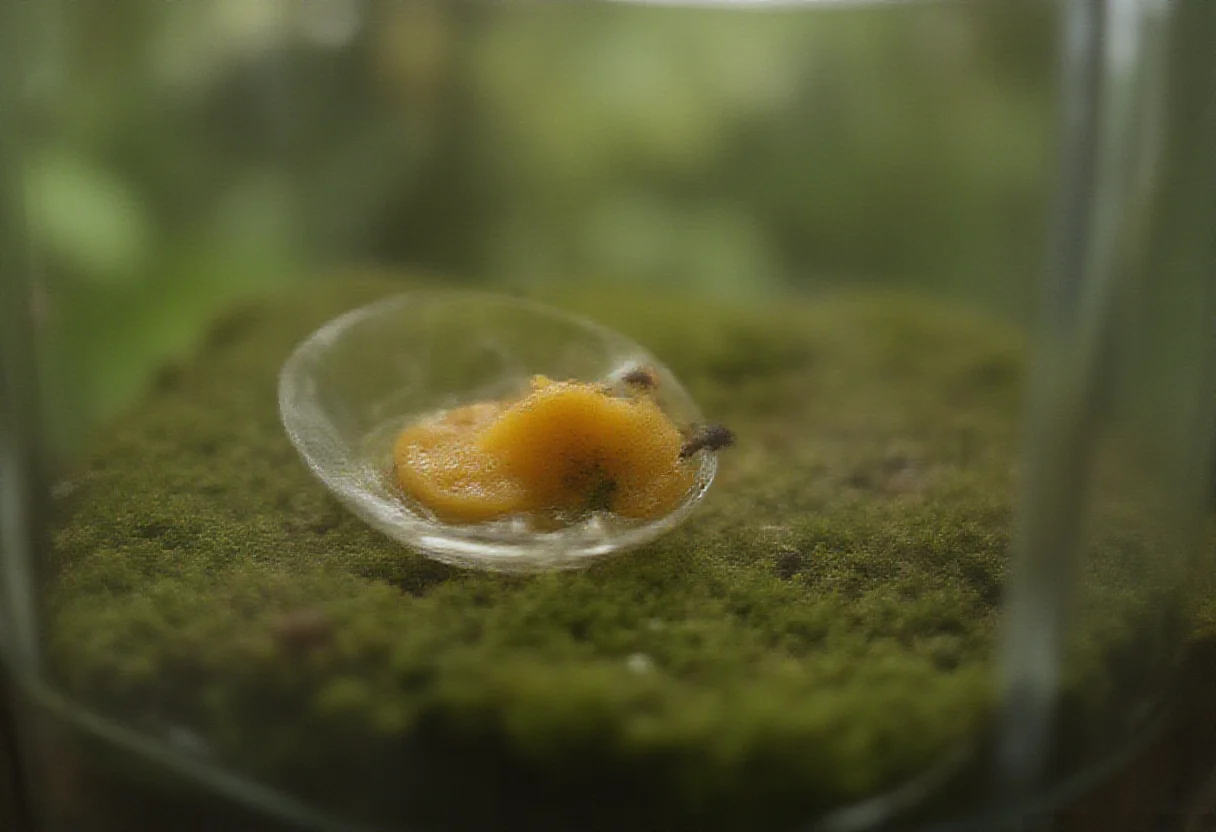
The best micro feeder dish for amphibians is a small, shallow, low-sided dish that is easy to wipe clean and stays put on the ground or a ledge. DartFrog.pet suggests a low-mouthed dish, ideally a Petri dish, with a small piece of fruit in the centre to keep fruit flies from spreading. Clean it every few days and rinse it thoroughly before returning it.
Small frogs and salamanders eat tiny insects such as fruit flies. Without a dish, flies spread through the tank, supplement powder lands on the soil and uneaten food is hard to remove.
This guide explains how a micro feeder dish works, which sizes and materials suit small amphibians, where to put the dish and how to keep it clean.
How this was made: prepared with AI assistance and checked against the sources listed at the end. Images are AI-generated illustrations, not photographs of real animals or products.
Key Takeaways
- A shallow, low-sided dish keeps food contained and visible.
- Smooth glass, ceramic or plastic is easiest to clean.
- Place it where frogs already walk, on a stable ledge or the ground.
- A small piece of fruit helps hold fruit flies in the dish.
- Clean every few days and rinse well.
- Wash your hands after feeding and cleaning, because amphibians can carry Salmonella.
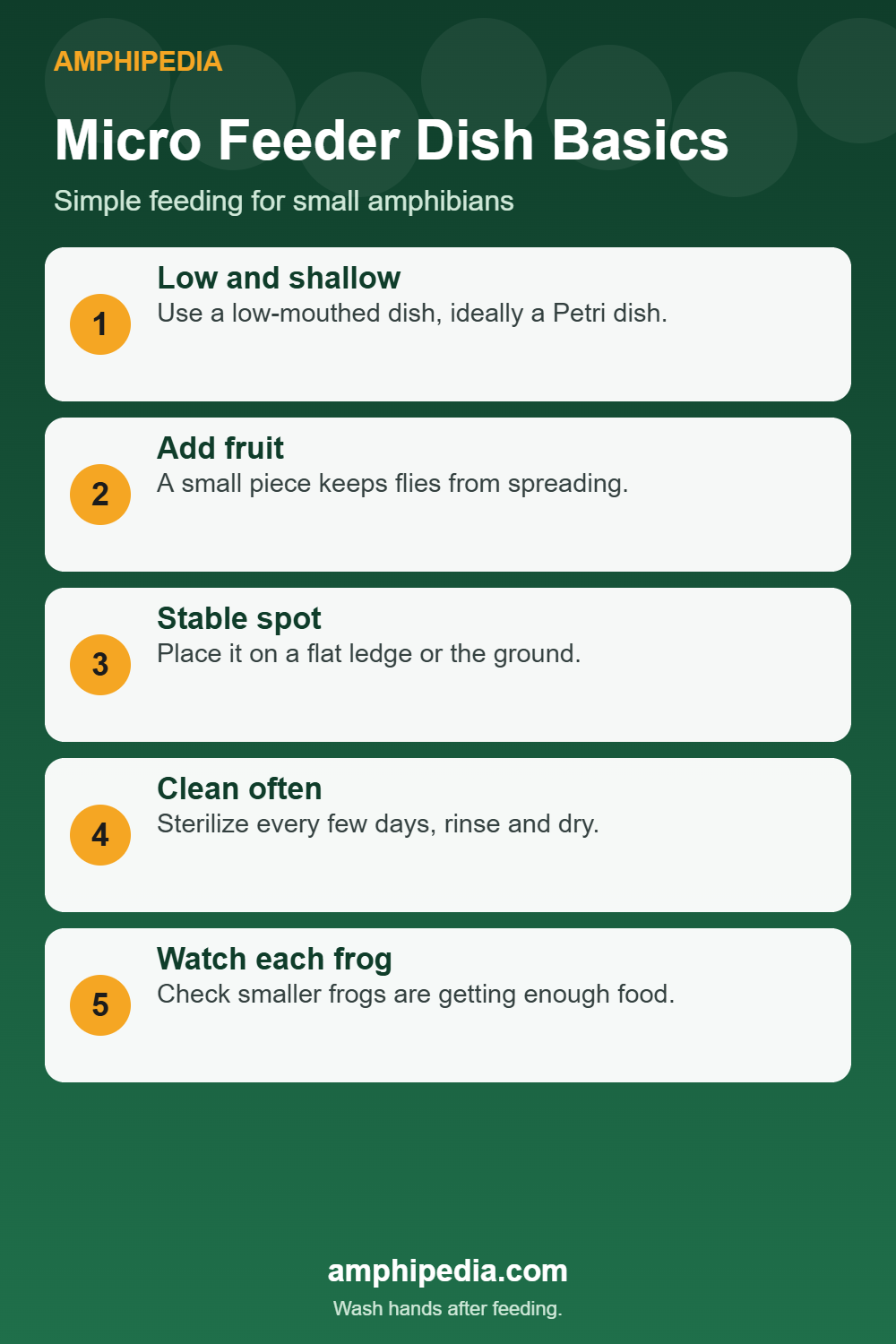
Pin this infographicShare on Facebook
Feeder dish picks
These dishes are sorted by price from high to low. Check size, material and base before you buy.


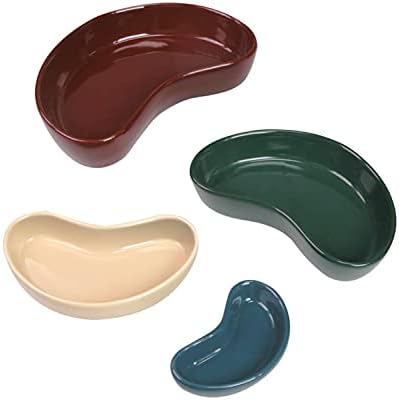

Product titles, prices and ratings are provided by Amazon and are accurate only at the time they are displayed.
What a micro feeder dish does
DartFrog.pet says a feeding dish gives frogs an easy place to feed and catches excess calcium away from the substrate. It describes a low-mouthed dish, ideally a Petri dish, with a piece of fruit about the size of a dime to a nickel in the middle.
The fruit keeps flies from spreading. The dish also makes it easier to see how much your frogs eat and to remove leftovers.
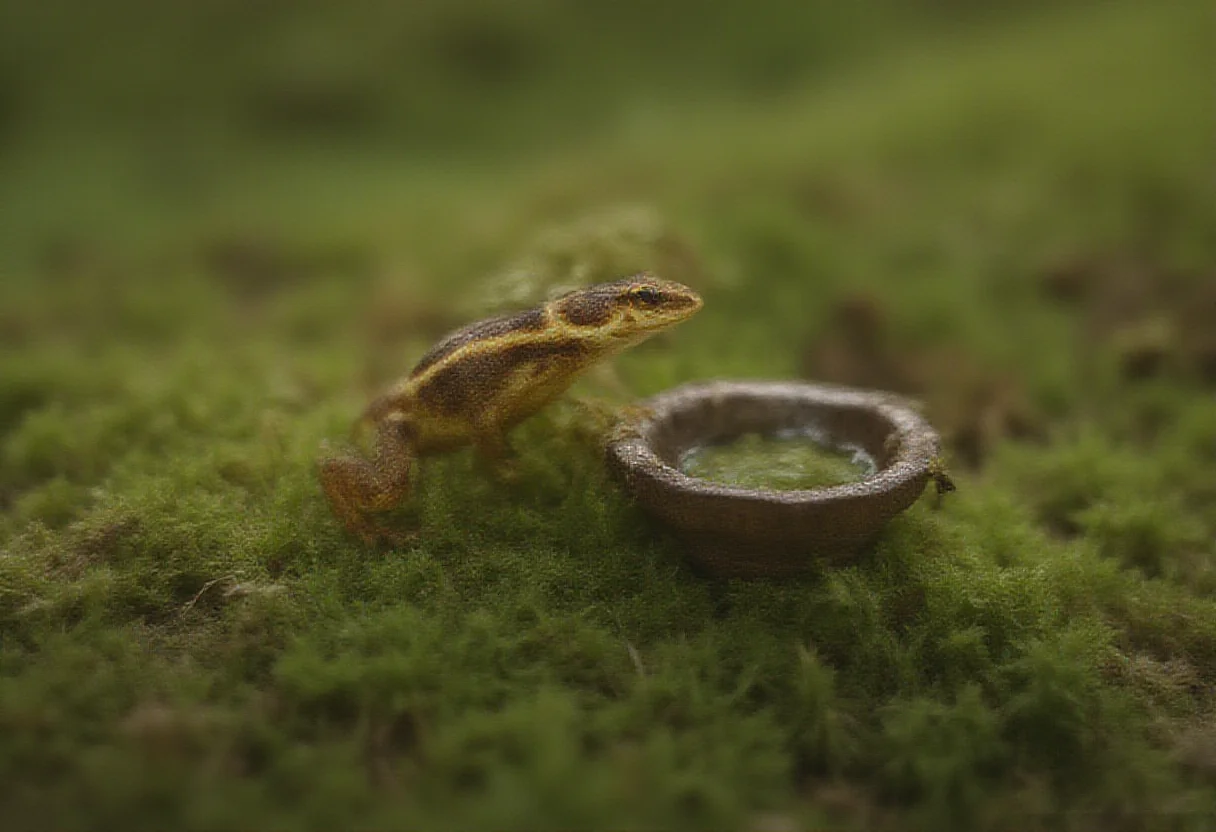
Feeding basics for small amphibians
DartFrog.pet lists fruit flies as the main feed for dart frogs, dusted before feeding, with froglets and sub-adults fed daily and adults every other day. It gives no fixed amounts, so adjust to how many flies are eaten at each feeding.
Dominant frogs eat more. If you keep a group, check that smaller frogs are getting enough food and not losing weight.
Types of dishes compared
Dishes differ in material and shape. Use the table to match one to your tank.
| Type | Strengths | Watch out for |
|---|---|---|
| Glass Petri dish | Smooth, easy to disinfect, low sides | Can slide; small and breakable |
| Ceramic mini dish | Heavy and stable | Glaze should be non-toxic; check for chips |
| Plastic mini dish | Light, cheap, no breakage | Scratches can trap dirt |
| Magnetic ledge dish | Sticks to the glass at height, keeps food off the soil | Check magnets are fully sealed and the glass is not too thick |
Size and shape
Choose a dish that is shallow enough for tiny prey to be seen and reached. The sides should be low enough that a small frog can step over them, and high enough that flies do not simply walk out.
Match the width to your group. A few small dishes work better than one big one if frogs compete.

What to look for when you buy
This page does not include hands-on tests. The checklist below reflects published feeding advice and common terrarium practice.
- Low, smooth sides and a flat base.
- Glass, glazed ceramic or smooth plastic that is easy to disinfect.
- Small enough to fit on a ledge or the ground.
- No sharp or chipped edges.
- Stable or weighted so it does not tip.
- Sold as a set if you want to rotate clean dishes.
Where to place the dish
Put the dish where your frogs already walk. Avoid places that are constantly wet or under a water spray.
- Choose a flat, stable spot on the ground or a ledge.
- Keep it away from the water dish so it does not flood.
- Dust the flies lightly in a separate container.
- Add a small piece of fruit and tip the flies in.
- Watch the first few feedings to see if frogs use it.
- Remove leftovers after feeding.
Cleaning and hygiene
DartFrog.pet suggests sterilizing dishes every few days with hot water and vinegar or diluted bleach, then rinsing well and drying. If you do, rinse thoroughly and let them dry fully.
The CDC says to clean feeders and water containers outdoors or in a laundry sink, not in kitchen areas. Wash your hands after feeding. PetMD adds that uneaten prey should be removed.
Common mistakes
Avoid these problems.
- Using deep bowls that trap tiny prey.
- Leaving fruit to rot for days.
- Placing the dish in standing water.
- Using chipped glass or ceramic.
- Cleaning with strong chemicals and not rinsing.
- Feeding every frog in one dish when they fight.
Related feeding gear
See our guides to magnetic feeding dishes, feeding tongs and gut-load food.
Which fruit fly goes in the dish
Josh’s Frogs describes two common culture species in its article “Feeding Dart Frogs: What, How Often, and How Much?”. Drosophila melanogaster is about 1/16 inch long, and the article calls it the easier culture for beginners. Drosophila hydei is about 1/8 inch long and suits frogs that take larger prey.
The fly you buy affects the dish you need. A wingless or flightless culture stays near the dish long enough for a frog to find it. Flies that can fly will leave any open dish within seconds, so a dish alone will not contain them.
- Tiny froglets and very small species: a small dish with melanogaster flies.
- Larger frogs: a slightly wider dish that fits a few hydei flies at a time.
- Mixed groups: one dish per frog size, so small frogs are not pushed out.
These are matching suggestions, not published rules. Watch which flies your frogs actually take and adjust.
How often to fill the dish
Published feeding schedules differ, and none of them depends on the dish. DartFrog.pet, already cited above, feeds froglets and sub-adults daily and adults every other day. Josh’s Frogs says it feeds all of its dart frogs three times a week, on Monday, Wednesday and Friday, and that daily feeding is allowed but not required.
Neither source gives a fixed number of flies. Josh’s Frogs suggests a simple check instead: leave a thin peeled banana slice, about 1/4 inch, in the enclosure and look at it at the next feeding time.
- Few flies on the banana: feed the same amount again.
- Many flies: skip to the next scheduled feeding and feed less.
- No flies: feed a little more.
A dish gives you a second check. If the dish is empty within the usual feeding window, the amount was probably right. If it is still crawling with flies the next day, you fed too much.
Dusting before the flies reach the dish
The DartFrog.pet page on supplementing says prey must be dusted with powder. It states that calcium should never be used without vitamin D3, and that an all-in-one amphibian vitamin is better than a calcium and D3 product alone.
The same page says amphibians cannot convert beta carotene into vitamin A, so amphibian products use retinol instead. Because vitamin A is fat-soluble and builds up in the body, it advises limiting extra vitamin A and following the label for amount and frequency.
- Use an amphibian product, not a reptile vitamin.
- Store powders in the refrigerator, as the page recommends, because heat, air and moisture break down vitamins.
- Replace powders about every six months and check the expiry date.
- Dust in a separate lidded container, then tip the flies into the dish. A light coat is enough.
That page describes one keeper’s routine, with a calcium powder at feedings and multivitamins added on a weekly or twice-monthly basis. Treat it as an example, not a prescription. Ask an exotic-animal vet if you are unsure what your species needs.
If your frogs ignore the dish
A new object in the enclosure can take time to accept. Change one thing at a time so you can tell what worked. These steps are general husbandry sense, not results from a study.
- Move the dish to a spot where the frogs already rest or hunt.
- Check that the sides are low enough for the smallest frog.
- Fill it at the same time of day for several feedings, so the frogs learn the routine.
- Add the fruit piece described above so flies stay near the dish.
- Remove old food and wipe the dish before the next feeding.
If a frog stops eating altogether, or loses weight over several weeks, the dish is not the problem. See an exotic-animal vet.
Check the species before you rely on a dish
The feeding sources used on this page describe dart frogs. Other small amphibians, such as small salamanders, newts or toadlets, may hunt differently or take other prey. Read a care sheet for your exact species before assuming a dish will suit it.
Dish, banana slice or both
Josh’s Frogs does not describe a dish for fruit flies. Its feeding station is the banana slice, which works as a gauge for how many flies are left in the whole enclosure. A dish does a different job: it keeps food and powder in one place and lets you see what was eaten.
Using both is a reasonable approach if you keep a large planted enclosure. The dish handles the daily feeding. The banana slice tells you whether flies are building up elsewhere, so you can feed less next time.
Frequently Asked Questions
What is a micro feeder dish?
A small, shallow dish that holds feeder insects and fruit so small amphibians can eat in one spot.
Do I need a feeder dish for dart frogs?
Not strictly, but DartFrog.pet says a low-mouthed dish helps contain flies and catch excess calcium.
How often should I clean it?
DartFrog.pet suggests every few days. Rinse well and dry before reuse.
What size is best?
A small, low-sided dish suits small frogs. Match the size to your group.
Why put fruit in the dish?
A small piece of fruit helps keep flies from spreading and gives them a place to stay.
Can I use a bottle cap?
Only if it is smooth, clean and has never held chemicals. A proper shallow dish is better.
Bottom Line
A simple dish makes feeding easier for you and your frogs. Choose a small, low-sided, easy-to-clean dish and keep it in a spot your frogs already use.
Clean it often, rinse it well and wash your hands every time.
Sources
- DartFrog.pet: Dart frog information, feeding. Used for: Fruit flies, dusting, feeding frequency and low-mouthed feeding dishes.
- PetMD: Frog Care 101. Used for: Dechlorinated water, hides, plants, substrate and cleaning.
- CDC: Reptiles and Amphibians (Healthy Pets, Healthy People). Used for: Hand washing, cleaning habitats away from kitchens, and high-risk groups.
- Josh’s Frogs: Feeding Dart Frogs: What, How Often, and How Much?, accessed 12 November 2026. Fruit fly species and sizes, feeding schedule, banana-slice feeding station.
- DartFrog.pet: Supplementing, accessed 12 November 2026. Calcium with D3, retinol in amphibian vitamins, vitamin A caution, storage.



2 Comments