Best Micro Heaters for Tadpole and Small Amphibian Tanks
Micro Heaters to Consider
This post contains affiliate links. As an Amazon Associate I earn from qualifying purchases. Prices and availability are shown by Amazon and can change.
These options come from Amazon listings and are sorted by price from high to low. We have not tested them. Check the details against the buying guide below.


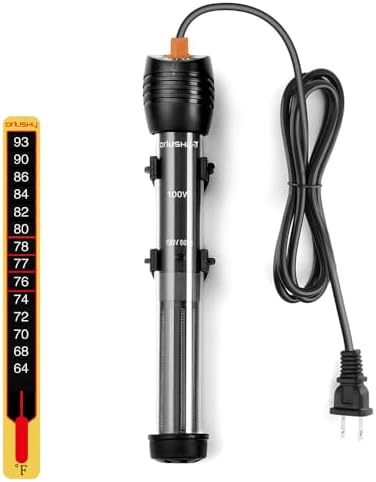
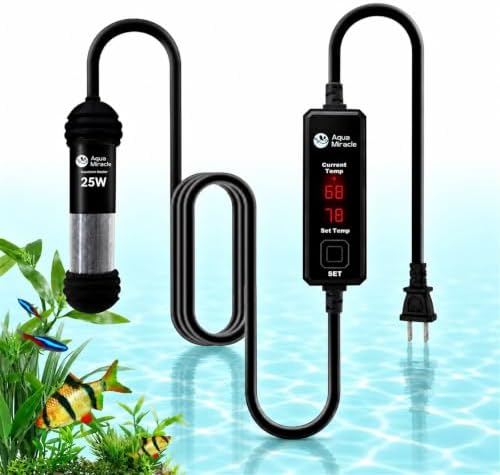
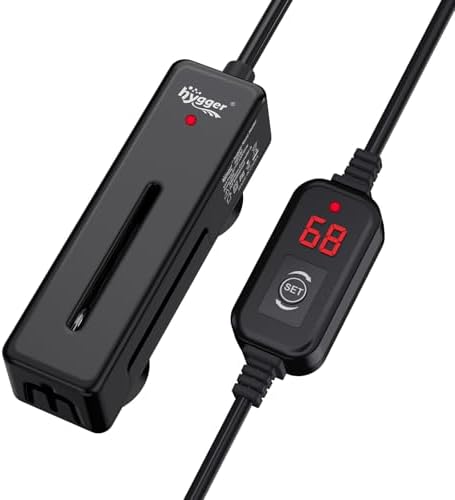
Product titles, prices and ratings are provided by Amazon and are accurate only at the time they are displayed.
Many tadpoles do not need a heater. One education guide gives 15 to 20 C as the best range for native frog tadpole development and warns that pollution can become a problem above 20 C. Tropical species and rooms that run cold may need gentle heat, so check your species first. If you do use a micro heater, choose a compact, adjustable one, add a thermostat and verify the water with a separate thermometer.
Small tanks change temperature quickly, which is why a heater sounds like a good idea. But warmth is not always better for tadpoles, and a heater in a small volume of water can overheat it.
This guide explains when a micro heater makes sense, what to look for and how to use one safely. Products above come from live Amazon listings.
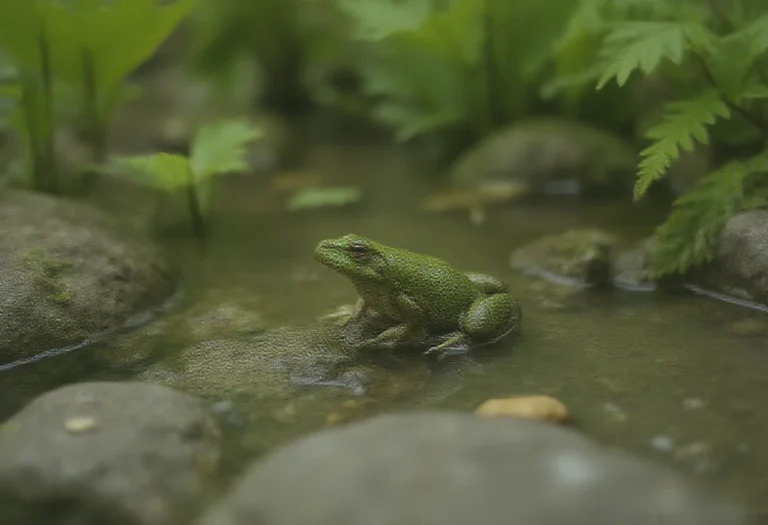
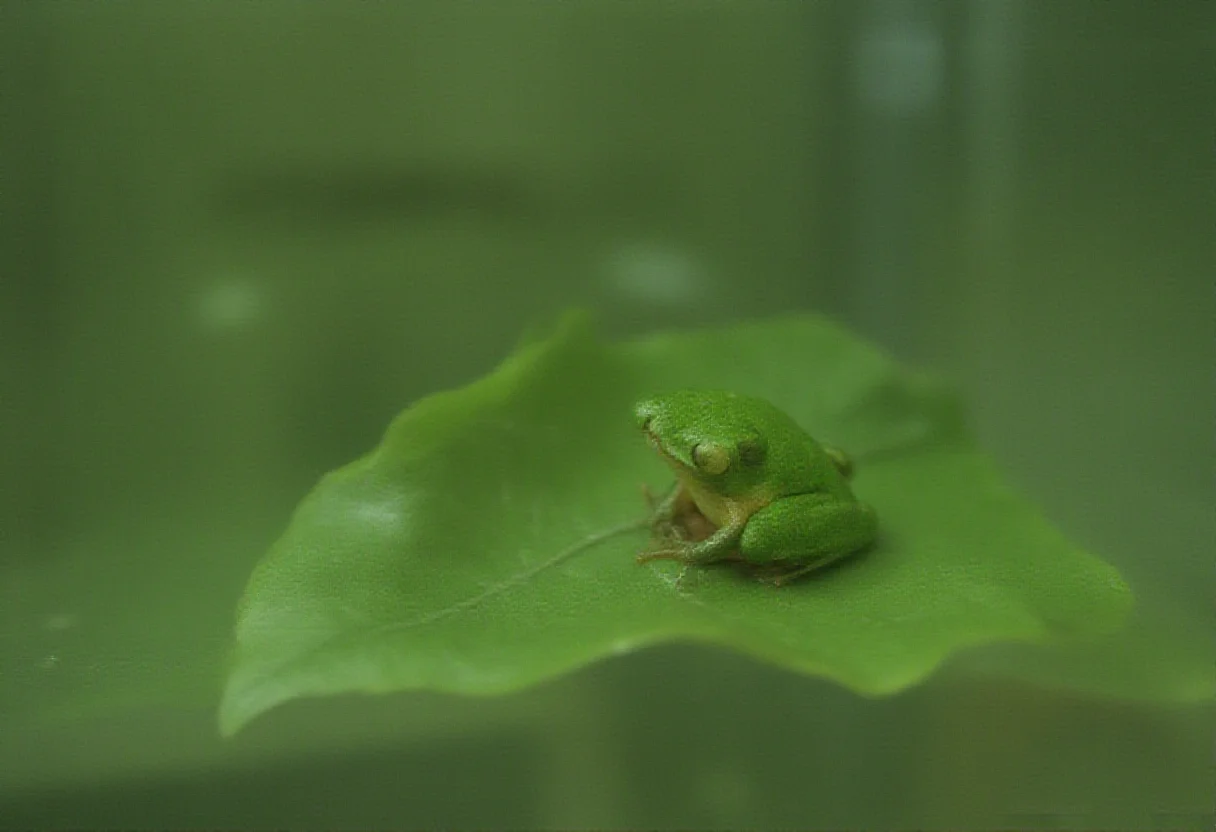
How this was made: prepared with AI assistance and checked against the sources listed at the end. Images are AI-generated illustrations, not photographs of real animals or products.
Key Takeaways
- Do not assume tadpoles need heat. Native species do well at room temperature or cooler.
- Match the temperature to the species. One guide gives 15 to 20 C for native frog tadpoles.
- Never move tadpoles quickly between waters that differ in temperature by more than 1 to 1.5 C.
- If you use a micro heater, add a thermostat and a separate thermometer.
- Wash your hands after tank work. Amphibians can carry Salmonella.
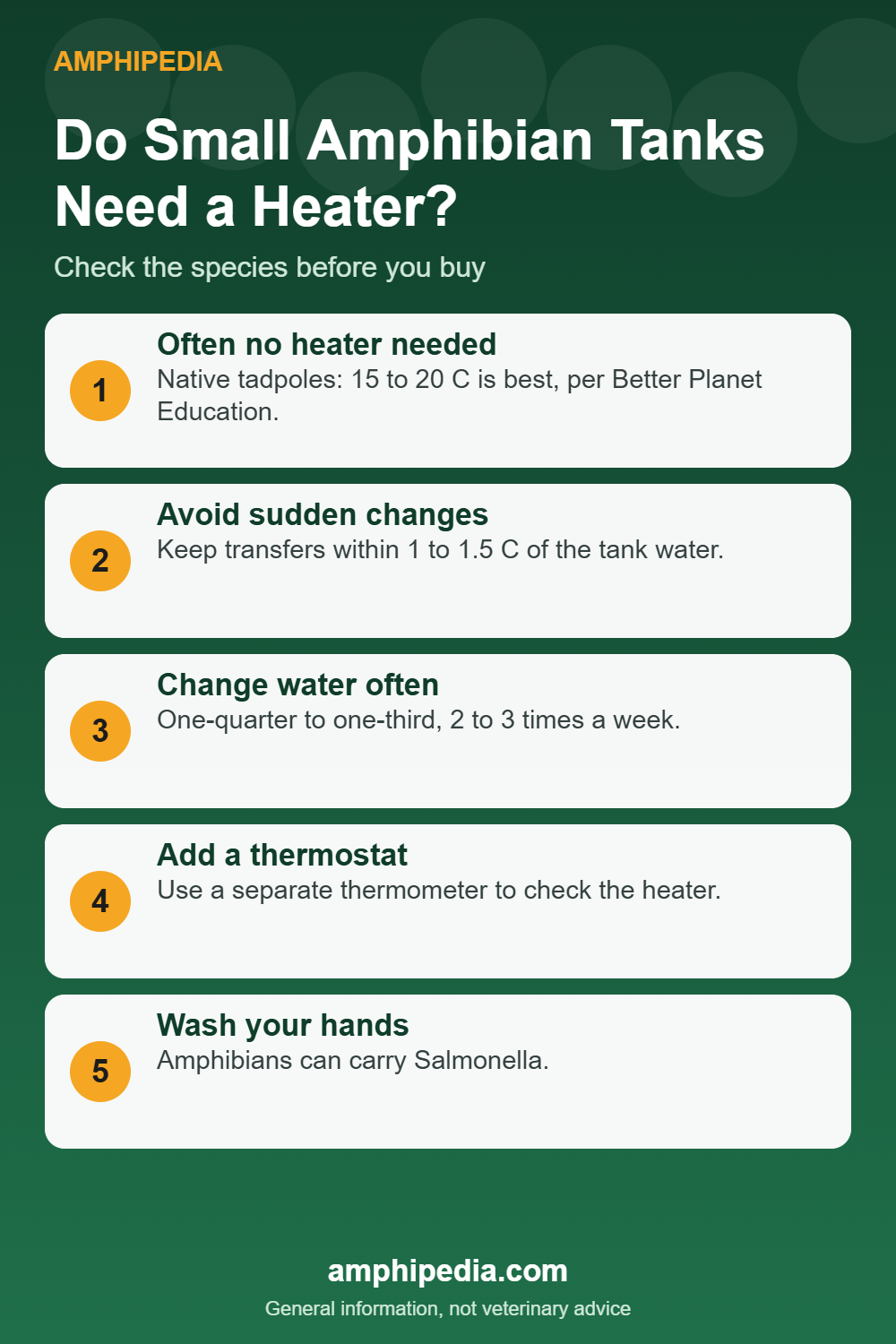
Pin this infographicShare on Facebook
Do tadpoles need a heater?
Often they do not. Better Planet Education, a UK charity, gives 15 to 20 C as the best temperature for tadpole development and says pollution can become a problem if the water rises above 20 C. Carolina Biological Supply advises keeping tadpoles at room temperature, away from heating or cooling vents and direct sunlight.
Neither guide mentions a heater. That does not rule one out for tropical species, but it does show that extra warmth is not a general rule.
Match the species and the room
The right temperature depends on what you keep. A native tadpole raised from a legal source has different needs from a tropical species. Check a care sheet for your own animal and do not guess.
Rules about collecting native tadpoles vary. Check your state or national wildlife agency before you take any from the wild.
Avoid sudden temperature changes
Carolina says never to move tadpoles to water that differs by more than 1 to 1.5 C (2 to 3 F). Better Planet Education warns that moving them straight into water at a different temperature is likely to be fatal.
This matters for heaters. A heater that cycles hard in a small tank can swing the temperature. Add replacement water at the same temperature as the tank, and let a new heater settle before you rely on it.
What to look for in a micro heater
Use these points when you compare listings.
- A small wattage that suits a small volume of water.
- An adjustable dial or a fixed temperature that matches your species.
- A heater guard or cover, so animals cannot touch the hot surface.
- A secure suction cup or mounting.
- A clear label for the tank size and water depth the heater needs.
Quick reference
Use this table to decide whether a heater fits your tank.
| Question | What the sources say |
|---|---|
| Best range for native tadpoles | 15 to 20 C (Better Planet Education) |
| Room temperature | Suggested by Carolina Biological Supply |
| Water change size | One-quarter to one-third, 2 to 3 times weekly (Carolina) |
| Water source | Rain, pond or tap water stood for about 3 days (Better Planet Education) |
| Temperature difference when moving | Keep within 1 to 1.5 C (Carolina) |
Water quality in small tanks
Carolina advises changing one-quarter to one-third of the water two to three times a week, or more if it turns cloudy. It also says to remove uneaten food a few hours after feeding. Better Planet Education says to change the water at least twice a week.
Carolina advises against a filter in a tadpole tank because it may suck up tadpoles, and suggests a small pump with an air stone for oxygen instead. Warm water also holds less dissolved oxygen, a general principle that the sources below do not cover, which is another reason not to overheat.
Heater placement and safety
Place a heater where water moves past it, and keep it away from the glass and from plants that could touch it. In a small tank, a heater that is too large for the volume can overshoot the target quickly, so match the wattage to the water volume on the label.
Never run a heater out of water, and unplug it before water changes. Keep cords arranged in a drip loop so water runs away from the socket. Follow the maker instructions for every item.
If the tank has any hiding places, make sure they do not trap an animal against a hot surface. A plastic guard around the heater is a simple way to prevent contact.
Common mistakes
Most heater problems in small tanks come from a few habits.
- Adding a heater to a tank that does not need one.
- Using a heater without a thermostat or backup thermometer.
- Letting the tank sit in direct sun.
- Moving tadpoles between waters of different temperatures.
- Overcrowding the tank. Better Planet Education warns against crowding at any stage.
Related gear
A controller helps keep the temperature steady. See our digital thermostat guide, thermometer guide and dechlorinator guide.
Temperature figures in the sources, and what they cover
No source here gives a heater setting for tadpoles. The numbers below describe different things, so they should not be mixed up.
- 15 to 20 C: Better Planet Education’s range for frogspawn and tadpoles in a UK setting.
- Room temperature: Carolina Biological Supply’s advice for a tadpole habitat, away from heating or cooling vents and direct sunlight.
- 60 to 70 F (16 to 21 C): the Merck Veterinary Manual says most amphibians do well in this range of air temperature. It says tropical species may need 75 to 80 F (24 to 27 C).
Merck gives these as enclosure temperatures for amphibians in general, not as tank water targets. It also says amphibians kept outside their preferred range may become immunosuppressed and develop secondary infections. That is a reason to confirm your species before adding heat.
Why shallow tadpole tanks and heaters rarely mix
Carolina lists the water depth tadpoles need: 2 to 5 cm for native tadpoles, 8 to 13 cm for bullfrog tadpoles and 10 to 20 cm for Xenopus tadpoles. Many native tadpoles therefore live in a very shallow tray.
A heater needs enough water to cover it, so check the label before buying. This is an inference from the heater instructions, not from Carolina, and a shallow native setup is often better served by a cooler room. Carolina says to use only glass, plastic or stainless steel containers and to set them up before the tadpoles arrive, which leaves time to test a heater and thermometer first. Carolina also caps density at no more than 30 small tadpoles per 4 L (1 gallon) for maximum growth and says to split them across more habitats as they grow.
Warmth and development speed
Carolina gives approximate durations: spring peepers and toads take 6 to 8 weeks, Xenopus 10 to 14 weeks and bullfrogs 4 to 18 months. Better Planet Education gives about 12 weeks as a general figure. These spans reflect species, not heater settings.
None of the sources recommends heating water to hurry development. Carolina notes that native tadpole mortality is often high even with good care, so a gentler setup is more useful than a faster one.
Acclimating tadpoles to your tank
Temperature mismatch is most dangerous at transfer. Carolina describes a 50 to 60 minute process for shipped tadpoles. Float the bag in a holding pail, then replace about one quarter of the bag water with habitat water every 15 to 30 minutes.
- Float the sealed bag so the temperatures start to even out.
- Add about one quarter habitat water to the bag at each interval.
- Net the tadpoles into a clean container, then move them to the habitat.
- Discard the shipping water and bag. Do not tip it into the tank.
Carolina lists rushed acclimation and soap residue among the causes of tadpole deaths. If water changes are due, match the new water to the old, as Carolina advises.
Checking the numbers
Merck says every amphibian enclosure should contain at least one thermometer. For aquatic setups it recommends weekly testing of temperature, pH, hardness, ammonia, nitrite and nitrate. A tadpole tank with a heater needs that thermometer in the water, placed away from the heater itself.
Carolina advises scrubbing habitats and tools once a week in hot water without soap or detergent, with tadpoles moved to a holding pail meanwhile. Rinse any heater guard the same way. Carolina also says to give enough light for aquatic plants to photosynthesize, without direct sun.
When to ask an expert
Merck says a veterinarian with amphibian expertise can advise on temperature needs for a specific species. If tadpoles stop moving normally or die after a temperature change, stop adjusting the heater and ask an exotics vet or your local amphibian society. Do not treat them yourself.
Frequently Asked Questions
Do tadpoles need a heater?
Often not. Better Planet Education gives 15 to 20 C as best for native tadpoles, and Carolina advises room temperature.
What temperature is too hot for tadpoles?
One guide warns that pollution can become a problem above 20 C. Check your species, and keep the water stable.
Can a heater overheat a small tank?
Yes, small volumes change quickly. Use a thermostat and a separate thermometer.
Should I use a filter in a tadpole tank?
Carolina advises against it because it may suck up tadpoles. It suggests a small air pump with an air stone.
How often should I change tadpole water?
Carolina suggests one-quarter to one-third two to three times weekly. Better Planet Education says at least twice weekly.
Is it legal to keep wild tadpoles?
It varies. Check your state wildlife agency before collecting.
Bottom Line
A micro heater is a niche tool. For many tadpoles, a cool, stable, clean tank matters more than extra warmth.
If you need heat for a tropical species, pair a small heater with a thermostat and a second thermometer.
Sources
- Caring for frogspawn and tadpoles (Better Planet Education), accessed 12 November 2026. Used for: temperature range, water source and water changes.
- Care Guide: Tadpole (Carolina Biological Supply), accessed 12 November 2026. Used for: room temperature, water changes, aeration and temperature differences.
- Reptiles and Amphibians: Healthy Pets (CDC). Used for: Salmonella and hygiene advice.
- Housing for Amphibians, Merck Veterinary Manual, accessed 12 November 2026. Used for: air temperature ranges, thermometers, weekly water tests