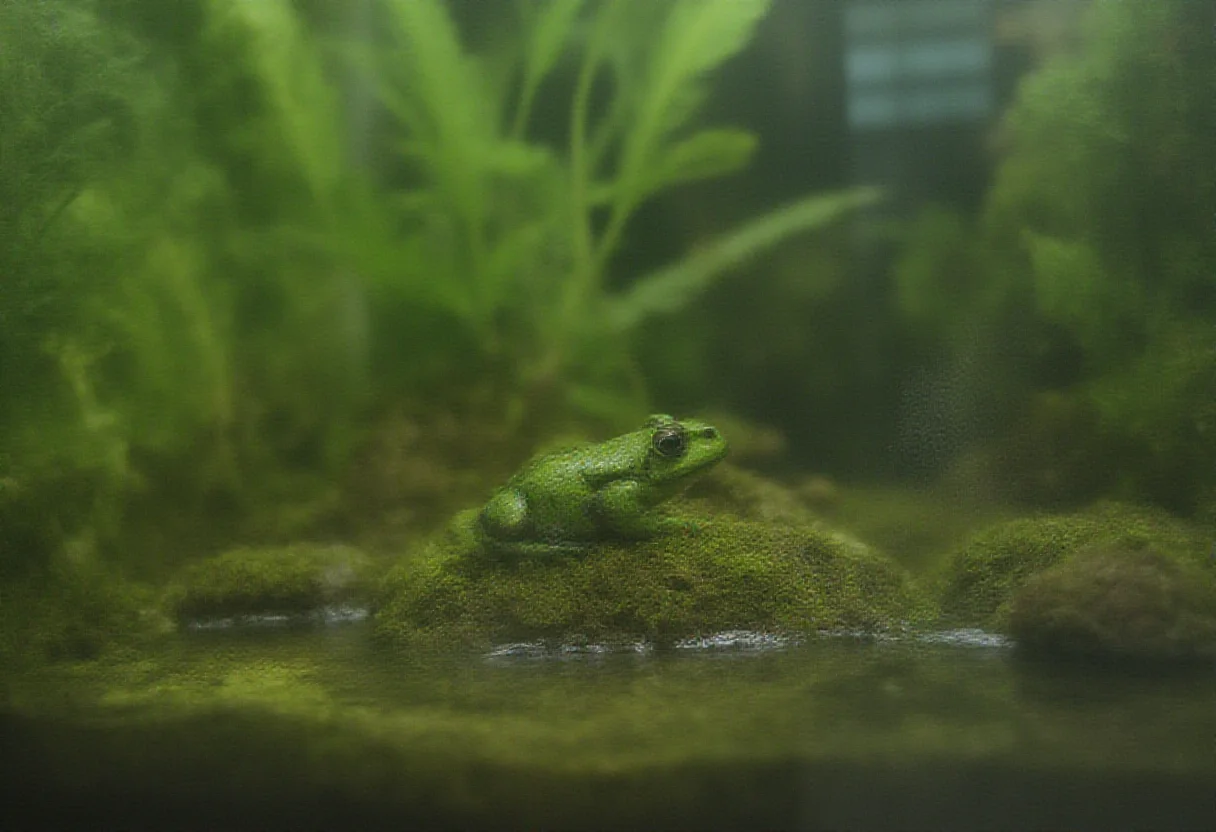
How to Care for a Fire Belly Toad: Complete Guide
This post contains affiliate links. As an Amazon Associate I earn from qualifying purchases. Prices and availability are shown by Amazon and can change.
To care for a fire belly toad, give it a glass tank of at least 10 to 20 gallons that is about half water and half land, keep it near 70 to 77 F (21 to 25 C), maintain moderate humidity, and use dechlorinated water. Feed live, dusted insects. Handle the toad as little as possible and wash your hands afterward. Care sheets disagree on several numbers, so use the overlap and ask an exotics vet.
Oriental fire-bellied toads (Bombina orientalis) are small, active and hardy, which makes them a popular amphibian pet. They are also semi-aquatic, so their set-up differs from a typical frog or toad tank.
Six care guides from a veterinary reviewer, retailers and a manufacturer were compared for this guide. They agree on the basics and disagree on details. The guide shows both and explains how to choose.
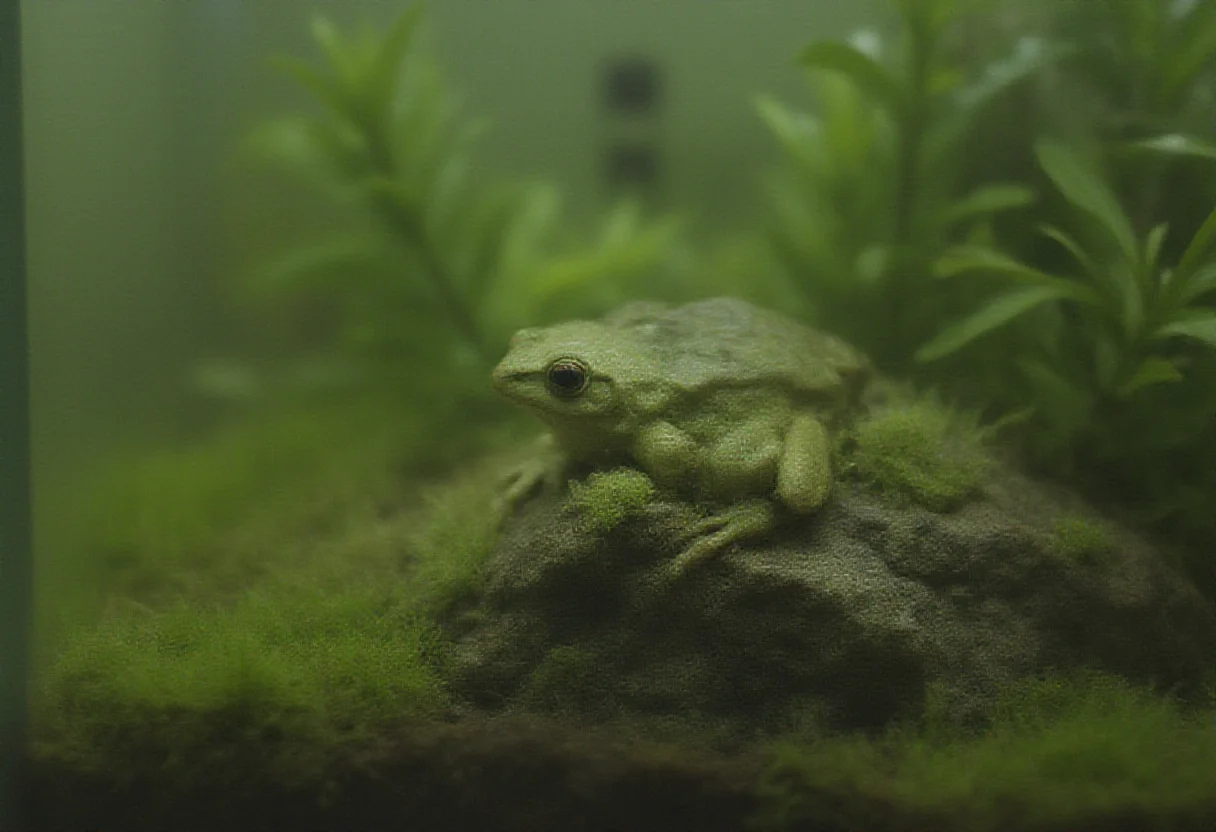
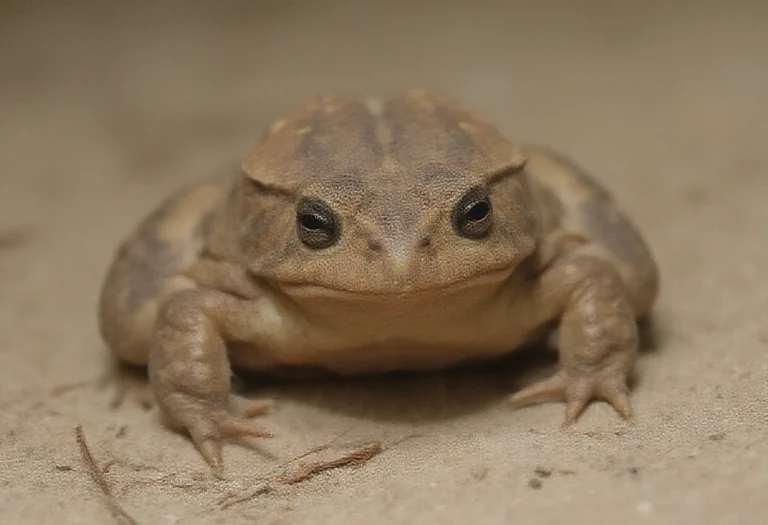
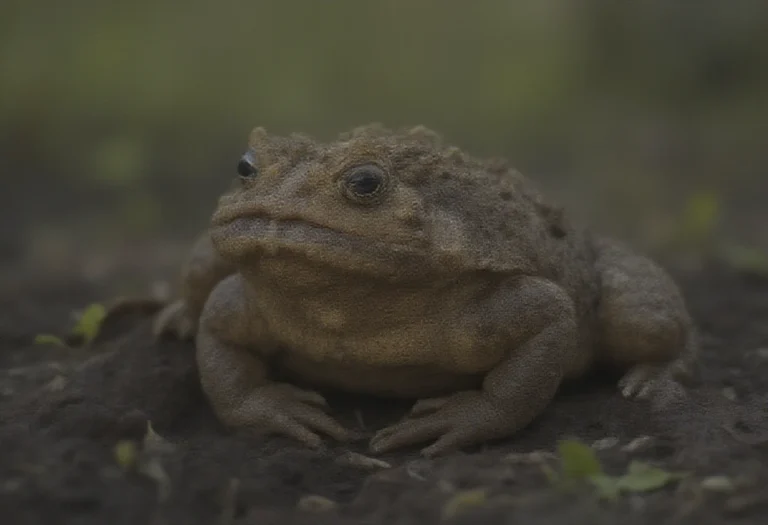
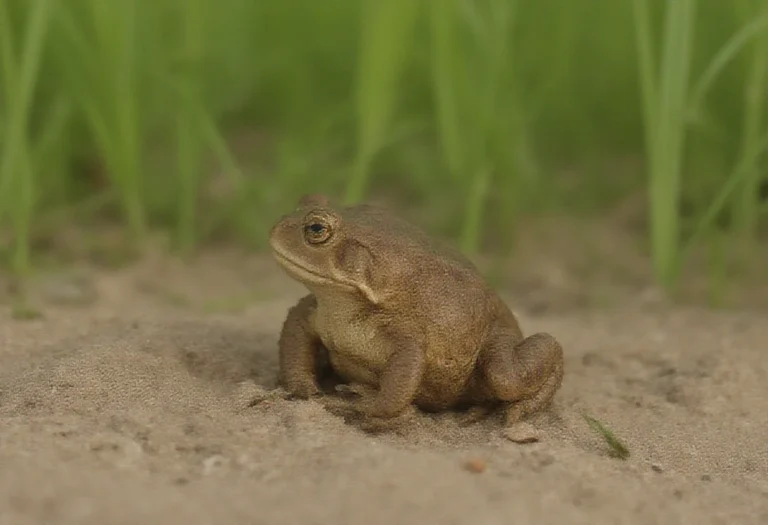
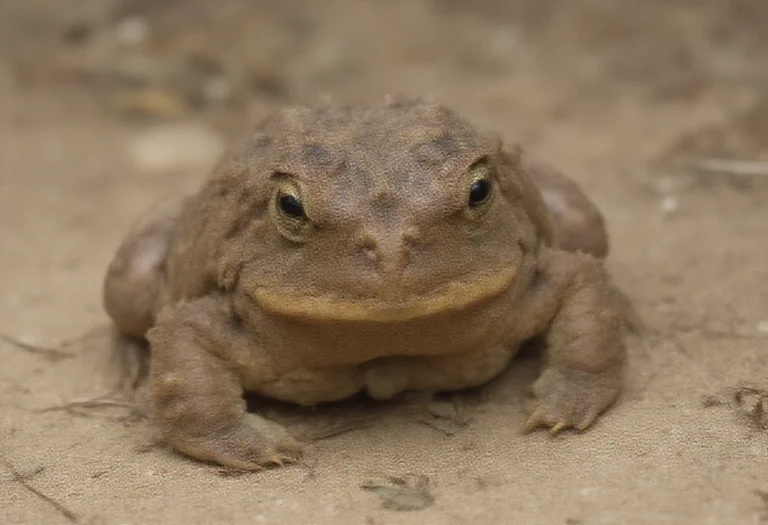
How this was made: prepared with AI assistance and checked against the sources listed at the end. Images are AI-generated illustrations, not photographs of real animals or products.
Key Takeaways
- Use a glass tank that is roughly half water and half land.
- Aim for about 70 to 77 F (21 to 25 C) and never above about 82 F (28 C).
- Treat tap water with a dechlorinator and filter the water section.
- Feed live insects dusted with calcium and vitamins. Feeding frequency varies by source.
- Handle rarely, wash your hands, and see an exotics vet for health problems.
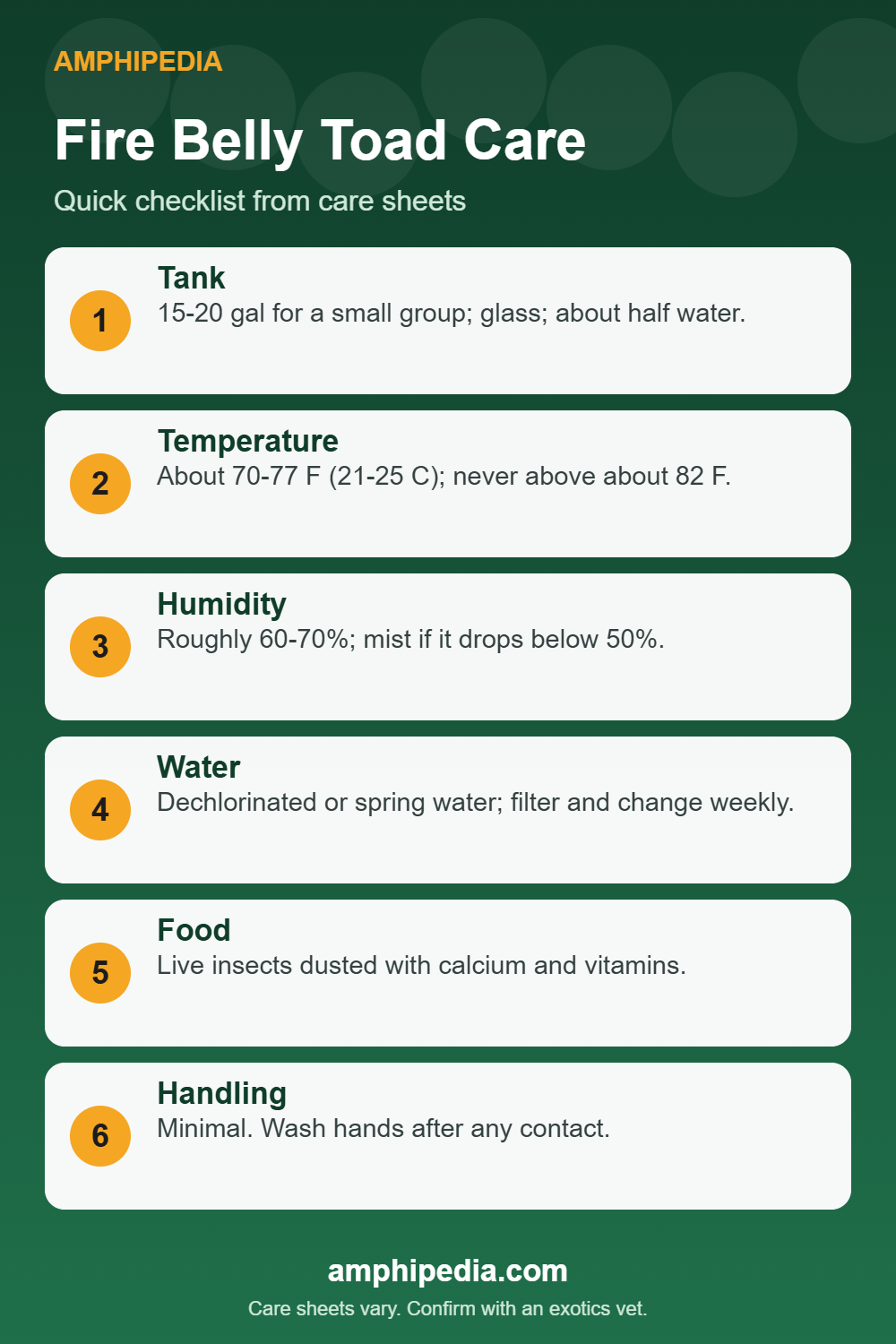
Pin this infographicShare on Facebook
Care Supplies for Fire Belly Toads
Supplements, humidity monitoring, water treatment and gentle filtration cover the most common needs.


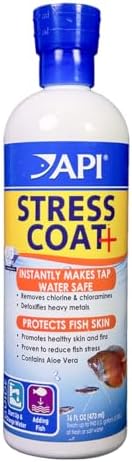
Product titles, prices and ratings are provided by Amazon and are accurate only at the time they are displayed.
Fire Belly Toad Care at a Glance
Care sheets give different ranges. The table shows what they say and a practical overlap. Use it as a starting point and adjust as you watch your toads.
| Need | What sources say | Practical target |
|---|---|---|
| Tank size | 10 gal minimum for one; 15 gal for 2 to 3; 20 gal for 2 to 4 | 15 to 20 gal for a small group |
| Water | About half the tank; 1 to 3 inches deep | Half water, shallow slope in |
| Daytime temperature | 68 to 78 F across guides | About 72 to 77 F |
| Maximum temperature | Not above 82 F (28 C) | Stay below 80 F |
| Humidity | 50 to 80 percent | About 60 to 70 percent |
| Diet | Live insects, dusted | Crickets as staple |
| Lifespan | Sources range 5 to 30 years | Plan for 10 years or more |

Tank Size and Group Housing
The Vet Desk says a 10-gallon tank is the bare minimum for a single toad and gives 15 to 20 gallons for three to five toads. A Dubia.com care sheet recommends 15 gallons for 2 to 3 toads and adds at least 5 gallons per extra toad. Vet Verified suggests at least 20 gallons for two to four.
Use a glass tank that is longer than it is tall. A UK guide recommends this shape. Reptile Centre prefers glass because it lets heat escape.
Dubia.com recommends group housing but advises against mixing these toads with other amphibians. Reptile Centre notes that a male and female kept together may breed, so decide before you pair them. A UK guide advises quarantining any new toad before it joins others to prevent the spread of disease.
Temperature and Lighting
Fire belly toads are cool-water animals compared with tropical frogs. The Vet Desk gives 72 to 78 F by day and 60 to 68 F at night. Vet Verified gives 20 to 25 C (68 to 77 F). Zoo Med says 70 to 75 F by day and no basking site is needed. Dubia.com gives a basking spot around 78 F.
All of the guides agree on an upper limit. Do not exceed about 82 F (28 C). Several also say to avoid dropping much below 60 F.
Use a thermostat if you add heat. Place any heat source over the land area, not the water.
UVB is debated. Dubia.com says the toads can survive without UVB but recommends it. Reptile Centre also recommends it. Ask a vet what is best for your set-up.
Humidity and Water
Guides give 50 to 70 percent (The Vet Desk), 60 to 80 percent (Vet Verified), 50 to 80 percent (Dubia.com) and 70 to 80 percent (a UK guide). The overlap is roughly 60 to 70 percent. Mist if the tank drops below 50 percent.
Use a hygrometer to check. A probe in the middle of the tank, as Dubia.com suggests, gives a more reliable reading than a guess.
Water must be treated. The Vet Desk says to use dechlorinated water or bottled spring water, and Dubia.com advises against distilled or reverse-osmosis water. Vet Verified recommends a low-flow filter and changing 25 to 50 percent of the water weekly.
Water depth varies between sources. The Vet Desk says 2 to 3 inches, and Dubia.com says 1 to 2 inches. Provide a gentle slope so the toads can climb out easily.
- Fill the water area with treated water.
- Add a low-flow filter if the tank is large enough.
- Slope pebbles, rocks or moss from the land to the water.
- Test and change part of the water on a weekly schedule.

Substrate and Hides
Vet Verified suggests coconut fibre, sphagnum moss or a soil-based reptile substrate on land, and smooth river stones, sand or bare bottoms in water. Zoo Med advises against large gravel because toads can swallow it and become impacted.
Provide hiding places on land. A detailed set-up guide is available in the article linked below.
What and How Often to Feed
Fire belly toads are insectivores. Crickets are the most common staple. The Vet Desk also lists mealworms, silkworms, hornworms, waxworms, earthworms and dubia roaches as alternates. Reptile Centre says brown crickets are most readily accepted.
Feeding schedules disagree. The Vet Desk says two to six insects per toad every 2 to 3 days for adults. Vet Verified says five to eight medium insects every 2 to 3 days. Dubia.com says two to six insects once or twice weekly. A UK guide says daily.
Because of this spread, no single schedule is correct for every toad. Offer small amounts and watch your toad’s body condition. Zoo Med advises offering only what the toad eats in about 15 minutes. Ask a vet for a plan.
| Source | Adult feeding schedule |
|---|---|
| The Vet Desk | 2 to 6 insects every 2 to 3 days |
| Vet Verified | 5 to 8 medium insects every 2 to 3 days |
| Dubia.com | 2 to 6 insects once or twice weekly |
| UK care sheet | Daily |
Supplements and Gut-Loading
All the guides recommend supplements. Reptile Centre says to use calcium, vitamins and minerals, and to gut-load live food. Vet Verified suggests calcium weekly and a multivitamin every two weeks. The Vet Desk says to dust adult food every two to four feedings.
A 2014 review of cricket studies in Zoo Biology found that both gut-loading and dusting appear necessary for amphibians, because feeder crickets are often low in calcium and vitamin A.
Handling and Safety
Fire belly toads are best kept as display animals. Vet Verified advises observing rather than touching, and washing hands before and after any necessary contact. Dubia.com calls them a hands-off pet and suggests nitrile gloves and a small net if handling is unavoidable.
The bright belly warns predators. Zoo Med and Vet Verified describe the toxicity as mild, but none of the sources used here is a primary toxicology study. Avoid touching your eyes, nose and mouth, and wash up after any contact.
Common Health Problems
Vet Verified lists skin infections, bloating, dietary imbalance including metabolic bone disease, and parasitic infestations. The Vet Desk does not give a health section. Dubia.com recommends supplements and the right temperature to prevent deficiency.
Look for changes in behavior, appetite or appearance. A UK guide advises regular checks.
Do not diagnose or medicate at home. Contact an exotics vet, and use the ARAV site to find one.
Lifespan and Commitment
Published lifespans vary widely. Reptile Centre says average 5 years, Zoo Med says 7 to 15, Vet Verified says 10 to 15 with some reaching 20, and The Vet Desk says up to 30.
None of these figures are verified studies. The safe takeaway is that a fire belly toad can be a long-term pet.
Behaviour you may see
Vet Verified says fire-bellied toads may play dead or flip onto their back to show their bright belly when threatened. This is a defensive display, so avoid touching the toad.
Zoo Med calls them aggressive feeders, which is why it advises against large gravel that could be swallowed and cause impaction. Vet Verified adds that males make a soft barking call, especially during breeding, while females are silent. Females are also larger and bulkier than males.
A weekly cleaning routine
Vet Verified recommends partial water changes of 25-50% every week, using dechlorinated or aged tap water, with a low-flow filter. It says to remove uneaten food within a few hours and to keep the substrate clean, because skin infections are linked to poor water quality or unclean substrate. Zoo Med also recommends frequent water changes in filtered water areas.
For cover, Vet Verified suggests cork bark, driftwood, live plants and moss, with floating plants or logs as resting spots in the water section.
Breeding and tadpoles
Breeding is a separate project, not a casual add-on. Vet Verified says increased misting and slightly cooler temperatures mimic seasonal change, after which males call and grasp females. Females lay up to 200 eggs on plants or submerged surfaces, and the eggs hatch in 2 to 5 days.
Tadpoles need a separate, shallow water setup and become toadlets in 6 to 8 weeks, according to the same source. Plan space and homes for them before you pair adults.
Frequently Asked Questions
Can fire belly toads live together?
Dubia.com recommends groups and at least 5 extra gallons per additional toad. Do not mix them with other amphibians.
Do fire belly toads need a heater?
Not always. Zoo Med says no basking site is needed. Other guides use a gentle heat source on one side. Keep below about 82 F.
Do fire belly toads need UVB?
Dubia.com says they can survive without it but recommends it. Ask a vet about your set-up.
How often should you feed a fire belly toad?
Guides range from daily to once or twice weekly. Adjust to body condition and ask a vet.
Are fire belly toads safe to handle?
Handle as little as possible. Wash your hands afterward and avoid touching your face.
What water is safe?
Dechlorinated tap water or bottled spring water. Avoid distilled or reverse-osmosis water.
Bottom Line
Fire belly toads are rewarding to watch. Give them a cool, humid tank with plenty of water, feed varied, dusted insects, and keep handling to a minimum.
For more, read how to set up a fire belly toad tank, fire belly toad facts and how to sex a fire belly toad.
Sources
- The Vet Desk – Oriental Fire-Bellied Toad (reviewed by Dr. Luqman Javed, DVM), accessed 31 October 2026
- Vet Verified – Keeping Oriental Fire-Bellied Toads (2025), accessed 31 October 2026
- Dubia.com – Fire-Bellied Toad Care Sheet, accessed 31 October 2026
- Reptile Centre – Fire-Bellied Toad Care Sheet, accessed 31 October 2026
- Zoo Med – Fire-Belly Toad, accessed 31 October 2026
- Reptco – Oriental Fire Belly Toad Care Sheet (UK), accessed 31 October 2026
- Livingston et al. 2014, Zoo Biology 33 – nutrient supplementation for amphibians, accessed 31 October 2026
- CDC – Reptiles and Amphibians, accessed 31 October 2026

4 Comments