Why Are Axolotls So Popular? 6 Reasons Backed by Sources
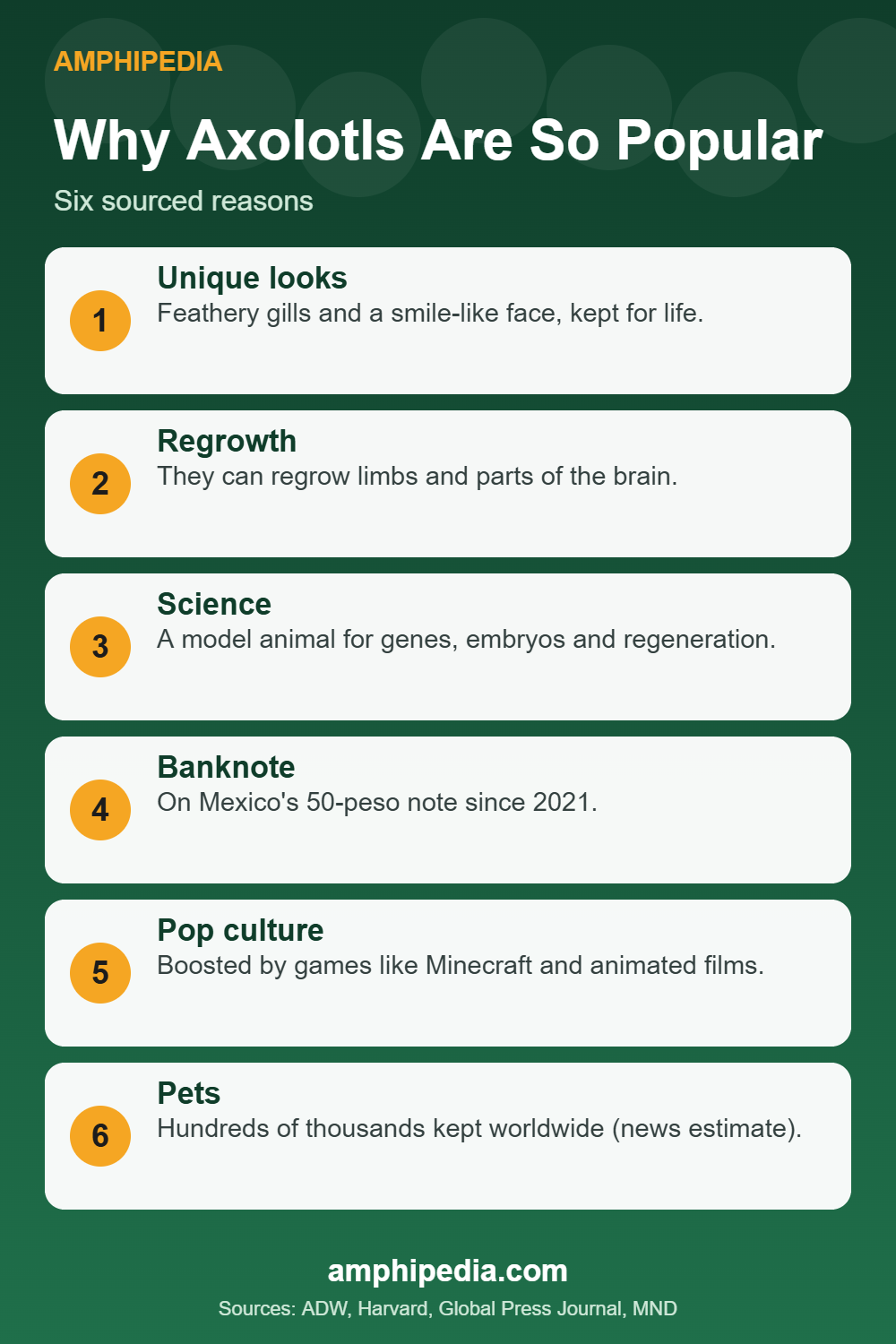
Axolotls are popular for several reasons at once. They keep a gilled, smiling-faced look for life, they can regrow limbs, and scientists use them as a model animal. They also appear on Mexico’s 50-peso note and in video games, and Mexico News Daily estimates that hundreds of thousands live in home aquariums. Their fame contrasts with their status in the wild: critically endangered.
Few amphibians have the fan base of the axolotl. It has a banknote, a research career and a place in popular games. It also has a very small wild population.
This guide lists six reasons for the popularity, each tied to a source. Some reasons are science, some are culture and some are simply how the animal looks.
How this was made: prepared with AI assistance and checked against the sources listed at the end. Images are AI-generated illustrations, not photographs of real animals or products.
Key Takeaways
- Axolotls keep larval features, such as feathery gills, for life.
- They can regrow limbs, and labs study how.
- They are a model animal for research on genes, embryos, nerves and regeneration.
- Axolotls appear on Mexico’s 50-peso banknote, released in 2021.
- Games and animated films have boosted their fame.
- Popularity as a pet does not protect wild axolotls.
Pin this infographicShare on Facebook
1. Their looks
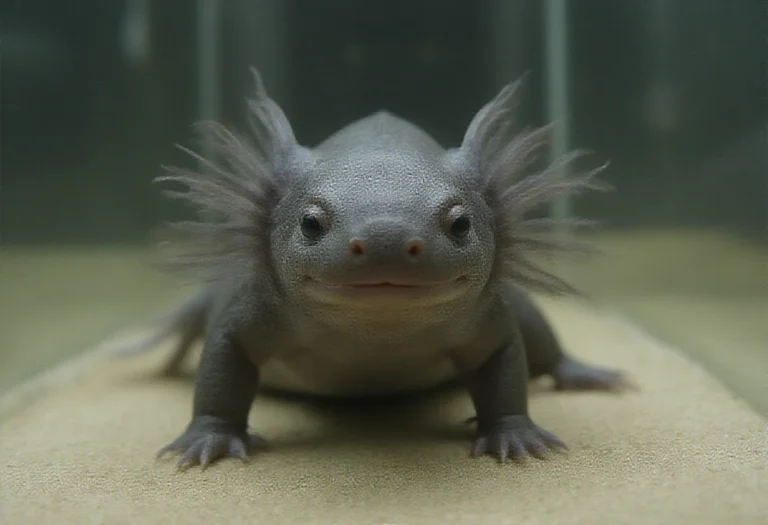
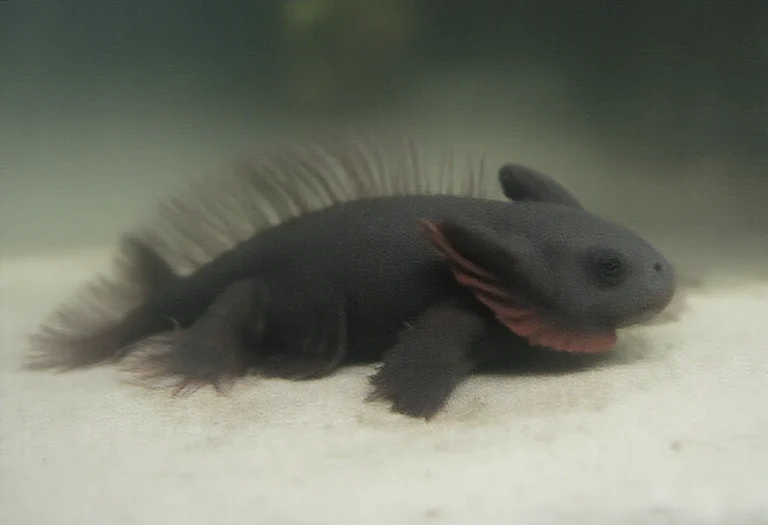
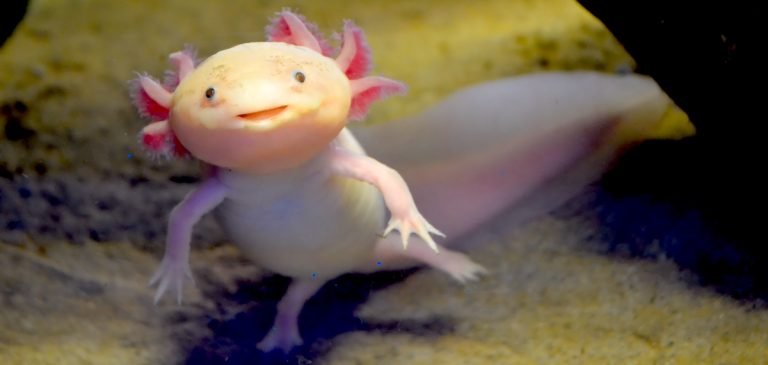
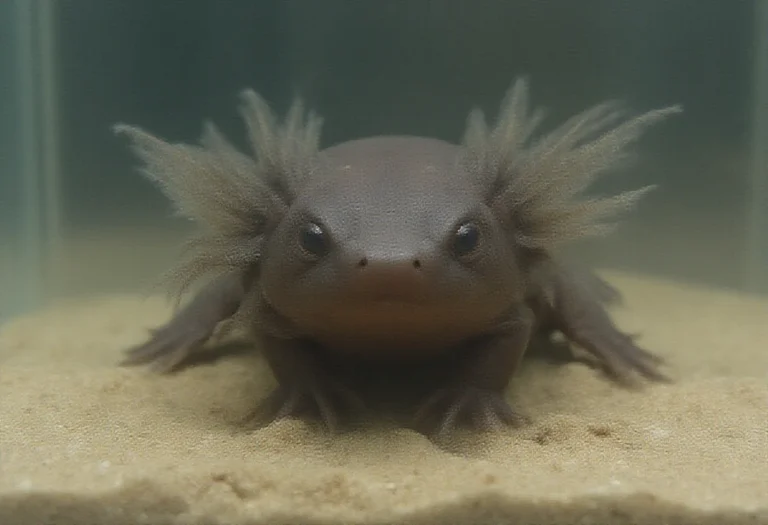
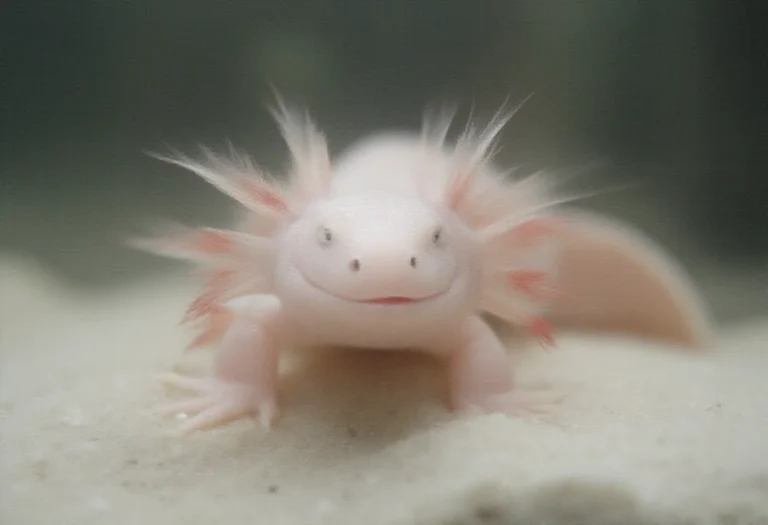
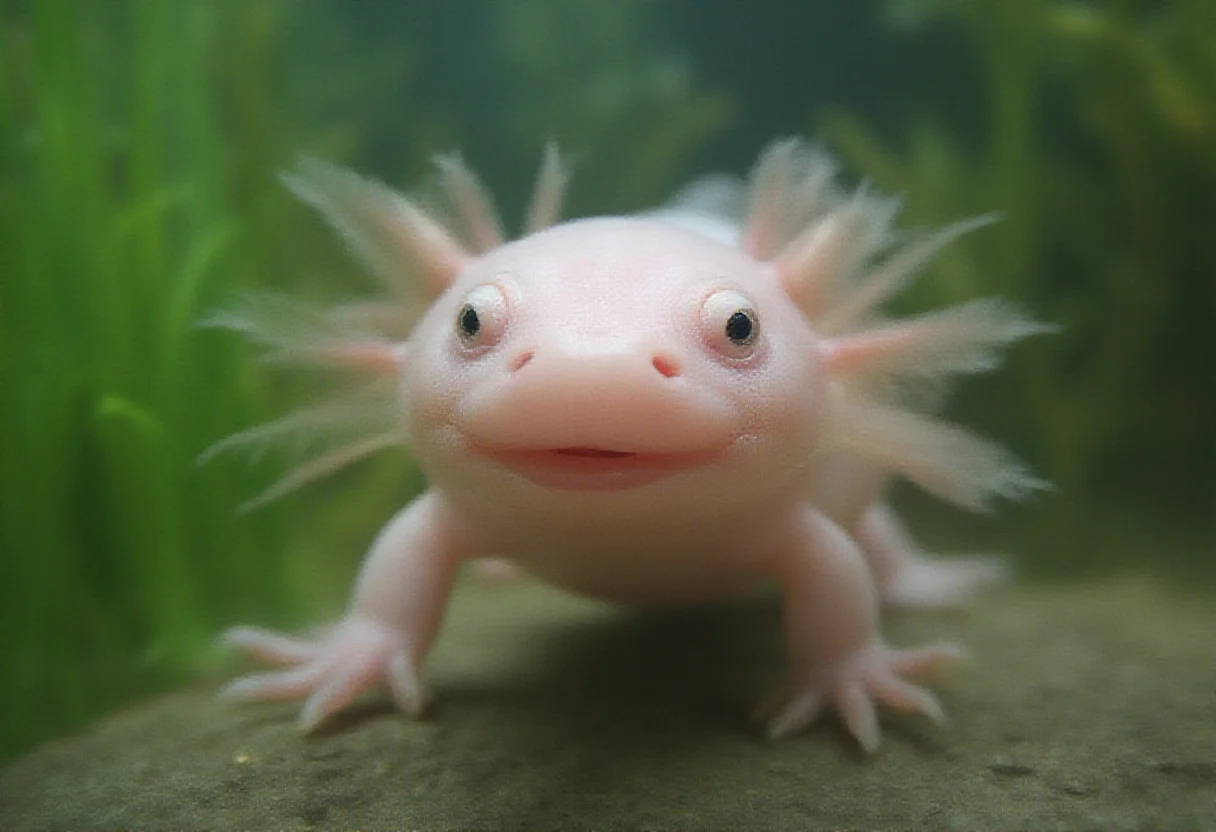
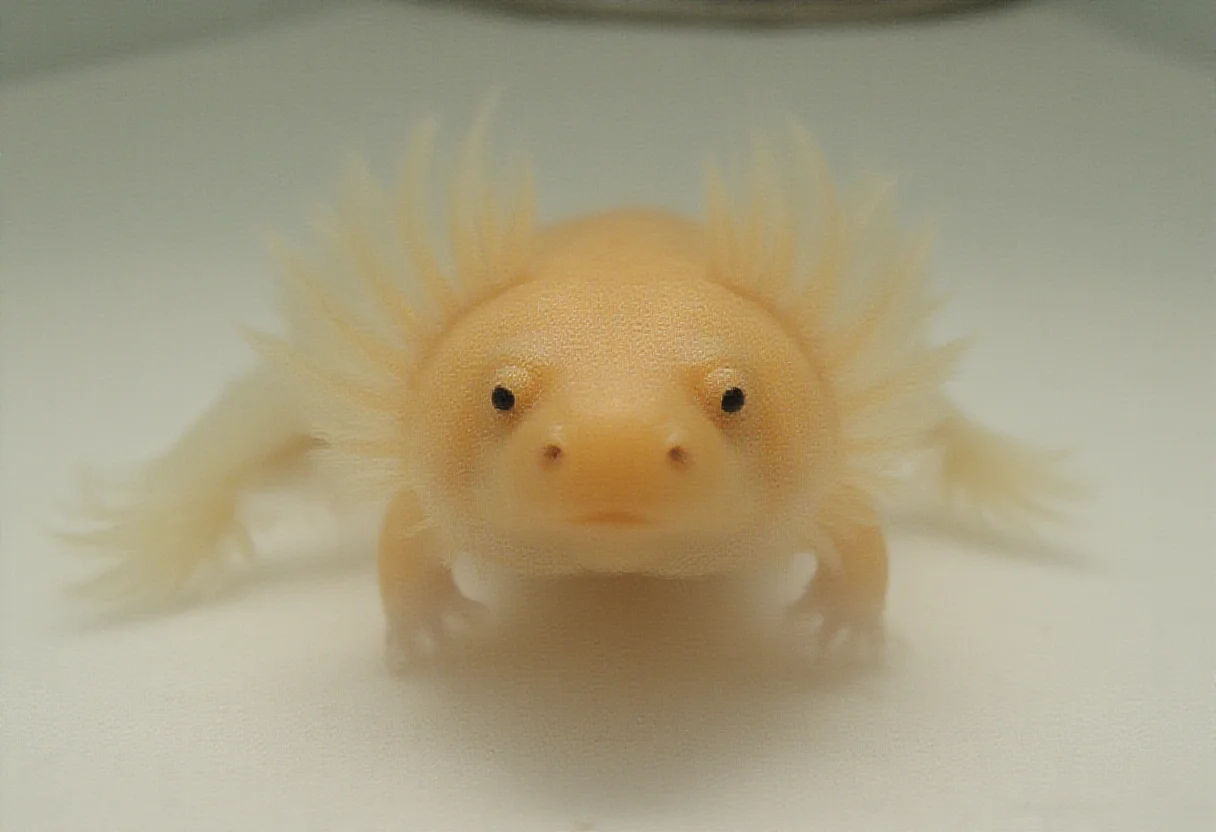
Axolotls are paedomorphic, according to the Animal Diversity Web (ADW) at the University of Michigan. They keep larval features such as external gills and finned tails as adults. The result is a wide-headed animal with feathery gills on both sides.
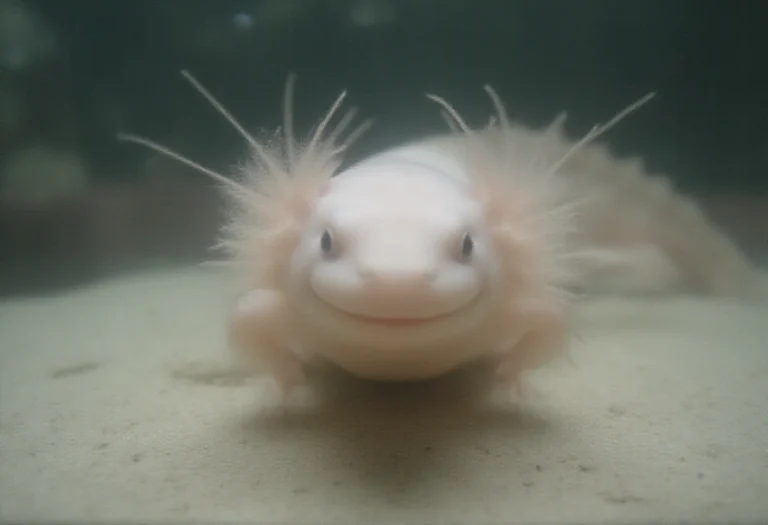
Their wide mouths curve upward, which gives the face a smile-like look. That is a human impression, and none of the sources used here link it to mood. Axolotls also come in several colors in captivity, from dark to pink and golden.
2. They can regrow body parts
Harvard’s Whited Lab studies limb regeneration in axolotls. The lab says the key is the blastema, a group of stem cells that forms from stump tissue and drives limb regrowth. It also says mammals generally do not form a blastema after most amputations.
A UC Santa Barbara article says axolotls can regrow limbs and parts of the brain. This ability is the main reason many people first hear about them.
3. Science loves them
ADW lists axolotls as widely used in developmental studies. It says their large cells make them useful for histology, and it names gene expression, embryology, neurobiology and regeneration as research areas.
ADW says nearly all modern lab axolotls descend from 33 animals shipped from Xochimilco to Paris in 1864. So the animal has been in labs for well over a century, and the University of Kentucky Ambystoma Genetic Stock Center (AGSC) still keeps axolotl colonies for research.
| Reason | Source of the claim |
|---|---|
| Feathery gills kept for life | Animal Diversity Web |
| Limb and brain regrowth | Harvard Whited Lab; UC Santa Barbara |
| Model research animal | Animal Diversity Web |
| Banknote star | Global Press Journal |
| Pop culture appearances | Mexico News Daily |
| Pet trade | Animal Diversity Web; Mexico News Daily |
4. Culture and the 50-peso note
The word axolotl comes from Nahuatl. A UC Santa Barbara article links it to the Aztec god Xolotl and says the Aztecs ate axolotls.
Mexico’s central bank issued a 50-peso note with an axolotl on October 29, 2021. Global Press Journal reports that the note shows the animal among chinampas and willow trees and won the International Bank Note Society’s 2021 Bank Note of the Year Award. A curator quoted there says collectors keep rather than spend it.

5. Games and films
Mexico News Daily says appearances in animated films and video games, most notably Minecraft, have raised the axolotl’s profile. These sources do not say how much fame each one brought, so treat the effect as real but unmeasured.
6. They are kept as pets
ADW lists the pet trade among axolotl uses, and Mexico News Daily estimates that hundreds of thousands of axolotls are kept in aquariums worldwide. That figure is a news estimate, not a census.
Pets need work, though. The Royal Veterinary College (RVC) says water should stay at 16-18°C and never exceed 24°C, that handling should be minimal, and that axolotls live commonly 10 to 12 years. Rules for ownership vary by place, so check your wildlife agency before you buy.
Popular but endangered
Popularity is not protection. The IUCN lists the axolotl as Critically Endangered, and a San Diego Zoo Wildlife Alliance fact sheet cites an estimate of only 50 to 1,000 wild adults. Captive animals are far more common.
If you love axolotls, support habitat work. UNAM runs the Adoptaxolotl program, and conservationists work with chinampa farmers in Xochimilco. Read more in our posts on axolotl facts, the axolotl smile and whether axolotls are endangered.
Frequently Asked Questions
Why are axolotls popular as pets?
Their unusual looks and fame both help. Mexico News Daily estimates hundreds of thousands are kept in aquariums.
Why do axolotls look like they smile?
The wide mouth curves upward. That is a human impression, and the sources used here do not link it to mood.
Are axolotls rare?
In the wild, yes. They are Critically Endangered. In captivity, many thousands exist.
What is special about an axolotl’s body?
They keep gills for life and can regrow limbs and parts of the brain.
Is there an axolotl on money?
Yes. Mexico’s 50-peso note, issued in 2021, shows one.
Do axolotls make good pets?
They need cool, clean water and minimal handling. See the RVC care advice and ask an exotics vet.
Bottom Line
Axolotls are popular because of their looks, their science, their culture and their media fame. Each reason is real, and together they explain the fan base.
Fame should bring care. Enjoy the animal, choose captive-bred pets where legal, and back conservation in Mexico.
Sources
- Animal Diversity Web: Ambystoma mexicanum (University of Michigan), accessed 31 October 2026
- Harvard Stem Cell and Regenerative Biology: Whited Lab research, accessed 31 October 2026
- UC Santa Barbara Geography: Mexico’s Water Monsters Are Becoming Extinct, accessed 31 October 2026
- Global Press Journal: Meet the surprising star of Mexico’s new bank note, accessed 31 October 2026
- Mexico News Daily: Mexico’s critically endangered axolotl proves an international success, accessed 31 October 2026
- Royal Veterinary College: Axolotl care and advice, accessed 31 October 2026
- San Diego Zoo Wildlife Alliance library: Axolotl population, accessed 31 October 2026
- CDC: Reptiles and amphibians, accessed 31 October 2026