Axolotl Diet: What to Feed Larvae, Juveniles and Adults
This post contains affiliate links. As an Amazon Associate I earn from qualifying purchases. Prices and availability are shown by Amazon and can change.
Axolotls are carnivores. Adults do well on earthworms, bloodworms, blackworms and sinking salmon pellets, with variety being the goal. Larvae start on live brine shrimp or daphnia, and juveniles can eat whiteworms in small amounts. Offer only what is eaten in two to three minutes and remove leftovers. For how many times a week to feed, see our feeding schedule guide linked below.
In the wild, axolotls eat almost anything they can catch. In a tank, the choices are narrower, and the wrong food can foul the water or leave the animal short of nutrients.
This guide covers the foods that veterinary and university sources recommend, how the menu changes with age, and what to avoid. For schedules and portions, read our guide on how often axolotls eat.
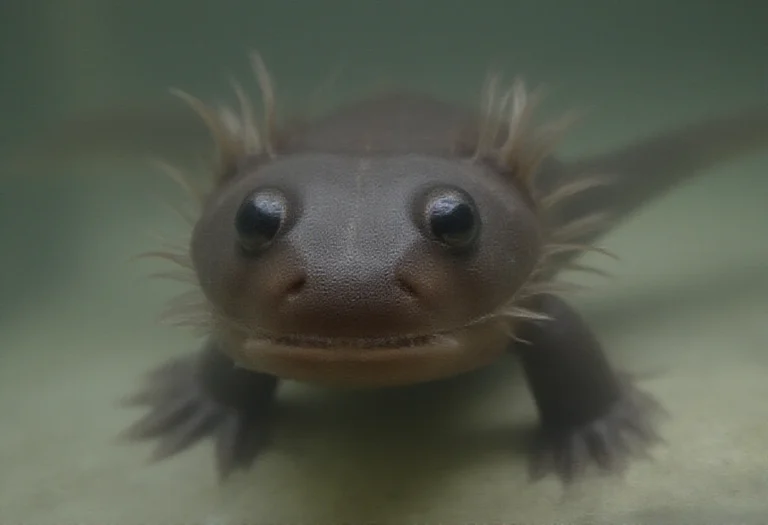
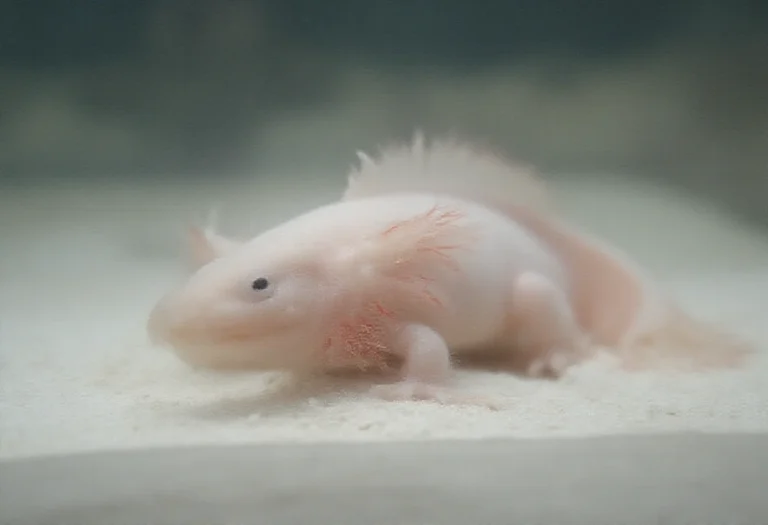
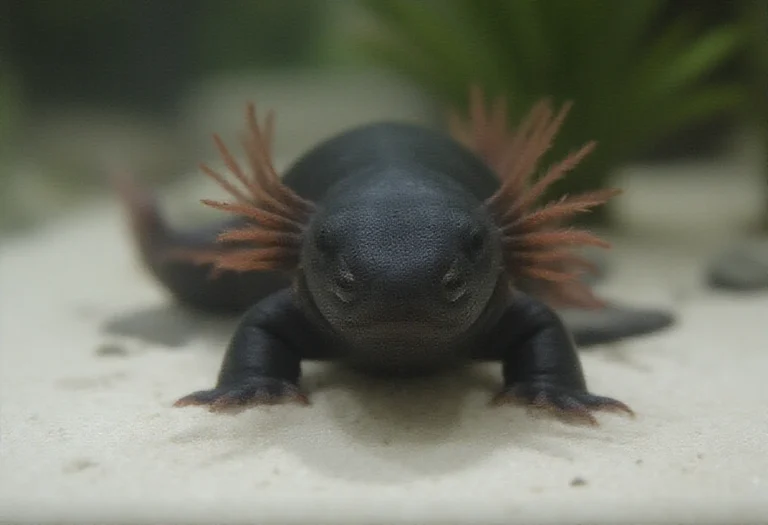
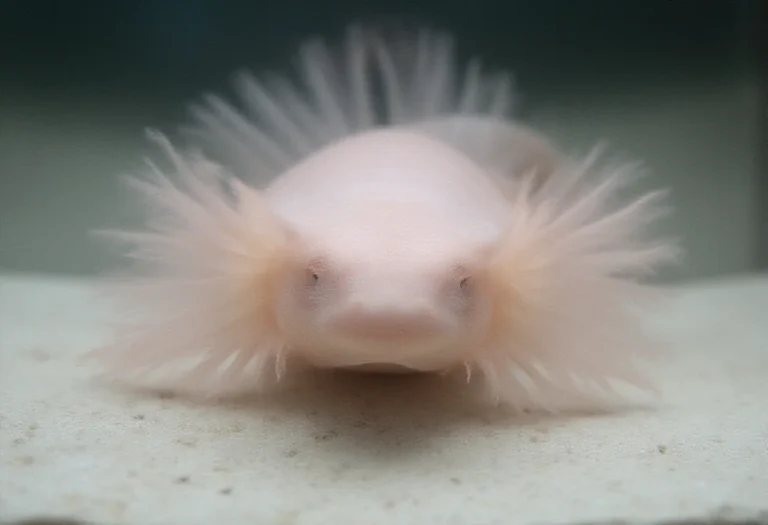
How this was made: prepared with AI assistance and checked against the sources listed at the end. Images are AI-generated illustrations, not photographs of real animals or products.
Key Takeaways
- Axolotls are carnivores and need a varied diet of worms, shrimp and sinking pellets.
- Larvae need live food, such as brine shrimp or daphnia, until they accept pellets.
- Fatty worms like whiteworms are a treat for juveniles, not a permanent diet.
- Avoid bait-shop minnows, which can carry parasites.
- Remove uneaten food after two to three minutes to protect water quality.
- Buy pellet sizes that match the animal and keep the pack fresh.
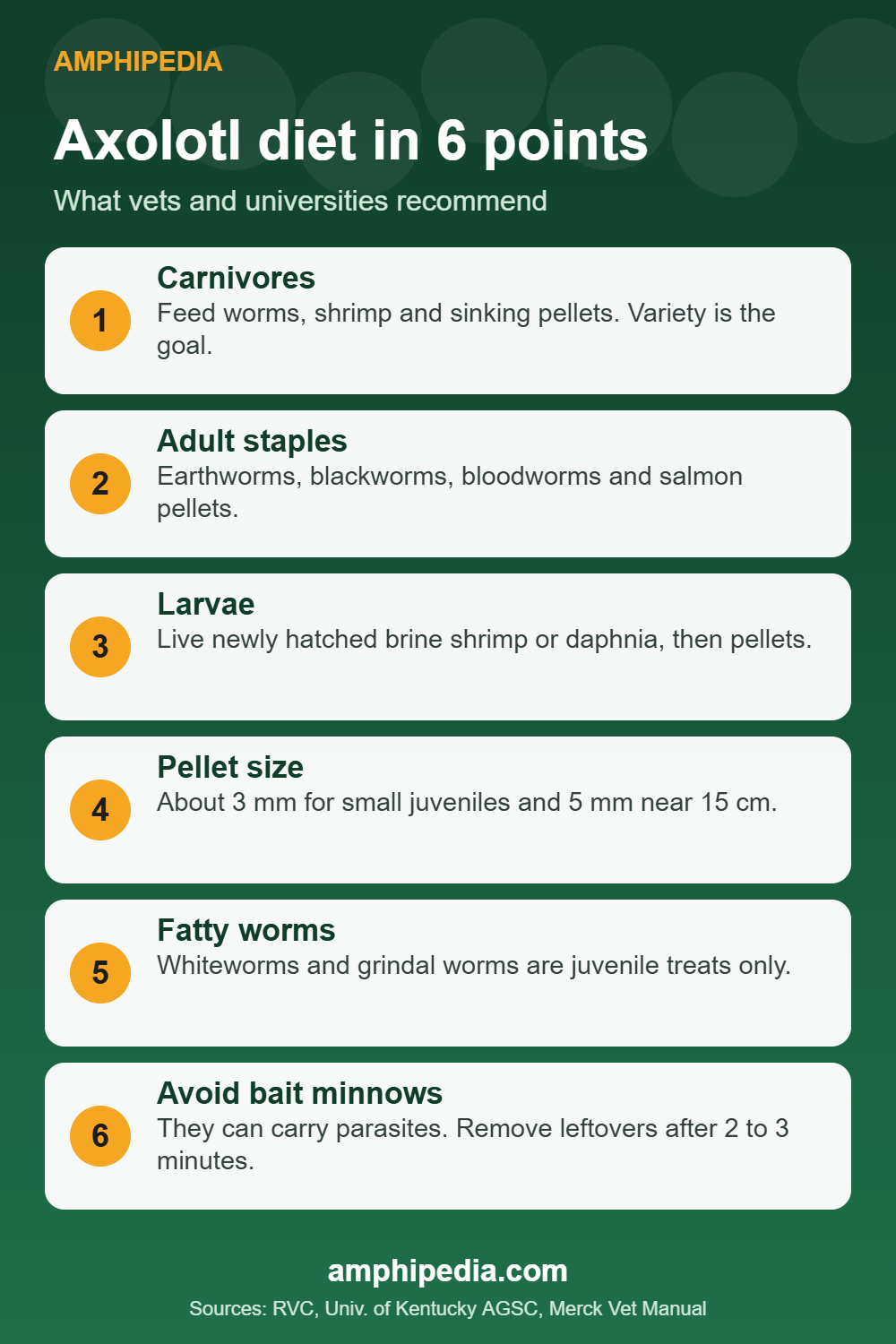
Pin this infographicShare on Facebook
Axolotl foods to consider
These sinking foods are popular with keepers. Match the pellet size to your animal and check the ingredient list before you buy.


Product titles, prices and ratings are provided by Amazon and are accurate only at the time they are displayed.
What axolotls eat in the wild
Animal Diversity Web describes the axolotl as the top predator in its native lakes near Mexico City. It eats molluscs, fish, arthropods, amphibians, insects, worms and zooplankton. Larger axolotls also eat smaller ones.
That tells you what to copy at home: soft-bodied, meaty food that can be swallowed whole. Worms, shrimp and sinking pellets all fit that pattern, and they are easy to find.
Best foods for captive axolotls
Royal Veterinary College (RVC) guidance lists earthworms, bloodworms, blackworms, salmon pellets and brine shrimp for adults. It also advises using food from fish-free water, so avoid raising or buying worms from tanks that hold fish.
The University of Kentucky Ambystoma Genetic Stock Center (AGSC) adds daphnia, mosquito larvae, aquarium-bred feeder fish, trout pellets and beef liver or heart. Its research colony feeds California blackworms and sinking pellets.
| Food | Best for | Note |
|---|---|---|
| Earthworms | Juveniles and adults | A staple in RVC and AGSC guidance; cut to size for smaller animals |
| Blackworms | All ages after about 3 cm | Used in the AGSC colony through adulthood |
| Bloodworms | Adults | Listed by RVC as part of a varied diet |
| Sinking salmon or trout pellets | Juveniles and adults | Match pellet size to body size |
| Brine shrimp | Newly hatched larvae and adults | Live newly hatched shrimp for larvae |
| Daphnia | Larvae and juveniles | Suggested by both RVC and AGSC |
| Whiteworms, grindal worms | Juveniles only, as a treat | Fatty, so not a permanent diet (RVC) |
What to feed at each age
Food size matters as much as food type. A larva cannot swallow a worm, and an adult will ignore a tiny pellet.
Newly hatched larvae feed on live newly hatched brine shrimp, according to the AGSC. RVC suggests daphnia for larvae. Start feeding once the yolk is gone from the belly.
At about 4 cm, AGSC begins 3 mm sinking salmon pellets while it weans the animal off shrimp. At about 15 cm, it moves to 5 mm pellets. Juveniles in the RVC guide eat whiteworms and grindal worms in small amounts.
Adults eat larger worms and pellets. At about one year the AGSC feeds three to four times a week, no more than five pellets at a time. Worms and pellets together give variety.
Live, frozen or pellets?
Each format has trade-offs. None is perfect alone, which is why sources recommend variety.
Live worms trigger the feeding response and are a good way to tempt a shy eater. The risk is parasites, so buy from a clean supplier and avoid worms taken from fish tanks, as RVC advises. Never use wild-caught food from polluted water.
Frozen worms and shrimp keep well, but thaw them in a dedicated container and not in a kitchen sink. The CDC gives that advice for any food used with amphibians, because tank-related germs spread easily.
Pellets are the simplest staple. They store well, sink to the bottom and come in sizes matched to growth. Keep a worm or shrimp day in the week so the diet is not all one type.
Sample weekly menu
This example mixes foods from the sources above. It is a template and not a prescription, so adjust it to your animal’s size and appetite. For frequency by age, see our feeding schedule guide.
| Stage | Staple | Variety |
|---|---|---|
| Newly hatched larva | Live newly hatched brine shrimp | Daphnia |
| Juvenile, 4 cm and up | 3 mm sinking pellets | Blackworms, small earthworm pieces |
| Juvenile, about 15 cm | 5 mm sinking pellets | Earthworms, blackworms |
| Adult | Sinking pellets and earthworms | Bloodworms, brine shrimp, occasional liver or heart |
Why a carnivore diet matters
Axolotls are predators from the lake, and their bodies expect protein from whole prey. RVC calls them carnivores and asks keepers to vary the diet.
Whole prey such as worms supplies a spread of nutrients. A diet built on a single processed item can leave gaps over months. Merck links malnutrition, especially vitamin A deficiency, to skin disease in amphibians.
If you are unsure whether your animal is thin or overweight, ask an exotics vet. Our axolotl lifespan guide explains how long a well-fed axolotl can live.
Axolotl food at a glance
Use this short list to plan a weekly menu. Mix at least two foods so no single item makes up the whole diet.
- Main foods: earthworms, blackworms, sinking pellets.
- Treats: bloodworms, brine shrimp, daphnia.
- Juvenile treat only: whiteworms and grindal worms.
- Occasional extras from the AGSC list: beef liver or heart, and aquarium-bred feeder fish.
- Skip: bait-shop minnows and any wild-caught food from untreated water.
Foods and habits to avoid
The AGSC warns against bait-shop minnows because of parasites. RVC notes that fatty whiteworms and grindal worms should not become a permanent diet.
Do not drop in pieces of food from your own kitchen. Cooked meat, dairy and processed foods foul the water and offer no benefit. Also avoid food that floats and cannot be reached from the bottom of the tank.
Poor nutrition affects health. Merck Veterinary Manual lists malnutrition, especially vitamin A deficiency, as a risk factor for water mold in amphibians. A varied diet protects against this. Read more in our axolotl sickness guide.
How to choose a pellet
Pellets are the easiest staple because they are clean, easy to store and sized for each stage. Use these buying criteria rather than a brand name.
- Sinking pellets, not floating flakes or sticks.
- A fish or meat protein as the first ingredient, such as salmon.
- A diameter that fits the animal: about 3 mm for small juveniles and 5 mm for animals around 15 cm (AGSC).
- A small pack that you finish before it goes stale.
- No reptile or herbivore formulas, which have the wrong nutrient balance.
How to feed without fouling the tank
Axolotls eat slowly. Drop food near the animal or use long tongs so it does not scatter across the tank. RVC notes that hand feeding can make axolotls more social.
Offer only what the animal can eat in two to three minutes. Remove uneaten worms and pellets with a net or a turkey baster. Leftovers raise ammonia fast, and Merck lists ammonia spikes among the causes of skin problems.
Keep the tank clean with a weekly water change of 10 to 20 percent, as RVC advises. Our tank cleaning guide shows a simple routine.
Common feeding mistakes
Most diet problems come from habit, not from bad food.
- Feeding one food only, such as pellets, for months.
- Offering gravel-sized or oversized pieces that the animal cannot swallow.
- Leaving food in the tank overnight.
- Using the same pellet size from larva to adult.
- Feeding live fish from unknown sources.
- Skipping the hand wash after feeding.
Frequently Asked Questions
What is the best food for axolotls?
There is no single best food. Earthworms and sinking salmon pellets are the staples in veterinary and university guidance, with bloodworms, blackworms and brine shrimp for variety.
Can axolotls eat fish food?
Only carnivore sinking pellets that suit the animal’s size. Flakes and herbivore formulas are poor choices. Avoid bait-shop minnows.
What do baby axolotls eat?
Newly hatched larvae eat live newly hatched brine shrimp or daphnia. They move to pellets and worms as they grow.
Can axolotls eat earthworms?
Yes. Earthworms are a staple in both RVC and AGSC guidance. Cut them to fit smaller animals.
Are bloodworms enough on their own?
No. RVC recommends a varied diet. Use bloodworms as one item among several.
What if my axolotl will not eat?
Check the water temperature and test the water. A lasting loss of appetite can signal illness, so see an exotics vet if it continues.
Bottom Line
A good axolotl diet is simple: worms and sinking pellets in the right size, with the occasional treat. Variety and clean water matter more than any single product.
Plan the menu by life stage, remove leftovers and check the animal’s weight and behaviour often. A vet can advise if the appetite changes.
Sources
- Animal Diversity Web: Ambystoma mexicanum, accessed 31 October 2026
- Royal Veterinary College: Axolotl care sheet, accessed 31 October 2026
- University of Kentucky AGSC: Guide to axolotl husbandry, accessed 31 October 2026
- University of Kentucky AGSC: Guide 2024, accessed 31 October 2026
- Merck Veterinary Manual: Infectious diseases of amphibians, accessed 31 October 2026
- CDC: Reptiles and amphibians, accessed 31 October 2026

2 Comments