Pet Frog Breeds? Frogs Have Species, Not Breeds: 10 Common Pets
Frogs do not have breeds. Breeds belong to domesticated animals such as dogs and cats. Pet frogs are separate species, and each has different needs for space, humidity, diet and handling. PetMD lists 10 common pet species, from the beginner-friendly White’s tree frog to experienced-keeper poison dart frogs. Use the table below to compare size, lifespan and housing, then read the detailed guides for the one you like.
Search for pet frog breeds and you will find lists of species. That is the right way to think about them. A White’s tree frog and a Pacman frog are as different from each other as a parrot and a tortoise.
This page is a quick reference. It compares 10 common species side by side and links to our deeper guides, so you can pick a short list before you buy anything.
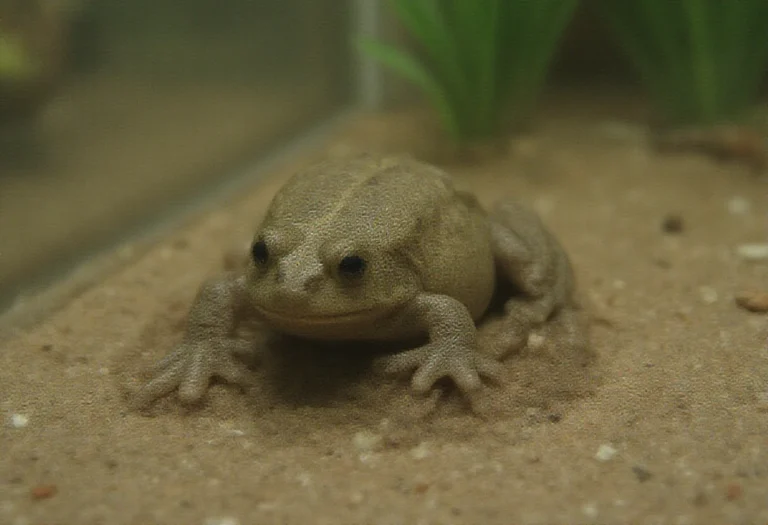
How this was made: prepared with AI assistance and checked against the sources listed at the end. Images are AI-generated illustrations, not photographs of real animals or products.
Key Takeaways
- Frogs have species, not breeds, and species differ widely in care.
- PetMD lists White’s tree frogs and African dwarf frogs among the easier choices.
- Poison dart frogs and Amazon milk frogs suit experienced keepers, because humidity is harder to get right.
- Lifespans range from about 3 years to 25 years, so match the commitment to your plans.
- Buy captive-bred animals and find an amphibian vet before you buy.
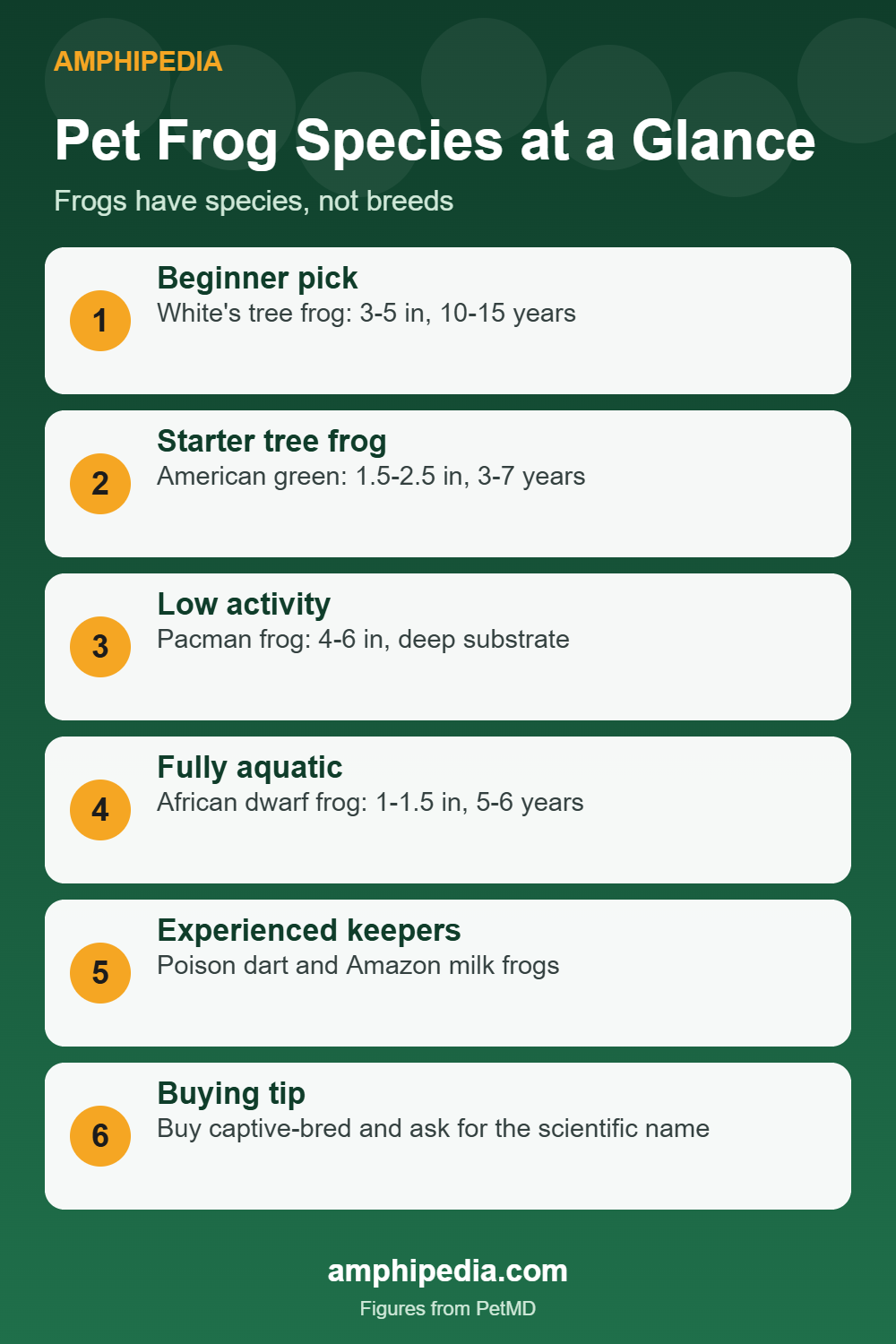
Pin this infographicShare on Facebook
Why frogs have species, not breeds
A breed is a variety that people have shaped through selective breeding, like a beagle or a Persian cat. PetMD’s guide to pet frogs makes the same point in its advice: frogs are separate species with different care needs, unlike dog or cat breeds.
That matters when you shop. A frog’s size, climbing habits and diet depend on its species, not on a label chosen by a seller. Always ask for the scientific name.
10 common pet frogs compared
The figures below come from PetMD’s list of recommended pet frogs. Individual animals vary, and other sources sometimes give different lifespans.
| Species | Adult size | Lifespan | Housing style | PetMD experience note |
|---|---|---|---|---|
| White’s tree frog | 3 to 5 in | 10 to 15 years | Tall tree-frog tank | Excellent for beginners |
| American green tree frog | 1.5 to 2.5 in | 3 to 7 years | Vertical, with water and dry land | Popular starter frog |
| Red-eyed tree frog | 1.5 to 3 in | 5 to 10 years | Vertical, many climbing surfaces | Nocturnal feeder |
| Amazon milk frog | 2.5 to 4 in | 5 to 10 years | Spacious, humid terrarium | Not ideal for beginners |
| Pacman frog | 4 to 6 in | 7 to 10 years | Deep substrate for burrowing | Low-maintenance |
| Pixie frog | 4 to 10 in | 15 to 25 years | Large terrarium, deep substrate | One of the easier frogs |
| African dwarf frog | 1 to 1.5 in | 5 to 6 years | Fully aquatic aquarium | Relatively easy |
| African clawed frog | 4 to 5 in | 5 to 15 years | Fully aquatic aquarium | Relatively easy |
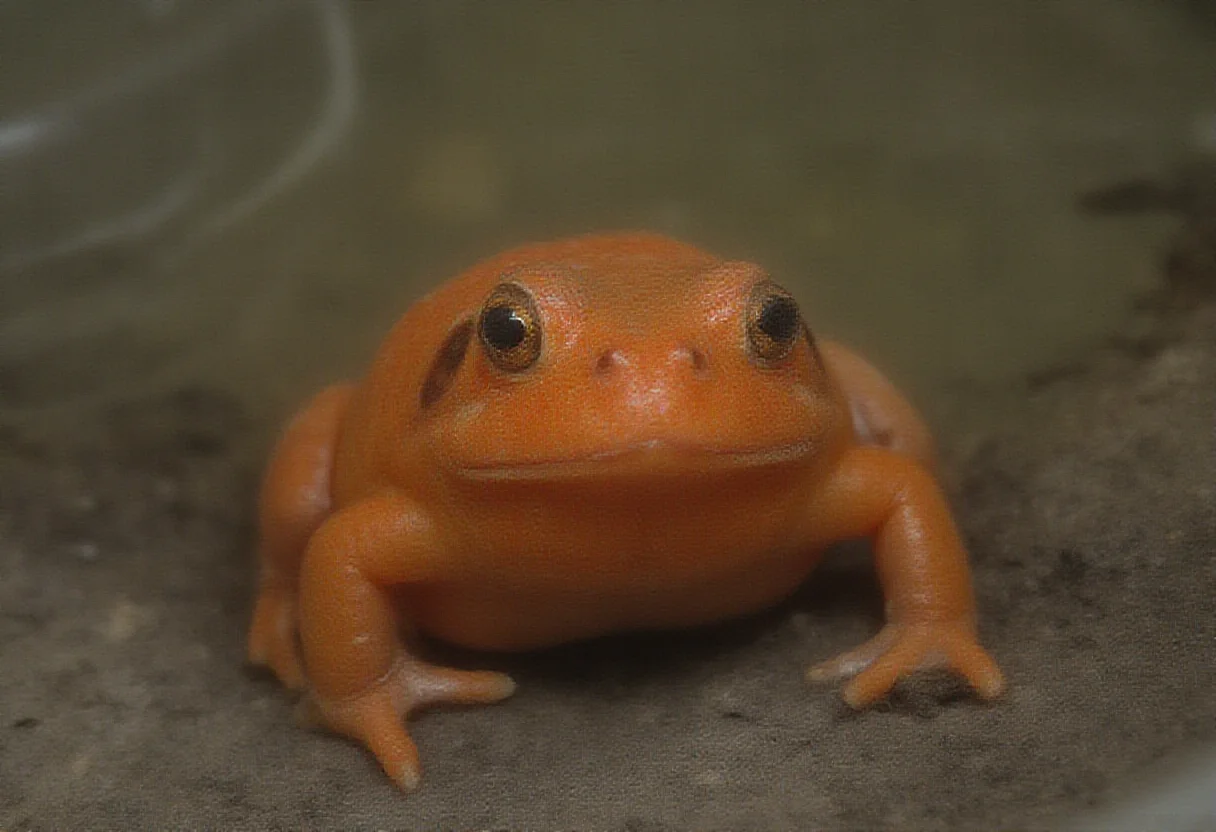
| Tomato frog | 2 to 4 in | 6 to 8 years | Humid land setup with shallow water dish | Relatively low-maintenance |
| Poison dart frog | 0.5 to 2.5 in | 3 to 15 years | Planted, humid terrarium | Experienced keepers |
Easier choices to start with
PetMD calls the White’s tree frog excellent for beginners and describes it as docile and adaptable, with occasional handling possible if you are very careful. The American green tree frog is a popular starter, though PetMD advises keeping several together.
African dwarf frogs and African clawed frogs are fully aquatic, so they suit people who prefer to feed pellets rather than live insects. Our guide to water-living pet frogs compares them.
The Pacman frog is described as sedentary and low-maintenance, but it needs deep substrate and has a strong bite. See our pet horned frog guide for details.
Harder choices
PetMD says the Amazon milk frog is not ideal for beginners because its humidity is tricky to get right. Poison dart frogs are listed for experienced keepers, and PetMD notes that their sensitive skin makes them vulnerable to disease.
Red-eyed tree frogs are nocturnal, so they suit owners who are happy to watch a quiet tank in the evening.
How to choose between species
PetMD’s advice for new owners is a good checklist. Work through the list below before you decide.
Our pet frog guide and pet frog species guide cover choosing in more detail, and pet frog types sorts species by lifestyle.
- Check your space and the time you have for feeding and cleaning.
- Decide whether you are comfortable feeding live insects, or prefer an aquatic frog that eats pellets.
- Match the species to your experience with temperature and humidity.
- Buy captive-bred to protect wild populations.
- Talk to an amphibian veterinarian or herpetologist before you buy.
- Plan the equipment, including a good terrarium, thermostat, hygrometer and lighting.
Handling and hygiene
PetMD advises handling frogs only when necessary, using gloves, and washing hands before and after. Smaller frogs tolerate less handling because their skin and slime layer are delicate.
The CDC says amphibians can carry Salmonella even when healthy. Children under 5, adults 65 and older and people with weakened immune systems should not handle amphibians or their habitats.
Next steps
For a full setup, see our pet frog habitat guide. Once you have picked a species, search for its own care sheet from a vet school, zoo or reputable vet site.
Frequently Asked Questions
Do frogs have breeds?
No. Frogs have species. Breeds belong to domesticated animals, and each pet frog species has its own care needs.
What is the easiest pet frog?
PetMD calls the White’s tree frog excellent for beginners. African dwarf frogs and African clawed frogs are described as relatively easy.
Which pet frog lives the longest?
PetMD lists the pixie frog at 15 to 25 years, and notes some captive White’s tree frogs lived more than 20 years.
What is the smallest pet frog?
Poison dart frogs start at about 0.5 inches, while African dwarf frogs reach 1 to 1.5 inches.
Can I keep different frog species together?
Not safely, as a rule. PetMD says Pacman frogs should live alone and never be mixed with other species, and African clawed frogs do best in a species-only tank.
Do pet frogs need a vet?
Yes. PetMD recommends speaking with a qualified amphibian veterinarian or herpetologist before you buy.
Bottom Line
Pick the species first, then build the setup. The right choice depends on your space, schedule and comfort with live food.
Take your time, buy captive-bred, and plan for a pet that may live for a decade or more.
Sources
- PetMD: The 10 Best Pet Frog Species, accessed Species list, sizes, lifespans and choosing advice
- PetMD: Frog Care 101, accessed Handling, water and vet advice
- CDC: Reptiles and Amphibians (Healthy Pets), accessed Salmonella and hygiene
2 Comments