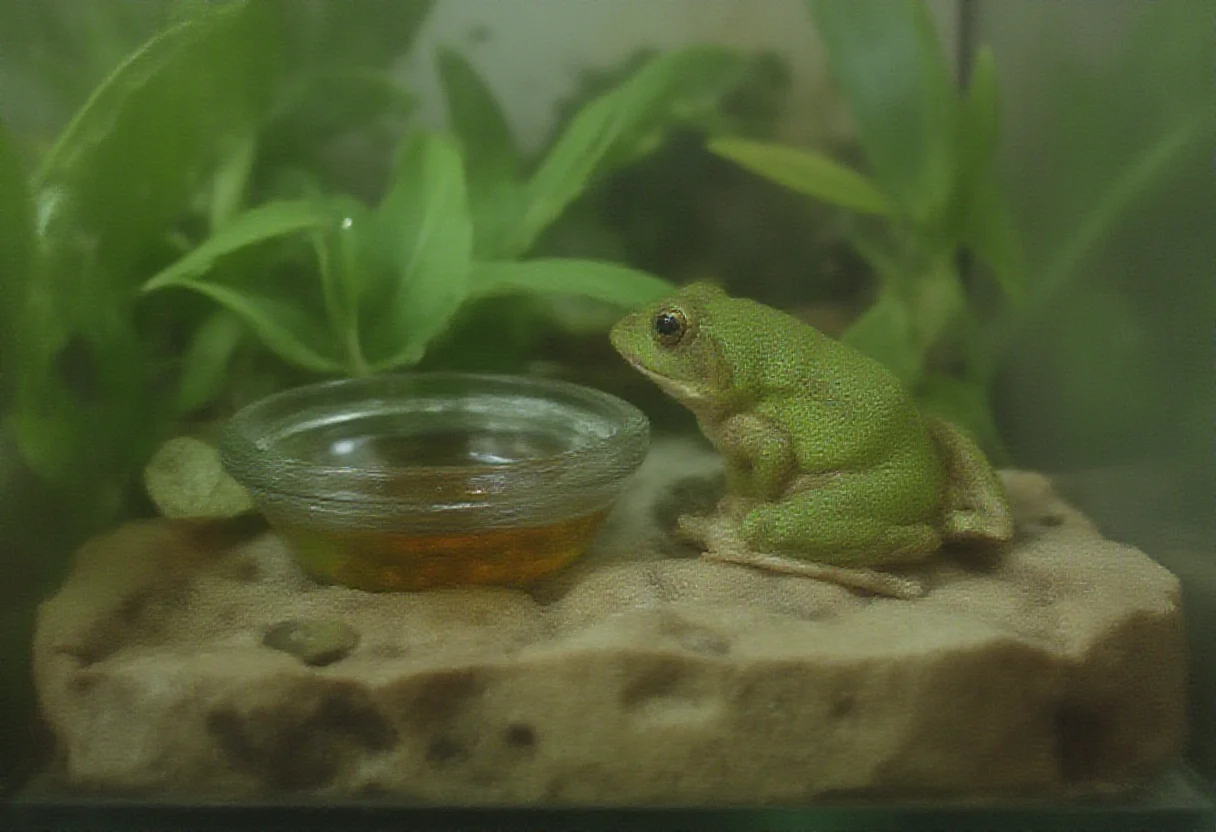
Best Corner Water Dish for Frog Tanks: What to Look For
This post contains affiliate links. As an Amazon Associate I earn from qualifying purchases. Prices and availability are shown by Amazon and can change.
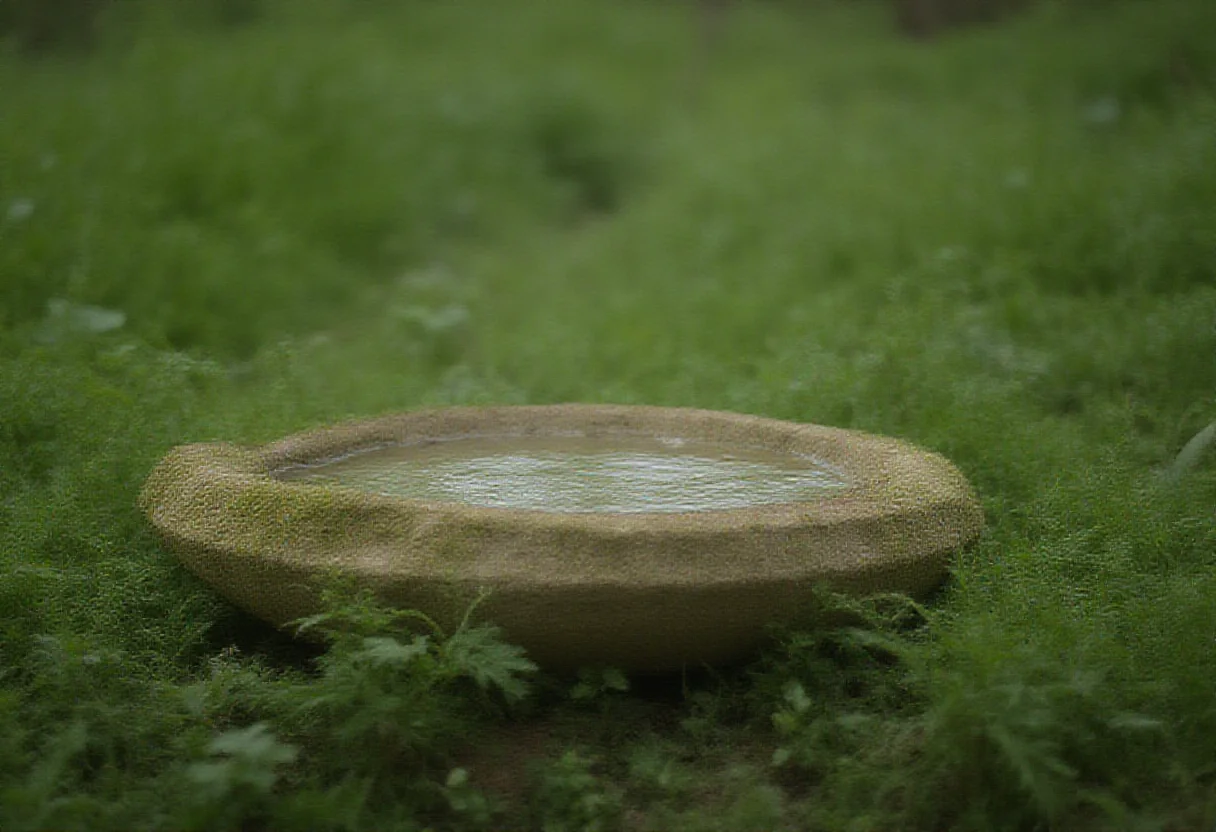
The best corner water dish for a frog tank is shallow, stable, and sized to fit the corner snugly. It needs a gentle slope or rocks so the frog can climb out, a surface that is easy to scrub, and enough width for a soak. Fill it with dechlorinated water and change it often. Merck Veterinary Manual says terrestrial amphibians need a shallow water container in the enclosure.
A water dish is part of the habitat, not a decoration. Frogs soak, drink through their skin and often defecate in the water, so the dish needs frequent cleaning.
A corner dish saves floor space and is harder to tip over. The listings below come from live Amazon data. Read the buying checks first, since the right size depends on your frog.
How this was made: prepared with AI assistance and checked against the sources listed at the end. Images are AI-generated illustrations, not photographs of real animals or products.
Key Takeaways
- Terrestrial amphibians need a shallow water container, per Merck Veterinary Manual.
- Choose a dish with an easy way in and out so a small frog never gets stuck.
- Use dechlorinated water. Change it often, since frogs soil it quickly.
- Pick a smooth, non-porous dish you can scrub without soap or disinfectant residue.
- Match dish size to the frog: wide enough to sit in, shallow enough to climb out.
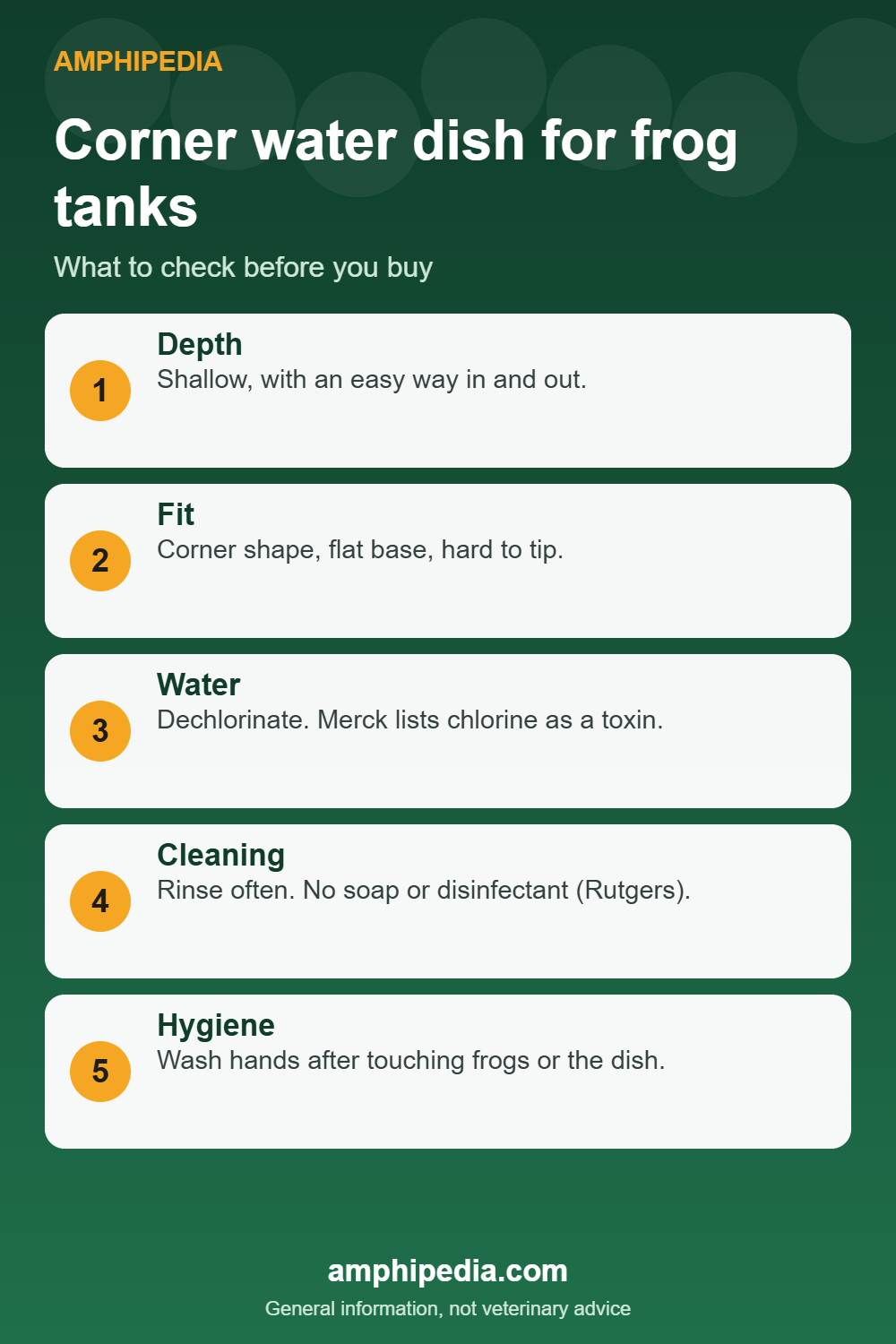
Pin this infographicShare on Facebook
Corner water dishes worth a look
These listings are pulled from live Amazon data, sorted from highest price to lowest.


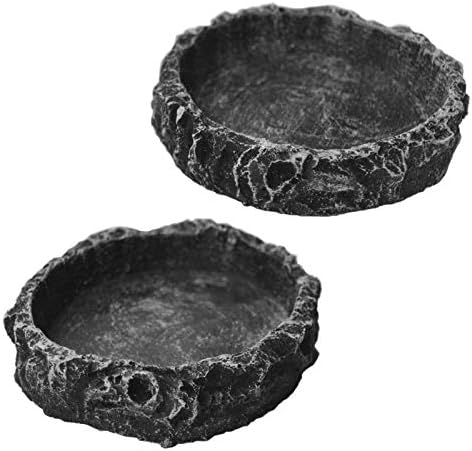

Product titles, prices and ratings are provided by Amazon and are accurate only at the time they are displayed.
Why frogs need a water dish
Merck Veterinary Manual states that amphibians need moisture to prevent drying out and that terrestrial species need a shallow water container in the enclosure. A dish gives your frog a place to soak and drink.
Water quality matters. Merck lists chlorine, ammonia and nitrite among the toxins that water must be free of.
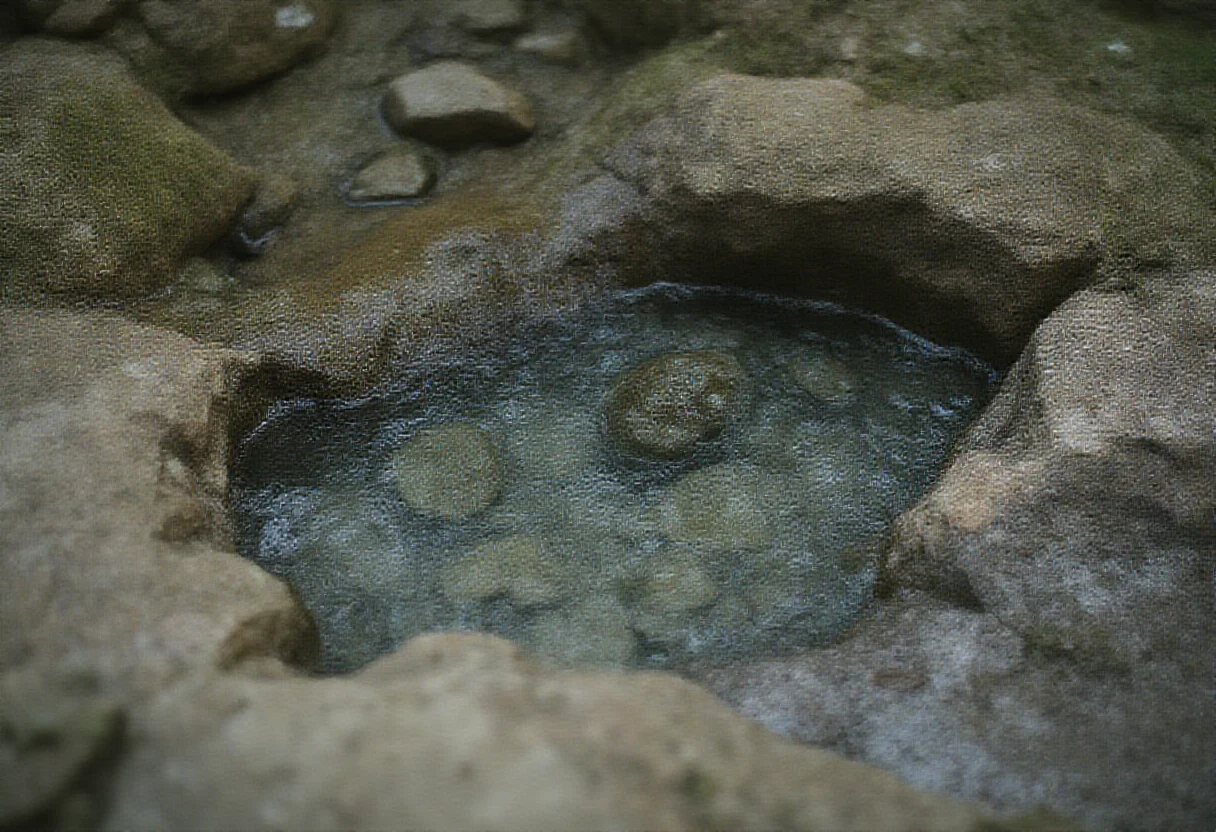
What makes a good corner dish
Use these checks when you compare listings.
- Depth: shallow, so the frog can sit with its head out of the water.
- Exit: a sloped edge, pebbles or a rock ramp, so the frog can climb out easily.
- Fit: a corner shape sits snugly and is hard to push over.
- Size: wide enough for the frog to soak, but not so large it crowds the tank.
- Material: smooth, non-porous plastic, resin or glazed ceramic, which are easy to scrub.
- Stability: a flat base that does not rock on substrate.
| Check | What to look for |
|---|---|
| Depth | Shallow, with an easy exit |
| Shape | Corner fit with a flat stable base |
| Surface | Smooth and easy to scrub |
| Size | Wide enough to soak, small enough for the tank |
| Colour | Natural tones that blend into the tank |
Setup and placement
Press the dish into the substrate so the rim sits level and the frog does not have to climb a steep edge. Keep it away from the heat source and from any heating pad so the water does not warm up.
Wash your hands before and after you handle the dish or the water.
- Rinse the new dish with plain water.
- Seat it in the corner and level the substrate around it.
- Fill it with dechlorinated water.
- Check that the frog can climb out from every side.
- Re-check the water level every day.
Water and cleaning
A Rutgers University amphibian husbandry procedure calls for dechlorinated, conditioned water and daily partial or full water changes in its housing, and says not to clean tubs with soaps or disinfectants. Keepers can apply the same logic to a dish: rinse well and avoid soap residue.
Treat tap water first. Merck says chloramines need a dechlorinating agent, and chlorine can be removed by carbon filtration.
- Empty and rinse the dish every day or when it looks dirty.
- Scrub it with plain water and a dedicated brush when needed.
- Dechlorinate all water before it goes in the dish.
- Do not use soap or strong cleaners.
Common mistakes
Most problems come from the dish not matching the frog.
- A dish that is too deep for a small frog.
- A smooth, steep edge that traps the frog.
- Skipping dechlorination.
- Using soap or disinfectant on the dish.
- Leaving dirty water for days.
How frogs use water, and why the dish matters
Most land amphibians do not drink the way mammals do. A 2002 report from the American Physiological Society describes how land amphibians absorb water through the skin. Dehydrated frogs and toads press their bellies against water and push their hind legs back to increase contact.
The same report found that in the toads studied, a patch of belly skin made up about 10% of the body surface but accounted for over 70% of water uptake. The patch has a dense network of tiny blood vessels.
That research used Bufo toads, so it does not prove the same numbers for every frog. It does explain why a shallow dish with an easy exit makes sense. The animal has to be able to settle its belly into the water without struggling.
What goes into the dish
If water enters through the skin, then what is in the water matters. Merck Veterinary Manual says amphibian water must be free of toxins, including chlorine, ammonia, nitrite, pesticides and heavy metals.
- Chlorine: Merck says circulating tap water through a carbon filter for at least 24 hours removes it.
- Chloramine: Merck says it needs a dechlorinating agent, such as sodium thiosulfate, before carbon filtration removes the chlorine.
- Conditioning time: the Rutgers procedure conditions municipal water for 24 to 48 hours before use.
- Use the product label for any conditioner. No source reviewed gives a safe home dose.
Rutgers uses a conditioned water routine for laboratory frogs. A pet keeper can borrow the idea of preparing water ahead of time and keeping a spare container ready, so there is no rush at changing time.
Check that a dish suits your species
Merck advises a shallow water container for terrestrial amphibians. That is one group. Fully aquatic frogs live in water and do not use a dish at all, and some semi-aquatic frogs need a larger pool.
- Terrestrial frogs and toads: a shallow dish is the standard water source.
- Semi-aquatic species: a larger water area with a clear way out may be better than a dish.
- Fully aquatic species: they need a tank with filtered water, not a dish.
If you are unsure, look up the exact species in a care source such as a vet college sheet or university herpetarium. Species named only as “tree frog” or “toad” can differ a lot, so use the full common or scientific name.
A dish is one part of the moisture plan
A water dish alone does not keep a tank humid enough. Merck lists several moisture sources for terrestrial amphibians: small streams, waterfalls, ultrasonic humidifiers and frequent misting. It also says live plants add humidity, and that refugia, or hides, help limit water loss in small pockets of the tank.
Merck also recommends 1 to 2 fresh air changes per hour. So do not seal the tank to push humidity up. A dish, a damp hide, plants and a measured misting routine work together. Check each against your species care sheet.
A second dish gives you a spare while one is being cleaned, so the frog is never left without water.
A daily and weekly dish routine
Frogs soil water quickly because the dish is also where they soak. The Rutgers procedure calls for changing half to all of the water daily in its housing, and for removing leftover food 2 to 3 hours after feeding and replacing the water. Those are laboratory rules, but the logic carries over.
- Each day, tip out the old water and rinse the dish with plain water.
- Refill with conditioned water at the right level.
- After feeding, check that no food or insects have fallen into the dish.
- Each week, scrub the dish with plain water and a brush kept for that job.
- Look for film, algae or scratches, and replace a dish that cannot be cleaned.
Skip soap. The Rutgers procedure says not to use soaps, detergents or other disinfectants on its tubs, since residue can stay behind.
Using a dish for a new or sick frog
Merck calls quarantine a preventive practice that owners often overlook, and says enclosures for it should be easy to clean. For a new frog, a plain tub with moist paper towel substrate and a simple shallow dish is easier to keep clean than a planted display.
Merck also says to use separate cleaning tools for quarantined and collection animals, and to disinfect spray bottles and humidifiers weekly. Keep the quarantine dish and brush apart from the ones used in your main tank, and label them.
Troubleshooting a dish that does not work
| Problem | Likely cause | What to try |
|---|---|---|
| Frog ignores the dish | Dish too deep, too bright or too far from cover | Make it shallower and place it near a hide |
| Dish tips or slides | Not seated in substrate | Press the rim in and level the substrate around it |
| Water turns cloudy fast | Waste, food or substrate in the water | Change it more often and keep food away from the dish |
| Film on the surface | Biofilm build-up | Scrub with plain water and rinse well |
| Frog cannot climb out | Steep or slick edge | Add a ramp of smooth stones or switch dishes |
Watch the frog for a few days after any change. A frog that suddenly stops soaking, or one that looks thin or dry, should be seen by an exotics vet.
Where to wash the dish
CDC advises cleaning reptile and amphibian tanks and supplies outdoors if possible, away from gardens and food or water sources. If that is not possible, use a laundry sink or bathtub, then thoroughly disinfect it.
CDC also says never to use food preparation areas to clean habitats or equipment, and to pour tank water down the toilet, not a sink. Wash your hands with soap and running water afterward.
Frequently Asked Questions
How deep should a frog water dish be?
Shallow. Merck calls for a shallow water container for terrestrial amphibians. Match the depth to the size of your frog and make sure it can exit easily.
Do I need to dechlorinate the water?
Yes. Merck says water must be free of chlorine and other toxins, and chloramines need a dechlorinating agent.
How often should I change the water?
Often. The Rutgers procedure lists daily water changes for its frog housing. Do the same for a dish if it gets soiled.
Can I use reptile dishes for frogs?
Often yes, if the dish is shallow and has an easy exit. Check the shape and the material first.
Should I use soap to clean the dish?
No. Rinse with plain water and scrub with a dedicated brush.
Why a corner dish?
It saves floor space and is harder to tip over than a free-standing bowl.
Bottom Line
A good dish is shallow, stable and easy to climb out of. Size it to your frog, fill it with dechlorinated water and keep it clean.
Use the table to compare current Amazon listings, then check the dimensions against your tank.
Sources
- Merck Veterinary Manual: Environment and Husbandry for Amphibians (shallow water container, water quality, dechlorination), accessed 12 November 2026
- Rutgers University: Terrestrial Amphibian Husbandry SOP 3.12 (conditioned water, daily water changes, no soaps or disinfectants; laboratory procedure), accessed 12 November 2026
- ARAV: Find a veterinarian, accessed 31 October 2026
- American Physiological Society via ScienceDaily: how land amphibians absorb water (2002), accessed 12 November 2026
- CDC: Reptiles and amphibians (Healthy Pets) (cleaning tanks and supplies), accessed 12 November 2026


3 Comments