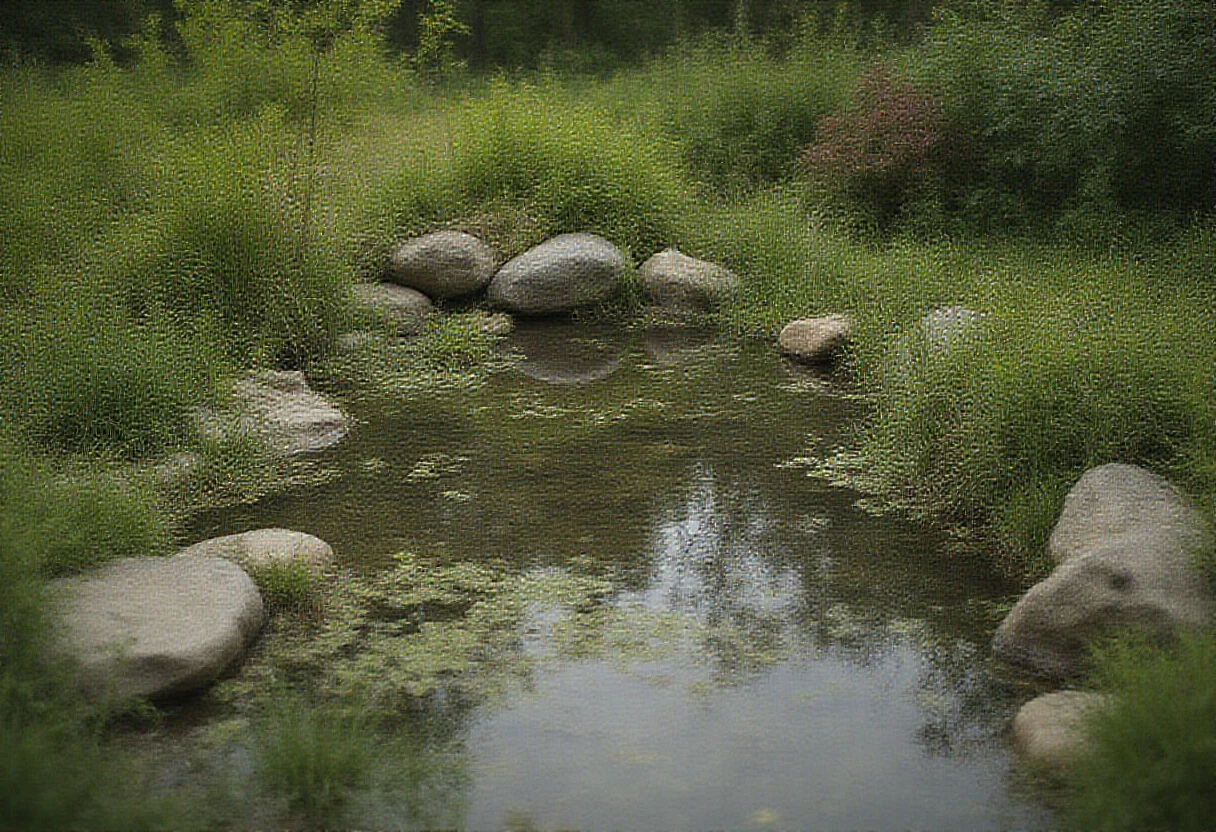
Frog Pond: How to Build a Backyard Pond for Frogs
This post contains affiliate links. As an Amazon Associate I earn from qualifying purchases. Prices and availability are shown by Amazon and can change.
A good frog pond is shallow at the edges, deep in the middle and free of fish. Wildlife groups recommend gently sloping sides, a deeper area of at least 60 cm (about 2 feet) so animals can overwinter, native plants for cover, and ideally a surface of at least 2 m by 2 m (about 6.5 by 6.5 feet). Even a small pond helps.
A frog pond is simple: water, cover and safe ways in and out. Frogs and other amphibians colonize on their own, so the work is in making the pond safe rather than in adding animals.
This page is a quick planning overview: the main rules from Froglife, Amphibian and Reptile Conservation Trust and the Virginia Department of Wildlife Resources, plus liner buying tips. For a separate build-focused walkthrough, see our how to build a frog pond guide.
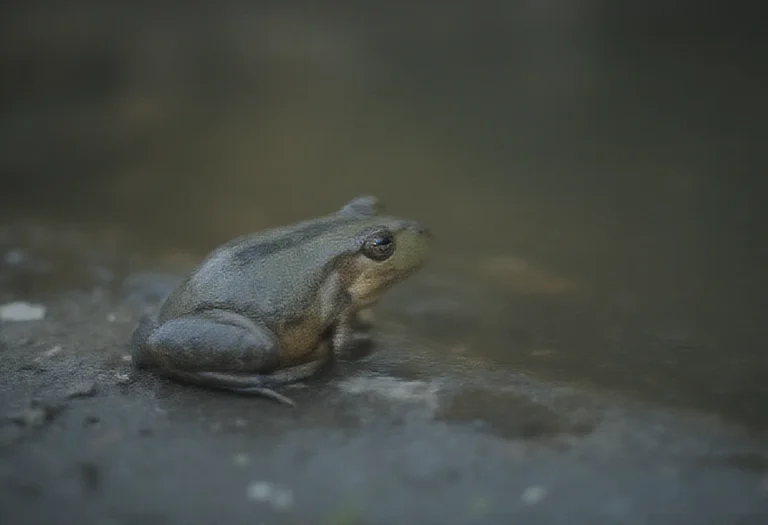
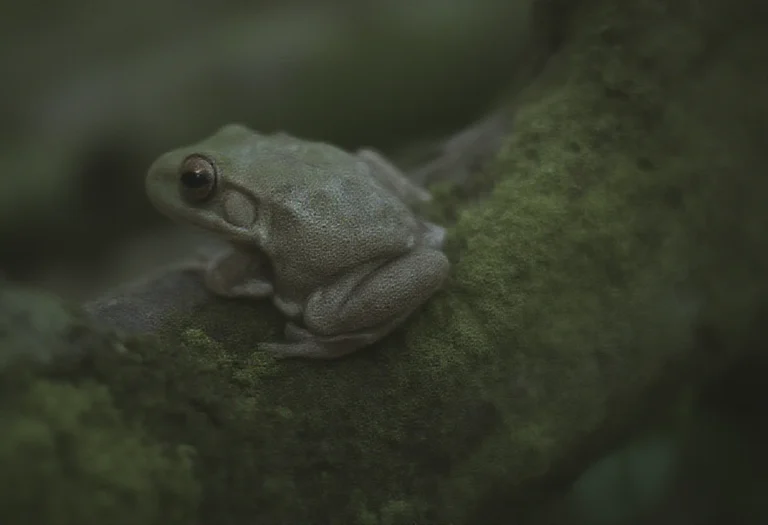
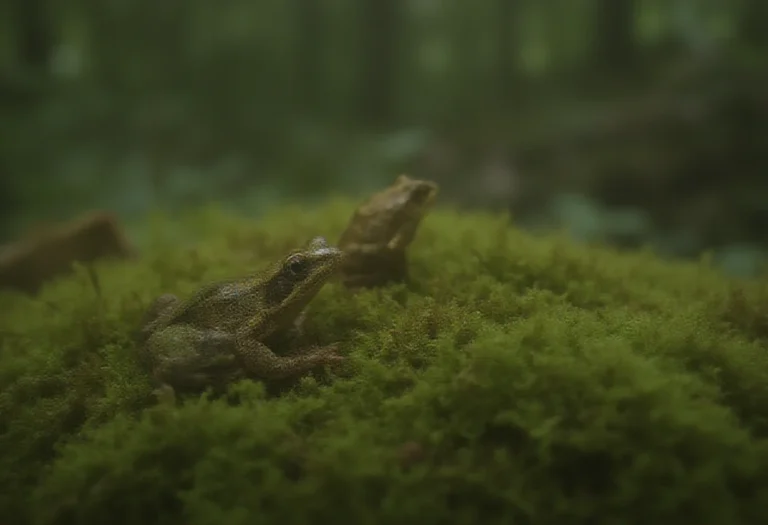
How this was made: prepared with AI assistance and checked against the sources listed at the end. Images are AI-generated illustrations, not photographs of real animals or products.
Key Takeaways
- Aim for at least 2 m x 2 m of surface if you can; smaller ponds still help.
- Include a deep area of at least 60 cm so the pond is less likely to freeze solid.
- Build gently sloping sides so frogs can get in and out.
- Keep fish out; they eat spawn and tadpoles.
- Plant native species around the edge for cover and shelter.
- Do not move frogs or spawn into the pond; let them find it.
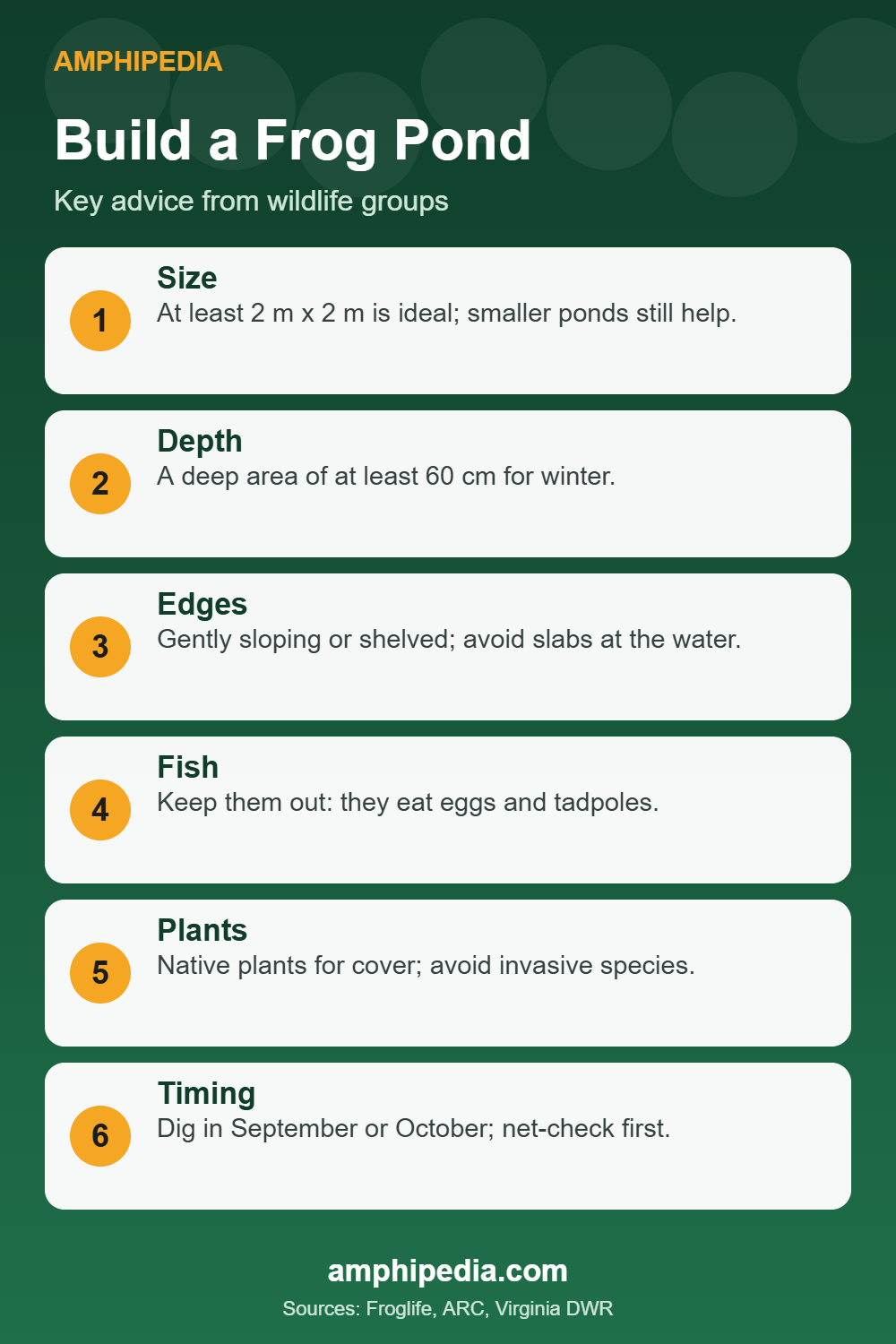
Pin this infographicShare on Facebook
Pond liners worth considering
A liner is the main piece of equipment for a lined wildlife pond. Match the size to the pond shape and depth you planned.


Product titles, prices and ratings are provided by Amazon and are accurate only at the time they are displayed.
Wildlife pond or the Frog Pond in Boston?
This page is about building a pond for frogs in your own garden. If you were looking for the Frog Pond in Boston Common, that is a city park feature, not an amphibian topic, so it is not covered here.
Pick a spot and plan the shape
Sketch the pond before you dig. Consider where water will run in, how far it sits from trees and how people and pets will move around it. Froglife lists location as a factor to consider but gives no fixed rules.
Every pond helps. ARC says a garden pond of at least 2 m x 2 m is ideal for frog breeding, but small tub ponds and bog gardens still help amphibians stay cool in summer.
Size, depth and slopes
Froglife and ARC both advise a deeper section of at least 60 cm in the middle. ARC explains that this helps keep the pond from freezing completely, so amphibians resting on the bottom stay safe in icy weather.
Make the sides gently sloping or shelved. Froglife and ARC both stress that frogs and newts need an easy way in and out of the water.
Avoid paving slabs right at the water’s edge. Froglife warns young amphibians can stick to them and die in hot weather.
| Feature | Advice | Source |
|---|---|---|
| Surface size | At least 2 m x 2 m is ideal | Froglife, ARC |
| Deep area | At least 60 cm | Froglife, ARC |
| Sides | Gently sloping or shelved | Froglife, ARC |
| Hard edges | Avoid slabs at the water’s edge | Froglife |
| Fish | Do not stock | Froglife, Virginia DWR |
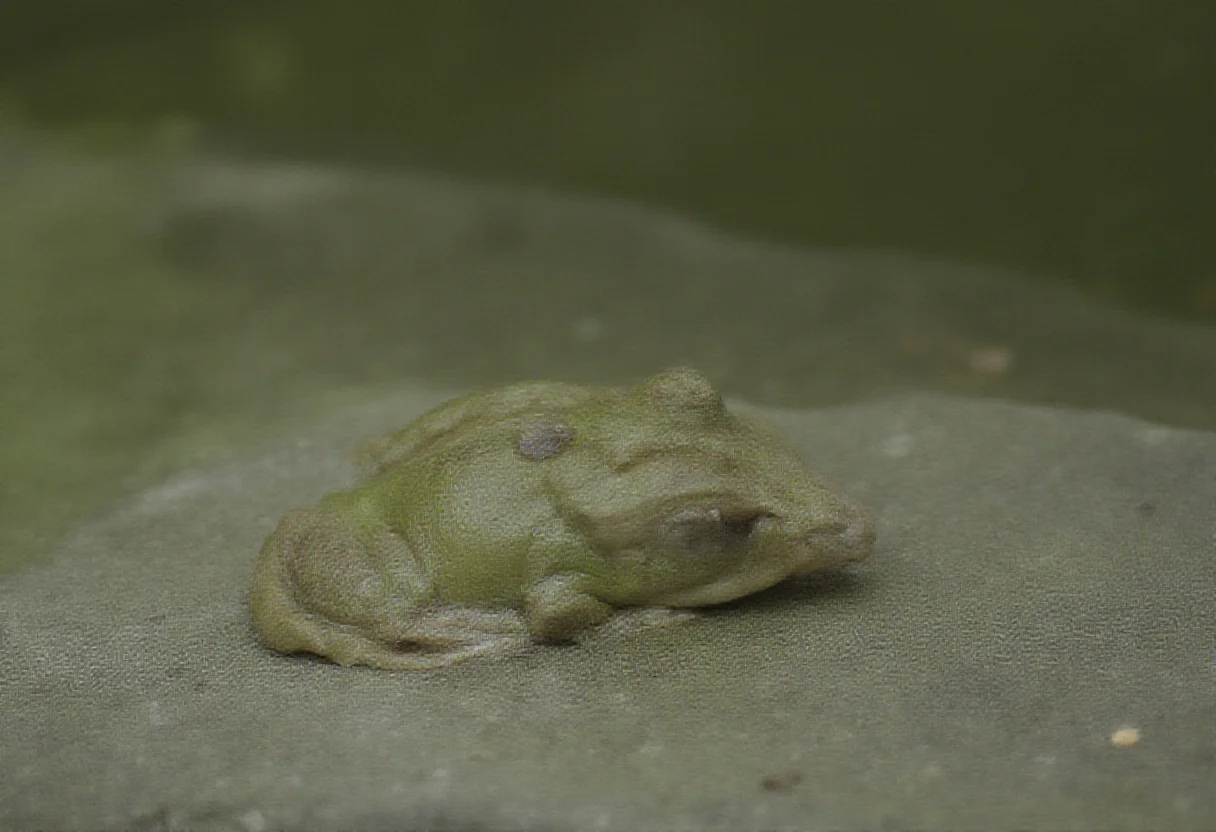
Keep fish out
Virginia DWR says ponds are valuable breeding habitat for frogs and salamanders when large predatory fish that feed on eggs and young are not present. Froglife goes further and advises against stocking fish at all.
If you want fish, Froglife suggests a separate pond or a protected nursery area within the pond. Keeping the two apart is the safer route for tadpoles.
Plants for cover and oxygen
Native plants give tadpoles and froglets places to hide. Virginia DWR advises keeping or planting native vegetation around the pond border, which shelters young frogs from predators.
Froglife and ARC list marginal plants (such as spearwort and water mint), submerged oxygenating plants (such as hornwort and curled pondweed) and floating plants. They differ on some species: Froglife recommends water lilies and yellow flag iris, while ARC says to avoid them in small ponds because they can overgrow.
Avoid invasive plants. Froglife names New Zealand pygmyweed, parrot’s-feather, water fern, water hyacinth and water primrose. Never release aquarium plants outdoors, as Virginia DWR also notes.
Water: rain versus tap
Froglife says to use rain water rather than tap water when topping up. Collecting roof run-off in a rain barrel is one way to do that.
The sources reviewed do not explain the reasoning in detail, so check with your local wildlife agency if you are unsure about your own tap supply.
Build the land habitat too
Frogs spend much of their time out of the water. Virginia DWR suggests leaving leaves where they fall on part of the property and adding logs, rocks and brush piles of branches and twigs.
Plant a mix of native shrubs and trees. Native plants are generally hardier and need less water, fertilizer and pesticide, according to the same source.
Chemicals, cats and moving animals
Amphibian skin absorbs water, oxygen and chemicals directly, so Virginia DWR advises minimizing pesticides. Fertilizer runoff into ponds can also harm or kill aquatic animals.
Virginia DWR says outdoor cats are thought to kill many amphibians and reptiles, so keeping cats indoors helps.
Do not move wildlife you find in your yard, and do not release pet frogs or aquarium animals outdoors.
When to dig and when to wait
Froglife and ARC both advise working in September or October, when the fewest amphibians are in the pond. Check with a net first, because tadpoles or newt larvae may overwinter.
If work is needed at another time, ARC says to keep the animals in a tank or bucket meanwhile. Be gentle and return them promptly.
Common mistakes to avoid
Stocking fish, building steep sides and paving right to the edge are the big three. Each one cuts the pond’s value for frogs.
- Steep, smooth liner edges with no ramp or shelf
- Fish in the same water as tadpoles
- Heavy pesticide or fertilizer use nearby
- Invasive or unmanaged plants that overgrow a small pond
- Moving spawn or frogs from another pond
Choosing a pond liner
A lined wildlife pond needs little equipment. The key item is a durable, flexible pond liner sized for the shape and the deep area you planned. Add extra length for overlap at the edges.
Read the full product listing before buying. Look for liners made for ponds and check the stated size and material. Keep fish accessories and chemical treatments out of the basket, since the pond should stay fish-free.
For protective covers, see our guides to outdoor frog pond net covers and eco-safe pond filters for frogs.
Safety for children, pets and neighbours
A frog pond is still open water. Clemson University Extension says to add fencing or netting around a wildlife pond if child safety is a concern. A raised or tub pond is smaller and safer, according to Froglife, and still helps wildlife.
Rules on digging, fencing and standing water differ by town. Clemson does not cover local regulations, so ask your local government or extension office before you dig. This is general information, not legal advice.
Mosquitoes and algae without harming tadpoles
Standing water can breed mosquitoes. Clemson Extension recommends a monthly mosquito control product containing Bacillus thuringiensis israelensis, and says it kills larvae without harming other wildlife. Read the label before you use anything near a pond.
The same factsheet says a wildlife pond needs no mechanical filter, pump or fish. It warns against adding fertilizer, potting mix or compost, because nutrients can cause algae blooms. If algae builds up, Clemson suggests flushing the pond with fresh water to remove excess nutrients.
Water source: another point where sources differ
Froglife advises rain water for topping up. Clemson says a fishless pond can be filled with tap water, and calls harvested rainwater a good option too. Neither page gives a detailed reason.
If you are unsure about your tap supply, ask your local water utility or wildlife agency. Rain water collected in a barrel is the option both sources accept.
Seasonal upkeep and the first year
Do not expect frogs the day you fill the pond. Neither Froglife nor ARC gives a timeline for colonisation, and any size of pond helps wildlife. Wait and watch rather than adding animals.
In cold weather, ARC says amphibians breathe through their skin and can survive long periods under ice if the water has enough oxygen. Clemson advises leaving dead plant stems in place for cover, then cutting them back to a few inches above the soil in spring.
- Cover plants over 20 to 50% of the surface, and no more than 50% after thinning (Clemson).
- Thin crowded plants and divide rhizomes yearly (Clemson).
- When clearing silt or plants, leave the material by the edge for a day or two so small animals can crawl back (Froglife).
- Top up in dry spells so the water level does not fall.
- Work in September or October, and net-check for overwintering larvae first (Froglife and ARC).
Frequently Asked Questions
How deep should a frog pond be?
Froglife and ARC advise a deeper area of at least 60 cm, with shallow shelves and gently sloping sides.
How big should a frog pond be?
At least 2 m x 2 m is ideal for breeding, but smaller ponds and tubs still help amphibians.
Can I put fish in a frog pond?
Wildlife groups advise against it, because fish eat eggs and tadpoles.
Should I add frogs or spawn?
No. Do not move wildlife. Frogs usually find new ponds on their own.
What water should I use?
Froglife advises rain water rather than tap water for topping up.
When is the best time to build?
September or October, when few amphibians are in the water. Check with a net first.
Do I need a filter or pump?
The sources reviewed do not recommend one for a basic wildlife pond; see our filter guide if you plan to add one.
Bottom Line
A frog pond works best when it looks a little wild. Shelter, slopes and native plants matter more than gadgets. Our frog pond building guide covers the build side in more detail.
Ready for more? Learn how to choose a mesh cover for an outdoor pond.
Sources
- Froglife: Creating or improving ponds, accessed Size, depth, plants, fish, water, timing
- ARC Trust: Wild about garden ponds, accessed Depth, slopes, plants, timing
- Virginia DWR: Make your back yard friendly for amphibians and reptiles, accessed Fish, pesticides, shelter
- CDC MMWR: Reptile-Associated Salmonellosis (2003), accessed Salmonella risk from reptiles and amphibians
- Clemson University Home and Garden Information Center: Backyard Wildlife Ponds
One Comment