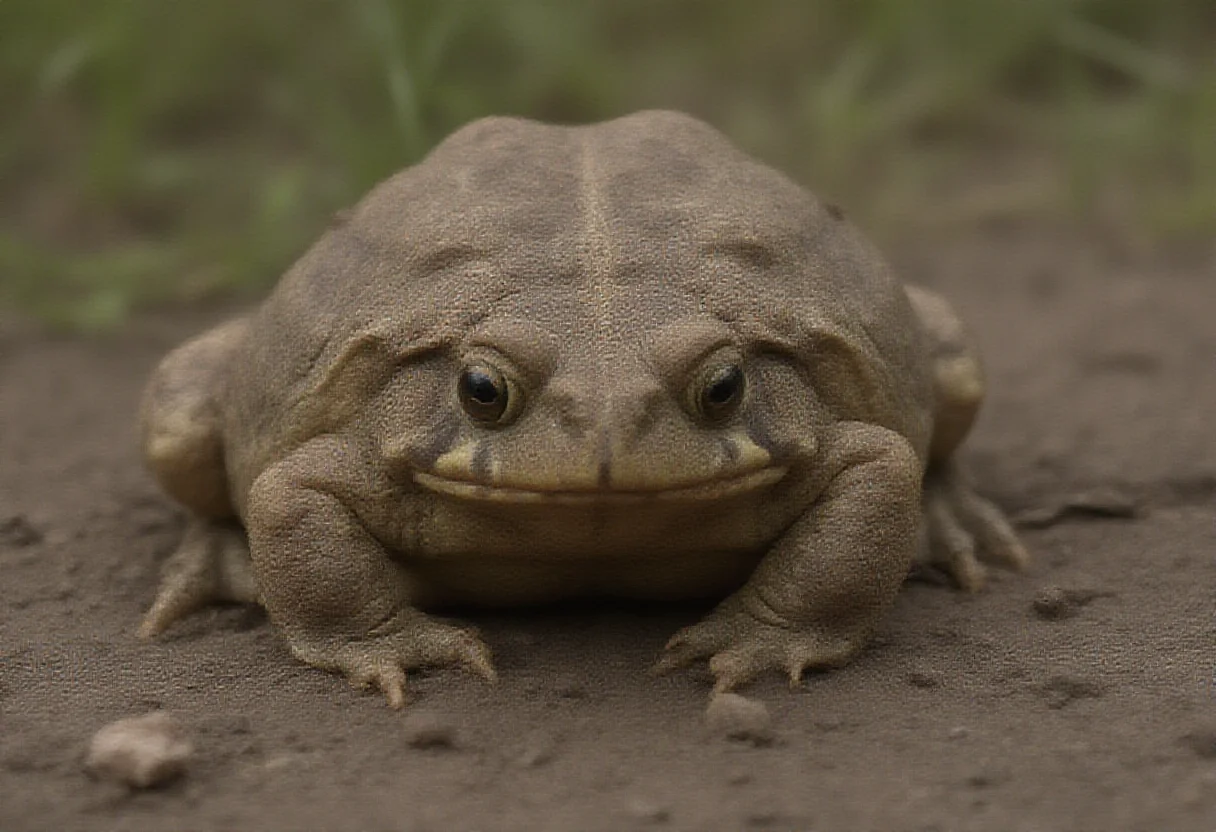
African Bullfrog Bite: Does It Hurt and Is It Poisonous?
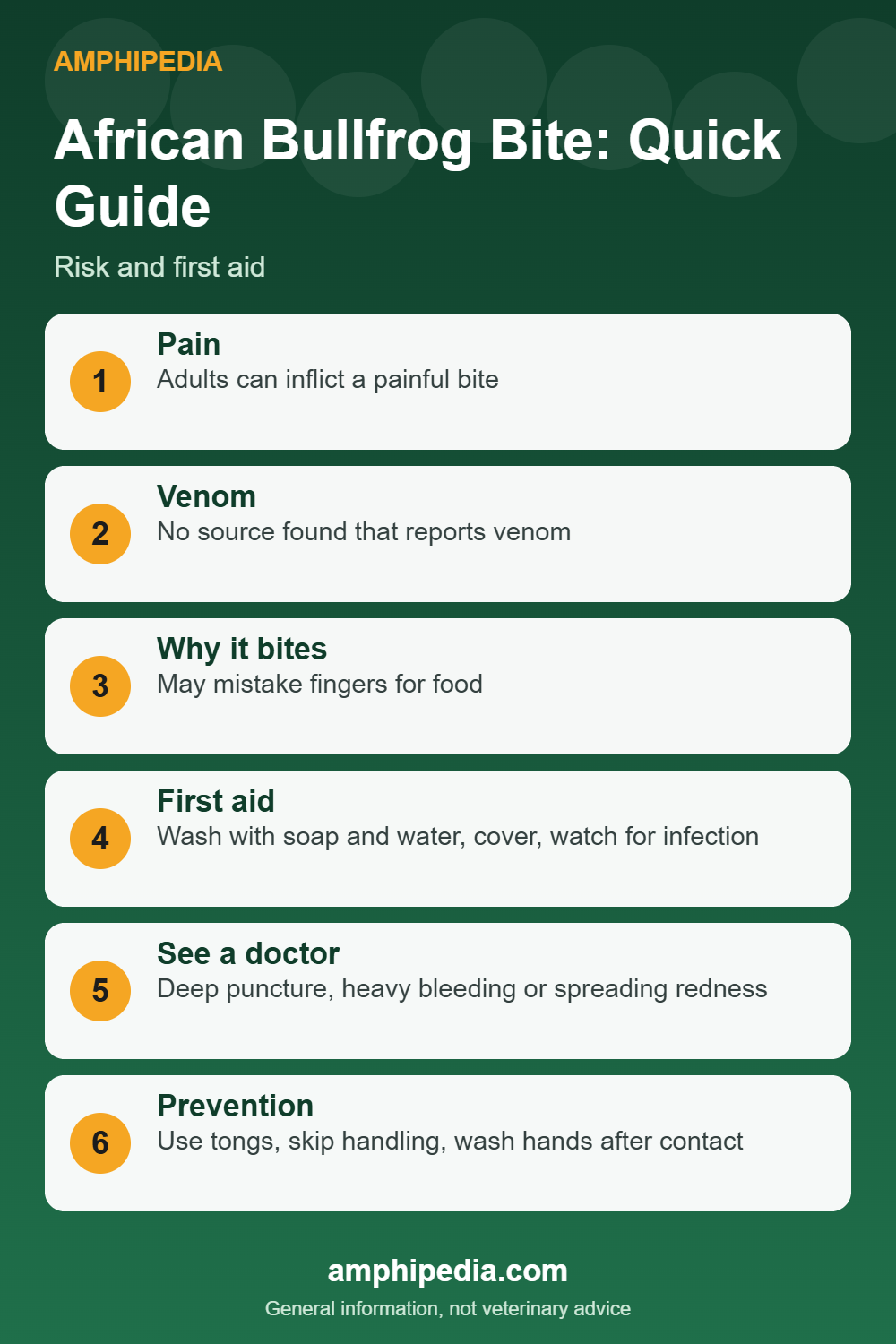
An African bullfrog bite can be painful. Adults have large tooth-like points on the lower jaw, and vets confirm they can bite hard. No source cited here describes venom in this species, so a bite is a wound risk, not a poisoning risk. Wash a bite with soap and water. See a doctor if it is deep, bleeds heavily or looks infected.
People ask if an African bullfrog bite is poisonous. The short answer from the sources cited here is that the jaws are the danger, not venom.
This guide explains why the frog bites, what the risks are, basic first aid from a medical source, and how to avoid being bitten.
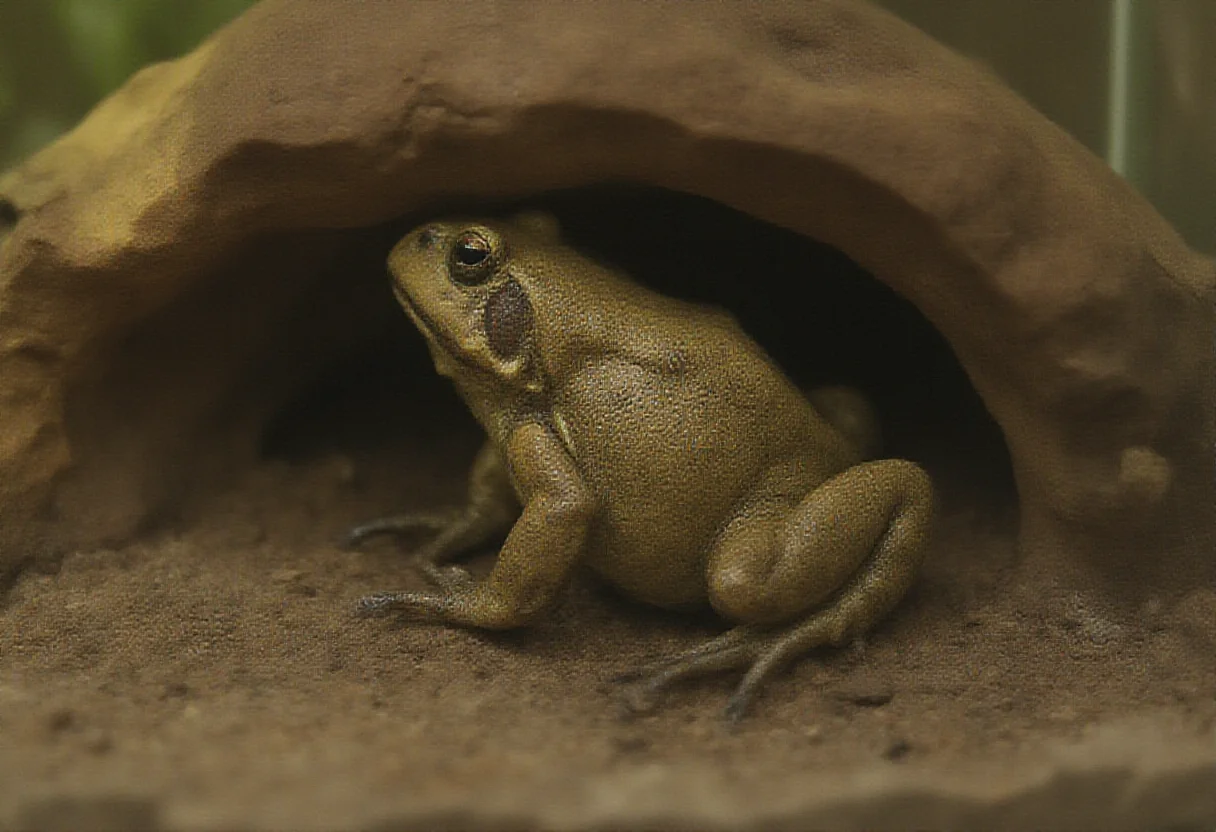
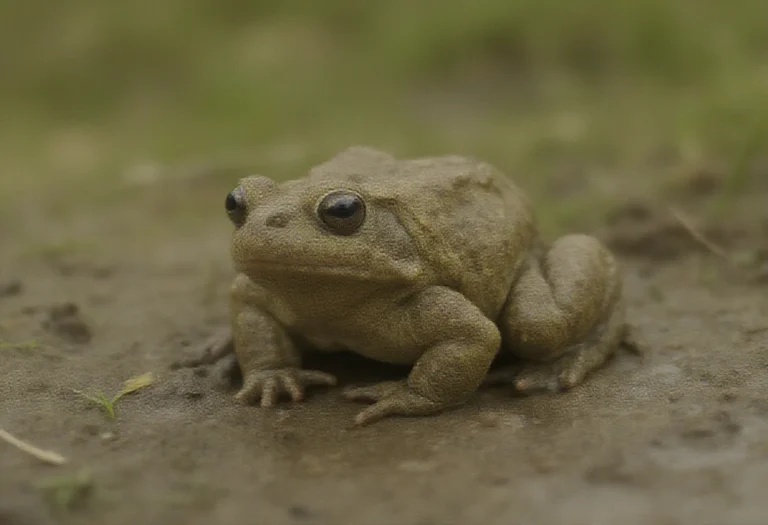
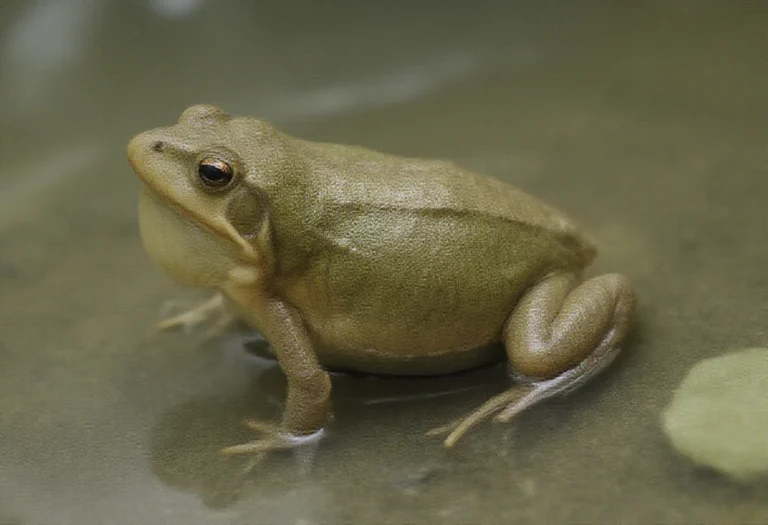
How this was made: prepared with AI assistance and checked against the sources listed at the end. Images are AI-generated illustrations, not photographs of real animals or products.
Key Takeaways
- Adults can inflict a painful bite.
- No cited source reports venom in this species.
- Bites usually happen when a frog mistakes a finger for food.
- Wash a bite with soap and water and watch for infection.
- See a doctor for a deep puncture or spreading redness.
- Wash your hands after any contact, because amphibians can carry Salmonella.
Pin this infographicShare on Facebook
Why African bullfrogs bite
Lafeber Veterinary says adults can inflict a painful bite and may mistake fingers for food. The frog is an ambush predator that grabs prey with its mouth.
Animal Diversity Web says the lower jaw carries three large odontodes, tooth-like points that restrain struggling prey. The Oregon Zoo also describes three toothlike projections at the front of the lower jaw. See the post on African bullfrog teeth for the details.
Is an African bullfrog bite poisonous?
No vet, zoo or university source cited here describes venom glands or venomous teeth in the African bullfrog. The documented risk is the mechanical bite from the lower jaw.
That is an absence of evidence in the sources cited here, not a lab test. Many frogs have skin secretions, so wash your hands after contact and keep the frog away from your face.
How bad can a bite get?
No source cited here gives a bite force or a count of injuries. Lafeber and Exotics Keeper Magazine both call the bite painful. The size of the frog matters: males reach 20 to 25 cm and often weigh over 2 kg, per Lafeber.
Expect pain and possibly broken skin. A deep puncture needs medical attention.
First aid for a bite
The Mayo Clinic advises these steps for a minor animal bite where the skin is broken but the wound is not deep.
- Wash the wound with soap and water.
- Apply antibiotic ointment and cover with a clean bandage.
- For heavy bleeding, press a clean cloth on the wound.
- Watch for spreading swelling, colour change, increasing pain or oozing.
How to avoid being bitten
Lafeber advises feeding with tongs and handling rarely and briefly, using clean wet hands or moistened surgical gloves. VetVerified says the species is not ideal for handling because of its strong bite and the stress to the frog.
Housing matters too. Keep adults alone, since the frog is aggressive and cannibalistic. Read about why these frogs bite and fight.
- Feed with long tongs every time.
- Do not put fingers near the mouth.
- Skip handling unless a vet asks for it.
- Keep children away from the enclosure.
- Keep the lid secure.
How the bite works: jaw, tongue and strike
Animal Diversity Web describes how the African bullfrog (Pyxicephalus adspersus) catches prey. It drops its lower jaw forcefully, which flips the folded tongue out to seize the target. The three odontodes on the lower jaw then hold struggling prey.
Exotics Keeper Magazine adds that both sexes have a pair of large, fang-like projections on the lower jaw that point upward. The author notes that few amphibians can deliver a painful bite, and these bulky frogs are among them.
The same source says the frog will eat nearly anything that fits in its mouth, and Animal Diversity Web lists other frogs, reptiles, small mammals and small birds among prey. A bite built for gripping live prey explains why a finger can be injured badly.
What triggers a bite
Bites follow a few predictable situations. The sources point to feeding responses and defense, not random aggression.
| Situation | What the frog does | Source |
|---|---|---|
| Fingers near the mouth at feeding | May mistake them for food and grab | Lafeber Veterinary |
| Handled or stressed | Strong feeding response, bites provoked | VetVerified |
| Threatened | Puffs up and attacks with a wide-open mouth | Oregon Zoo |
| Threatened (captive) | Puffs up and hisses | VetVerified |
| Breeding season, males | Territorial and combative | VetVerified, Animal Diversity Web |
The frog does not need to be angry to bite. A hungry ambush predator reacts to movement.
Size, sex and bite risk
Size shapes how much a bite can hurt. Lafeber reports that adults often exceed 2 kg (4.4 lb), and that males reach about 20 to 25 cm (8 to 10 in). Females are roughly half that length. Males are the larger sex, which is unusual among frogs. The Oregon Zoo says some individuals are about the size of a dinner plate.
VetVerified gives smaller ranges, with males reaching 18 to 25 cm and exceeding 1.5 kg, and females 10 to 15 cm. The sources differ on exact figures, so treat them as ranges.
Behavior differs by sex too. VetVerified says males are the more aggressive sex and become territorial and combative during breeding. Animal Diversity Web describes wild breeding males biting and sometimes eating smaller males.
For a keeper, the practical point is simple. The larger the frog, the more serious the injury, so the same hand-feeding mistake costs more with a large male than with a juvenile.
A safer feeding routine, step by step
- Prepare the food first. VetVerified says prey should be sized to avoid choking.
- Use long tongs. Lafeber advises tongs because bullfrogs have a big appetite and may mistake fingers for food.
- Present food at a steady distance. Keep your fingers well back from the mouth.
- Never reach in at feeding time without tongs. A frog partly buried with only its nostrils showing, as the Oregon Zoo describes, is still alert.
- Remove uneaten items with tongs. Do not use your hand.
- Wash your hands afterward. The CDC advises washing with soap and running water after feeding, handling waste or equipment, and cleaning the tank.
Routine matters. A frog that always sees tongs and food together learns the pattern, but never assume it will stop reacting to a hand.
If you are bitten: what to tell a doctor
The Mayo Clinic page covers minor animal bites: wash with soap and water, apply antibiotic ointment, cover with a clean bandage, and press a clean cloth on heavy bleeding. It says to see a doctor promptly when the puncture is deep or you are unsure how serious it is.
- Infection signs. Growing swelling, skin color change, increasing pain or oozing suggest infection, which may need medicine.
- Tetanus. If your last tetanus shot was more than five years ago and the wound is deep or dirty, you may need a booster. Mayo says it should be given within 48 hours.
- Rabies. The page focuses on mammal bites. Tell the doctor the animal was a pet frog and the wound came from the jaw.
Do not wait for a deep wound to look worse. For anything beyond a minor scrape, contact a doctor. This page gives general information only.
Handling and stress: why less is better
Lafeber notes that the ridged skin of the African bullfrog makes it one of the few amphibians that can be handled, but handling should be infrequent and brief. If you must handle it, use clean, wet hands or moistened surgical gloves to protect its absorbent skin.
VetVerified goes further: the frog is best left unhandled, because handling stresses it and can provoke bites. It also lists poor hiding options as a stressor, and suggests cork bark, plants or logs for cover.
Lafeber says to house African bullfrogs separately, and VetVerified says the lid must lock securely. A calm frog in a secure enclosure bites less often than a stressed one.
Common mistakes that lead to bites
- Feeding by hand. Fingers look like food to a frog with a strong feeding response.
- Handling for photos. Handling stresses the frog and can provoke a bite.
- Treating a bite as venom. No source cited here describes venom, so a bite is a wound to clean and watch.
- Skipping hand washing. Amphibians can carry Salmonella, and the CDC advises washing after any contact.
- Ignoring a deep wound. Mayo lists deep punctures among reasons to see a doctor.
- Letting children reach into the tank. See the CDC guidance above on young children.
Frequently Asked Questions
Is an African bullfrog bite poisonous?
No source cited here describes venom in this species. The risk comes from the jaw, which can puncture skin. Clean the wound and watch for infection.
Does an African bullfrog bite hurt?
Yes. Lafeber Veterinary says adults can inflict a painful bite. Exotics Keeper Magazine also calls it painful.
Do African bullfrogs have teeth?
They have no true teeth, says the Oregon Zoo, but they have large tooth-like points on the lower jaw. Sources count two or three.
What should I do after a bullfrog bite?
Wash it with soap and water, cover it, and watch for infection. See a doctor for a deep wound, heavy bleeding or spreading redness.
Why did my bullfrog bite me?
The frog may have mistaken your finger for food, as Lafeber warns. Use tongs and keep hands out of the tank.
Can a bullfrog bite spread Salmonella?
The CDC warns that amphibians can carry Salmonella on their skin and in their water. Wash with soap after contact and see a doctor if you become ill.
Bottom Line
An African bullfrog bite hurts, but the sources point to jaws, not venom. Good habits prevent almost every bite.
For more on this species, see how big African bullfrogs get.
Sources
- Lafeber Veterinary: Giant African Bullfrog, accessed 13 November 2026
- Animal Diversity Web: Pyxicephalus adspersus, accessed 13 November 2026
- Oregon Zoo: African bullfrog, accessed 13 November 2026
- Exotics Keeper Magazine: Captive Husbandry of Giant African Bullfrogs, published 4 June 2025, accessed 13 November 2026
- VetVerified: Keeping African Bullfrogs, accessed 13 November 2026
- Mayo Clinic: Animal bites first aid, accessed 13 November 2026
- CDC: Reptiles and amphibians, accessed 13 November 2026
2 Comments