Purple Frog Sounds: When, Where and Why They Call
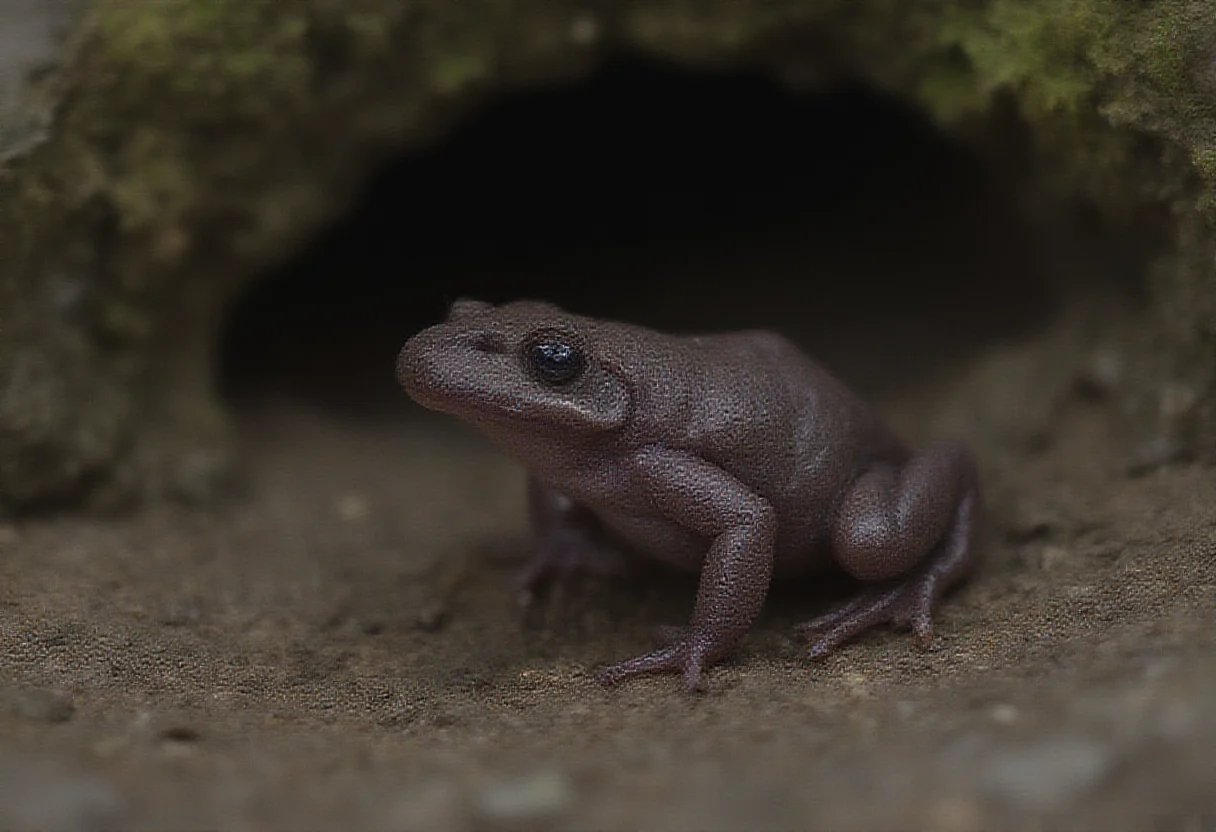
Purple frogs make sounds mainly to advertise to mates and rivals. Males call in the evening and at night, just after heavy rain at the start of the monsoon, from beneath a thin layer of soil in the Western Ghats of India. Because the frogs hide at the slightest disturbance, the sounds are rarely heard or recorded. This page covers the when, where and why. For the call measurements, see our separate guide.
Purple frog sounds are a field-biology puzzle. The animal spends most of the year underground, then calls from hiding for a short time. If you want the exact call length and pitch, read what purple frogs sound like.
This page answers a different set of questions: when the frogs call, where, why, and how scientists manage to find them.
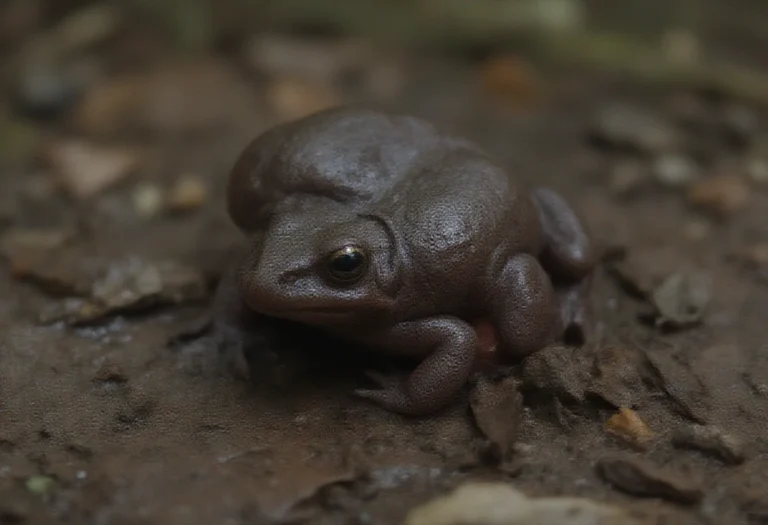
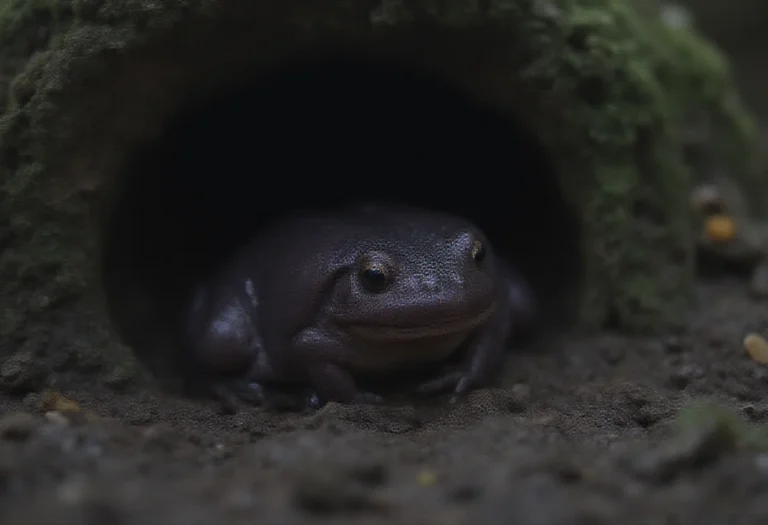
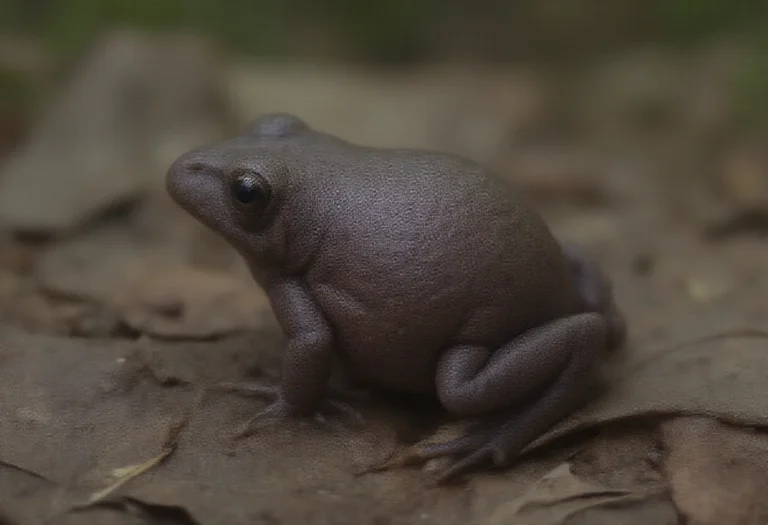
How this was made: prepared with AI assistance and checked against the sources listed at the end. Images are AI-generated illustrations, not photographs of real animals or products.
Key Takeaways
- Calling happens for a short window at the start of the monsoon.
- Most recordings were made in the evening and at night after heavy rain.
- Males call from just under loose soil at the mouth of small tunnels.
- The call advertises to females and signals to other males.
- The frogs retreat deeper at the slightest disturbance.
Pin this infographicShare on Facebook
When do purple frogs make sounds?
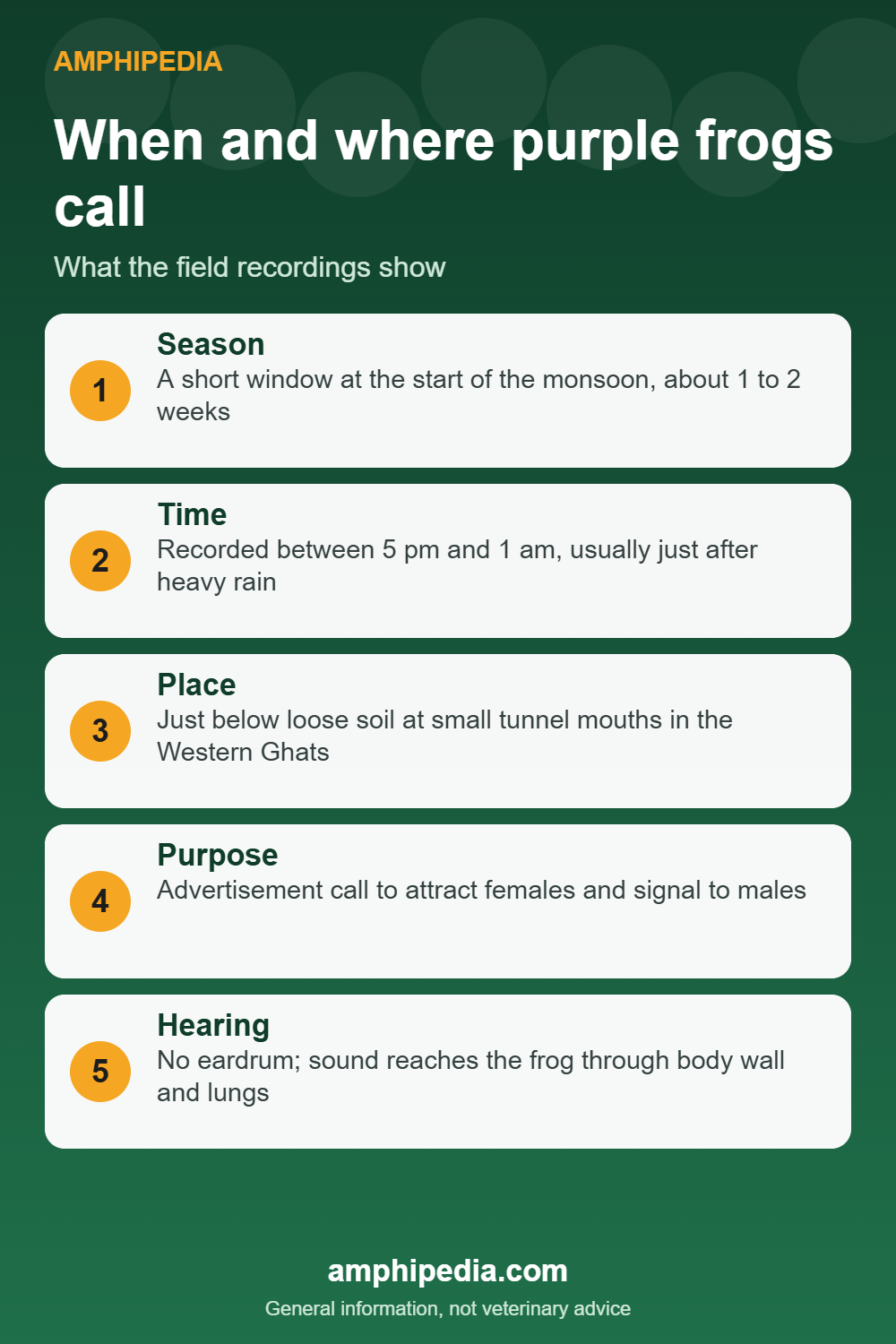
Purple frogs call only during their short breeding window. EDGE of Existence says the species surfaces for a few days each year at the start of the monsoon. A 2014 study describes explosive breeding of about one to two weeks.
The recordings in that study were made between 5 pm and 1 am, usually just after heavy rain, which is when males called most actively. The work was done in late April 2012, during pre-monsoon showers.

Where do the sounds come from?
The calls come from the soil, not from the water or the trees. Males sit just below the surface, under a thin layer of loose soil and humus, at the mouth of small tunnels.
The recording site was Methotti, Kulamaav, on the outskirts of Idukki Wildlife Sanctuary in Kerala, according to India’s Endangered. The species is known only from the Western Ghats of Kerala and Tamil Nadu, at low elevations.
- Habitat: loose, damp, aerated soil under forest canopy
- Elevation: below about 1,000 metres
- Region: Kerala and Tamil Nadu, India
Why do males call?
The study identified a single call type, the advertisement call. Advertisement calls are used to attract females and to communicate with other males.
The team did not see females approach calling males, so the female side is not yet documented. A female was used only to prompt a captured male to call above ground for filming.
Older web pages list several call types with names such as warning calls. The study found no support for that.
How do scientists find a hidden caller?
It is hard work. The frogs retreat into their tunnels at the slightest disturbance, so researchers must approach slowly and quietly.
India’s Endangered notes that calling makes the thin soil layer above the frog move. Researchers used that movement to locate the hidden males. The captured males were found roughly 15 to 50 centimetres down.
Anyone planning to look for the frog should respect that sensitivity. Digging up a calling male would disturb a species that is already Endangered.
Does the frog have ears?
The study reports that purple frogs lack an external eardrum. Whether they have a functional middle ear is not known, and the authors suggest that ground vibrations may matter for hearing.
This matters because the frog is seen as a relic of an early evolutionary split. Its calls and hearing may shed light on how frog communication evolved.
Sounds of the sister species
A second species, Bhupathi’s purple frog (Nasikabatrachus bhupathi), was described in 2017 from the eastern slopes of the Western Ghats. National Geographic reports that males call from beneath sand in mountain streams.
Reptiles Magazine reports that its call has four distinct pulses. The call of the original species is described in the call measurements guide.
Why the sounds matter for conservation
EDGE of Existence lists the species as Endangered, with a decreasing population trend, and notes that most known locations lie outside the protected area network. Recordings like those in the 2014 study help document where the species still occurs.
For the status and threats, read are purple frogs endangered.
What the 2014 field study recorded
Most of what is known comes from Thomas, Suyesh, Biju and Bee (PLOS ONE, 2014). The team recorded calling males from 20 to 29 April 2012 at Methotti, Kulamaav, Kerala, at about 560 m elevation. The site lies roughly 10 km from the species’ type locality.
They recorded 10 males and analyzed 208 calls. The males averaged 61.3 mm in snout-vent length. Because the sample is small and comes from one place, the findings describe those animals, not every population.
Calling site details
The males called from beneath a thin layer of soil and humus, about 2 to 4 cm deep, at the entrance of small tunnels about 2 to 5 cm across. Captured males were found 15 to 50 cm down, with a mean of 26.5 cm.
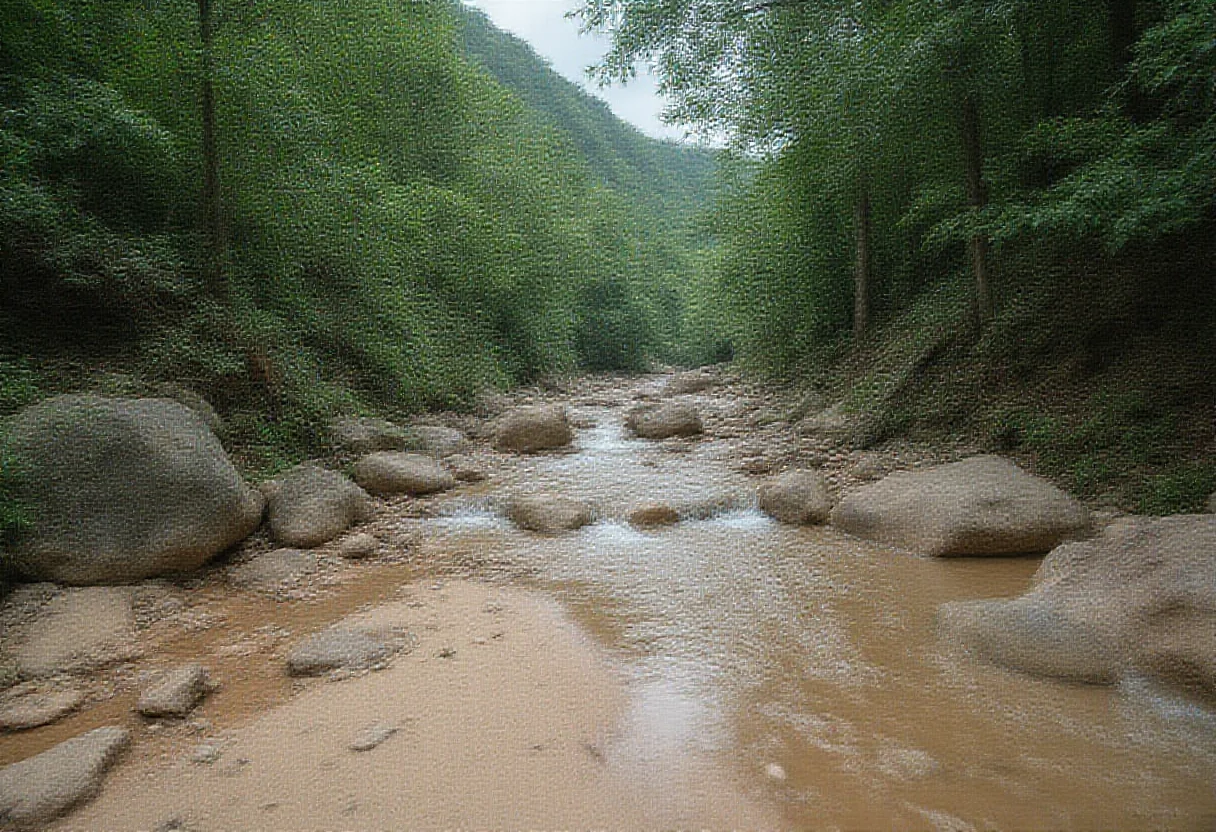
Calling sites averaged about 14 m from a seasonal stream and about 11 m from the next calling male. That spacing suggests males call from separate spots across a patch of forest floor, not from a single chorus site.
Do males answer each other?
In captivity, the study recorded males alternating and overlapping their calls. In the recorded interaction, overlapping calls began within 71 milliseconds of the other male’s call.
The authors suggest overlap may be an important form of male-to-male communication, but they say this is untested. Treat it as a hypothesis, not an established behavior.
Hearing without an external eardrum
The study says the species lacks an external tympanum, which suggests it may also lack a tympanic middle ear. It is not known whether the frog has a functional middle ear.
The authors suggest that vibrations carried through the ground may be important for hearing and communication. This matters because the frog lives underground, where airborne sound travels poorly.
Does temperature change the call?
Air and soil temperatures were similar during the recordings, averaging about 22.8 to 22.9 C and varying by no more than about 1.6 C. The authors found no clear effect of temperature on call properties.
The recordings cover a narrow temperature range, so the study cannot say how the call changes in much cooler or warmer weather.
Calls as a conservation tool
The authors suggest acoustic recordings could help monitor population size and status and help define the known range. That is useful for an animal that is almost impossible to count by sight.
EDGE of Existence rates the species as Endangered with a decreasing trend and an unknown population. It lists deforestation, harvesting by local communities, habitat change and check dams that damage breeding sites. Most known locations lie outside protected areas.
EDGE reports records from several locations in Kerala and one in Tamil Nadu, including Anamalai Tiger Reserve, Periyar Tiger Reserve and Silent Valley National Park. Because the species is endemic to the Western Ghats, a recording from outside that region would be extraordinary and should be checked.
The same source says tadpoles take about 100 days to metamorphose and cling to rocks in torrents with sucker-like mouthparts. Adults feed mainly on termites and other small invertebrates.
EDGE’s conservation priorities include studying the frog’s underground life, diet, longevity and dispersal distance, and estimating population size to monitor trends. Recordings of calling males could feed directly into that monitoring.
Why this odd frog matters to sound research
EDGE of Existence says the purple frog is one of only two species in the family Nasikabatrachidae. The family has evolved independently for around 100 million years. Its closest relatives are tiny frogs found only in the Seychelles, and the two lineages are thought to have split after the breakup of Gondwana.
The species was formally described in 2003, although local people had several names for it and science had long overlooked it. A frog this old and this isolated may help show how calling and hearing evolved in animals that live underground.
EDGE gives its size as 6 to 9 cm. The calling males in the 2014 study averaged 61.3 mm, at the small end of that range, so published size figures depend on which animals were measured.
Common mistakes about purple frog sounds
- Expecting to hear them all year. Adults emerge for only about one to two weeks, according to the study.
- Looking for them in ponds. The adults call from the soil, and the eggs are laid in small rocky pools in stream beds, according to EDGE.
- Assuming several call types. The study heard only one, the advertisement call.
- Mixing up the two species. Bhupathi’s purple frog is a separate species with a different call.
- Digging for a calling male. The frog is Endangered, and disturbing it sends it deeper.
Frequently Asked Questions
When do purple frogs make sounds?
In the evening and at night, mostly just after heavy rain, during a very short breeding window at the start of the monsoon.
Where do purple frogs call from?
From just beneath the soil surface, under loose soil and humus, at the mouth of small tunnels.
Why do purple frogs call?
To advertise to females and to communicate with other males. The study found one call type, the advertisement call.
Can purple frogs hear?
They have no external eardrum, according to the 2014 study. It is not known whether they have a functional middle ear, and ground vibrations may matter.
Do purple frogs bark, chirp or croak?
Not according to the study cited here. It describes short pulsed calls grouped in bursts.
Where can I hear a recording?
No public recording has been verified for linking here, so none is linked. The PLOS ONE paper describes the recordings in detail.
Bottom Line
Purple frog sounds are brief, hidden and tied to the monsoon. That is why so little was known until field recordings were published in 2014.
Check the sources below for the full study, and see the call measurements guide for the numbers.
Sources
- Vocal behavior of the elusive purple frog of India, PLOS ONE 2014. Covers: Calling times, sites and call structure.
- India’s Endangered: The song of the Indian purple frog. Covers: Study location, soil movement and hearing.
- EDGE of Existence: Purple frog. Covers: Habitat, breeding window and status.
- National Geographic: New purple pig-nose frog found in remote mountains. Covers: Sister species and its calling sites.
- Reptiles Magazine: New frog species with pig-like snout discovered in India. Covers: Call of Nasikabatrachus bhupathi.
One Comment